Snowboards
Drake Cocktail Snowboard Review: A Pow Board With Big Trade-Offs
The Drake Cocktail uses backseat camber for easy powder float, but heavy vibration, weak pop, and limited carving hold it back for most riders.
Introduction
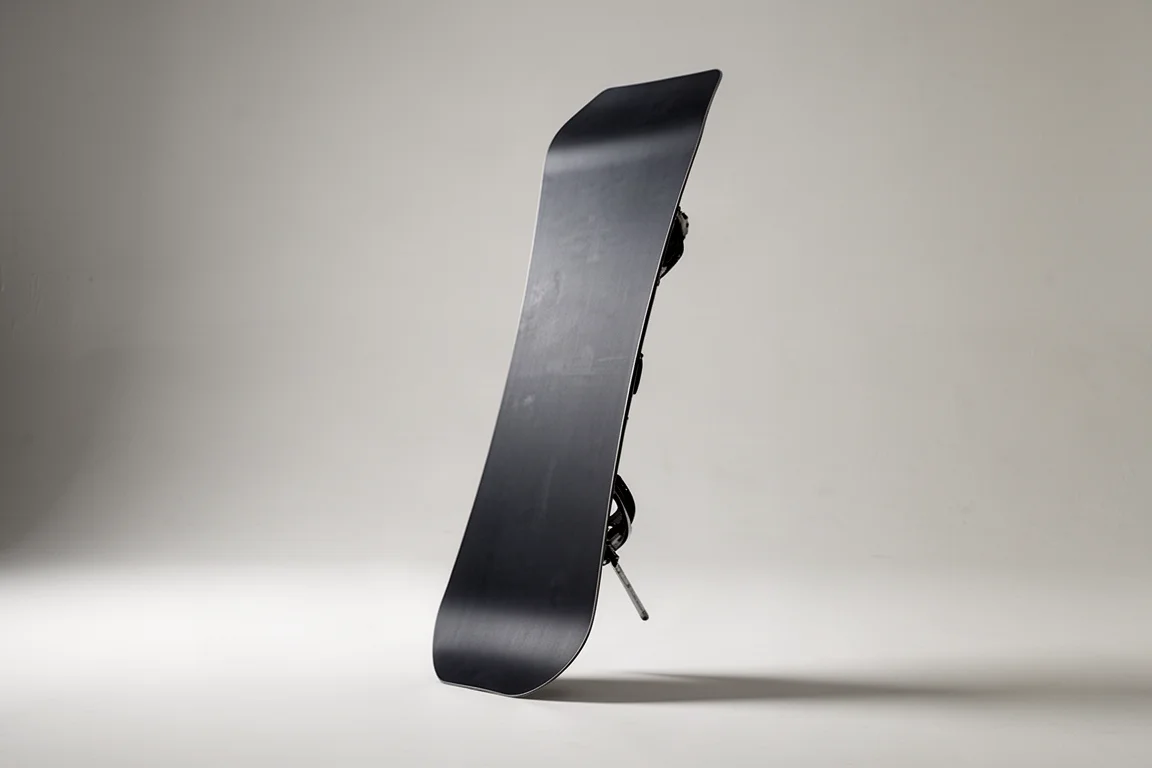
The Drake Cocktail is a directional powder board built around Drake’s “Pow Camber,” which is essentially backseat camber: a flat section through the nose, with the camber zone set under and behind the back foot. When you engage that camber section, it lifts the flat nose, acting like a rocker profile. That gives you easy turn entry and exit plus better float in powder, while the camber under the rear foot promises pop, load, snap, and drive.
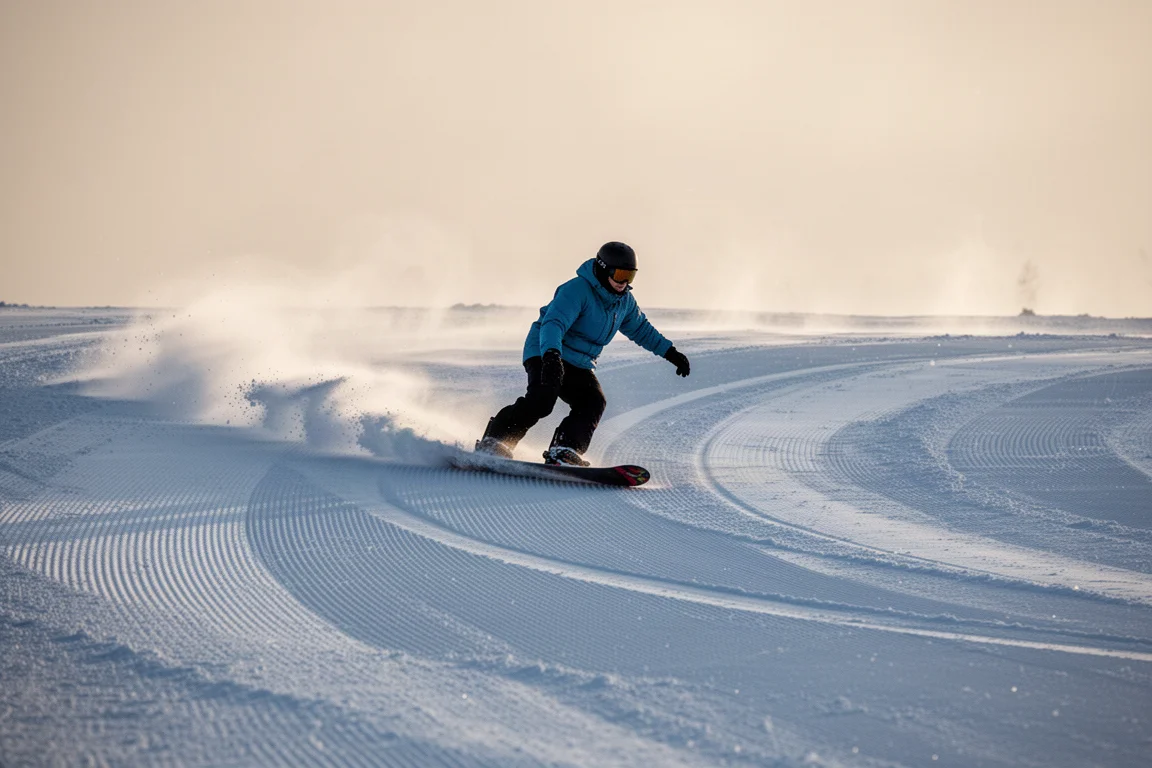
It’s an interesting idea on paper. In practice, the Cocktail is available in 157 and 162, and after riding it on a cold bluebird day with about five inches of fresh snow over perfect corduroy, the honest verdict is that it’s a mediocre pow board with one genuinely nice trick. Here’s the full breakdown.
Flex, Stability, and Vibration
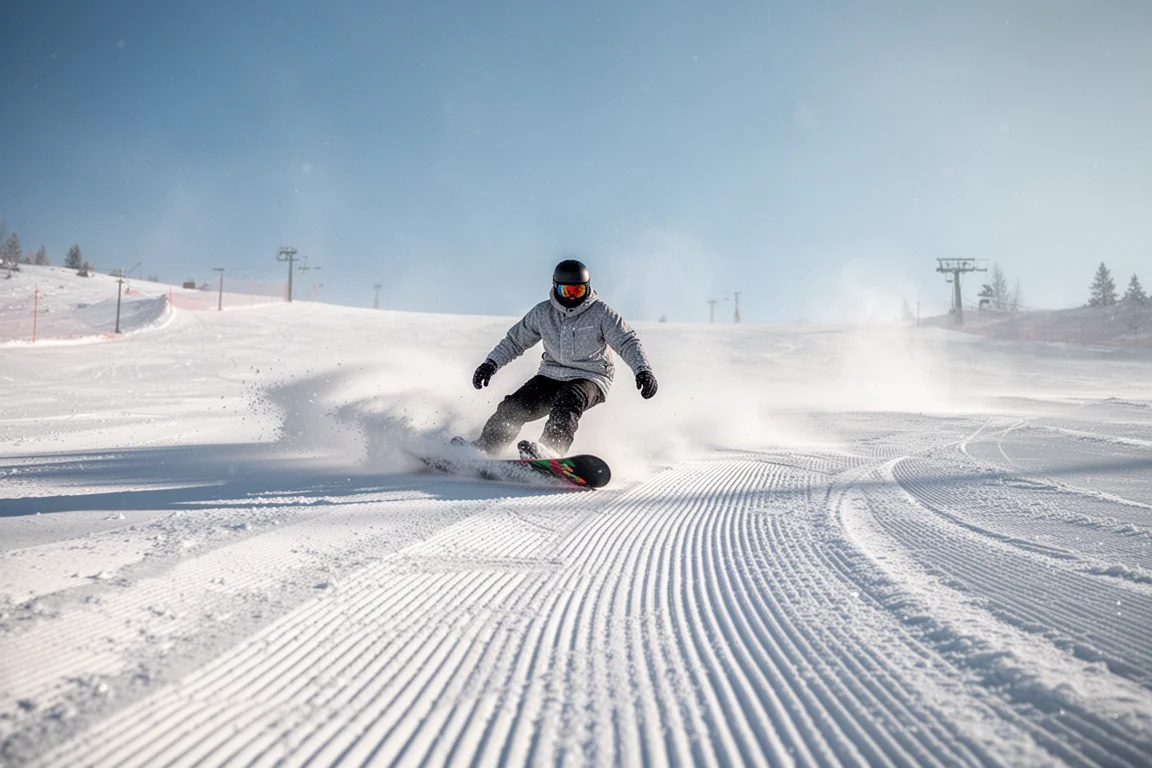
This board is softer than you’d expect, with a notably soft nose through the flat section to the middle of the inserts, then a stiffer feel back through the tail. Torsionally, it has an overabundance of flex.
Stability is where things fall apart. That flat nose section flaps a lot and resonates back under the front foot when you’re cruising with centered weight. In lumpy or chopped-up terrain, you feel everything coming up underfoot, and if you’re not prepared, the board gets bucked around badly. Expect real knee and hip fatigue from all that vibration traveling up through the bindings and the soles of your boots.
Pop and Playfulness
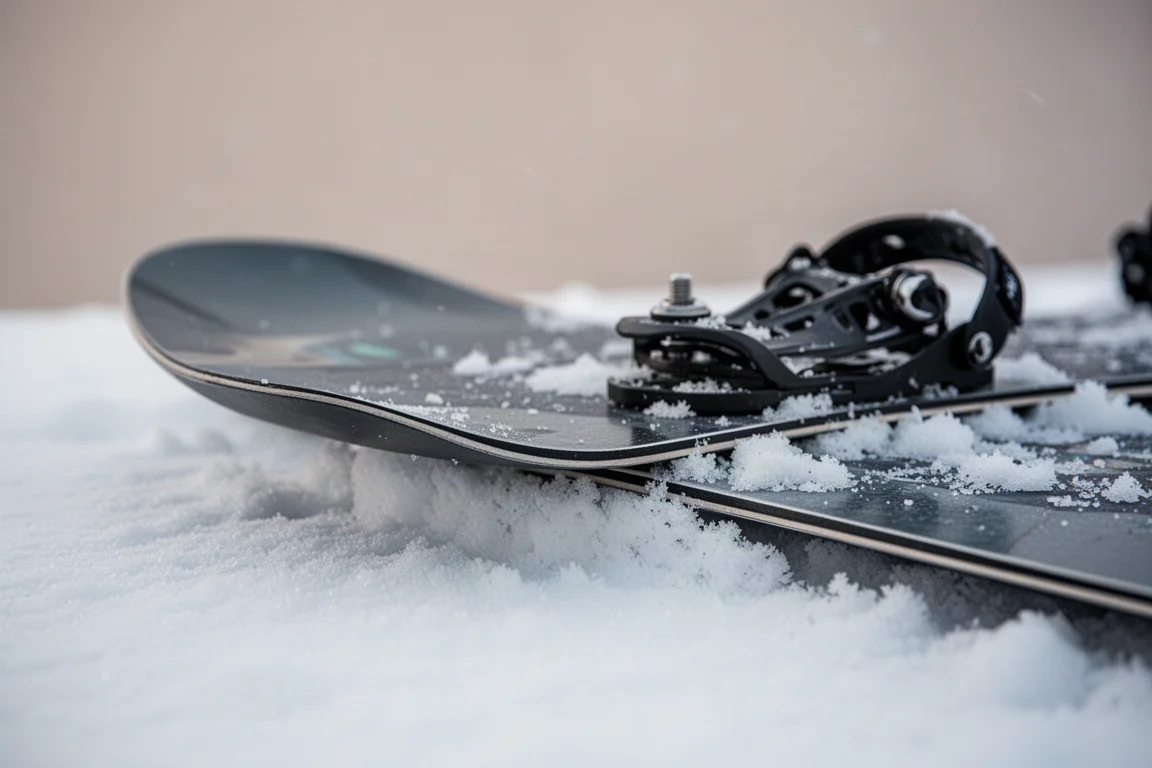
The Cocktail lacks pop. What you put in is what you get out of the rear foot, and when you roll back on the tail trying to load that camber section, it just folds instead of springing. It feels like a wheelie followed by a small pogo, then nothing.
Butters live in the flat nose section, which is forgiving there. But when your weight moves outside that zone and you press into the tail, the board over-flexes with no rebound. You have to stay laid-back and gentle with it, otherwise you end up doing high-speed pow wheelies, and even those can fold on you. Pow butters on this board? Basically not happening.
Carving Performance
At slow speeds, the Cocktail is a complete slug and takes forever to engage and drive. Get up to speed and it becomes moderately better, meaning toe-to-heel transitions get a bit easier, though it’s still not great.
The bigger problem shows up when you try to drive a carve from center through the tail to access that camber’s snap: you overload the tail and it disengages on you. This board can carve up to a point, and after that point it’s done. If you’re a resort rider chasing powder stashes and covering groomers in between, that limitation matters a lot. Mellow carves are the ceiling here.
Who the Drake Cocktail Is Actually For
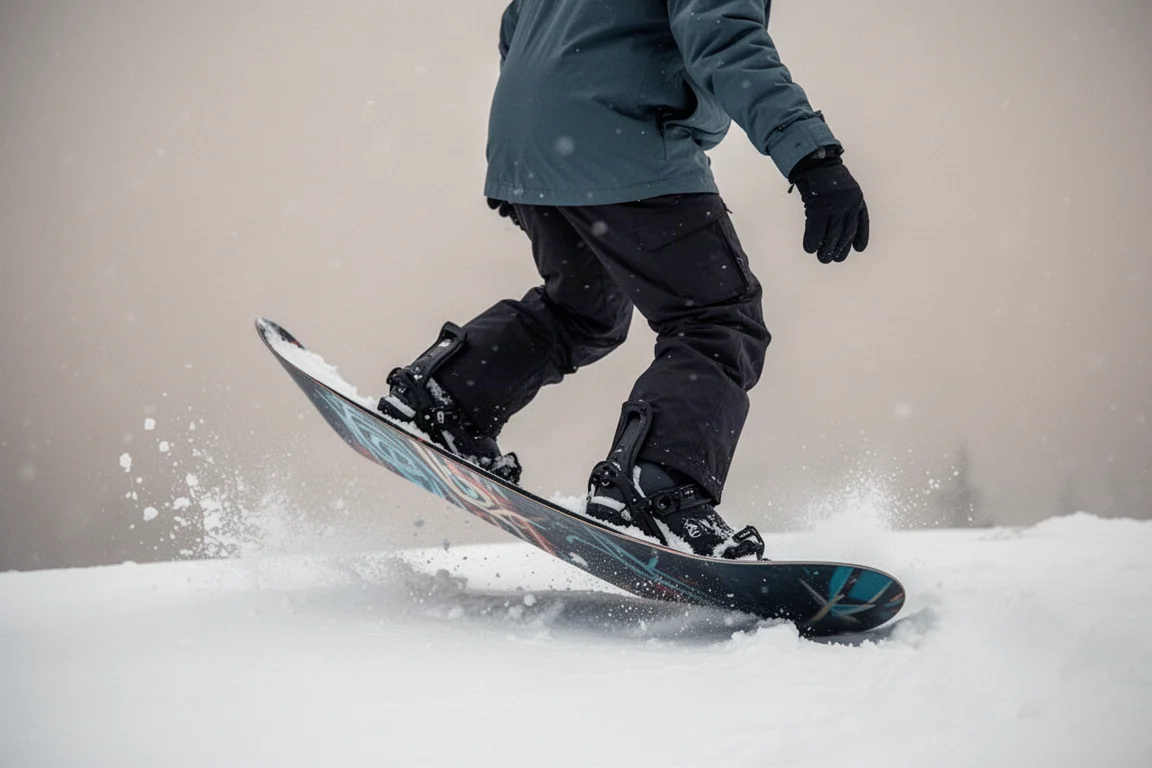
The realistic buyer is a lightweight, big-footed rider who wants to keep things mellow in powder and on groomers. The backfoot camber did do one thing well: when engaged, it made the nose rise easier in lower-angle powder. That was the standout.
Everything else lands somewhere between average and frustrating: slow-speed sluggishness, mediocre response even at speed, heavy vibration, and a hard limit on how hard you can carve. Comparable boards in this space include the Rossignol Sashimi, the Nitro Mellow, and the Amplid Aloha Vibes.
If you do pick one up, pairing it matters: suggested bindings include the Rome Vice, Union Strata, and K2 Edition.
Buying Advice
Before buying the Drake Cocktail, be honest about how you ride. If most of your days are mellow low-angle powder laps and you value an easy, forgiving feel over pop, stability, or aggressive carving, it can work. If you want a board that handles chop, ollies with energy, or holds a committed carve on the way to your stashes, look elsewhere.
Conclusion
The Drake Cocktail’s backseat camber delivers genuine ease in powder, letting the nose rise in low-angle fresh snow with minimal effort. But heavy vibration, folded presses, weak pop, and a hard carving ceiling make it an unremarkable pow board overall. For riders who want a relaxed, forgiving powder experience and nothing more, it can fit. Most others will be better served by its competitors.
Product link
View more details for Drake Cocktail
This product is mentioned in the review. Check the specifications, options, and compatibility before buying.
View more details for Drake CocktailFurther reading
Related Reviews
Snowboards
32 Middle Earth Scott Stevens Pro Model Snowboard Review: A Park Board With a Reversed Flex
A medium traditional camber park board with carbon V reinforcement that is stiffer in the tips and more playful between the feet. Here is how it rides and who it suits.
Snowboards
32 Snafu Review: A Directional All-Mountain Freestyle Board with Serious Pop
The 32 Snafu pairs a directional camber-rocker profile with a stiffening tail for powerful carves, big ollies, and a surprisingly damp ride.
Snowboards
32 XXX Pat Fava Pro Snowboard Review: A Stiff Camber Beast for Hard-Charging Riders
A full-width traditional camber deck that rewards aggression with stability and edge power, but demands effort everywhere else.