Outdoor Gear
Uniqlo Ultralight vs Arc'teryx Cerium: Four Down Jackets Compared
Four down jackets from $60 to $400 compared on fill power, shell thickness, weight, cut, and warmth so you can pick the one that matches how you actually use it.
Introduction
Down jackets sit in one of the strangest price ranges in outdoor gear. A jacket can cost $60 and feel remarkably similar to one that costs $400 the first time you pull it on, and the difference only becomes obvious once the shell, the insulation, and the cut are tested against real weather.
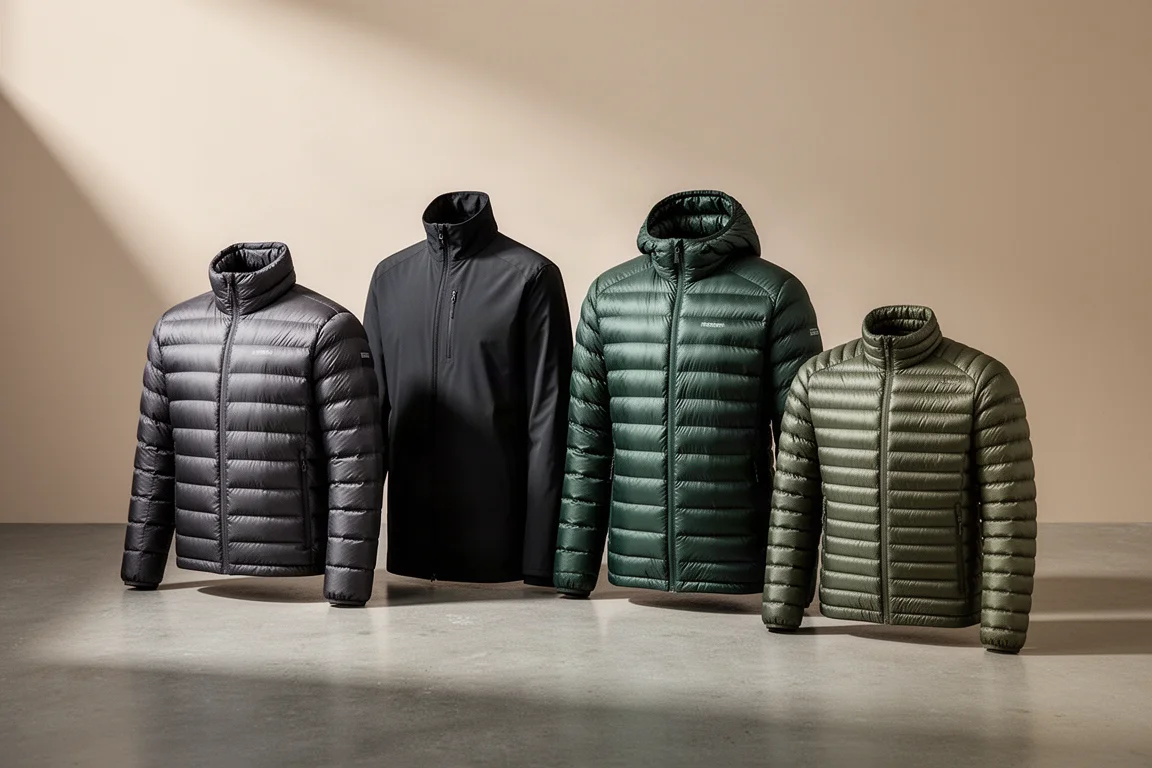
This comparison covers four down jackets spread across that spectrum: the Uniqlo Ultralight Down Jacket at around $60, the Arc’teryx Cerium Down Jacket at $400, the REI 650 Down Jacket at $99, and the Mountain Hardwear Ghost Whisperer Down Jacket at $350. Each one earns its place for a different reason, and the right choice depends far more on how you plan to wear it than on the number on the tag.
What Actually Separates These Down Jackets
Fill power is the first specification worth reading. It describes how much loft the down provides for a given weight, and the numbers here range from 650 in the REI jacket to 750 in the Uniqlo and 850 in the Arc’teryx Cerium. Higher fill power is not automatically warmer on its own, because the amount of down packed into the jacket and the way it is distributed matter just as much.
Shell fabric is the second factor, and it is the one most people overlook. The Uniqlo uses a 10 denier nylon shell, while the Arc’teryx uses a 20 denier nylon, roughly twice as thick. A thinner shell saves weight and cost, but it is more exposed to abrasion and more dependent on its water repellent finish.

Weight and cut round out the picture. The Uniqlo weighs 8.3 ounces, the Arc’teryx Cerium weighs 10.2 ounces, and the Ghost Whisperer weighs 7.8 ounces. Cut matters because length and hem width decide how much cold air can move in around the waist, which is often what separates a jacket that feels warm while walking from one that stays warm when you stop.
Uniqlo Ultralight Down Jacket: The Affordable City Layer
The Uniqlo Ultralight Down Jacket is the least expensive option here at around $60, and on paper it is not obviously outclassed. It uses 750 fill down and weighs just 8.3 ounces, so it feels like almost nothing when you first put it on. Uniqlo positions it as a city jacket rather than a backpacking layer, and that framing turns out to be honest.
While you are moving on a cool day, it is genuinely warm. The limitation shows up when you stop. After roughly 15 to 20 minutes of standing around, core heat drains noticeably and the jacket does not hold warmth the way a heavier layer does. The cut explains part of that: it is boxy through the middle, short in the body, and wide at the bottom hem, which lets cold air move in around the waist. Side drawcords help, but only so much.
Water repellency is the other weak point. Packed snow pressed against the shell left a wet streak that stayed put rather than beading off, and because down insulation loses its warmth once it is wet, that matters more here than it would on a synthetic jacket.
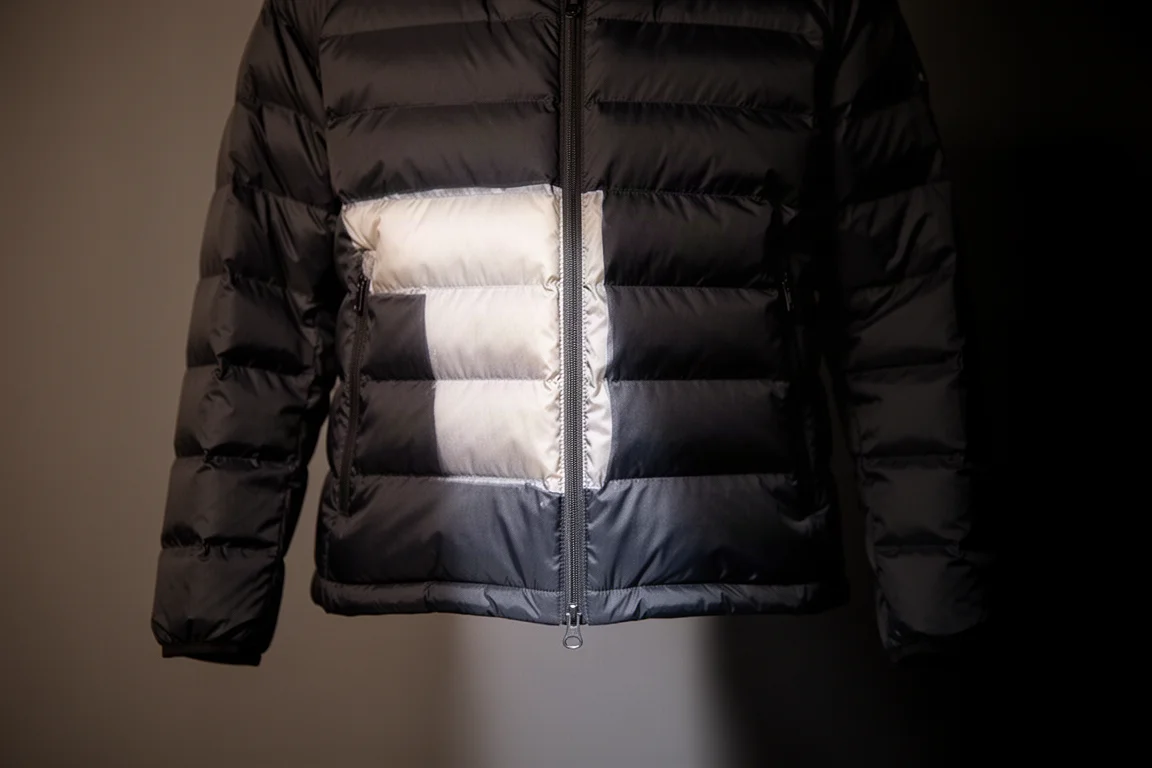
Held up against a light, the shell also reveals patches along the seams where there is very little down between the baffles, so the insulation is not distributed evenly. Durability is a fair question given the thin 10 denier nylon, although longevity is not guaranteed to be poor: a 10-year-old example of this same jacket is still in regular use.
As an inexpensive down layer for mild conditions and city wear, it makes a lot of sense, and the colour options are part of the appeal. As the jacket you depend on for cold-weather hiking, it does not hold up.
Arc’teryx Cerium Down Jacket: The Premium Ultralight
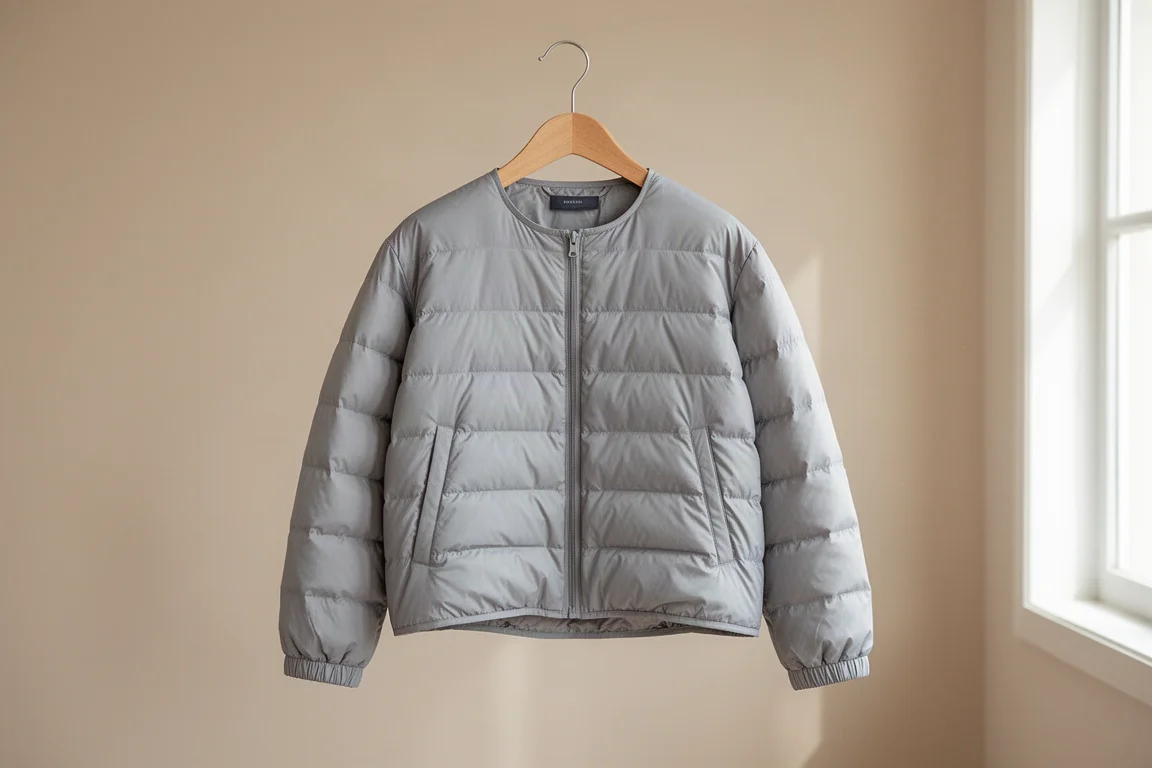
The Arc’teryx Cerium Down Jacket costs $400, which is the kind of number that invites skepticism. It uses 850 fill down and a 20 denier nylon shell, roughly twice as thick as the Uniqlo shell, and it weighs 10.2 ounces, so it is actually a little heavier than the cheaper jacket despite the premium price.
On a cold hike, the difference was clear. The Cerium felt warmer while moving, and it still felt warm after stopping, which is exactly where the Uniqlo had already lost heat. The fit contributes to that: a longer body, longer sleeves, a less boxy silhouette, and a longer back panel that covers the hips and keeps the lower back warmer.
Shining a light through both shells tells a similar story. The Cerium shows more down packed between the baffles, and the insulation reads as denser across the panels rather than thinning out near the seams.
It is worth being precise about what the $400 actually buys. The main premium is not warmth alone; it is shell durability, a longer service life, and the small usability details that come with a jacket built for years of hard use.
REI 650 Down Jacket: Warmth Without the Premium Price
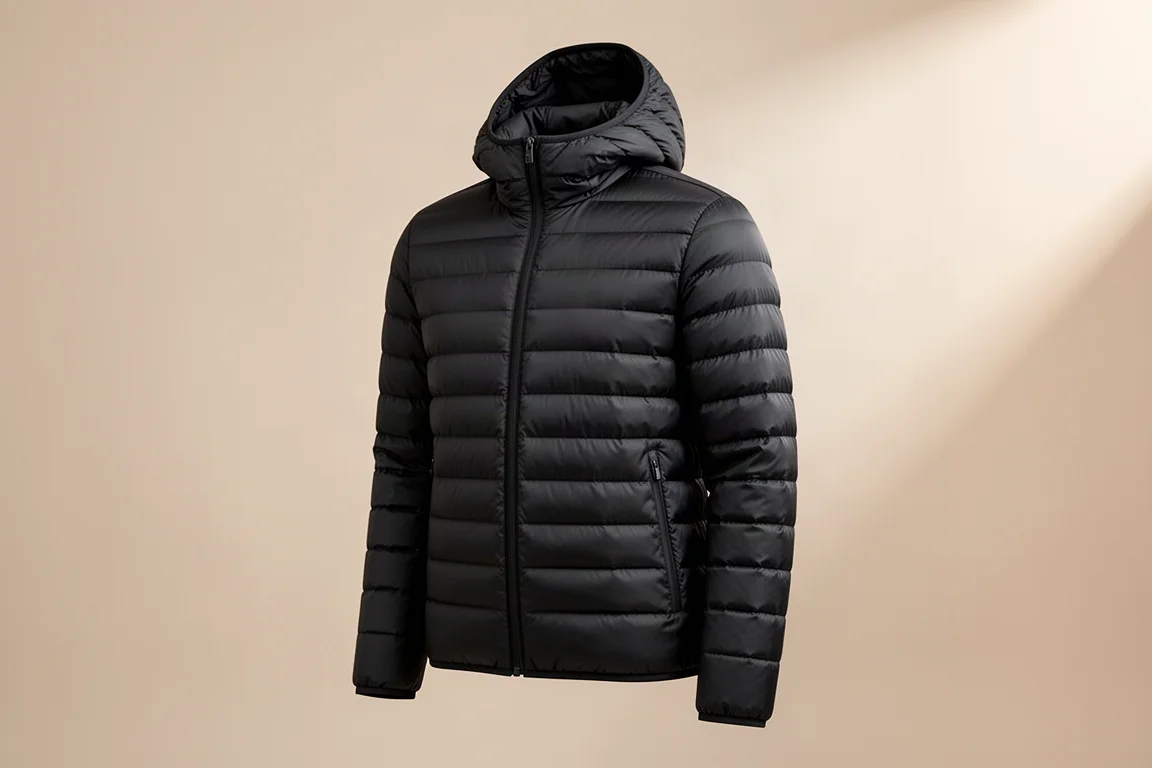
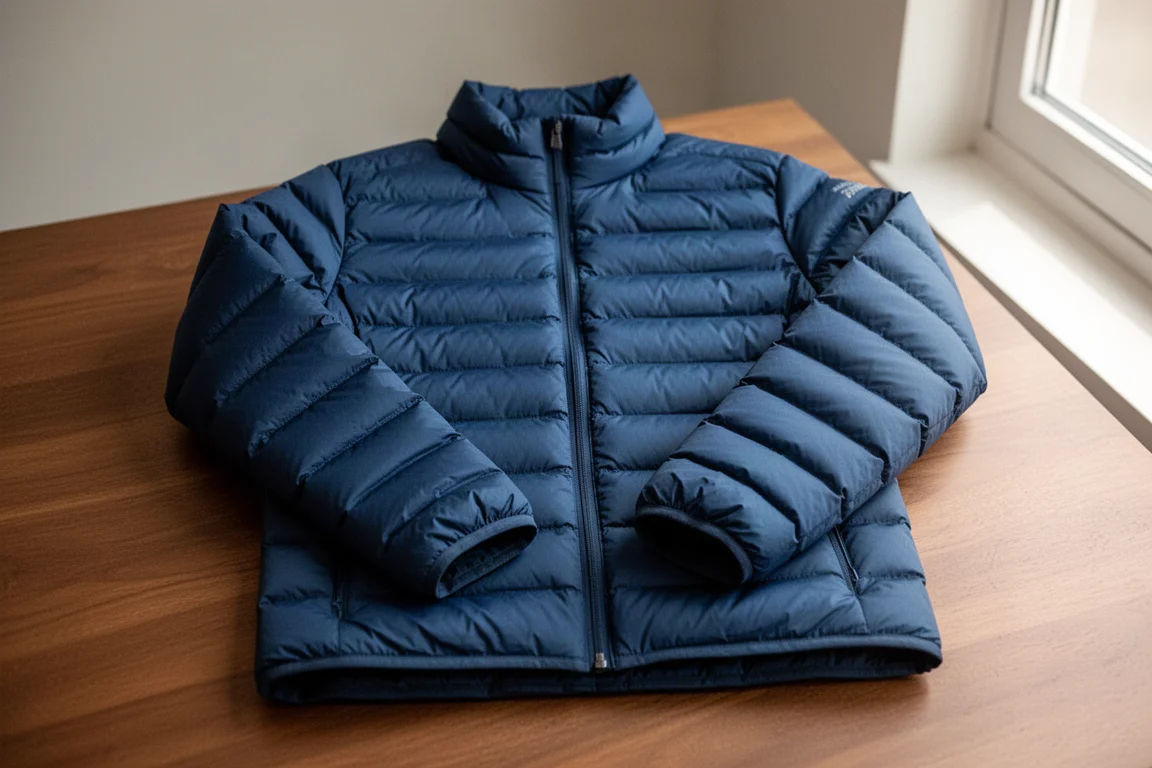
The REI 650 Down Jacket costs $99 and carries a lower fill power rating than the Uniqlo at 650 versus 750, which makes it look like the weaker option on a spec sheet. In practice the opposite is true. The REI lofts up considerably more, and that extra loft makes it noticeably warmer than the Uniqlo despite the lower number.
That is the useful lesson from this comparison: fill power describes the quality of the down, not how much of it is in the jacket. A modest fill rating paired with generous loft can outperform a higher rating used sparingly.
At $99 it sits in a practical middle ground. It is not an ultralight specialist and it is not a $400 investment, but it delivers real warmth for a price that is easy to justify for a first down layer or a spare that lives in a pack.
Mountain Hardwear Ghost Whisperer Down Jacket: The Lightweight Favorite
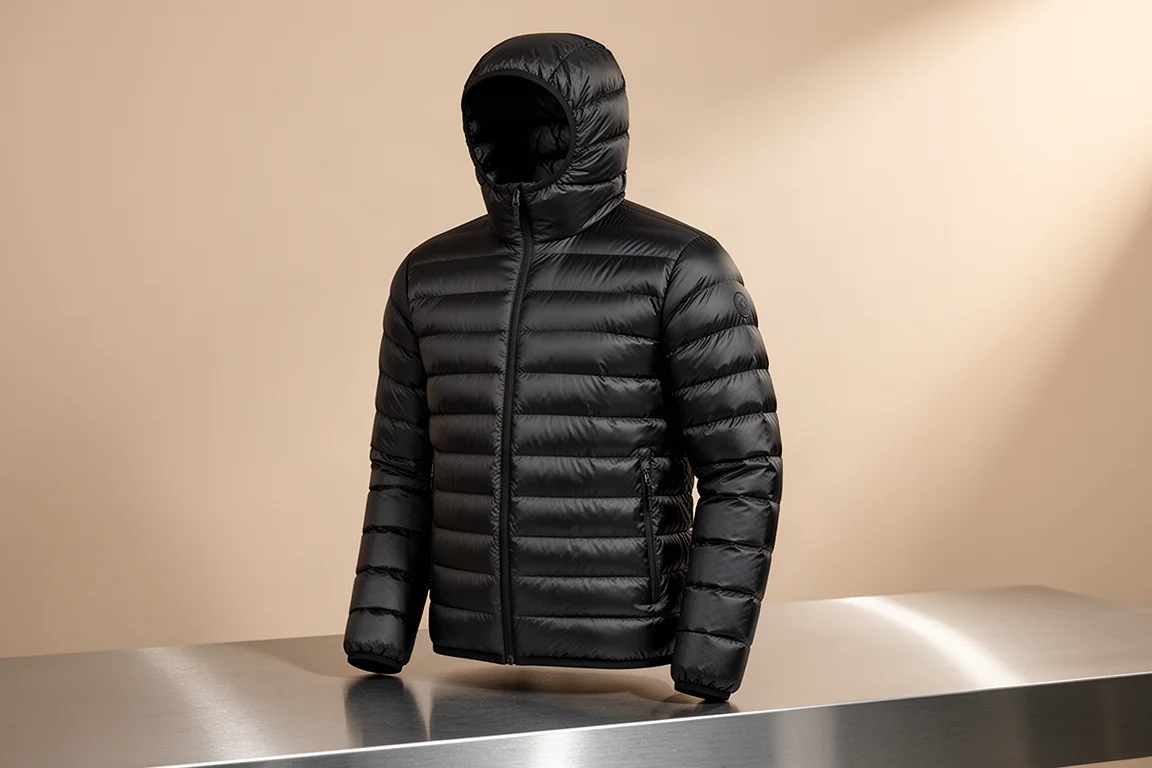
The Mountain Hardwear Ghost Whisperer Down Jacket costs $350 and weighs just 7.8 ounces, making it the lightest jacket in this comparison. It stays well insulated both while you are moving and while you are stopped, which is the combination that matters most on a long day out.
For a jacket intended to go on every trip, that balance between weight and warmth is what justifies the price. It is the option to consider if you want one down layer that covers moving and resting without adding much weight to a pack.
Overall Buying Advice
The right jacket depends on the conditions you actually expect and how much you are willing to spend to cover them.
If your down jacket is mostly a city layer for mild cold, the Uniqlo Ultralight Down Jacket is a reasonable $60 purchase, provided you accept the boxy fit, the short hem, and the limited water repellency. If you want the most warmth per dollar and you are heading out on real hikes, the REI 650 Down Jacket at $99 is the value pick of the group. If you want the lightest option that still keeps you warm on the move and at rest, the Ghost Whisperer at $350 is the one to look at. And if you want the most warmth and the most durable shell here, the Arc’teryx Cerium at $400 is the clear step up.
It also helps to think about how long you intend to keep the jacket. A thinner shell will show wear sooner, while a heavier denier shell is built to absorb more seasons of use. Neither approach is wrong, but the calculation changes if you plan to wear the same jacket for a decade.
Conclusion
Across these four jackets, the Arc’teryx Cerium is the warmest and the most durably built, and the price reflects that. The Mountain Hardwear Ghost Whisperer is the lightest and the most versatile for regular trips. The REI 650 Down Jacket offers the strongest warmth for the money, and the Uniqlo Ultralight Down Jacket remains a genuinely inexpensive down layer for mild weather and everyday wear, with the caveats about fit, hem length, and water repellency clearly in view.
Further reading
Related Reviews
Outdoor Gear
Backpacking Gear Evolution: 100 Years of Technology Compared
We tested backpacking gear from 1925, 1975, and 2025 across a three-day hike in Yosemite. Here's how technology has transformed comfort, weight, and the outdoor experience.
Outdoor Gear
Best Affordable Hiking Watches: Five Rugged Options for Outdoor Adventures
Five durable hiking watches that balance ruggedness, functionality, and value for outdoor enthusiasts who need reliable GPS tracking and weather resistance.
Outdoor Gear
Best Backpack Coolers 2026: Five Practical Options for Outdoor Adventures
Five backpack coolers with distinct cooling capabilities, storage features, and design trade-offs to help you choose the right one for your outdoor needs.