Running Shoes
Eight Running Shoes Worth Talking About: Expert Answers to Real Runner Questions
From stability trainers to super trainers and marathon racers, eight shoes that keep coming up in runner questions, with honest guidance on who each one suits.
Introduction
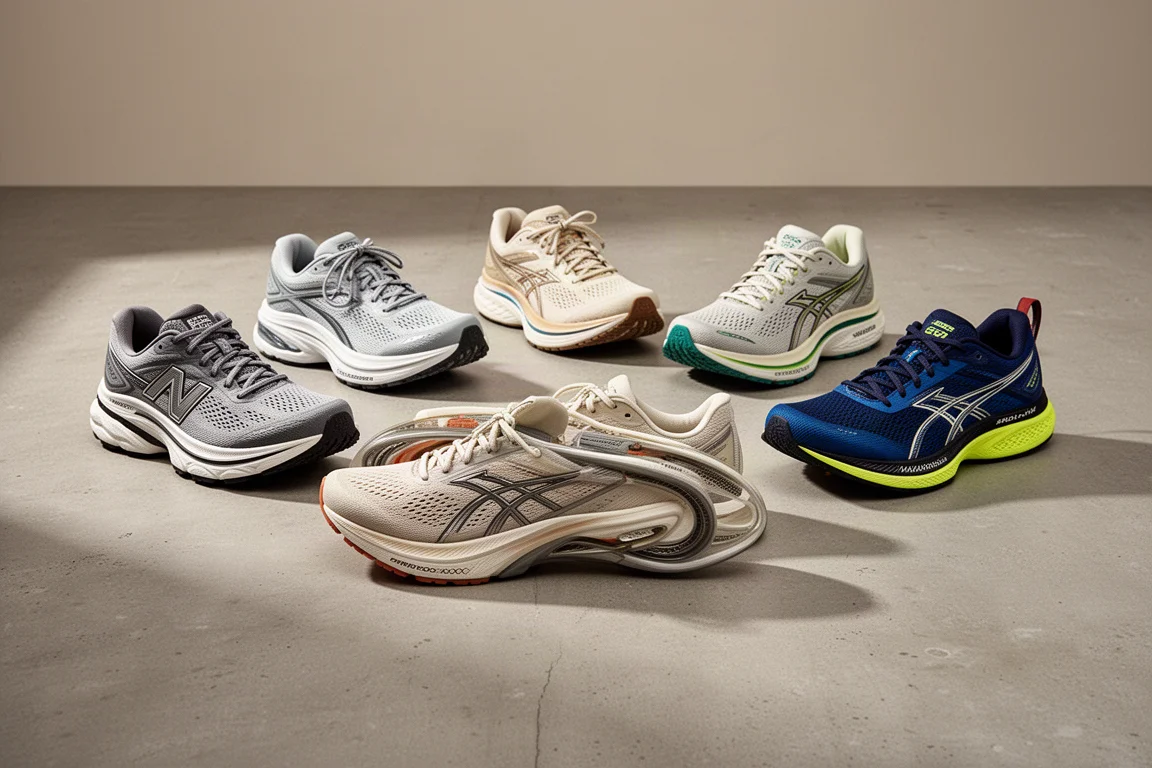
Few running questions are as common as which shoe to buy next, and few answers are as honest as “it depends.” Still, when the same handful of shoes keeps surfacing in listener questions about stability, calf fatigue, first super trainers, and marathon fit, it is worth putting them side by side. This roundup collects eight models that answer very different problems: a revived stability trainer, a max-cushion guide-rail shoe, a rare lightweight stability option, a bouncy neutral daily trainer, a plated tempo shoe, a firmer super trainer, an aggressive marathon racer, and a high-stack hybrid.
Why These Eight Shoes Keep Coming Up
The pattern across these questions is clear. Runners are not asking “what is the best shoe in the world,” they are asking which tool matches their mechanics, their training phase, and their injury history. A stability shoe with a wider fit answers a different question than a marathon racer, and treating them as interchangeable is where most purchases go wrong.
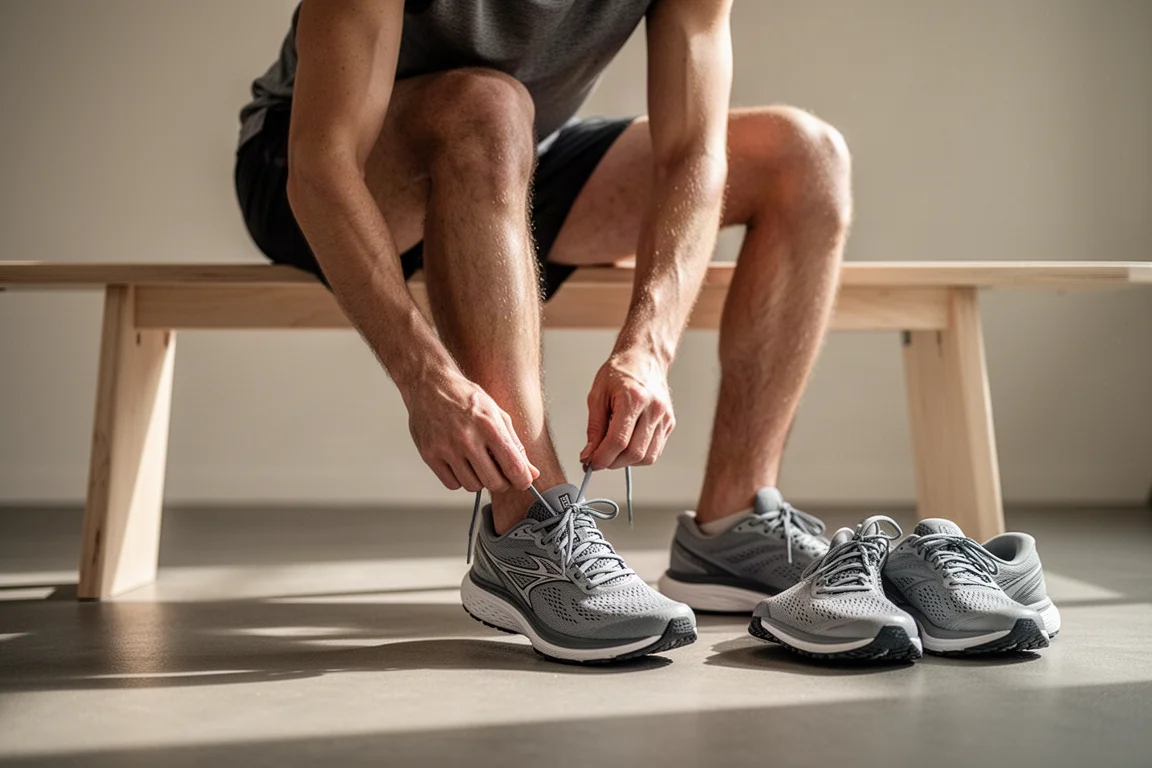
What follows is a practical breakdown of each shoe, what it does well, and who should actually consider it.
The Stable Daily Trainer: Puma Forever Run Nitro 2
The Forever Run Nitro 2 is the comeback story of the stability category. The first version was widely criticized for a clunky heel, but this one has been cleaned up substantially. It uses a 38mm heel and 28mm forefoot stack with Nitro foam that feels bouncier and smoother than before, with a heel transition that rolls you forward instead of landing with a thud.
It is guidance-based rather than aggressively corrective: there is a subtle feeling of support in the arch, but no harsh medial post or pressure you feel all run long. It keeps you centered, and it does it without the aches many runners associate with true stability shoes. The upper fits a bit wider than average with a slightly thicker material, tuned for comfort. It has gained a little weight over the last version, so it is a trainer first, not a fast shoe. For consistent paces, long runs, and guidance without aggression, it is an easy recommendation.
The Softer Guide-Rail Alternative: Brooks Glycerin GTS 22
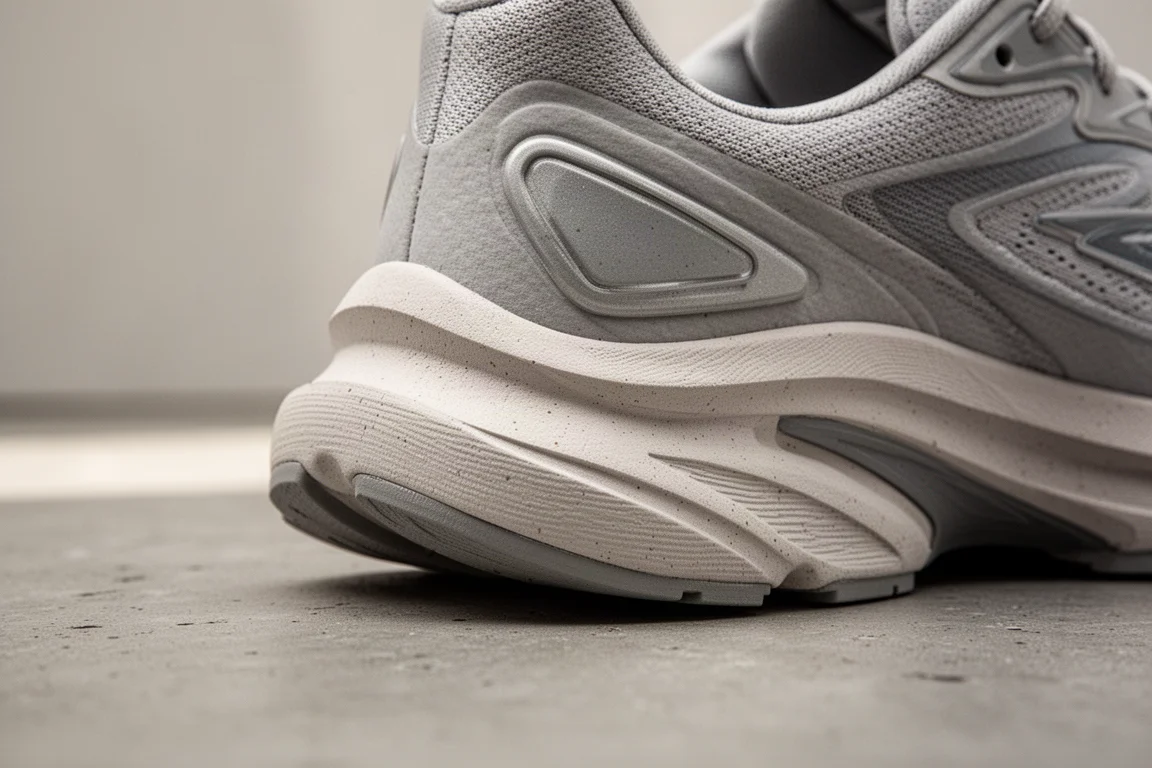
The Glycerin GTS 22 sits at a very similar stack height, around 38mm in the heel, but takes a different route to stability. It uses Brooks’ familiar guide rails paired with a noticeably softer tune of DNA foam. The GTS series historically has a more assertive post feel, with real pressure noticeable on the medial side and sometimes laterally too.
If you want that softer ride and do not mind a more assertive stability structure, this is the more traditional choice. If you prefer bounce, a smoother heel bevel, and a wider, more comfort-focused fit, the Puma above is the better match.
The Lightweight Stability Pick: Brooks Hyperion 2 GTS
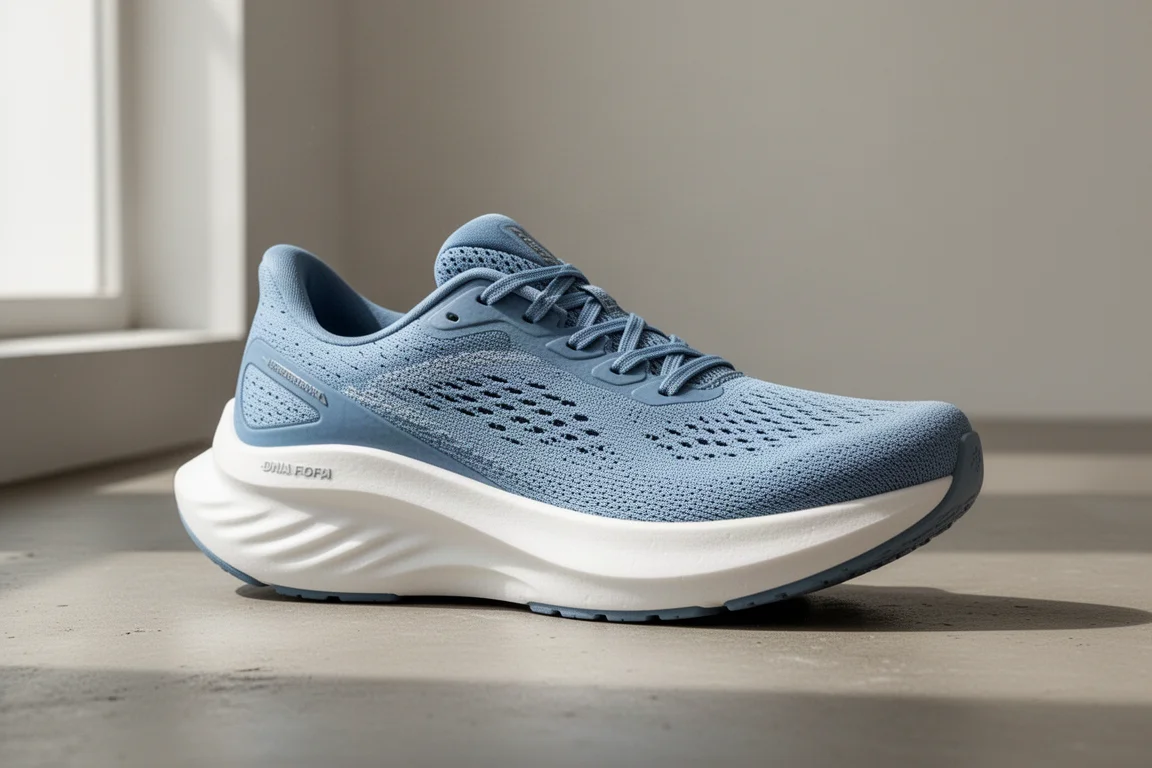
Lightweight stability shoes are nearly extinct, and the Hyperion 2 GTS is one of the only ones still doing the job. Runners who loved the original but found their feet aching on longer mileage are exactly the audience for it: it brings guide-rail support in a package that stays light and quick enough for faster days.
The trade-off is cushioning. It is not built to absorb long-run fatigue the way the Puma or Brooks Glycerin GTS will, so it works best as a complement rather than a single-shoe solution.
The Bouncy Neutral Daily Trainer: Asics Novablast 5
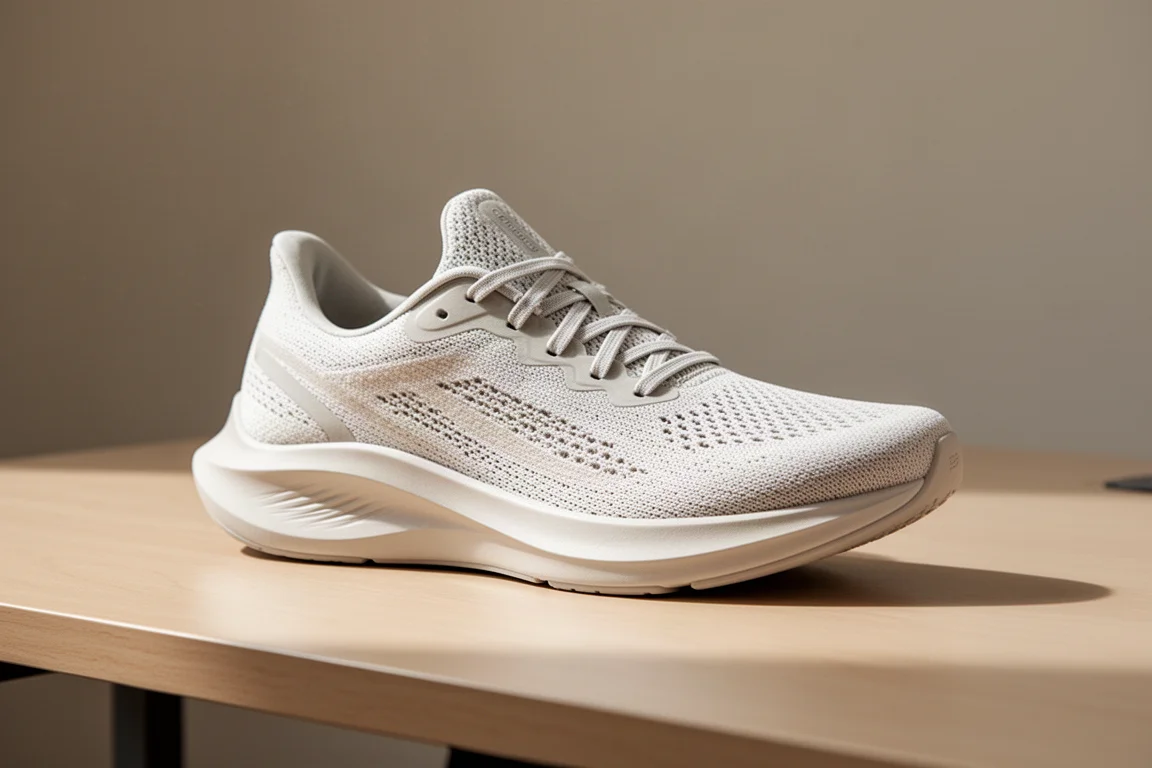
The Novablast 5 keeps proving itself as the default answer for neutral runners who want energy without a plate. It has a generous, wider toe box than many fast trainers, a rockered ride that helps take load off the calves, and enough cushioning to handle daily mileage.
That rocker geometry matters: runners coming from lower, flatter shoes often notice their calves feel fresher in the Novablast, though some initially find it feels less stable because softer shoes compress more. If your calves are the limiting factor, a rockered, slightly higher-drop neutral trainer like this is one of the simplest changes you can make.

The Tempo and Interval Option: Saucony Endorphin Speed 4
The Endorphin Speed 4 occupies the useful middle ground between a daily trainer and an aggressive super shoe. Its nylon plate gives it some forward propulsion without the harshness of a full carbon setup, and the foam, while soft, runs a bit higher in drop but behaves closer to a lower-drop shoe because of how it compresses.
There is real logic to owning a tempo shoe. Training exclusively in super shoes can blunt some of the training benefit, while doing all fast work in heavy trainers loads the body differently than racing will. A tempo shoe lets you practice faster running in something lighter, reduces muscle damage compared with trainers, and for many marathoners racing three to five hours, it is a more appropriate race-day shoe than a super shoe anyway.
One caution: the toe box is tapered and the fit is on the narrower side, since it is designed as a faster shoe. It is not the pick for wide, anatomically shaped toe box fans.
The Firm Super Trainer: On Cloudmonster Hyper
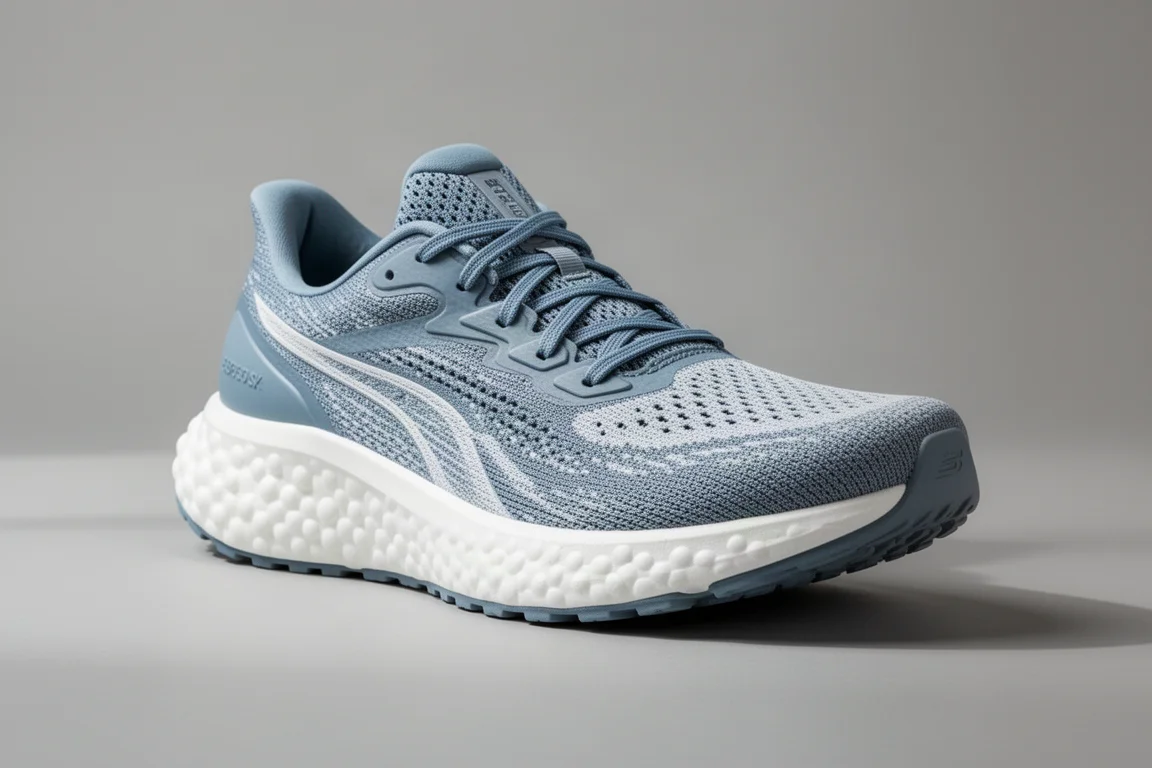
Most super trainers are tall, plush, and soft, which rules them out for runners who dislike that squishy feel. The Cloudmonster Hyper is the rare exception: well over 40mm of stack in the heel with Helion HF foam that firms things up rather than swallowing you, and CloudTec geometry that wraps the midsole for a touch of stability.
It is plate-free with a little flexibility up front, more than you get from most shoes carrying this much foam. The drop is around 6mm and the toe box is normal width with decent volume, not narrow but not wide either, so trying it on matters. Durability has held up well, which matters at this price point. For a first super trainer that is not too soft, it is the standout suggestion.
The Marathon Racer: Adidas Adizero Adios Pro 4
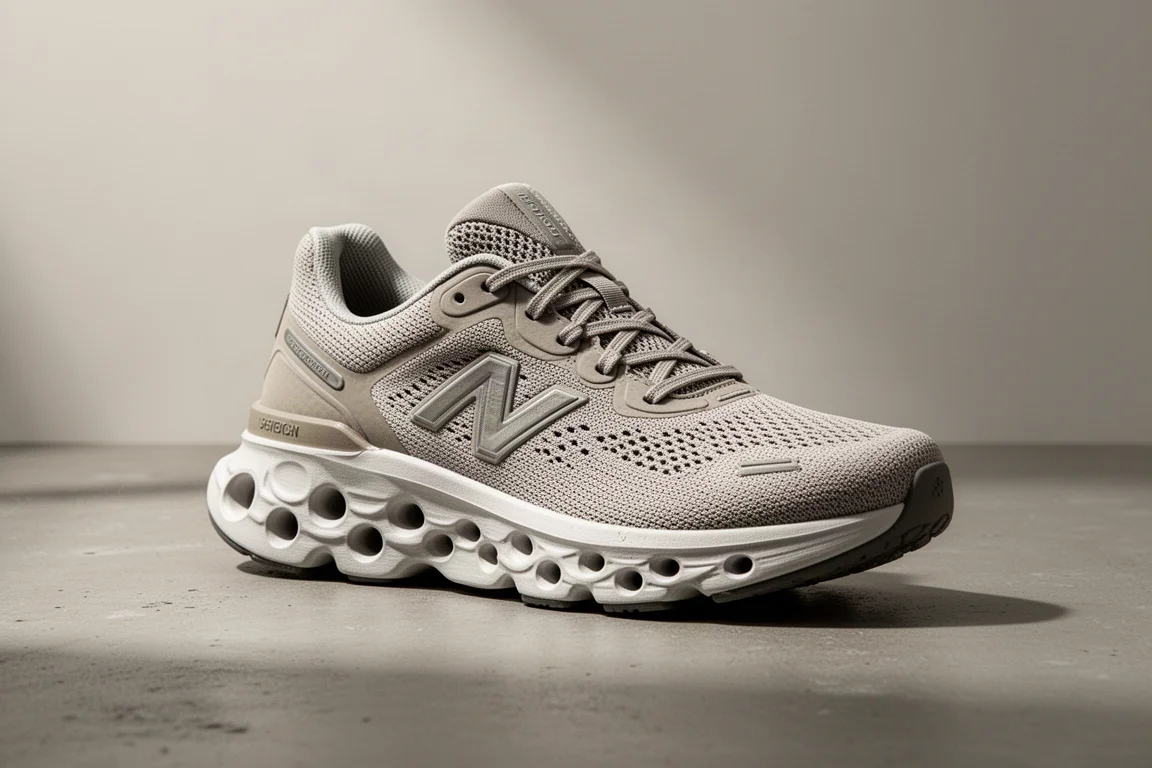
The Adios Pro 4 has a well-earned reputation for speed, but it also carries a well-earned sizing reputation: it runs short. Runners who are between sizes often need to go up half a size here, unlike most racing shoes where true-to-size works.
This matters because the sizing-up-for-marathons rule is not a hard rule at all. If your feet do not swell much and the shoe fits well at your normal size, sizing up can put the rocker geometry in the wrong place under your foot and leave your heel sliding around. Test the shoe on long runs, know how your feet behave, and size for fit, not folklore.
The High-Stack Hybrid: Asics Superblast
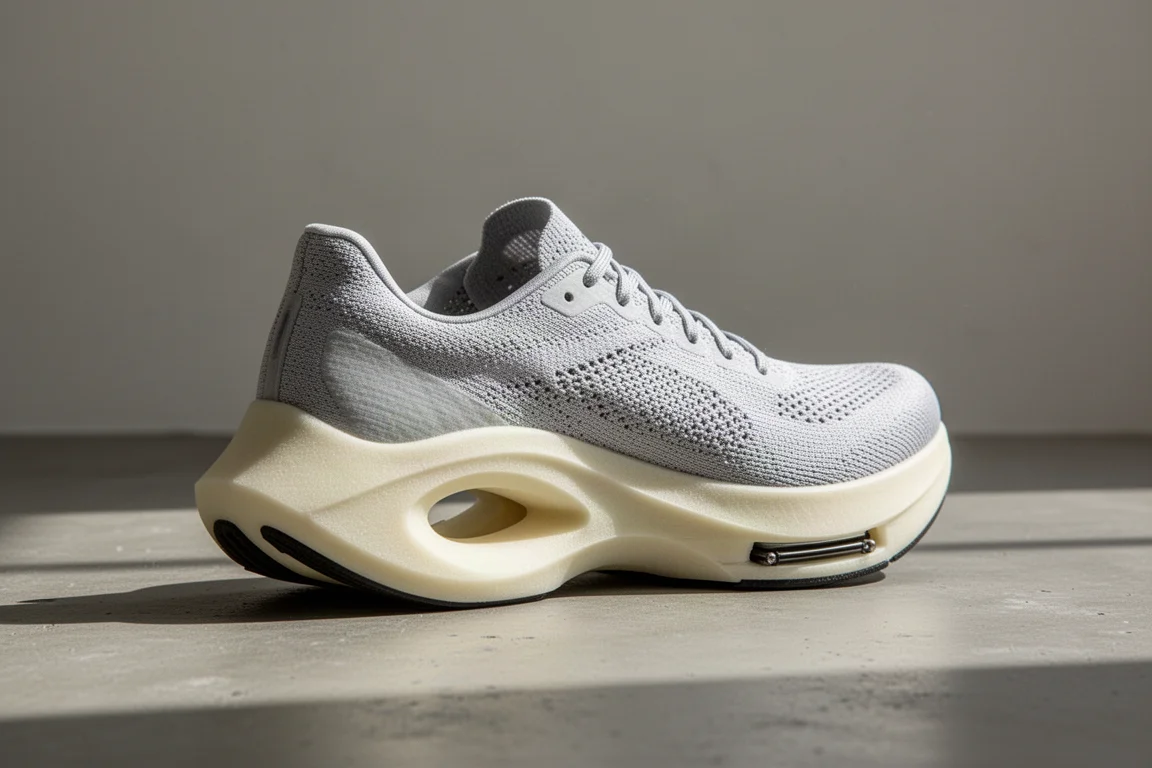
The Superblast is the shoe almost everyone wants to love, and many do. Its high stack, bouncy ride, and versatility across easy runs and faster efforts make it a favorite. Its one recurring complaint is width: some runners find it slightly narrow, enough to create pressure points, which is especially relevant for anyone managing a Morton’s neuroma or similar forefoot sensitivity.
If it fits you, it is one of the most capable do-everything shoes available. If you know you need forefoot room, approach with caution and try before buying.
Final Buying Advice
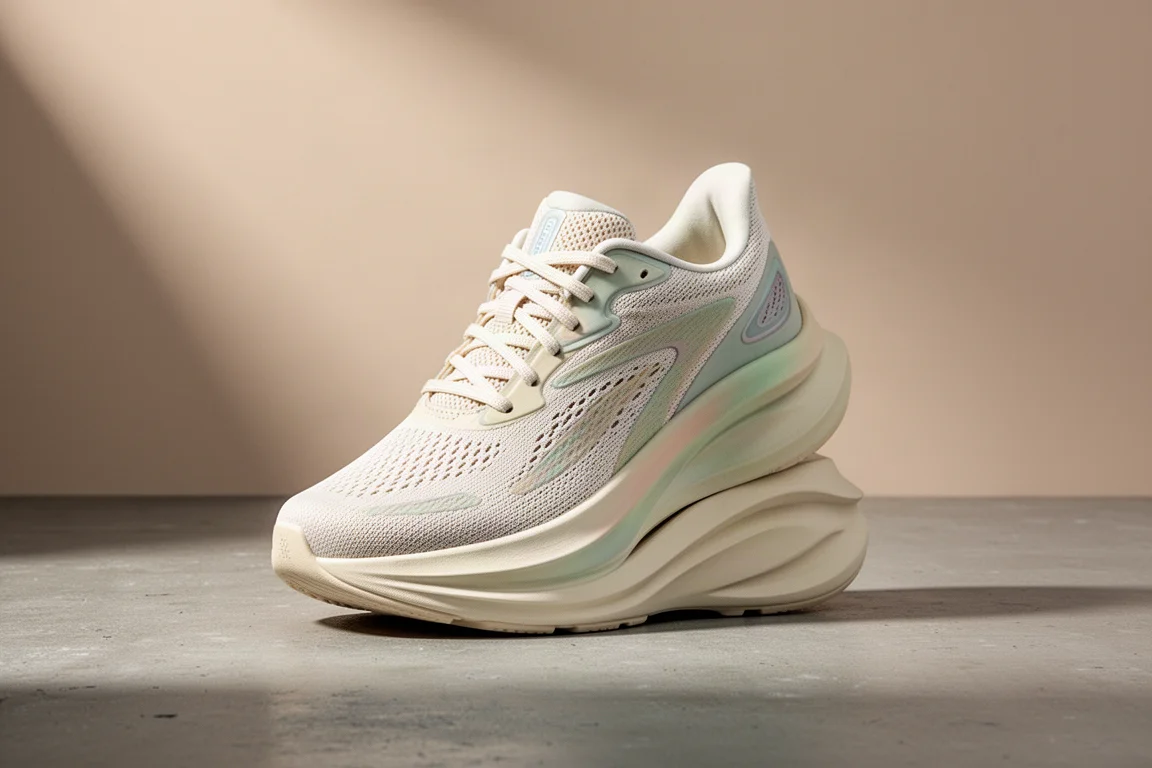
A few principles cut across all eight picks. First, bend tests at the running store are not a valid way to judge a plated shoe: an unweighted shoe flexes at artificial points, and forcing it can even create a weak spot. How a shoe behaves under your body while running is the only test that matters. If it feels wrong when you run in it, that is your answer.
Second, fatigue is usually a training problem before it is a shoe problem. Calves and hips that get tired on long runs often need smarter progression and strength work more than they need different footwear, though a rockered, slightly higher-drop shoe can genuinely help tired calves. Third, there are very few absolutes in footwear: sizing up for marathons, drop rules, and stability rules all bend to what your feet actually do on your longest runs.
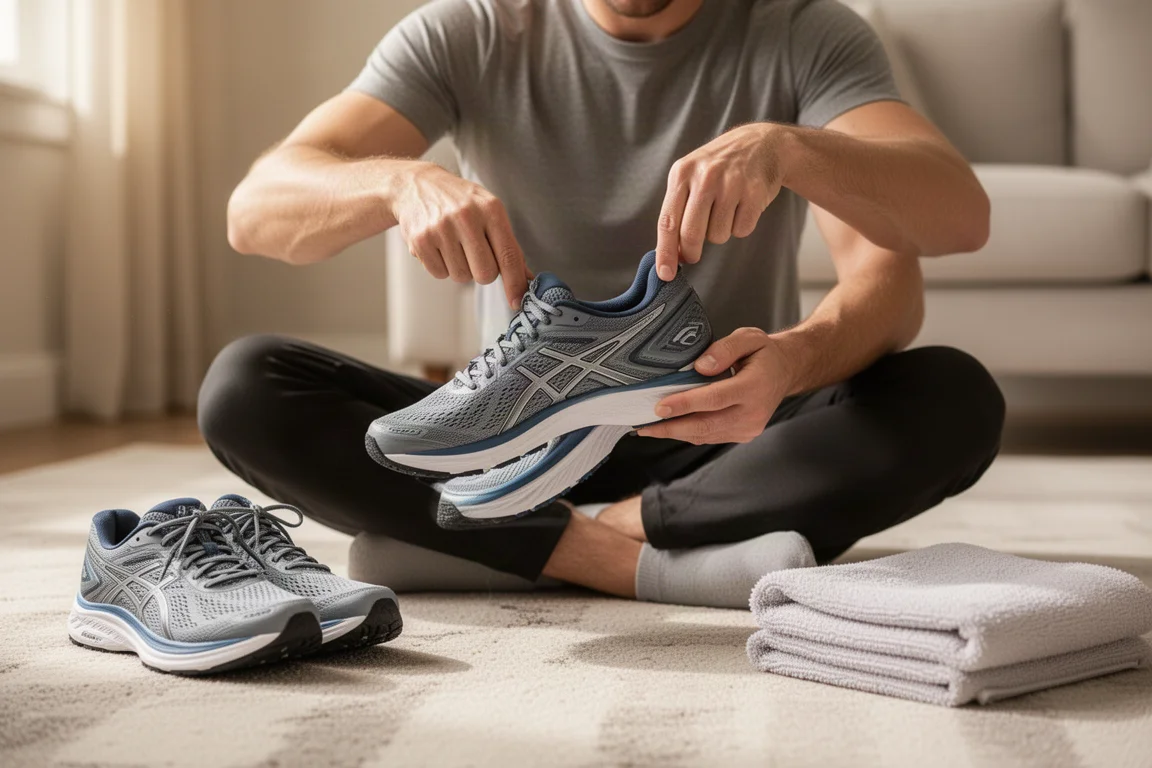
Finally, if a shoe feels comfortable and fits your foot, trust that more than any specification sheet. Comfort has consistently been one of the best filters available for choosing footwear.
Conclusion
The right question is never which of these eight shoes is best, but which one matches your body and your training. The Puma Forever Run Nitro 2 and Brooks Glycerin GTS 22 split the stability category between bounce and softness, the Hyperion 2 GTS serves the rare lightweight stability niche, the Novablast 5 is the safe neutral daily workhorse, the Endorphin Speed 4 and Cloudmonster Hyper cover fast training in two very different flavors, the Adios Pro 4 is the serious marathon racer, and the Superblast rewards runners whose feet fit it. Pick the tool for the job you actually have.
Further reading
Related Reviews

Running Shoes
Best Road-to-Trail Running Shoes: Three Versatile Options for Mixed Terrain
A practical guide to three road-to-trail running shoes that handle both pavement and mild trails, with clear strengths and trade-offs for different runner types.

Running Shoes
Best Running Shoes for Achilles Tendonitis: Three Options Explained
Three running shoes with different heel drops and support features designed to help reduce Achilles tendon pain during walking and running.

Running Shoes
Best Running Shoes for Women: Five Top Choices Ranked
A ranked guide to five women's running shoes, from versatile daily trainers to high-performance racing options, with real strengths and trade-offs for each.