Running Shoes
Do You Really Need All These Running Shoes? A Minimal Rotation Guide
From plated tempo trainers to max cushion monsters, we break down every running shoe category and ask which ones actually earn a place in your rotation.
Introduction
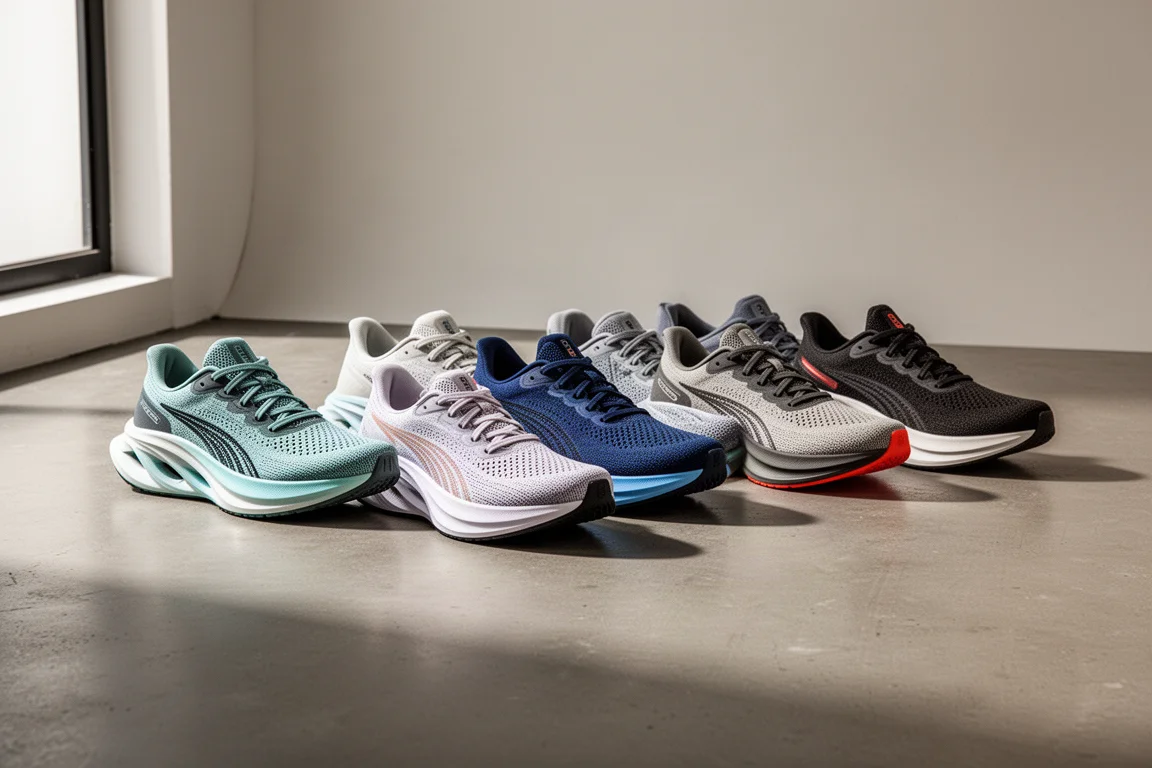
Shoe rotations have become a running culture staple. Scroll through any running feed and you will find people with a different shoe for every day of the week, sorted by speed, distance, terrain and weather. But do you actually need all of these running shoes?
The honest answer is probably not. Below we work through the most common categories, what they are genuinely good for, and which shoes stand out in each, so you can decide what your rotation really needs.
Plated Tempo Trainers
Plated tempo trainers are traditionally slightly more durable carbon plate or nylon plated shoes, often built with a mix of foams and better longevity than a pure race shoe. Do you need a slightly firmer, more rigid uptempo shoe in your lineup?
An alternative is simply buying a discounted carbon plate race shoe with a slightly lower weight. In practice, though, whether a tempo trainer makes sense comes down to how much racing you do and how quickly you wear through fragile race shoes. If you tear up the foam in race shoes quickly where you land, a more durable model can save you real money and preserve your race shoes for when you truly need them.

The Nike Zoomfly 6 is a strong example. It takes a real beating, sits in a nice middle ground between cushion and comfort, and has a little more to it than a traditional standard running shoe. Interestingly, Nike still lists it as a road racing shoe, yet most people who use it run mainly in training. Alongside shoes like the Saucony Endorphin Speed 5, it has a place in a rotation for some runners.
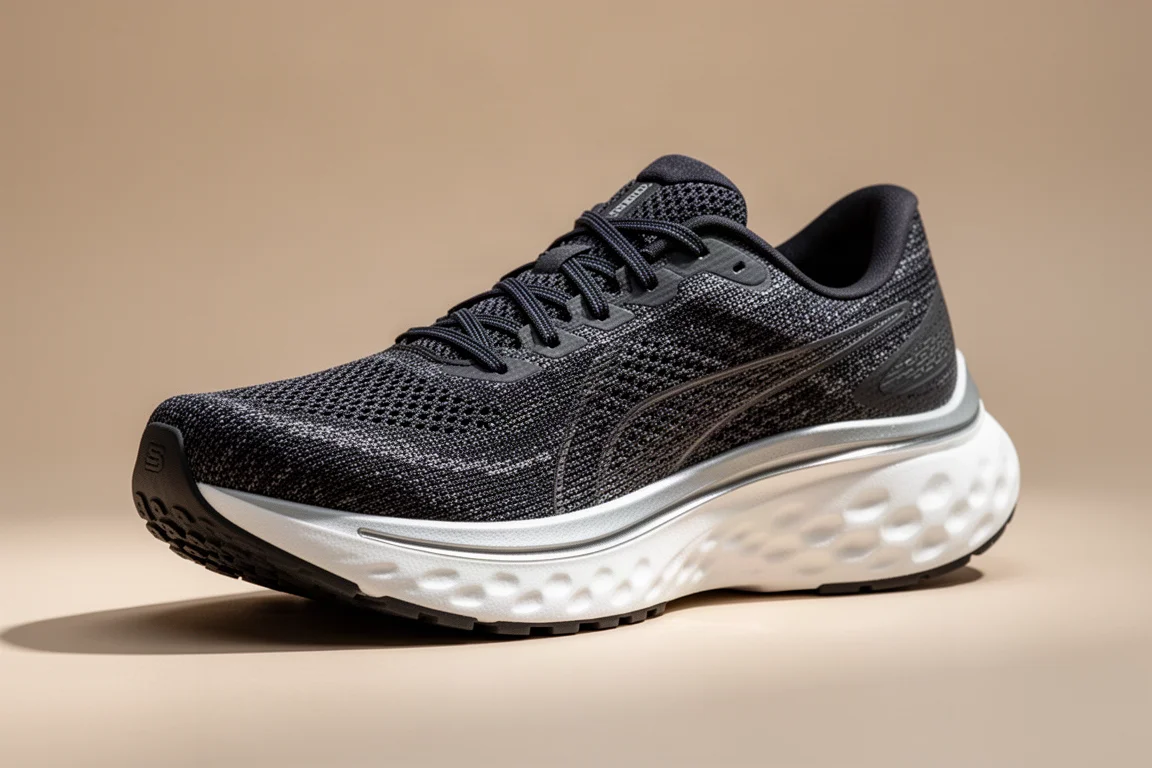
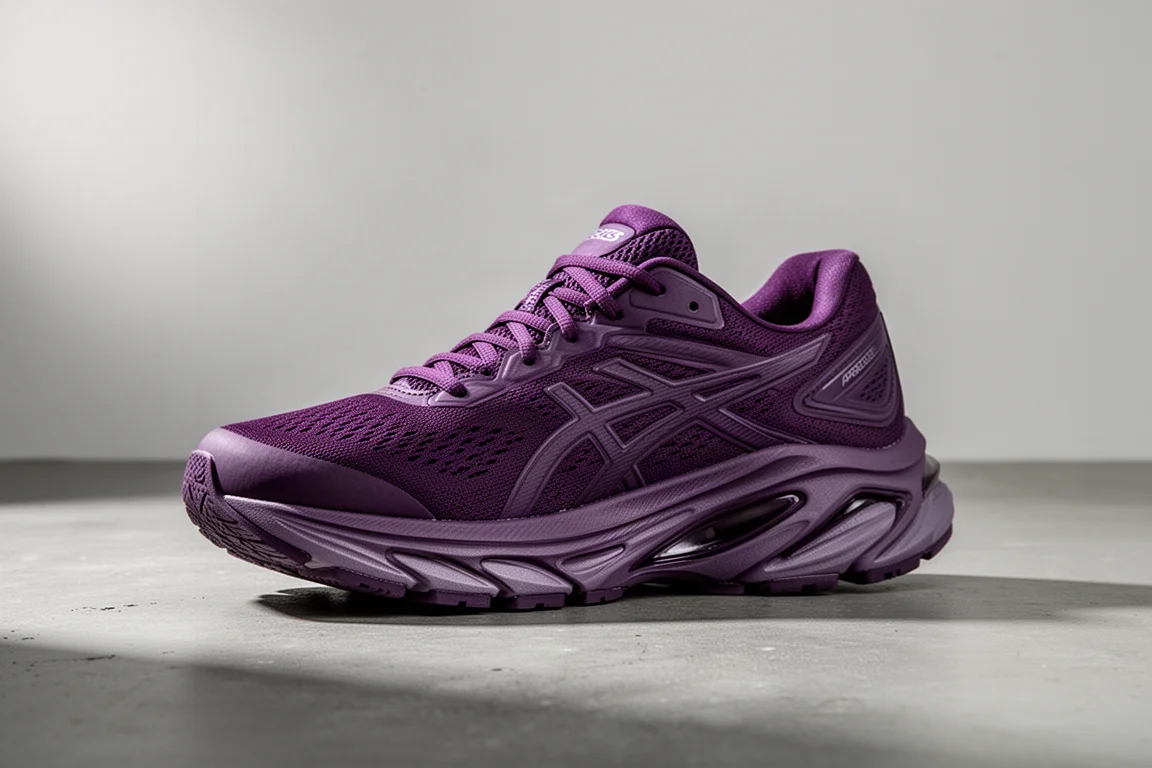
Two other options worth a look in this space are the Puma Deviate Nitro 3 and the Asics Sonic Blast, both built around the same idea of a durable plated uptempo shoe.
Daily Trainers
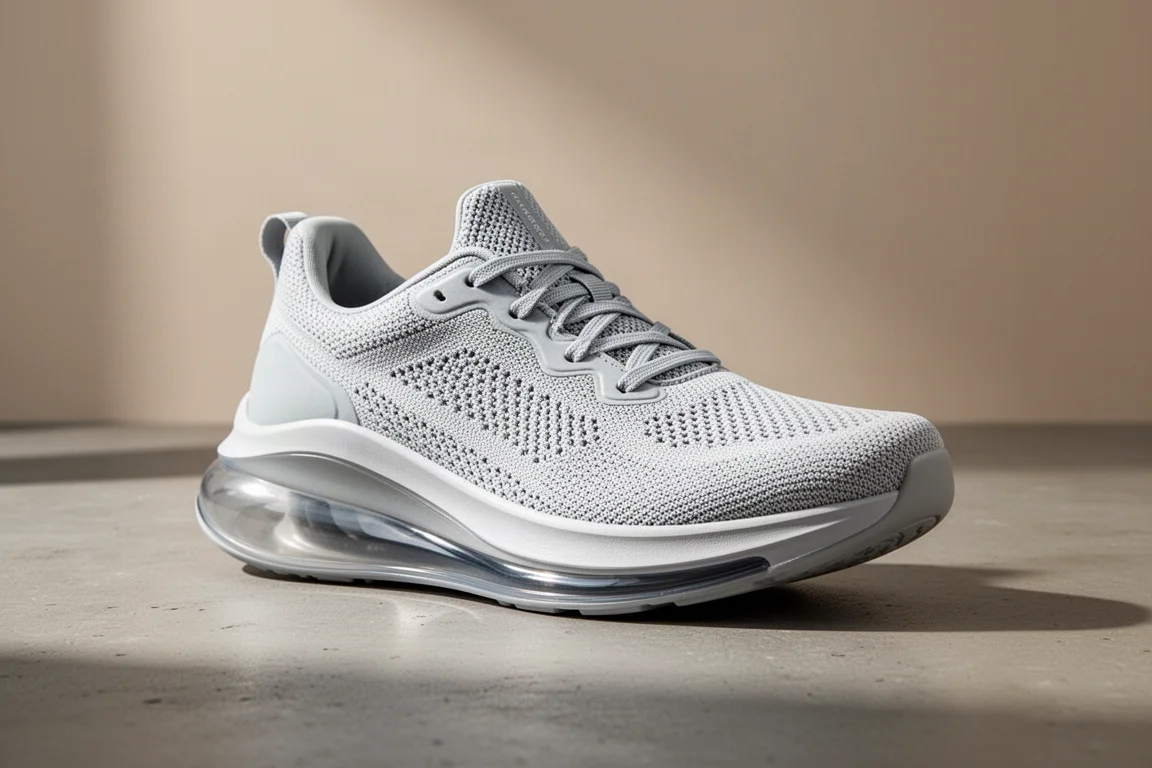
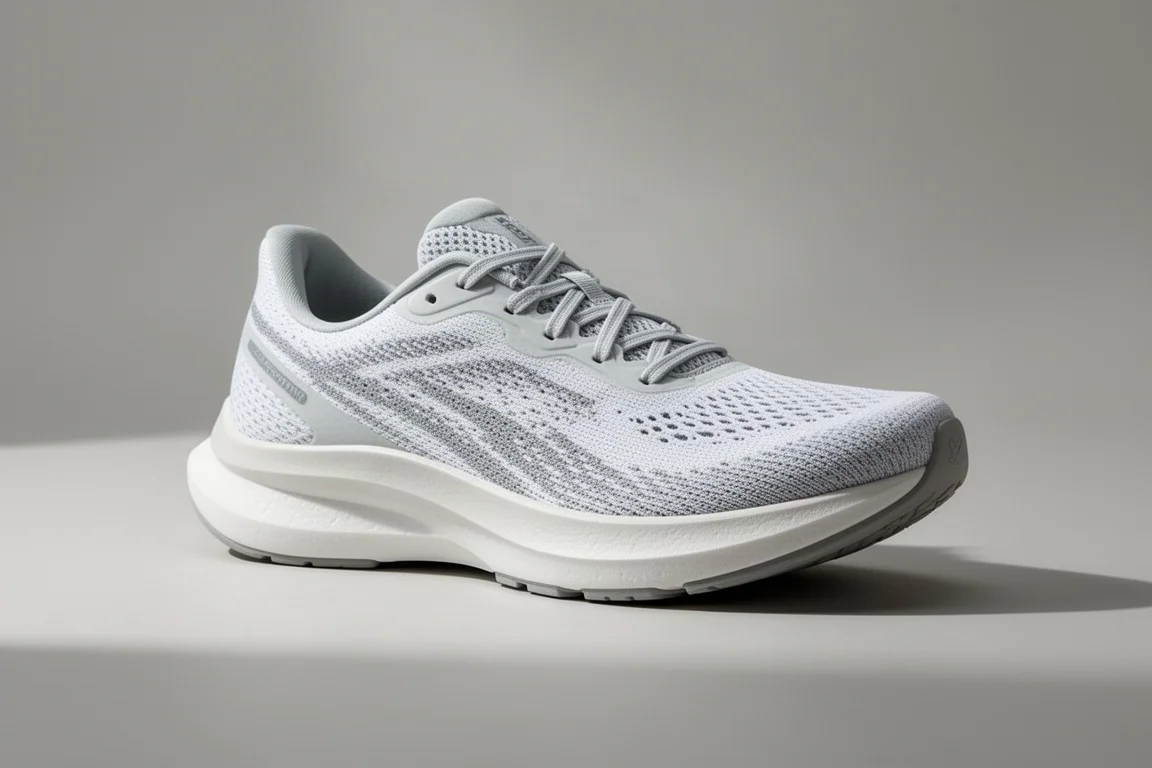
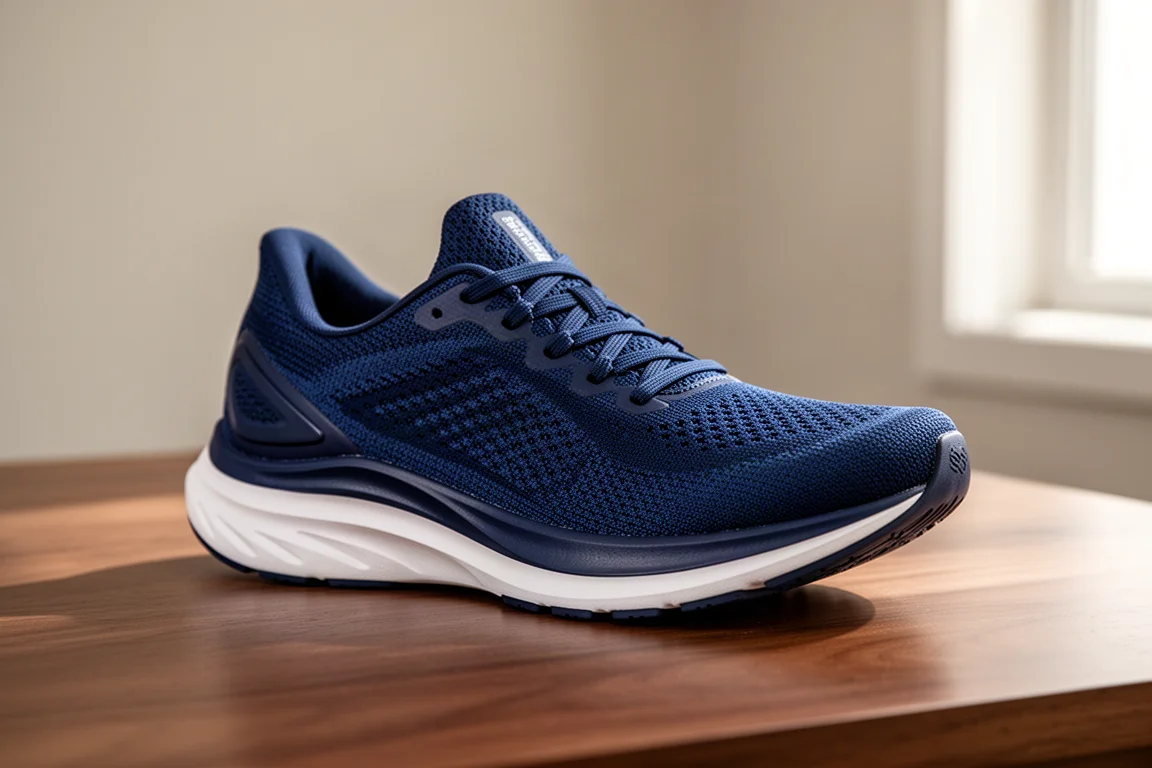
This might seem like a given, but a pair of daily shoes can be genuinely useful to almost anybody who runs. Something a little more durable and middle of the road can be a smart investment, and the category has recently shifted toward more versatile, slightly less padded but still comfortably cushioned shoes.
Shoes like the Adidas Evo SL and the Puma Velocity Nitro 4 fit this newer direction. Both are light and nimble yet use softer, more compressive foams and less bulky, plush upper materials.

The Asics Novablast is another good example of the modern daily trainer. It balances plush midsole cushioning, a reasonable weight and decent traction, and can handle most types of runs, apart perhaps from high-paced training with repetitions and intervals. A daily shoe does not have to be a master of anything in particular. It just needs to handle your varied sessions, the Swiss Army shoe of the rotation.
Max Cushion Shoes
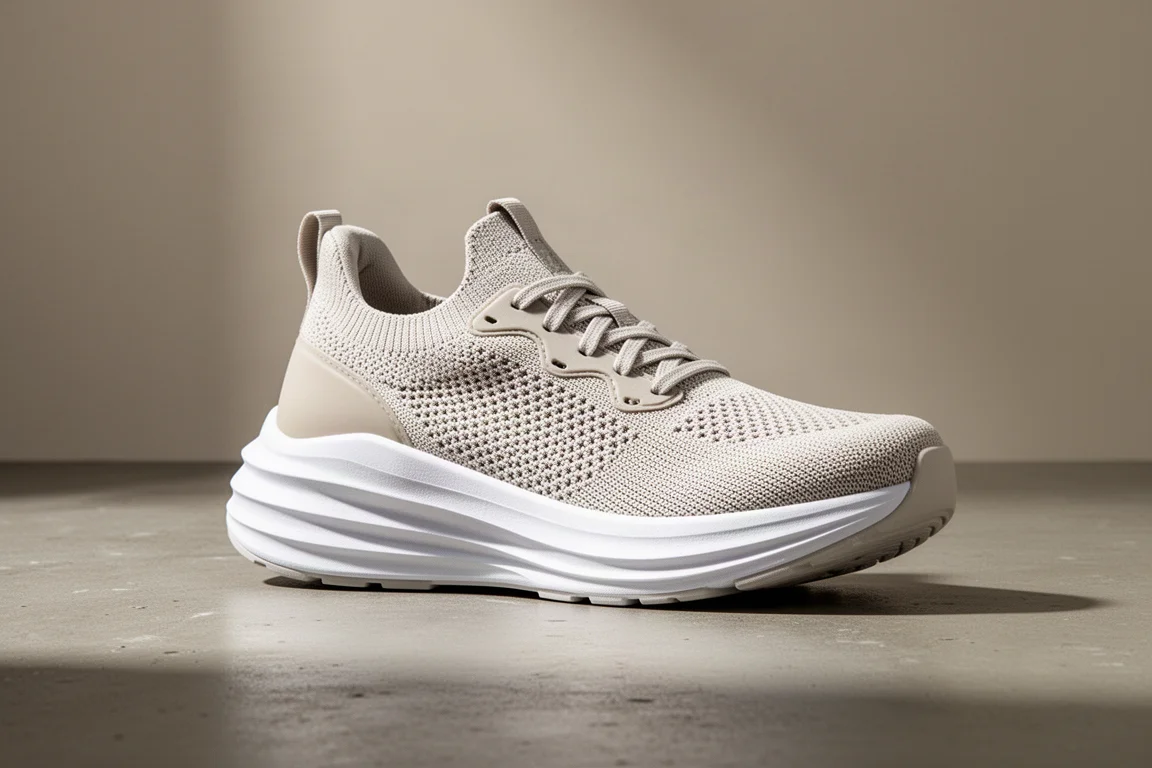
For some runners, a max cushion shoe is simply the shoe that gets them out the door. Cold, wet, windy weather calls for something super cushioned with lots of plush underfoot foam and a more padded upper. Comfort turned up to ten.
These remain a niche option, though, and not everybody needs one. If you are marathon training, running high weekly mileage and logging longer, slower runs, a max cushion monster may be worth it. But the use case is small. If your legs are genuinely that tired, a rest day is a much cheaper way to recover, and there are other activities that help build strength and let the body rebuild.
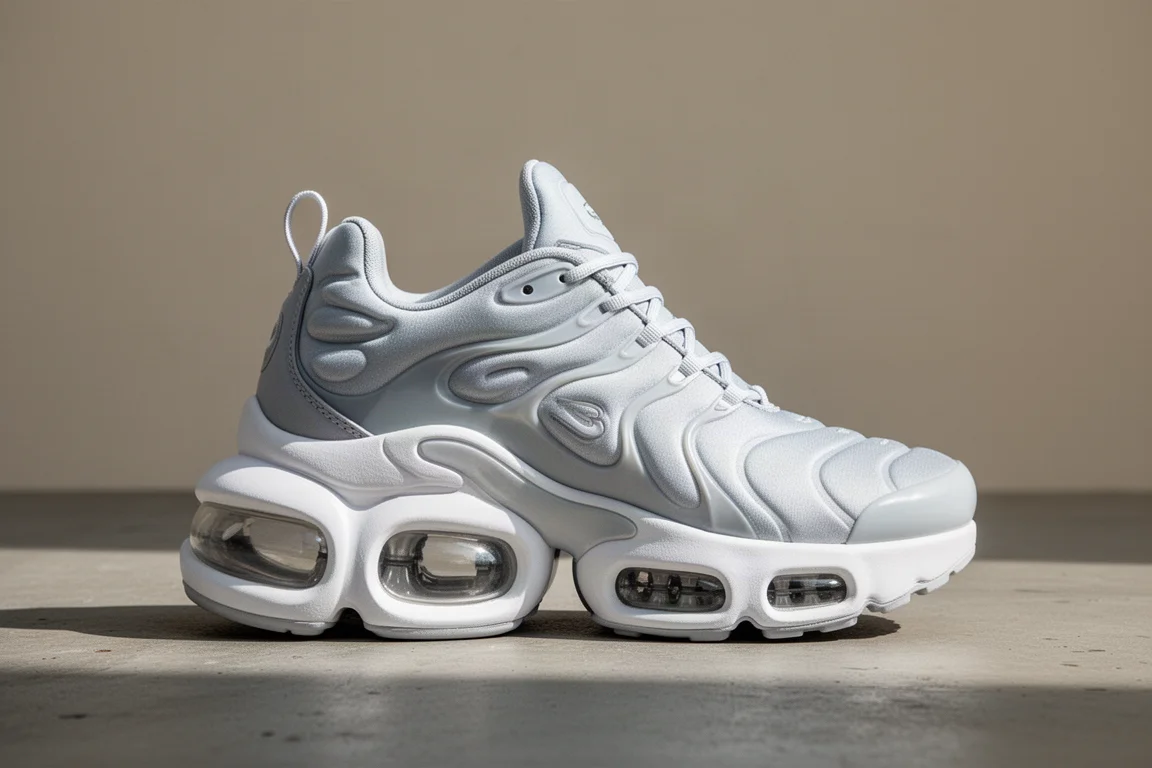
Most max cushion options are also on the heavier side. The Nike Vomero Premium certainly is, coming in at just under 400 g in a UK 11. One caveat: heavier-built runners may get more out of max cushion shoes, while lighter runners may find them overkill. So, does everyone need a max cushion shoe in their rotation? No.

Carbon Plate Race Shoes
Some people love carbon plate race shoes. Some simply cannot get on with them, and it comes down to more than speed or pace. Running mechanics, foot strike and stability all play a part. For some runners, carbon plate shoes feel extremely propulsive: you engage the compressive foam and make use of the spoon-shaped carbon plate under the forefoot.
Others prefer a flatter plate geometry, like the one in the Nike Alphafly 3 or the Asics Meta Speed Sky Paris. Plenty of runners, though, find these shoes far too soft and unstable to get anything out of them.
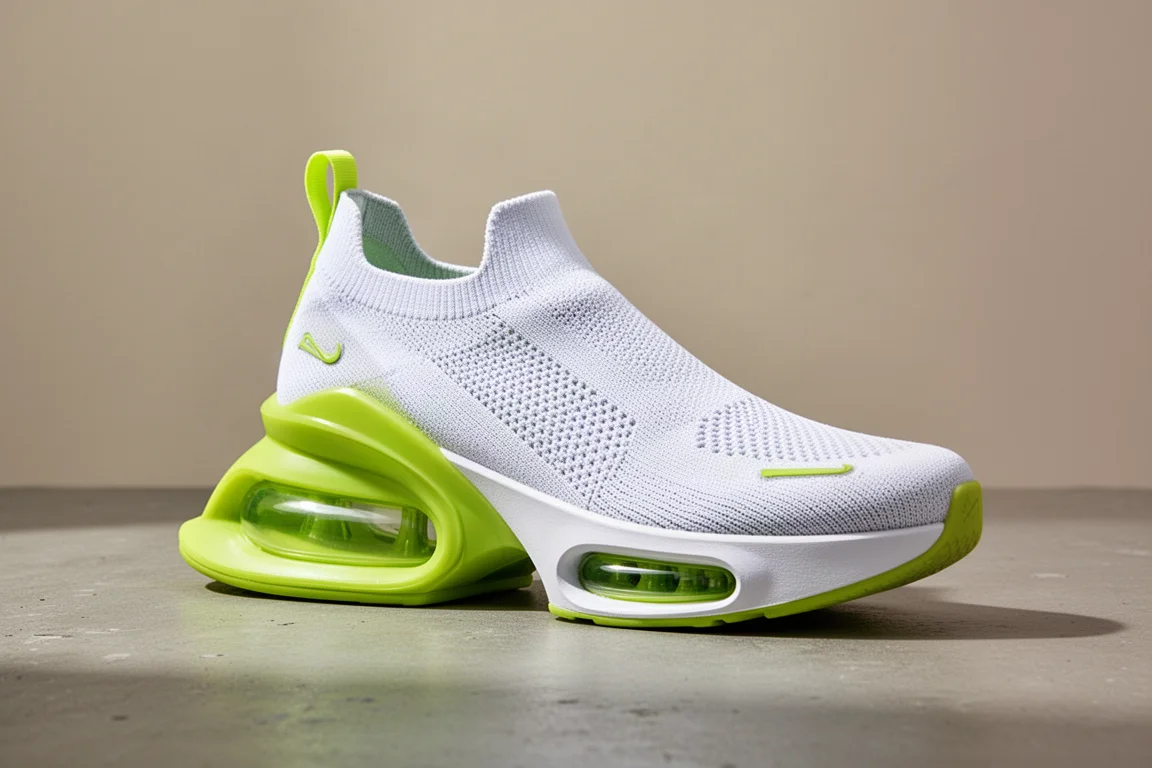
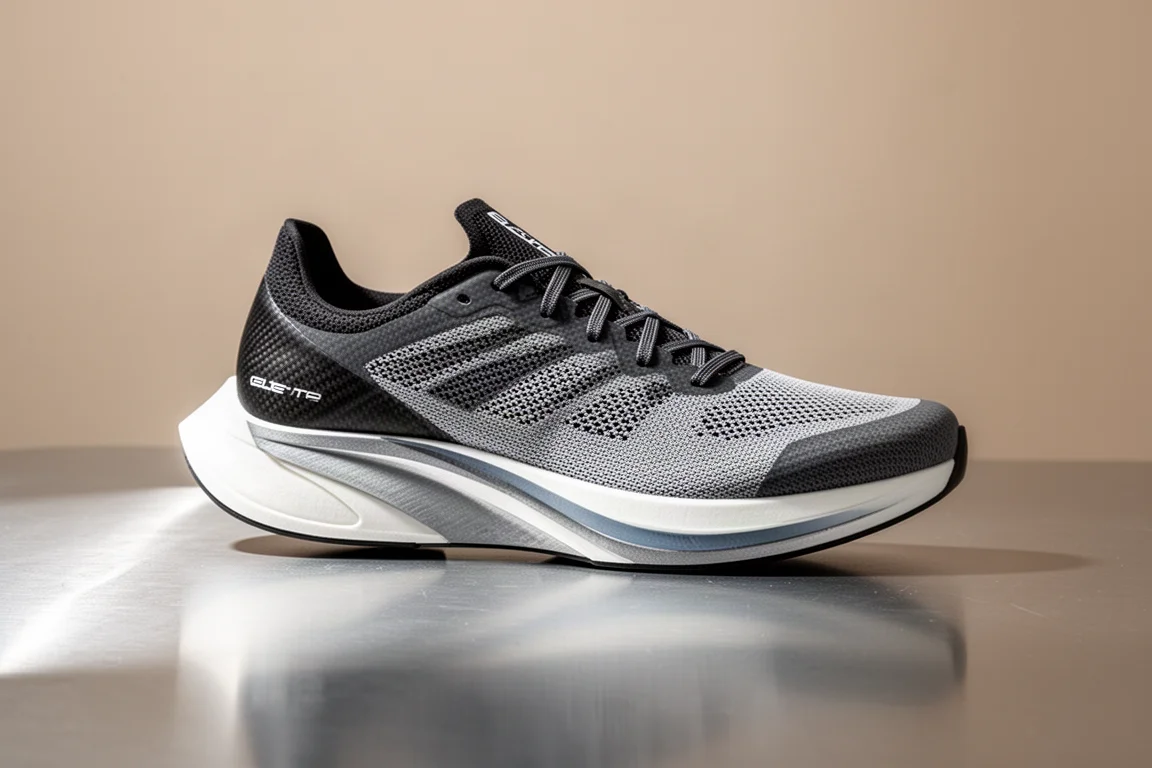
The rise of the super trainer has changed the game. These shoes offer lots of stack and soft foam without the carbon plate, a slightly denser feel, better stability and more predictable underfoot behavior, while still delivering strong energy return. The Asics Megablast and Super Blast 2 are prime examples, and we expect to see more of this type in the coming year. Some runners are already racing marathons and half marathons in them, wanting lots of cushion without the rigid plate. The foam alone does a good enough job of providing snapback at toe-off. Is a carbon plate pair a must for everybody? No.
Trail Shoes
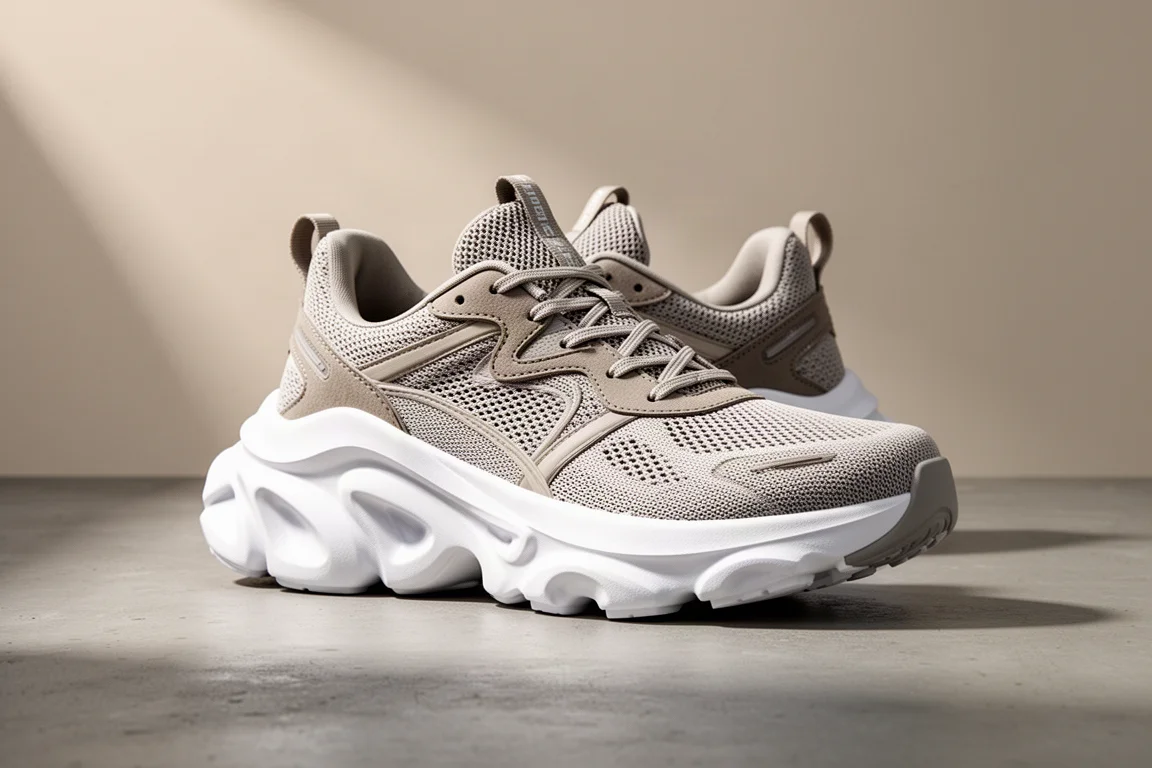
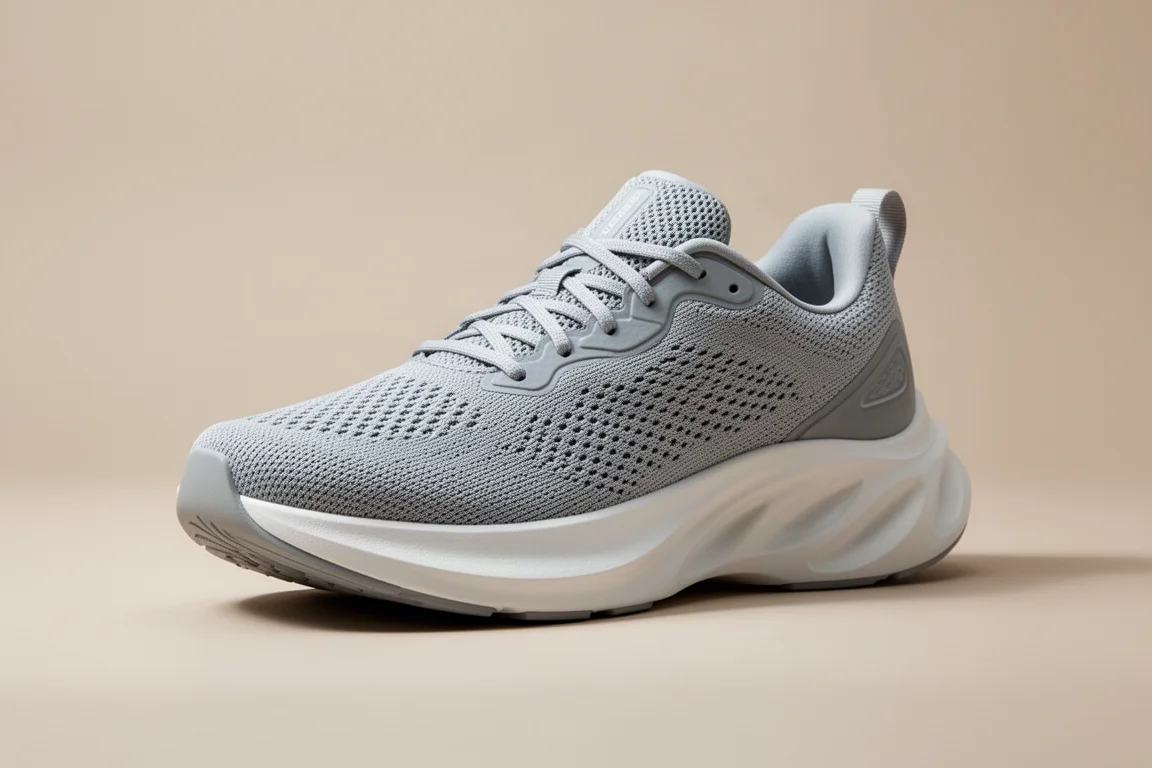
Do you all need a pair of trail shoes? Some trail outsoles genuinely suit rocks, gravel and mud, but the lugs can be so deep that the shoes feel odd and bizarre on anything other than trails. It comes down to how frequently you actually run on those surfaces.
If you are on the trails every week, or every other run, a dedicated pair is probably worth it. If you only hit trails infrequently, some road offerings have decent enough traction to get by. The Nike Pegasus 41 has a capable outsole, several Puma models use Pumagrip, and even the Adidas Evo SL or the Super Blast 2 have some reasonable ridges, though the Super Blast 2 is pretty stacked for trail work.

If you look back at recent training and see regular trail time, pick a pair up. Otherwise, look for something closer to a road-to-trail shoe.
Building a Minimal Rotation
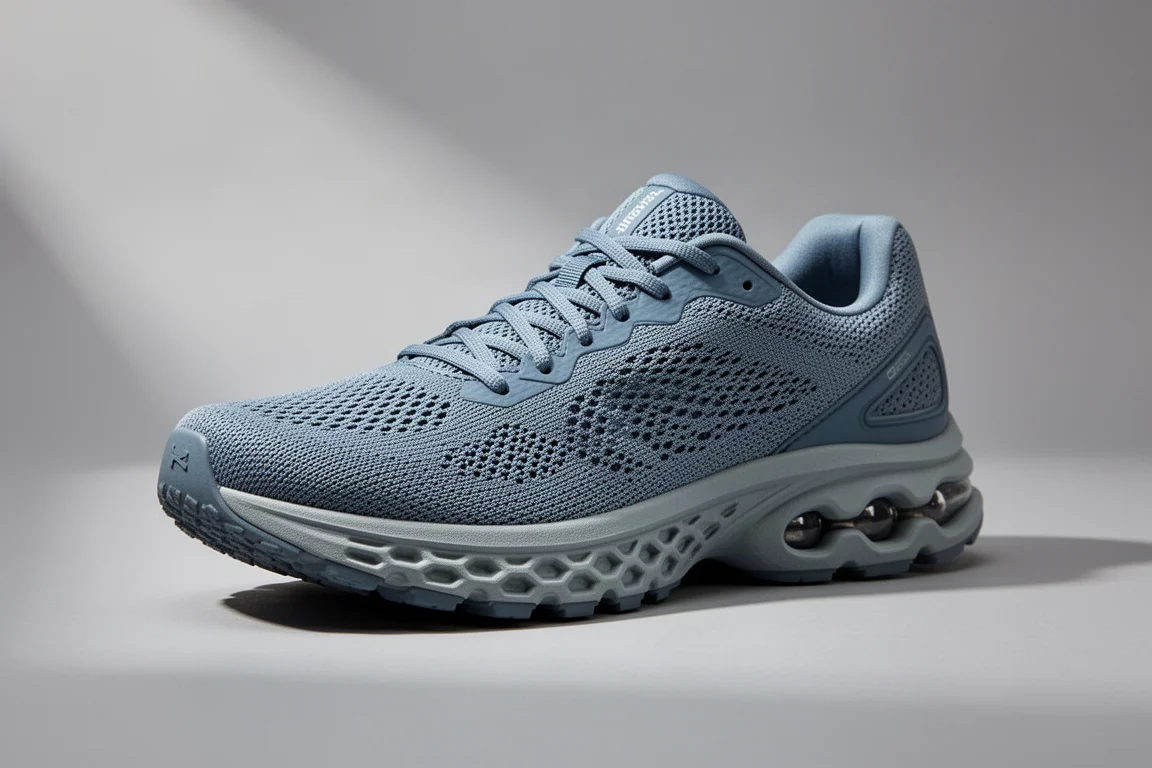
Some modern shoes cover multiple bases, and you simply do not need a pair for every category. A three-shoe rotation gets most runners a very long way: a daily trainer for the everyday miles, nothing flashy or overly cushioned; a race or high-tempo shoe for quicker sessions; and a slightly more max cushion, plusher model for easy days and longer runs.
That said, people love trying new shoes, and comparing different models keeps things interesting. It can also get expensive quickly. A minimal rotation is the practical choice; a room full of shoes is the fun one.
Conclusion
You do not need a shoe for every category. A durable plated tempo trainer earns its place if you race often or burn through fragile race shoes. A versatile daily trainer is useful to almost everyone. Max cushion and trail shoes are niche picks that only make sense if your training actually calls for them, and carbon race shoes depend as much on your mechanics as your pace. Start with three well-chosen pairs and add categories only when your running genuinely demands it.
Further reading
Related Reviews

Running Shoes
Best Road-to-Trail Running Shoes: Three Versatile Options for Mixed Terrain
A practical guide to three road-to-trail running shoes that handle both pavement and mild trails, with clear strengths and trade-offs for different runner types.

Running Shoes
Best Running Shoes for Achilles Tendonitis: Three Options Explained
Three running shoes with different heel drops and support features designed to help reduce Achilles tendon pain during walking and running.

Running Shoes
Best Running Shoes for Women: Five Top Choices Ranked
A ranked guide to five women's running shoes, from versatile daily trainers to high-performance racing options, with real strengths and trade-offs for each.