Power Stations
DJI Power 2000 Review: A Compact 2 kWh Power Station With Impressive USB Output
The DJI Power 2000 packs a 2 kWh LFP battery and 3,000-watt inverter into a surprisingly compact frame, but solar charging requires extra purchases.
Introduction
DJI, best known for its drones, entered the portable power station market last year. This summer, the company released its new 2 kWh flagship, the Power 2000, priced at less than 46 cents per watt hour. On paper, that looks like a strong deal. The question is whether the performance and feature set hold up in real-world use.
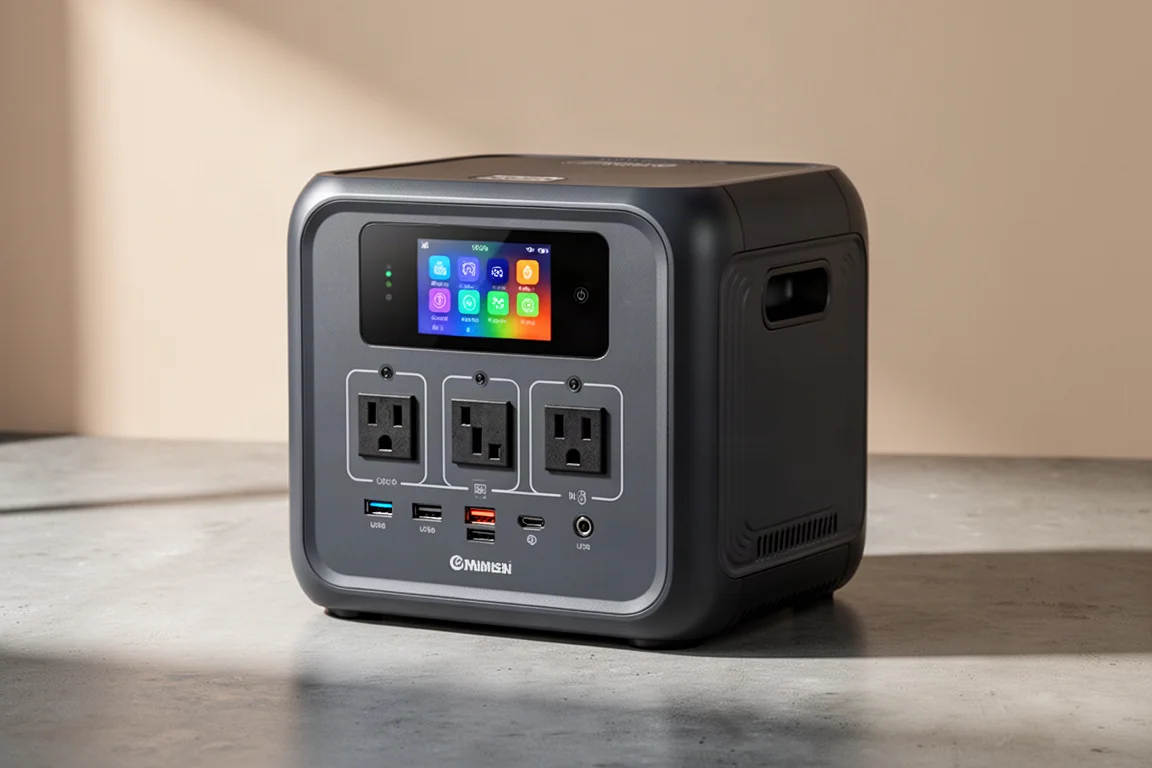
The Power 2000 is built around a 2,048 watt-hour LFP battery rated for 4,000 cycles to 80% capacity. It measures approximately 18 by 9 by 13 inches and weighs around 49 pounds, which is surprisingly manageable for a 3,000-watt power station. The unit is compact enough to move around without much effort, making it a practical option for camping trips, RV use, and off-grid work.
Design and Display
The front of the Power 2000 houses all inputs and outputs, along with a color LCD display that mirrors the screen found on DJI’s smaller power stations. The display shows 14 pieces of information, including input and output wattage, time to charge, time to discharge, battery state of charge percentage, and a battery level bar. Everything you need to monitor the unit at a glance is right there.
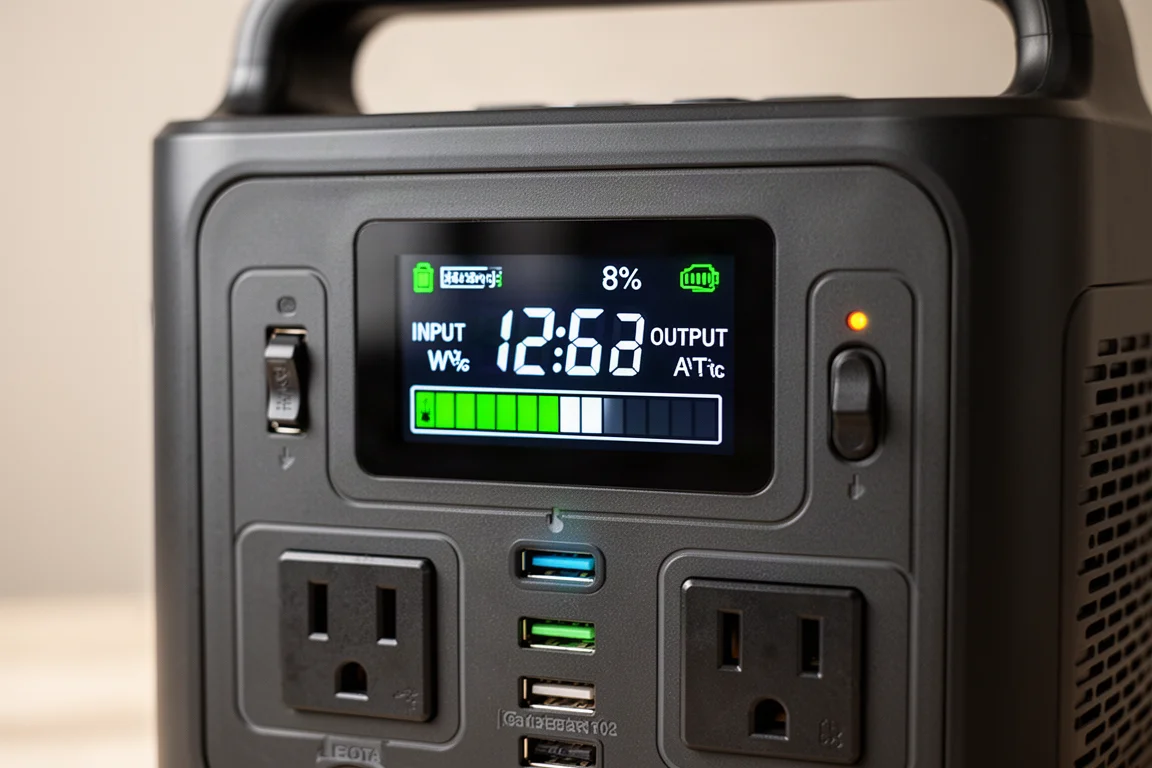
One notable omission is the lack of 12-volt outputs. There are no cigarette lighter ports or DC barrel connectors, which means you cannot run 12-volt fridges or other DC appliances directly from this unit. For campers who rely on 12-volt gear, this is a significant limitation. The trade-off is that the absence of 12-volt circuitry helps keep the unit compact and lightweight.
The physical design also draws some criticism. The front panel has no readable labels under normal lighting conditions. The USB ports have barely visible markings that only appear under a bright flashlight at the right angle. There is no visible branding on the front, and the DJI logo on the back is printed in a dark blue color that is almost impossible to see. The two power buttons look identical and are unlabeled, which can be confusing for first-time users trying to figure out which button turns the unit on.
Inverter and AC Output
The Power 2000 packs a 3,000-watt pure sine wave inverter, delivering power through three 20-amp AC outlets and one TT-30R 30-amp RV outlet. The total inverter output is 3,000 watts or 25 amps, so you do not get the full 30 amps the RV socket is rated for, but most users will not need that much at once.
With 3,000 watts available, the unit can run an RV microwave and an air fryer simultaneously, or a microwave and a coffee machine at the same time. It can also start a 15,000 BTU roof air conditioner, though running that on a 2 kWh battery would drain it quickly.
In testing, the pure sine wave output measured 118 volts at 60 Hz, which is a pass. The inverter handled a sustained 3,000-watt load for five minutes, and it briefly handled 3,600 watts for at least five seconds. A 5,000 BTU air conditioner started without issues, as did a circular saw and a heat gun pulling around 1,400 watts. The inverter also ran a power amplifier cleanly with no audible interference.
The main downside is noise. Under heavy load, the inverter fan registered 63 dB, which is noticeably loud. If you plan to run high-wattage appliances for extended periods, the fan noise may be a concern, especially in a quiet camping environment.
Charging Options and Accessories
The Power 2000 ships with a standard 15-amp AC grid cord, which is the only charging cable included in the box. Using the app’s super recharging mode, the unit can charge from zero to full in under 90 minutes, and it reaches 80% in under an hour. The AC charging cable is a standard, easy-to-replace cord, which is a welcome choice compared to proprietary connectors.
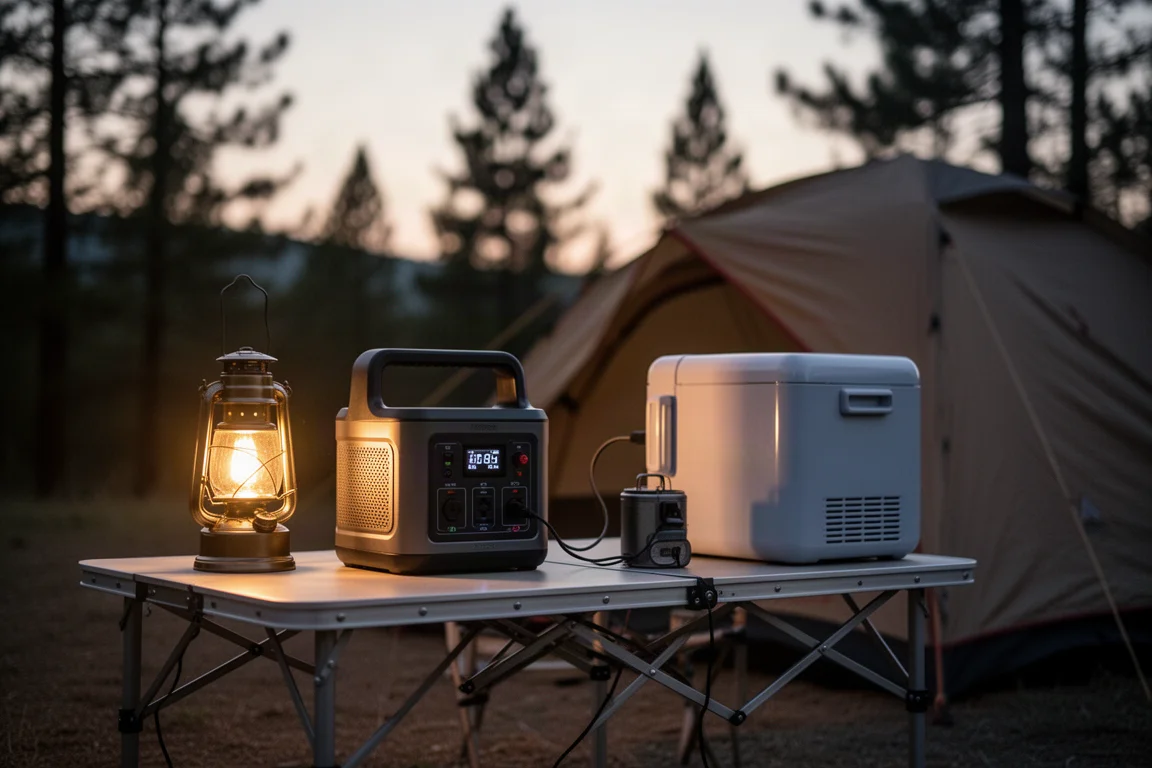
Solar charging, however, is not available out of the box. To charge from solar panels, you need to purchase external MPPT solar controllers, which cost around $59 each. The unit has two SDC ports that accept these controllers, and with a pair of them, you can input up to 800 watts of solar panels in parallel, from 12 to 30 volts. Under perfect conditions, that charges the unit in about three hours.
The SDC ports are bidirectional, meaning power can flow in or out. They support battery expansion, direct drone charging, and solar input. You can connect a second Power 2000 through one port to double your power, or attach up to ten 2 kWh expansion batteries. This makes the system quite scalable, though the accessory ecosystem adds cost.
There is also a $329 add-on that provides 1,800 watts of solar input and 600 watts of vehicle charging from a battery or alternator, for a combined 1,800 watts into a single port. That turns the unit into a more capable off-grid powerhouse, but it is an additional expense on top of an already significant purchase.
The lack of built-in solar charging is a notable oversight for a product marketed as portable and off-grid capable. The external MPPT boxes bolt onto the side of the unit with screws and brackets, which looks clunky, and DJI does not show this configuration in any official product photos.
USB Output Performance
One area where the Power 2000 genuinely stands out is USB output. The unit has four USB-C Power Delivery ports and four USB-A quick charge ports. Two of the USB-C ports are rated at 140 watts, and two are rated at 65 watts. All four USB-C ports can be used at full power simultaneously, delivering over 400 watts of USB output combined.
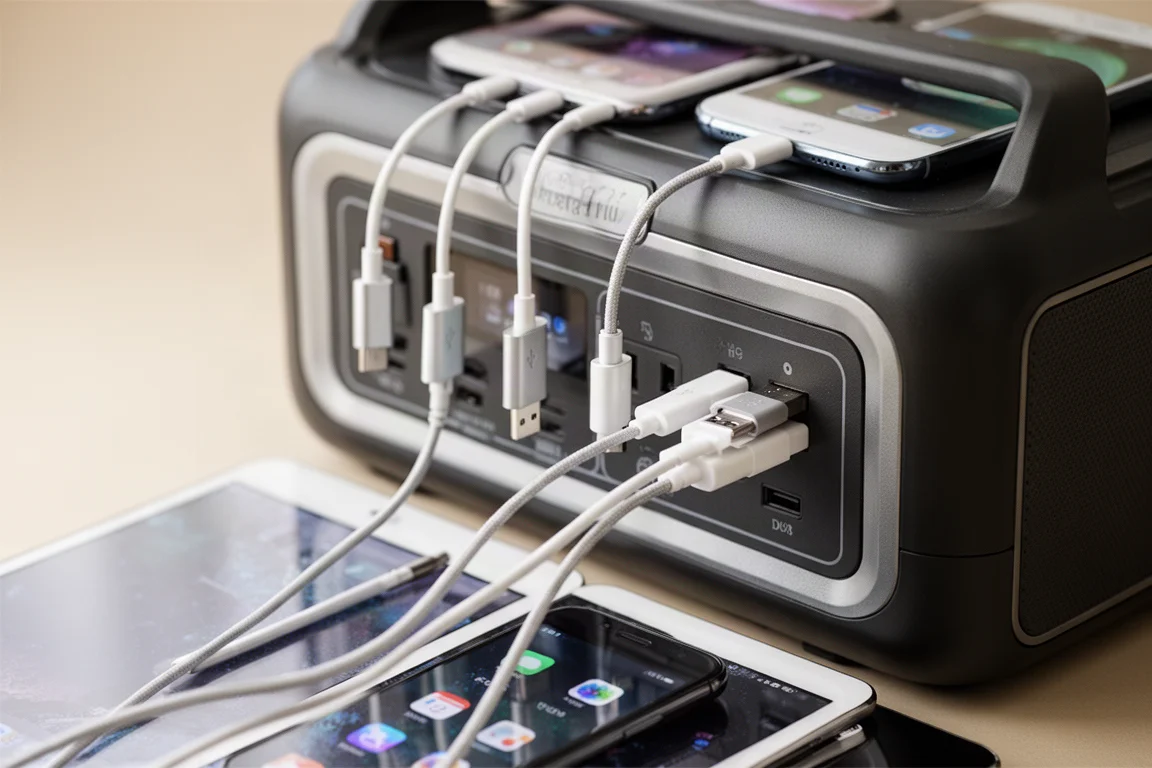
In testing, the two 140-watt ports each delivered their full rated output, and the two 65-watt ports delivered around 60 watts each, all at the same time. That is enough to charge multiple laptops, tablets, drones, and other devices simultaneously. If USB charging capacity is a priority, this unit is hard to beat.
Performance Testing
The AC battery capacity test measured 1,720 watt-hours through the inverter, for an industry-average efficiency of 84%. This test is performed at a 0.2C discharge rate, so results are consistent across brands and capacities.
Leaving the unit on with the inverter enabled for 24 hours consumed 22% of the battery, which works out to about 450 watt-hours wasted, or roughly 19 watts of idle consumption. That is quite efficient for a 3,000-watt inverter, though it would drain the battery completely in about four and a half days if left on.
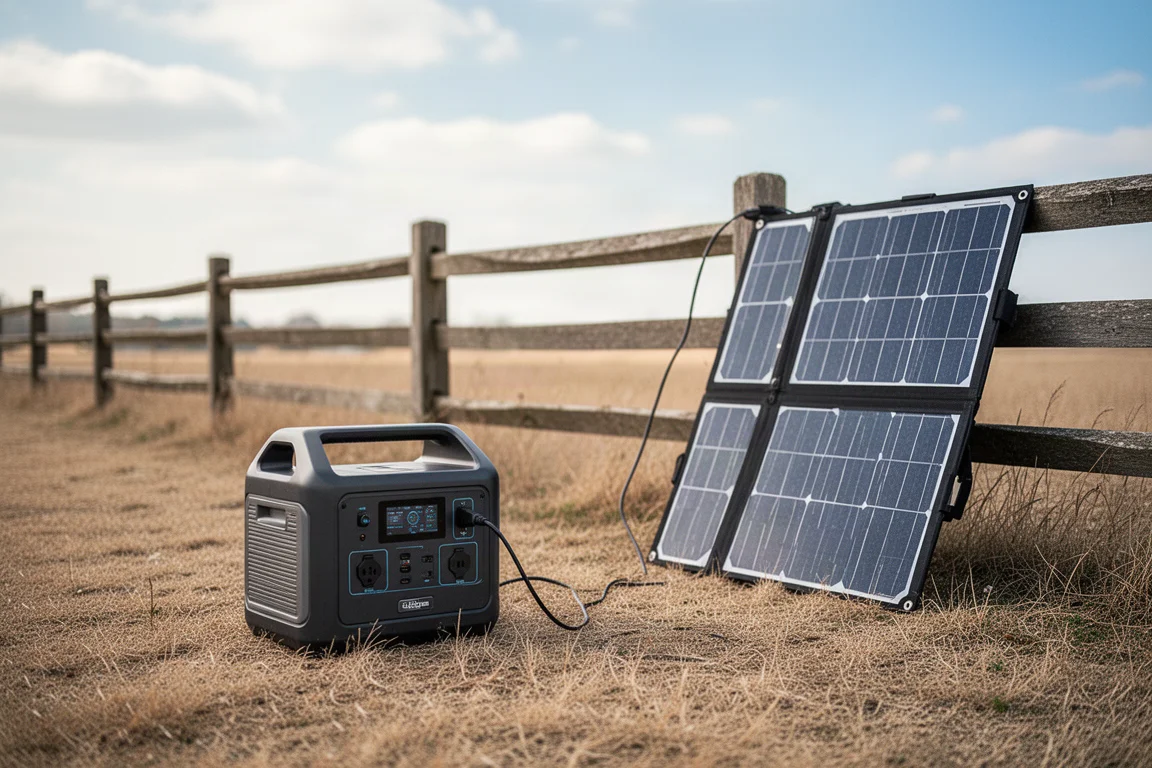
Solar charging efficiency was less impressive. Recharging from solar took 570 watt-hours to restore the 450 watt-hours consumed, which works out to 79% efficiency for the MPPT controller. That means 21% of the solar input is lost as heat, likely due to the proprietary conversion boxes and their lower input voltage.
The UPS mode passed testing. With a PC charging at 1,300 watts, pulling the power cord caused no interruption, and the music video playing on the computer continued without a hitch. DJI does not specify the switchover time in milliseconds, but the unit handled the transition seamlessly in practice.
The EMF test results fell within expectations, though the AC reading of 85 was considered slightly high. The wireless transmitters for Bluetooth and Wi-Fi cannot be turned off, which factors into the results. If you need to operate in an environment where wireless signals are forbidden or could cause interference, this unit is not suitable.
App and Warranty
DJI offers the DJI Home app for remote control via Bluetooth and Wi-Fi. The app is basic, showing input and output screens with no advanced features. It is not available on the Google Play Store and must be downloaded directly from DJI’s website, which means it has not been validated by Google or any third party for safety or security.
The unit comes with a three-year manufacturer’s warranty, extendable to five years if you download and use the DJI Home app. The warranty extension is a clear incentive to install the app, but it is worth noting the app is not available through standard app store channels.
Buying Advice
The DJI Power 2000 performs flawlessly from a technical standpoint. The inverter is clean, the USB output is exceptional, and the unit is compact and lightweight for its capacity. The price is also compelling, especially during promotional periods when the unit has been available for around $739, which works out to roughly 33 cents per watt hour.
The main considerations are the lack of built-in solar charging, the absence of 12-volt outputs, and the loud inverter fan under load. If you need solar charging, you will need to budget for additional accessories. If you rely on 12-volt appliances, this unit will not work for you without a separate converter.
For those who do not need solar charging or 12-volt output, the Power 2000 offers strong value, especially from a well-known brand. The USB output alone is a compelling reason to consider it, and the compact design makes it easy to transport and store.
Conclusion
The DJI Power 2000 is a technically impressive power station with excellent USB output, fast AC charging, and a compact footprint. The lack of built-in solar charging and 12-volt outputs are real limitations, but for users who primarily need AC power and USB charging, this unit delivers strong performance at a competitive price. If you can take advantage of a promotional price, the value is hard to beat.
Product link
View more details for DJI Power 2000
This product is mentioned in the review. Check the specifications, options, and compatibility before buying.
View more details for DJI Power 2000Further reading
Related Reviews

Power Stations
Anker SOLIX F3800 Plus Review: A Powerful 6,000W Power Station With Some Trade-Offs
The Anker SOLIX F3800 Plus delivers a robust 6,000W inverter, fast solar charging, and solid UPS performance, but high idle draw and a hefty weight give buyers real things to consider.
Power Stations
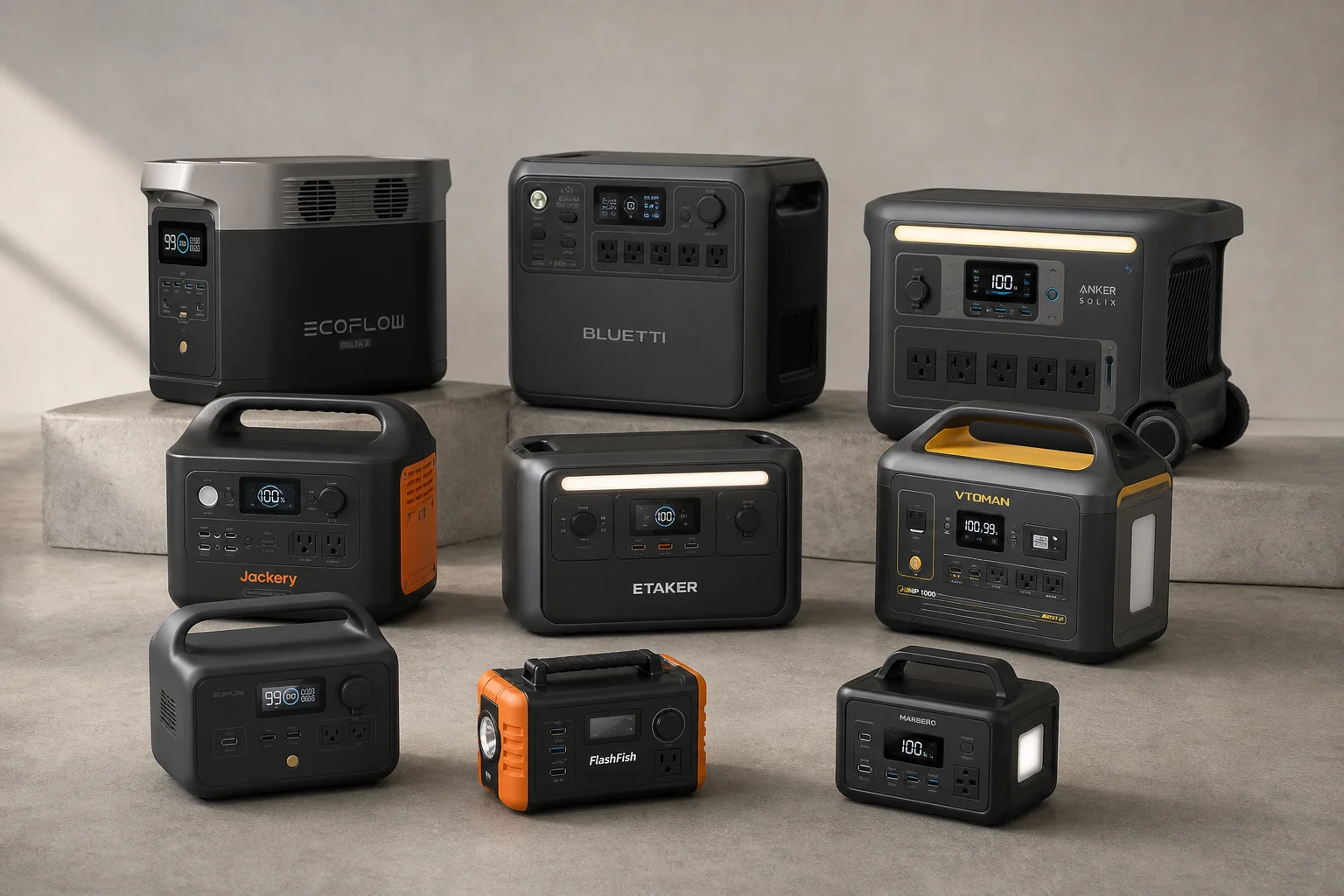
Best Portable Power Stations Under 2000Wh: 2025 Lab Tested Recommendations
Nine portable power stations tested in real-world conditions, from compact 500Wh units to capable 2000Wh models. Unsponsored recommendations for camping, emergencies, and creative work.

Power Stations
BLUETTI Charger 2 Review: A 1200W DC-to-DC Charger for Van Life and Overlanding
The BLUETTI Charger 2 combines 800W alternator charging with 600W solar input for a 1200W total, but compatibility and price deserve a closer look.