Cameras
DJI Pocket 4 vs Insta360 Luna Ultra: A Footage-First Comparison of Two Gimbal Cameras
Two compact gimbal cameras with very different approaches to lenses, color, and low light. Here is how their real-world footage stacks up.
Introduction
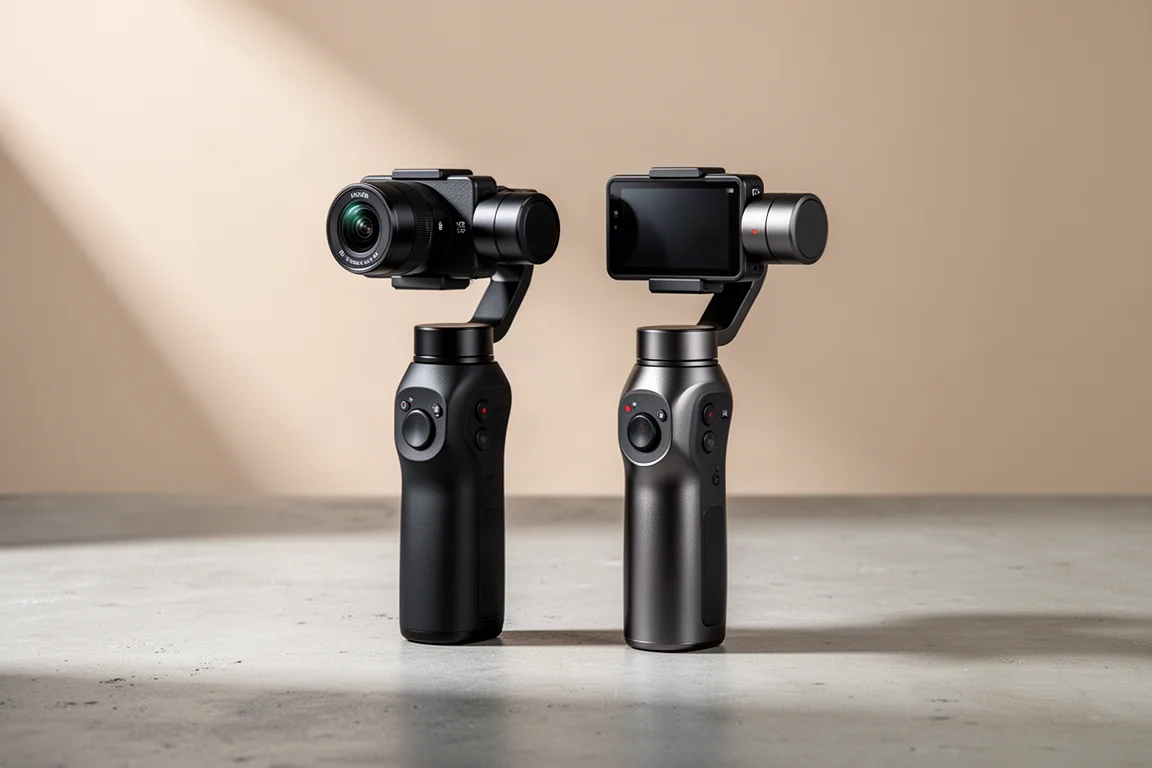
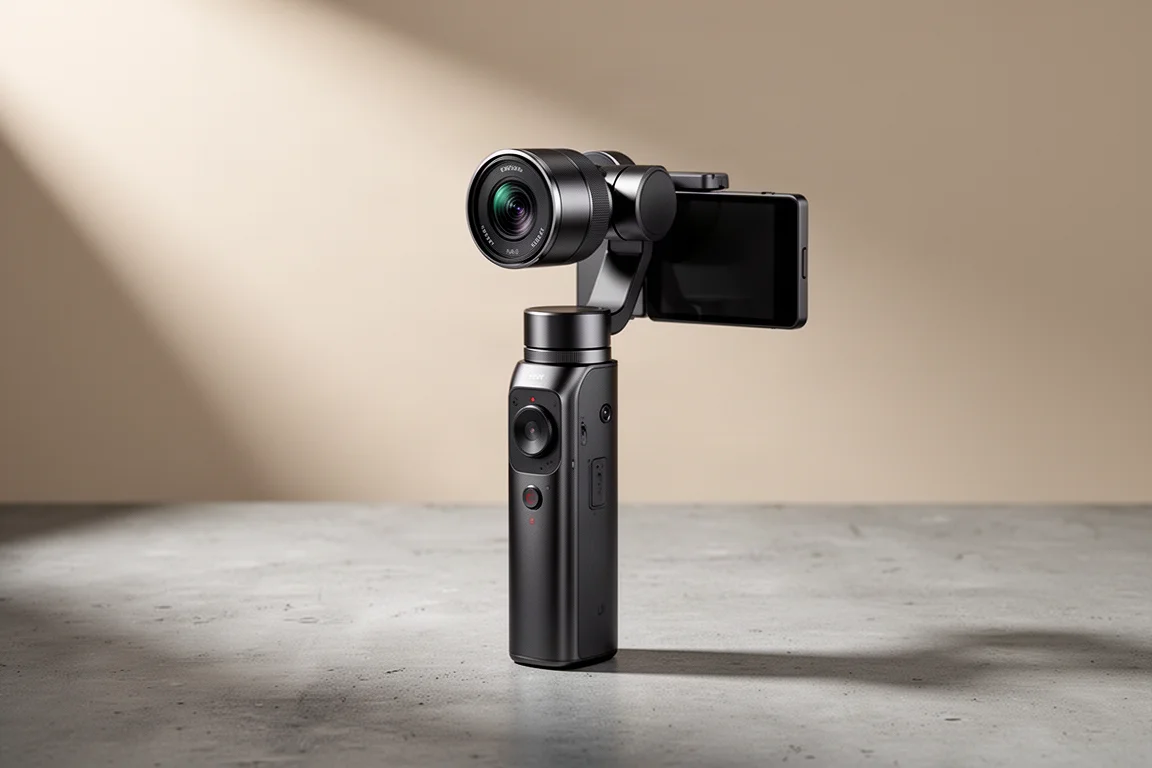
Comparing the DJI Pocket 4 and the Insta360 Luna Ultra is an unusual matchup. One is more expensive than the other, one has a dual-lens setup and the other does not, and both companies have been releasing cameras back to back this season. But since the two products are already on the market and the rumored higher-tier Pocket model is not expected for a while, this comparison is worth having now.
This piece focuses on real footage rather than spec sheets: daylight shots, in-car use, zoom, water scenes, sunset, night, and moving shots on a bike. All footage was shot with default settings, beautify filters off, at 4K 30 on the main lens unless noted otherwise.
One important framing note: these are gimbal cameras, not action cameras. Neither is waterproof in any meaningful way, and both are only barely rainproof. A simple rule of thumb: if dropping the camera in water would likely kill it, it is not an action camera. Large bumps while running can also knock a gimbal off balance, so treat these as vlogging and b-roll tools rather than rugged cameras.
Color, Exposure, and Skin Tones
Straight out of the box with default settings, the two cameras interpret scenes very differently. In close-up shots, Pocket 4 footage looked noticeably overexposed, while the Luna Ultra looked properly exposed. In wider shots where the subject did not dominate the frame, the gap narrowed.
Skin tones diverge in an interesting way. The Luna Ultra leans slightly brighter, warmer, and more contrasty than reality, with a slightly fluorescent look. The Pocket 4 is a little paler than real life, and with the beautify filter off it still smooths skin somewhat. Neither is perfectly true to life; they just err in different directions.
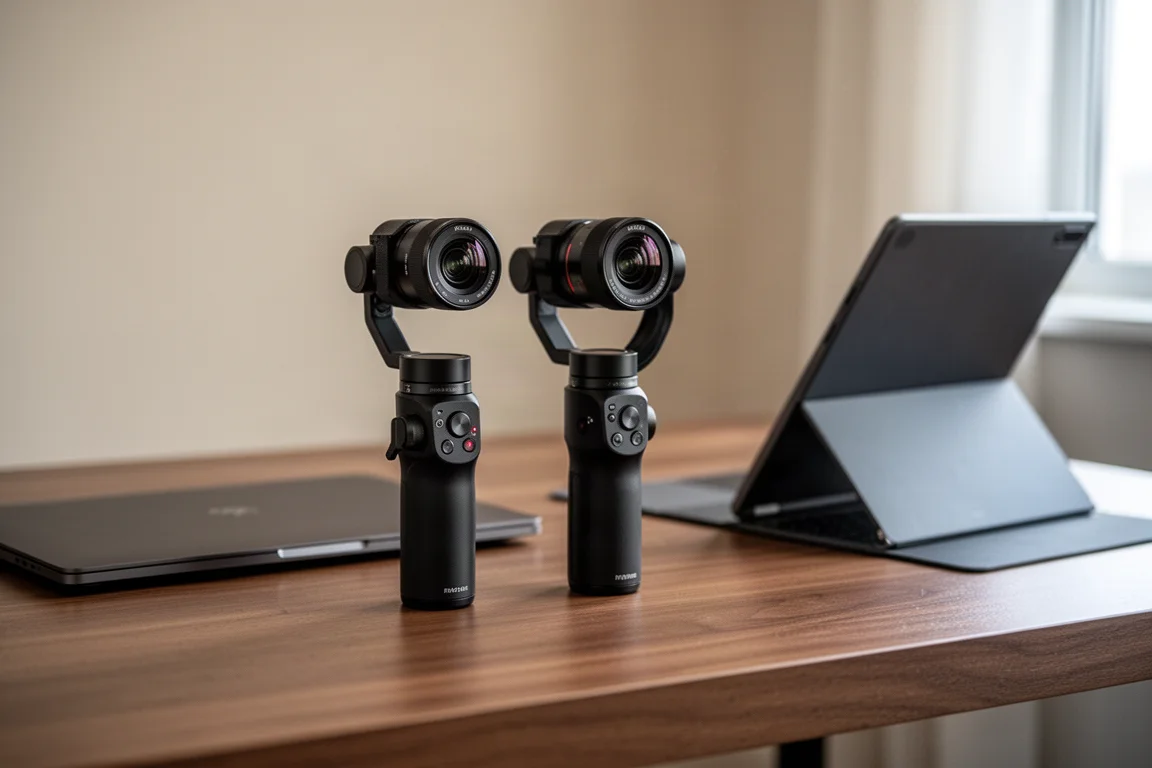
In daylight object tests, the Pocket 4 colors actually looked nicer and more accurate, while the Luna Ultra showed a slight haze. Under mixed vehicle lighting with the roof off, both reacted well to changing light, though the Luna Ultra had a small edge on facial color and contrast on the surrounding scenery. On a red bike shot, the Luna Ultra made the color pop more, which many viewers will prefer even if it is not the truer rendering. That gap between accurate color and pleasing color is the recurring theme with both cameras.
Zoom: The Biggest Difference Between Them
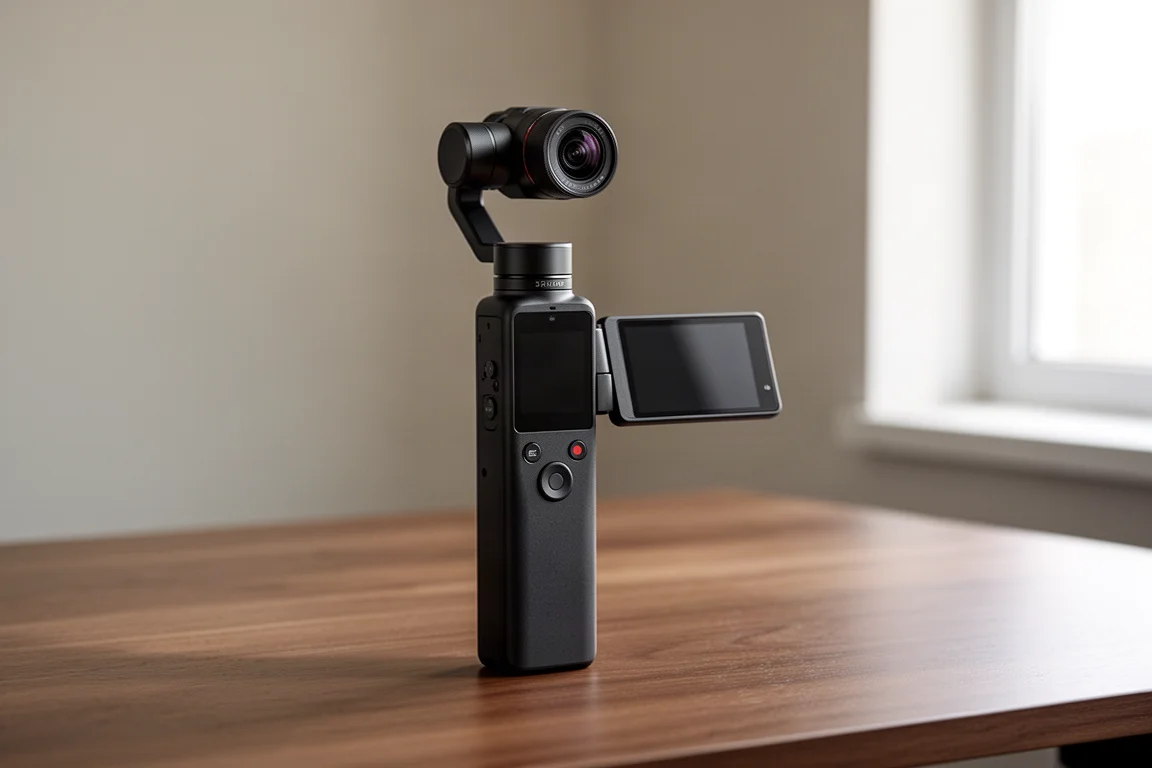
Zoom is where these two cameras stop being comparable. The Luna Ultra has a secondary 3x lens; the base Pocket 4 does not, so it relies on a cropped digital zoom. At moderate zoom levels the difference is dramatic, with the Luna Ultra looking far sharper and the Pocket 4 overexposing in the same scenes.
At maximum zoom the gap becomes extreme. The Luna Ultra reaches 12x and stays remarkably clear even when the subject is roughly 300 meters away. The Pocket 4 tops out at 4x, and beyond that you are simply cropping in post. Placed side by side, the difference is striking.
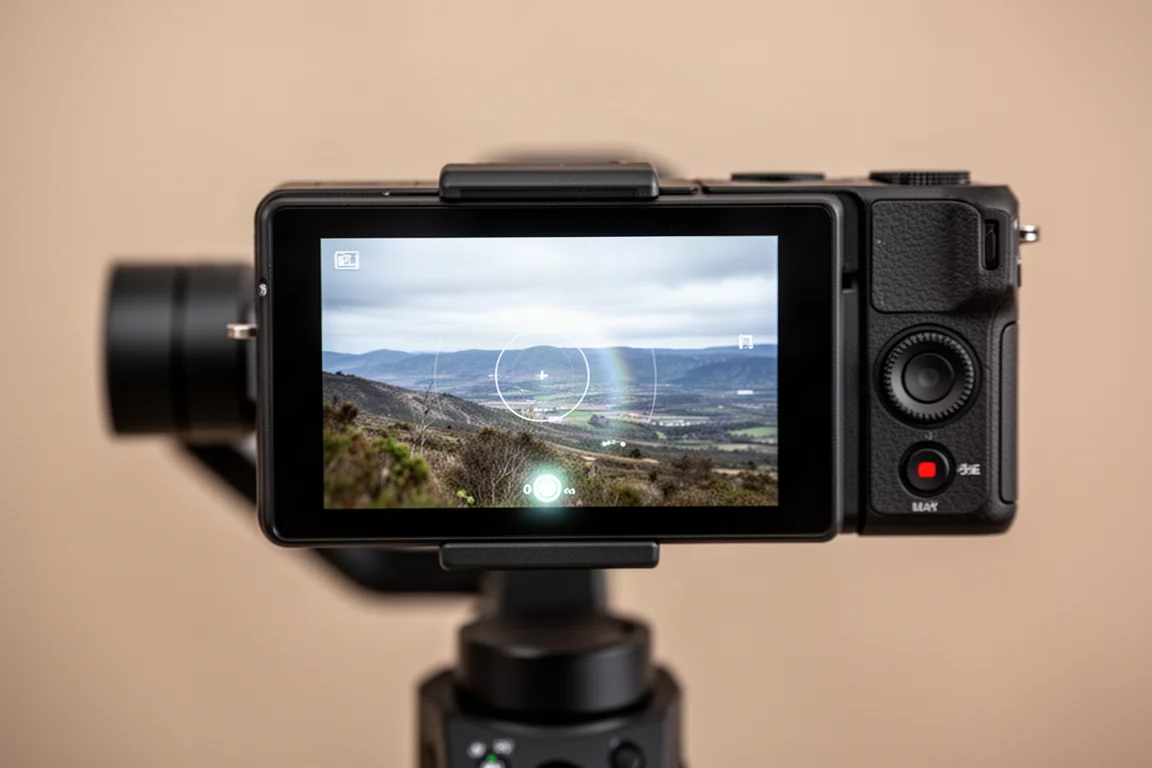
The secondary lens also helps at close range. For product-style shots held at arm’s length in front of the lens, the Luna Ultra’s 3x lens locked focus instantly and delivered crisper results than the Pocket 4. When shooting in 8K on the Luna Ultra, cropping in on the camera itself still yielded clean detail thanks to the extra resolution.
Focus Tracking Behavior
For object-in-hand shots, where a reviewer holds a product directly in front of the lens, the two cameras behaved differently. The Pocket 4 locked onto the object immediately and kept it there, even when a face appeared at the edge of the frame. The Luna Ultra also locked quickly, but drifted back to the face whenever it entered the frame, despite face tracking being disabled.
Out of the box, on default settings, the Pocket 4 simply handled this foreground-priority scenario better. It is possible settings can be tuned on the Luna Ultra, but default behavior favors DJI here.
Underwater and Water Scenes
At the water’s edge, foreground and background rendering was very close between the two. Neither showed a meaningful advantage in what appeared on the display or in the footage itself.
It is worth noting the broader pattern seen across this category of cameras: some brands deliver a more truthful underwater look, while DJI and Insta360 both tend to produce a more flattering, polished image that corrects out imperfections. Beautiful, yes, but not always what the scene actually looked like.
On the Move: Bikes, Running, and Stability
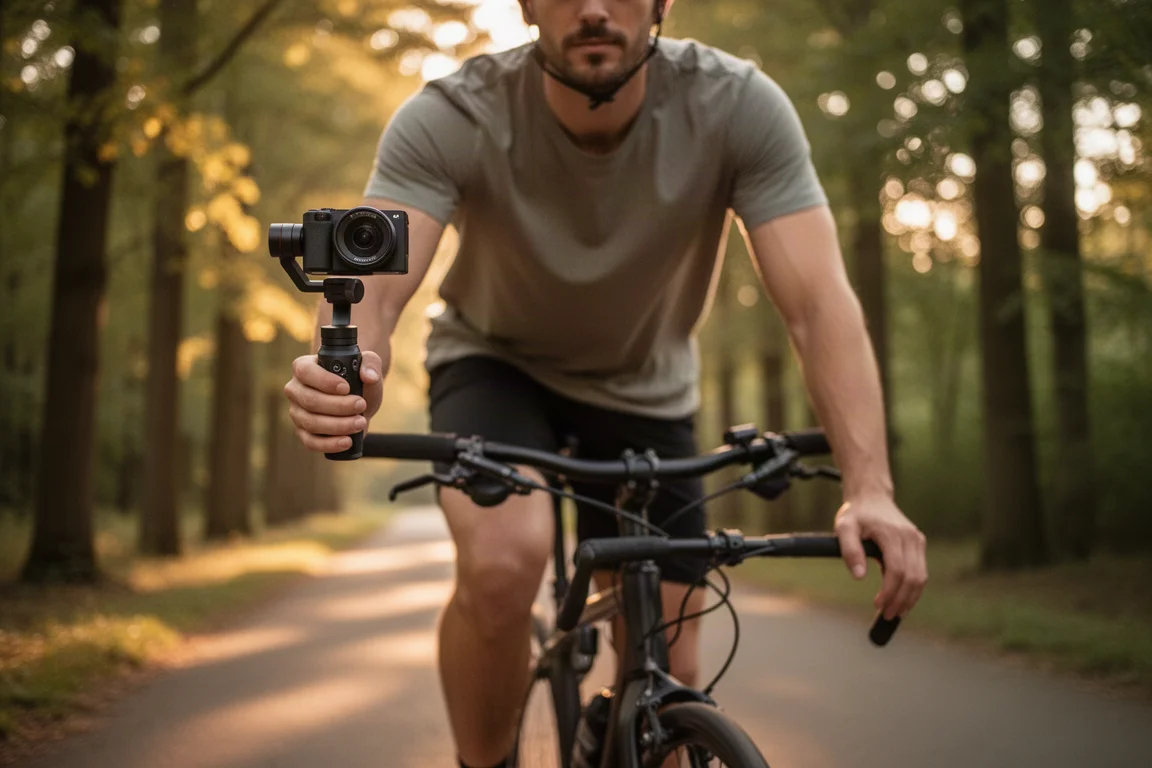
On a bike, both cameras held tracking steady while rotating left and right, with no stability problems. Color differences were minor, though the Pocket 4’s slightly warmer tone was preferable in that scene. Running is generally acceptable on gimbal cameras, but a hard bump can make the gimbal bounce, so neither is a substitute for a true action camera.
In-car testing at around 60 km/h with the camera mounted outside the window showed no gimbal issues from wind, though higher speeds may be a different story. Focus on both cameras shifted occasionally between the subject and the background, which is natural at that distance.
Night and Low-Light Performance
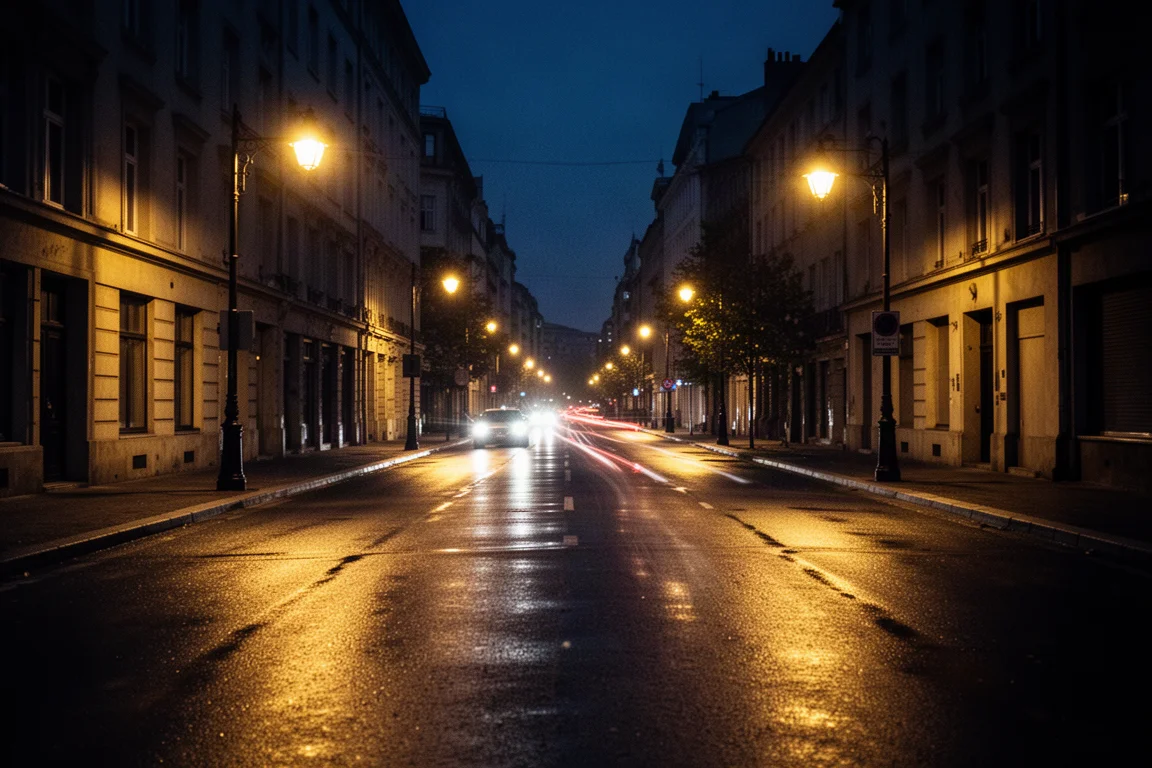
Night footage was closer than expected. In low-light mode, the two cameras looked very similar overall, with the Luna Ultra perhaps rendering slightly too much white on sand in one scene. Following a taxi through city streets produced near-identical results on both, with no real complaints either way.
Under yellow-toned streetlights, the true color sat between the two cameras: the Pocket 4 skewed yellow, the Luna Ultra skewed pale. Talking-head shots at arm’s length, at two feet, and at one foot in low-light mode all came out closely matched.
The caveat with low-light modes applies to both: they pull light that does not exist. On a dark pier, both cameras made a nearly pitch-black scene look bright and appealing. It looks great, but it is not what your eyes saw.
Sunset and Tricky Light
Sunset was the least flattering test for both cameras. Sky colors were closer to reality on the Pocket 4, but both rendered trees oddly, and both overexposed wide beach shots heavily before normalizing near buildings. Toward the sun in low-light mode, both produced unusual-looking results, which is expected in such an extreme scenario.
Which One Should You Buy?
If you want a single-lens, lower-cost gimbal camera with pleasant default color, good focus priority, and slightly warmer tones, the Pocket 4 is the straightforward pick, keeping in mind its default exposure tends to run hot and its 4x zoom ceiling is limiting.
If zoom matters, the choice is easy. The Luna Ultra’s secondary 3x lens and 12x maximum zoom make it dramatically more capable for distant subjects, product close-ups, and extra cropping room in 8K. It costs more, and its out-of-box color is more stylized and its focus tracking more easily distracted, but for reach and resolution it is in a different league.
Neither is waterproof, so if your use case involves water or hard impacts, an action camera remains the safer category. And if you are waiting on the rumored higher-end Pocket model, a more evenly matched comparison may follow later.
Conclusion
The Pocket 4 and Luna Ultra are closer than their different price tags and lens counts suggest, with similar night performance, similar moving-shot stability, and color science that errs in opposite directions. The Luna Ultra’s secondary lens is the decisive advantage for zoom-heavy shooting, while the Pocket 4 wins on price, focus priority, and more restrained default color. Choose based on whether reach or value matters more to you.
Further reading
Related Reviews
Cameras
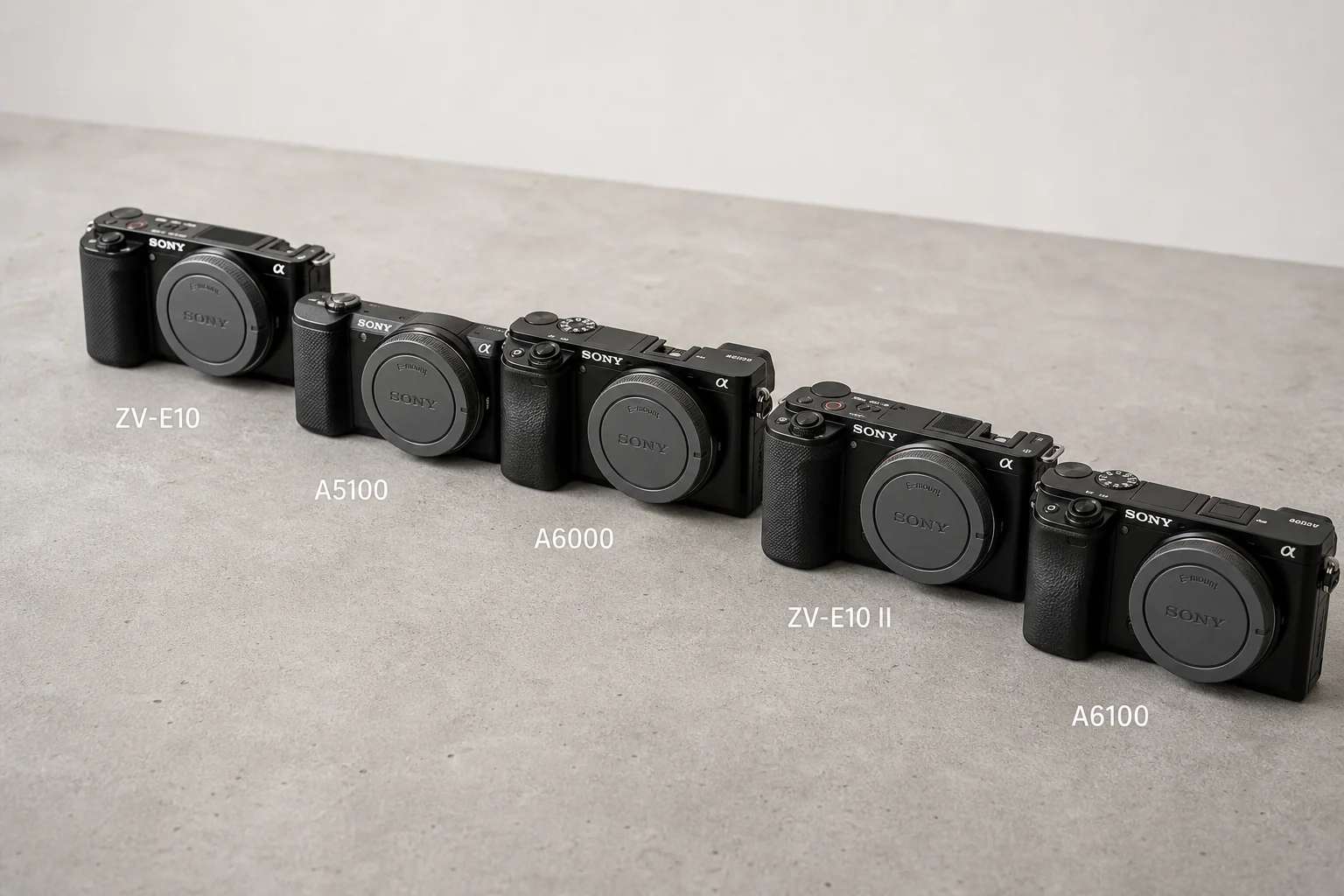
Best Budget APS-C Cameras: Five Sony Options for Photography and Video
Five compact Sony APS-C cameras ranging from $250 used to $1,000 new, each suited to different creative needs and budgets.
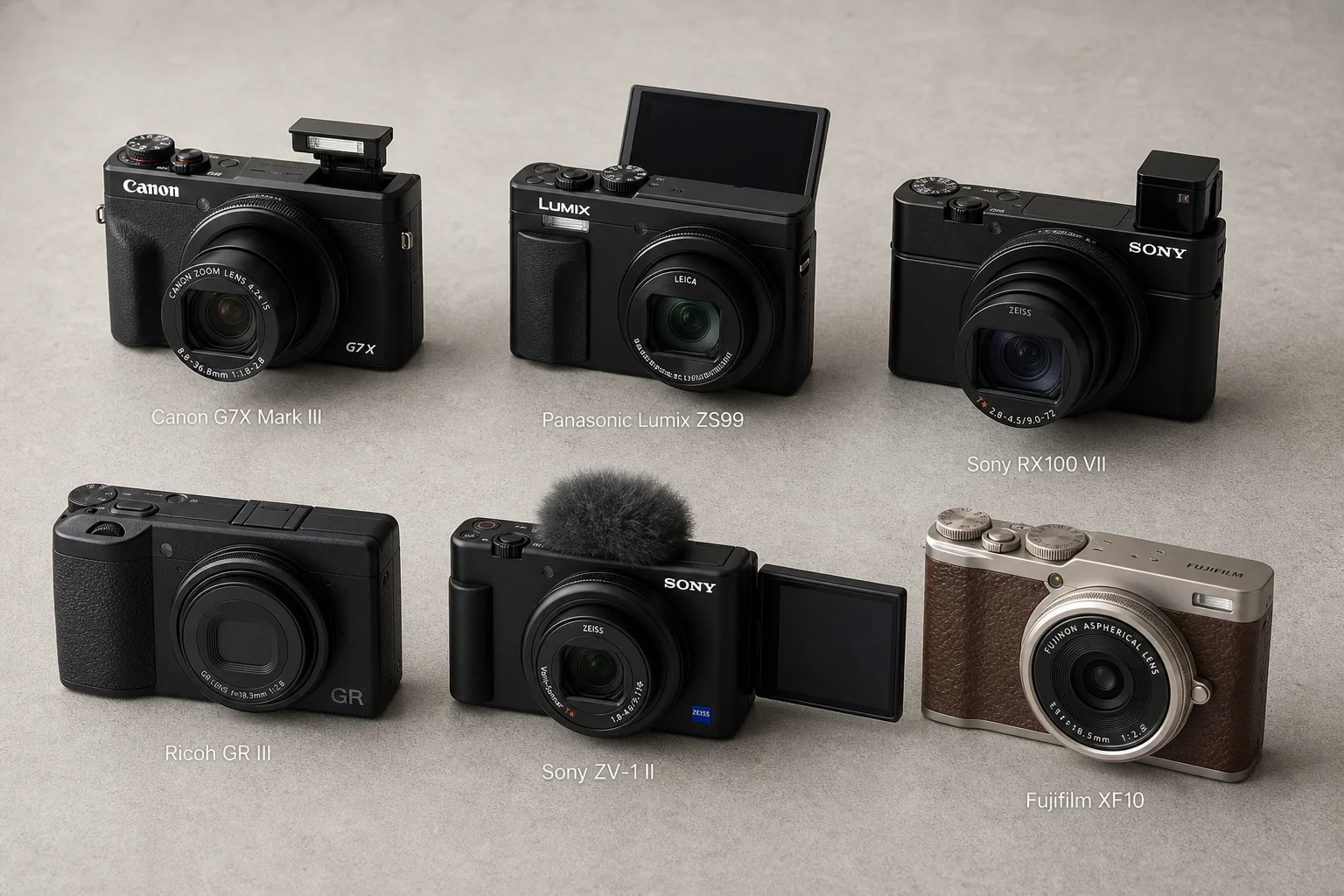
Cameras
Best Compact Cameras 2026: Six Models Tested Side by Side
A practical comparison of six popular compact cameras, from the Canon G7X Mark III to the Fujifilm XF10, tested in real-world conditions to help you choose the right one.
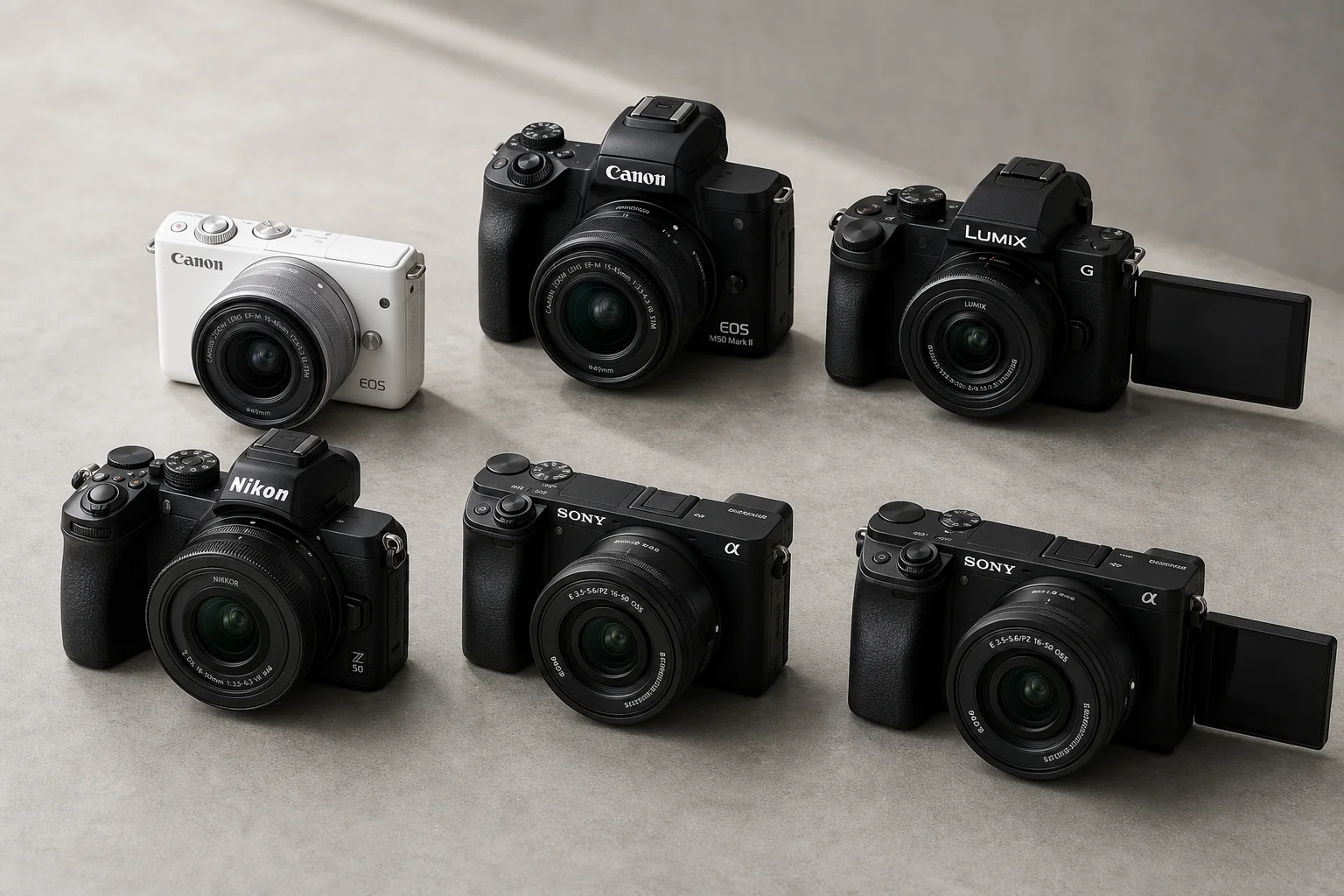
Cameras
Best Mirrorless Cameras Under $1000: Six Practical Options for Different Needs
A detailed comparison of six mirrorless cameras under $1000, ranked by value, performance, and suitability for vlogging, stills, and beginner use.