Outdoor Gear
DIY Truck Tarp Setup: A Packable Shade and Rain Shelter Kit
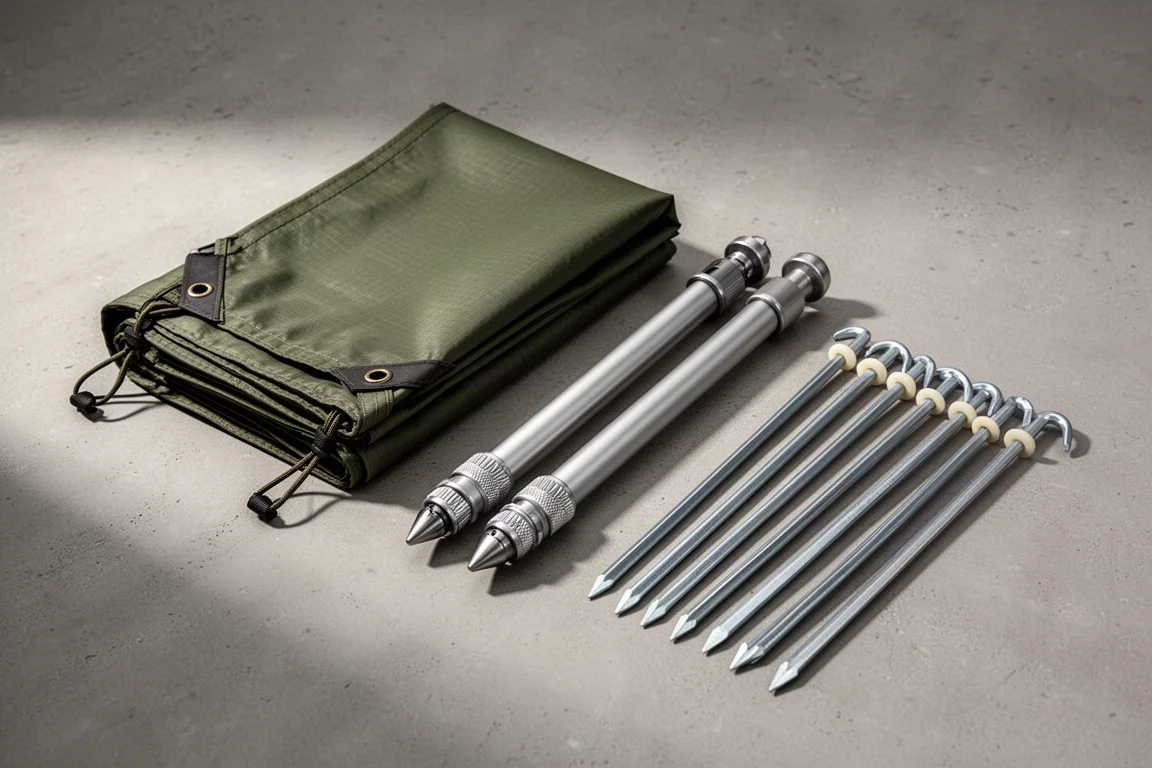
A three-part DIY truck tarp kit built around a large ripstop tarp, telescoping aluminum poles, and heavy duty steel stakes.
Introduction
A large tarp, a pair of telescoping poles, and a set of heavy duty stakes can turn the back of a pickup into a shaded, dry living space in about five minutes. This DIY truck tarp setup was assembled for long desert trips, where reliable sun protection matters as much as rain cover, and it costs far less than a permanently mounted vehicle awning.
The entire kit packs into a couple of bags on the tailgate and comes down just as quickly as it goes up. Here is how the components work together, what each one does well, and what to weigh before building your own version.
How the DIY Truck Tarp Comes Together
The process is straightforward enough to run solo. Roll the tarp out on the ground beside the vehicle and tie guy lines into each corner. Slipknots make this fast and easy to undo later, and that single habit is what keeps the whole setup quick.
From there, throw the tarp over the truck using the guy lines you just tied. Anchor one stake on each side, but keep the lines loose at this stage. The goal is only to stop the tarp from being blown away, not to tension it. Everything gets tightened at the very end.
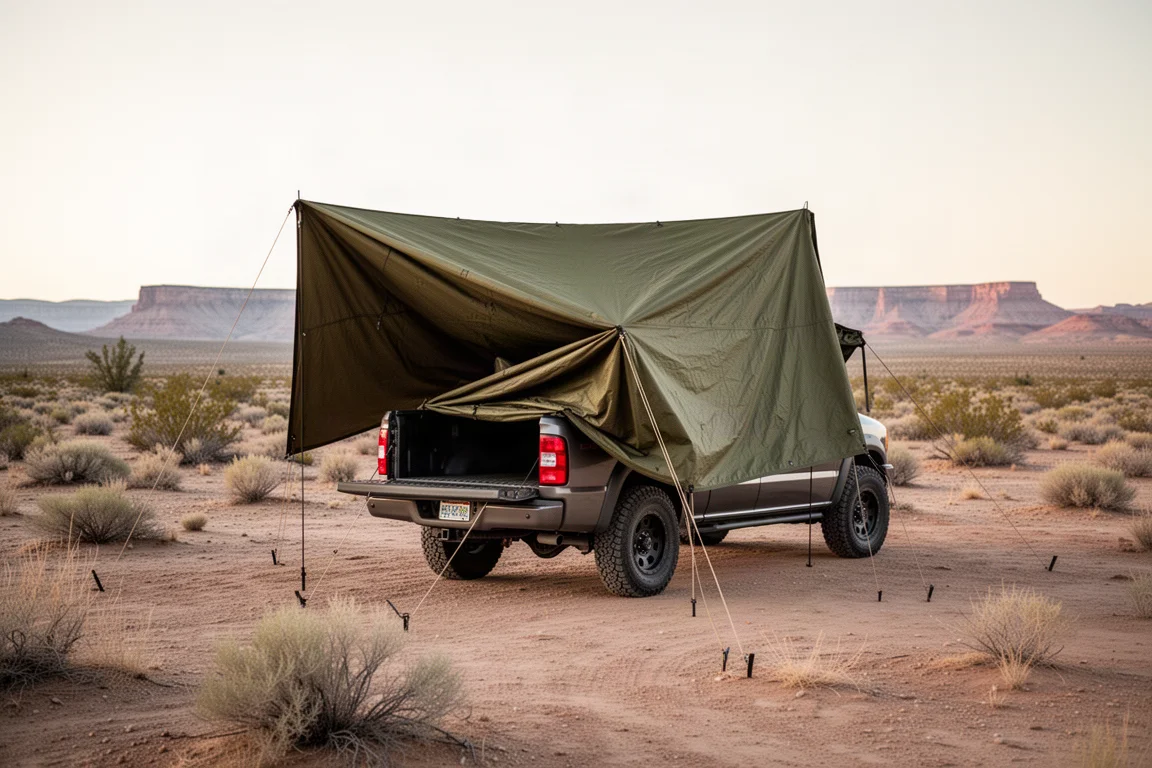
Next, extend the poles to roughly head height and stake out the back corners. A third pole can be placed in the center if you want a taller, more open pitch. The 550 cord used for the guy lines is inexpensive and widely available, and it holds up well for this kind of work.
Final adjustments come last: tighten the lines, set the stakes deep, and check the tarp for sag. Once everything is under tension, the sheltered footprint is genuinely large.
The Tarp: AquaQuest Safari Medium Duty 20’ x 13’
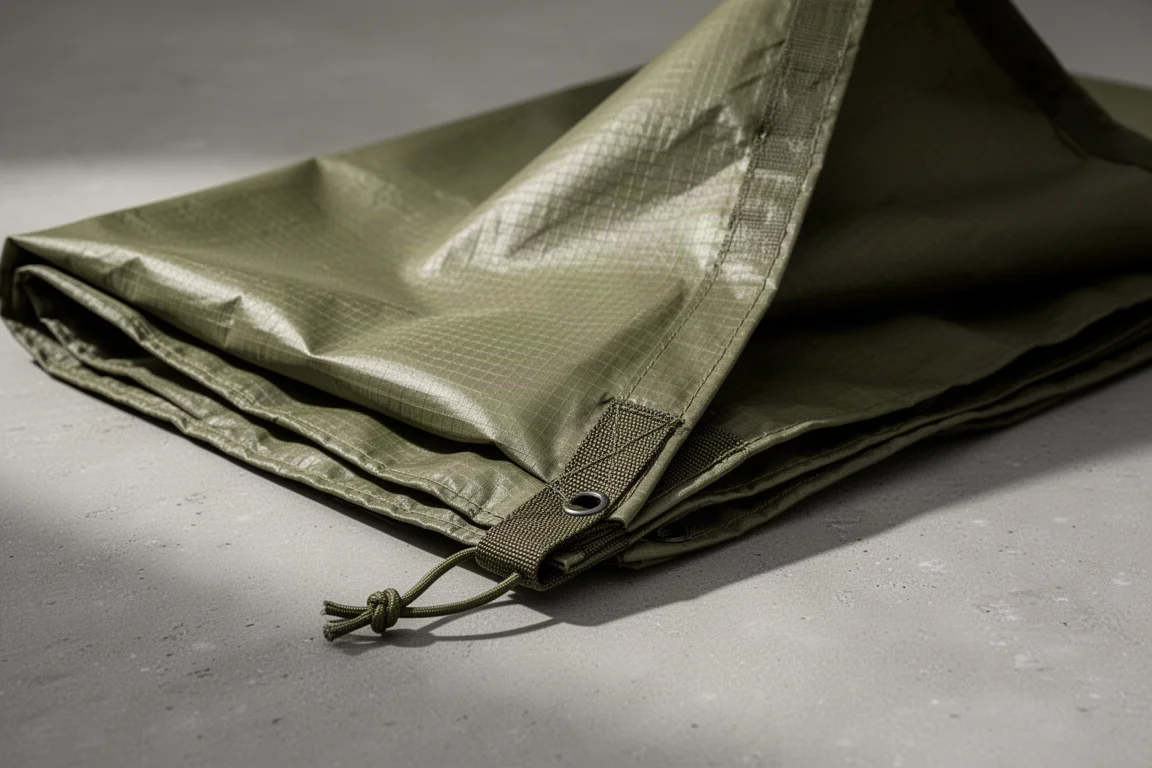
The tarp is the core of the system. The AquaQuest Safari Medium Duty measures 20 feet by 13 feet, weighs 3.8 pounds, and is made from 70D ripstop fabric with a PU coating. It has 25 webbing points, which gives plenty of options for guy lines and pole tips, and it comes in an olive drab color that keeps the whole setup low-key.
That size is what makes the coverage feel generous. There is room to sit underneath with chairs and a table, keep the tailgate open, and still have the vehicle interior stay dry when the weather turns.
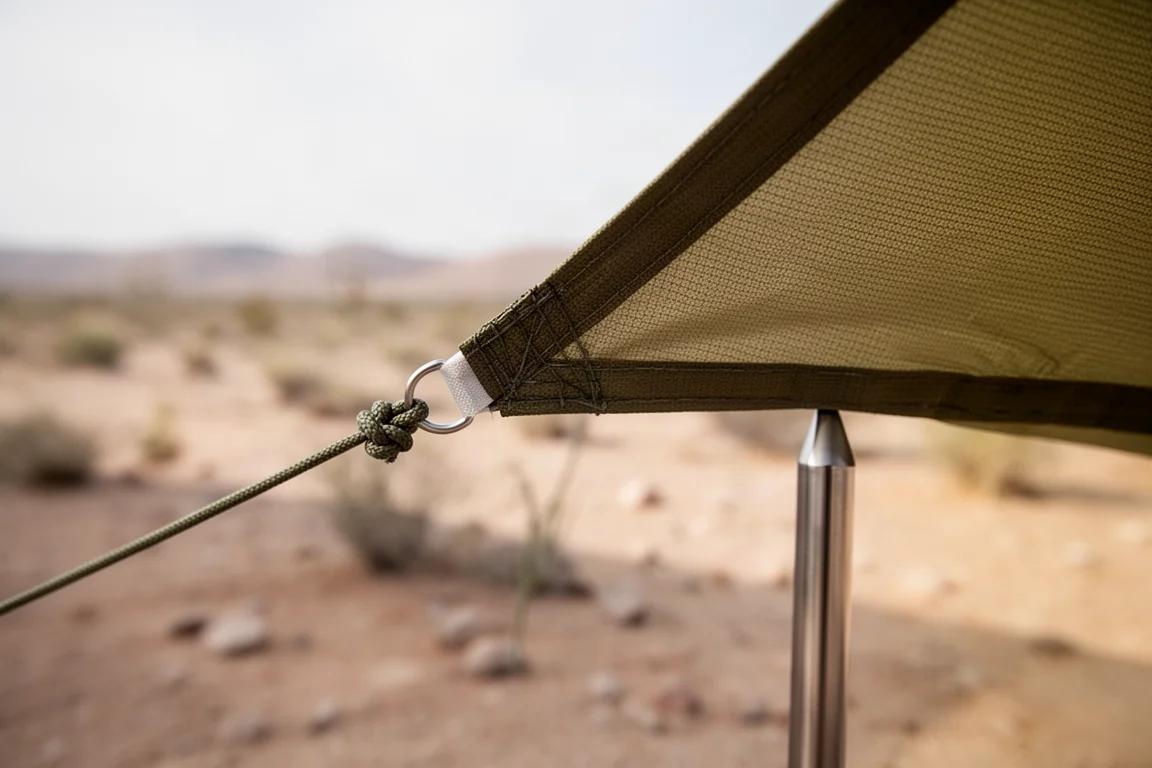
Durability is the main reason to choose this tarp over a cheaper one. It is priced higher than many alternatives, but the fabric and construction are built to handle repeated tensioning and long exposure. For a shelter that goes up and comes down on every trip, that resilience matters more than the initial saving.
The Poles: Green Elephant Telescoping Poles
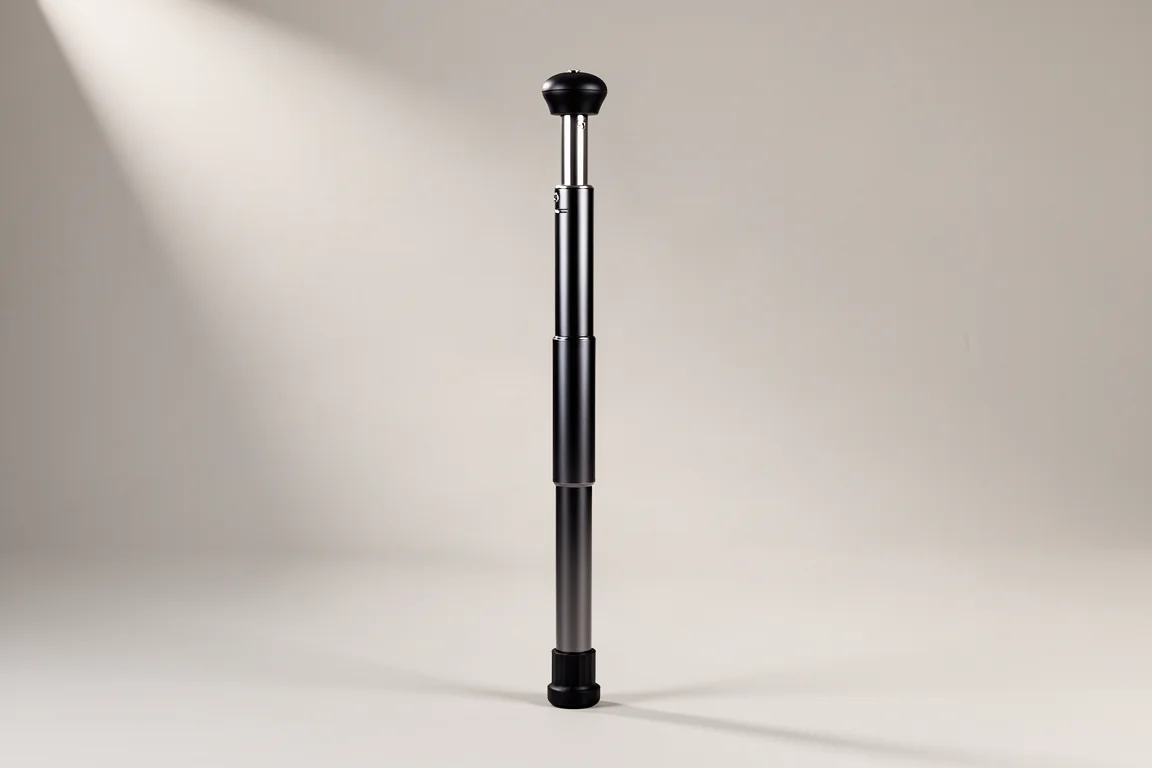
Two telescoping poles hold the tarp up. These adjust from roughly 2 feet 9 inches to 8 feet 2.8 inches, so the same pair can create a low, wind-shedding pitch or a tall, open shelter. That range is the most useful part of the design.
The poles are made from aluminum with twist locks, and they carry stainless steel tips that feed through tarp loops and grommets. They are not especially heavy, but they are strong enough to hold a tarp this size under tension. For a wider pitch, an additional pole in the center adds support.
The Stakes: Danshall 16-Inch Steel Tent Stakes
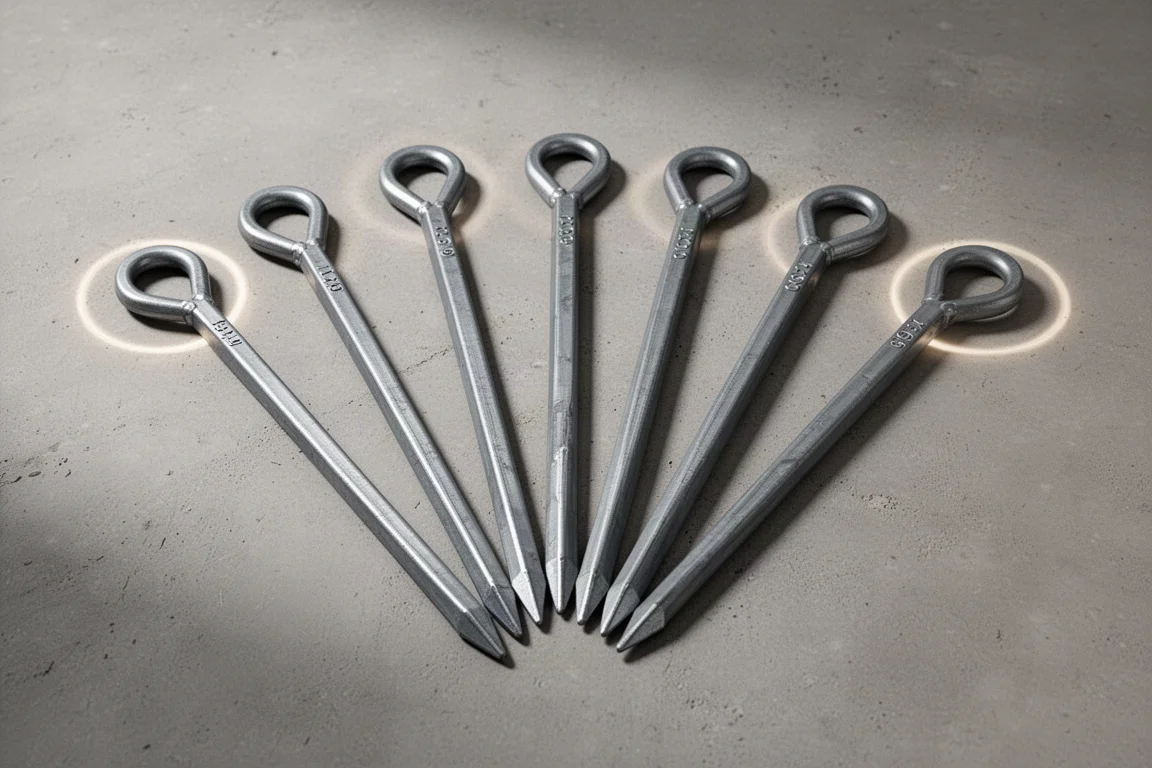
A tarp this large needs serious ground anchors. The Danshall stakes are 16 inches long, made from S45C steel, and built to be driven into hard, rocky ground with a hammer. Welded tie-off points give the guy lines a solid attachment, and a set of six covers the corners plus the mid-point tie-outs.
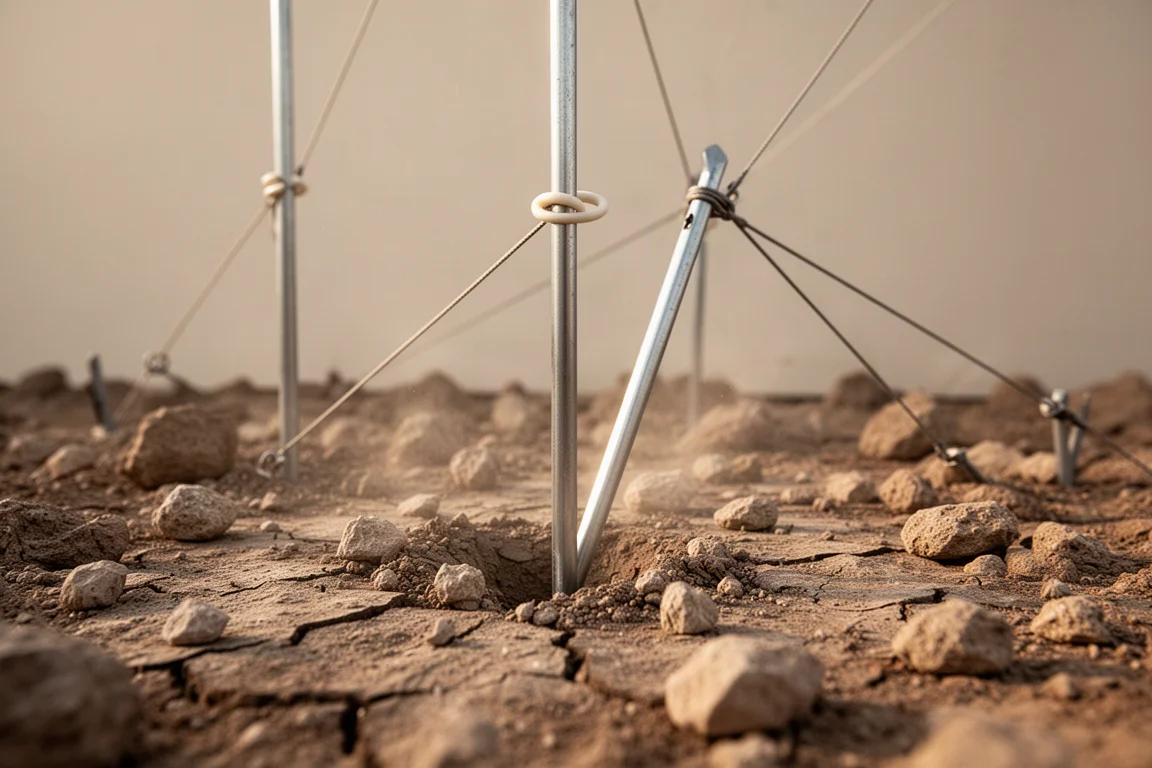
Small details help as well. Each stake has a glow-in-the-dark ring around the top, which makes them easier to find after dark and reduces the chance of tripping over a line at night.
Real-World Use: Sun, Rain, and Wind
Blocking sun is the headline benefit. Pitched high on the poles, the shaded footprint is large enough to sit under comfortably through the hottest part of the day, and the open back of the truck keeps airflow moving.
Rain changes the pitch rather than the kit. Lowering one end while raising the other lets water sheet off instead of pooling on top. With the tailgate open under the tarp, gear stays dry and loading or sleeping in the truck stays easy even in heavy weather.
Wind is the one condition that demands respect. A tarp this size behaves like a sail once the breeze picks up. Staked out properly and buried deep, it handles a breezy afternoon without trouble, but in strong wind the right call is to take it down rather than risk tearing it. The same caution applies to vehicle awnings.
There is also a discreet advantage to this approach. Because nothing is bolted permanently to the truck, the vehicle does not advertise expensive equipment on the outside, which matters in remote areas. Adding a bug net over the top is another option, keeping airflow through the open bed while shutting out insects.
Buying Advice: Who This Setup Suits
This kit makes the most sense for anyone who wants shade and rain protection without committing to a permanent awning. It is inexpensive relative to a mounted awning, requires no installation, and packs away inside the vehicle when it is not in use.
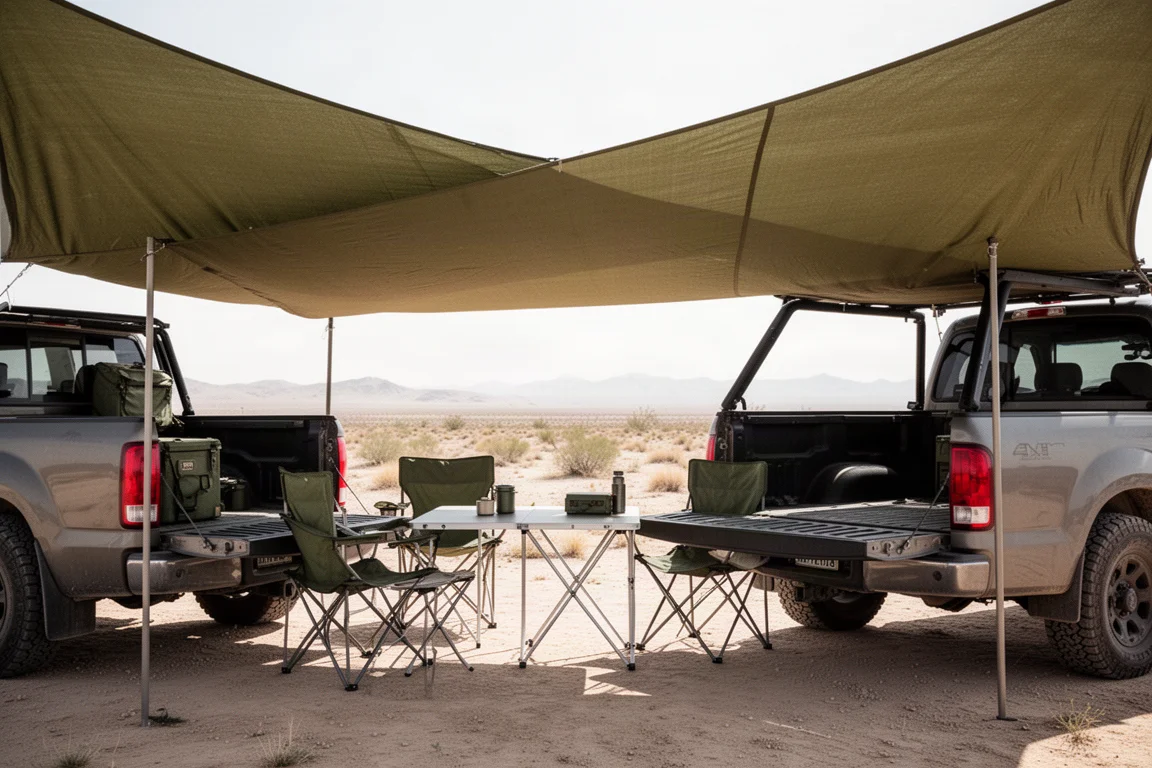
Truck owners who rely on their vehicle as a daily driver will appreciate that nothing stays attached. Overlanders covering long distances will appreciate the coverage and the quick setup time. Anyone camping in exposed, windy terrain should plan to use it selectively and take it down when conditions turn serious.
If you already own a suitable tarp, adding poles and heavy duty stakes is the practical starting point. Building the kit from scratch gives you a complete shelter for well under the cost of a typical vehicle awning.
Conclusion
A large ripstop tarp, a pair of telescoping aluminum poles, and six heavy duty steel stakes make a flexible, packable shelter for the back of a truck. The setup takes about five minutes alone, handles sun and rain well, and comes down just as fast. The main caveat is wind: pitch it in calm conditions, stake it deep, and take it down when the weather turns.
Further reading
Related Reviews
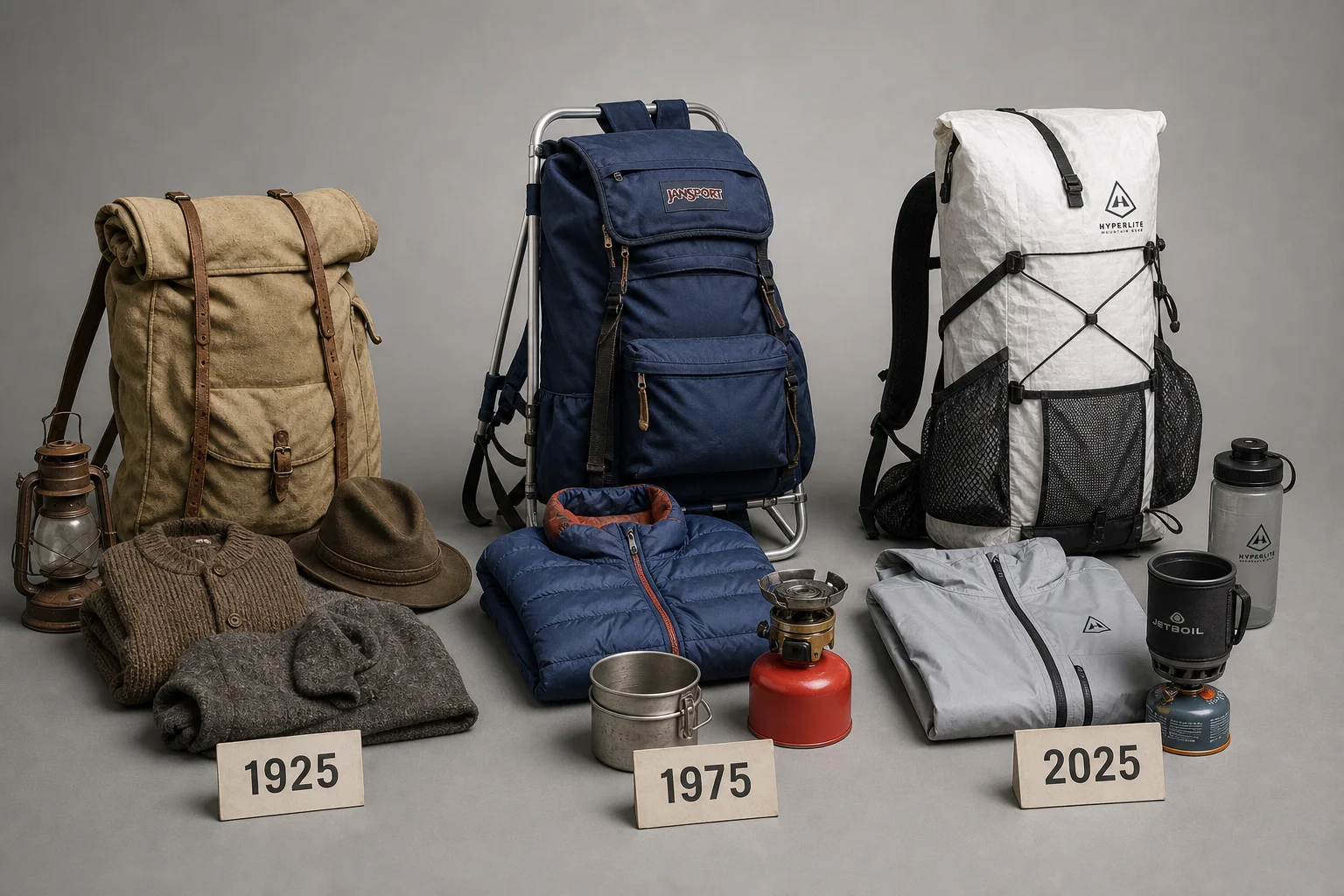
Outdoor Gear
Backpacking Gear Evolution: 100 Years of Technology Compared
We tested backpacking gear from 1925, 1975, and 2025 across a three-day hike in Yosemite. Here's how technology has transformed comfort, weight, and the outdoor experience.
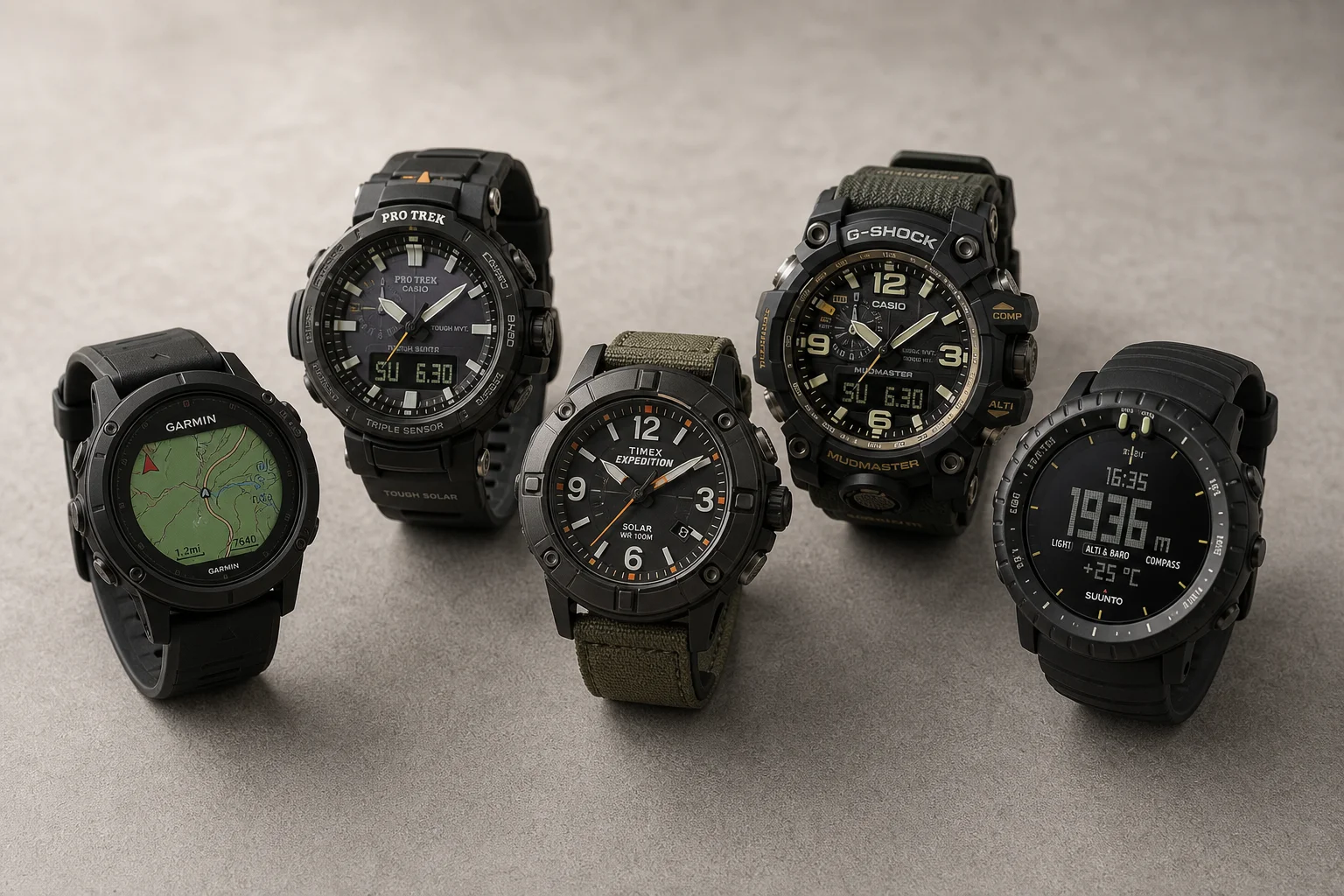
Outdoor Gear
Best Affordable Hiking Watches: Five Rugged Options for Outdoor Adventures
Five durable hiking watches that balance ruggedness, functionality, and value for outdoor enthusiasts who need reliable GPS tracking and weather resistance.
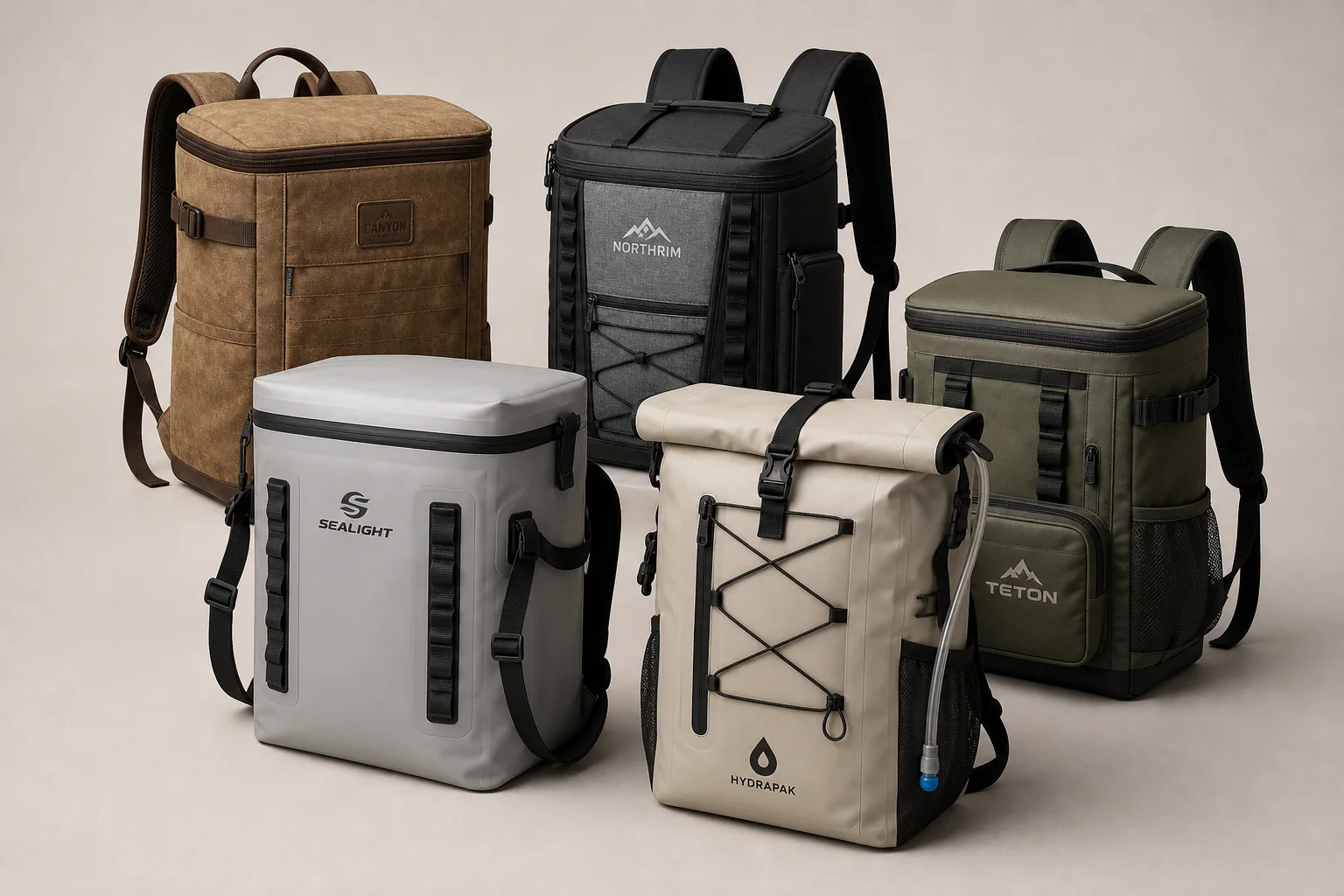
Outdoor Gear
Best Backpack Coolers 2026: Five Practical Options for Outdoor Adventures
Five backpack coolers with distinct cooling capabilities, storage features, and design trade-offs to help you choose the right one for your outdoor needs.