Ski Gear
14 Discounted Skis Worth a Serious Look: Value Picks From Park to Race Room
A practical roundup of 14 discounted skis, covering park, all-mountain, race, touring and cross-country models, with notes on price, build and the skier each one suits.
Introduction
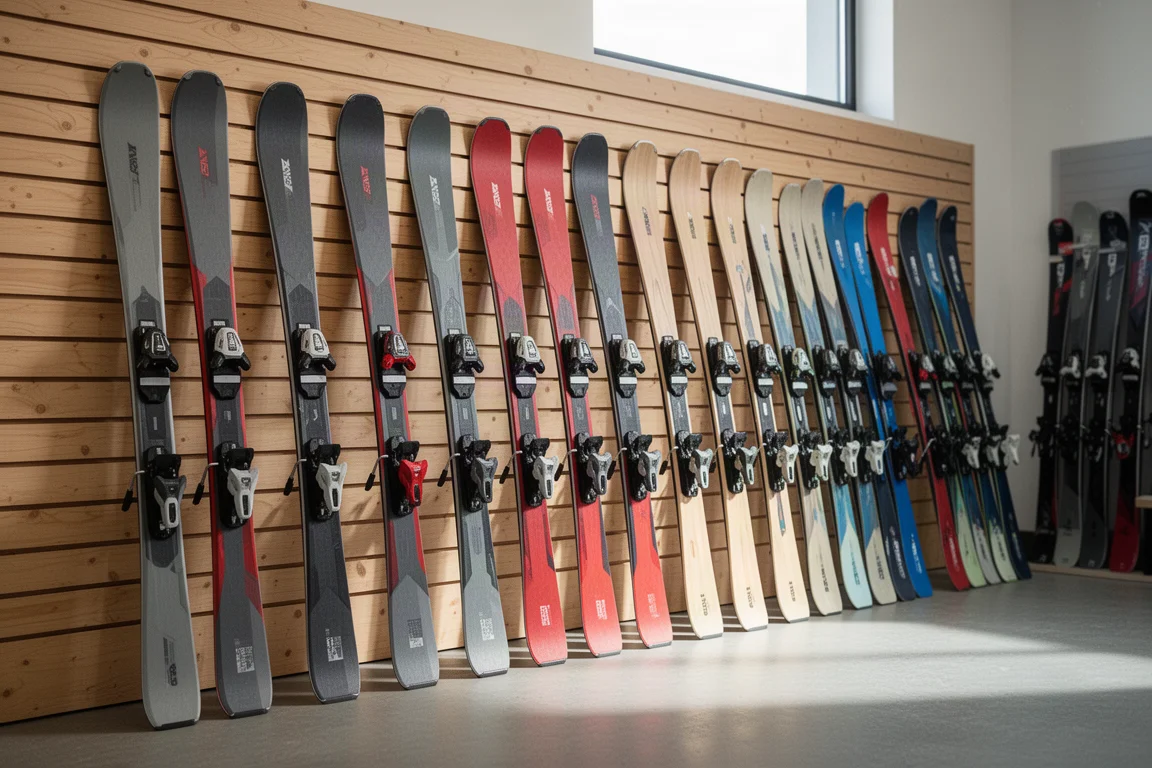
Late-season clearance is the point in the ski calendar when inventory moves quickly, and this year the discounts arrived in stages. Several brands that were still holding firm prices a couple of months ago have now cut them heavily, and Volkl is the clearest example, with roughly 40 percent off across much of its range. Other brands followed at different speeds, which is why some models that were absent from earlier roundups are now among the strongest buys on the shelf.
This roundup collects 14 skis that are worth a serious look right now. The selection is deliberately broad. It includes park skis for younger riders, all-mountain skis in the mid-80s to mid-90s waist widths, two genuine race skis, one cross-country ski and one touring ski. Some of these models are being replaced next season, some are being discontinued entirely, and a few have simply been sitting in the corner of the warehouse for too long.
Because availability changes fast, every pick here is based on what is actually in stock. Where a ski only remains in one or two lengths, that is noted in the section.
How These Discounted Skis Were Chosen
Price is the starting point, but it is not the only reason a ski makes this list. A cheap ski that nobody wants is not a bargain, so each model here also had to offer something real: a durable construction, a versatile shape, or a performance level that is unusual at its current price.
The scope of this list is wider than a typical all-mountain roundup. It includes a cross-country ski and two race skis, because those categories are also being cleared out, and because a genuine race build at a clearance price can make sense for the right skier.
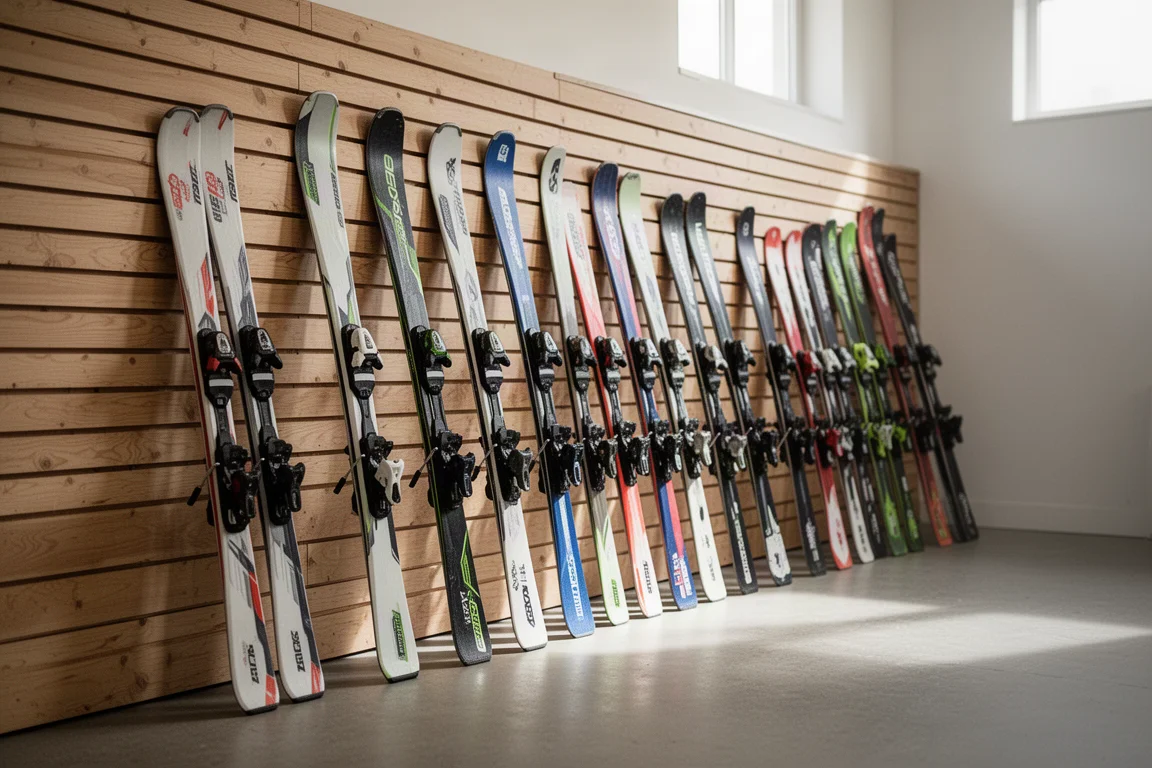
Durability carried weight in several picks. Skis used by junior park and freeride athletes take a beating, and models that survive that treatment are worth recommending to anyone who wants a pair to last more than a season. In other cases the deciding factor was versatility: a single pair that handles groomers, bumps and trees without feeling compromised in any of them.
Inventory also matters. Several skis featured in earlier clearance roundups have sold through, which is why they are absent here. What remains is what is genuinely available, and in most cases there is enough stock to cover a useful range of lengths.
Volkl Revolt 86: The Budget Park Ski That Lasts
At $239.99, the Revolt 86 is one of the least expensive ways to get onto a real wood-core ski. It measures 86 mm underfoot and uses a straightforward shape without aggressive early taper, which keeps it predictable in the park and easy to handle elsewhere.
Durability is the reason it keeps coming back into the conversation. Coaches who work with teenage park riders report that these hold up unusually well, and parents tend to appreciate both the price and the fact that the ski survives a full season of abuse. Even at full price it was an affordable option, so at the current discount it is close to a no-brainer for a younger park skier.
It also works as a utility ski. In a 180 it is a perfectly fun park ski, and it doubles as a rock ski, a spring mogul ski, or a pair to take out when the kids are skiing over your top sheets. Multiple colour options are available, and buying two pairs to mix and match remains affordable.
View more details for Volkl Revolt 86
Volkl Mantra M6: All-Mountain Precision Below $450
At $449.99, the Mantra M6 is one of the strongest value propositions in this list. It is one of the most widely recognised all-mountain skis on the market, and the combination of precision and power it delivers is hard to match at this price. The dollar-to-performance ratio is exceptional.
There is a timing element here. The M7 replaces the M6 for the following season, which makes this the last opportunity to buy the M6 at a discount. The two skis feel closely related. The newer model refines the formula with tweaks rather than changing the character of the ski, so anyone who wants to save a couple of hundred dollars can buy the outgoing version with confidence.
Fischer Women’s World Cup GS Z16: A True Race Build
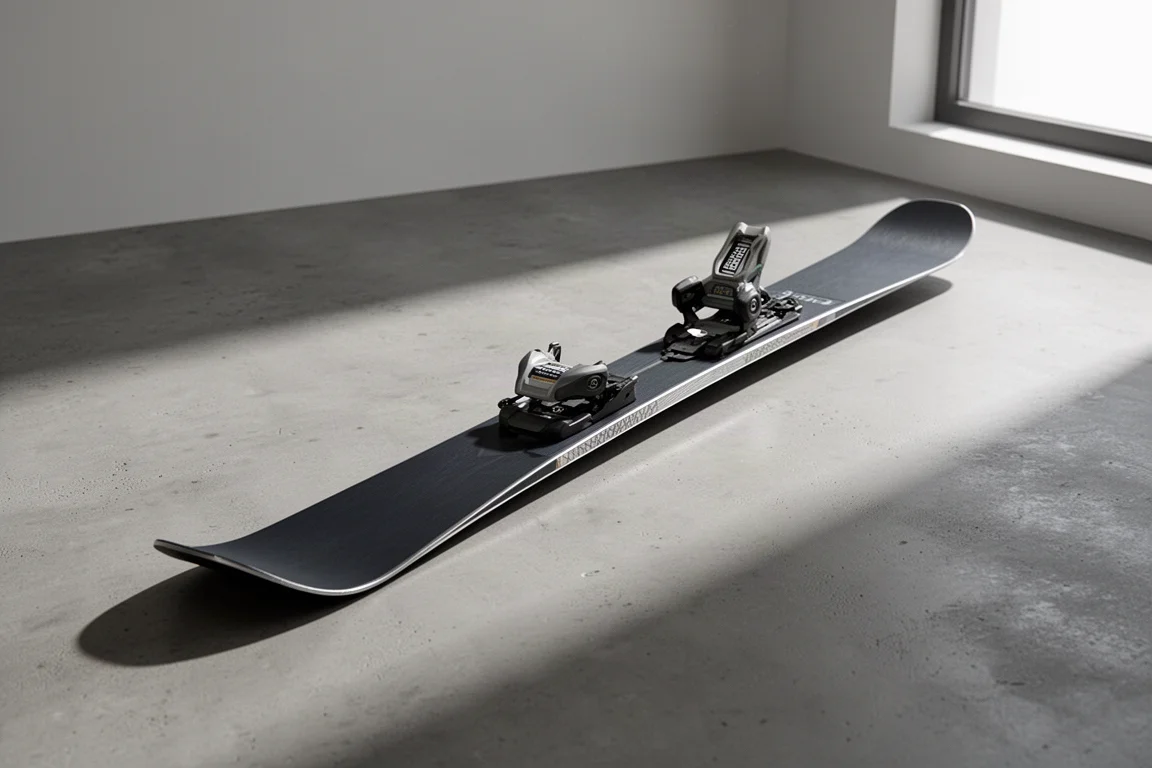
This is a 2020 Fischer women’s World Cup giant slalom ski paired with a Fischer-branded Tyrolia Z16 binding. The ski alone is $286.18 and the binding is $157.21, which comes to roughly $444.50 together. A ski-and-binding combination deal may bring the pair down to about $400.
It is worth being direct about what this ski is. A 30-metre race ski is close to one-dimensional, and it is not for everybody. What it offers is the highest quality of build available at anything like this price, including a 16-DIN race binding. For a skier who already has a versatile daily driver and wants something for firm groomer days when the hill is quiet, it fills a gap that most quivers have.
The women’s version is available in 183 and 188, and the 183 is the more manageable of the two. Each pair comes with hand-numbered ski straps and a card with a QR code and space to record edge angles. The finish on this generation of Fischer race skis is sharp and sleek.
Rossignol XT 55: Affordable Cross-Country Skiing
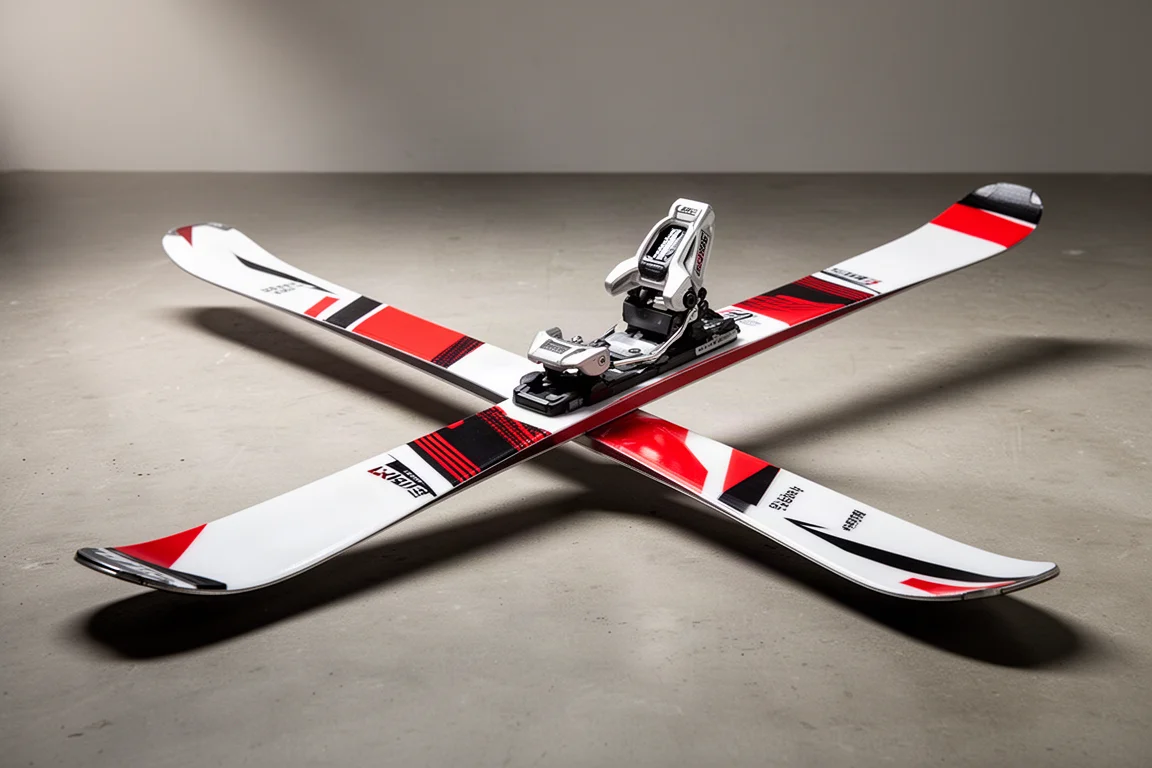
The XT 55 is a wood-core cross-country ski with fish scales and no edges, priced at $135.99 for the ski and binding combination. It is about as classic as a classic ski gets, with a slightly wider platform than a narrow race classic ski, which makes it easier to stand on and more forgiving for recreational use.
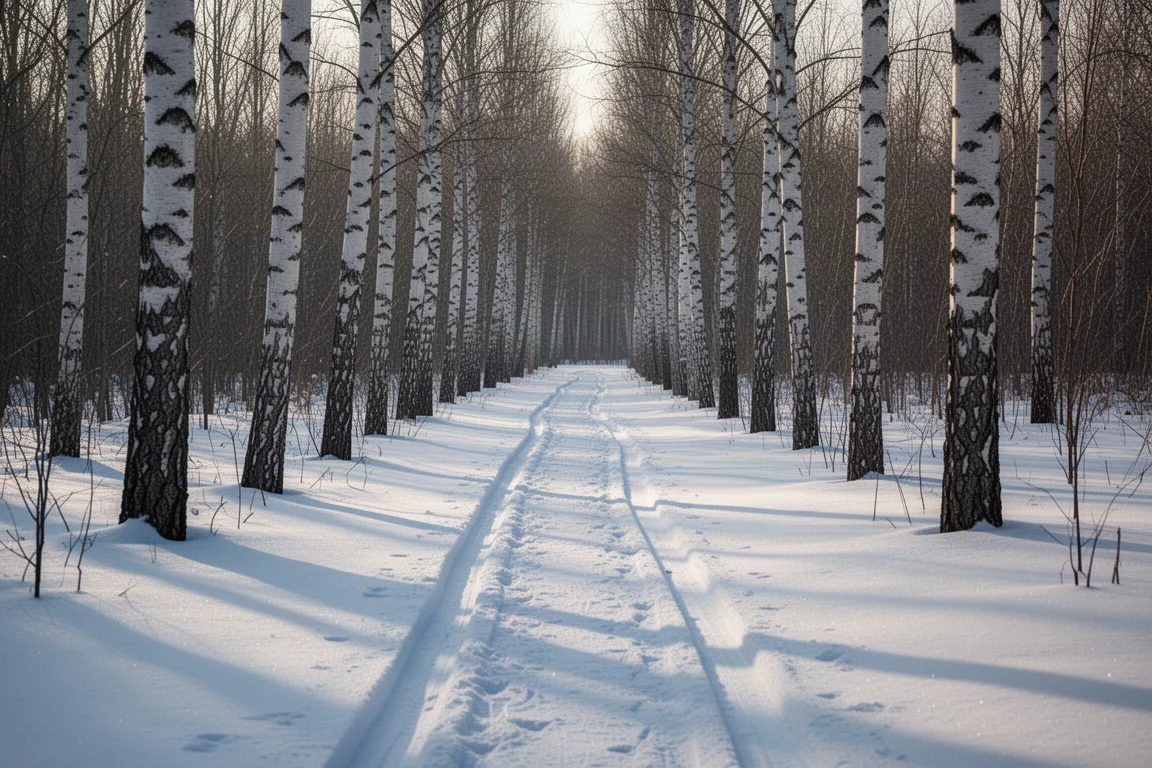
The bindings can be moved forward and back on the track, which adds a useful adjustment for changing conditions. The ski is also available as a package with boots and poles for a modest additional cost. The main limitation is length: the 175 is the longest size currently in stock, and it suits lighter skiers rather than heavier ones.
For anyone who wants to shuffle along a track through the woods for an hour or two, this is about as budget-friendly as a brand new pair of wood-core cross-country skis gets.
Volkl Deacon 80: The Overlooked Frontside Performer
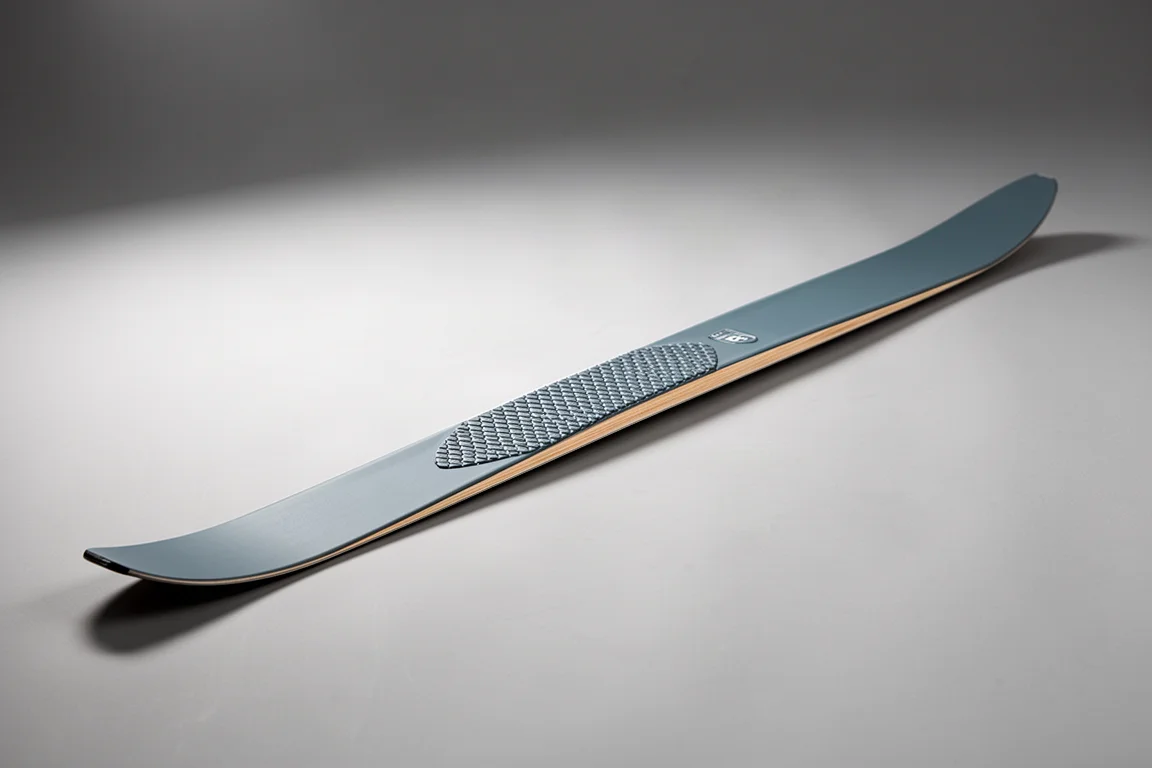
The Deacon 80 tends to be overshadowed by the Deacon 84, but it punches above its level. It comes as a system package with a binding for $539.99, and the binding is essentially a Marker Griffin mounted on a track, so the hardware is reputable.
Rather than the Titanal laminate used in the Deacon 84, this ski uses a steel laminate, which is still an excellent material for ski construction and tends to produce a very smooth ride. The 3D radius runs 24 metres at the tip, 15 metres underfoot and 21 metres at the tail, which allows for a wide range of turn shapes. The ski is light, agile and energetic, and the binding integration is one of the better system designs on the market because the hardware connects into the structure of the ski rather than sitting on a drilled-in track.
That combination makes it unusually flexible in role. It can serve as a daily driver for a lighter or less aggressive skier, as a dedicated frontside ski for someone who does not own anything narrow, or as a teaching tool for instructors who want a ski they can manipulate into many different turn shapes.
Liberty Origin 96: Versatile Mid-90s Value
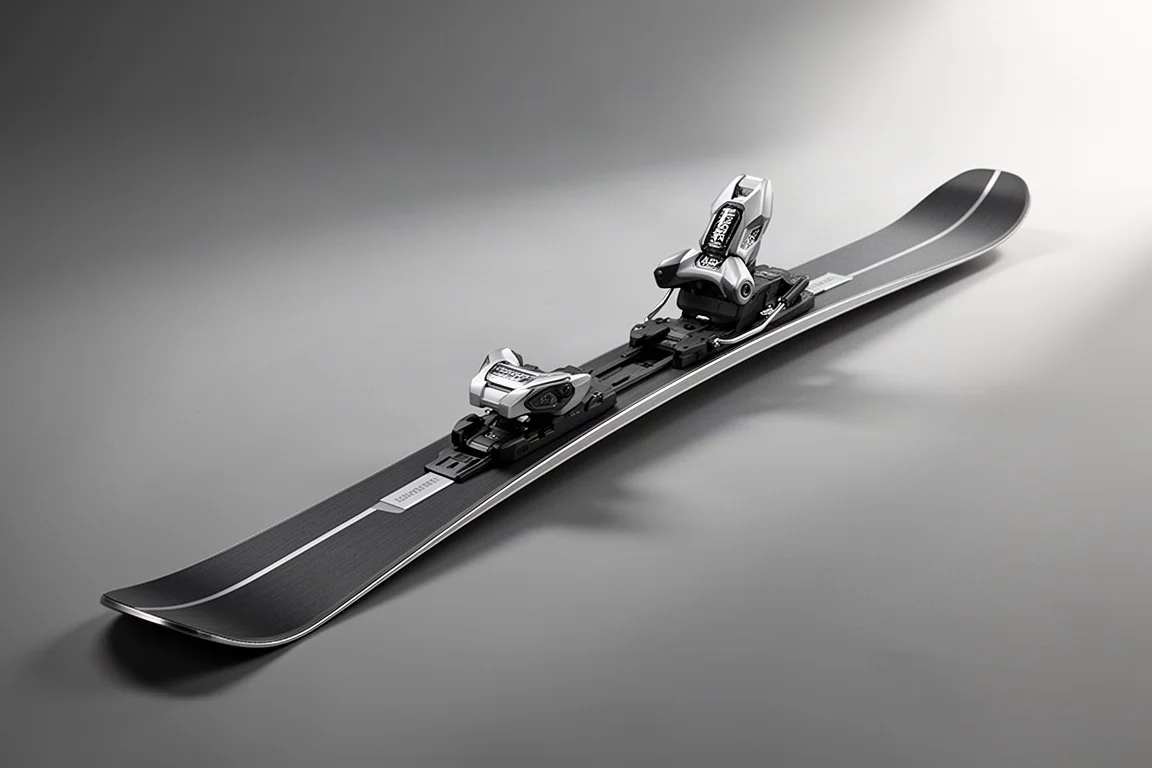
At $419.40, the Origin 96 is one of the better values in the mid-90s category. The construction uses a vertical metal strut, a bamboo core and thick sidewalls, and the shape has a playful, rounded tail with a multi-directional mount.
That combination works well almost everywhere. It is strong in trees and bumps, and it handles a mix of soft and firm snow without feeling like a compromise in either condition. The thick sidewalls also add stability and dampen chatter underfoot, which keeps the ride smooth on harder surfaces.
This is also a farewell of sorts. Liberty is moving toward its Scope and Radian designs, which are quite different from each other, and the metal strut, bamboo and thick sidewall construction that defined the Origin is going away. The graphics on this model are among the sharper looking in the current range.
Volkl Blaze 82: A Confidence-Building Ski for Developing Skiers
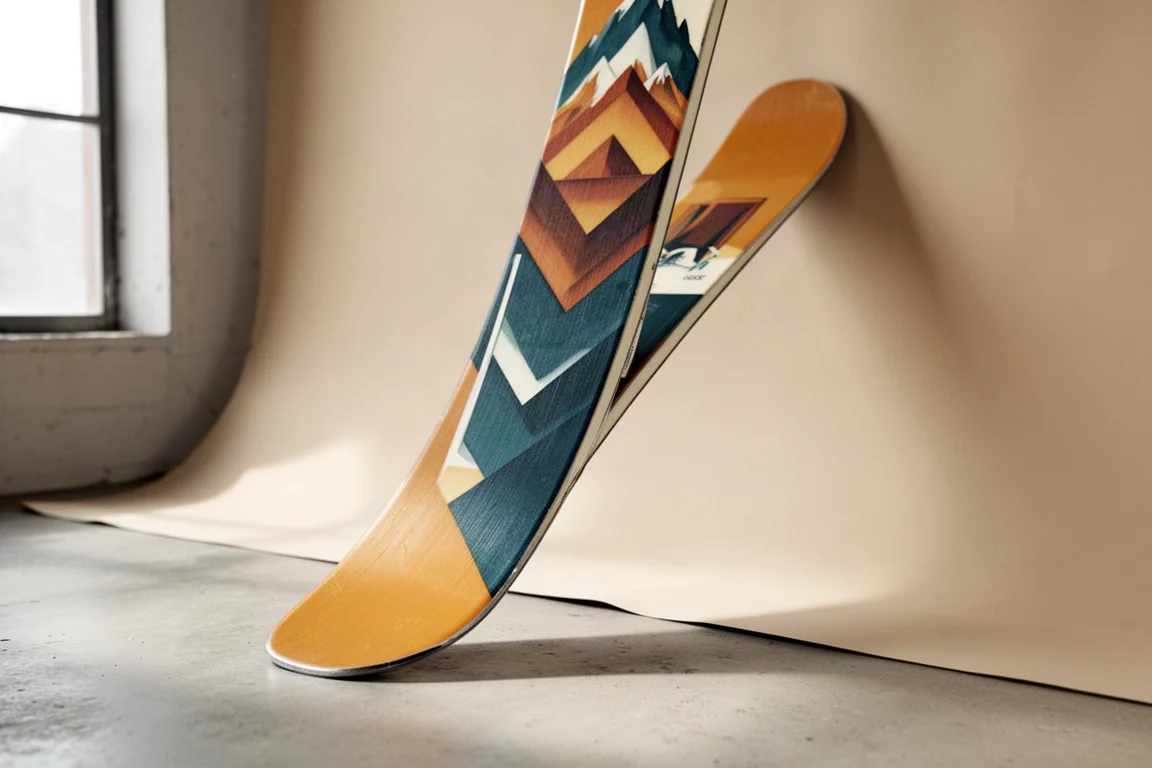
The Blaze 82 is a women’s ski and binding combination at $359.99, and it takes an unusual approach for a value-oriented system ski. Rather than a stripped-down frontside model, it is built as a narrower version of a freeride line, which makes it far more capable across different terrain and conditions.
That matters for progression. A developing skier on a narrow frontside ski mostly learns how to turn on a groomer, while an 82 mm platform allows for a much wider range of experiences. The result is a ski that helps a newer skier improve without feeling like a cheap compromise. It is well made, but not designed for the most aggressive skiers, which is exactly the point.
The target skier here is a beginner, an intermediate, or someone less aggressive, including skiers moving off rental equipment or replacing a pair that is 10 or 15 years old. At this price, it is a substantial upgrade. A men’s Blaze 86 is also available, with slightly more all-mountain performance and a slightly higher price.
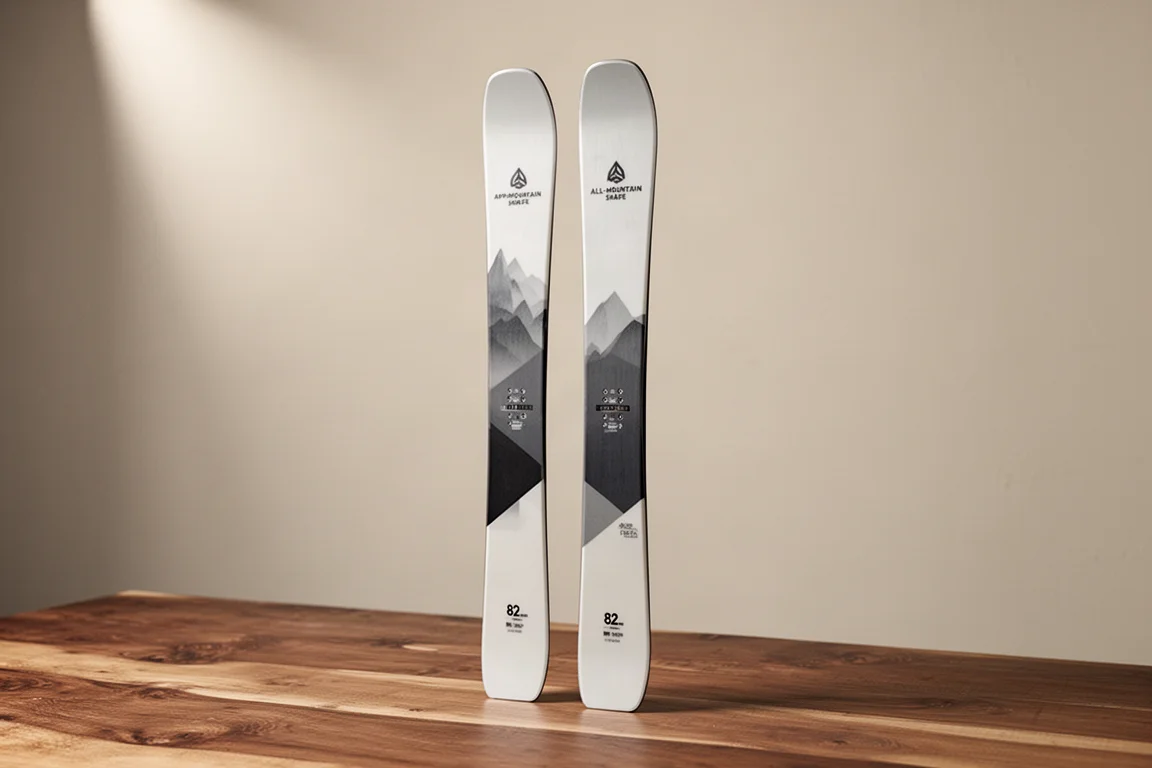
Nordica Doberman World Cup GS: Race-Room Power
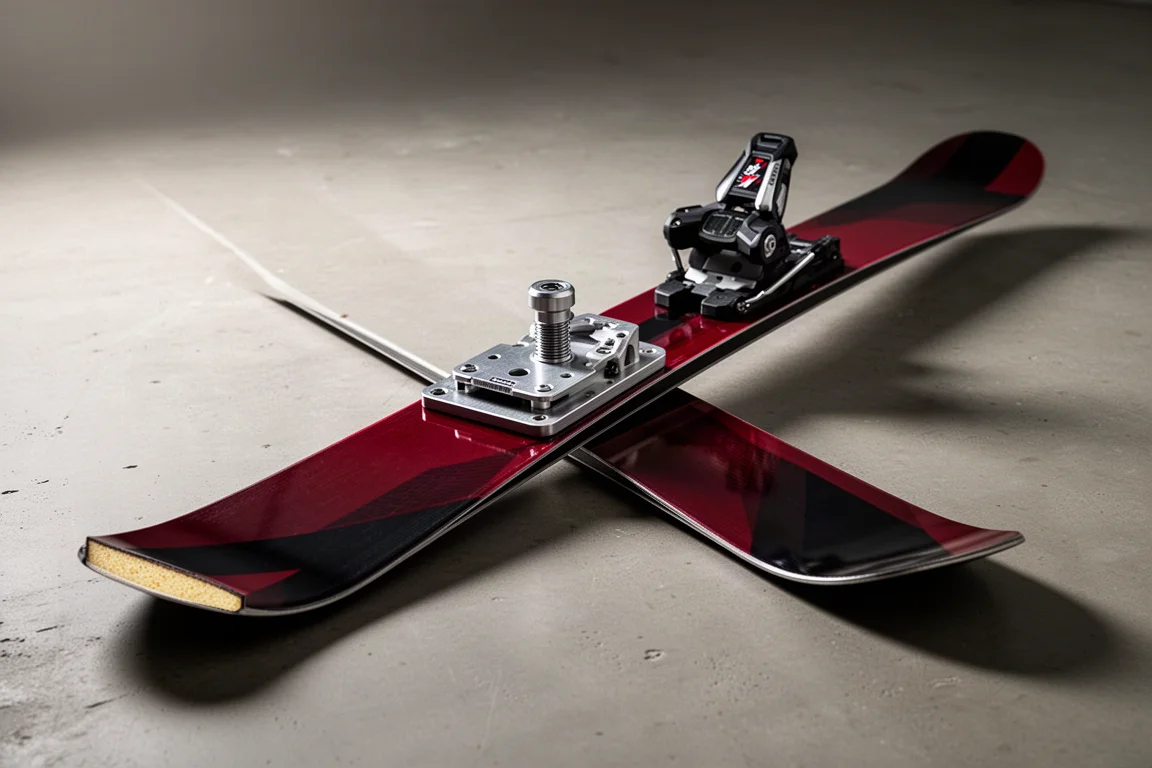
This 2019 Nordica Doberman World Cup GS ski is a full race-room build with an unusually thick core, priced at $254.99 on its own or around $365.54 with an X-Comp 12 binding. It is a 30-metre giant slalom ski in a 193 length with a Marker piston plate, and a 188 is also available. It is designed in Italy and made in Austria.
This is the most demanding ski in the roundup. It rewards the strongest legs, the most precise technique and the stiffest boots, and a 110-flex boot simply will not find its top end. The dollar-to-speed ratio is outstanding, but the ski asks a lot in return, and that trade is worth understanding before buying.
Boot compatibility deserves attention here. X-Comp 16 bindings are available, and older versions are not GripWalk compatible while more recent ones are, so it is worth confirming that the sole of your boot matches the binding you choose. The 16-DIN option costs a little more than the 12.
Atomic Bent 100: Proven Freestyle Versatility
The Bent 100 is $449.97, and it is a rare ski in that almost nobody who buys one is disappointed. Its broad appeal is the reason it is here despite the fact that it changes for 2025. The new version is better, with more tail rocker that most twin-tip skiers will appreciate, but the current model remains an excellent ski at a couple of hundred dollars less.
Criticism of the Bent 100 usually centres on carving, and it is fair to say that carving is not its focus. That is easy to solve by adding a dedicated carving ski to the quiver later. What the Bent 100 does well is everything else: groomers, bumps, trees, park, natural jumps and soft snow.
There is one interesting nuance. A strongly directional skier who mounts on the recommended line or further back may actually prefer this version, because the shape is slightly more directional than the new one. It is available in a 180 and a 188, and both lengths work across a wide range of terrain.
View more details for Atomic Bent 100
Salomon Stance 80: All-Mountain Range at a Low Price
At $384.97 for the 2024 ski and binding, the Stance 80 delivers an enormous amount of range for the money. It shares its build with the Stance 84, which has long been a top contender in the mid-80s category for both versatility and value.
The construction is genuinely high-end for the price. There is metal underfoot, carbon in the tips and tails, a poplar wood core and an 11-DIN binding. That combination gives it a level of performance and well-roundedness that is unusual under $400, and it is a real wood-core ski rather than a softened entry-level shape.
The skier range is remarkable. It suits a beginner buying a first pair of skis, and it also works for a lighter advanced skier who wants something narrower and easy to manage on trails. It is a twin tip, so it leans slightly more playful than the Revolt 86, but it is similarly built around a genuine wood core at a price where that is increasingly rare.
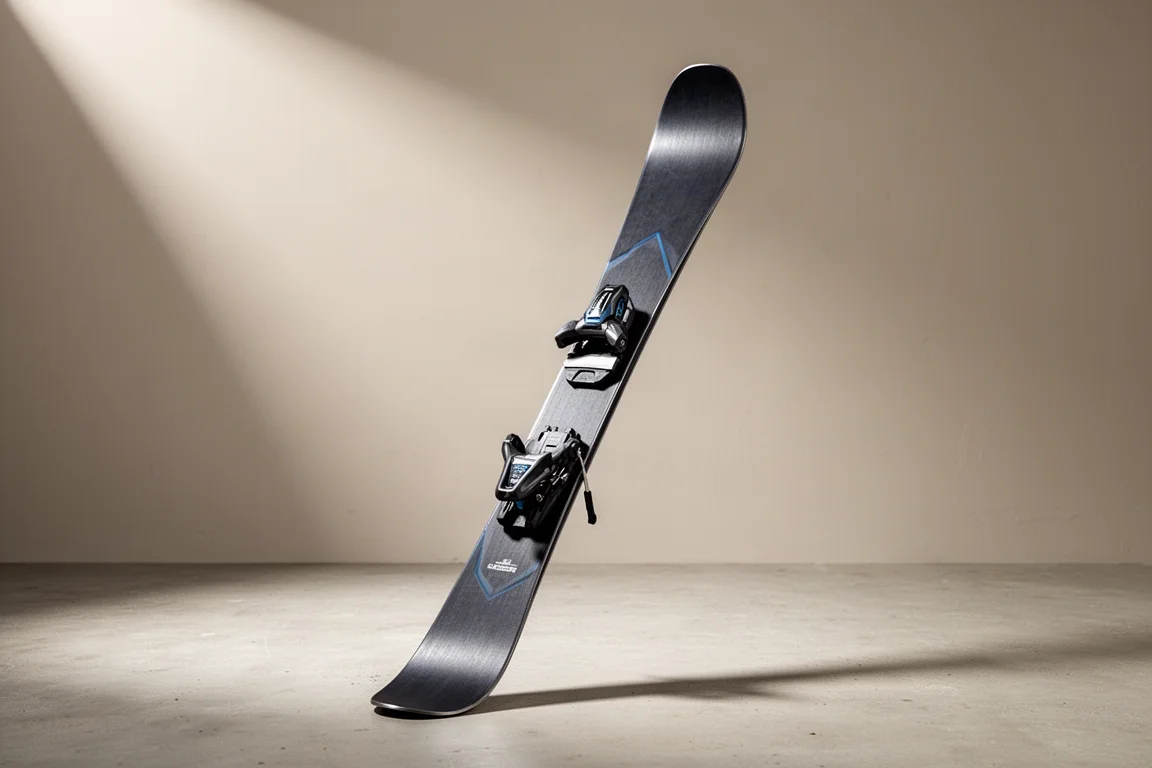
Elan Ripstick Tour 104: A Standout Touring Ski
The Ripstick Tour 104 is down to $552.49, which puts it at the upper end of this roundup. It also started at a much higher price, so the discount is substantial, and it only changes cosmetically for the following season.
The touring ski market has been flooded with new models in recent years, and not all of them were fully thought through. Some were excellent, and some never really found a clear purpose. This is one of the winners. It is versatile within its own category, trustworthy in serious big-mountain terrain, and it carries a Glen Plake signature.
Closer to home, it is one of the most maneuverable and flickable touring skis available, which makes it a natural choice for tight tree skiing on lower-elevation terrain. For a skier who wants one touring ski that can travel and still feel lively in the trees, it is a very strong option.
K2 Mindbender 96C: The Goldilocks All-Mountain Ski
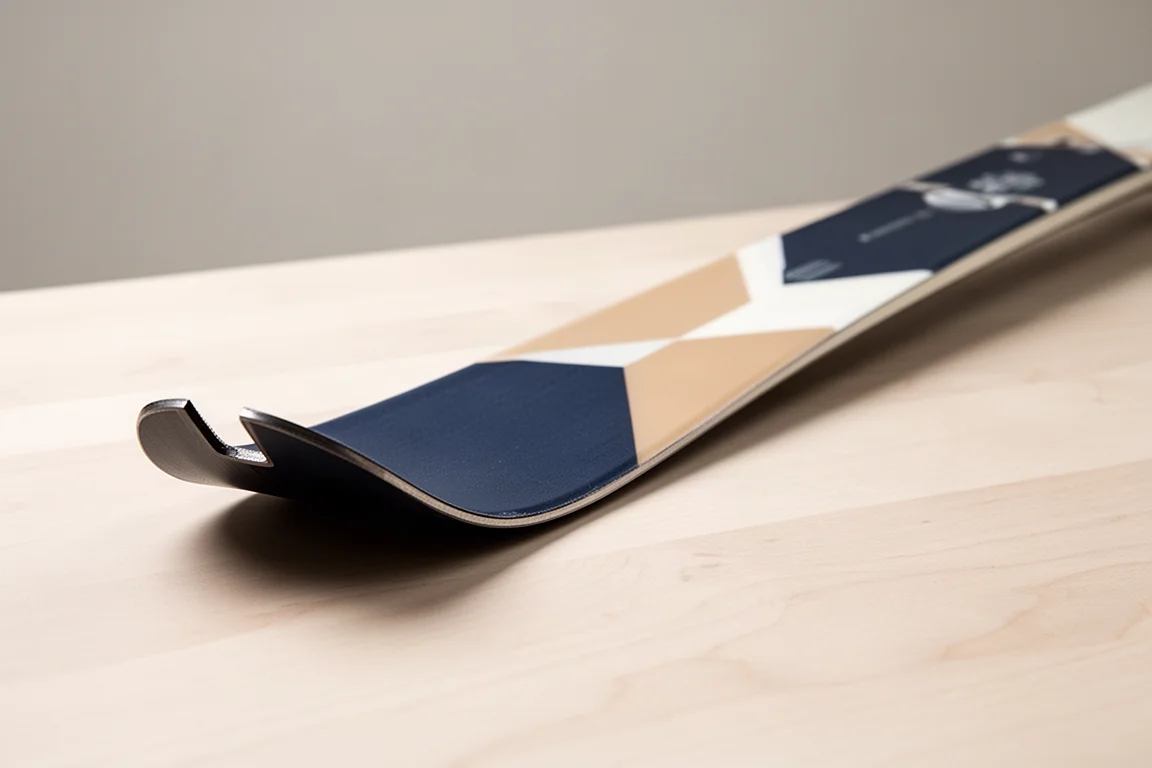
At $449.97, the Mindbender 96C sits at the same price as the Bent 100, which makes for an interesting comparison. Where the Bent is more freestyle-oriented, the Mindbender is more directional, and it lands in a useful middle ground between a demanding all-mountain ski and a playful freeride shape.
The construction includes an aspen wood core, a carbon spectral braid and unidirectional flax. On snow it feels light and easy to turn, with a more flexible shovel that is fun in soft snow and trees and easy to maneuver through tighter terrain. It is not going to overwhelm a skier, and it is not quite as playful as some alternatives, but it floats well and mixes on-trail and off-trail performance effectively.
For someone stepping into a mid-90s ski for the first time, or someone who wants a wider but unintimidating option, this is a very reasonable place to start. It is the middle of three distinct 96 mm skis in this roundup, and the balance it strikes is the reason it works for so many skiers.
Dynastar M-Free 90: Value for Younger Freeride Skiers
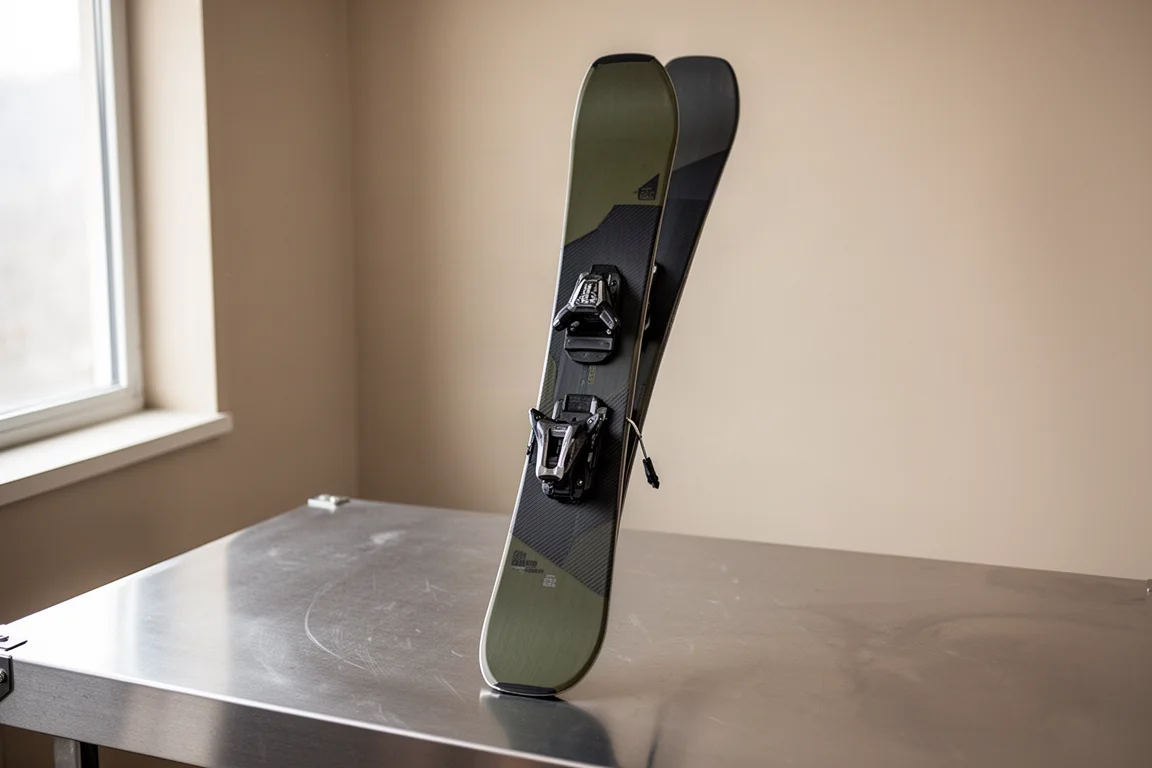
The M-Free 90 is $344.47, and it is often overlooked because the M-Free 99 and 108 get most of the attention. It is a good option for younger freeride skiers in particular, and it comes up to a 177 length, which makes it usable for a range of smaller and lighter skiers.
The build includes full vertical sidewalls, tip rocker, and tail rocker without a twin tip, which gives the tail more support. The flex pattern is stable and supportive, and fairly stiff for a ski aimed at developing athletes. That makes it well suited to younger skiers who ski hard and want a ski that will not fold underneath them.
It also works as a second-tier option for adults. As a spring mogul ski, a rock ski, or a pair to combine with an older set of bindings, it makes a lot of sense at this price.
View more details for Dynastar M-Free 90
Scott Pure Free 90: A Traditional, Rock-Solid Carver
The Pure Free 90 is a 2024 model carried over from 2023, priced at $420. It is a traditional directional ski with a solid wood core, metal underfoot rather than throughout, and notably thick sidewalls from tip to tail. A full size run is available.
Those thick sidewalls give the wood core more material and more stability, and the effect on snow is a smooth, quiet ride with a long effective edge. There is a small amount of tail rocker, just enough splay to keep the ski from feeling catchy without giving up grip.
The result is a ski that feels solid and rewarding, particularly for skiers who grew up on straight skis and want true tip-to-tail performance. When you put it on edge, it hooks in and holds a round, powerful turn. Everyone who skis it tends to say the same thing, that it feels like a real ski, and it deserves more attention than it has received.
Buying Advice: Matching the Deal to Your Skiing
The right pick depends far more on where and how you ski than on which ski is cheapest. A few simple categories make the decision easier.
For park skiers and younger riders, the Revolt 86 and the M-Free 90 are the obvious value choices, both durable and inexpensive enough that a scuffed top sheet is not a disaster. For skiers who want one ski to cover the whole mountain, the Mantra M6, the Origin 96, the Mindbender 96C and the Pure Free 90 all sit in that category, with the Mantra leaning toward precision and power, the Origin and Mindbender toward playfulness, and the Pure Free toward a traditional, planted feel.
For frontside skiing, the Deacon 80 is the standout, and its 3D radius makes it unusually adaptable for a narrow ski. Developing skiers and anyone replacing a very old pair should look at the Blaze 82 and the Stance 80, both of which offer real construction at a low price. The Ripstick Tour 104 covers touring, the Fischer and Nordica race skis cover firm groomer days, and the XT 55 covers cross-country.
Two practical checks before buying. First, confirm that the length you need is still in stock, because several of these models are down to limited sizes. Second, if you are pairing a race ski with a race binding, make sure your boot soles are compatible, since older race bindings are not GripWalk compatible.
Conclusion
This is a strong moment to buy if you know what you are looking for. The discounts are deep, the inventory is real, and several of these models will not be available in this form again. Match the ski to the terrain you actually ski, check the length and the boot compatibility, and the value here is difficult to beat.
Further reading
Related Reviews
Ski Gear
2023 Blizzard Hustle vs Rustler: Six Freeride Skis Compared
Blizzard's 2023 Hustle collection rebuilds the Rustler shape with a lighter core and no metal. Here is how all six skis differ, and which one suits your riding.
Ski Gear
2023 Skis of the Year: Atomic Maverick 88 TI, Salomon QST 106, and Look SPX 12 Pro
Three standout ski picks for all-mountain carving, powder days, and reliable binding performance, with practical buying notes for 2023 models.
Ski Gear
2025 Nordica Enforcer 104 Review: A Directional Charger Replaces the 104 Free
The 2025 Nordica Enforcer 104 drops the Free name and the twin-tip personality, gaining weight, stiffness and composure in rough snow. Here is what changed and who it suits.