Art Supplies
Discontinued Art Supplies Worth Hunting Down: Six Oddities From Crayola, Elmer's and Winsor & Newton
From a retired Crayola yellow to a toxic watercolor pigment, six discontinued art supplies with genuinely interesting stories and very different reasons for leaving the market.
Introduction
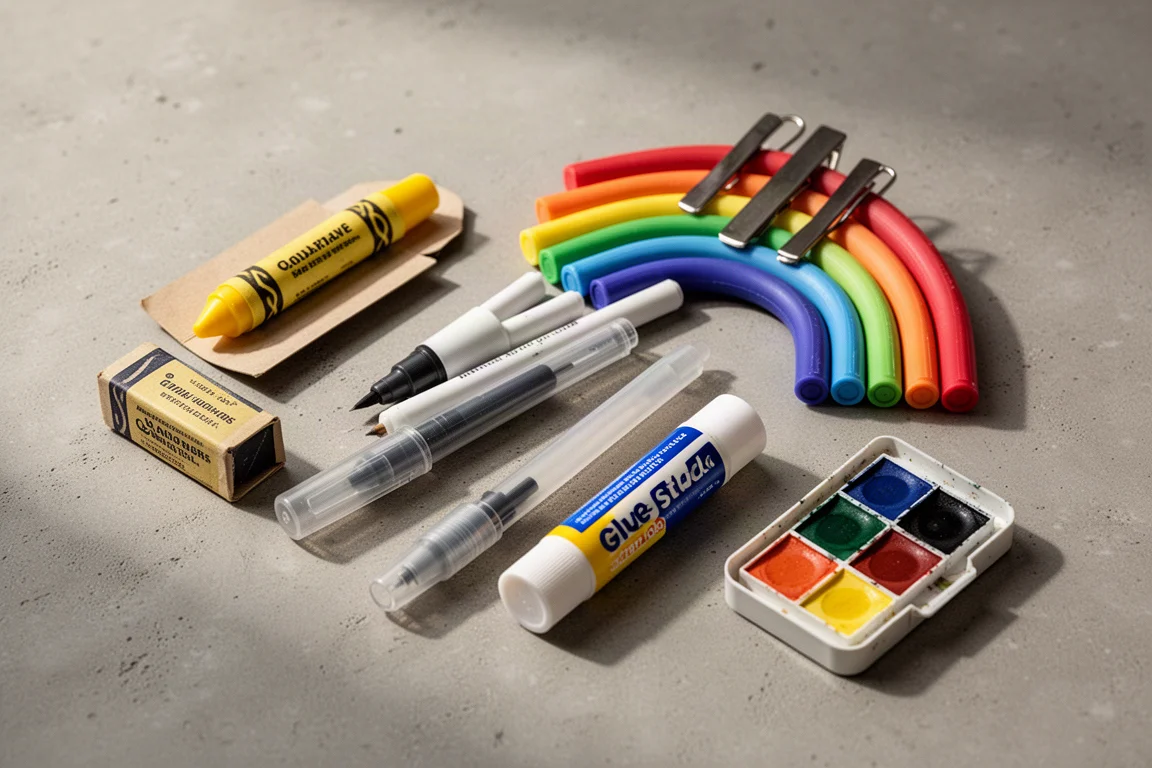
Discontinued art supplies are a strange corner of the creative world. Some vanish because they never sold, some because they were simply odd, and a few because they turned out to be genuinely dangerous to use. We rounded up six discontinued supplies spanning a few decades, from a crayon color that survived thirty years in the standard 24 pack to a watercolor pigment with a thousand-year history of problems. Each one is hard to find now, which matters if you are thinking of hunting any of them down secondhand.
Crayola Dandelion: The Yellow That Retired After 30 Years
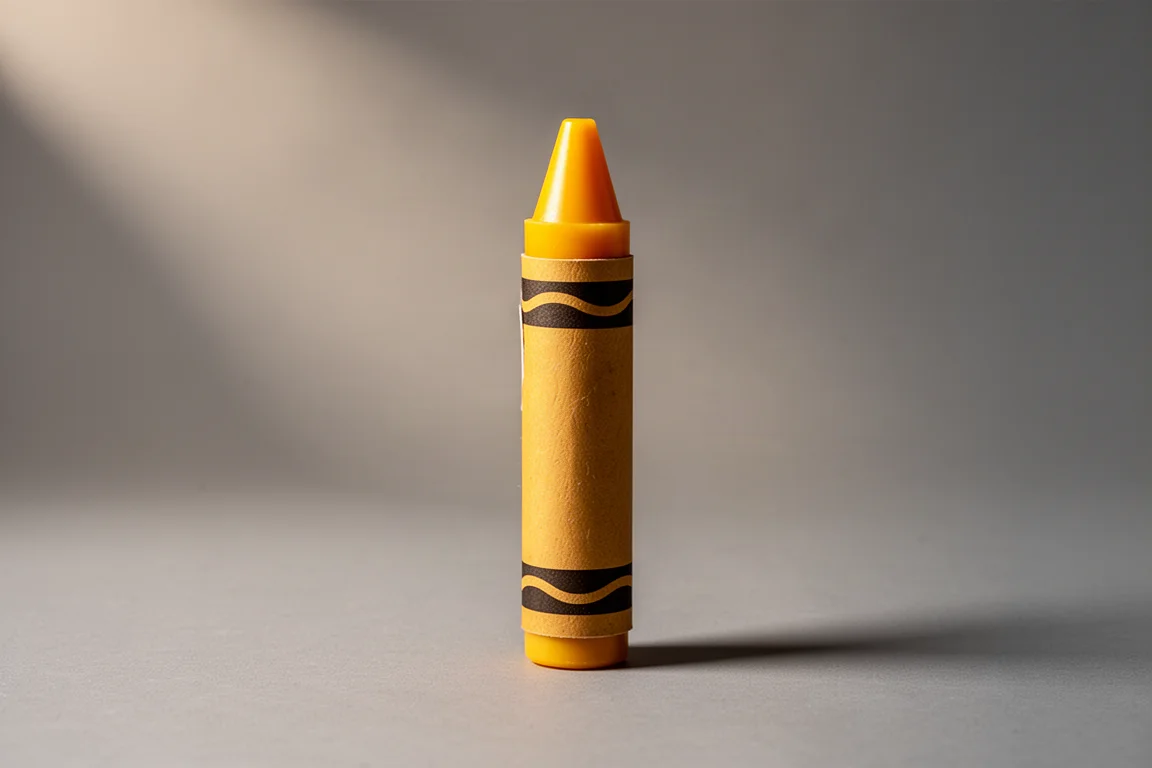
Dandelion was a fixture of the standard Crayola 24 pack for three decades, a warm red-orangey golden yellow that, in 2017, was retired and replaced by a blue crayon called Blutiful. The replacement is essentially ultramarine blue, which raises the obvious question: a 24 pack already has plenty of blues, and only a couple of yellows, one of which is technically green-yellow.
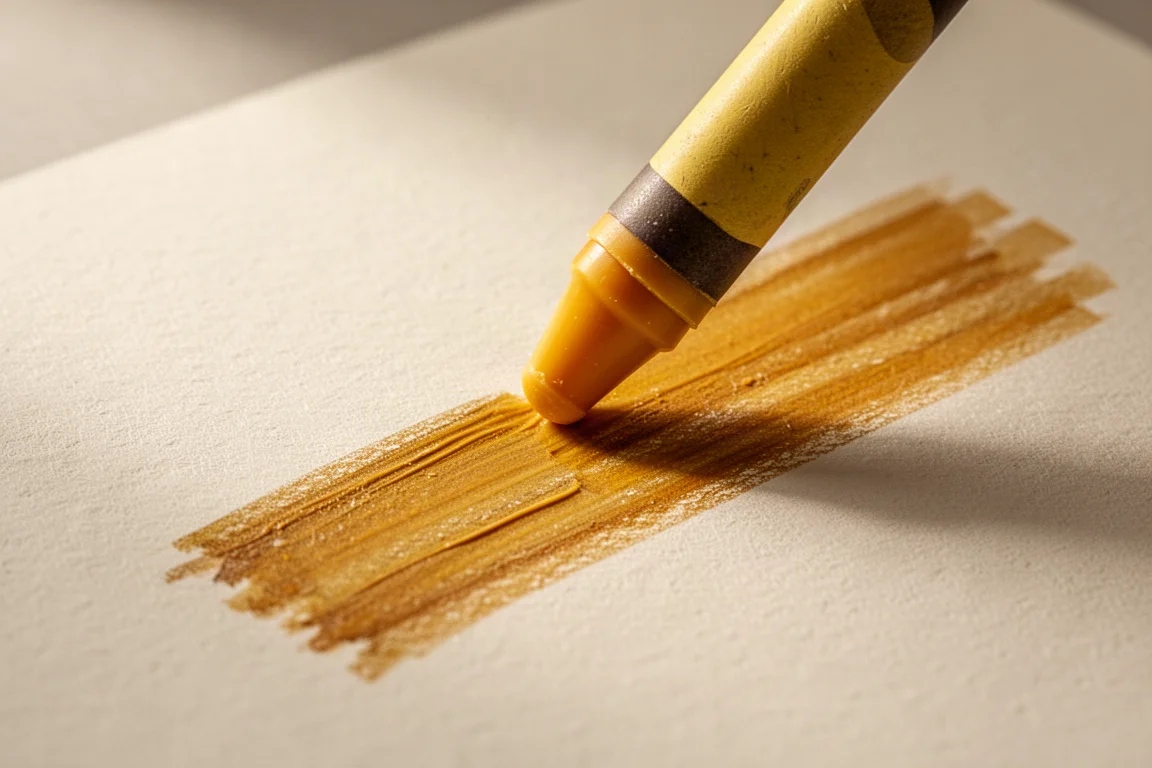
That is the strongest argument for why Dandelion deserved a longer run. The warm golden tone filled a real gap in the small crayon palette, and its retirement left yellow-lovers noticeably underserved. If you can find an original Dandelion crayon secondhand, it is a genuinely pleasant color to use, not just a collector’s curiosity.
Rainbow Brush Pen: An Infomercial Idea That Never Quite Worked
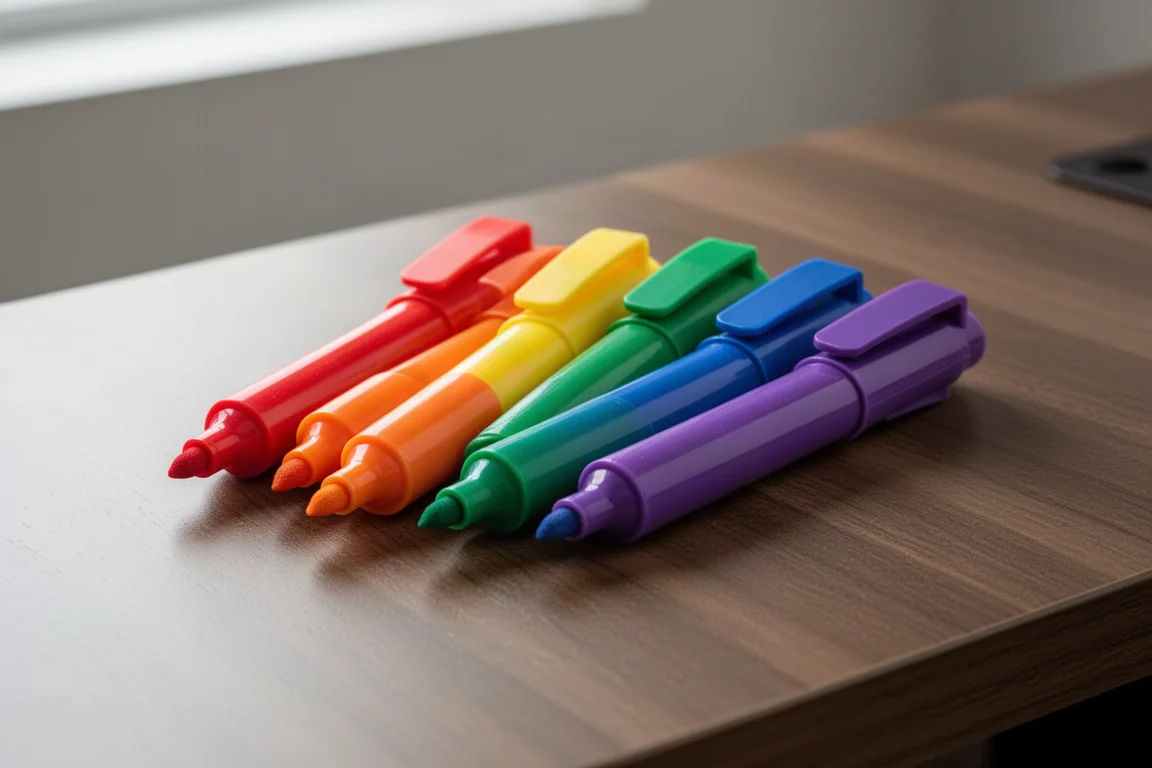
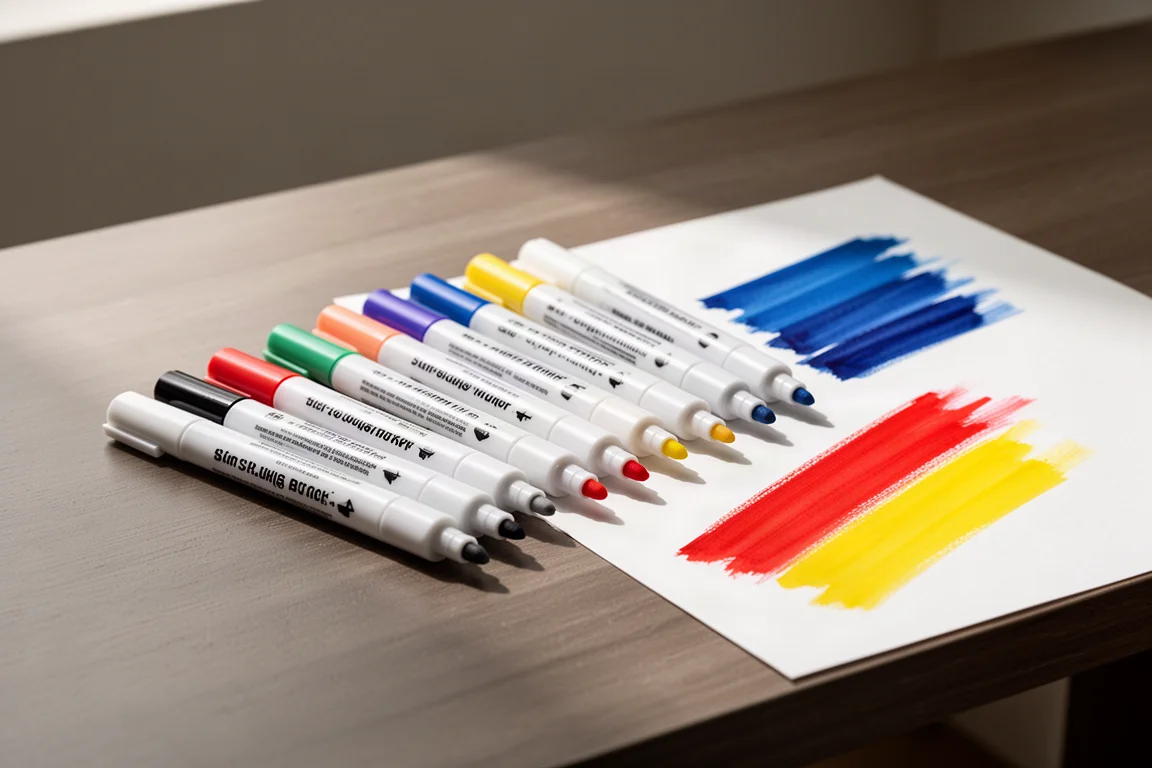
Heading back to the early 2000s, the rainbow brush pen was an as-seen-on-TV style product built around a simple promise: a set of markers that click together, and in one swipe produce a perfectly blended rainbow. The packaging even opened like a book, which was arguably the most polished part of the experience.
In practice, the promise fell apart quickly. The markers do not line up precisely, so the resulting strokes are spaced out with no perfect blend anywhere on the page. They are also fiddly to use, demanding real concentration to get even an approximate rainbow. The infomercial made it look effortless; the reality was neither easy nor blended. It is hard to recommend hunting one down unless you collect novelty markers.
Crayola Marker Window Effects: A Stained Glass Gimmick That Worked, Sort Of
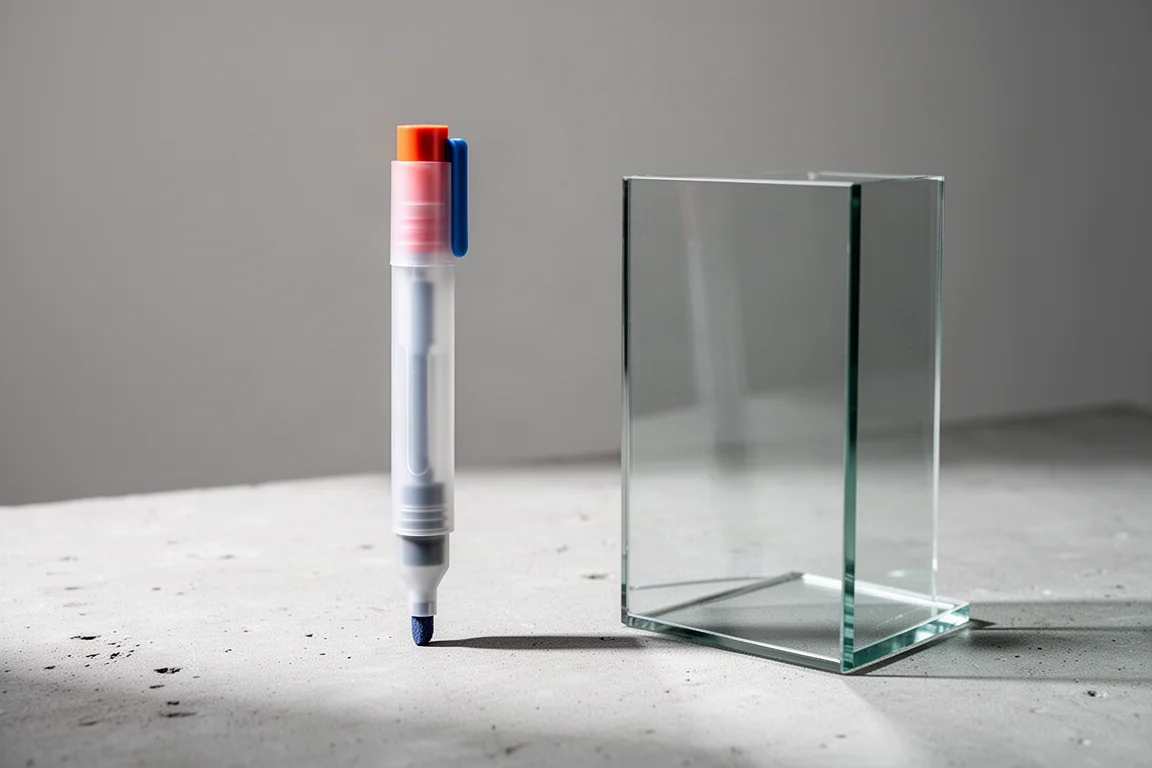
Crayola has long made markers that draw on windows, but in 2019 it debuted something different: Marker Window Effects, a set marketed as giving windows a stained glass effect. It was discontinued almost as quickly as it arrived, and online reviews of the time complained that it simply did not work.
That skepticism deserves context. The markers dry into a raised, crystalline, three-dimensional-looking texture on glass, and it is genuinely unlike anything else in the marker world. The catch is that the effect depends on a warm, dry environment. In humid climates, the ink reportedly fails to dry into the crystal texture at all, which likely explains many of the negative reviews.
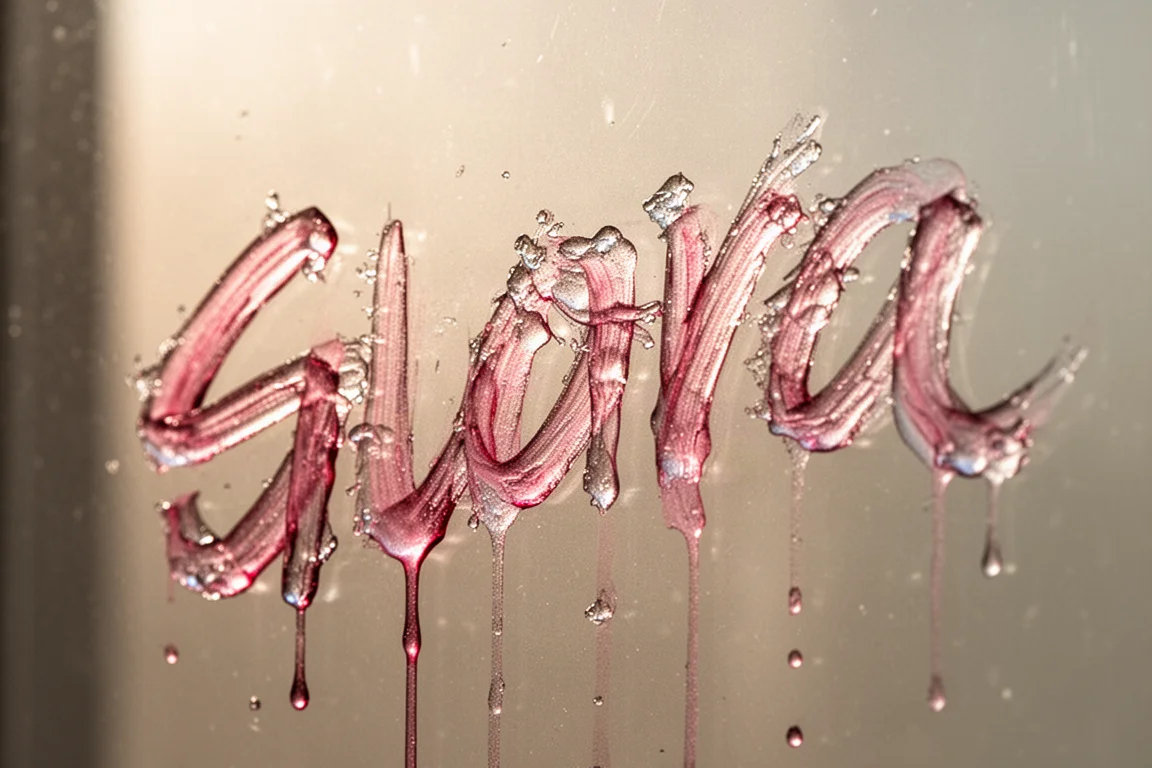
That humidity dependency is probably why Crayola pulled it: for a large chunk of the market the product simply could not perform. Still, in the right conditions it is one of the most creative marker concepts to hit shelves in years, and many would happily welcome it back.
The Rainbow Sponge: Famous for All the Wrong Reasons
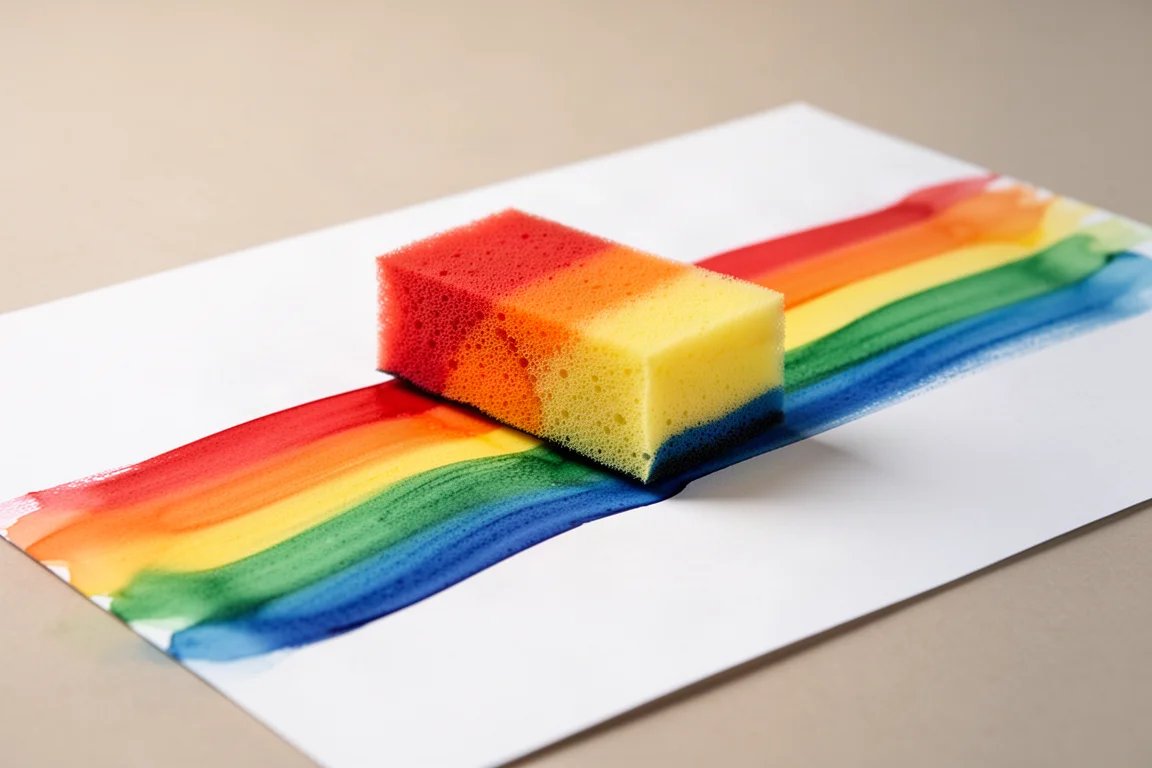
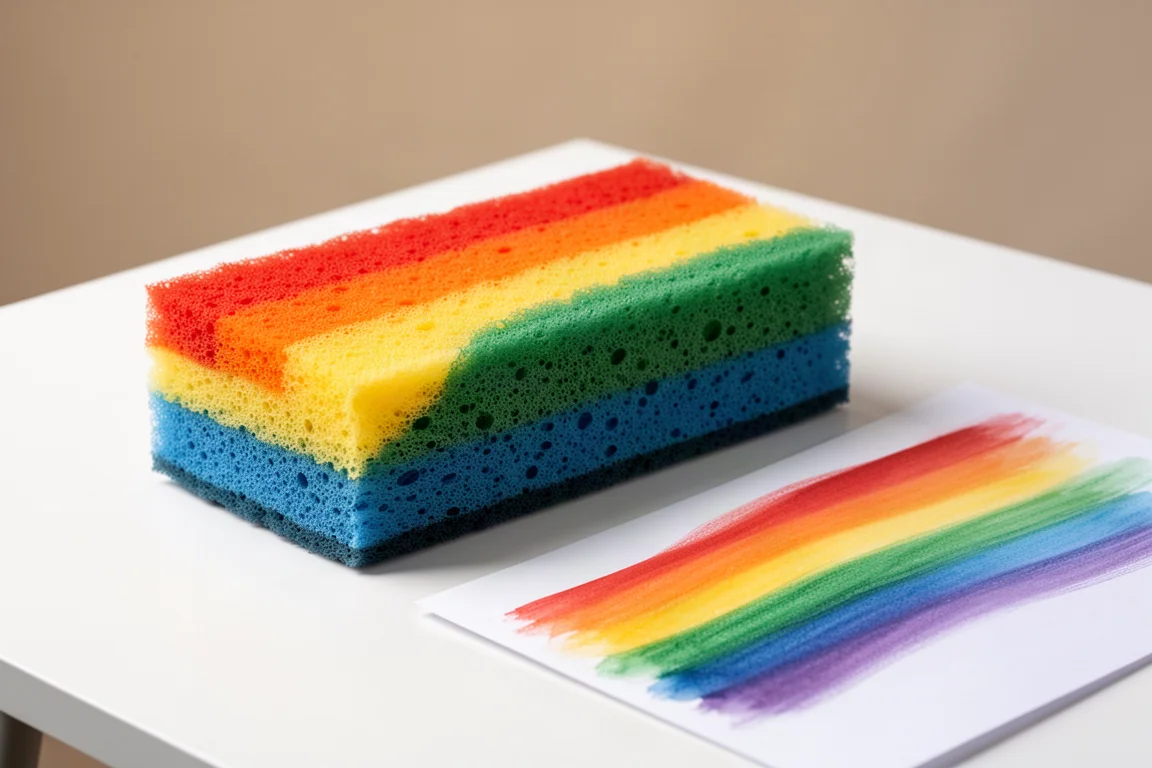
The rainbow sponge is legendary on the internet, though not primarily for its design. It is a sponge loaded with dyes that you drag across paper, producing a colorful blended design on its own. Nothing groundbreaking, but the enthusiastic demonstrations it became famous for gave it a cult following.
The surprise is how well it actually performs. The ink comes out cohesive from the first stroke to the last, with no weird spotting, and the results blend beautifully across the page. Compared to the rainbow brush pen, it delivers the multi-color effect the whole category promised. It was discontinued shortly after its moment and has not been sold in over twenty years, which makes surviving units genuinely rare.
Elmer’s Crayons: Glue Stick Packaging, Pastel Texture
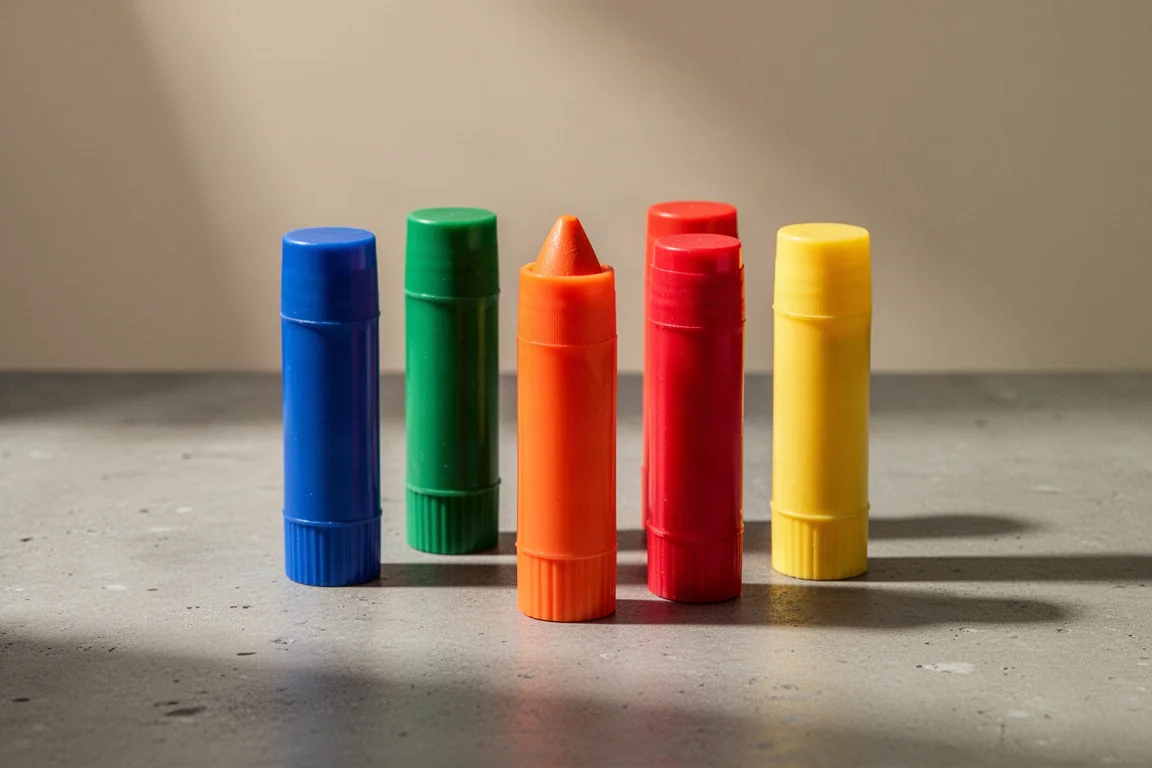
Elmer’s glue sticks are a household staple, but fewer people know Elmer’s once had its own line of crayons. The packaging was the standout: the crayons came in the exact same push-up tube format as the glue sticks, which remains some of the most creative crayon packaging around.
The colors included blue, green, orange, red and yellow, and the texture is the interesting part. These crayons feel more like old pastels than wax crayons, which is likely why they did not last: pastel-style crayons are far messier than the wax standard. They are also, fair warning, old enough now that secondhand examples frequently show surface mold, so inspect condition carefully before buying.
Winsor & Newton Gamboge: The Toxic Pigment That Had to Go
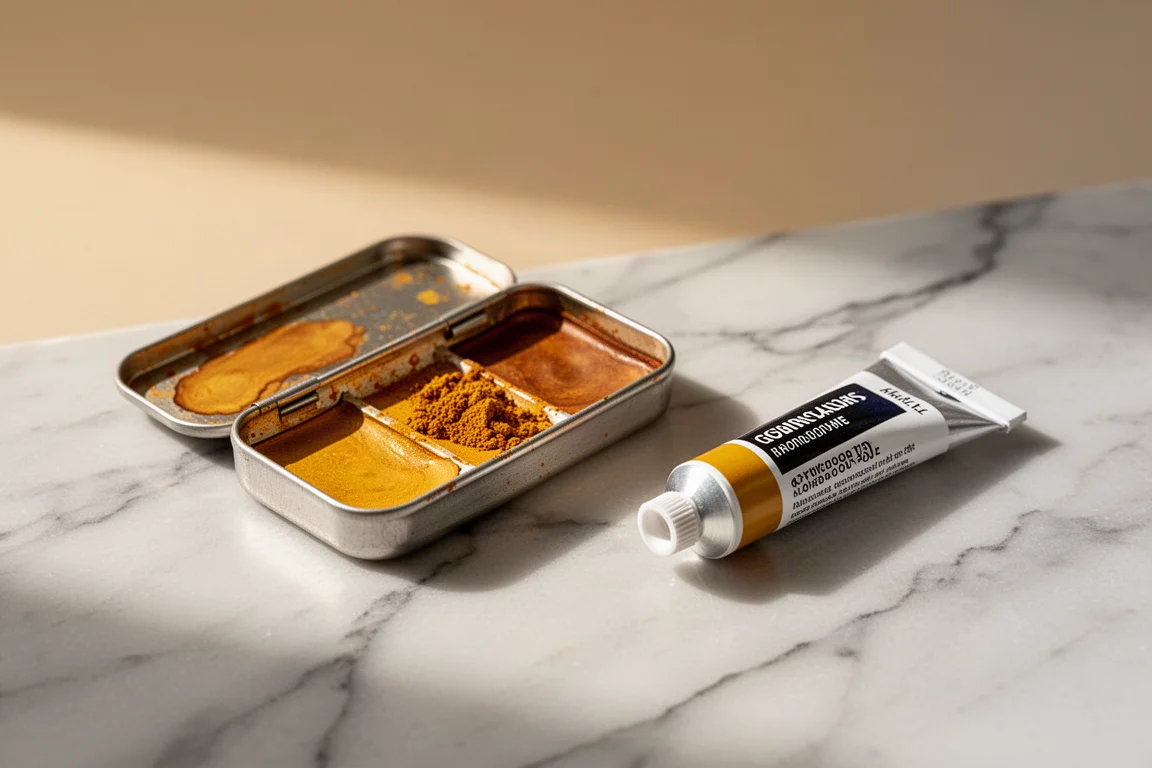
The grand finale is the most serious entry on the list. Gamboge is a pigment with over a thousand years of history, and Winsor & Newton sold it in circulation until 2005, when it was pulled for a simple reason: toxicity. Historical documentation records people ingesting the pigment as medicine, with some fatal outcomes.
Art historians have their own grievance with it. The color fades quickly, which makes it difficult to tell whether gamboge was even used in certain historical paintings. In 2005 Winsor & Newton replaced it with Gamboge Hue, a much safer alternative. Authentic gamboge is extremely difficult to find today, though unopened tubes still surface occasionally.
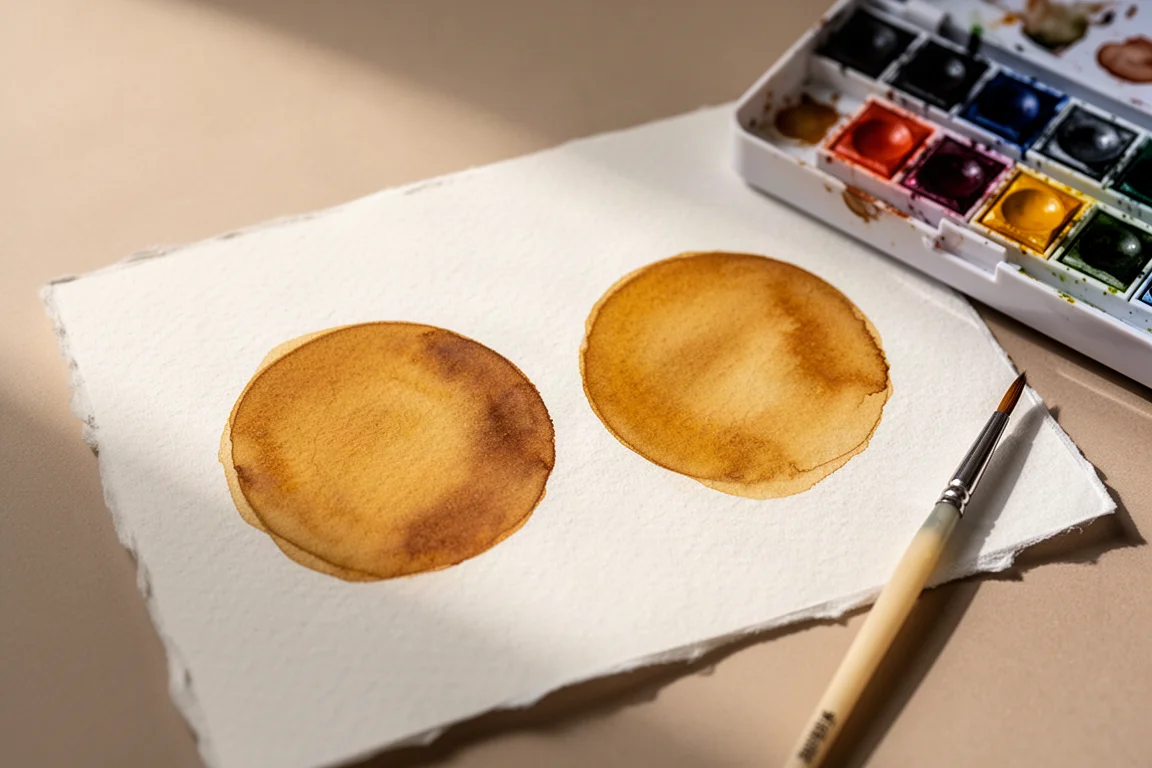
Here is the practical takeaway: side-by-side swatches of the authentic pigment and the modern Gamboge Hue dry to essentially the same color, with only a slight wet-state difference. Given that, there is no compelling reason to seek out the toxic original. The safer modern alternative gets you the look without the risk.
Buying Advice
If you are chasing any of these, match your expectations to the reason each one left the market. The Dandelion crayon and the rainbow sponge are the two genuinely worth using if you find them; Marker Window Effects is wonderful only if you live somewhere warm and dry; the rainbow brush pen is best left as a curiosity. Elmer’s crayons are a fun packaging novelty but check condition carefully. Authentic gamboge is the one to avoid entirely, since the safer Gamboge Hue delivers the same color.
Conclusion
Discontinued does not always mean bad. Some of these supplies were pulled for marketing or humidity reasons rather than flaws, and a couple of them deliver results that still hold up today. Others, like the toxic gamboge pigment, left the market for very good reasons. Knowing which is which is the difference between a fun thrifted find and a purchase you will regret.
Further reading
Related Reviews
Art Supplies
Art Pop Watercolor Pencils 48-Color Set: A Thoughtfully Designed Student-Grade Option
The Art Pop 48-color watercolor pencil set blends well, dissolves smoothly, and includes artist-friendly details like barrel-printed color names, all at an affordable price.
Art Supplies
Artics Acrylic Markers 3mm Review: Versatile Paint Markers With a Few Caveats
A 48-color set of water-based acrylic paint markers that blend while wet, dry permanent, and keep the price low, though safety transparency remains a question.
Art Supplies
Best Art Supplies Worth Your Money: Pencils, Pens, Paints, and Paper That Earned Their Spot
After years of daily use and testing, these are the pencils, pens, watercolors, gouache, brushes, sketchbooks, and erasers that stand above the rest.