Fountain Pens
Diplomat Excellence vs Diplomat Arrow: Steel vs Gold Nibs Compared
Two Diplomat fountain pens, two nib materials, and a practical look at whether the gold upgrade is worth the price premium.
Introduction
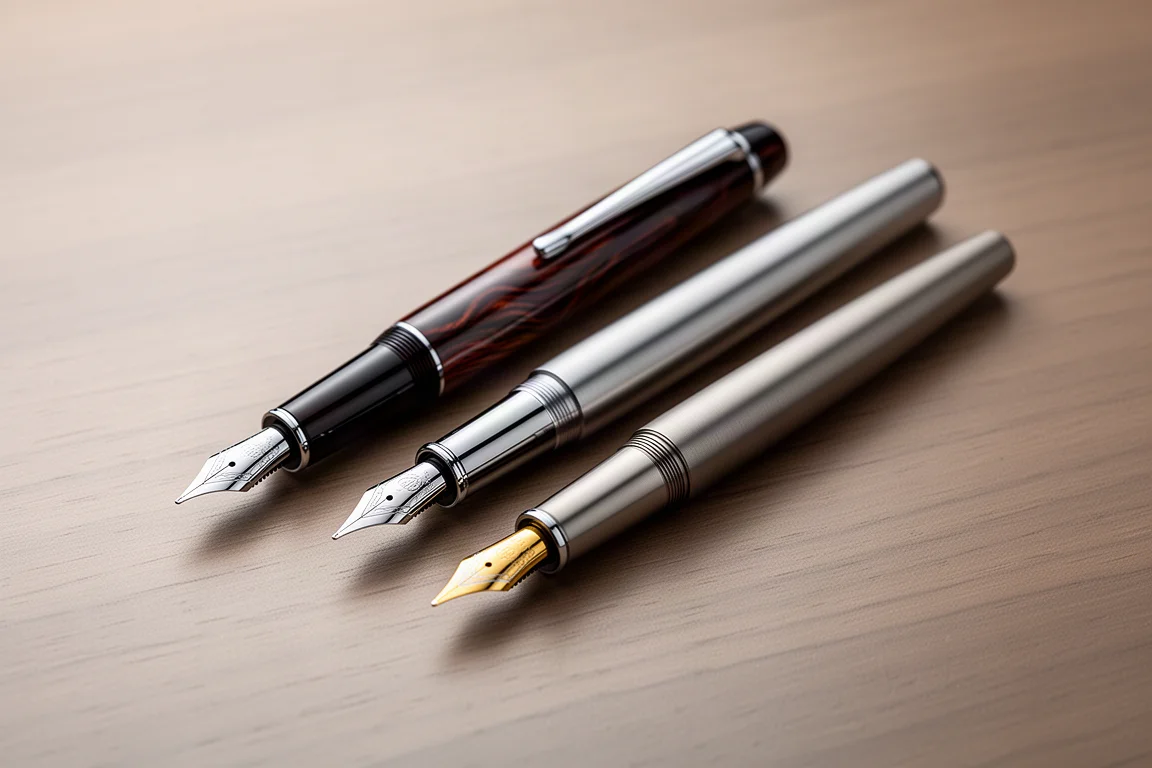
Diplomat’s pens have quietly built a reputation for nibs that write beautifully straight out of the box, and that reputation holds up across the lineup. We spent time writing with the Diplomat Arrow and the Diplomat Excellence, testing both pens across extra fine, fine, medium and broad nibs in steel and gold. The short version: the steel nibs are exceptional, the gold nibs feel different in ways some writers will love, and the choice comes down more to feel and budget than to line quality.
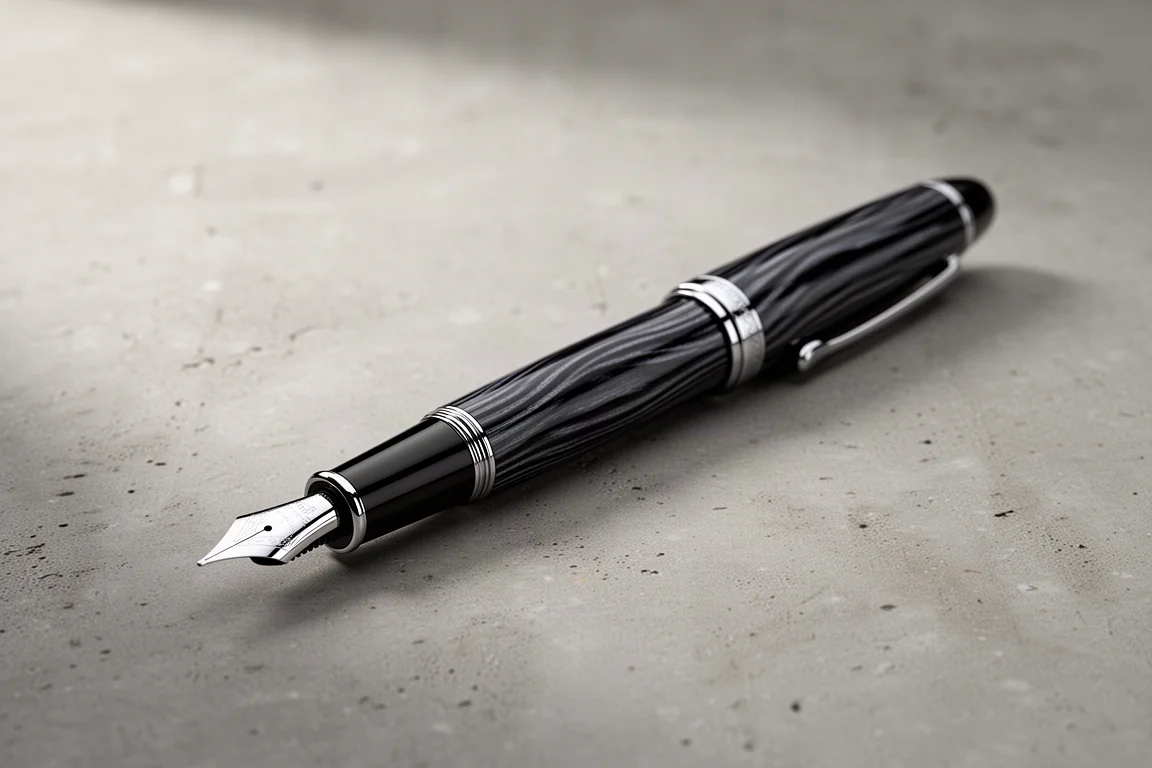
The Excellence, in particular, stands out with its striking wavy-line lacquer finish, though the nibs are the real story here. One note before diving in: these impressions cover the large size nibs only. Diplomat also offers smaller steel nib sizes, but the gold nibs are only available in the large format.
Extra Fine: Where the Nib Materials Start to Diverge
The steel extra fine is genuinely pleasant to write with, but it may not read as a true extra fine on the page. Interestingly, the gold nib came across as the finer of the two, which is a mild nib inconsistency worth knowing about. That said, slight variation between individual nibs is normal in fountain pens.
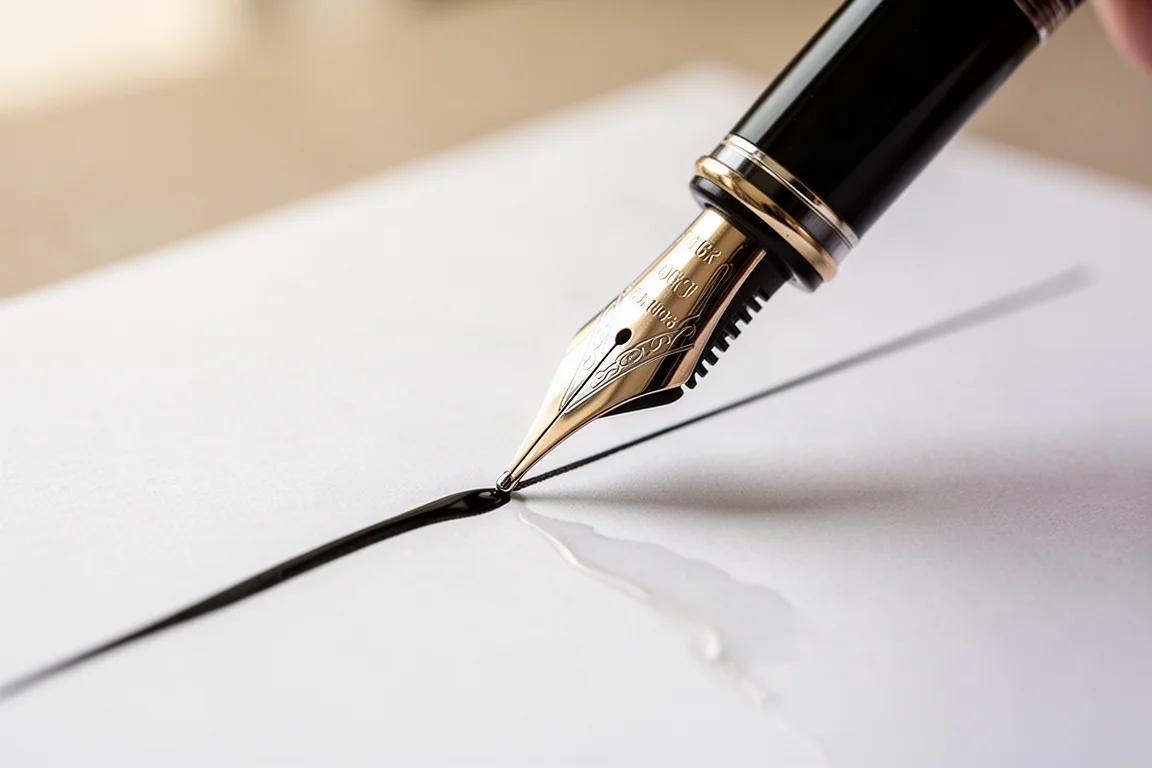
Where the gold really earns its keep is feel. It has a yielding, slightly cushioned sensation under the hand, noticeable even with a very light touch. Line widths between steel and gold are comparable enough that most writers would not look twice at a side-by-side sample. The decision here is almost entirely about the writing sensation, not the line.
Fine and Medium: The Gold Cushion Becomes Noticeable
The steel fine is a lovely middle ground, sitting right between precise and clean on one side and smooth to the touch on the other. It writes firm, almost like a nail, but in a pleasant, confidence-inspiring way. The gold fine keeps that firmness at bay with a soft cushion under pressure. It is not a flex nib, but it accommodates a little added pressure gracefully and rewards it with wetter lines. Even without pressure, it feels lovely in normal writing.
The medium steel is exquisite: a round, smooth, consistent medium that is hard to fault. The gold medium, however, is where the inconsistencies start to show. It writes finer than the fine nib, which sounds comical but is exactly the kind of variation you encounter. Comparing the tipping on both, the fine and the gold medium are very close in line width. If anything, the fine writes more like a medium, and the reverse is not true.
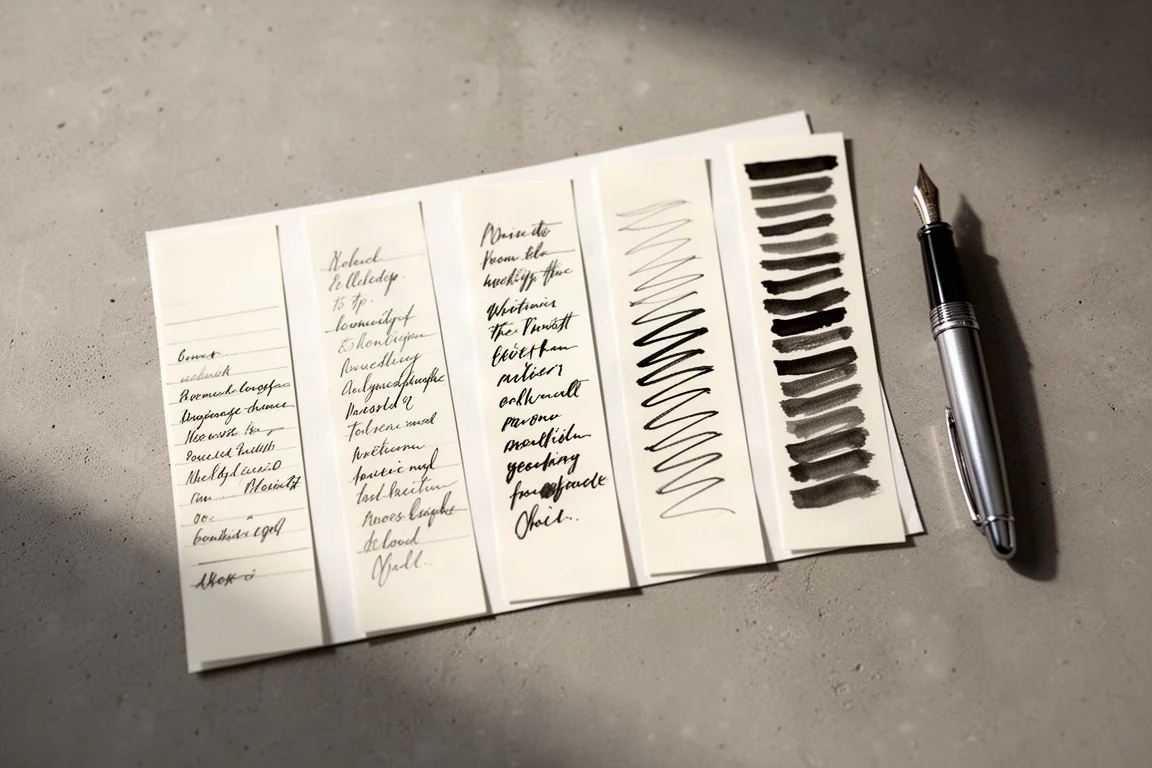
So both sit near a medium width. Is that ideal? No. Is it common? Unfortunately yes. The practical takeaway: if you want a distinct line width, the extra fine and the broad sit at clear, easy-to-pick ends of the spectrum, while the fine and medium blur into each other.
Broad: The Best of the Bunch
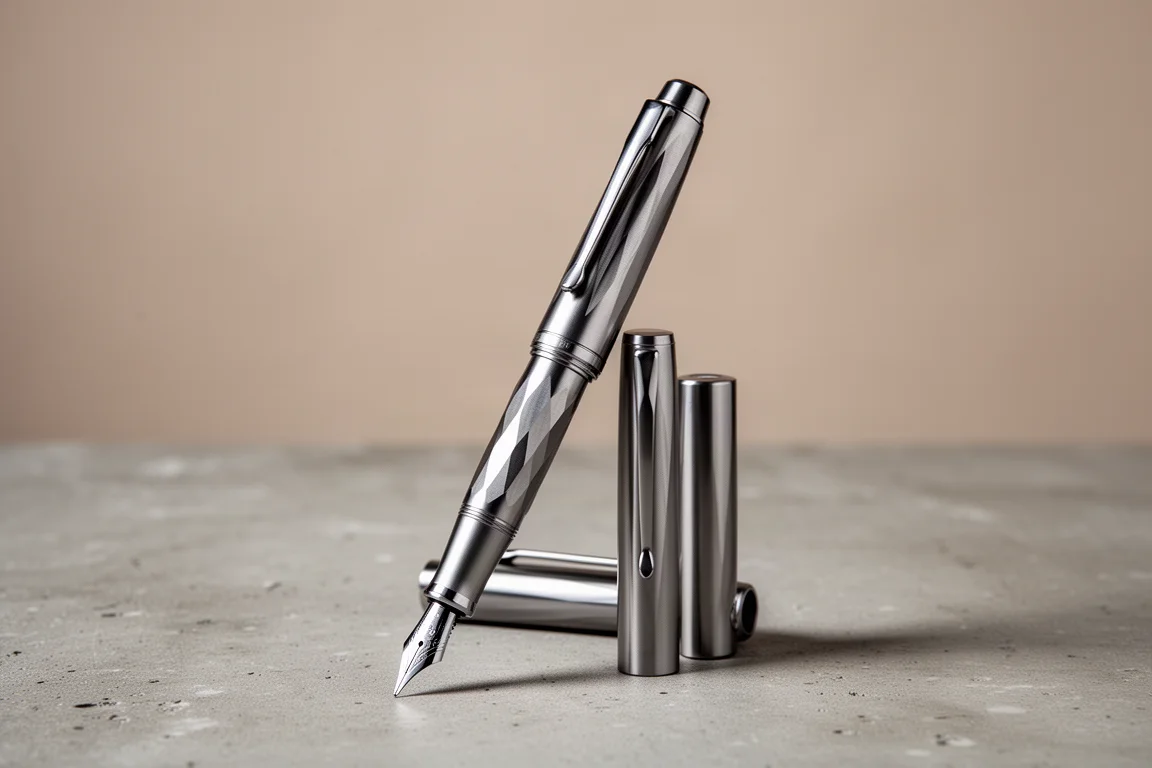
The steel broad is the standout of the entire comparison: the most exquisite, round, wet, smooth nib tested, with beautiful lines and a firm enough structure to handle heavy-handed writing without complaint. The gold broad is very comparable, with a similarly generous blob of tipping. Where the gold pulls ahead slightly is in accommodating pressure, again thanks to that subtle cushioning sensation the steel lacks.
If you want maximum line drama with minimum fuss, the steel broad is the easy pick, and the gold broad is a lovely upgrade if feel matters most to you.
Gold vs Steel: Which Nib Should You Choose?
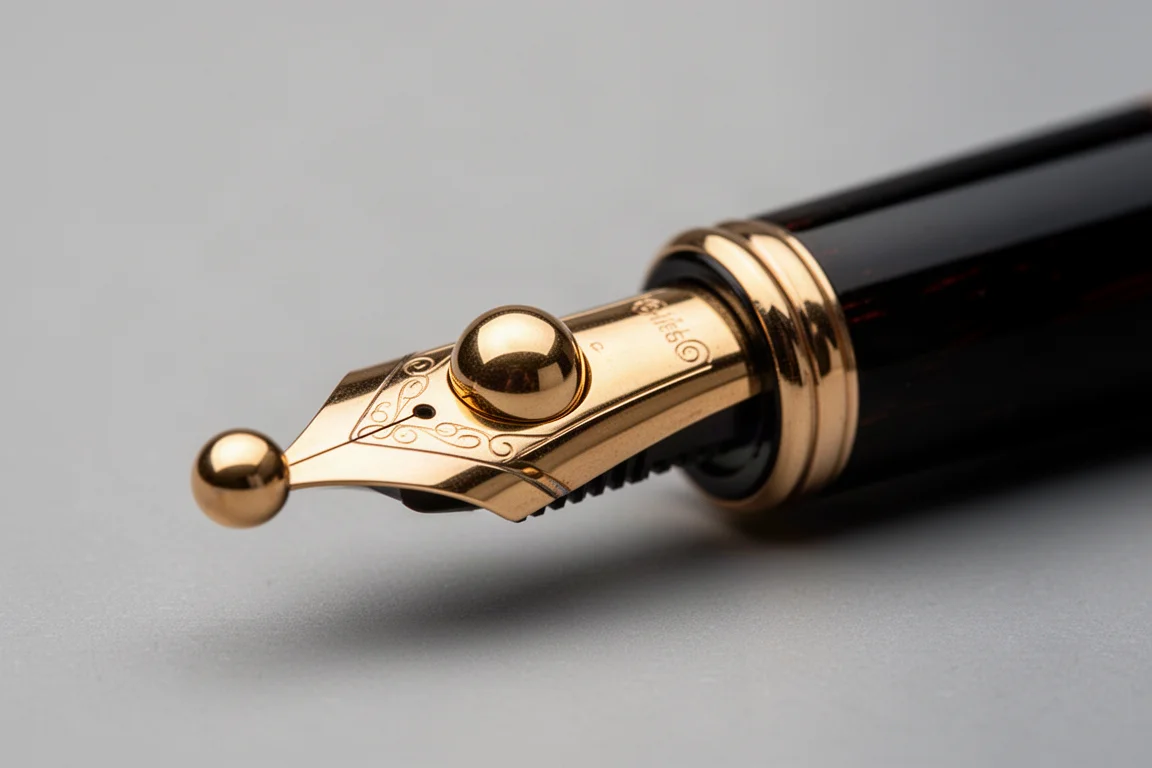
Summing up the two materials: the steel nibs have a slight pleasant feedback, are smooth, well tuned, well polished, and their tip sizing is more consistent than the gold’s. They are reliable and genuinely enjoyable to write with. The gold nibs are smooth, soft and yielding, with a cushioned feel that lets you add a little pressure for a wetter line, but they are less consistent in tip sizing, as seen in the fine-to-medium variation.
The pricing gap is significant. Street prices average around $180 for the steel-nibbed pens and around $320 for the gold-nibbed versions, meaning gold roughly doubles the cost. MSRPs are higher, and hunting around for sales can narrow the gap, but local pricing will vary.
Buying Advice: Steel First, Gold If the Budget Allows
The conclusion is refreshingly simple. You can very easily get away with the steel nibs and enjoy them thoroughly: they are smooth, well tuned and consistently sized. Unless you can comfortably afford the upgrade or have a genuine attachment to gold nibs, the steel will deliver a great deal of enjoyment.
If you have the budget, or you simply want the experience of writing on a gold nib, the upgrade is worth it, especially for writers who love that yielding, cushioned feel. Everything here is subjective, so your mileage may vary, but the Diplomat Arrow and Excellence both make it easy to end up with a pen you will love.
Conclusion
Diplomat’s steel nibs are the value story here: smooth, reliable, well tuned, and more consistent in sizing than their gold counterparts. The gold nibs justify their premium with a softer, more cushioned writing feel rather than dramatically better lines. Pick steel for value and consistency, pick gold for feel, and either way you are getting a genuinely well-made writing instrument.
Further reading
Related Reviews
Fountain Pens
Best Budget Fountain Pens Tested: 9 Pens, One Clear Winner
A hands-on comparison of nine affordable fountain pens for everyday writing, calligraphy, and sketching, with a clear standout for flexible nib fans.
Fountain Pens
Aurora Optima Review: An Italian Piston Filler That Punches Above Its Price
A 14k gold nib, ebonite feed, and a beautifully deep oraloid body make the Aurora Optima one of the most rewarding piston fillers around.
Fountain Pens
Cross Bailey Light Review: The Entry-Level Fountain Pen Worth Keeping at the Office
A plastic-bodied Cross with a metal clip, snap cap, and famously smooth extra fine steel nib. Around $15, available almost everywhere, and easy to recommend.