Snowboards
Dinosaurs Will Die Wizard Stick Review: A Park-First Freestyle Board With Real Personality
The Wizard Stick blends camber and reverse camber for easy turn entry, playful presses, and a lively pop. Here's how it rides on groomers, rails, and jumps.
Introduction
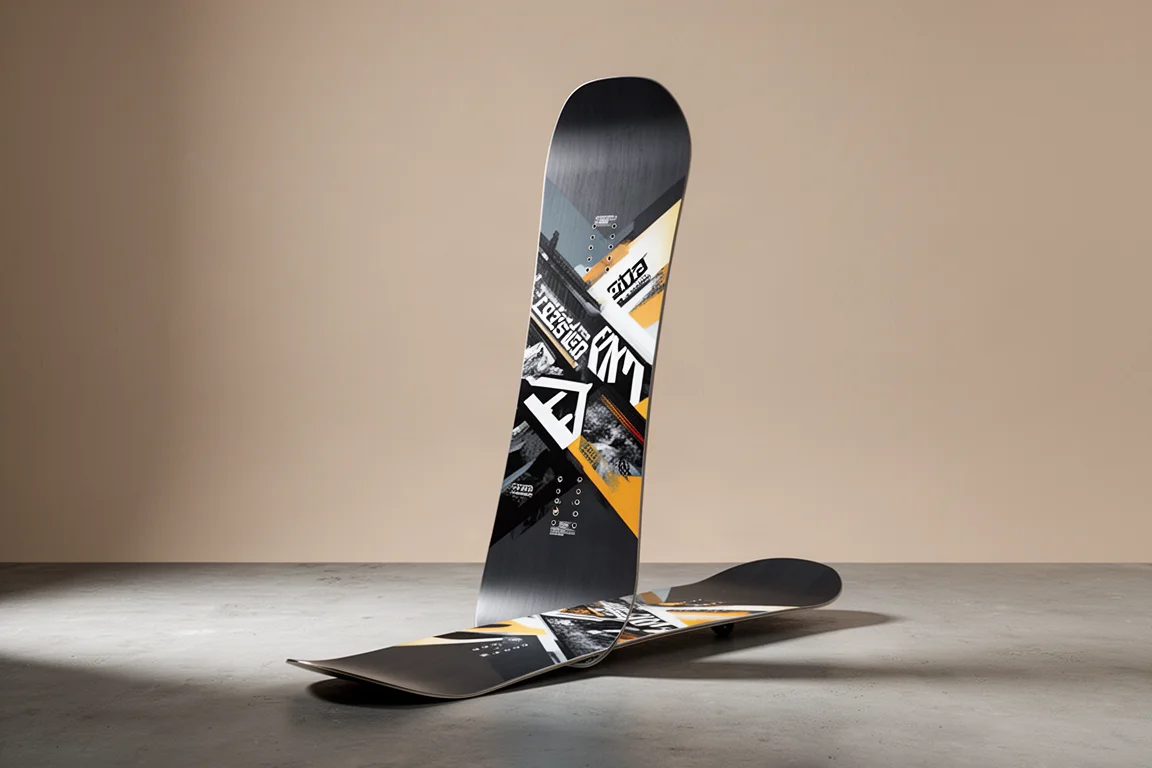
Some boards try to do everything, and some boards know exactly what they are. The Dinosaurs Will Die Wizard Stick sits firmly in the second camp. It is built around a hybrid camber profile that keeps things lively on the snow, keeps presses achievable, and gives you a genuine camber feel the moment you load energy into it. We spent a full day with it on fresh snow and progressively beat-up groomers, and the pattern became clear quickly: this is a park-oriented board that can still hold its own as your only deck.
The Camber Profile: Crossbreed Camber Explained
Dinosaurs Will Die equips the Wizard Stick with its Crossbreed Camber. You get traditional camber between your feet, right outside the insert packs, and reverse camber on the tip and tail. The combination does three useful things: it helps you get in and out of turns, it aids float when you find powder, and it helps when you are pressing and jibbing.
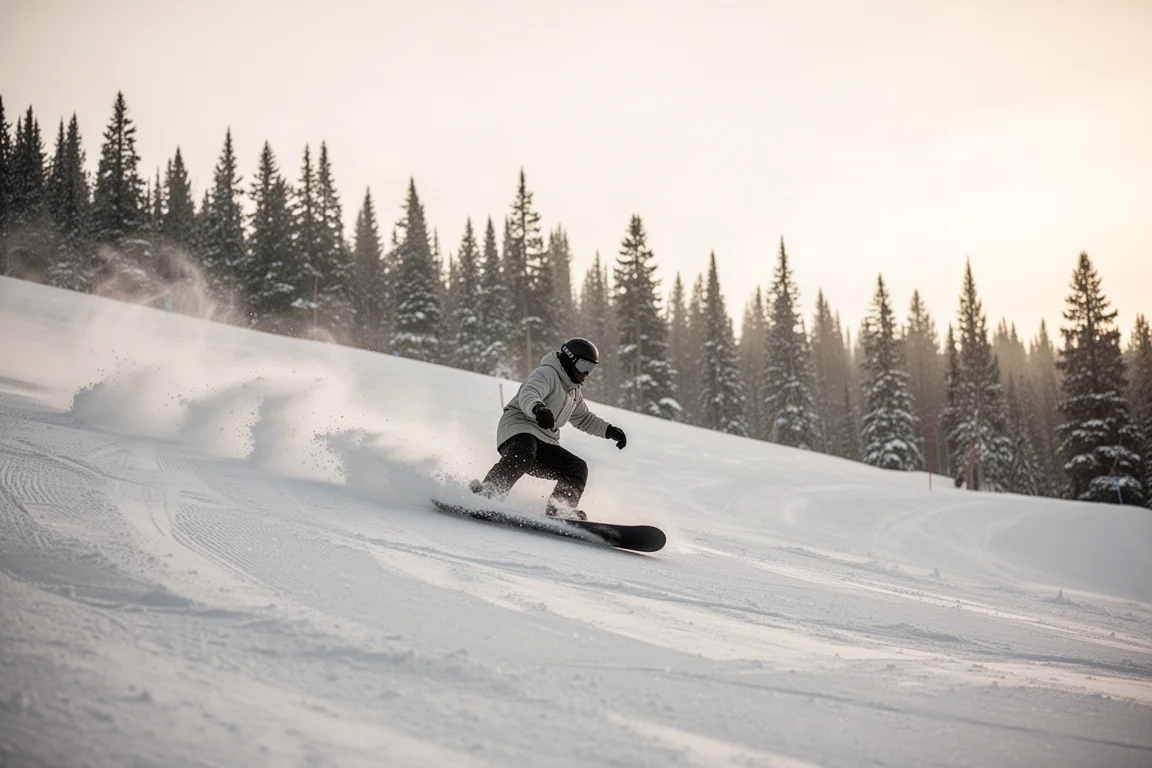
That tip and tail rocker is what makes the board forgiving on rails and boxes, while the camber underfoot keeps the snap and edge contact you want once you load it. It is a profile designed for someone whose day revolves around the park but who does not want to give up entirely on groomers and occasional fresh snow.
Flex, Stability, and Steering
The flex sits in the middle of the road, possibly a touch softer, and it stays fluid from tip to tail. That mid-soft flex means you can foot-steer this board extremely easily. Push one toe down and the board wants to steer for you, almost without thinking about it.
Stability is fair rather than exceptional. We expected to feel every bit of chunder underfoot and did not feel all of it, but on the icy spots the board tries to grip and can slide out on you. It is stable enough to stay composed on medium lines, but a big aggressive line will make it feel a little squirely.
Buttering and Jibbing: Effort Over Muscle
Buttering the Wizard Stick takes a little more effort than you might expect from a board with this much tip and tail rocker. You will not be a butter god straight out of the wrapper. Once the board breaks in, it gets easier, but initially you need to set in and really hold the press rather than lean your whole weight over the nose or tail.
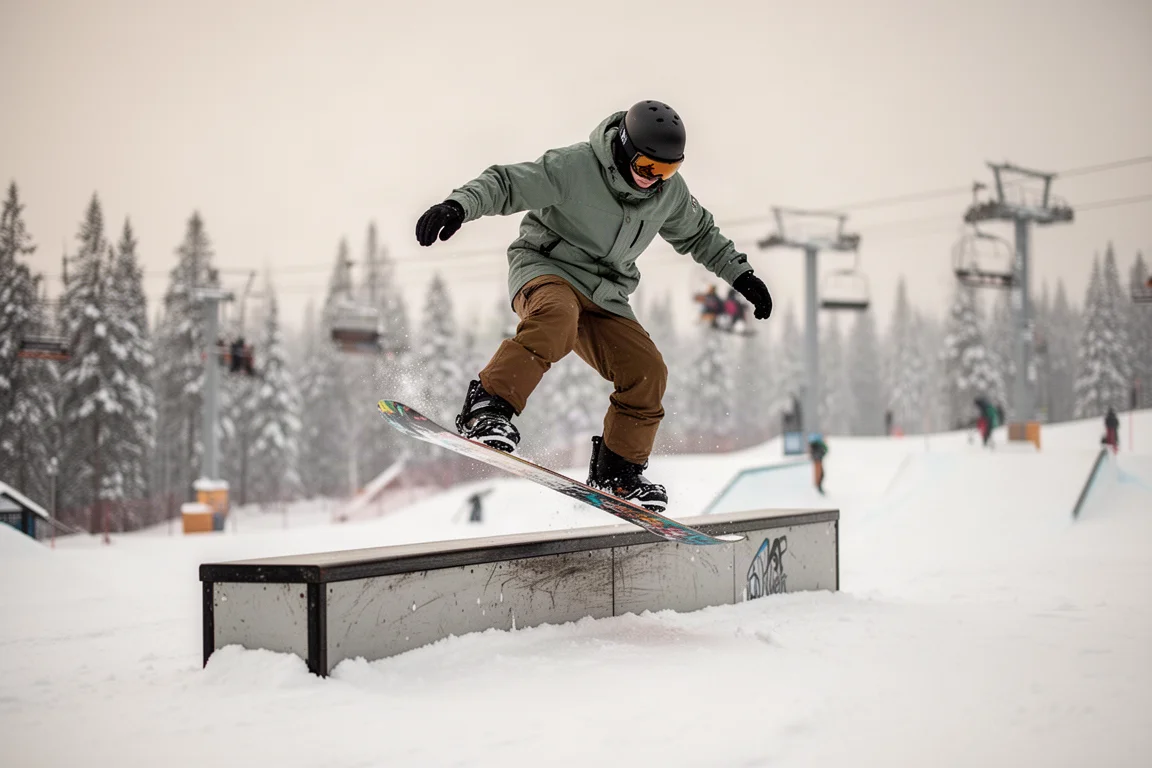
The payoff comes when you pop out. The board returns that camber snap with authority, so the exit from a butter is smooth and lively without you spending extra energy. Jibbing behaves the same way: when you slide sideways on rails or ledges, the board wants to hold in the middle, so flat 50-50s are easy. Nose and tail presses take more commitment, though. You need to set back and really lock the press in rather than just lifting your front foot, but once you are locked, it pops you out nicely and makes spinning off rails straightforward.
Popping and Jumping: True Camber Energy
On an ollie, the Wizard Stick feels extremely stable and very much like a true camber board. When you load energy into it, it snaps back hard, and it is genuinely fun to pop. That energy translates straight into the jumps. You feel stable in the air, you have a good contact point to set your edge for takeoff, and on landing you can set your edge with confidence that it will hold you.
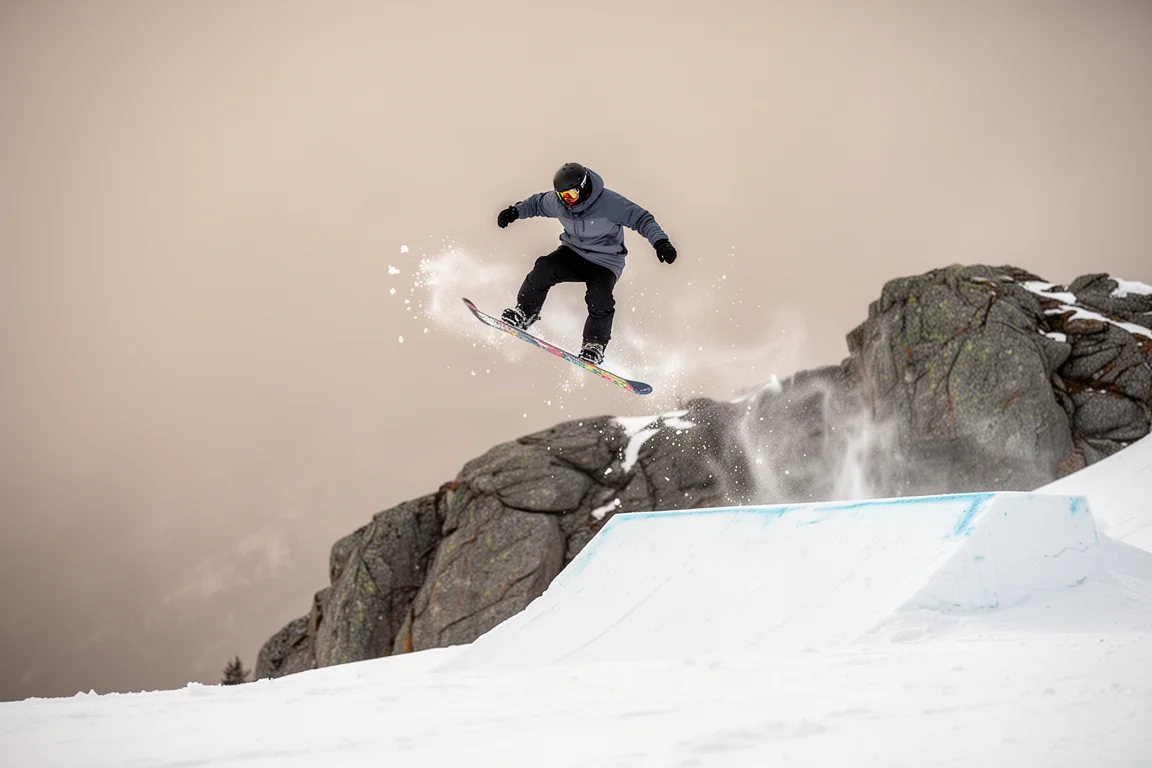
The practical note: keep this board on medium to smaller lines. Large lines can feel a little squirely, though if you are feeling comfortable, it is still rideable.
Carving and Edge Hold on Groomers
This board really does well at short, quick carves, which makes it excellent for approaching rails and features. On medium and larger carves on perfect groomers, it holds an edge fine. Once conditions turn to chunder toward the end of the day, with everyone washing out the run, you will feel a bit more bounced around and will need to stay on your game.
Long Euro carves are where it struggles most. Fully laying the board over felt sketchy, more than we would want to commit to. In short, the Wizard Stick excels at park carves on easy groomers and quick edge-to-edge work, not aggressive all-mountain arc turns.
Who Should Ride the Wizard Stick
This board is for the rider who wants what is essentially a park board to go everywhere with, but who will spend most of their time in the park. It has a cool shape that turns heads, so when you are tail pressing a rail, people notice. If this is your one board and you are mostly park-oriented but occasionally want to ride all mountain with it, it fits that role.
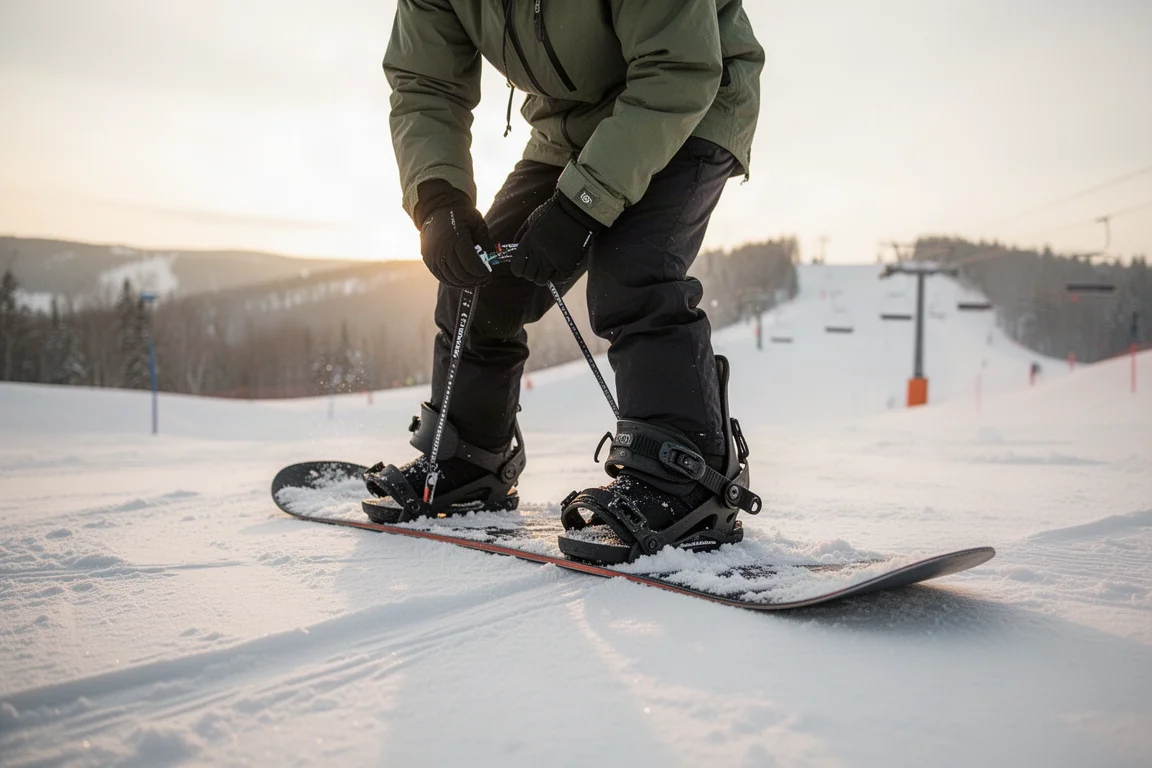
For the reviewer behind this write-up, it was not the favorite board for big mountain riding. It is simply not as stiff as they would like for all-mountain use, and the edge hold is not quite there to ride as aggressively as they would prefer. But for the park-first rider, that softness is exactly what makes it fun.
Comparable Boards and Suggested Setup
Comparable boards worth considering include the Ride Shadowban, the Capita Mercury, and the K2 Manifest. For bindings, the suggested matches are the Union Force, the K2 Bond, and the Now Select Pro. A binding in that range pairs well with the board’s mid-soft, fluid flex and keeps the whole setup responsive in the park.
Conclusion
The Dinosaurs Will Die Wizard Stick knows its audience. Crossbreed Camber gives it forgiving turn entry and press-friendly tip and tail, while the camber underfoot delivers real snap on ollies and jumps. It steers easily, holds up well in the park, and does a respectable job as a one-board quiver for the park-first rider. If you want a stiff all-mountain charger, look elsewhere. If you want a playful board that lives in the park and still handles the rest of the mountain, it deserves a spot on your shortlist.
Product link
View more details for Dinosaurs Will Die Wizard Stick
This product is mentioned in the review. Check the specifications, options, and compatibility before buying.
View more details for Dinosaurs Will Die Wizard StickFurther reading
Related Reviews
Snowboards
32 Middle Earth Scott Stevens Pro Model Snowboard Review: A Park Board With a Reversed Flex
A medium traditional camber park board with carbon V reinforcement that is stiffer in the tips and more playful between the feet. Here is how it rides and who it suits.
Snowboards
32 Snafu Review: A Directional All-Mountain Freestyle Board with Serious Pop
The 32 Snafu pairs a directional camber-rocker profile with a stiffening tail for powerful carves, big ollies, and a surprisingly damp ride.
Snowboards
32 XXX Pat Fava Pro Snowboard Review: A Stiff Camber Beast for Hard-Charging Riders
A full-width traditional camber deck that rewards aggression with stability and edge power, but demands effort everywhere else.