Trailers
Diamond C LPX 22-Foot Equipment Trailer: A Custom-Built Workhorse Worth a Close Look
A 14,000-pound dual-axle equipment trailer you can configure online, with smart storage, Max Ramps, and a composite deck that grips in wet weather.
Introduction
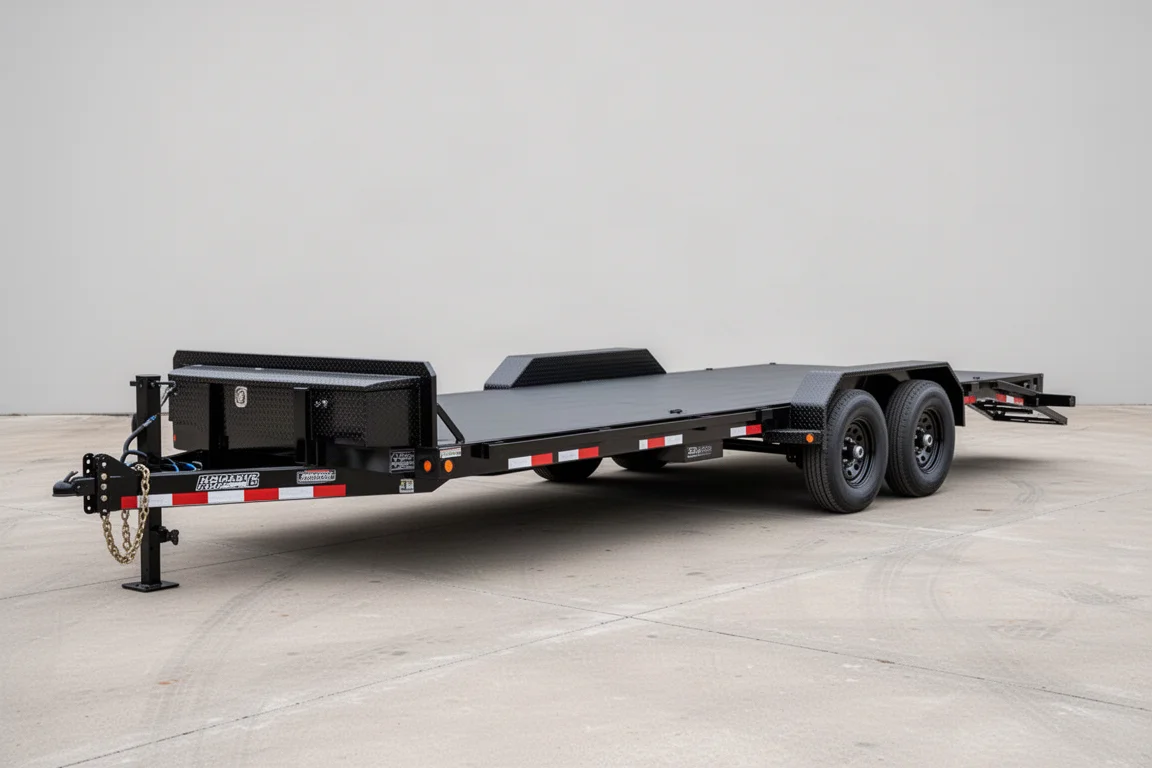
Buying a trailer online sounds risky until you look at how far the configuration tools have come. Diamond C has built its reputation on high-end equipment trailers, and the LPX series is a clear example of why the brand is treated as a top-tier option in the industry. The unit featured here is a 22-foot, dual-axle LPX rated at 14,000 pounds, custom-built through the company’s website with options selected one by one.
The pitch is simple: cheaper trailers exist, but if you do not crawl underneath and inspect the cross members, axle setup, and metal thickness, you can end up with what dealers call “trailer blindness.” Diamond C sits at a higher price point, but the argument is that you get noticeably more for the money, and the trailers tend to hold their value well on trade-in.
Who This Trailer Is For
The LPX suits anyone hauling equipment, vehicles, or building materials regularly: contractors running skid steers and attachments, landowners moving tractors, and DIY builders who want a long deck for lumber loads. If you tow heavy equipment often, the 14,000-pound dual-axle rating gives you real headroom.
One underrated trait is load balance. Because the trailer rests solidly on the ground at the rear, a heavy load positioned toward the back does not lever weight off the tow vehicle’s hitch the way some designs can. For a 9,000-pound machine parked toward the rear, the frame acts as a stable base.
Front Storage and the Demco Latch
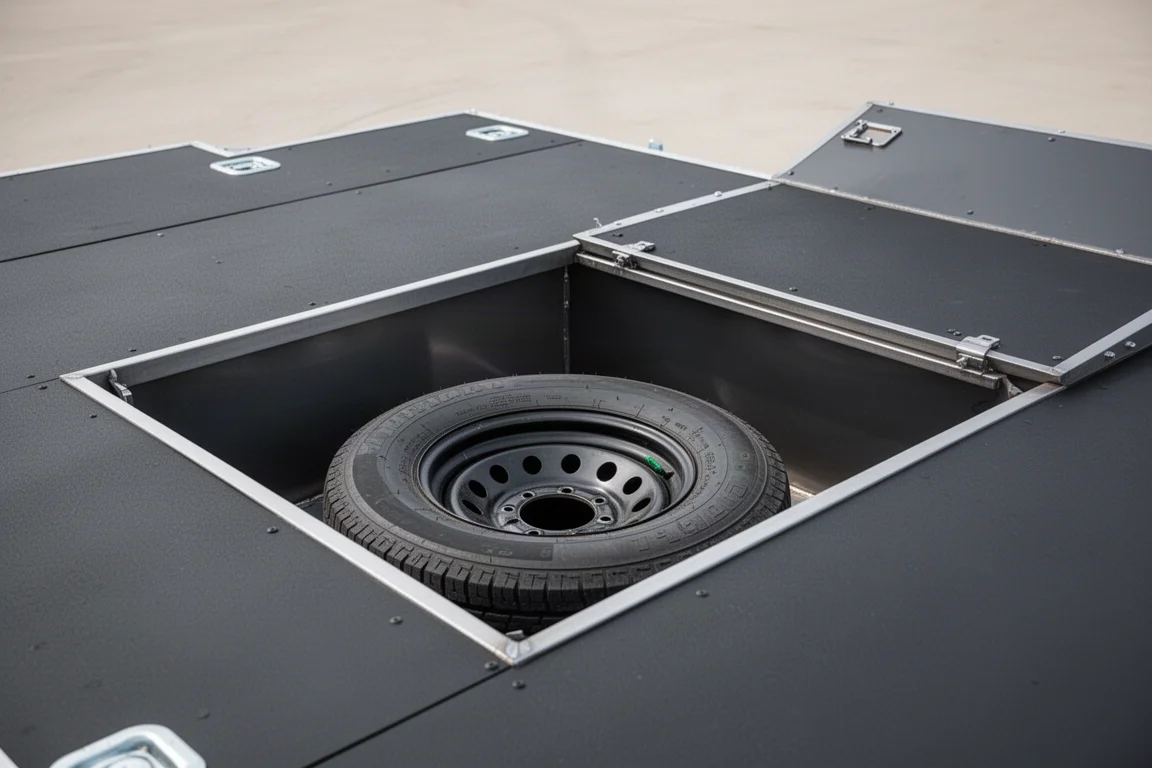
The front of the trailer is where the LPX starts to feel different from the competition. Instead of a bare bar stopping the deck, the LPX has a large open front area with an integrated toolbox. The compartment is genuinely deep, deep enough that a full spare tire fits inside alongside other gear.
That hidden storage has practical benefits. Because it is not obvious, the risk of someone breaking into it is slim, and lighter loads or small attachments such as a stump grinder can be strapped down up front using the built-in tie-down points.
One option worth considering carefully is the exterior spare tire holder. In this build it was added and later regretted, purely because it blocks the view of the front of the trailer from the cab and, in a metro area, becomes an easy target for theft. If you want maximum front deck space and visibility, skip it and use the toolbox instead.
At the front you also get a Demco latch on the coupler, widely considered the easiest style to live with. Pull the black latch to unlock, clamp it closed, and you are done. It can stay latched even when opened, which makes hookup one-handed work.
D-Rings, Rails, and Deck Options
Customization is the core of the buying experience. This build ordered eight D-rings, a sensible number covering each corner plus a few positions mid-deck, with the buyer choosing exactly where each one goes. Rub rails are optional too, and the deck can even be made wider than standard.
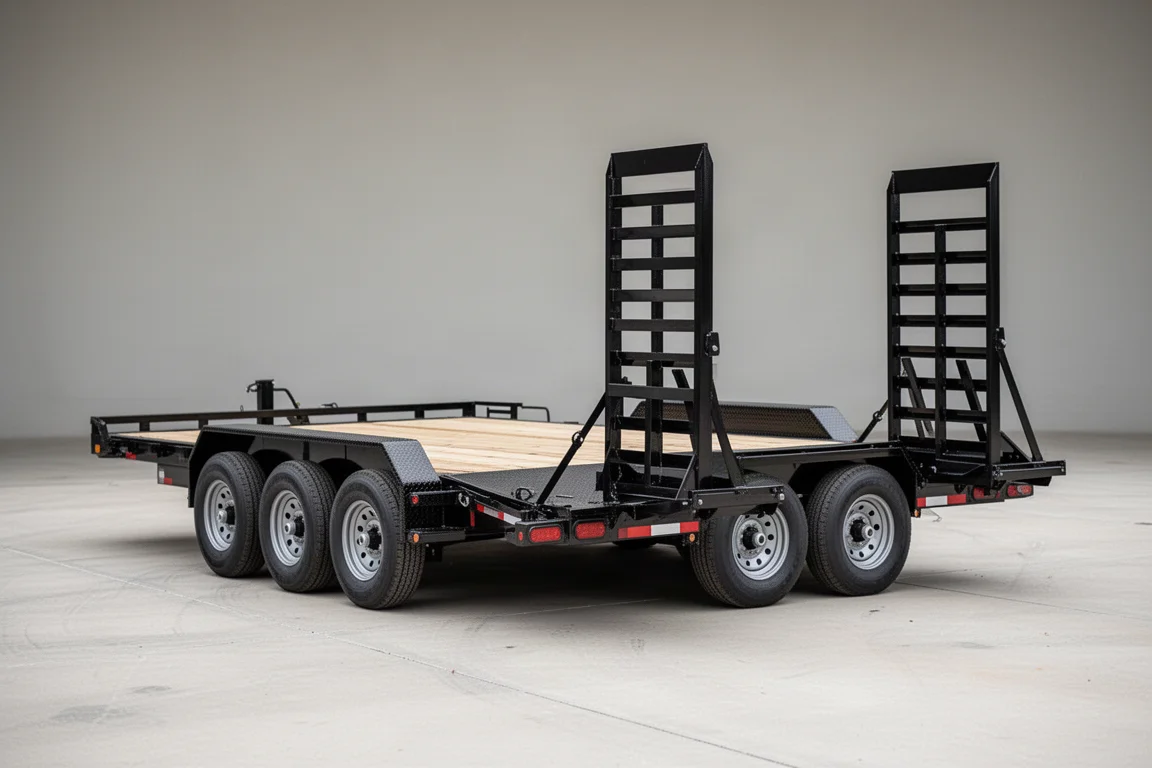
The Max Ramps are arguably the standout feature. These three-way ramps can be driven on the road while folded upright, giving you a usable three or four feet of rear deck for large loads, or laid flat for a full-width lumber deck. Because they form one wide surface rather than two narrow runners, loading a machine is far less nerve-wracking. There are also two fork pockets on the sides so forklift forks can be stowed and tied down securely during transport.
Axles and Heavy-Duty Fenders
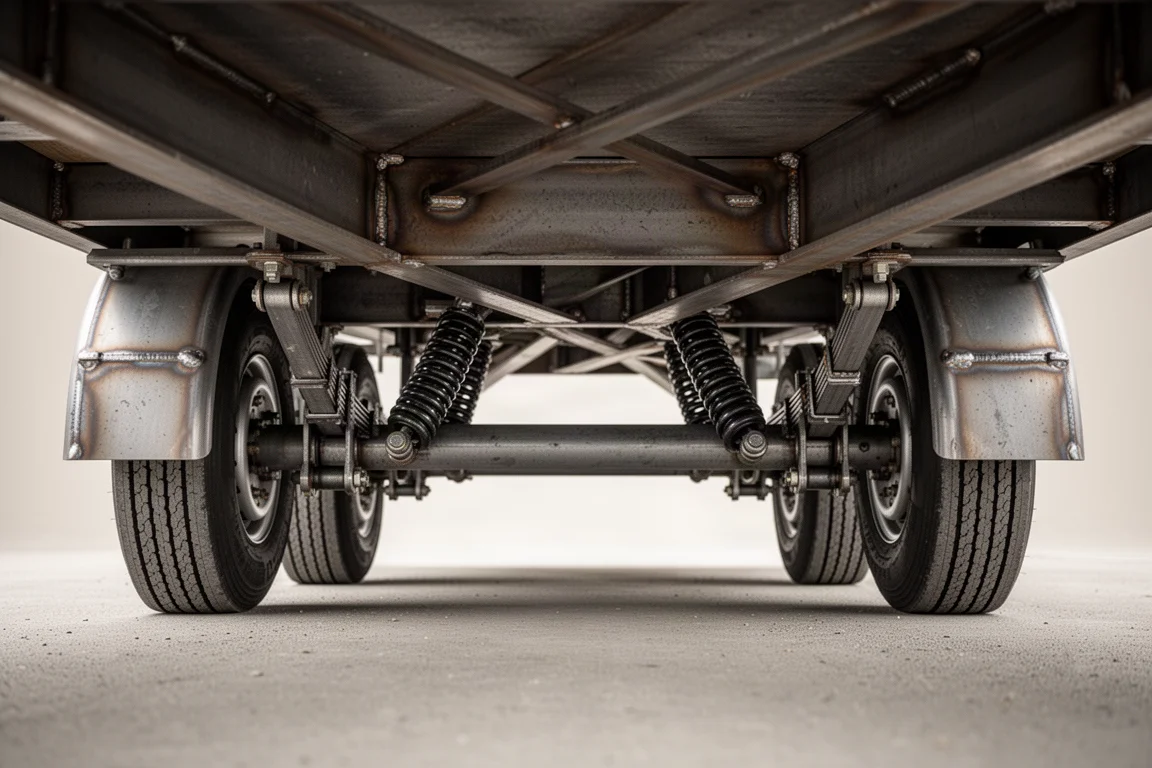
This build went with traditional leaf spring axles rather than the optional torsion setup. The reasoning was partly preference, partly practicality: with leaf springs, each wheel moves more independently, and a replacement down the road is straightforward.
The heavy-duty welded fenders are another option that earns its cost. Cheaper bolt-on fenders tend to get smashed and banged over a few seasons; these welded units are dramatically tougher.
Optional Winch and Composite Decking
Two further options round out the feature list. The first is a winch package: a 12,000-pound winch that slides out and locks into place on two sides, with a wireless remote included. It is powered by a battery mounted up front in what the owner calls the “frunk,” and the battery recharges automatically whenever the trailer is plugged into the tow vehicle. If you regularly winch dead vehicles or stuck equipment onto a deck, this is a hugely handy setup.
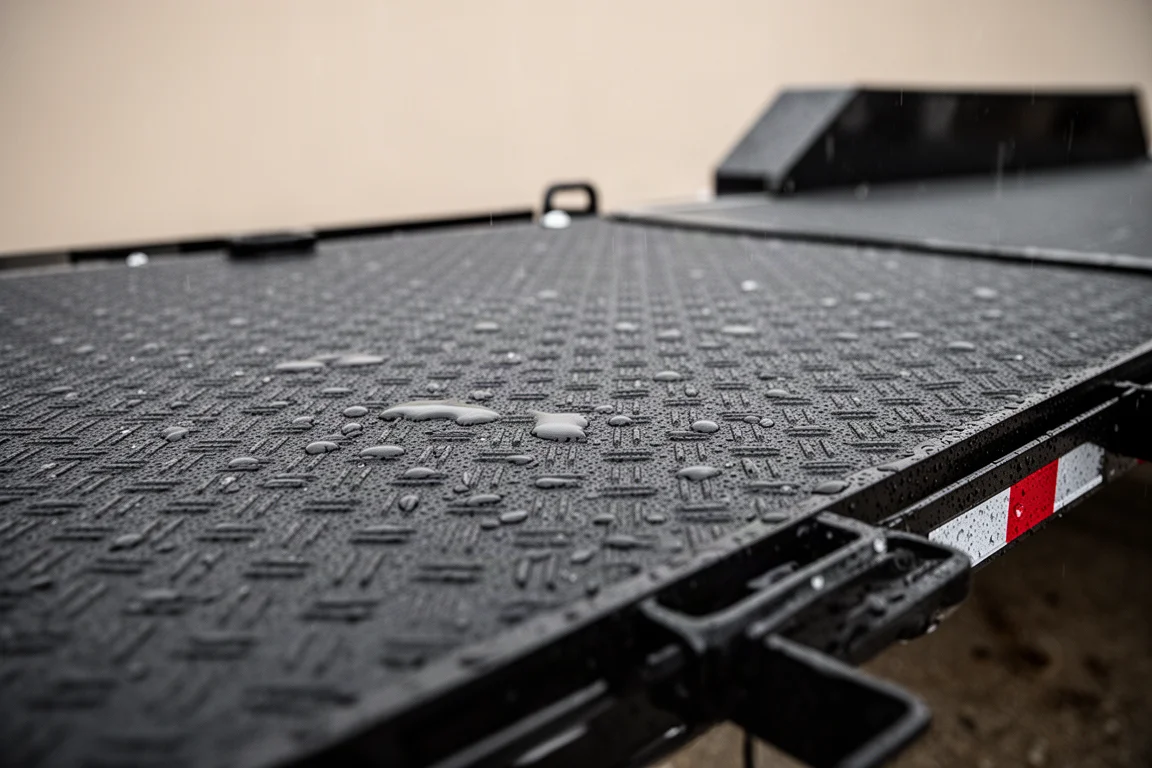
The second is a new composite decking being field-tested, not standard black wood. Think of it as the trailer equivalent of composite truck decking: designed to last and built for grip. The standout difference over wood is traction. Wet wood gets slippery, and so does ice, but this deck stayed non-slip in both conditions. If composite is not your preference, standard wood decking remains available.
Buying Advice and How to Order
The whole trailer was configured online, then finalized through a dealer. The process is straightforward: build your trailer on the Diamond C website, send the build sheet to a dealer such as Spencer Trailers, and they handle the rest. Typical lead time is about eight weeks, and if a model is already in the production lineup, it can usually be customized to your needs within that window.
Dealer-confirmed customization options include paint colors, D-rings, spare tire mounts, the tongue toolbox, Max Ramps, heavy-duty ramps, different tires, torsion axles, and even hydraulic two-speed jacks. Dealers then set your hitch height, verify legal hookup, check lights, and send you on your way.
The best first-time buyer tip echoed by dealers: price is not everything. Cheap trailers can hide weak cross members and thin metal, so get your hands on the trailer and inspect underneath. Diamond C costs more upfront, but compared with an equally built trailer, the price often works out favorably, and the resale value on trade-in is strong. It is the Cadillac of trailers rather than the Honda, and that difference shows in every detail above.
Conclusion
The Diamond C LPX 22-foot is not the cheapest equipment trailer you can buy, and that is the point. Between the Demco latch, deep hidden front storage, configurable D-rings, three-way Max Ramps, tough welded fenders, an integrated winch option, and a genuinely grippy composite deck, you are paying for a trailer engineered to make daily hauling easier and safer. If your budget allows it and you tow serious equipment, this is one of the most complete packages available.
Product link
View more details for Diamond C LPX 22-Foot Equipment Trailer
This product is mentioned in the review. Check the specifications, options, and compatibility before buying.
View more details for Diamond C LPX 22-Foot Equipment TrailerFurther reading
Related Reviews
Trailers
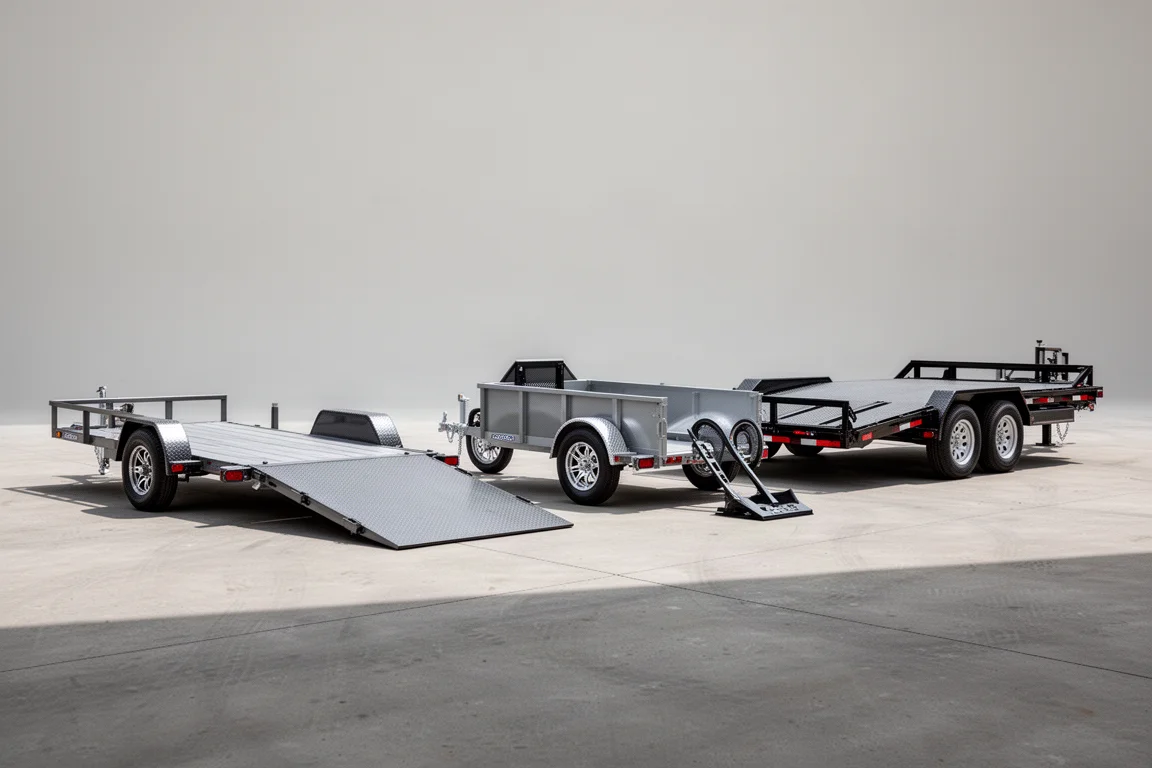
Best Low-Profile and Drop Deck Trailers: Three Designs That Solve the Ramp Problem
A hydraulic drop deck from Primo, a dedicated single motorcycle hauler from Z-Pro, and a heavy-duty ground loading trailer from Triple L, each built for different kinds of loads.
Trailers
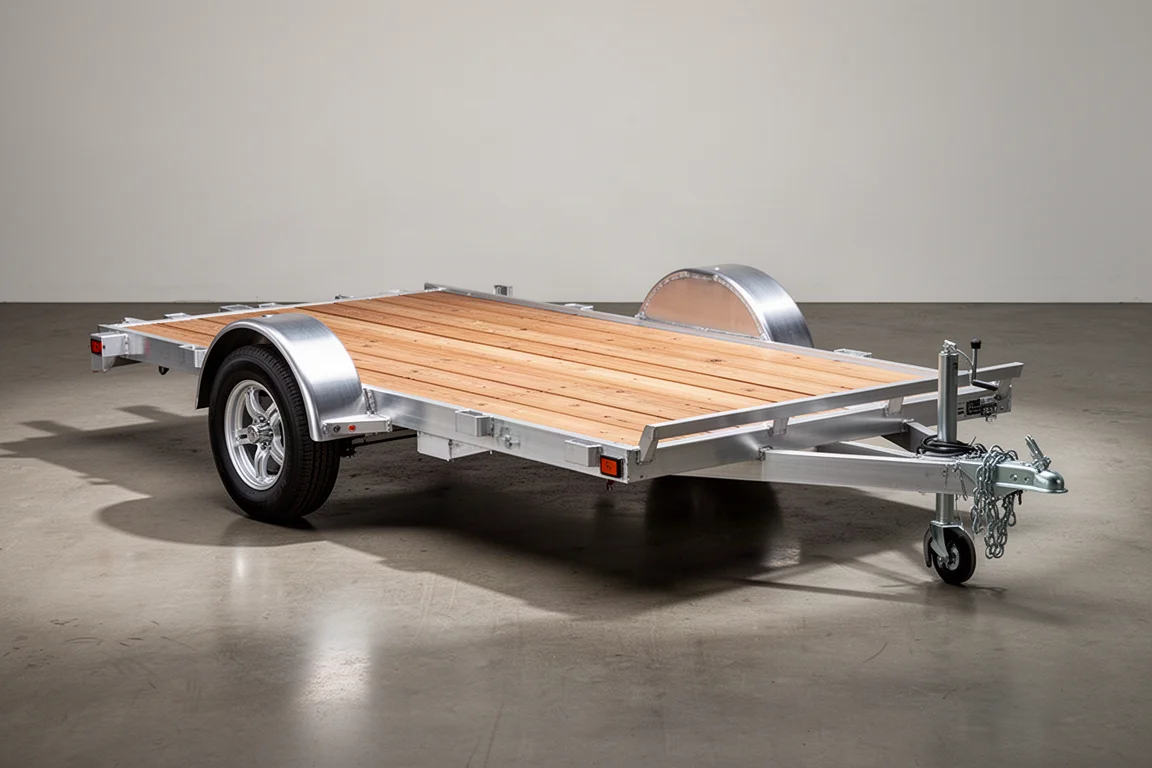
Black Rhino Aluminum Car Hauler Trailer: A Closer Look at a Standout Build
High-quality aluminum construction, clever removable fenders, nitrogen-filled tires, and thoughtful deck details make this car hauler hard to ignore.
Trailers
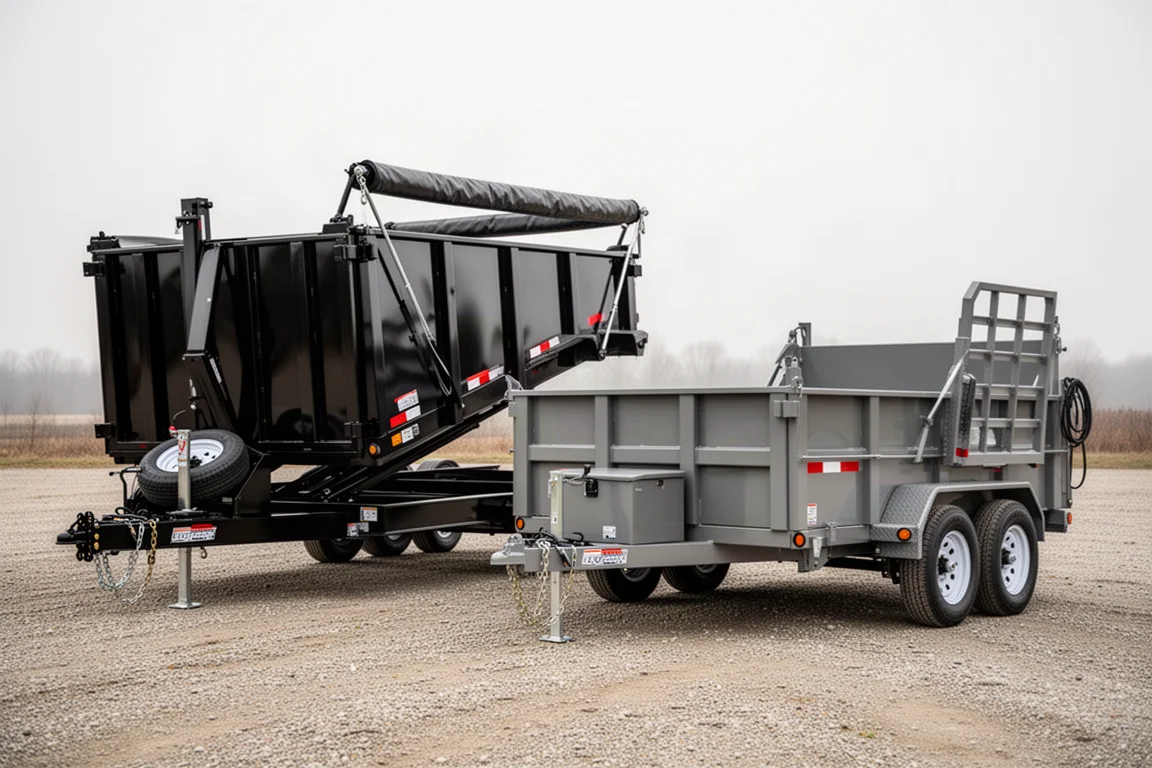
Diamond C LPT vs GDT Dump Trailers: Two Options for Hauling and Dumping Work
A close look at two Diamond C dump trailers, the heavier-duty LPT and the entry-level GDT, covering build quality, hydraulics, tarping, and everyday usability.