Trailers
Diamond C LPT vs GDT Dump Trailers: Two Options for Hauling and Dumping Work
A close look at two Diamond C dump trailers, the heavier-duty LPT and the entry-level GDT, covering build quality, hydraulics, tarping, and everyday usability.
Introduction
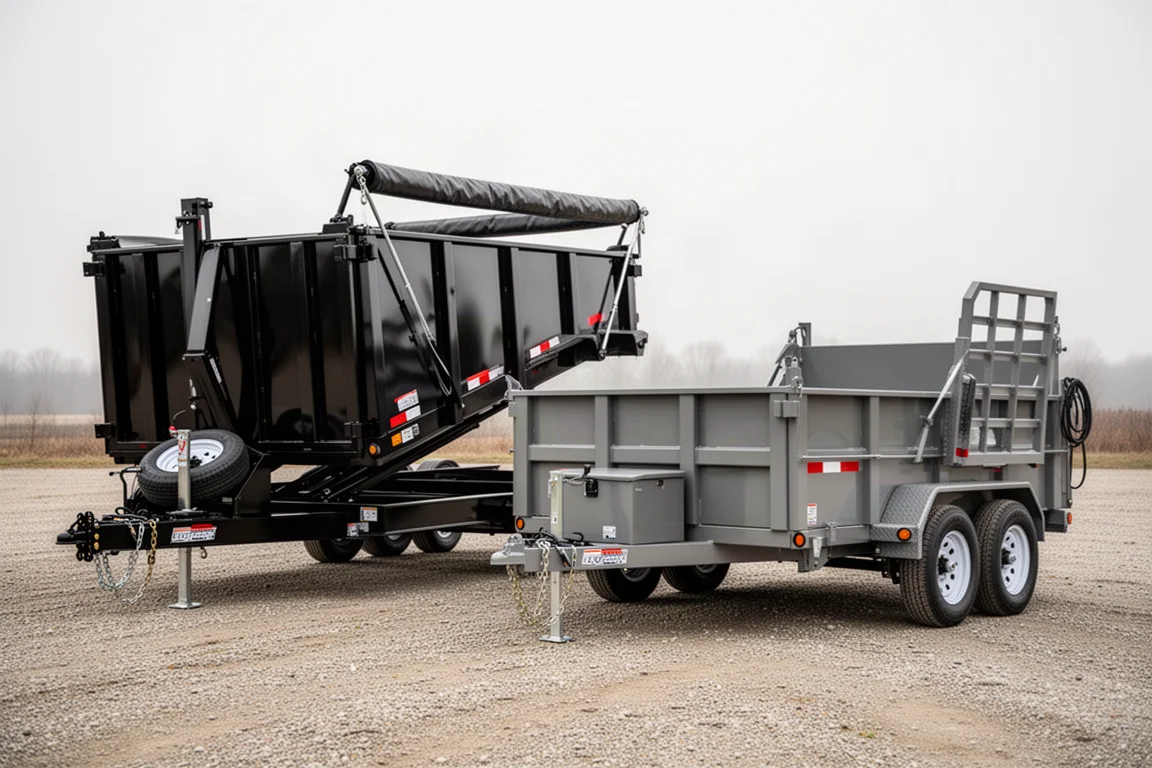
Diamond C has built a strong reputation among people who actually work with their trailers, and after spending time with two of its dump trailers, the heavier-duty LPT and the entry-level GDT, it is easy to see why. The company is family owned, and owners report consistently good customer service along with trailers that hold up through real abuse, including a Minnesota winter on a demo unit.
This article walks through what each model offers, where the LPT justifies its higher-spec build, and why the GDT makes sense as a more cost-effective starting point.
Diamond C LPT: The Heavier-Duty Option
The LPT is the more heavy-duty of the two, and the details show it. The sides use an engineered beam rather than a simple structural beam, designed specifically for this trailer to deliver maximum strength while keeping weight as low as possible. Up front there is an adjustable Demco hitch, which is widely regarded as one of the best in the industry, plus a solar panel that keeps the battery charged even if the trailer sits unused for months.
The hydraulic system is controlled from a magnetic controller you can stick anywhere, including on the outside of the trailer. A remote control option is also available and can be added to an existing trailer. With the solar panel on sunny days, you can expect roughly six to ten dumps before needing a supplementary charge, depending on what you are dumping.
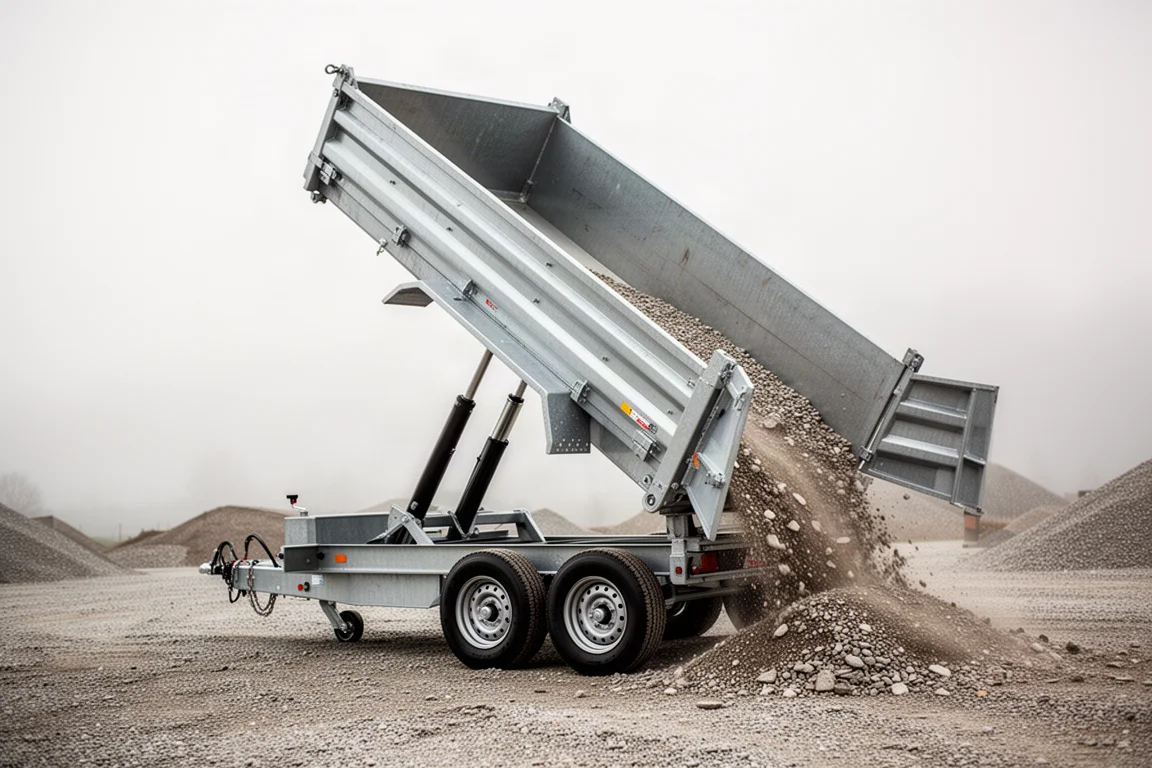
The dump mechanism uses a three-stage piston that lifts to a full 45-degree angle. The key benefit is that it will not get stuck, no matter what kind of load is in the bed. The second stage speeds up the lift, and the third stage is faster still. As a roughly 14,000-pound trailer, there is room for around 9,000 pounds of payload once you account for the weight of the trailer itself.
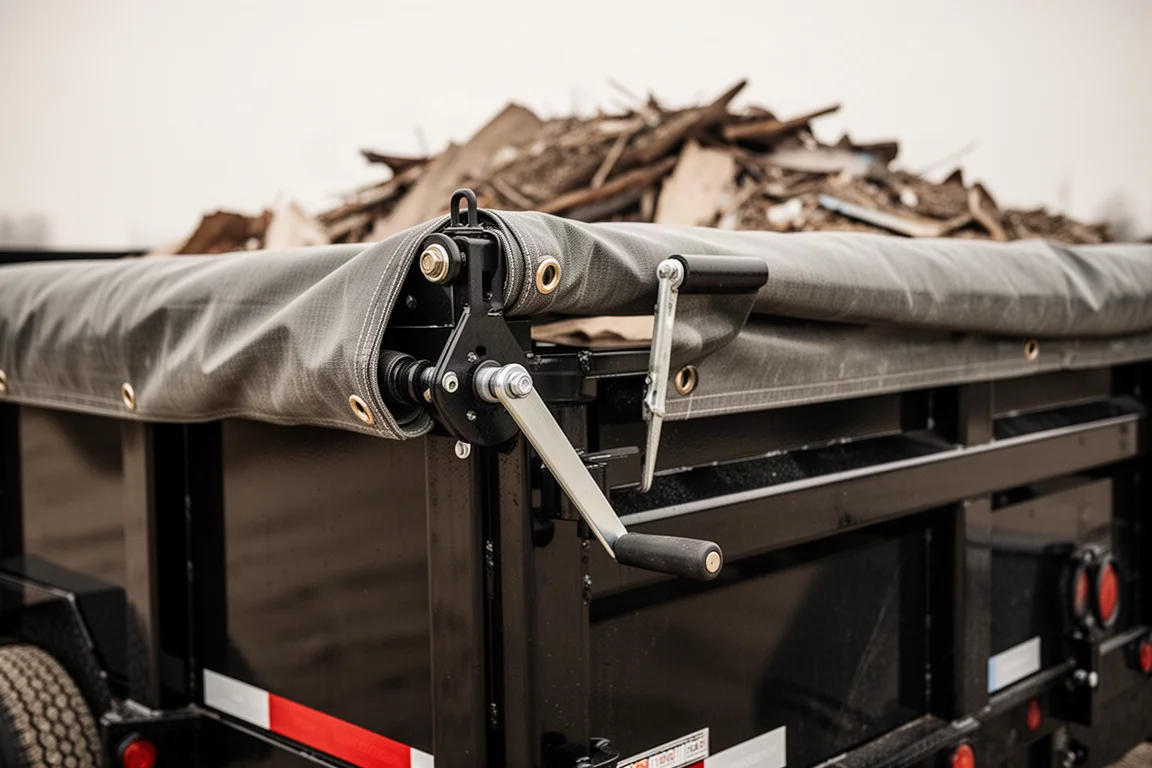
Tarping, usually the worst part of owning a dump trailer, is handled with a hand crank system. You pull the tarp down, crank it across the bed, and it sits tight right on top of the debris, even tall loads. When you are done, you flip it back and you are finished.
Practical Details That Matter Daily
The LPT includes several features that make daily use easier. A step at the front lets you climb up and check your load while rolling down the highway, useful for confirming straps on a piece of machinery have not loosened. The top area above the front box can hold a generator or other materials, roughly half or a quarter of a pickup truck bed’s worth of space.
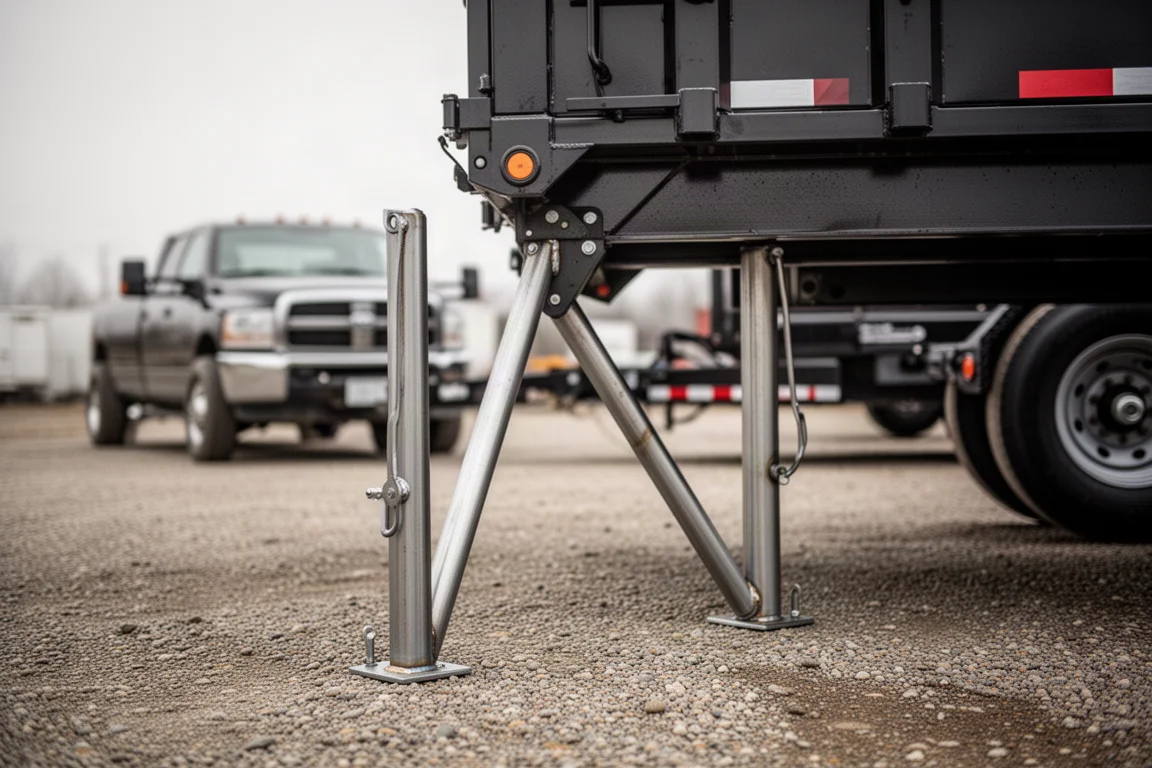
At the rear, stabilizers must be used when loading equipment. Heavy loads can lift the tongue and lift the rear wheels of your parked truck off the ground, so putting the stabilizers down is essential even though they are a bit of a chore.
The chainless gate is a standout. You can lock it in without lifting it and without chains, simply insert the pins and you are locked. If you prefer conventional dumping, you can remove the bottom pins and dump that way instead. Underneath, ramps pull out and can slide either way to go into the bed, and fork pockets let you load machinery directly with a forklift.
Inside you get four D-rings across the bed, seamless corners, and extender wall pockets if you want to raise the sides. The powder coating is genuinely tough: after being rammed with a forklift, the coating did not come off.
Custom Configuration
One of the biggest advantages of buying a Diamond C is that you can go online and custom configure the trailer any way you want. The LPT owner here chose higher sides for demolition work and lightweight hauling, while another buyer ordered a version with lower sides in lime green. Setup options, side heights, and accessories can all be tailored before you take delivery.
Diamond C GDT: The Entry-Level Alternative
The GDT is the more cost-effective, entry-level model in the lineup, and it is a genuinely capable trailer for the money. It keeps the chainless gate and a traditional dump truck swing gate, along with a large box up front and aluminum wheels fitted by the dealer.
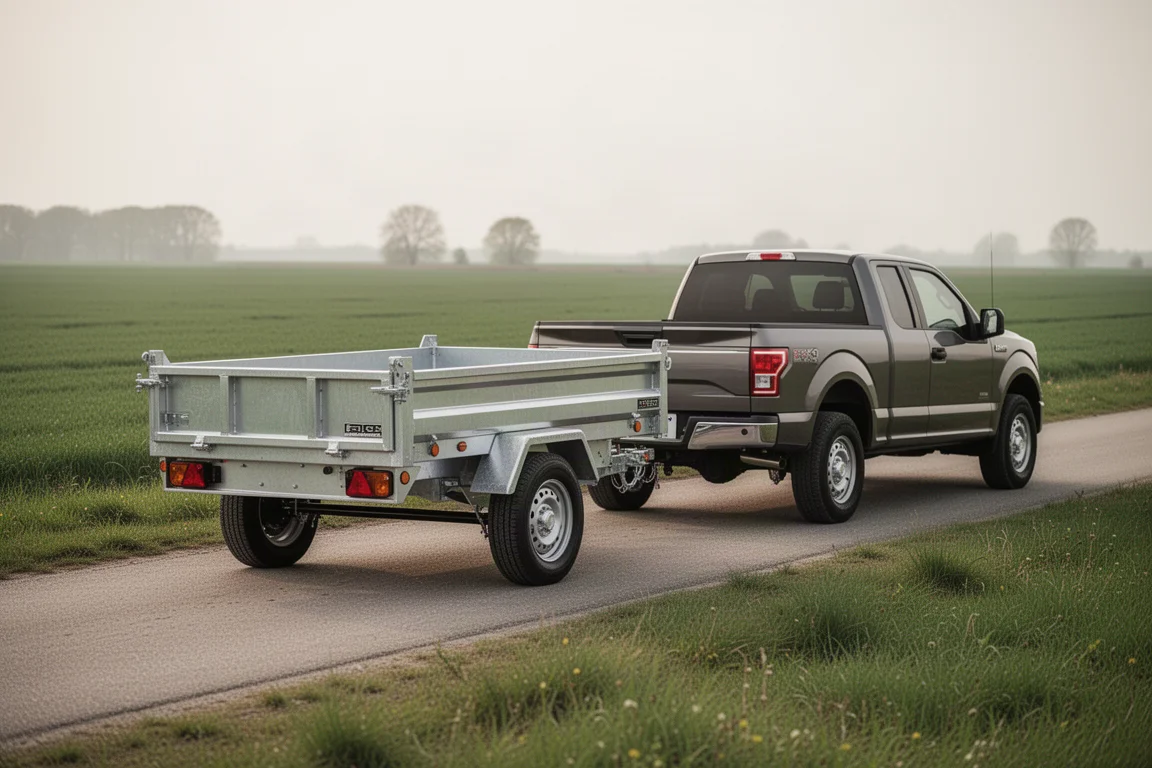
Despite being a dump trailer, it tows so lightly behind a mid-size pickup that you barely notice it is there. One owner drove it all the way down to Mount Vernon and back and described the experience as a dream. For anyone starting a rental business or needing a first dump trailer, the GDT is a sensible foundation.
Which One Should You Buy?
If you plan to haul heavy equipment, demolish material, or need the extra side height and payload capacity, the LPT is the stronger tool. Its hydraulic jack is particularly valuable if you regularly unhitch a loaded trailer, since raising and lowering under load is far easier with hydraulics.
If your needs are lighter and budget matters more, the GDT delivers the same core Diamond C build quality and chainless gate convenience at an entry level price point. Either way, the ability to custom configure the trailer online means you can spec exactly what your work demands.
Conclusion
Diamond C’s dump trailers stand out for engineering details that pay off in daily use: the chainless gate, the hand crank tarp, the tough coating, and the three-stage hydraulic lift on the LPT. The LPT suits demanding, heavier-duty work, while the GDT offers a cost-effective entry point with the same family-owned company behind it. For conventional dumping and hauling, these are trailers worth serious consideration.
Product link
View more details for Diamond C LPT Dump Trailer
This product is mentioned in the review. Check the specifications, options, and compatibility before buying.
View more details for Diamond C LPT Dump TrailerFurther reading
Related Reviews
Trailers
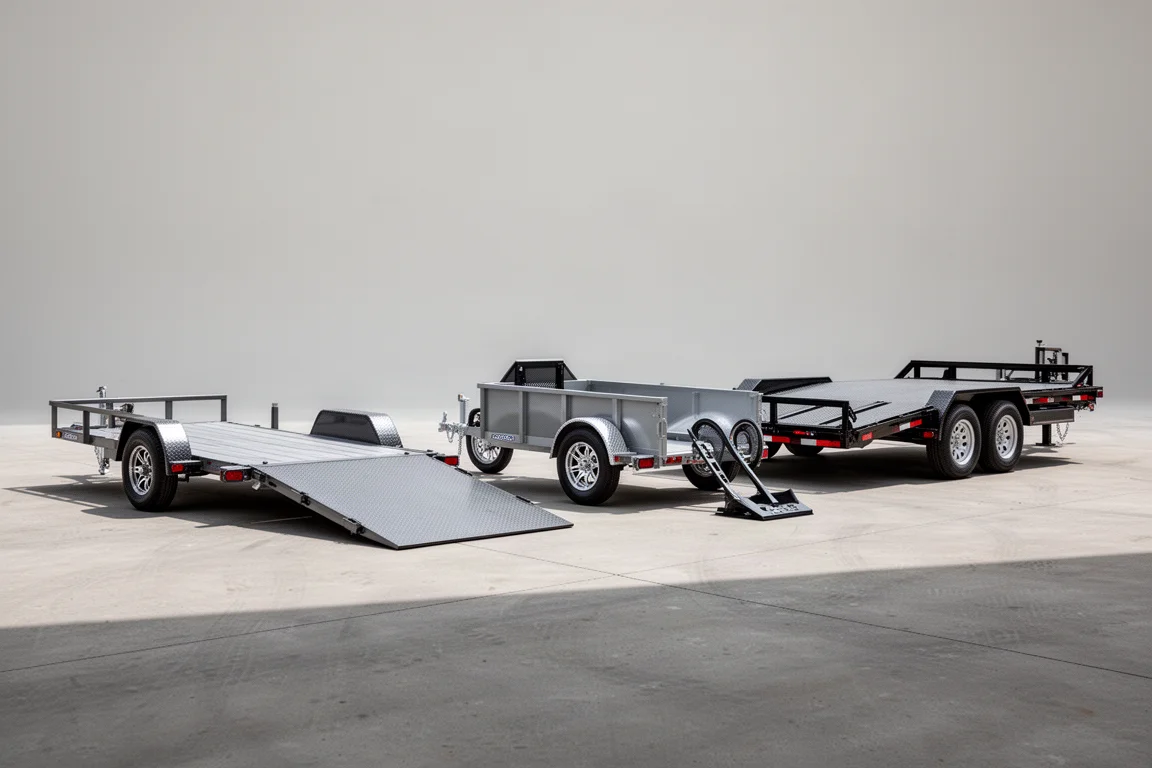
Best Low-Profile and Drop Deck Trailers: Three Designs That Solve the Ramp Problem
A hydraulic drop deck from Primo, a dedicated single motorcycle hauler from Z-Pro, and a heavy-duty ground loading trailer from Triple L, each built for different kinds of loads.
Trailers
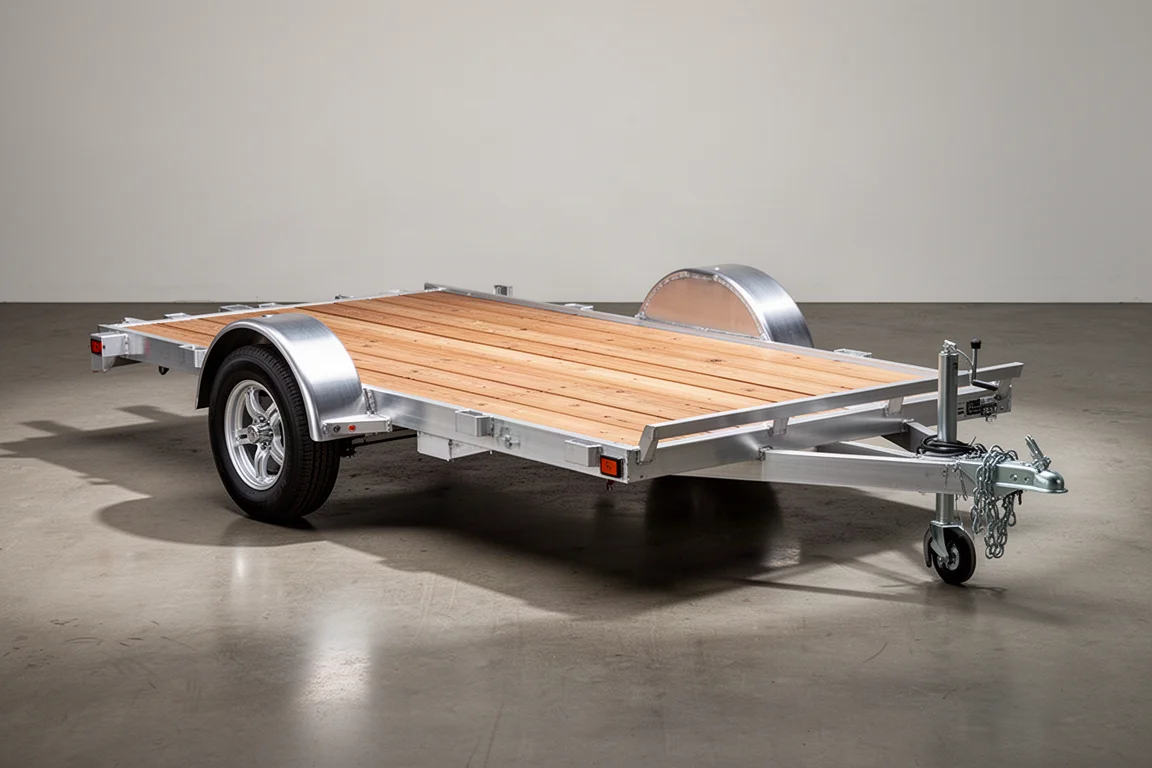
Black Rhino Aluminum Car Hauler Trailer: A Closer Look at a Standout Build
High-quality aluminum construction, clever removable fenders, nitrogen-filled tires, and thoughtful deck details make this car hauler hard to ignore.
Trailers
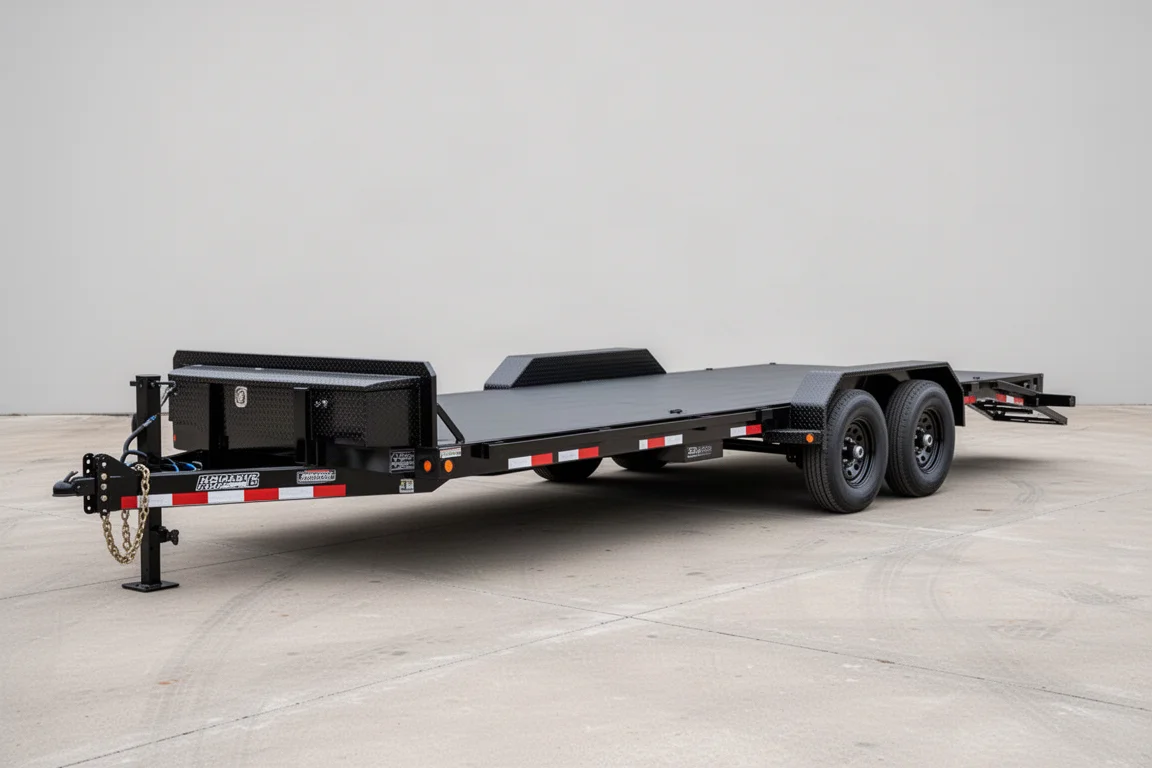
Diamond C LPX 22-Foot Equipment Trailer: A Custom-Built Workhorse Worth a Close Look
A 14,000-pound dual-axle equipment trailer you can configure online, with smart storage, Max Ramps, and a composite deck that grips in wet weather.