Running Shoes
Diadora Nucleo 2 Review: A Surprisingly Comfortable Stability Daily Trainer With Serious Style
The Diadora Nucleo 2 pairs a clean retro aesthetic with a bouncy new foam, but the firmer forefoot and roomier fit are worth knowing about before you buy.
Introduction
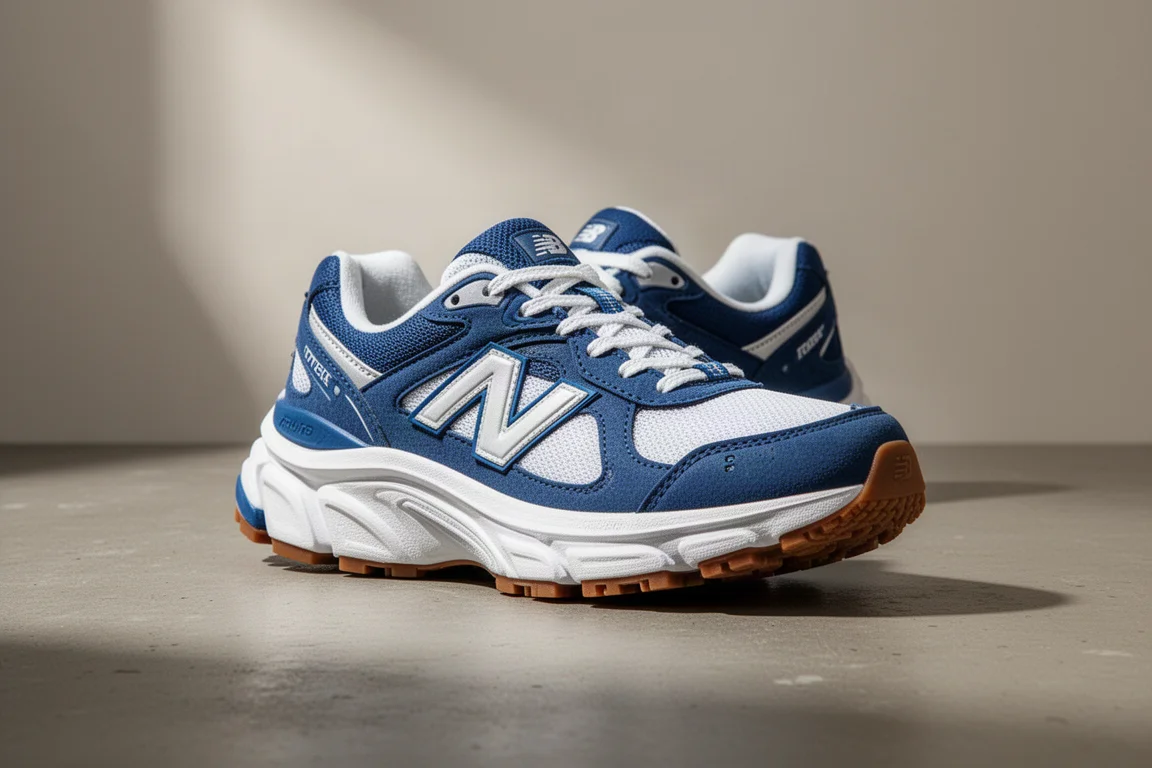
The Diadora Nucleo 2 arrived with expectations set almost entirely by its looks, and it exceeded them anyway. Marketed as a light, responsive stability daily trainer for long-distance runners, it promises “stability maxed” cushioning from a new proprietary Anima foam compound. On paper that reads like a firm, restrictive stability shoe. In practice, it turned out to be something closer to a bouncier, slightly softer Nimbus: a cushioned daily trainer with a wide base, good flexibility, and one of the cleanest retro-inspired designs of the year.
First Impressions and Step-In Feel
Out of the box, the Columbia blue colorway is the standout. It has a late 80s and 90s aesthetic that works just as well with jeans as it does with running shorts, and it looks even better in person than on camera. Diadora’s design language here is genuinely some of the best-looking in the running shoe space right now.
Step-in comfort surprised us. Despite early notes that the shoe feels firm initially, the step-in for our main tester was on the softer side, landing in a Goldilocks zone of not too soft, not too firm. On a kitchen scale, the shoes came in around 300 grams for a men’s size 10.5, right in the cushioned daily trainer range. A second tester, a women’s size 10, measured closer to 274 to 275 grams per shoe with good consistency.
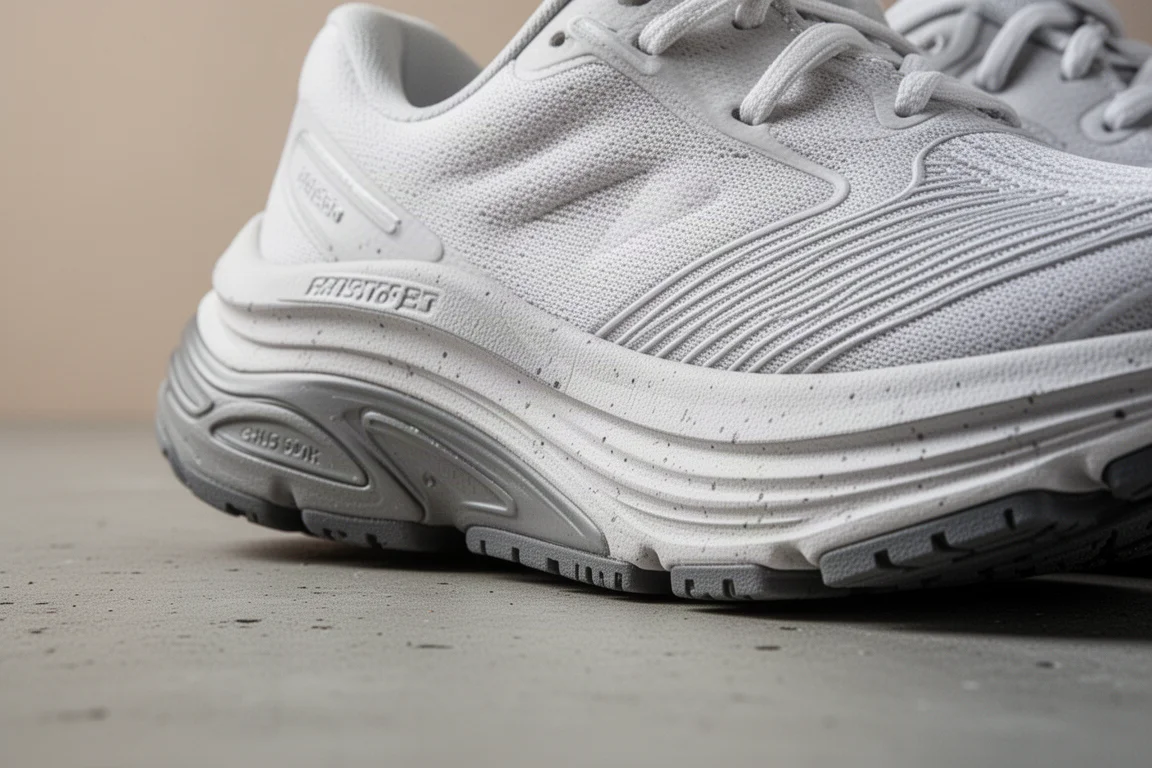
One thing worth knowing: the shoe runs a little roomy. The upper has more space than you might expect, similar to the fit issue on Diadora’s Gara racing shoe, which fit about half a size large. If you plan to wear thick winter socks, that extra room becomes a feature rather than a flaw.
Ride and Performance on the Run
The first run was a four-mile family outing at a relaxed 10-minute-mile pace, pushing a double stroller, with a few strides mixed in to test how the shoe handles quicker turnover. The foam immediately felt like a bouncier version of Asics’ FF Blast Plus: not a brick, not a marshmallow, but a soft, pillowy bounce that made it easy to pick up the pace during strides.
The heel is where this shoe shines. Cushioning under the heel is generous and squishy, which makes it a great match for heel strikers, midfoot landers, and flat-footed runners. The forefoot is a different story: there is not a lot of foam up front, so ground feel is noticeable and the front of the platform reads firmer, especially for forefoot strikers. That tuning difference explains why two testers on the same run had different impressions. The heel-landed runs felt soft and cushioned; the forefoot-striking tester reported firmness and, on longer efforts, borderline bottoming out under the toes.

The ride also feels relatively high-drop. The listed drop is likely 8 mm, though it wears closer to an 8 to 10 mm feel, with lots of heel cushion and less stack up front. If you prefer the low-drop, max-cushion feel of modern trainers, that is the main trade-off to consider.
Comparisons help place it: the foam sits between the Nimbus 25 and Nimbus 26 in softness, softer than the Novablast, and roughly in Ghost Max territory for comfort, though with a higher drop and a slightly less refined overall feel. If you liked the Nimbus 25 but wanted more bounce, or found the Nimbus 26 too firm, this is a strong alternative.
Stability and Support
Here is the interesting part: this is technically a stability shoe, and it does not feel like one in the traditional sense. The blue structural pieces on the midsole are firmer overlays designed to cradle the foot, and the wide base adds support. But there is none of the restrictive, post-heavy feel of shoes like the Saucony Tempus or the Brooks 860 or Hurricane. If you did not know it was a stability shoe, you likely would not guess.
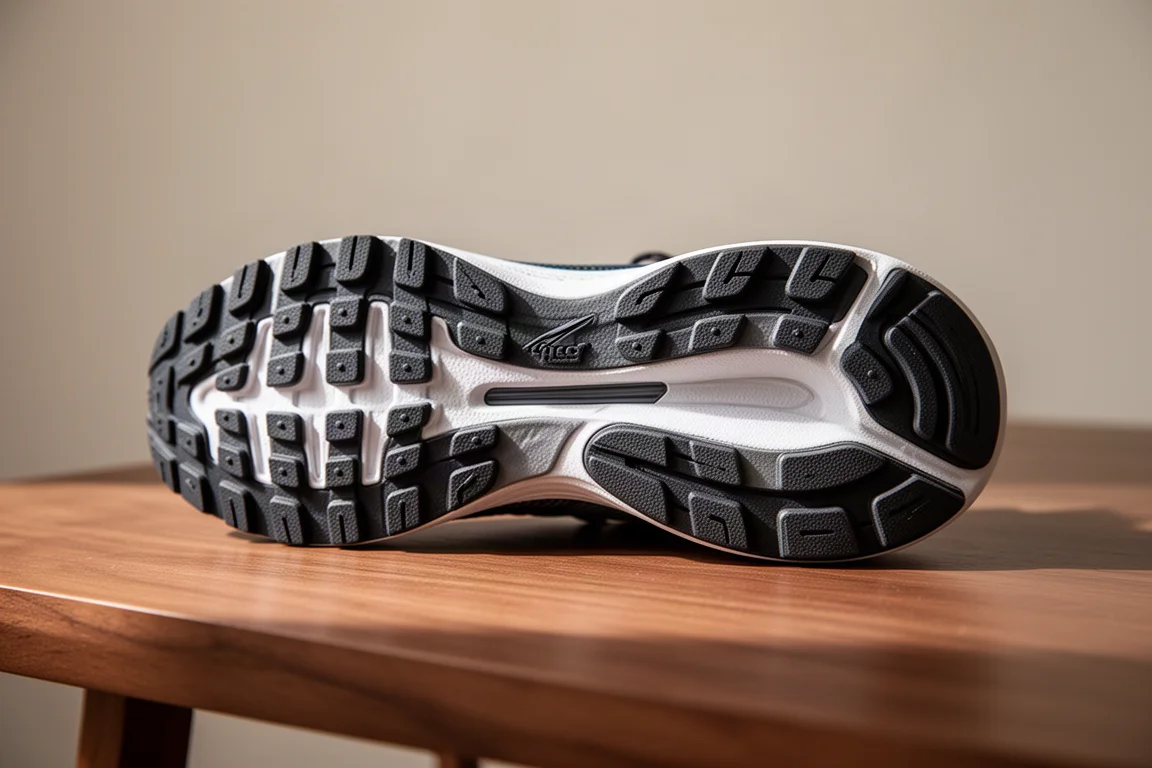
That makes it a good option for runners who want some support without a heavy-handed stability platform. It is not the most stable shoe available given how soft and chunky the heel is, but it is far from unstable, and the support feels natural rather than forced.
Who Should and Should Not Buy It
If you want one or two do-it-all shoes that look cool at school pickup, the gym, errands, and your easy runs, this is close to perfect. It is comfortable enough for long stretches on your feet and has enough foam quality to handle longer miles if you ask it to. It also handles pace changes well for its weight, even though it is not the lightest or most aggressive option.
If you typically prefer firm stability shoes like the Saucony Endorphin Shift, this is not the shoe for you. It sits firmly in the medium-softness zone, closer to a Saucony Triumph 20 and perhaps a touch softer.
Casual Wear and Long Days on Your Feet
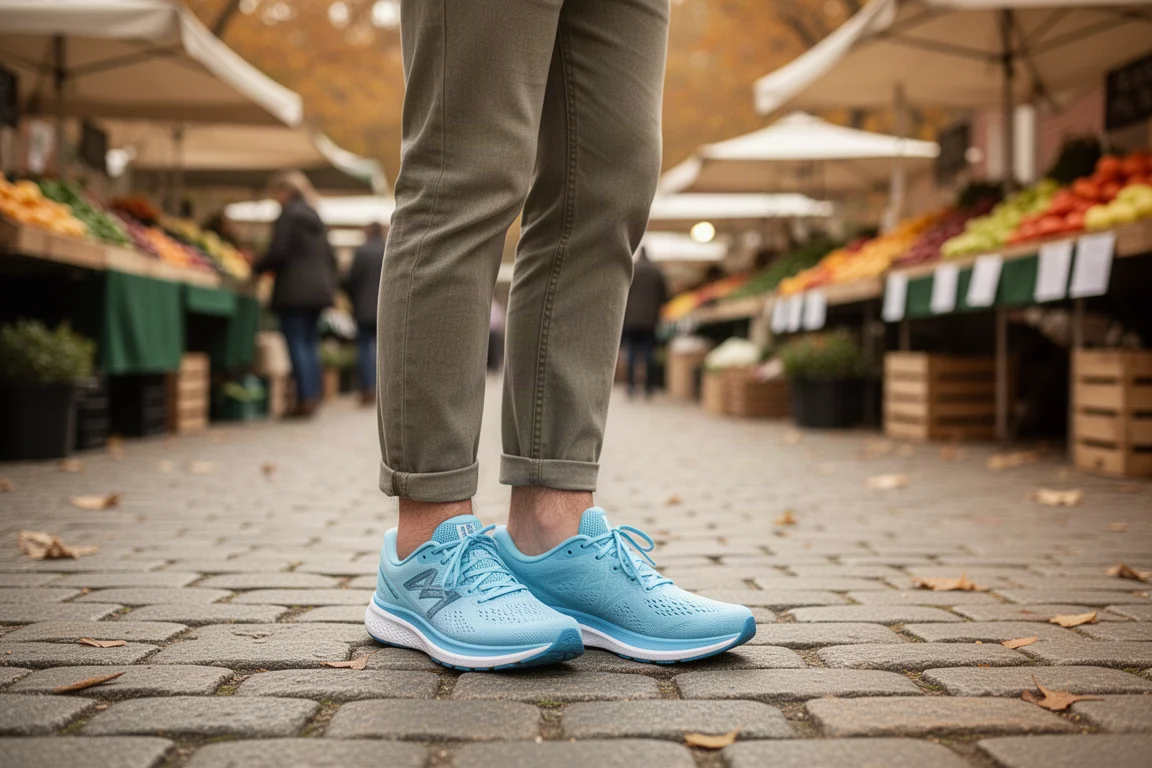
Beyond running, this has earned a spot in the casual rotation alongside the Ghost Max and Hurricane 24. After four-plus hours on your feet at a farmers market, the shoe held up extremely well, which is high praise for an all-day shoe. The Columbia blue colorway is arguably the best-looking shoe of the year for this kind of use, and it walks as well as it runs.
Pricing and Buying Advice
The list price is $160, which feels fair for what you get. Diadora runs sales regularly, and the shoe has shown up discounted, so picking it up around $120 to $140 would make it an absolute standout value. Note that it is not sold through some major running retailers, so buying direct from Diadora or watching for deals is the way to go.
A few improvement notes for a future version: tighten up the fit, which currently runs baggy, and consider adding a touch more forefoot cushion for forefoot strikers.
Conclusion
The Diadora Nucleo 2 was expected to be all looks and no performance. Instead, it delivered both: a clean retro aesthetic, a genuinely nice Anima foam tune with soft, bouncy heel cushioning, a wide supportive base without restrictive stability elements, and all-day comfort. For runners who want a cushioned daily trainer with real style, or anyone after the ultimate dad-shoe crossover, this is one of the best-kept secrets in the running shoe market right now.
Product link
View more details for Diadora Nucleo 2
This product is mentioned in the review. Check the specifications, options, and compatibility before buying.
View more details for Diadora Nucleo 2Further reading
Related Reviews

Running Shoes
Best Road-to-Trail Running Shoes: Three Versatile Options for Mixed Terrain
A practical guide to three road-to-trail running shoes that handle both pavement and mild trails, with clear strengths and trade-offs for different runner types.

Running Shoes
Best Running Shoes for Achilles Tendonitis: Three Options Explained
Three running shoes with different heel drops and support features designed to help reduce Achilles tendon pain during walking and running.

Running Shoes
Best Running Shoes for Women: Five Top Choices Ranked
A ranked guide to five women's running shoes, from versatile daily trainers to high-performance racing options, with real strengths and trade-offs for each.