Running Shoes
Diadora Gari Review: A $300 Marathon Racing Shoe That Rewards All Paces
After a 22-mile marathon-simulation long run, the Diadora Gari stands out as a comfort-first carbon racer that benefits slower paces as much as fast ones.
Introduction
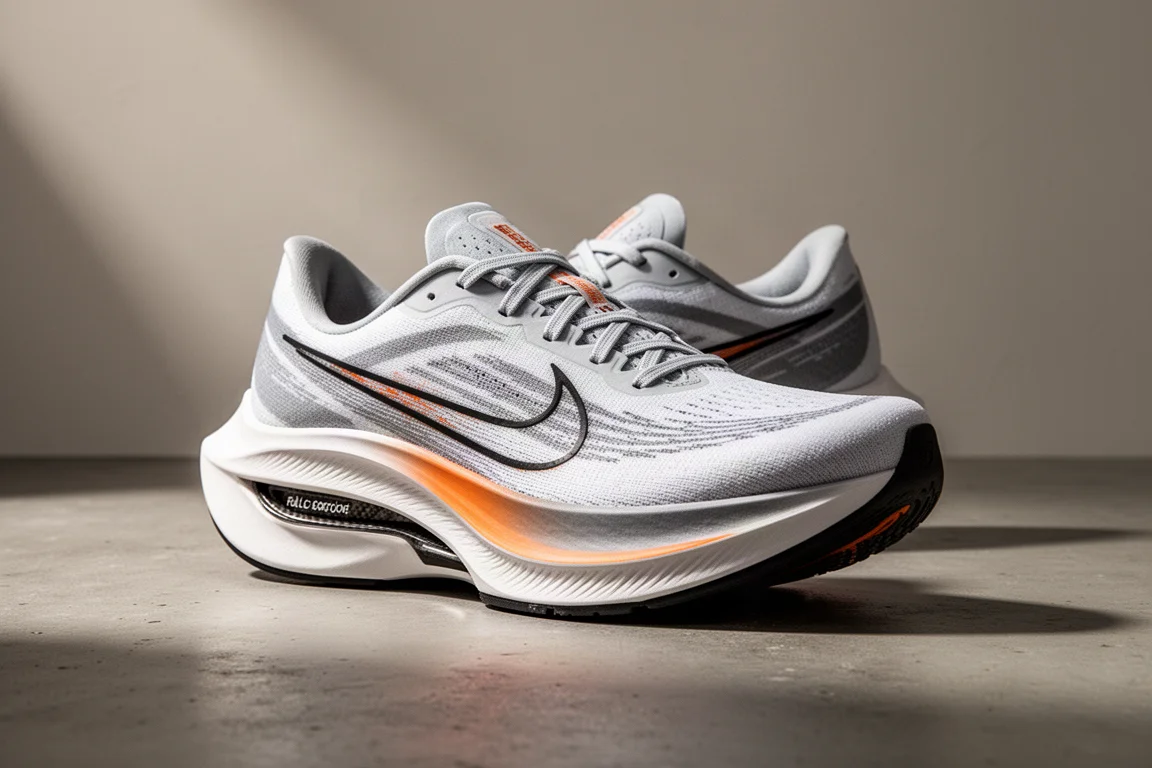
The Diadora Gari is a $300 marathon racing shoe with a thick bed of PEBA foam, a full carbon fiber plate, and a surprisingly friendly attitude. It is Diadora’s first carbon-plated shoe, and like most brands entering the racing space, they went with a traditional layout rather than anything extreme: a nice rocker up front, soft race-day foam, and a carbon plate.
The price is the awkward part. It carries roughly a $50 premium over most rivals, and that money is not buying Italian craftsmanship, since this shoe is made in China like most modern racing shoes. What you are paying for is the brand story, the design process, and a genuinely beautiful shoe that looks unlike anything else in the racing category. After a 22-mile marathon-simulation long run at a 7:00 flat average pace, it left a strong impression.
Who This Shoe Is For
The clearest takeaway from testing is that the marginal benefit of the Diadora Gari is inversely correlated with pace. Faster runners can absolutely use it, and it performs well at race effort, but the slower you are, the more you get out of it compared with something like the Nike Vaporfly.
The reason is geometry. Shoes like the Vaporfly want you up on the forefoot; they are light and poppy up front but do not work great for heel landings. The Gari extends foam well behind the heel and sits on a wider base, so it worked well for heel-strike mechanics with no issues cornering.
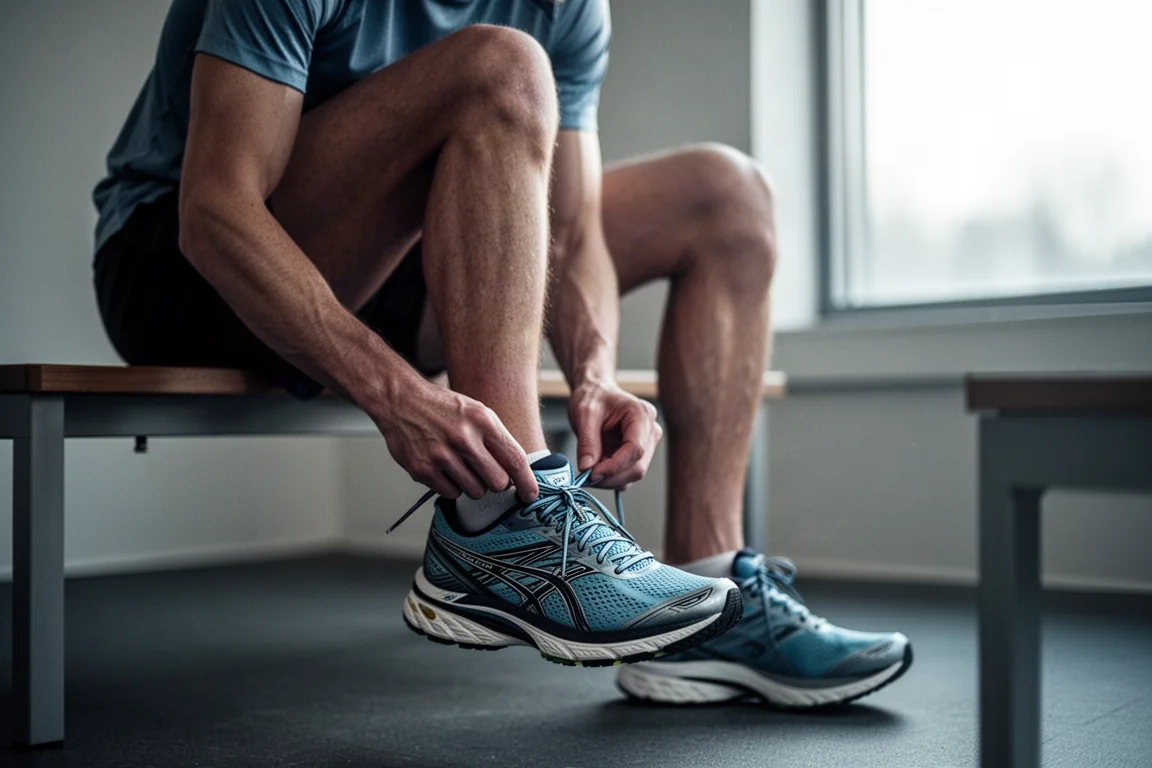
That makes it a strong candidate for recreational marathoners, particularly anyone racing in the 3:00 to 3:45 range who wants comfort and speed in the same package. It even felt calm enough that I could see doing recovery runs in it.
Main Strengths
Out of the box, the Gari feels like a normal training shoe: no weird foam sensation underfoot, no strange upper fit. It is a little narrower through the upper but with more vertical volume, so some runners will notice extra material bunching at the toe box. Step-in comfort is excellent.
The foam is the star. Diadora’s PEBA-based PBX sits right in the middle of the spectrum, not as soft and squishy as Nike ZoomX, not as dense as Adidas Lightstrike Pro. It feels like ordinary training foam until you pick up the pace, and then it comes alive with a snap and pop off the forefoot that makes fast running genuinely fun.
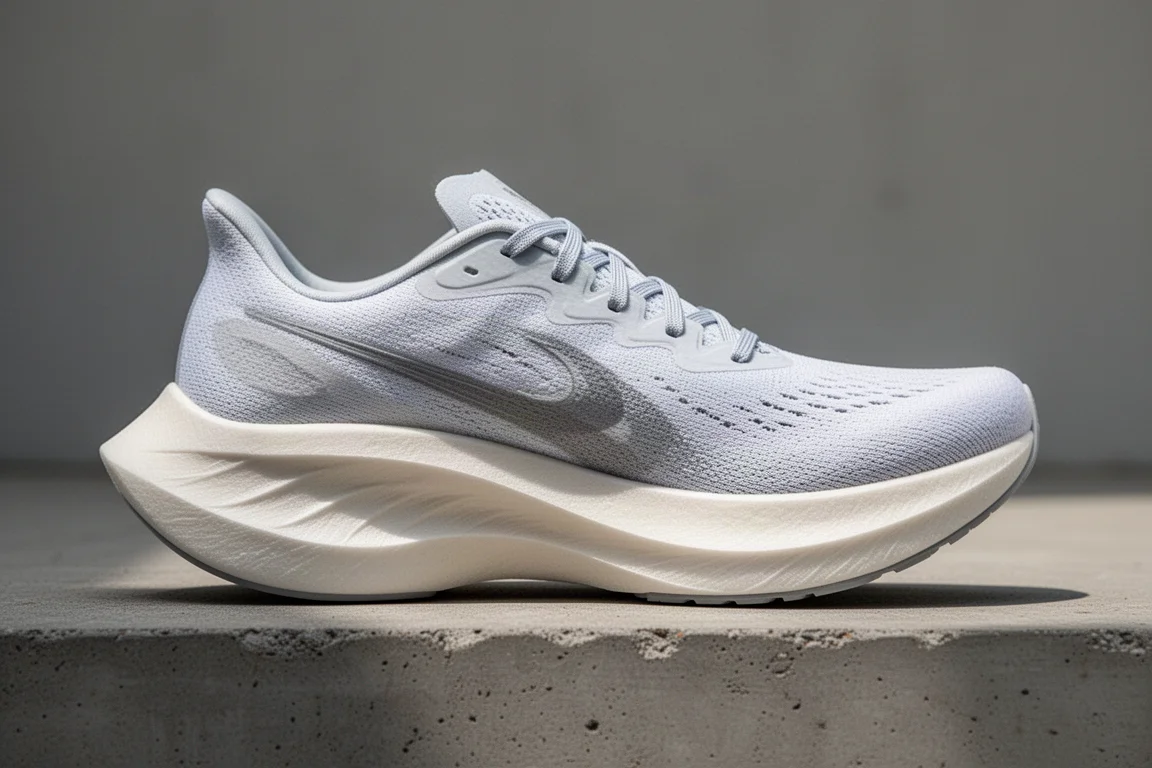
Protection is another big win. The rocker tapers gently all the way to the forefoot, so you get a lot of foam up front, more than the Vaporfly offers. In a half marathon in the Vaporfly I could feel the plate near the end of the race; the Gari feels much more protective and less likely to leave you running on top of the ground. There is also real structure in the heel, with a padded heel counter and a stable, wide base.
The laces deserve a mention too. They are nearly identical to the Vaporfly’s textured race laces, which lock down nicely and resist untying.
How It Compares to Other Racing Shoes
Against the Nike Vaporfly, the Gari is softer, more protective in the forefoot, far better for heel strikers, and a wider, more stable platform. Against the Hoka Cielo X1, it is less extreme: the Cielo X1’s aggressive rocker puts more foam in the midfoot than the back, which makes it an awkward ride for heel strikers who have to fight the midfoot bump. The Gari lets you land anywhere and feel good, and it was the second most comfortable shoe I have run in after the Cielo X1.

The closest comparison is the New Balance SC Trainer V2. The two share an extremely similar setup across plate, foam, and rubber: soft foam, carbon plate snap, and lots of stability from a wide base. The Gari is lighter, faster, and more versatile, but the SC Trainer V2 costs $180 at MSRP, often less on sale, roughly half the price. It is a training shoe rather than a race shoe, which is why its carbon plate does not carry the usual price premium.
Compared with the Saucony Endorphin Pro 3, the Gari has a much more forgiving fit with a roomier toe box and more generous volume, while the Pro 3 is super narrow with essentially no vertical volume. The Pro 3 uses a firmer, beaded PEBA foam that feels better the faster you go, and its more aggressive heel bevel suits quicker runners. The Gari keeps nearly a full inch of foam extending behind the heel, making it better for heel strikers and slower paces. Build quality also feels stronger on the Gari; the Pro 3’s laces are slipperier and have come untied for me, and some runners report the Pro 3’s heel counter digging into the Achilles.
Things to Consider Before Buying
The upper is the weak point. It is a little loose and sloppy, with an almost outdoor, camping-chair fabric feel rather than a slick sock-like racing upper. Lockdown is not the tightest or cleanest, and that is the main area I would expect a future version to improve.
Price is the other consideration. The fair price of anything is what the market will bear, so whether $300 is worth it depends on your alternatives and your budget. If you are running a 2:25 marathon on a tight budget, the $50 premium over the Vaporfly is probably not worth it. If you are running a 3:45 marathon with some income to spare, spending that extra $50 could mean finishing the last hour and 20 minutes of your race in supreme comfort.
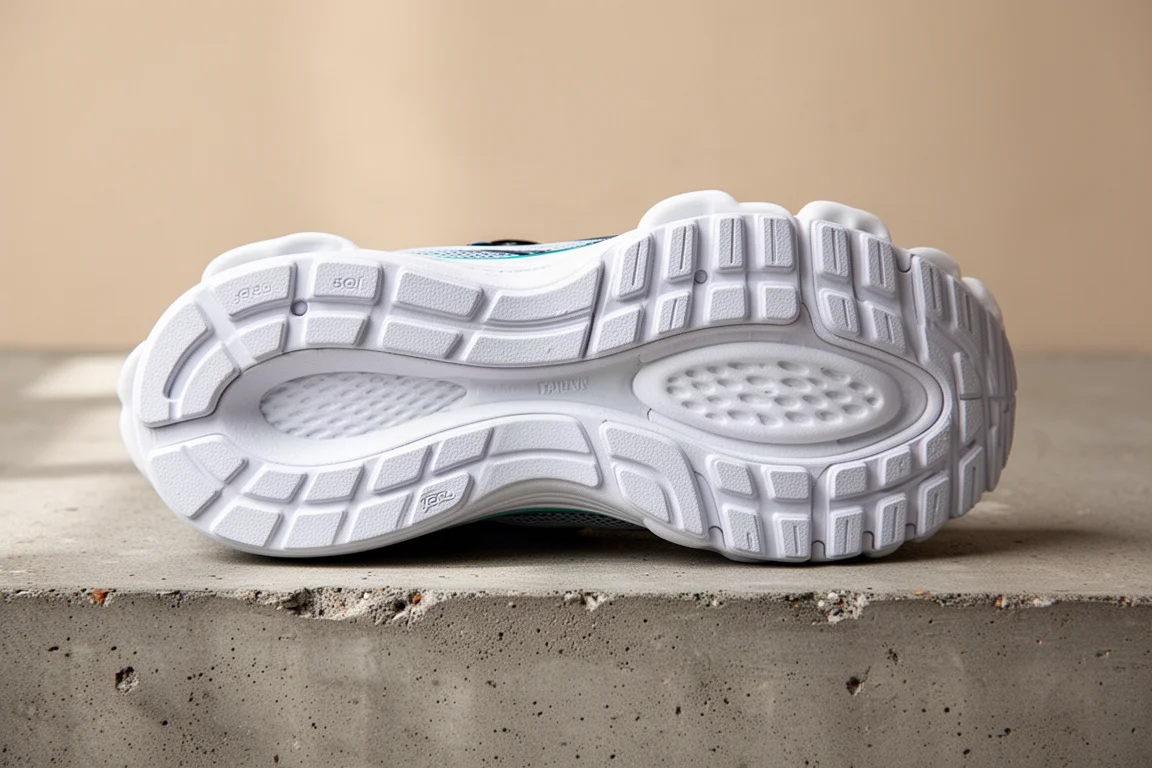
Durability partially offsets the price. Diadora says the rubber compound is engineered for durability and runs the rubber all the way up the back of the heel, where the Vaporfly leaves foam exposed and gets chewed up quickly for aggressive heel strikers. Denser, more structured foams like this also tend to last longer than compressive ZoomX, and the Endorphin Pro 3’s 200-plus miles show what a similar rubber layout can do. I expect at least 300 miles from the Gari, which means it could even double as a training shoe in a pinch.
Buying Advice
If you are already considering the $275 Hoka Cielo X1 and you are a heel striker, the Gari may serve you better. If you want the best of the SC Trainer V2’s comfort with more speed and snap, this is essentially that shoe in racing form. Do not think of it as a $300 shoe; think of it as your preferred alternative plus $40 to $50, and decide whether supreme comfort for the back half of a marathon is worth that premium to you.
Conclusion
The Diadora Gari is a fun, protective, versatile carbon racer that rewards every pace, not just fast ones. The upper needs refinement and the price is ambitious, but for recreational marathoners who want comfort blending with speed, it is now one of my top picks for a race-day shoe.
Product link
View more details for Diadora Gari
This product is mentioned in the review. Check the specifications, options, and compatibility before buying.
View more details for Diadora GariFurther reading
Related Reviews

Running Shoes
Best Road-to-Trail Running Shoes: Three Versatile Options for Mixed Terrain
A practical guide to three road-to-trail running shoes that handle both pavement and mild trails, with clear strengths and trade-offs for different runner types.

Running Shoes
Best Running Shoes for Achilles Tendonitis: Three Options Explained
Three running shoes with different heel drops and support features designed to help reduce Achilles tendon pain during walking and running.

Running Shoes
Best Running Shoes for Women: Five Top Choices Ranked
A ranked guide to five women's running shoes, from versatile daily trainers to high-performance racing options, with real strengths and trade-offs for each.