Running Shoes
Diadora Gara Review: A $300 Carbon Racer with a Ducati Plate and Surprising Comfort
A PEBA-based carbon racing shoe with a Ducati-engineered plate, 5mm drop, and clean European styling. First-run impressions, fit notes, and who it actually suits.
Introduction
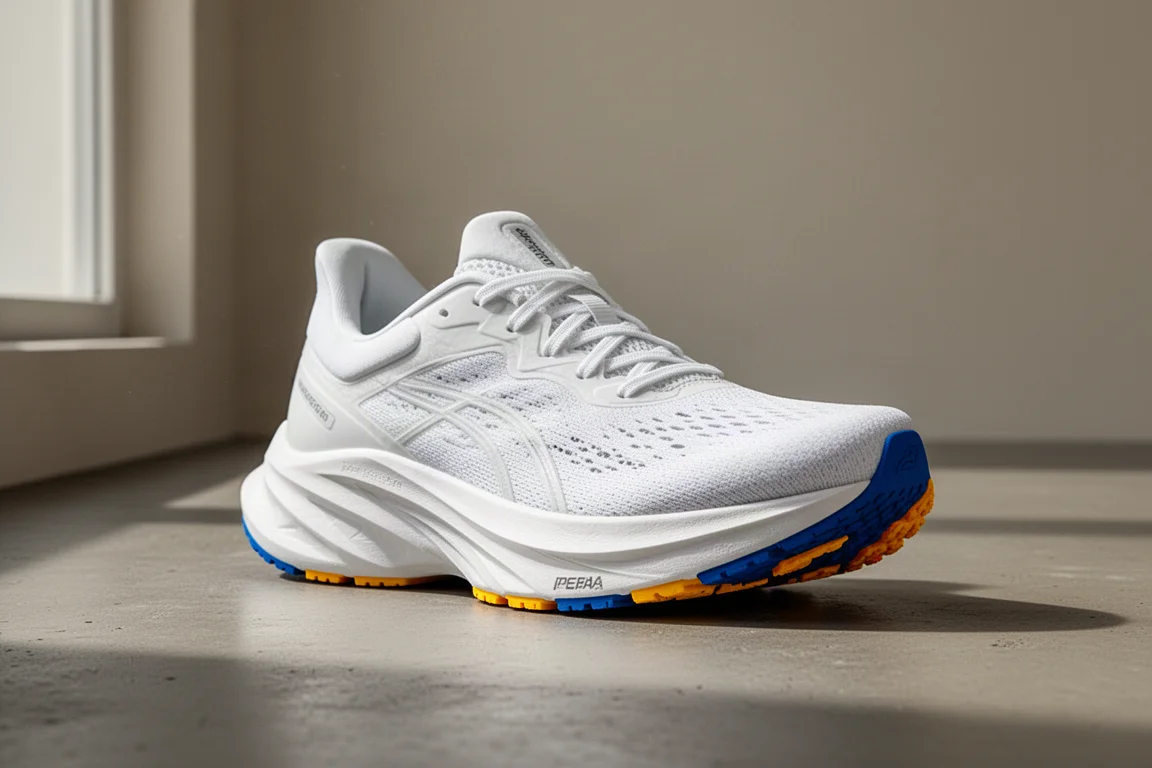
Diadora has entered the super shoe conversation with the Gara, a $300 carbon-plated racing shoe built around a PEBA-based foam the brand calls Thea PBX. On paper it checks all the boxes of a modern racer: carbon plate, supercritical foam, generous forefoot base. What makes it interesting is how conventional it feels next to the extremes of the market, and how much of the price is really about design, story, and durability rather than raw weight savings.
This is a first-run review based on a 10.5-mile interval session, and the early picture is promising with a few caveats.
Design and Build Quality
The first thing you notice is the design. This is one of the cleanest-looking racing shoes on the market, closer to a minimalist tennis sneaker than a typical neon-drenched racer. The pure white upper is striking, though it will show dirt quickly.
The upper uses what Diadora calls the Matrix system, a structured fabric with carbon yarns that is lightweight and looks decently breathable. Unlike some competitors, there is no overlay, just a starchier structured piece of fabric around the sides. The outsole uses a wear-resistant rubber compound branded Duras 5000, with strategically placed coverage at the heel and forefoot, and the heel rubber extends all the way out the back for durability during heel striking, something several bigger brands skip.
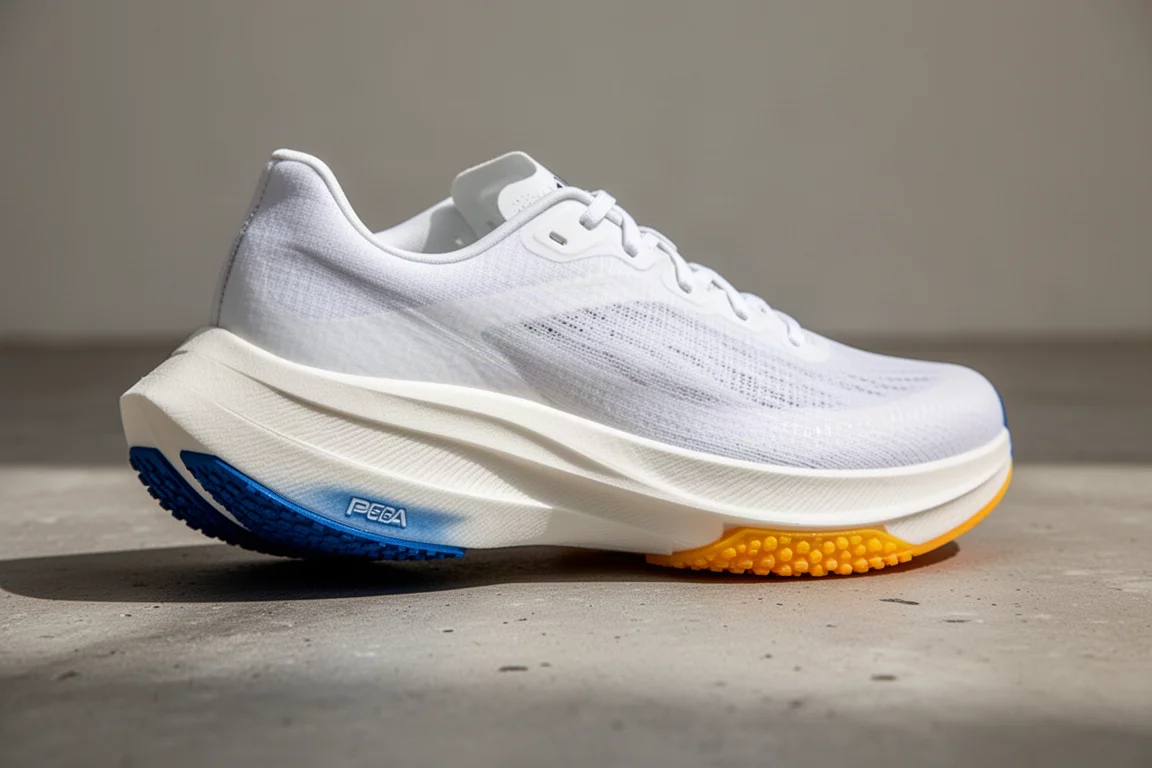
The geometry is notably flat and only gently rockered through the forefoot, closer to a classic daily trainer silhouette than an aggressive super shoe. A heel “rock catcher” element saves weight and adds a touch of landing stability. The laces are a highlight: textured yarn-style laces with small nubs that interlock when cinched down, preventing loosening, in the style of the Vaporfly 2.
Specs and Weight
The Gara has a 5mm drop, which sits nicely between the 4mm of the SC Elite v4 and the more aggressive 8 to 10mm drops of some rivals. That should make midfoot and forefoot landings more natural and keep the heel from feeling clunky, a common complaint in heavily heeled fast trainers.
On the scale, the shoes came in at 237g and 236.5g, remarkably consistent, and Diadora is transparent about a plus or minus 3% pair-to-pair weight difference, which is appreciated. The weight is on the heavier side for a carbon racer, and the built-up upper is one area where grams could clearly have been saved. The trade-off appears to be durability: with a wear-resistant rubber compound named as flagship tech, this looks like a racer meant to survive real training miles, not just a few race days.
Fit and Step-In Feel
Step-in comfort is a genuine surprise. The toe box is extremely roomy, with more volume than most racing shoes tested recently, and it actually runs a touch long. In a US 10.5, true to size is the recommendation, though runners who like a snug racing fit could go down half a size.
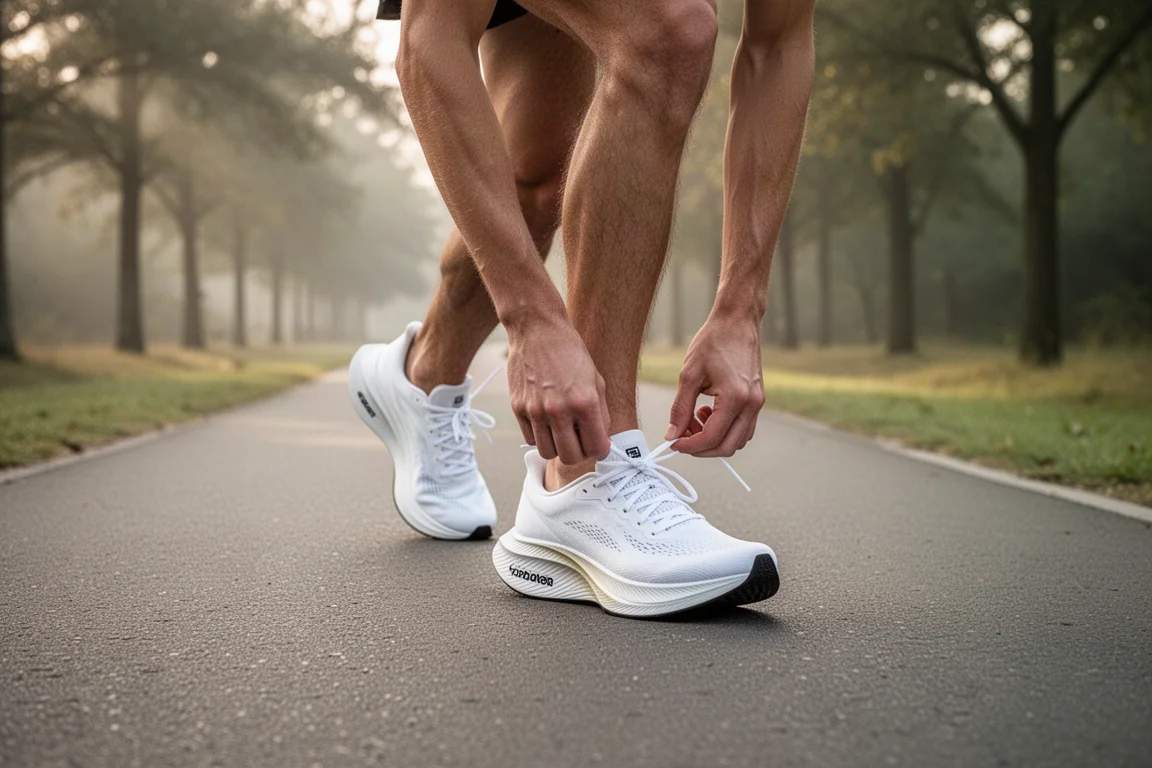
The heel collar has substantial padding, more than even some daily trainers, which should translate to good lockdown. The forefoot fit is not perfectly dialed in, however, with a slightly wider toe box that may bother runners who are picky about forefoot hold. On foot, the foam feels a touch firmer than it does when squeezed by hand, denser in character, comparable to Lightstrike Pro, and noticeably softer than the SC Elite v4’s PEBA blend. The step-in feel is closer to a premium everyday sneaker than a razor-sharp racer, which foreshadows its versatility.
Performance on the Run
Testing came in the form of 6x1km repeats at 5K pace plus 4x400s at around one-mile pace, roughly 10.5 miles total. The verdict: this is a fun shoe that comes alive at speed. The Ducati-engineered carbon plate is no gimmick, with its aggressive curve placed further forward in the forefoot, and at paces under about 5:30 per mile it genuinely pops the runner off the front of the shoe.

The foam sits in a sweet spot: not as dense as Lightstrike Pro, not as compressive as ZoomX, with a character reminiscent of a classic supercritical PEBA ride. It was comfortable enough for easy cruising and heel landings, but it clearly prefers midfoot and forefoot running, where the plate and foam work best. The ride recalls the Vaporfly 2’s simple, traditional feel rather than the tall, awkward rocker of an Alphafly or the extreme curvature of the Cielo X.
At slower paces it feels smooth and easy, more like a well-cushioned trainer. That makes it a candidate not just for 5K to mile racing but potentially for long runs for runners in the 3:30 marathon range who want cushioning without an aggressive racing geometry. The main concern is the narrower midfoot, which may limit stability at marathon pace for some runners, and there is little visible rocker to force roll.
Is It Worth $300?
Here is the honest answer: on pure performance, the Gara is competitive but not a class-defying value. It will not shave minutes off a marathon PR versus a Vaporfly or SC Elite v4, and nothing in the construction obviously justifies a premium over those options. What you are paying extra for is styling, story, and durability.
The styling is genuinely exceptional. The clean European tennis-inspired look has no garish colors, and the comfortable step-in feel means you could realistically wear these around town, unlike most carbon racers. The story matters too: a Ducati-engineered carbon plate and Diadora’s heritage are part of the product, and that is a legitimate purchase motivator.
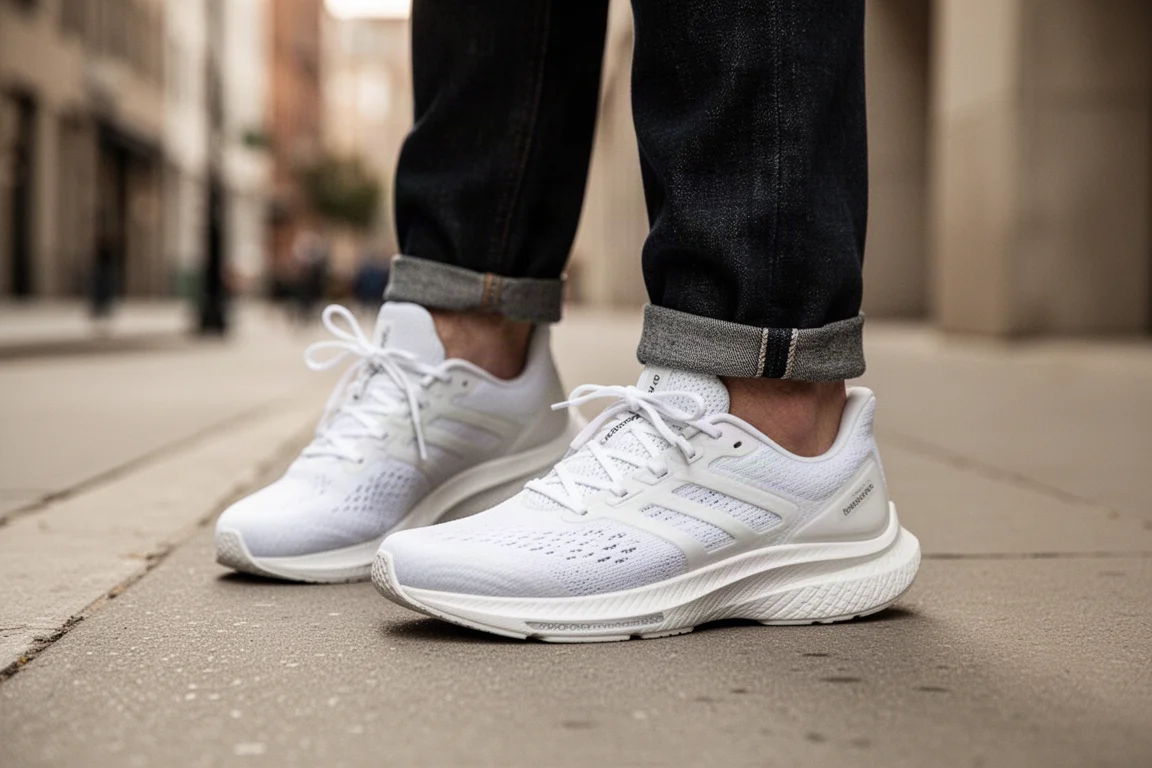
If you want a carbon-plated shoe that looks better than anything else on the shelf, doubles as a casual sneaker, and is built with durability in mind, this is one of the few options that delivers. If you want maximum performance per dollar, better options exist. The durability claim of wear-resistant rubber will be the deciding factor, and a 200-mile test is the plan to verify it.
Conclusion
The Diadora Gara is a well-made, versatile carbon racer that trades aggressive geometry and low weight for comfort, durability, and outstanding design. The PEBA foam and forward-biased Ducati plate make it genuinely fast at 5K to mile paces, and its smooth, simple ride works surprisingly well at training paces too. At $300 it is not the value pick, but for runners who want the best of both worlds, race-day capability and everyday wearability in a shoe that looks like nothing else, it is one of the most interesting releases in the carbon racing category.
Product link
View more details for Diadora Gara
This product is mentioned in the review. Check the specifications, options, and compatibility before buying.
View more details for Diadora GaraFurther reading
Related Reviews

Running Shoes
Best Road-to-Trail Running Shoes: Three Versatile Options for Mixed Terrain
A practical guide to three road-to-trail running shoes that handle both pavement and mild trails, with clear strengths and trade-offs for different runner types.

Running Shoes
Best Running Shoes for Achilles Tendonitis: Three Options Explained
Three running shoes with different heel drops and support features designed to help reduce Achilles tendon pain during walking and running.

Running Shoes
Best Running Shoes for Women: Five Top Choices Ranked
A ranked guide to five women's running shoes, from versatile daily trainers to high-performance racing options, with real strengths and trade-offs for each.