Running Shoes
Diadora Gara 3 Review: A Soft Marathon Racer That Asks Too Much for $310
Diadora's redesigned carbon race shoe brings a lighter build and a clean European look, but a very soft ride and dated foam hold it back against sharper rivals.
Introduction
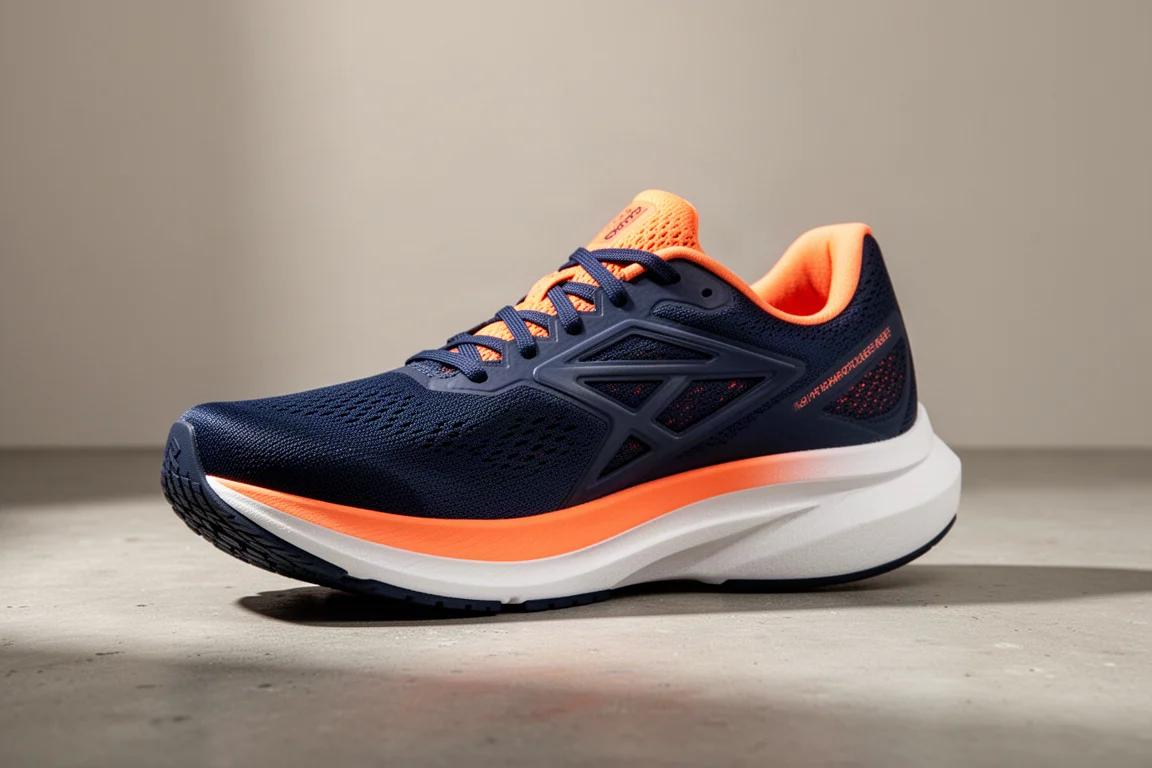
The Diadora Gara 3 arrives as a claimed full redesign of the Gara line, and it carries a serious price tag: $310. That makes it one of the most expensive carbon race shoes on the market, more than the Puma Fast-R 3, at least on paper. Diadora positions it as a fast, stable, and efficient marathon racer built on the classic formula: PEBA foam and a full-length carbon fiber plate with normal geometry and a normal drop.
After a tempo-focused test run, the picture is mixed. This is a legitimate race shoe with a stable, comfortable feel, but the foam feels a generation behind the current leaders, and the asking price is very hard to justify against cheaper alternatives that do the same job better.
Who This Product Is For
The Gara 3 sits in the soft marathon racer category: shoes that are not the most aggressive on the market but still carry that fast super shoe quality, soften the pounding on your legs, and make hard training days more enjoyable. Think shoes like the Saucony Endorphin Elite V5, the Li-Ning Feidian 6 Elite, and the Hoka Cielo 3.
If you are a forefoot runner or someone who values comfort and protection over outright speed, this shoe has some appeal. Heel strikers and runners who want effortless turnover should look elsewhere, because the Gara 3 makes you work to earn its pace.
First Impressions and Design
Out of the box, the Gara 3 has a clean, European design aesthetic, almost a Tracksmith or Adidas Samba vibe with a single-color low-volume upper and minimal swoopiness. It is not flashy, but it is tidy.
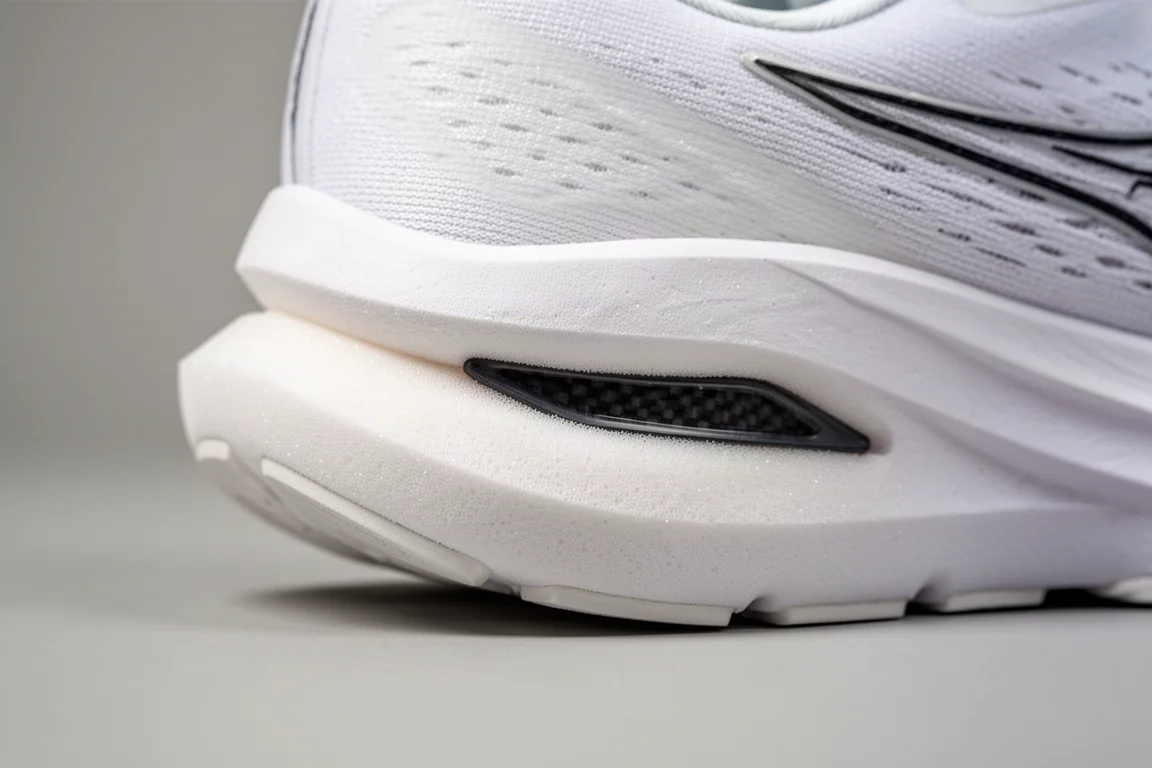
The most striking detail is an aggressive geometric cutout on the lateral side of the midsole, with no matching cutout on the medial side. There is a visible plate window and a pronounced heel bevel at the back. The heel bevel should help heel strikers on paper, but in practice it became one of the ride’s bigger problems, which we will get to below.
Diadora lists key updates over the Gara 2: energy return raised to 85 percent, weight cut to 205 g in a sample size (which works out to roughly 217 g in a US men’s 10.5, about 15 g lighter than the previous version), a refined forefoot shape for a less sloppy fit, improved stability via forefoot plate wings, a streamlined upper inspired by track spikes, and asymmetrical heel geometry. The midsole remains the Anima PBX, with a claimed 39/34 mm stack, though measured heel height came in closer to 36 mm. The upper itself is a strange one: a plasticky, almost car-seat-like texture on the tongue that is neither lightweight nor especially comfortable. It is serviceable, but it does not feel premium.
How It Runs: The Ride
On the run, the story is softness, and a lot of it. The Anima PBX foam compresses heavily under load, and unlike the newer soft-but-responsive compounds in this category, it mushes down rather than snapping back. At easy and recovery paces, the heel feels gummy and muddy, like you are fighting through the back of the platform before you can get to the front.
At tempo effort, things improve. Landing up on the forefoot produces a nice toe-off, and during the core of a four-mile tempo the shoe moved reasonably well. The full-length carbon plate is there to stabilize the foam and reinforce the rocker rather than act as a spring, and the forefoot rocker is decent.
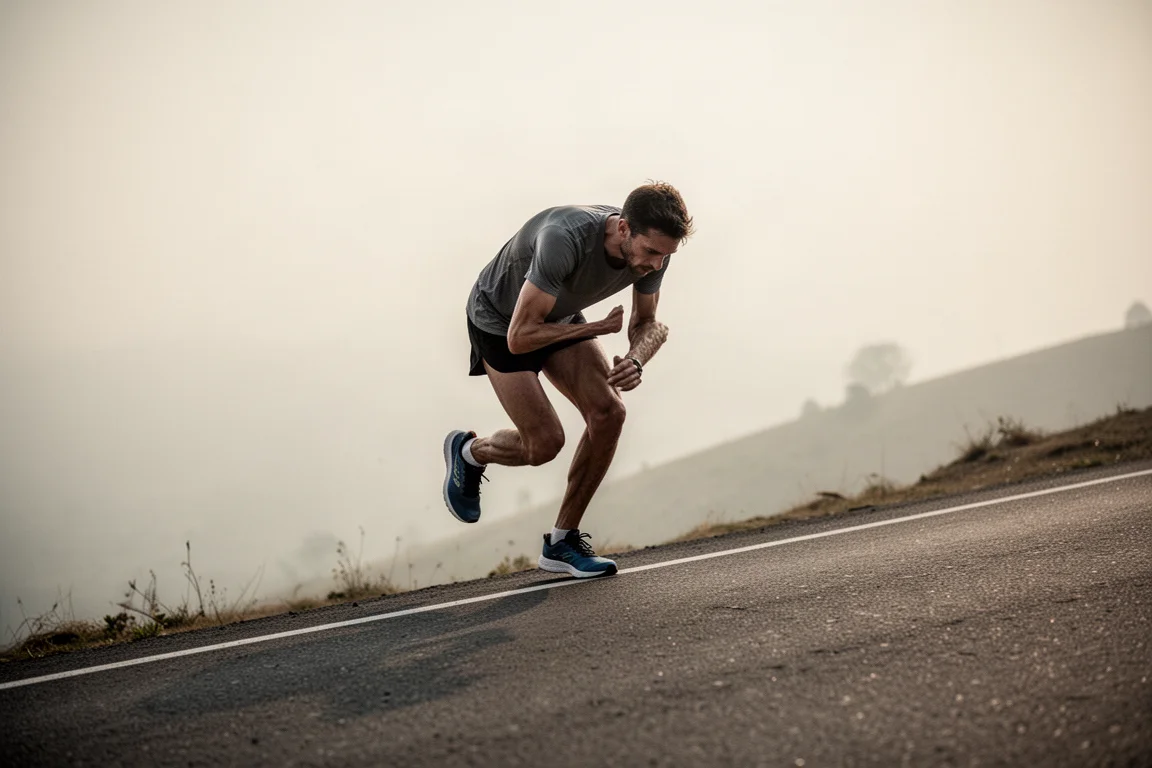
But the shoe demands strength. Unless you are landing right at the front of the shoe, the soft foam and the low, flat heel geometry drag on your stride. On tired legs, it felt like more physical and mental effort than the best shoes in this category require. The aggressive heel bevel in particular created a ducktail sensation that slowed the transition through the back of the shoe.
The claimed redesign does not feel dramatic on the road. The Gara 3 runs very similarly to the first two versions: a very soft ride that requires near-perfect form to deliver propulsion, and that feels like it is holding you back when you are not running with strength.
How It Compares in the Category
Against the current soft racer benchmark group, the Gara 3 comes up short:
- The Saucony Endorphin Elite V5 (225 g) has a touch more firmness and snap, feels easier to get going, and avoids the fighting-against-the-heel problem, for roughly $250 to $260.
- The Li-Ning Feidian 6 Elite (about 220 g) is super soft yet fast, easy to dial up, and sits around $200.
- The Hoka Cielo 3 (216 g, roughly $280) delivers around 45 mm of measured stack at the same weight and is arguably the best implementation of the higher-stack protective race shoe right now.
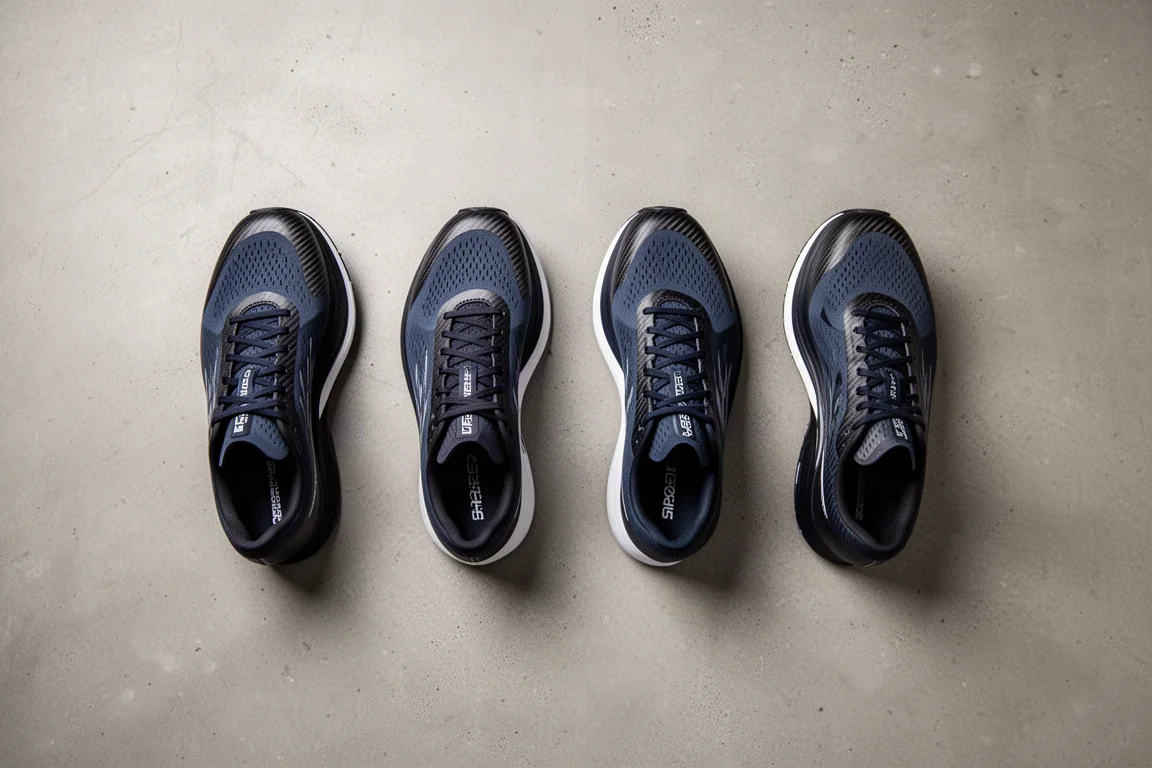
The Gara 3’s weight is actually competitive at 217 g in a US men’s 10.5, lighter than the Endorphin Elite V5 and the Feidian 6 Elite. The cutout on the lateral side had no noticeable effect on the ride. The problem is everything around the weight: the foam feels outdated, the geometry fights slower paces, and the shoe is made in China despite the Italian heritage pricing. Challenger brands are now delivering better soft race shoes at $200, which makes $310 extremely difficult to defend on pure performance.
Things to Consider Before Buying
Three changes would transform this shoe. First, the foam: Anima PBX is not up to par with current aliphatic TPUs or newer PEBA compounds, and a simple geometry needs a more exciting foam to stand out. Second, the geometry: the heel setup and flat transition from back to forefoot kill the shoe at anything below hard effort. Third, the weight is fine, but it cannot compensate for the other two issues.
If you like the clean styling, that is a legitimate reason to pick it up. For anything you would actually want the shoe to do, better and cheaper options exist.
Buying Advice
Skip this one unless you find it heavily discounted. It is a genuine carbon-plated race shoe, and it would beat a trainer like a Boston, an Endorphin Speed, or a Superblast for a real race. But within the race shoe category, especially at this price, it does not earn a recommendation. Treat it as a B-tier shoe: not terrible, just outclassed by the Endorphin Elite V5, Feidian 6 Elite, and Cielo 3 at lower prices.
Conclusion
The Diadora Gara 3 is a stable, decently light, and comfortable carbon race shoe with an understated European look. But very soft, dated foam, geometry that punishes heel strikers and tired legs, and a $310 price point make it a tough sell in the most competitive race shoe market yet. Diadora needs a foam overhaul and a geometry rethink before this platform can genuinely compete.
Product link
View more details for Diadora Gara 3
This product is mentioned in the review. Check the specifications, options, and compatibility before buying.
View more details for Diadora Gara 3Further reading
Related Reviews

Running Shoes
Best Road-to-Trail Running Shoes: Three Versatile Options for Mixed Terrain
A practical guide to three road-to-trail running shoes that handle both pavement and mild trails, with clear strengths and trade-offs for different runner types.

Running Shoes
Best Running Shoes for Achilles Tendonitis: Three Options Explained
Three running shoes with different heel drops and support features designed to help reduce Achilles tendon pain during walking and running.

Running Shoes
Best Running Shoes for Women: Five Top Choices Ranked
A ranked guide to five women's running shoes, from versatile daily trainers to high-performance racing options, with real strengths and trade-offs for each.