Work Boots
DeWalt Work Boots Review: Puncture Protection That Holds Up After a Year
A year-long look at DeWalt work boots with steel toe, waterproofing, and an oil-resistant sole, plus an affordable steel insole upgrade for puncture protection.
Introduction
Foot protection rarely gets the attention it deserves. Safety glasses and a careful mindset cover a lot of hazards, but a nail sticking out of a board can undo all of that in a single step, whether you are on a job site, in your garage, or walking a client’s property.
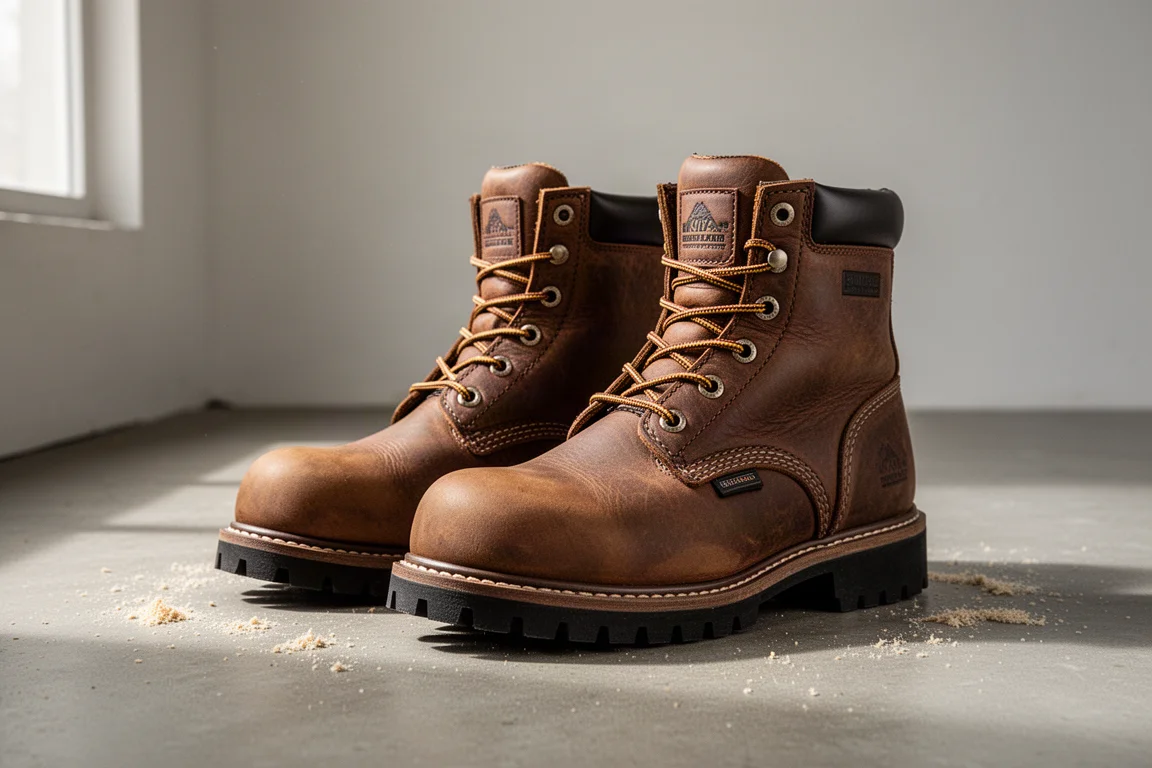
These DeWalt work boots have been in regular use for about a year, and they have held up far better than the Wolverine boots owned previously, which had soles peel off within just a few months. The DeWalt pair impressed enough to become the default choice for anything involving sharp objects underfoot, and paired with an affordable steel insole, they offer a level of puncture protection most boots simply do not include.
Who This Product Is For
These boots suit anyone working around sharp debris: contractors, handymen, garage tinkerers, and homeowners cleaning up storm damage. The key features that made this pair stand out are a steel toe, waterproof construction, an oil-resistant sole, and, crucially, a design that works well with puncture-resistant insoles.
One honest caveat: the wearer does not mind replacing work boots every year, so longevity expectations should be realistic. If you want a boot that lasts several seasons of heavy daily use, that trade-off is worth considering before buying.
Why Puncture Protection Matters
A close call makes the point better than any spec sheet. While walking a client’s backyard to inspect a fence toppled by Hurricane Ian, a nail sticking out of the boards caught a foot in regular sneakers. The full weight never landed on it, but the skin broke, and a tetanus shot became part of the day’s plan.
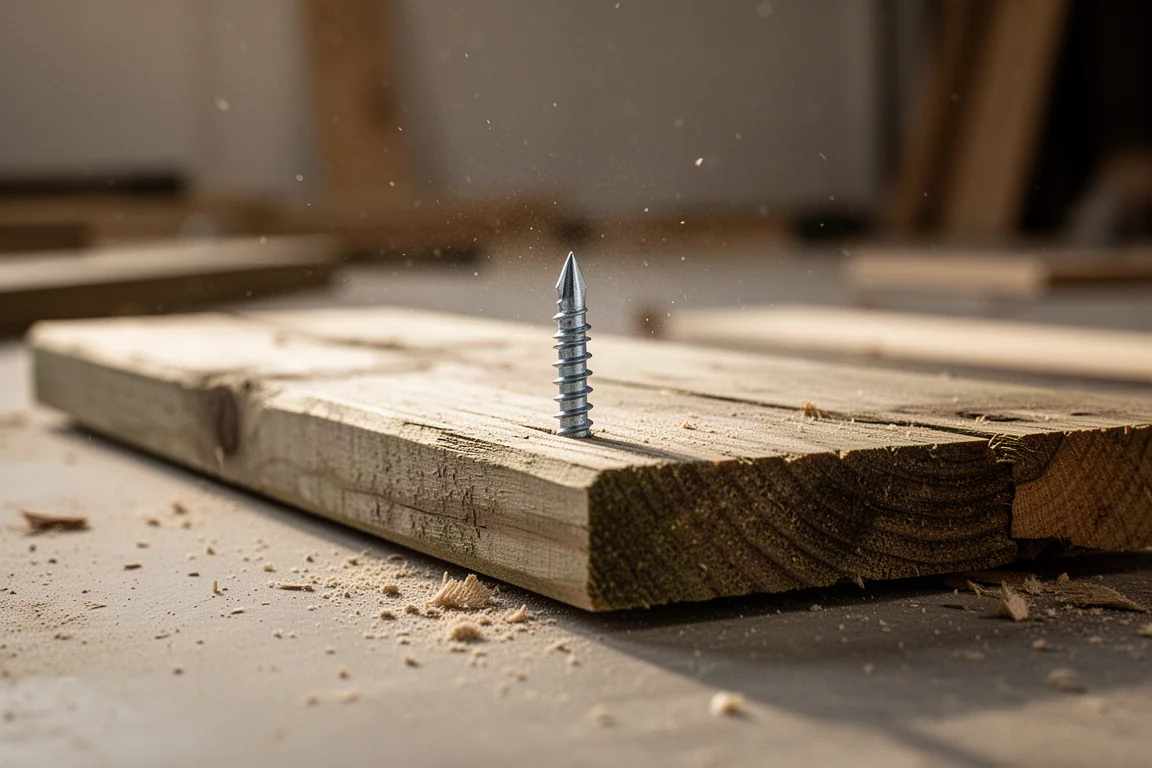
That kind of incident is exactly why the steel-toed insole recommendation comes up in almost every conversation about job site footwear. Tetanus shots should stay current regardless, but preventing the puncture in the first place is the better outcome.
The Steel Insole Upgrade
The simplest way to add puncture resistance to almost any boot is a steel insole. These are inexpensive, and the pair in use here has lasted about a year, worn three or four days a week on the more hazardous jobs.
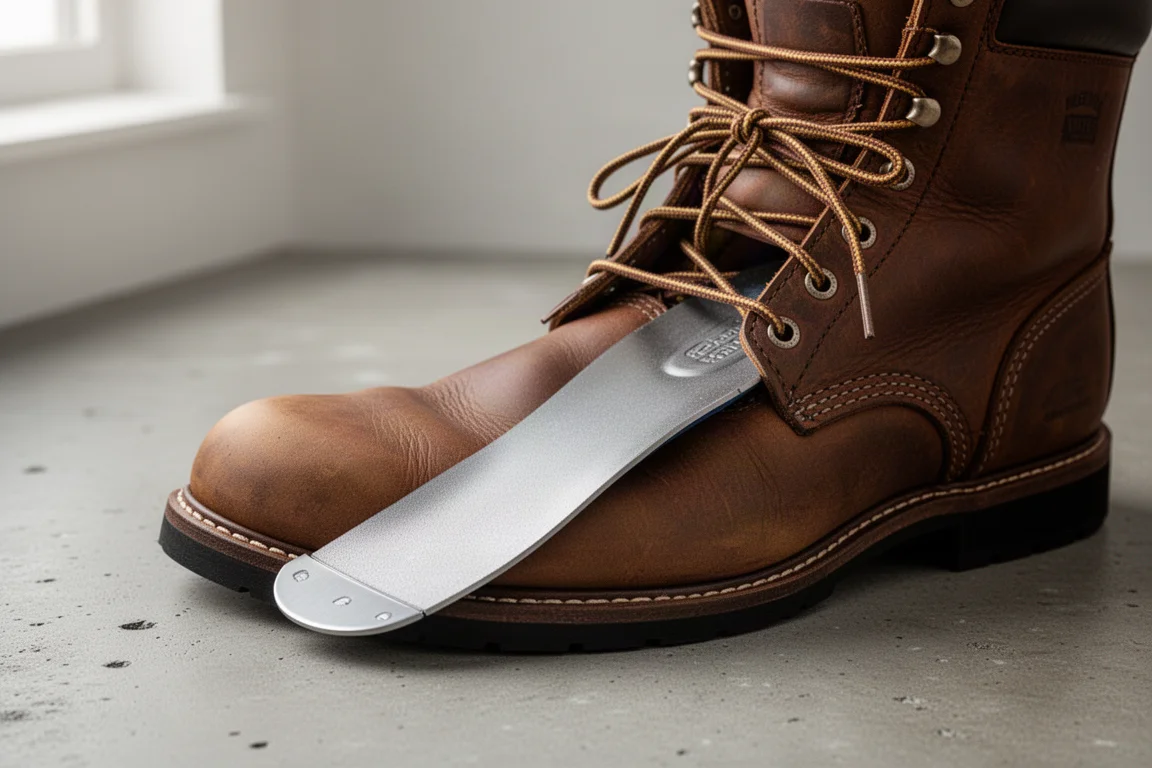
The construction is straightforward: a steel plate roughly 0.3 millimeters thick sits inside the foam, and the claimed rating is 260 pounds of puncture resistance, which the brand says it exceeds. Two honest trade-offs to know before buying. First, they add noticeable weight to the boot, since you are literally strapping a metal plate under your foot. Second, the plate is far less flexible than it looks, which makes walking feel a bit stiffer. For the protection gained, both are easy compromises.
How Weak Are Regular Shoes?
A simple demonstration shows why the insole earns its place. Pressing a screw against the sole of a casual sneaker takes only about 10 to 20 pounds of force to push all the way through into the inside of the shoe. Thicker, tougher work boot soles fare better, but around 50 to 60 pounds of downforce still gets through.
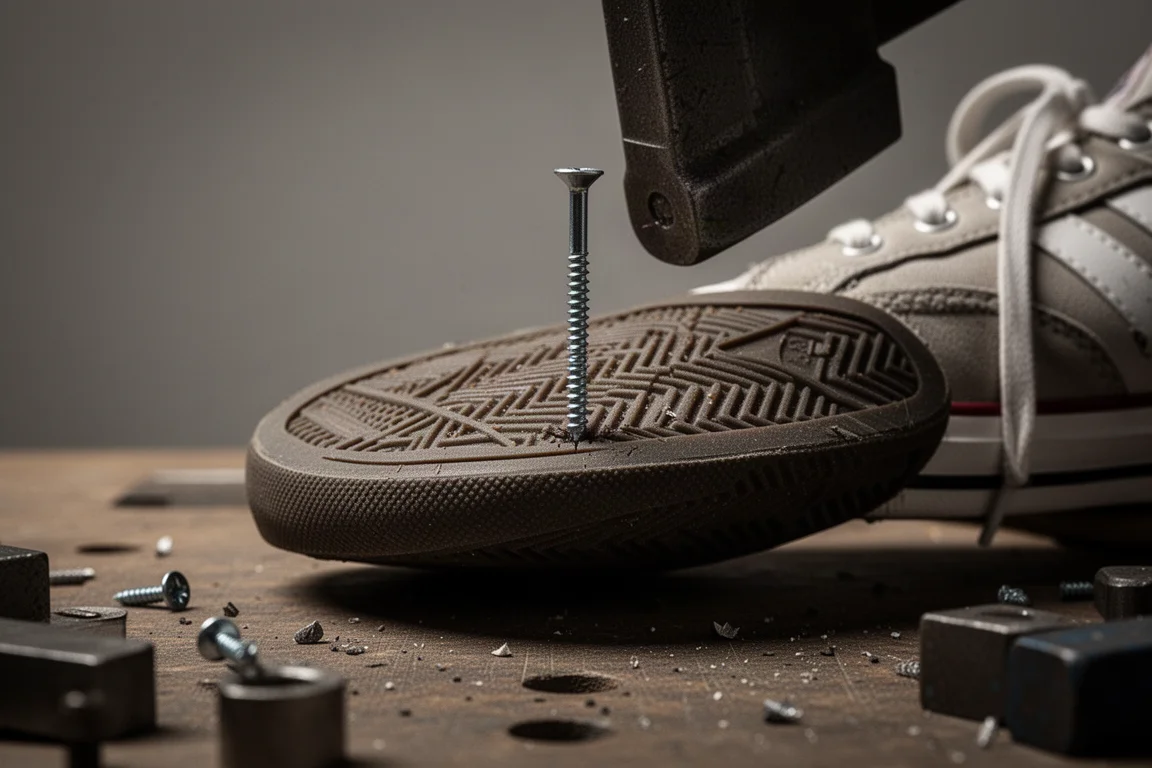
With the steel insole in place, the result changes completely. Standing with full body weight directly on a screw in the heel of a sneaker fitted with the insole, the point lodged against the metal plate and never reached the foot. The shoe was pinned to the screw, but the foot inside was completely unharmed. That is the difference between a minor scare and a serious injury, and when you weigh the roughly $30 cost against potential medical bills and lost work time, the math is not close.
Durability After a Year of Use
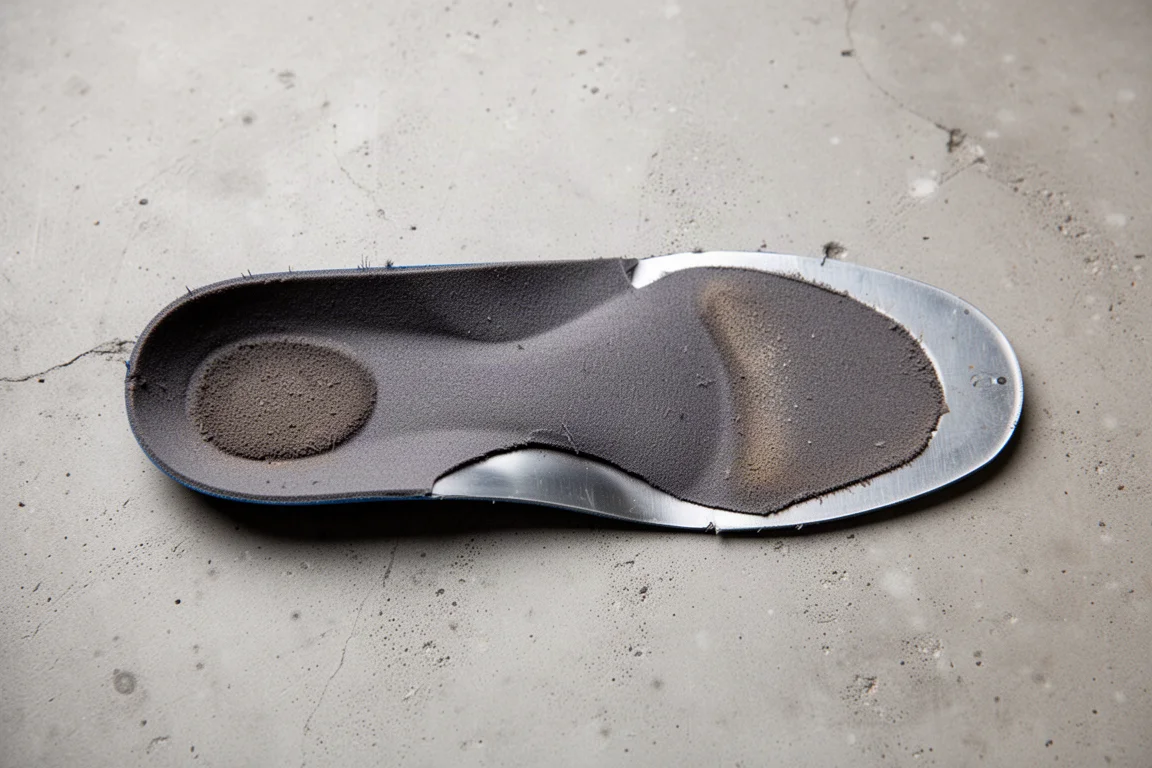
After roughly a year of wear, mostly driving between job sites and dump runs rather than long days of walking, the insole has held up remarkably well. The heel shows typical wear patterns, and there is minor creasing where the toes rest, but the steel plate itself shows no rust, no holes, and no visible damage. Several encounters with nails have left barely perceptible marks on the plate’s underside.
The only real flaw is a small rip in the foam near the toe area, likely from the big toe rubbing during walking, which will gradually break down the foam layer over time. The protective plate underneath remains fully intact, which is what actually matters.
Buying Advice
If your work or home projects involve nails, screws, or sharp debris, a combination of solid work boots and a steel insole is one of the cheapest safety upgrades available. Accept the added stiffness and weight, keep your tetanus shots current, and wear the boots even for quick tasks like walking a property for a bid, because punctures do not schedule themselves around convenient moments.
For the DeWalt boots specifically, they make sense if you value steel toe, waterproofing, and an oil-resistant sole, and you are comfortable with an annual replacement cycle rather than multi-year durability.
Conclusion
A modest investment in puncture protection can be the difference between stepping on a nail and walking away, or ending up with a serious foot injury. These DeWalt work boots, especially with a steel insole added, deliver that protection at a sensible cost, with a year of real use to back it up.
Product link
View more details for DeWalt Work Boots
This product is mentioned in the review. Check the specifications, options, and compatibility before buying.
View more details for DeWalt Work BootsFurther reading
Related Reviews
Work Boots
Keen Cincinnati vs Liberty: Which Wide Toe Box Work Boot Wins?
A detailed comparison of two popular Keen work boots reveals significant differences in construction, materials, and durability despite similar positioning.
Work Boots
12 Steel Toe Work Boots Tested: Budget Pair Against Nearly $300 Flagships
Twelve work boots go through traction, puncture, toe crush, heat, and electrical hazard testing, plus a half-mile comfort walk. The results are not what the price tags suggest.
Work Boots
Best Work Boots 2026: Our Top Picks for Comfort, Safety, and Value
Six work boots that stood out in testing, from a waterproof pick to a budget favorite and a three-time best overall winner.