Work Boots
DeWalt DXWP100 vs Wolverine Steel Toe Work Boots: Which Holds Up Better?
Two steel toe work boots tested on construction sites and in wet conditions, with honest notes on durability, waterproofing, and sole failure.
Introduction
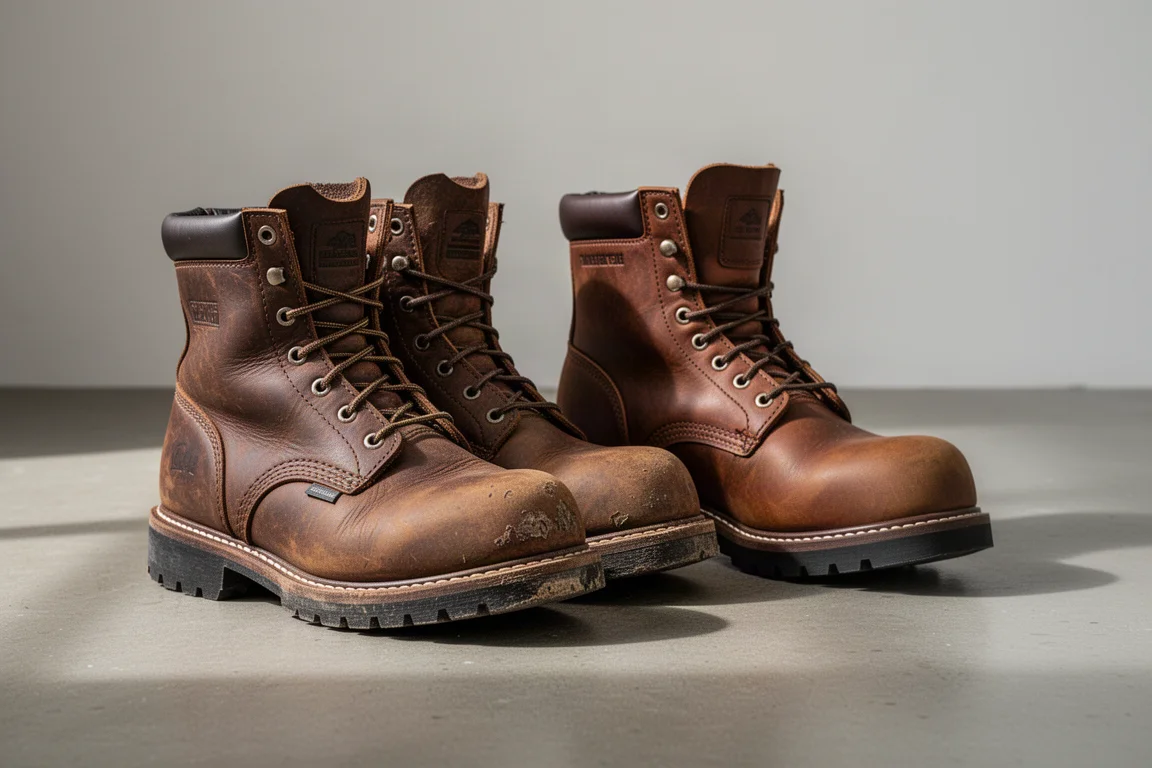
Work boots do not get the attention they deserve, even though most of us wear them every single day. Anyone working around nails, heavy concrete, and rough ground knows how much depends on a boot that keeps its sole intact and its toe protected. After long-term use of two steel toe pairs, both size 11, one pair from Wolverine and one from DeWalt, here is how they compare for real jobsite work.
What to Look for in Steel Toe Work Boots
For demanding sites such as landfills and heavy construction, a steel toe cap and a metal sole plate are the essentials. The steel plate stops nails from pushing through the entire shoe, and the toe cap protects against dropped materials. Beyond safety, the things that separate a good pair from a frustrating one are sole durability, slip resistance, waterproofing, and how the leather holds up without constant conditioning.
DeWalt DXWP100: Durability and Sole Wear
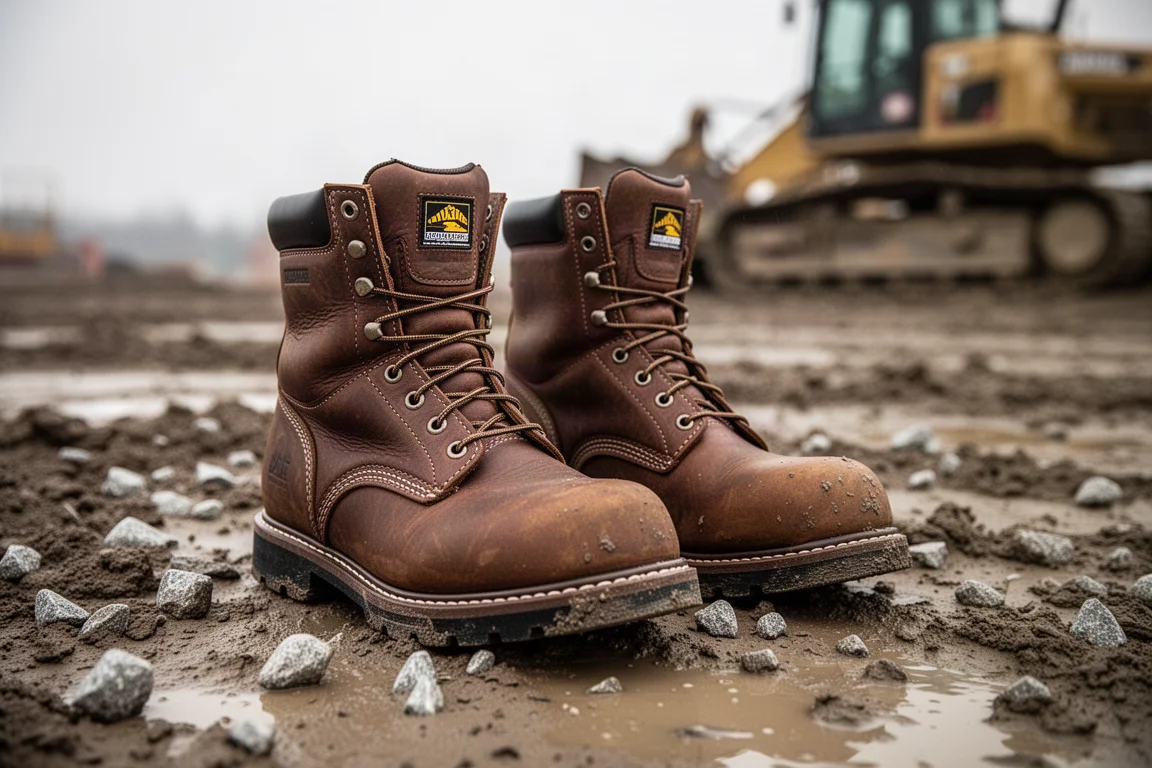
The DeWalt DXWP100 has been in use for around six to eight months, and so far there are no complaints. The leather has held up well without any oil or conditioning, the laces show no issues, and there have been no punctures through the shoes. What stands out most is the soles: where other boots tend to show visible wear, these have barely aged.
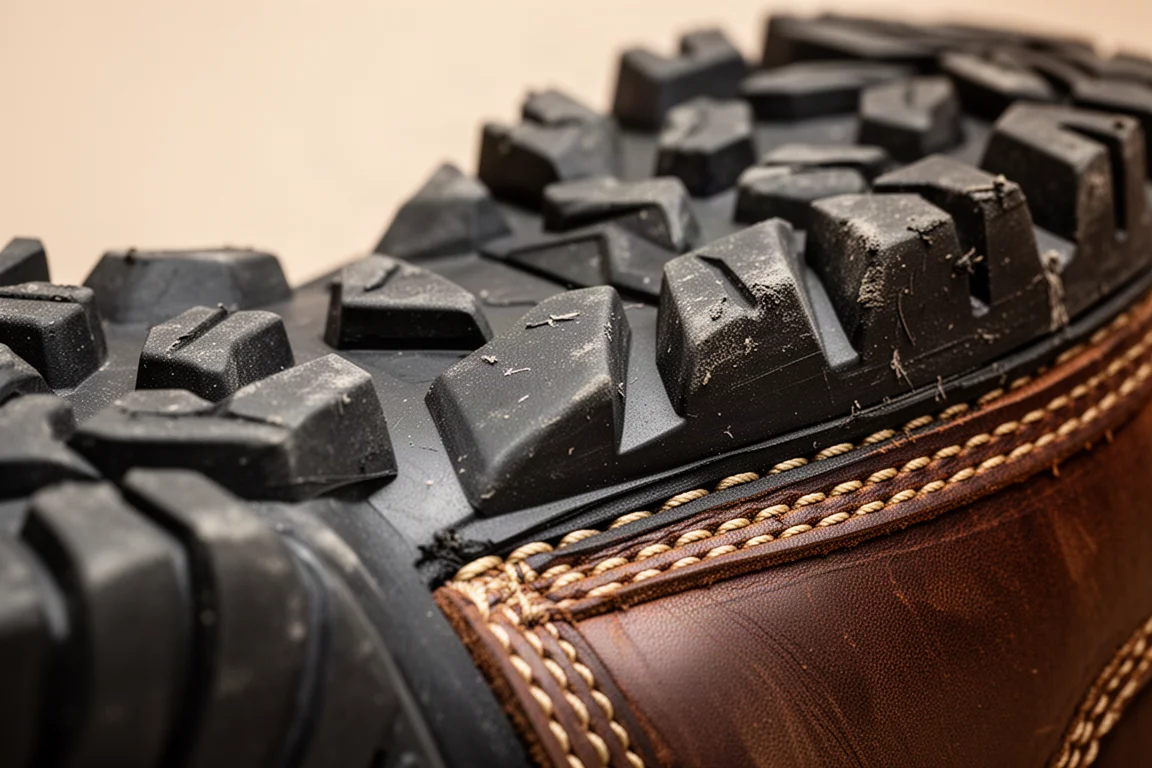
Like the Wolverine pair, these are size 11 steel toe boots fitted with a replacement metal sole for nail protection. A typical pair of boots tends to last about a year before issues start appearing, so the next six months will be the real test. At the halfway point, the signs are encouraging.
DeWalt DXWP100: Waterproofing in Wet Conditions
Slip resistance has been genuinely good, which matters in consistently wet conditions. In Florida, rain and puddles are constant, and these boots have been tested in water deep enough to reach well up the shaft. The feet stayed completely dry with no issues.
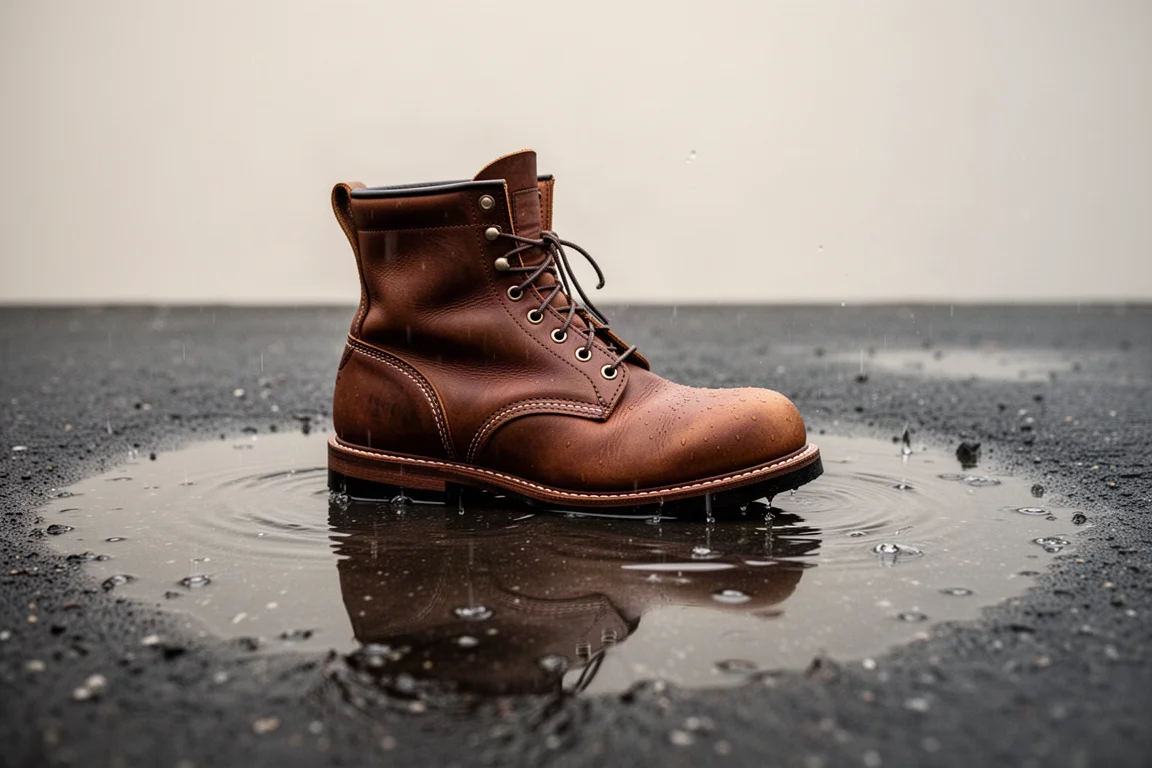
DeWalt claims the boots are waterproof and breathable, and in practice they live up to it, with one caveat: once water comes over the top of the boot, it can get inside, which is true of any boot at that depth. For rain, puddles, and wet ground, they perform as advertised.
Wolverine Steel Toe Work Boots: A Solid Beater Boot with One Known Weakness
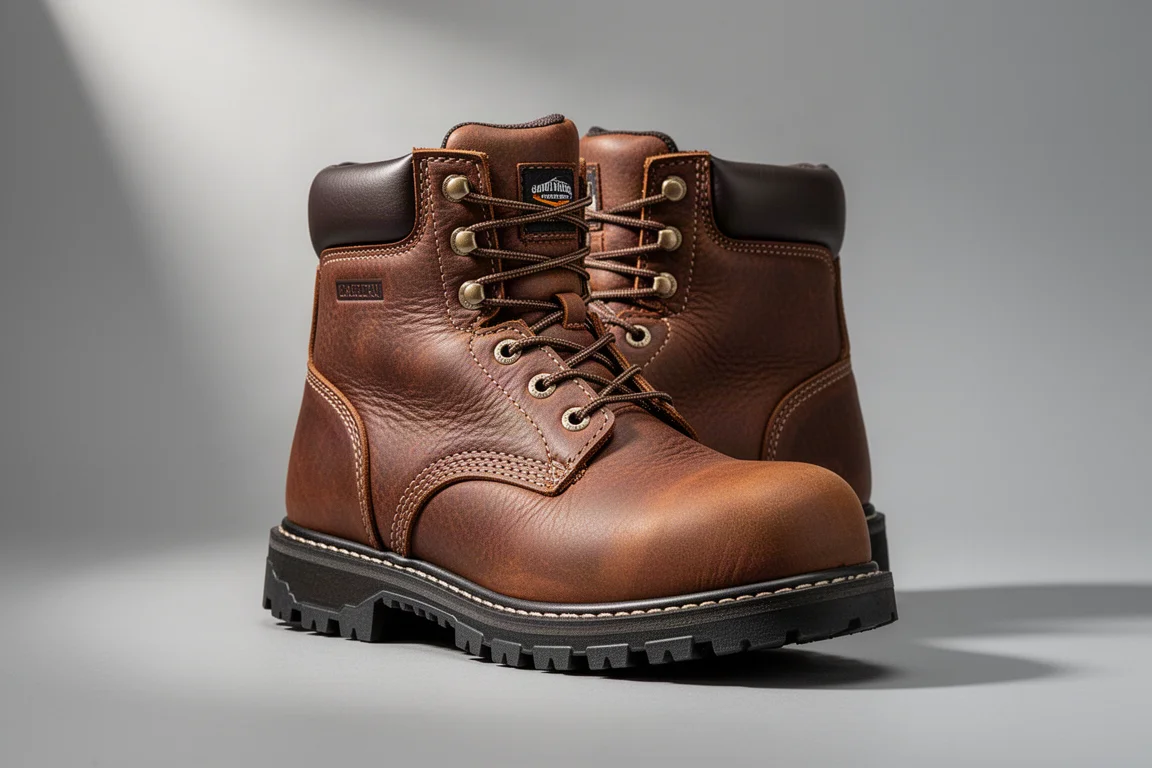
The Wolverine pair has been in use for about a year and a half, and this is actually the second pair. Both pairs developed the same problem: part of the sole started coming loose. On the current pair, the sole was re-glued and reinforced with screws, and the boots now serve as dedicated beater boots for the dirtiest jobs.
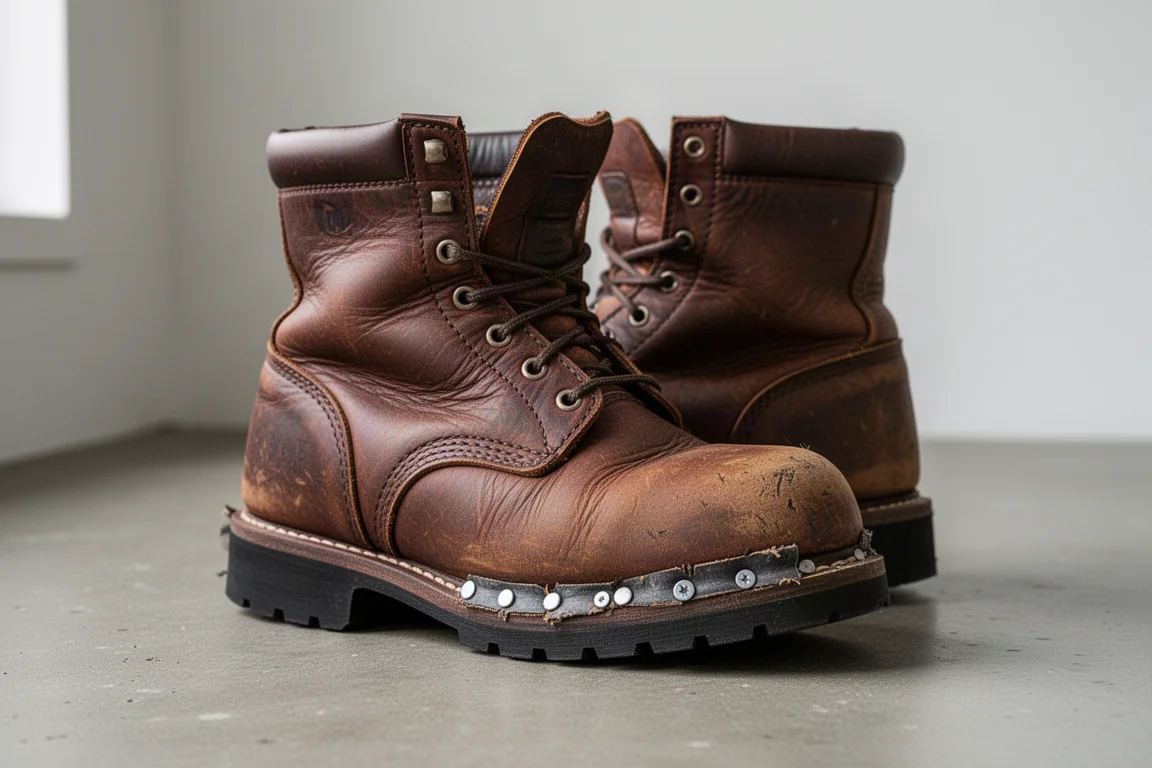
That recurring sole failure is the main reason to hesitate, since it appeared on two separate pairs bought brand new. In every other respect the boots performed well, and they remain a reasonable choice if you accept that the sole may need attention after about a year of heavy use.
Buying Advice: Which Pair Makes Sense for You
Work boot comfort is personal, so trying pairs on and seeing what fits your feet matters as much as any spec. That said, the track records here are instructive. If sole durability and wet-weather performance are priorities, the DeWalt DXWP100 has shown minimal wear and strong waterproofing at the halfway mark of its expected lifespan. If you want a cheaper beater boot you do not mind repairing, the Wolverine pair has proven tough enough to keep working even after a sole failure.
Conclusion
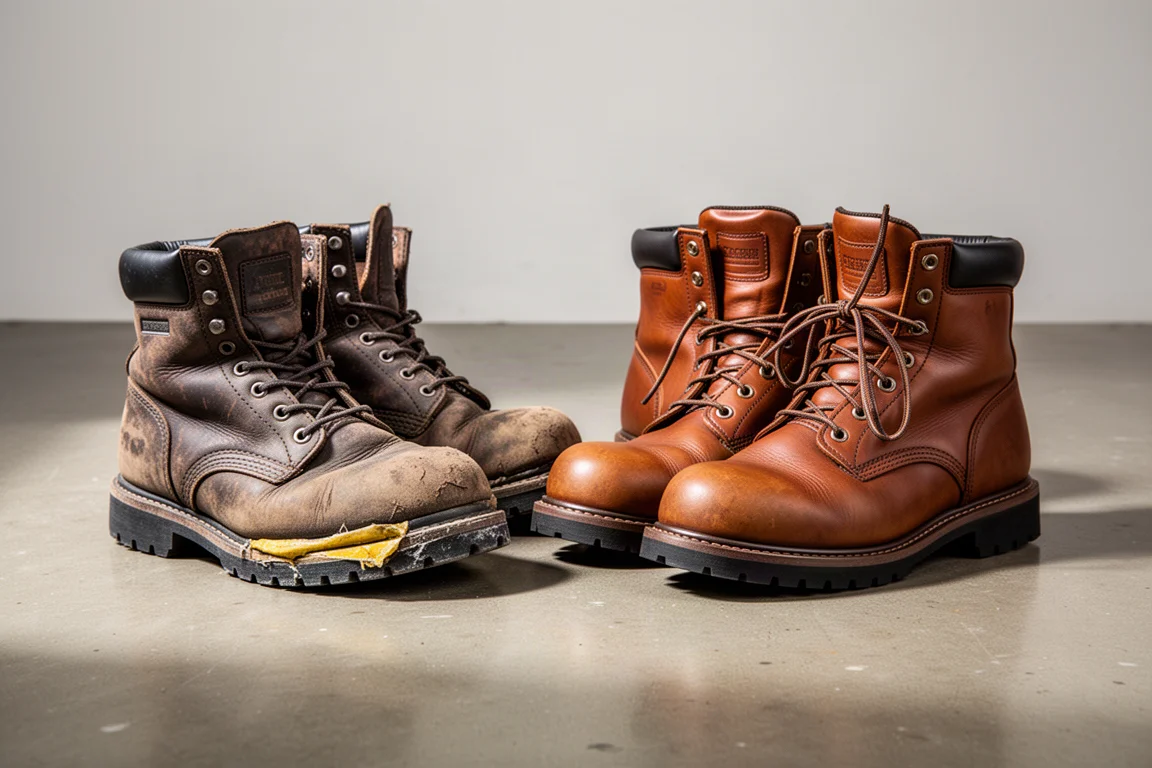
Both pairs of steel toe boots have earned their place on the jobsite, but they serve different purposes. The DeWalt DXWP100 is the stronger all-around performer so far, with excellent sole wear, dry feet in heavy rain, and no punctures. The Wolverine boots are a proven workhorse with a known sole weakness worth factoring in before buying.
Further reading
Related Reviews
Work Boots
Keen Cincinnati vs Liberty: Which Wide Toe Box Work Boot Wins?
A detailed comparison of two popular Keen work boots reveals significant differences in construction, materials, and durability despite similar positioning.
Work Boots
12 Steel Toe Work Boots Tested: Budget Pair Against Nearly $300 Flagships
Twelve work boots go through traction, puncture, toe crush, heat, and electrical hazard testing, plus a half-mile comfort walk. The results are not what the price tags suggest.
Work Boots
Best Work Boots 2026: Our Top Picks for Comfort, Safety, and Value
Six work boots that stood out in testing, from a waterproof pick to a budget favorite and a three-time best overall winner.