Tools & Garage
DeWalt Battery Jump Starter Review: Bare-Bones Boosting With a Catch
A jump pack that runs on your own DeWalt 20V or FlexVolt batteries, rated up to V8 engines, with a few real limitations to know first.
Introduction
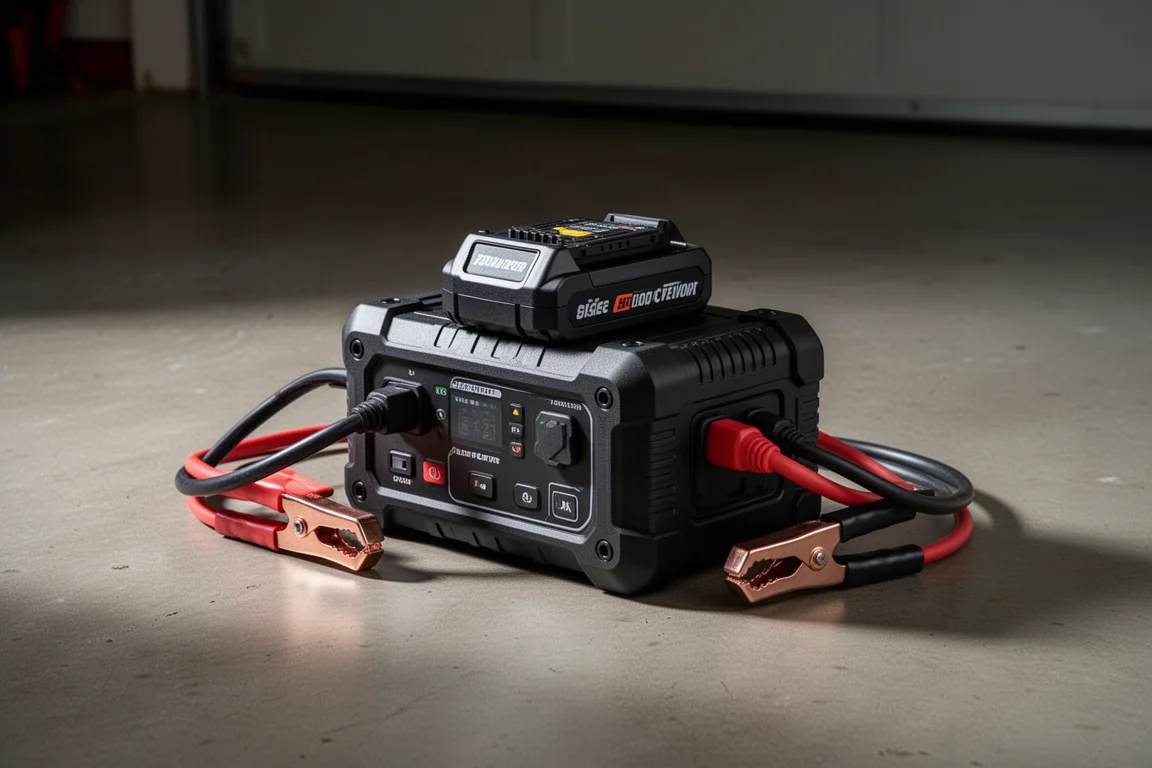
Most jump packs come with their own sealed internal battery that ages out whether you use it or not. This DeWalt unit takes a different approach: you supply the power yourself by clicking on any DeWalt 20V or 60V FlexVolt battery. That makes it an interesting option for anyone already invested in the DeWalt battery platform.
It is rated for engines up to V8, gas or diesel, which sounds generous on paper. After several days of testing, the reality is a bit more nuanced.
What It Is and Who It’s For
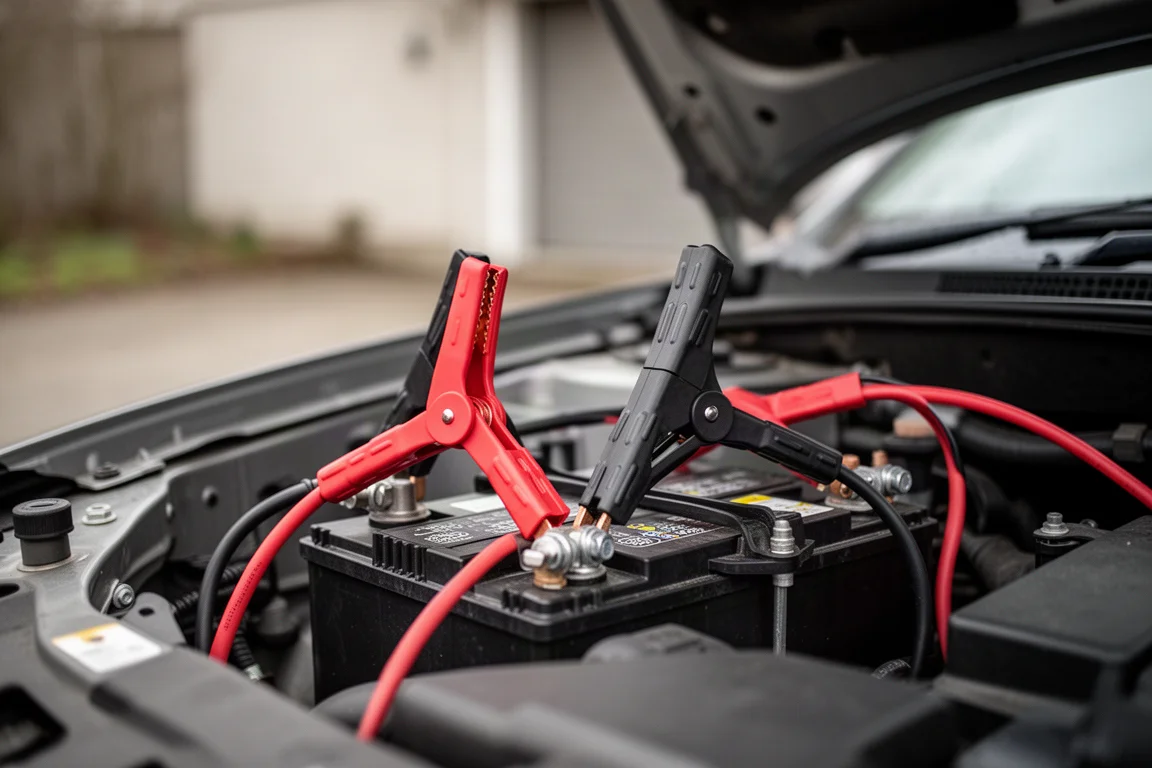
The concept is simple. You attach a charged DeWalt battery, clamp the leads to your vehicle battery, and the unit charges the weak battery until it is ready to boost. It is a small, portable pack that piggybacks on batteries many homeowners and tradespeople already own, so there is no separate lithium pack sitting on a shelf slowly self-discharging.
If you already have DeWalt 20V Max or FlexVolt batteries, this is one of the cheapest ways to add jump-starting capability to your kit. If you do not, the economics change and a traditional jump pack may make more sense.
Real-World Test Results
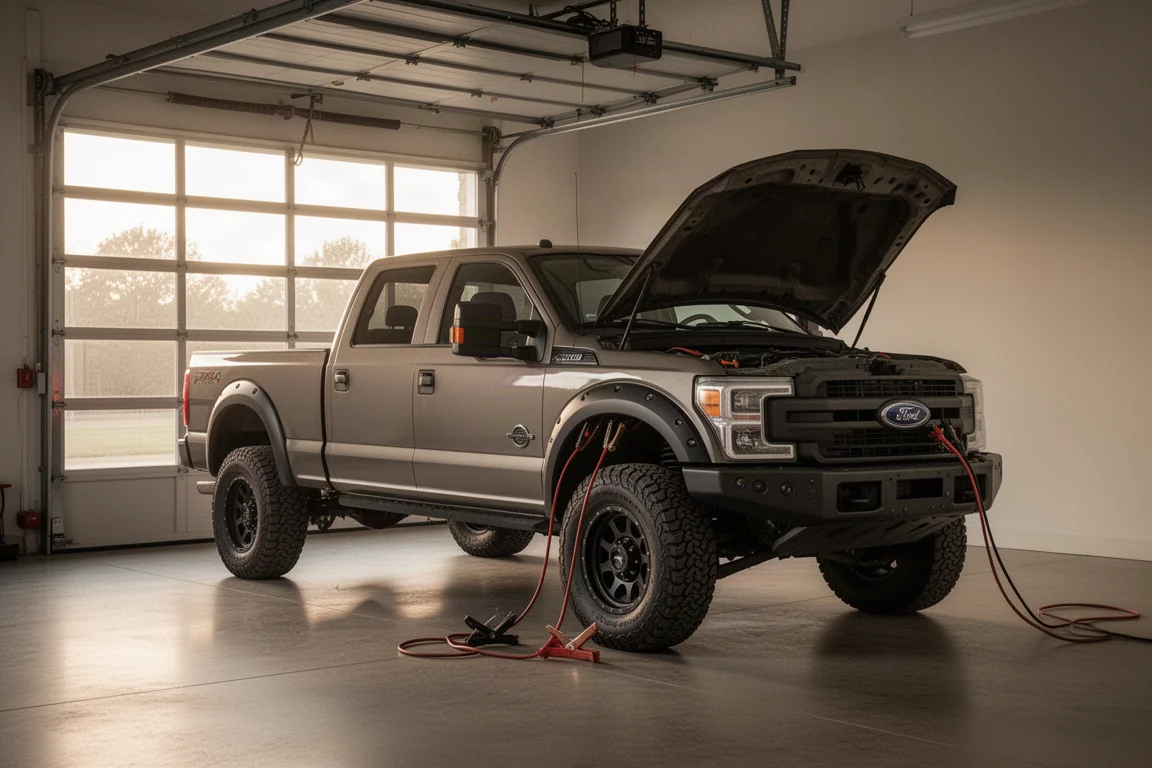
The test vehicle was a Ram 2500 with a 6.7L Cummins turbo diesel. That is a six-cylinder engine running on two batteries, so it sits at the demanding end of what a compact pack should handle.
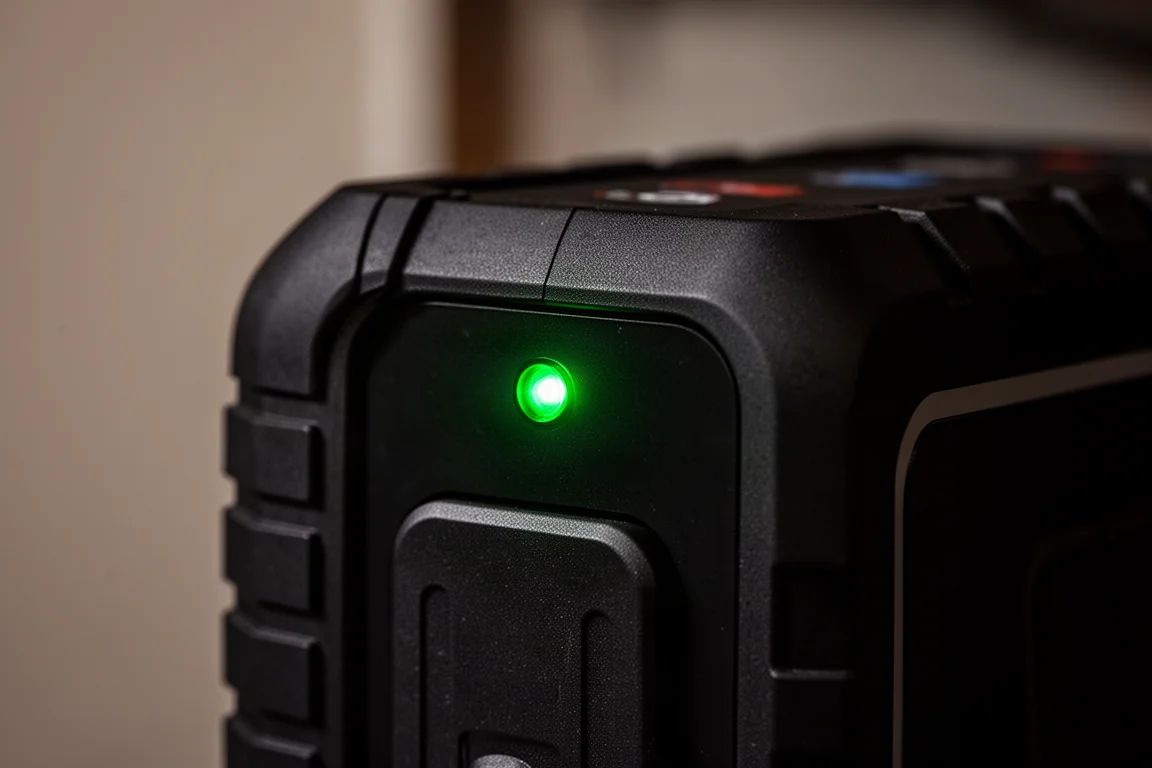
Starting from a reading of 11.4 volts and a fully charged 9Ah battery, the unit took about five minutes of charging before showing a solid green ready light. That process used roughly one bar of the battery’s charge. With the pack connected, the truck started. Disconnecting it confirmed the truck would not start on its own at that voltage, so the boost genuinely did the job.
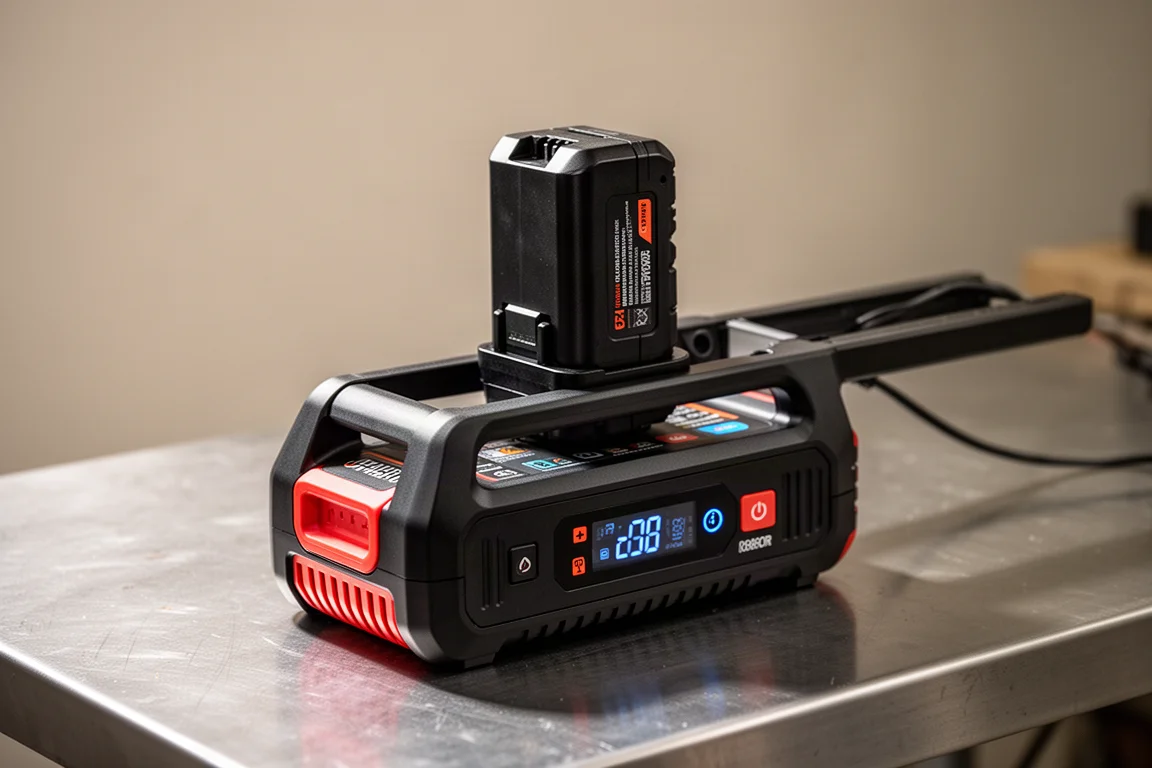
The catch showed up over repeated testing. Across several days alongside other jumpers, this DeWalt only managed to start the truck when the battery voltage was just under the level where it could start by itself, around 12 volts. On a dual-battery diesel, it ran out of authority quickly.
Things to Consider Before Buying
The biggest limitation is at the low end. If the dead battery is under about 2 to 3 volts, this unit will not turn on at all. There is no override button to force it into boost mode, and there was no obvious workaround; the indicator lights worked, showing the unit had power, but it simply would not read the voltage.
Other points worth weighing:
- Best suited to single-battery cars and light trucks, not dual-battery diesels
- Needs a charged DeWalt battery, which is a separate cost if you are not already on the platform
- No forced-boost override for deeply discharged batteries
Buying Advice
Buy this if you already own DeWalt batteries, drive a single-battery gas or light-duty diesel vehicle, and want a compact backup for marginal batteries rather than fully dead ones. It proved it can revive a truck that would not start itself, which is exactly the scenario most people actually face.
Skip it if you run a dual-battery diesel, expect to revive batteries that have sat dead for months, or have no DeWalt batteries to power it. In those cases, a self-contained jump pack with more headroom is the safer buy.
Conclusion
The DeWalt battery jump starter is a clever platform play: small, portable, and powered by batteries you may already own. It delivered a real start on a marginal battery, but it is not built for dual-battery diesels or deeply discharged cells. For the right owner, it is a handy glovebox companion; for everyone else, it is worth looking at alternatives with more reserve power.
Product link
View more details for DeWalt Battery Jump Starter
This product is mentioned in the review. Check the specifications, options, and compatibility before buying.
View more details for DeWalt Battery Jump StarterFurther reading
Related Reviews
Tools & Garage
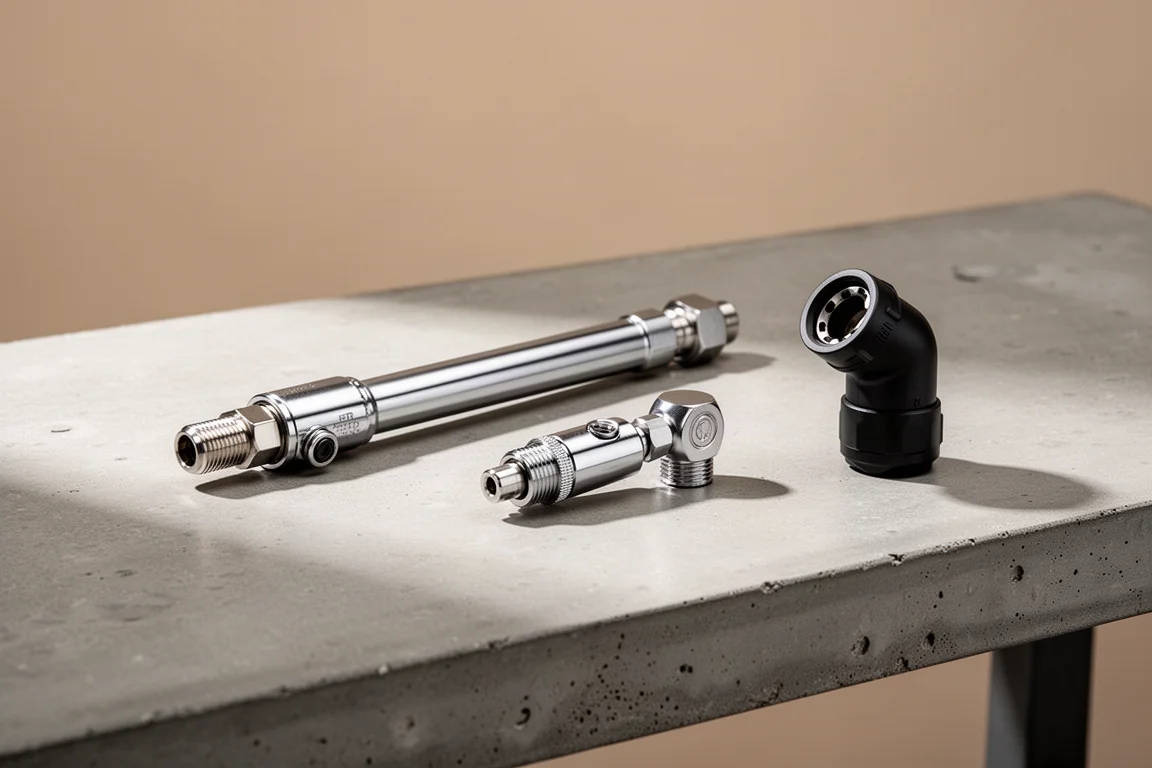
Best Air Chucks for Tires and Airbag Suspensions: Three Reliable Options
Three air chucks that snap on and off Schrader valves without leaking, including open flow designs built for airbag suspension work.
Tools & Garage
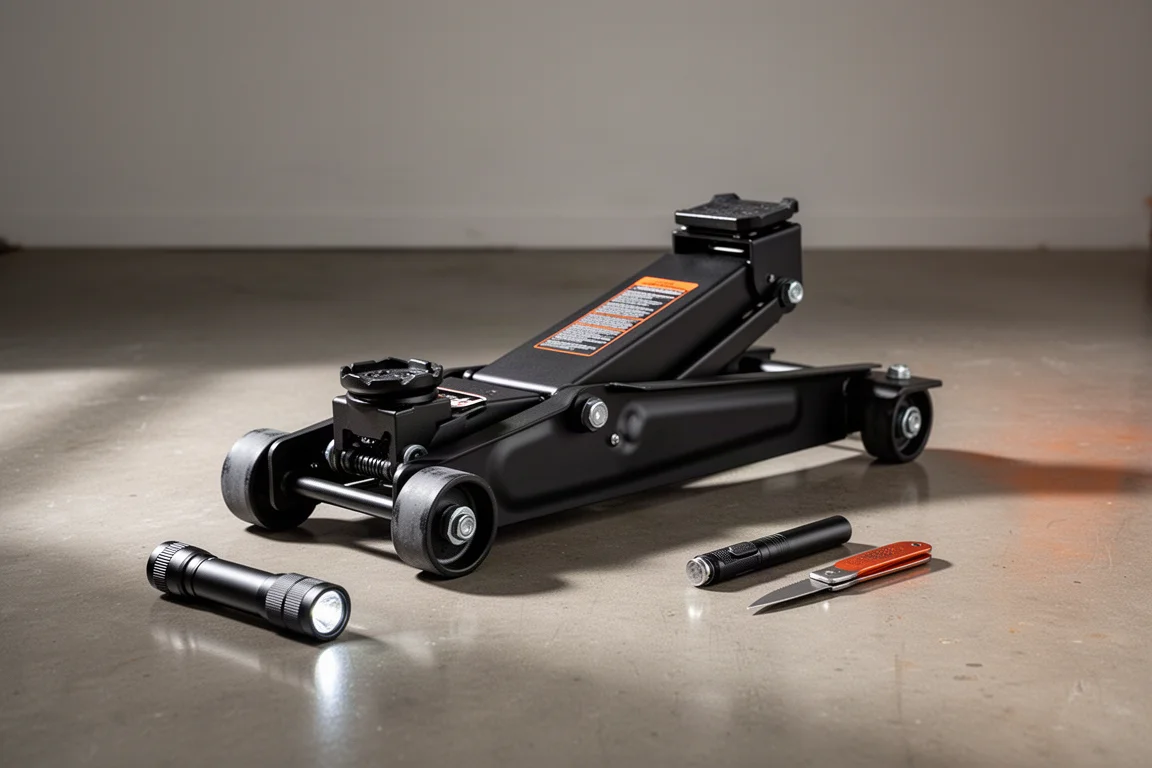
Best Garage Jacks and EDC Tools Worth Buying Right Now
From low-profile long-reach floor jacks to compact bit sets, flashlights, and utility knives, these workshop picks earn their spot.
Tools & Garage
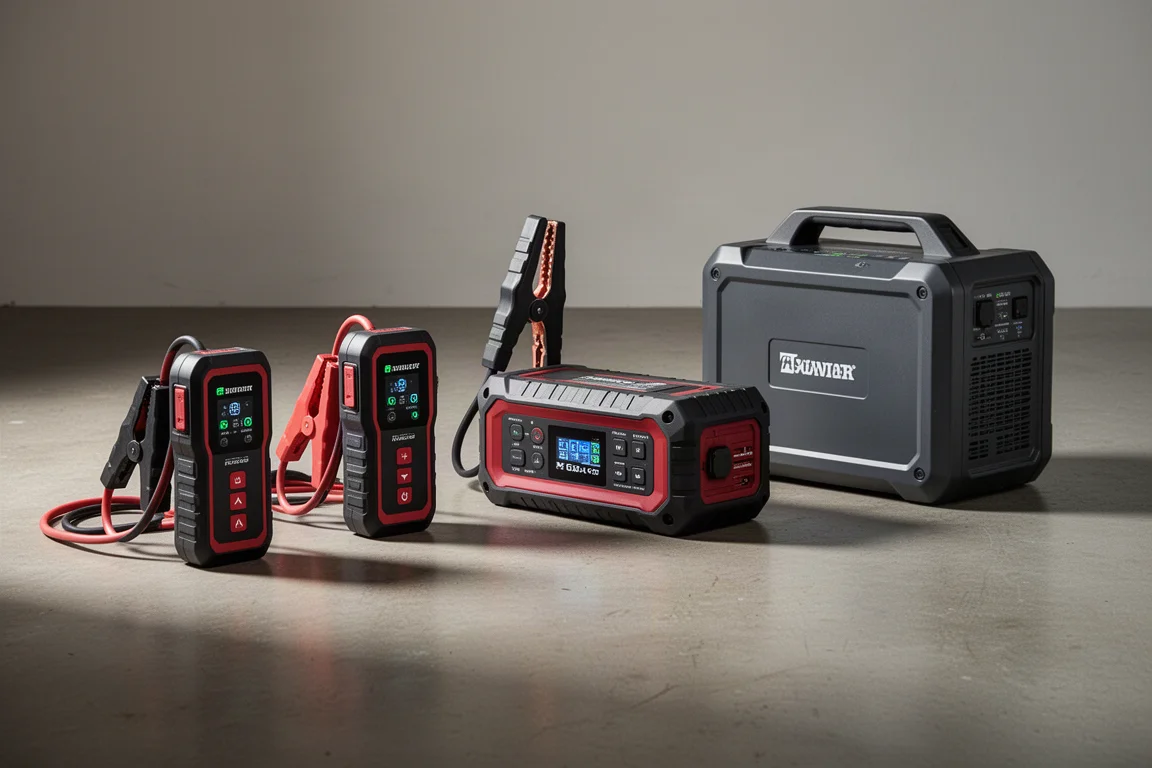
Best Portable Jump Starters After a Year of Real Use: 4 Units Compared
Four jump starters tested for over a year in trucks, ATVs, and around the property. Two impressed, two badly disappointed.