Art Supplies
Derwent Tinted Charcoal Pencils 24 Set Review: Subtle Color Meets Classic Charcoal
A close look at Derwent's 24-piece tinted charcoal pencil set, including how the pigments respond to water, sharpening quirks, and who will get the most out of them.
Introduction
Charcoal is one of those mediums many artists admire from a distance. It produces stunning work in experienced hands, but it is brittle, dusty, and honestly quite tricky to control. That is exactly why the Derwent Tinted Charcoal pencils are interesting. They take the classic character of charcoal and fold in a whisper of color, opening the door to subtle tinted effects that plain charcoal simply cannot offer.
This set has been on the wishlist for a long time, largely because of how much the related Derwent Graphitint pencils impress: graphite with a touch of color that comes alive when water is added. The tinted charcoal line follows a similar philosophy, and this review walks through what is in the tin, how the pigments behave dry and wet, and a few practical lessons learned along the way.
First Impressions and Set Contents
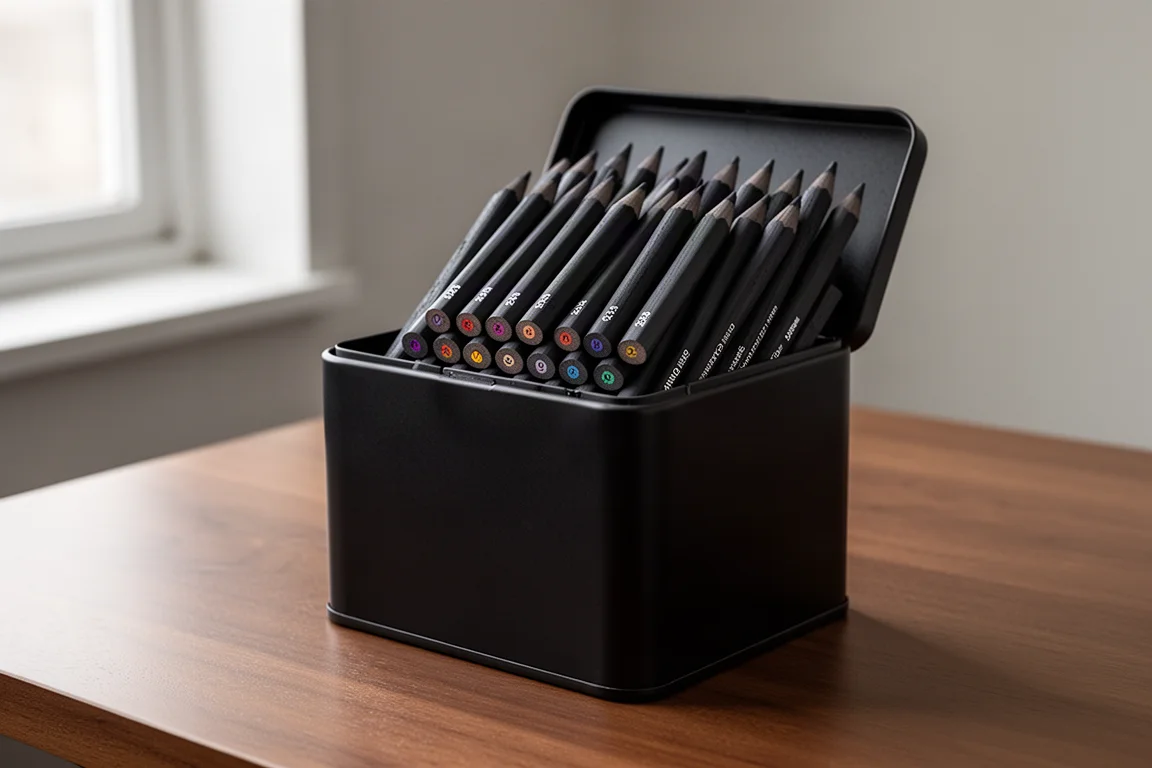
The 24 set is the largest available configuration for this line. There are no 12 or 6 sets to choose from, only small blister-style sets and open stock singles, so the tin here is the complete picture. The pencils come in Derwent’s compact travel-style tin, a format the company first introduced with the Inktense range and has since expanded across the portfolio.
Inside, you get 21 tinted charcoal pencils in muted colors plus three pure charcoal pencils in light, medium, and dark. The cores are thick at 4.3mm, which makes sense for such a brittle medium, and the 8.5mm barrel is similarly chunky, similar in feel to the Derwent Drawing pencil. Barrels are plain black with readable white lettering: the Derwent name, the product line, the color name with an alphanumeric code for open stock purposes, and the familiar diagonal red flash separating the barrel from a short colored pigment identifier on the end.
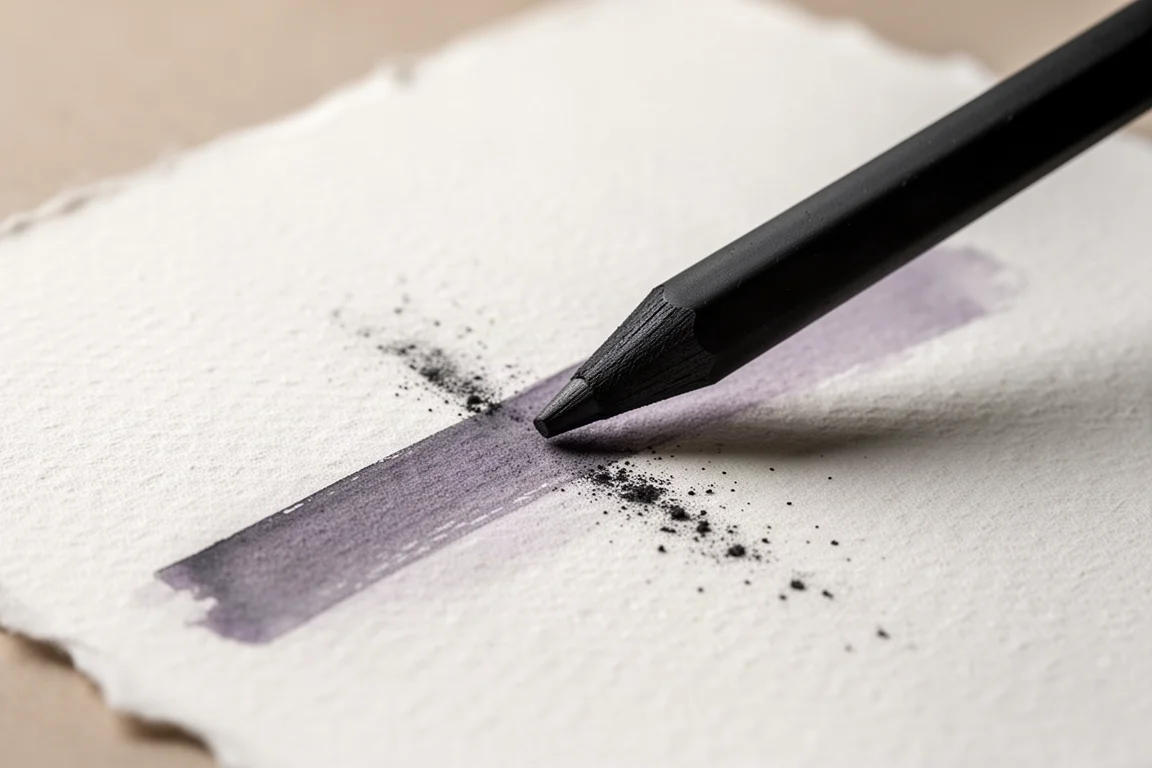
One thing becomes obvious immediately: the colors are very subtle. Looking down at the cores, it is genuinely difficult to tell what color you are holding until you start working with it. That is simply the nature of the medium. A blending stump helps pull the color out and make the tint more visible, and on toned papers the tints read a little better than on bright white.
Testing with Water and Odorless Mineral Spirits
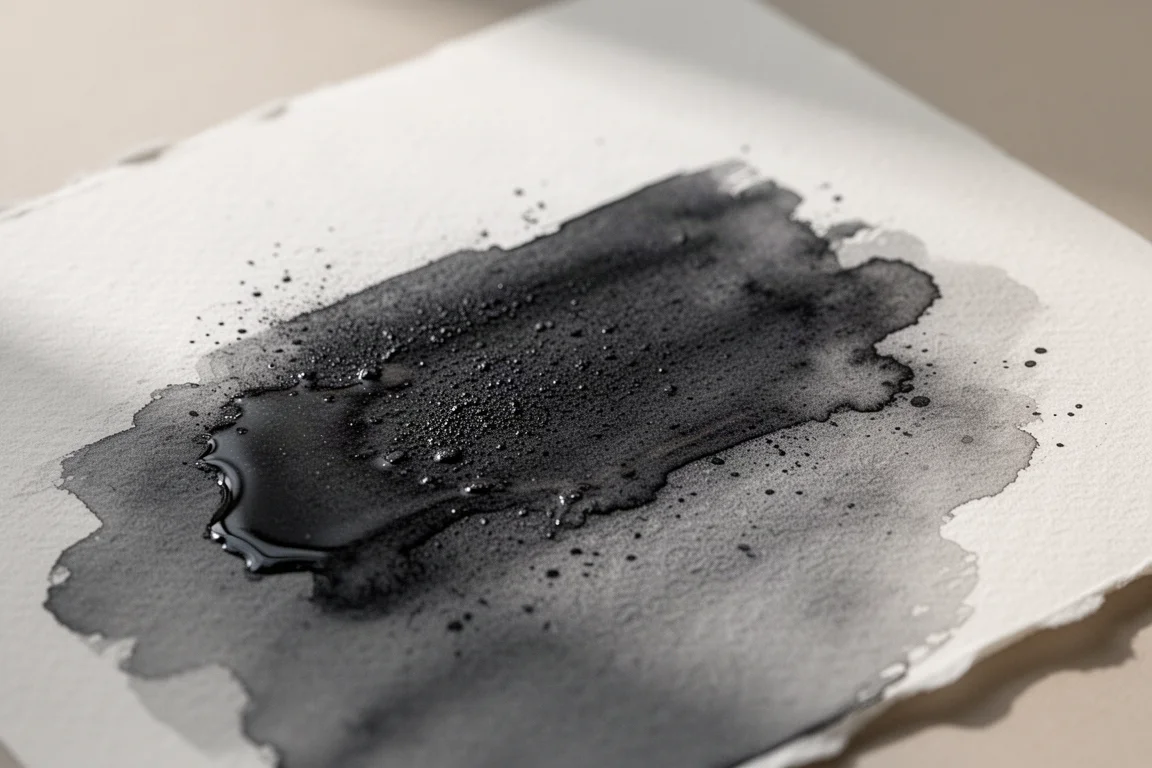
The tinted charcoal pencils are not sold as water-soluble, but charcoal artists routinely add water or odorless mineral spirits to their work for different effects, so a quick solubility test seemed worthwhile. Two colors were tested on 100% cotton watercolor paper: lavender and burnt orange, each applied in two patches, one activated with water and one with odorless mineral spirits.
The results with water were impressive. The pigment breaks down nicely and the color becomes far more prominent. The lavender, which looks almost dark and anonymous in its dry form, opens up into a clearly readable tone once wet. A bit of the charcoal’s grip on the paper remains underneath, but that simply adds texture rather than detracting from the result.
Odorless mineral spirits told a different story. In this testing, the charcoal powder did not dissolve as readily with spirits, and the wet patches stayed noticeably less developed than the water-activated ones. Using a generous amount of spirits helped, but water was clearly the more effective activator. If mineral spirits are part of your regular charcoal workflow, your mileage may well differ, but based on these tests, water is the safer bet.
Full Swatch Chart with Water Activation
Encouraged by how well water opened up the pigment, a full swatch chart followed, with every color laid down dry and then activated with water. The lighter colors such as sunset pink barely change, but the darker shades are where the magic happens. Glowing embers reveals a reddish lavender undertone up close, heather mist shows a clear lavender tone, and thistle carries a blue note that becomes obvious once water is applied.
The blue-leaning colors perform well too: bilberry shows a lovely blue tone, elderberry and mountain blue add subtle depth, and ocean deep runs just a touch darker. The greens, including forest pine, green moss, and dark moss, are rewarding as well, with forest pine turning out particularly nicely when wet. Driftwood and peat sit at the earthier, darker end, natural is the only pencil with a genuine grey tone, and the three pure charcoal pencils show a pleasing tonal gradation from light to dark.
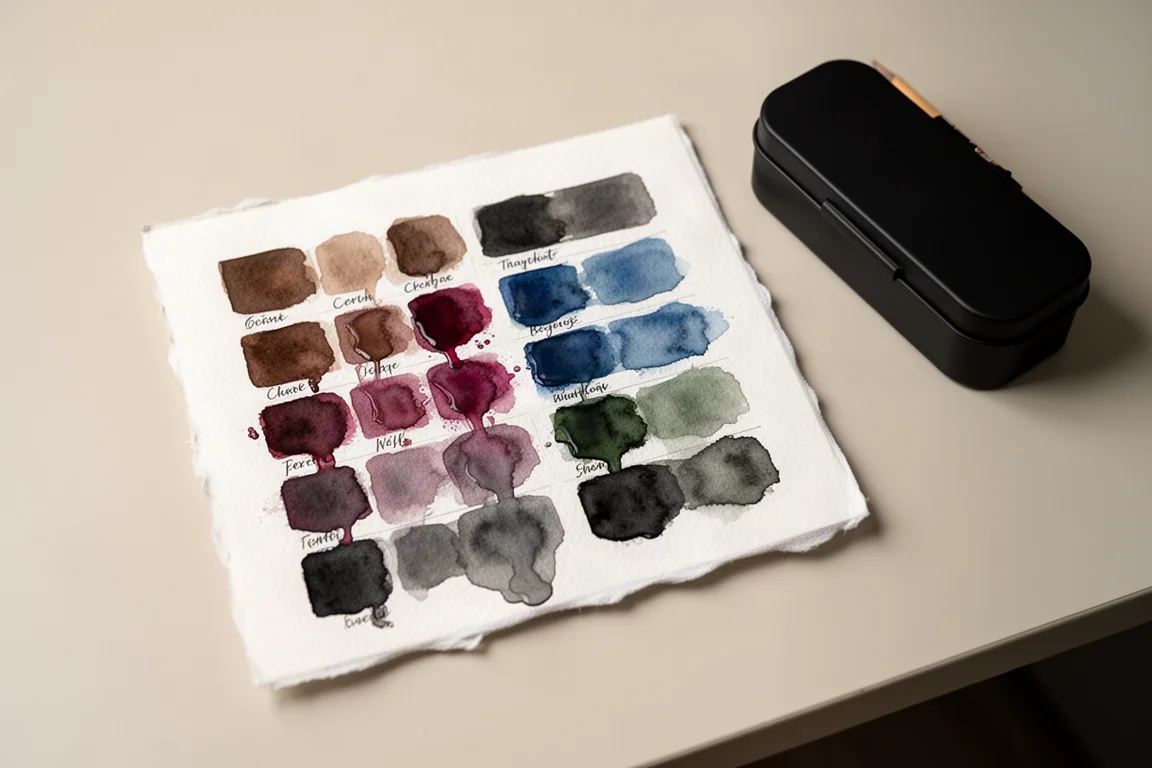
It is worth repeating that these are not water-soluble pencils in the way watercolor pencils or Inktense are. You cannot trail the medium around the paper with a wet brush the way you can with truly soluble products. But even without that level of movement, the colors come through much more clearly after water activation and drying, which makes the set more versatile than the packaging might suggest.
Where These Pencils Shine in Practice
In use, the pencils feel most natural for mixed media work rather than pure charcoal drawing. A few quick sketches on toned brown paper, worked over with a blending stump, showed how the color can be pulled out and coaxed toward the surface.
The most compelling use case is subtle color accents in otherwise monochrome work. Think of a graphite portrait where a hint of blue in the eyes, a touch of brown in the hair, or a whisper of warm tone in a shadow could gently pull the viewer’s gaze to exactly the right spot. For charcoal artists, the 21 tinted shades are an obvious extension of an existing practice, but mixed media and graphite artists stand to benefit the most from what this set does uniquely.
Sharpening: What Worked and What Did Not
Sharpening charcoal and pastel pencils is famously hit and miss, and these pencils proved no exception. Most experienced artists recommend a craft knife or Stanley knife over mechanical sharpeners, and that approach worked fine for most of the set. The white pencil was the exception: even carefully sharpened to a fine point, the core kept breaking, likely a one-off issue with that particular pencil rather than a set-wide problem.
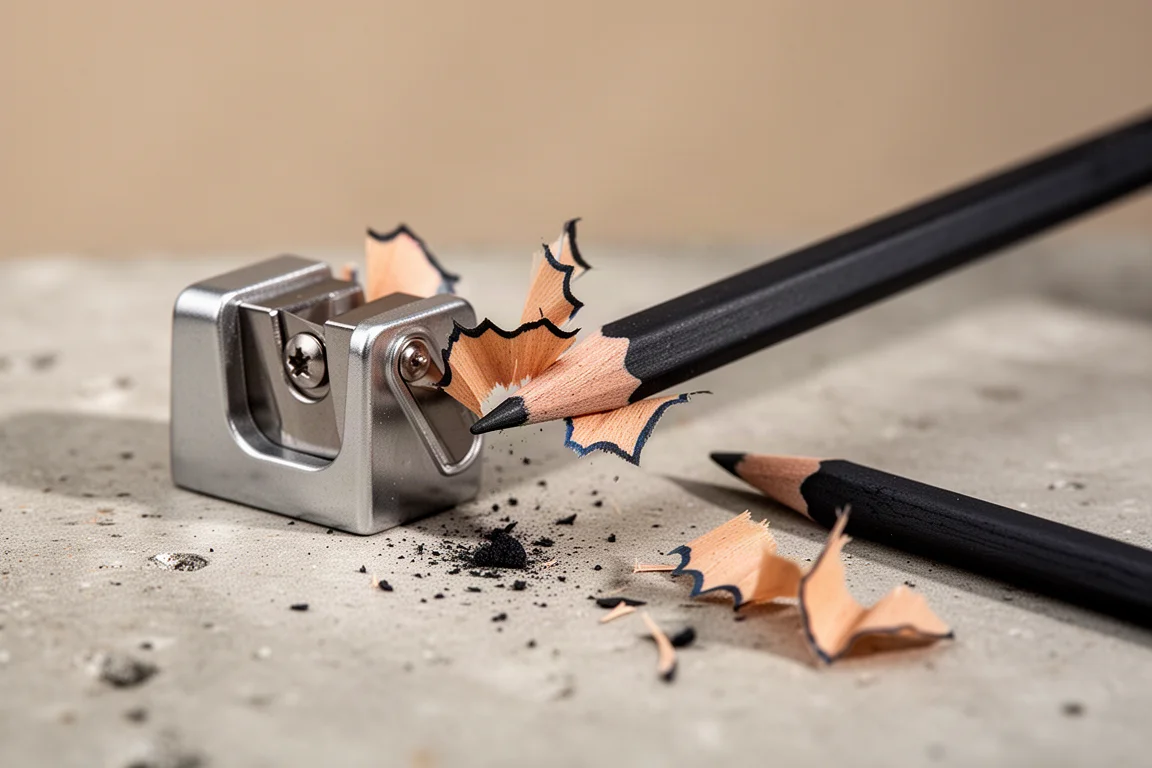
On the mechanical side, results varied wildly. An expensive hand-crank sharpener simply refused to cooperate with these chunky charcoal cores. Two well-regarded bullet-type sharpeners with fresh blades, including one with adjustable long and short point settings, proved too refined for a brittle charcoal medium. Derwent’s own pastel sharpener chewed the pencils up. Surprisingly, a very basic generic handheld sharpener delivered the most consistent, decent points across the entire set. The honest takeaway: with charcoal pencils, the best sharpener is whatever happens to work for your specific pencils, so do not assume an expensive one is the answer.
Things to Consider Before Buying
Charcoal is a messy, dusty medium, and this set inherits all of that. If you dislike the texture of pastels or charcoal, or if you are sensitive to dust, you will want good ventilation, and possibly a mask, when working with these pencils. That is an individual judgment every artist should make for themselves.
The dry color payoff is deliberately muted, which is the whole point of the line, but buyers expecting vivid color straight off the pencil will be disappointed. The subtlety becomes a strength the moment you add water, use a blending stump, or work on toned paper, but it is worth going in with the right expectations.
Buying Advice
If you love charcoal as a medium, this set is easy to recommend. It adds a genuinely useful layer of subtle color to a traditional practice, and the water activation trick extends its range further than you might expect. Mixed media artists who work primarily in graphite will also find real value here, particularly for portraits and monochrome pieces that need a gentle hint of color.
If you are after bold, saturated color or a true water-soluble experience, look instead at Derwent’s watercolor pencils or Inktense, which offer far more movement and intensity. But for what it sets out to do, tinted charcoal done well, this set delivers.
Conclusion
The Derwent Tinted Charcoal 24 set is a well-executed take on a niche idea: charcoal with a whisper of color, ready to be coaxed into something richer with water. The thick cores feel sturdy for such a brittle medium, the tin is genuinely travel-friendly, and the tonal range from light to dark charcoal gives you a complete value scale alongside the 21 tints. It is not a medium for everyone, and the subtle dry payoff will not suit artists chasing vibrant color. But for charcoal devotees and mixed media artists who want to add delicate, controlled color to tonal work, it is a thoughtfully made set with real creative potential.
Product link
View more details for Derwent Tinted Charcoal Pencils 24 Set
This product is mentioned in the review. Check the specifications, options, and compatibility before buying.
View more details for Derwent Tinted Charcoal Pencils 24 SetFurther reading
Related Reviews
Art Supplies
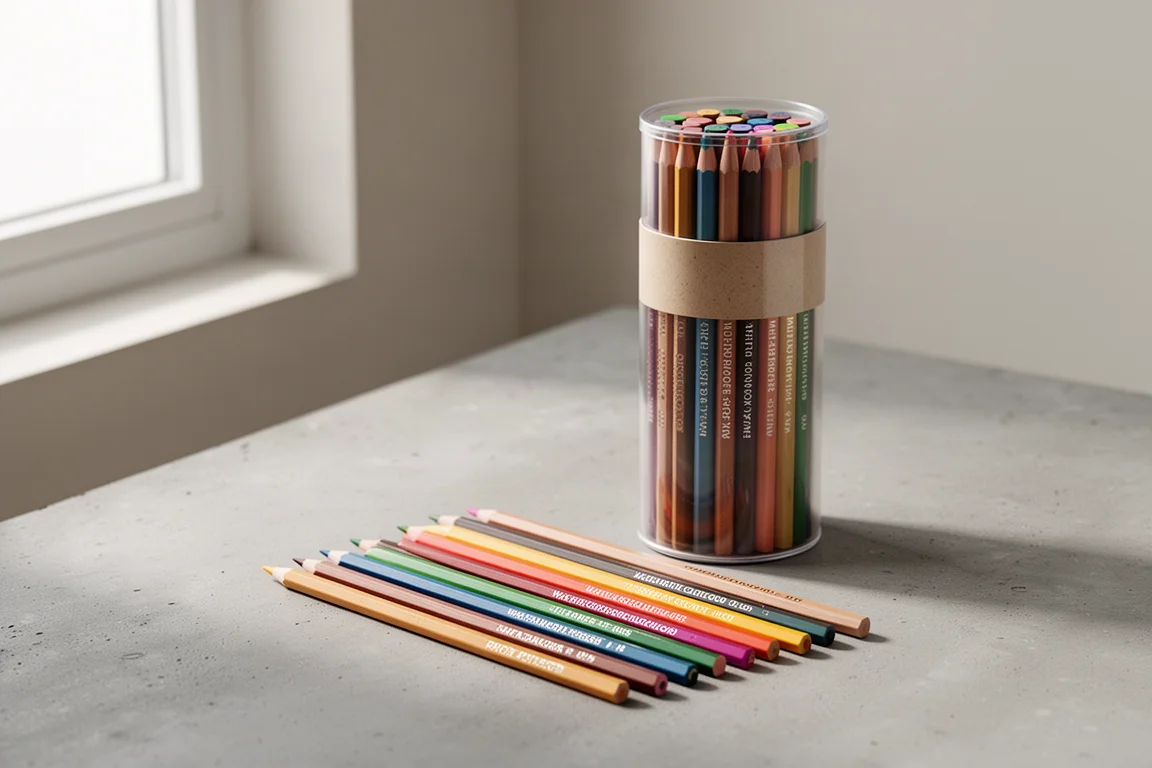
Art Pop Watercolor Pencils 48-Color Set: A Thoughtfully Designed Student-Grade Option
The Art Pop 48-color watercolor pencil set blends well, dissolves smoothly, and includes artist-friendly details like barrel-printed color names, all at an affordable price.
Art Supplies
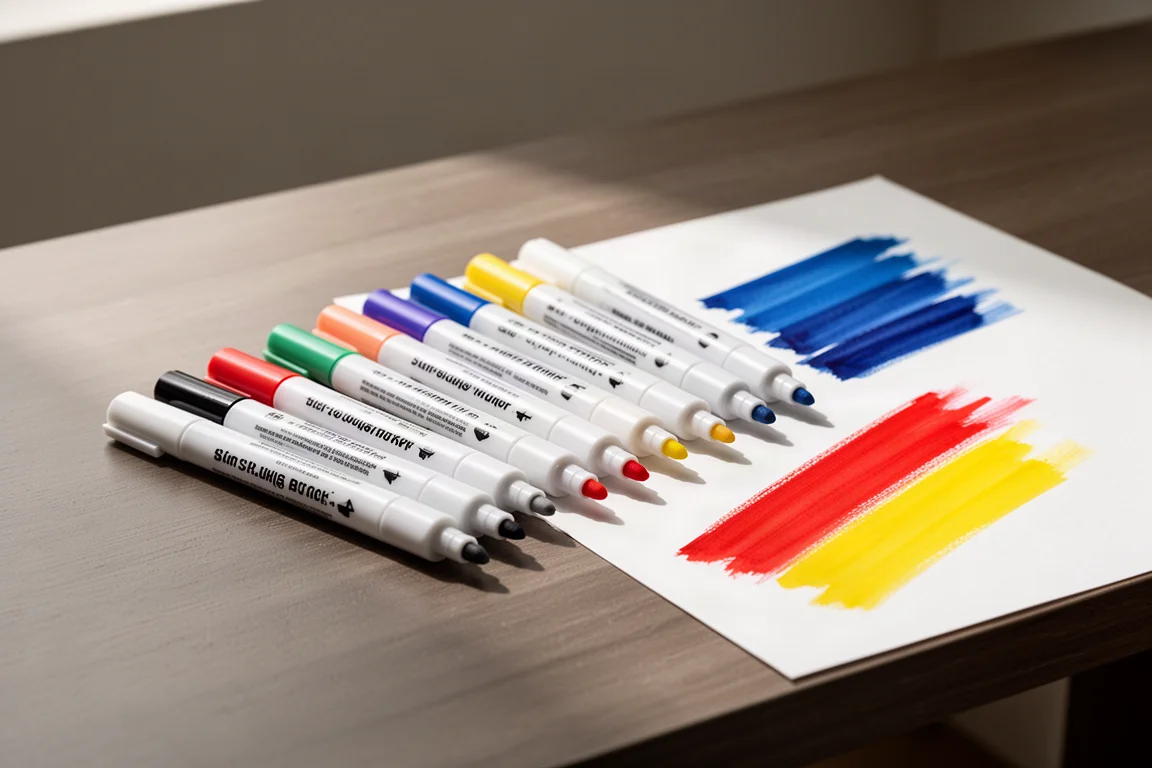
Artics Acrylic Markers 3mm Review: Versatile Paint Markers With a Few Caveats
A 48-color set of water-based acrylic paint markers that blend while wet, dry permanent, and keep the price low, though safety transparency remains a question.
Art Supplies
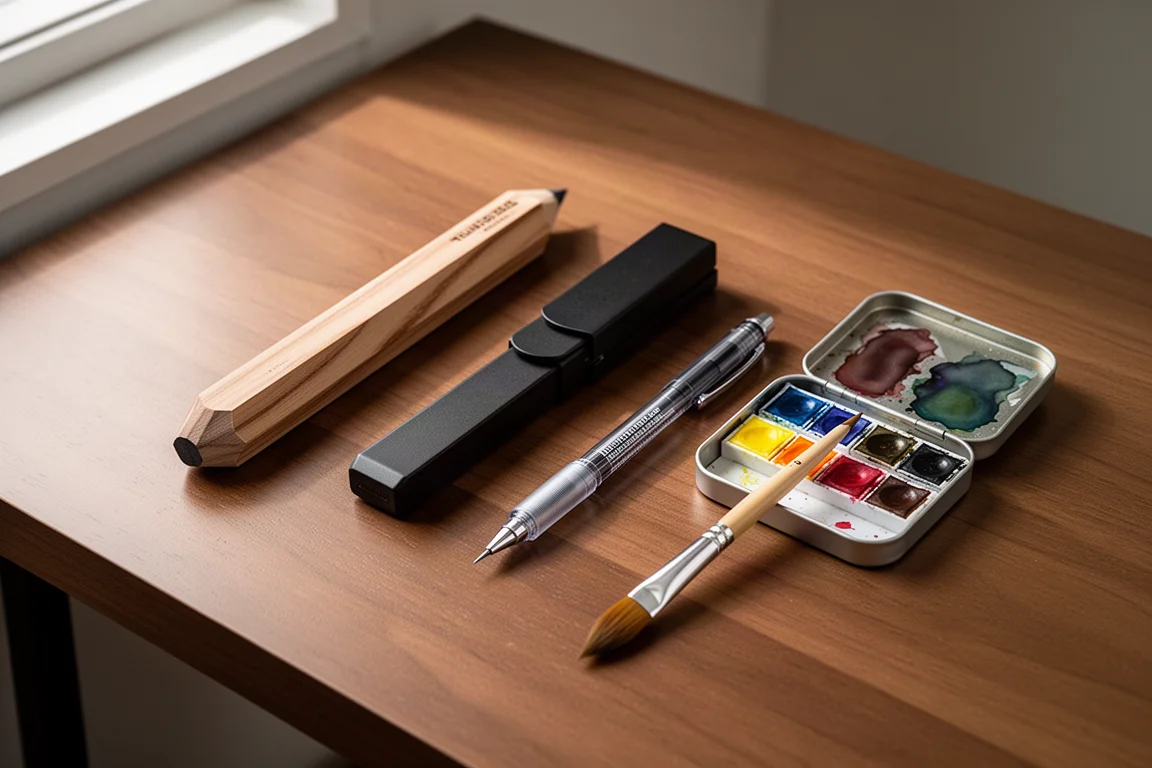
Best Art Supplies Worth Your Money: Pencils, Pens, Paints, and Paper That Earned Their Spot
After years of daily use and testing, these are the pencils, pens, watercolors, gouache, brushes, sketchbooks, and erasers that stand above the rest.