Art Supplies
Derwent Inktense 100 Set Review: Ink In Pencil Form, Unlocked With Water
An extended hands-on look at the expanded Derwent Inktense 100 set: layering tests, the 28 new colours, block formats, and where these unique water-soluble pencils shine.
Introduction
Derwent recently expanded the Inktense range up to 100 colours, and the new flagship set is the subject of this review. The Inktense pencil has always been one of Derwent’s most distinctive products, and this larger palette gives artists a considerably broader spectrum to work with. After extensive testing across swatches, layering experiments and a finished piece, this set earns a strong recommendation for anyone drawn to bold, permanent colour.
For those unfamiliar with the range, Inktense behaves unlike ordinary watercolour pencils. Once activated with water and left to dry, the pigment essentially becomes permanent ink. That single characteristic shapes everything about how these pencils work best, from layering strategy to surface choice.
Inside the Tin: Colour Range and Swatches
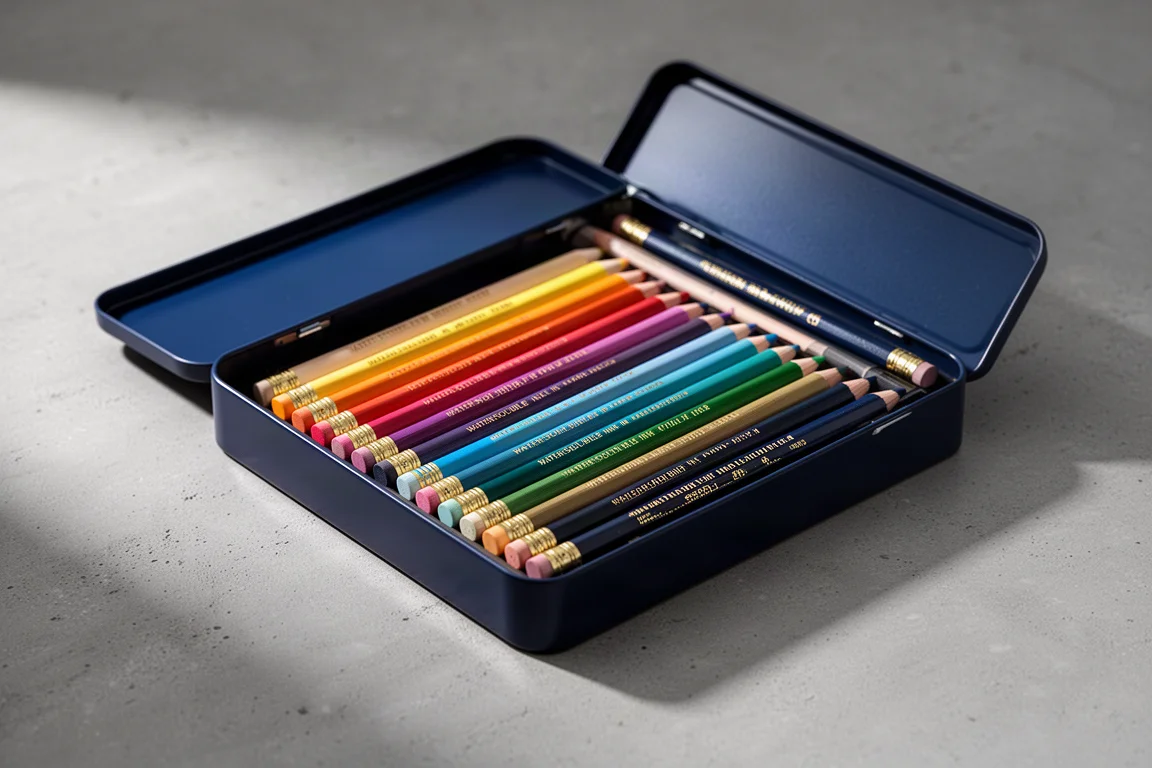
Opening the tin reveals a well-organised spectrum. The top layer runs from yellows into oranges, vermilion-style tones, orange-reds, rich dark reds and finishes with deep purples and lavenders. The second layer continues through the purples into dark blues, aqua greens and a full run of light and dark greens. The third layer holds further greens, a generous spread of earth tones including tan, oak, burnt umber, natural brown and dark chocolate, a selection of warm and neutral greys, ink black, antique white, and a non-water-soluble outliner pencil at the very end.
Each pencil carries a 3.8 mm core housed in an 8 mm barrel, a generously chunky format typical of Derwent. The barrels are lacquered in a deep blue with gold-style print, the pigment name and number on the end, and a pigment identifier dot to help with organisation. They feel substantial in the hand, and the quality is apparent immediately.
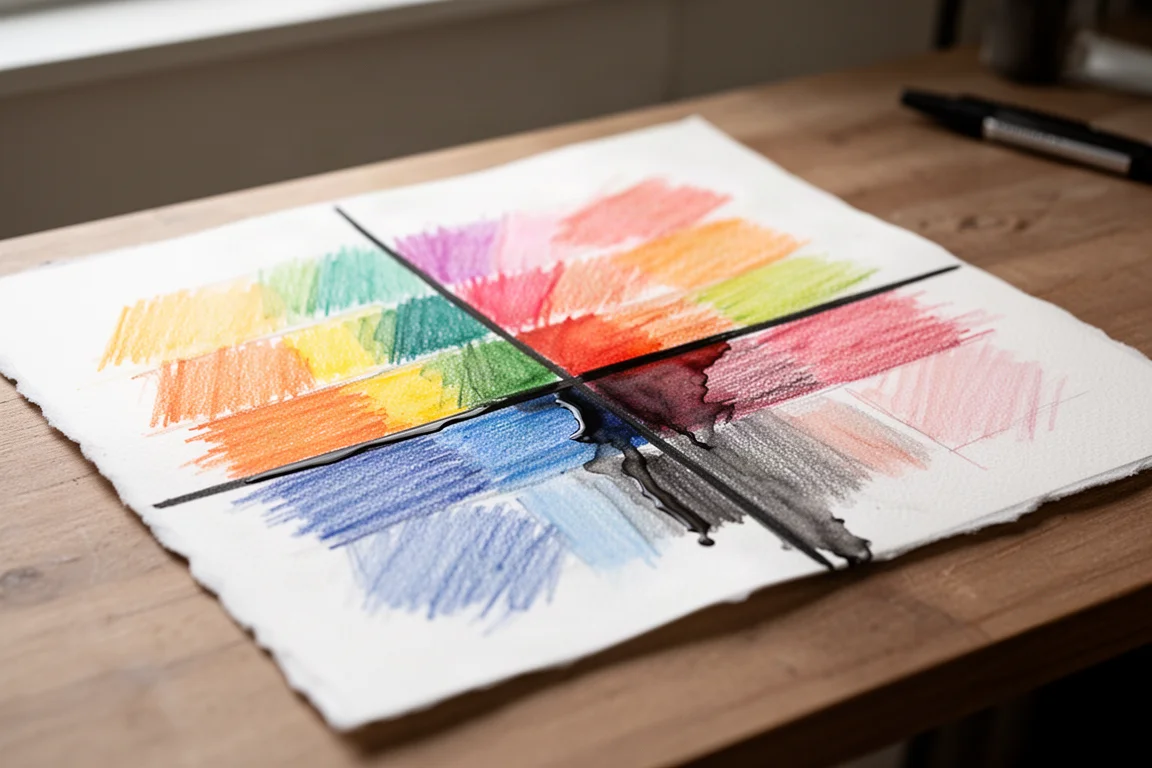
Swatching the full set on Hahnemuhle 300 hot press watercolour paper shows a genuinely impressive palette. When dry, the colours look like any quality pencil. Once activated, they explode with colour. Few pencils on the market, watercolour pencils included, deliver this level of saturation when wet. If there is one observation worth making, it is that one or two paler pinks and paler blues would have rounded out the range nicely. Several of the yellows are very similar to each other, and a swap for a softer pink or blue could have improved the balance. Otherwise, the palette covers darks and brights superbly.
Layering and Activation: How to Get the Best Results
Testing focused on the most practical question with these pencils: is it better to lay down a colour, activate it, let it dry and then add more layers, or to apply multiple dry layers first and activate them all at once? The results clearly favoured the second approach. Applying several dry layers and then activating them together produced noticeably more depth than activating each layer individually. This mirrors how many artists already work with standard coloured pencils, so the workflow feels familiar.
A useful artistic technique worth trying is running the pencil tip across a wet, pre-washed area of paper. Held far back along the barrel and barely touching the paper, the pencil releases pigment the instant it meets the water, producing feathery, organic effects that work well for trees and foliage. Watercolour pencils can do this too, but the pigment payoff here is far stronger.
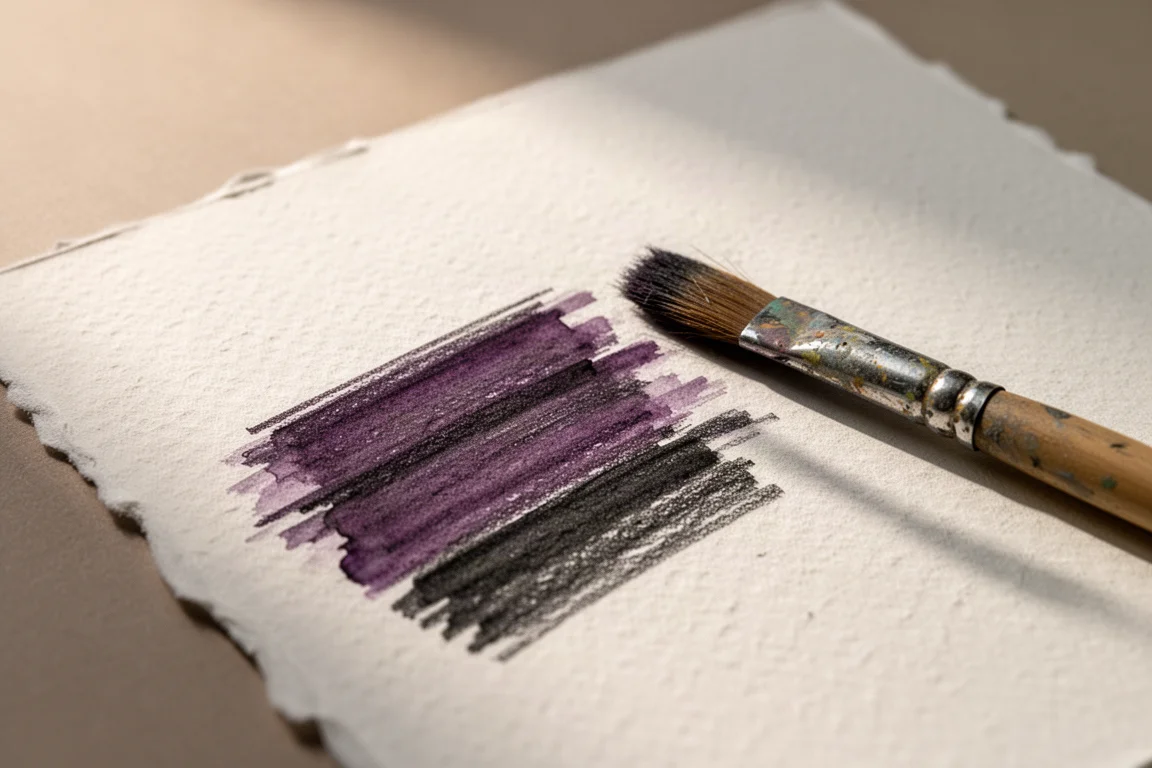
Colourless blender marker also produced smooth, pleasant results, though it did not pull colour out as far as water does. If you prefer the control of a blender marker, it remains a valid option. One caution for dry work: a single stray drop of water on a dry Inktense drawing will permanently alter it, so keep the picture bone-dry unless activation is intentional.
Layering and Activation: Surface and Paper Choice
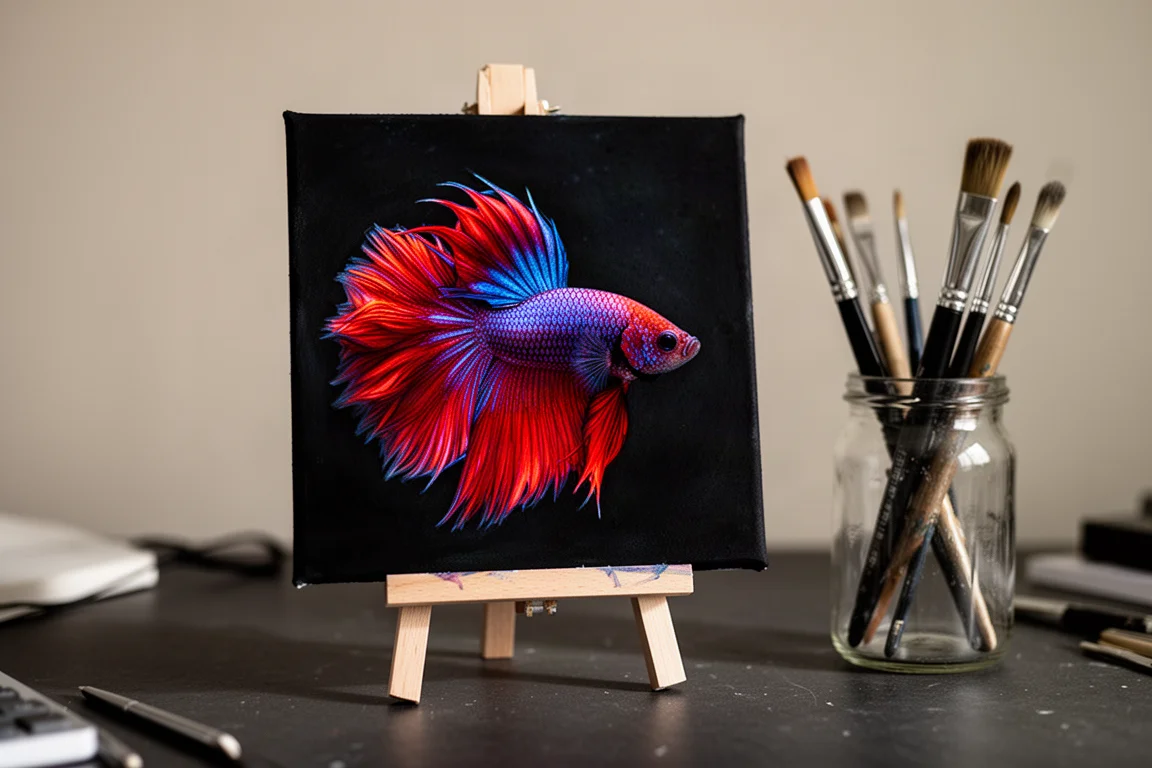
Testing spanned several papers, including Hahnemuhle 300 hot press, Saunders Waterford Bockingford cold press, and Canson Heritage cold press. Paper choice genuinely changes the experience. For detailed, high-control work such as the betta fish artwork created for this review, hot press paper would have been the smarter choice, as its smooth surface offers more control. Cold press texture suits looser, more expressive pieces.
The test artwork featured a deep black background built from just two layers, a dark purple and the ink black, both applied dry and then activated together. With high-quality watercolour pencils, achieving a comparable background would demand many more layers. Here, two layers and one pass of water delivered a rich, even, intensely dark ground, with a thin black touch-up layer added near the end where hand contact had lifted some pigment.
Beyond Pencils: Pans, Blocks and XL Blocks
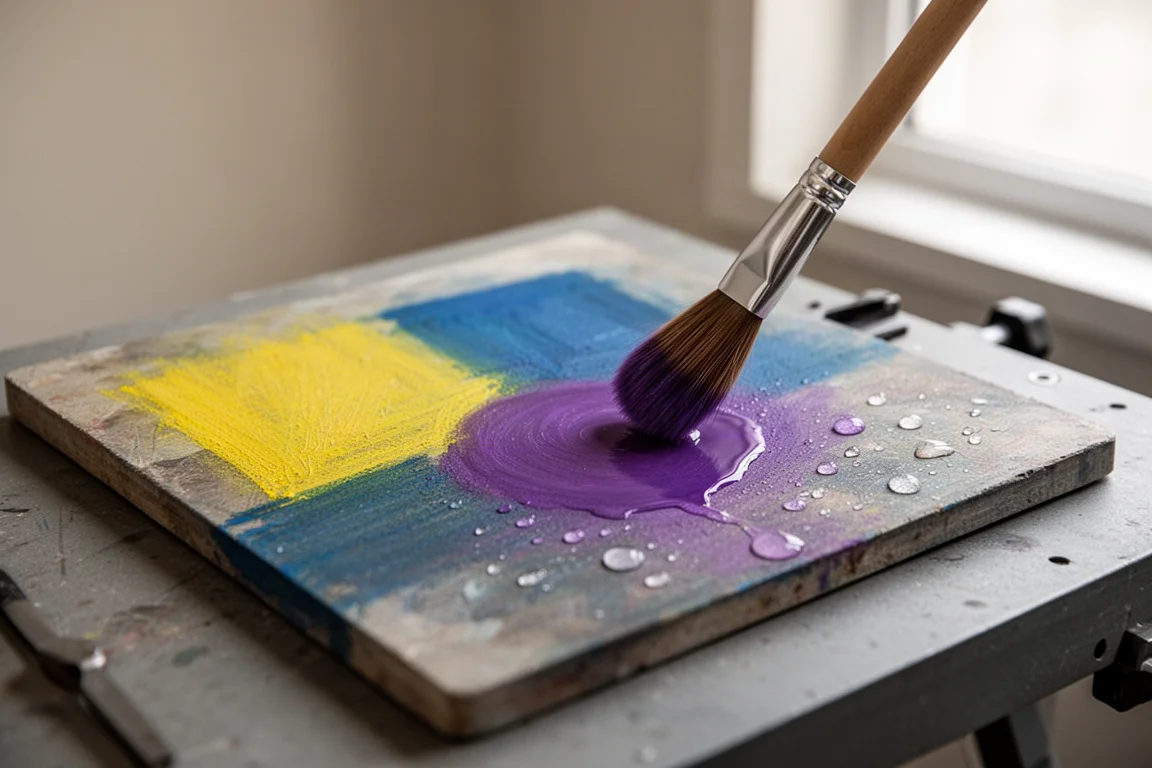
Derwent has built out the Inktense family well beyond pencils. A 72-pan set presents the colours as pastel-style blocks in wells, letting you mix and match colours like watercolour pans. For artists who prefer heavy mixing, this format opens up more possibilities than pencils alone. A textured palette works equally well: scribble pigment directly onto the palette, bring a wet brush, and mix custom colours just as you would with pan watercolour.
The XXL blocks are the standout additions. Thick, chunky, and loaded with pigment, they suit large-format work. A small amount of Inktense goes a very long way once activated, so these big blocks allow broad rubbing applications across paper that can then be activated with a brush. Between pencils, pans, standard blocks and XXL blocks, the scope for technique is genuinely wide.
The 28 New Colours vs the 72 Set
If you already own the 72 set, the key question is whether the 100 set justifies an upgrade. The 28 additional colours are: lemon gold, golden sun, mango, orange sorbet, wild flame, paprika, Persian red, pink flamingo, sugar plum, amethyst, night shade, violet blue, lapis blue, denim, dark cerulean, Malibu, mineral blue, sea breeze, mint leaf, olive, jungle green, lime green, burnt umber, natural brown, asphalt, storm dust and dark mink.
Comparing them against the existing 72, around eight are genuinely unlike anything in the smaller set: pink flamingo, Malibu, mint leaf, lime green, asphalt, storm dust, dark mink, and the burnt umber stands apart from the existing oak in tone. The other twenty occupy similar territory to existing colours, though none are identical duplicates. Sherbet lemon sits close to lemon, cad orange near mango, violet near amethyst, lagoon near violet blue, and sea blue near dark cerulean, to name a few.
A practical path for 72-set owners: pick up the eight genuinely new colours as open stock first, then decide whether the twenty near-neighbours are worth adding. For collectors and colour enthusiasts, the full set remains an easy yes.
Who This Set Is For
These pencils suit illustrators, mixed media artists and anyone who wants saturated, permanent colour in pencil form. They work on paper and also perform well on fabric and textiles, a use case Derwent has promoted since the range launched, with striking results on canvas shopping bags. Because the colour is essentially ink once activated, finished pieces are far less fragile than watercolour work.
Artists who prefer building colour gradually with many dry layers, or who need fully erasable watercolour effects, may still prefer traditional watercolour pencils. But for bold illustration, textile art, or dramatic backgrounds with minimal layering, Inktense is hard to beat. The range is available in multiple set sizes, including 12, 24, 36, 48, 72 and the full 100, alongside the pans and block formats, and open stock pencils are available for topping up.
Conclusion
The Derwent Inktense 100 set is a confident expansion of one of the most unique pencil ranges on the market. The colour explosion on activation, the permanence once dry, and the flexibility of the wider Inktense family make it a rewarding investment for artists who love vivid colour. If it has caught your eye, whether the full set or a few open stock pencils, it is unlikely to disappoint.
Product link
View more details for Derwent Inktense 100 Set
This product is mentioned in the review. Check the specifications, options, and compatibility before buying.
View more details for Derwent Inktense 100 SetFurther reading
Related Reviews
Art Supplies
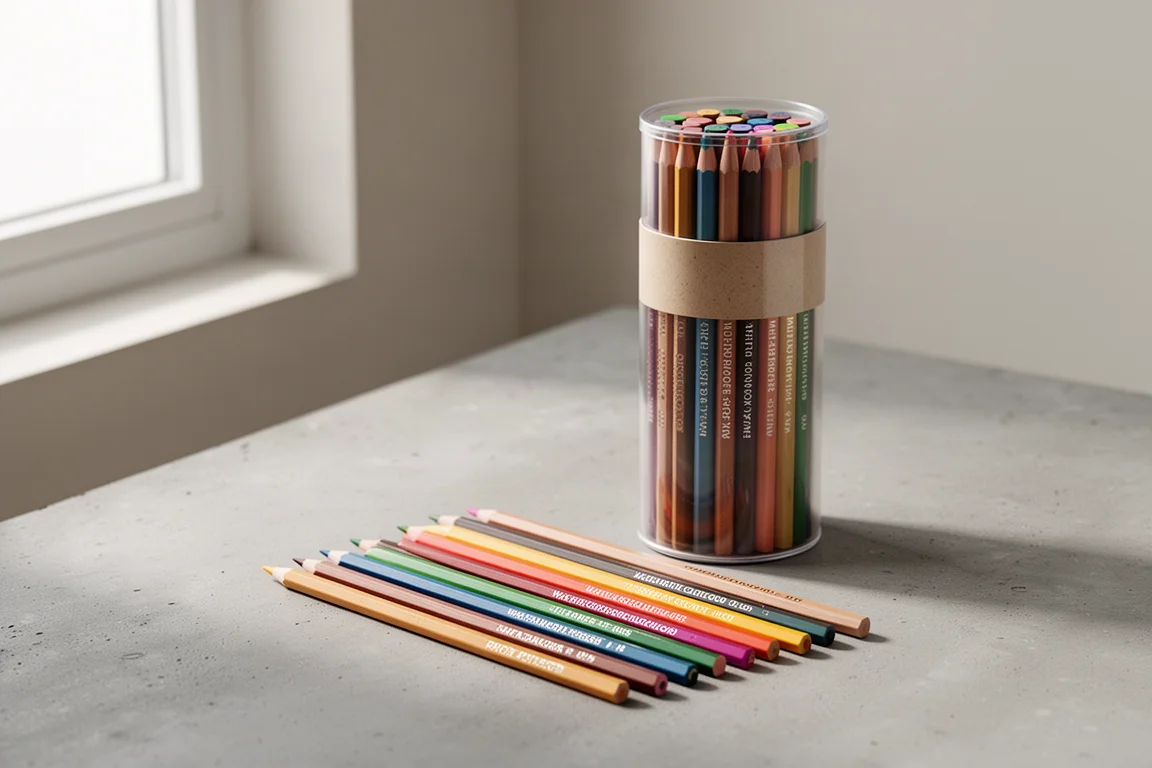
Art Pop Watercolor Pencils 48-Color Set: A Thoughtfully Designed Student-Grade Option
The Art Pop 48-color watercolor pencil set blends well, dissolves smoothly, and includes artist-friendly details like barrel-printed color names, all at an affordable price.
Art Supplies
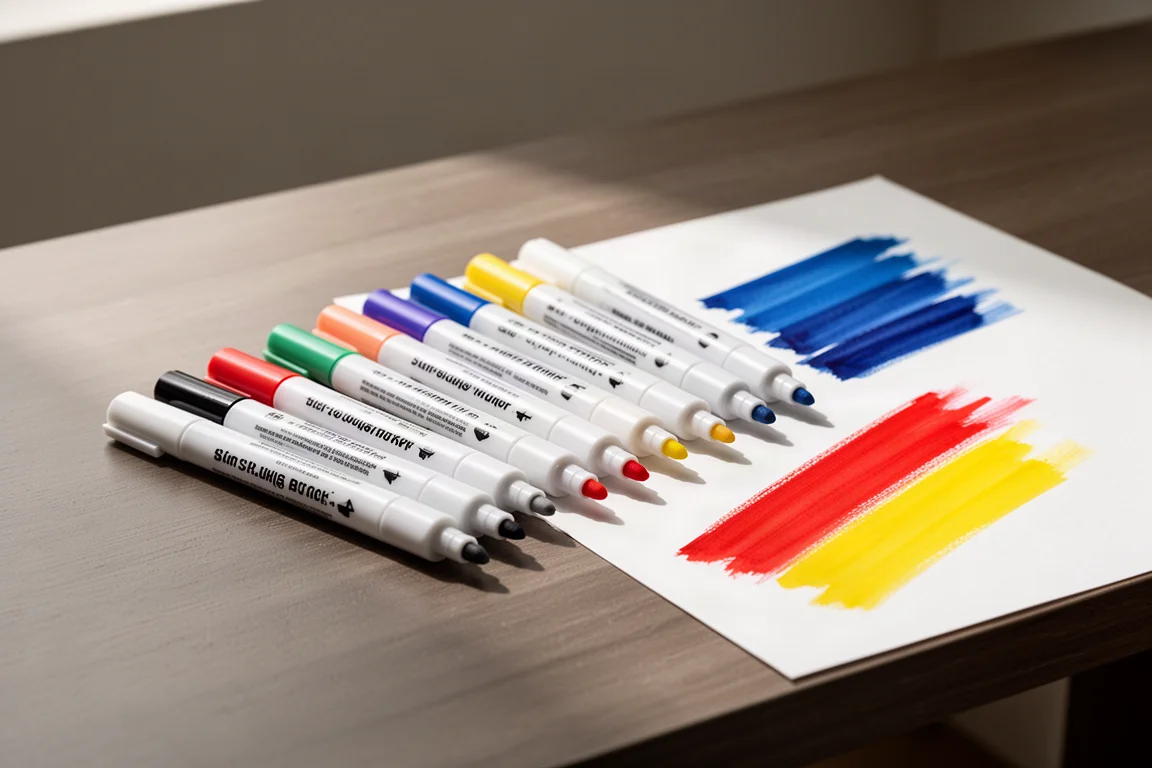
Artics Acrylic Markers 3mm Review: Versatile Paint Markers With a Few Caveats
A 48-color set of water-based acrylic paint markers that blend while wet, dry permanent, and keep the price low, though safety transparency remains a question.
Art Supplies
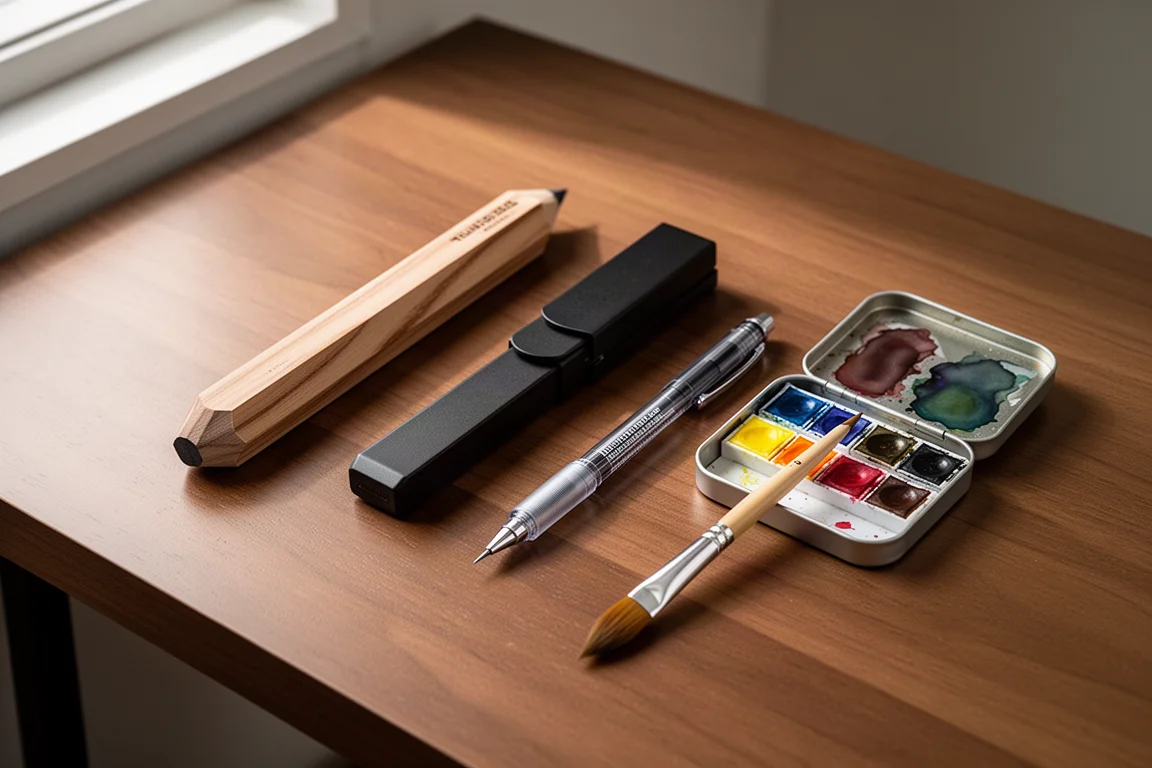
Best Art Supplies Worth Your Money: Pencils, Pens, Paints, and Paper That Earned Their Spot
After years of daily use and testing, these are the pencils, pens, watercolors, gouache, brushes, sketchbooks, and erasers that stand above the rest.