Cookware
Demeyere Atlantis vs Industry: Which Premium Cookware Collection Is Right for You
A close comparison of Demeyere's two flagship stainless steel collections, covering construction, heat retention, handles, price, and who each collection suits best.
Introduction
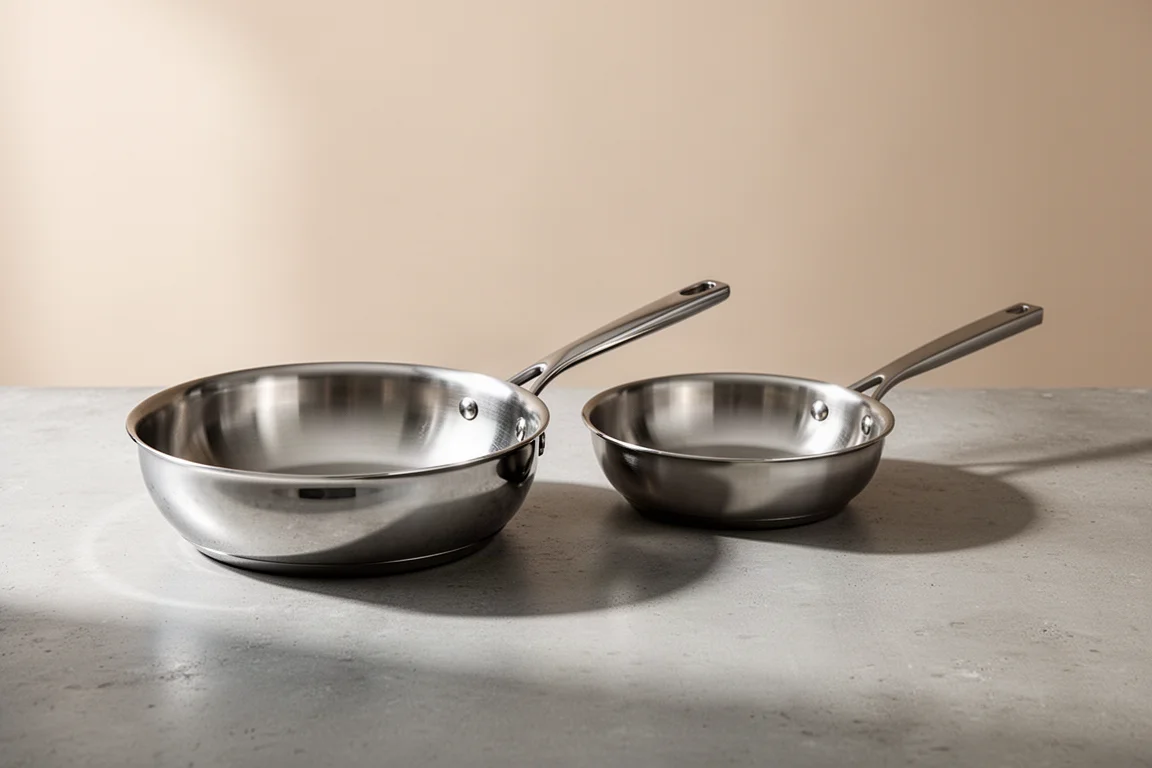
Demeyere makes some of the best stainless steel cookware available, and also some of the most expensive. Before investing in either the Atlantis or Industry collection, it helps to understand exactly where they differ, because the right choice comes down to construction, weight, and budget.
Both collections are premium, both are made in Belgium, and both share Demeyere’s signature finish. But they take meaningfully different approaches to how a pan is built, and that difference shapes everything from heat retention to how the pan feels in your hand. This comparison walks through what they share, where they diverge, and how to pick the right one for your kitchen.
What Atlantis and Industry Have in Common
Both collections use an 18/10 stainless steel cooking surface, a steel blend with 18% chromium and 10% nickel that resists staining, rust, and corrosion while keeping a bright shine. Demeyere also applies its unique electrochemical Silvinox treatment to both, which removes iron and impurities from the steel surface. The result is a brilliant finish that resists discoloration, smudging, and fingerprints, keeping the cookware looking new for years.
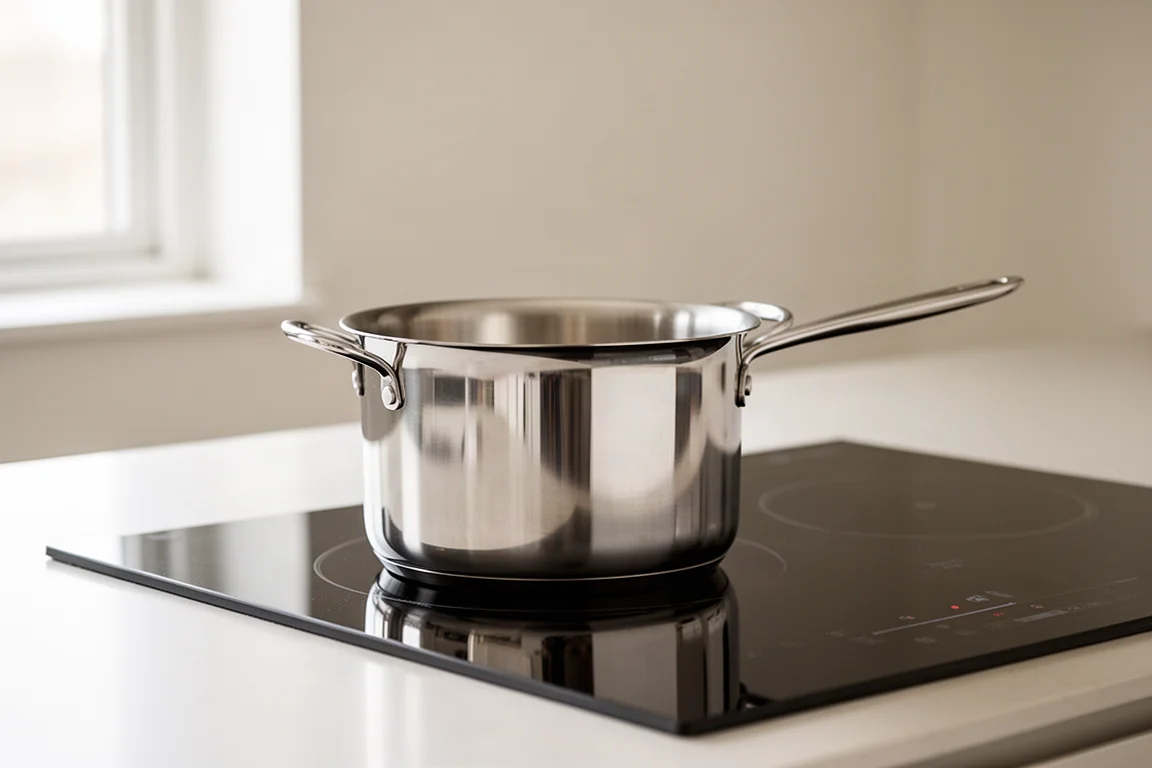
The shared design details carry over too. Both collections have flared rims for easy pouring and clean food transfer, and both use welded handles instead of rivets, leaving the cooking surface completely smooth. Since rivets tend to collect grime and discolor over time, the rivetless design makes cleanup noticeably easier.
Practical compatibility is identical across the board: both work on all cooktops including induction, both are oven safe up to 500 degrees Fahrenheit, and both are made in Belgium with a 30-year warranty covering defects in materials and craftsmanship.
Construction: The Biggest Difference
Stainless steel does not conduct heat well on its own, so quality cookware bonds exterior steel layers with heat-conductive cores like aluminum or copper. This process is called cladding, and it is where the two collections split.
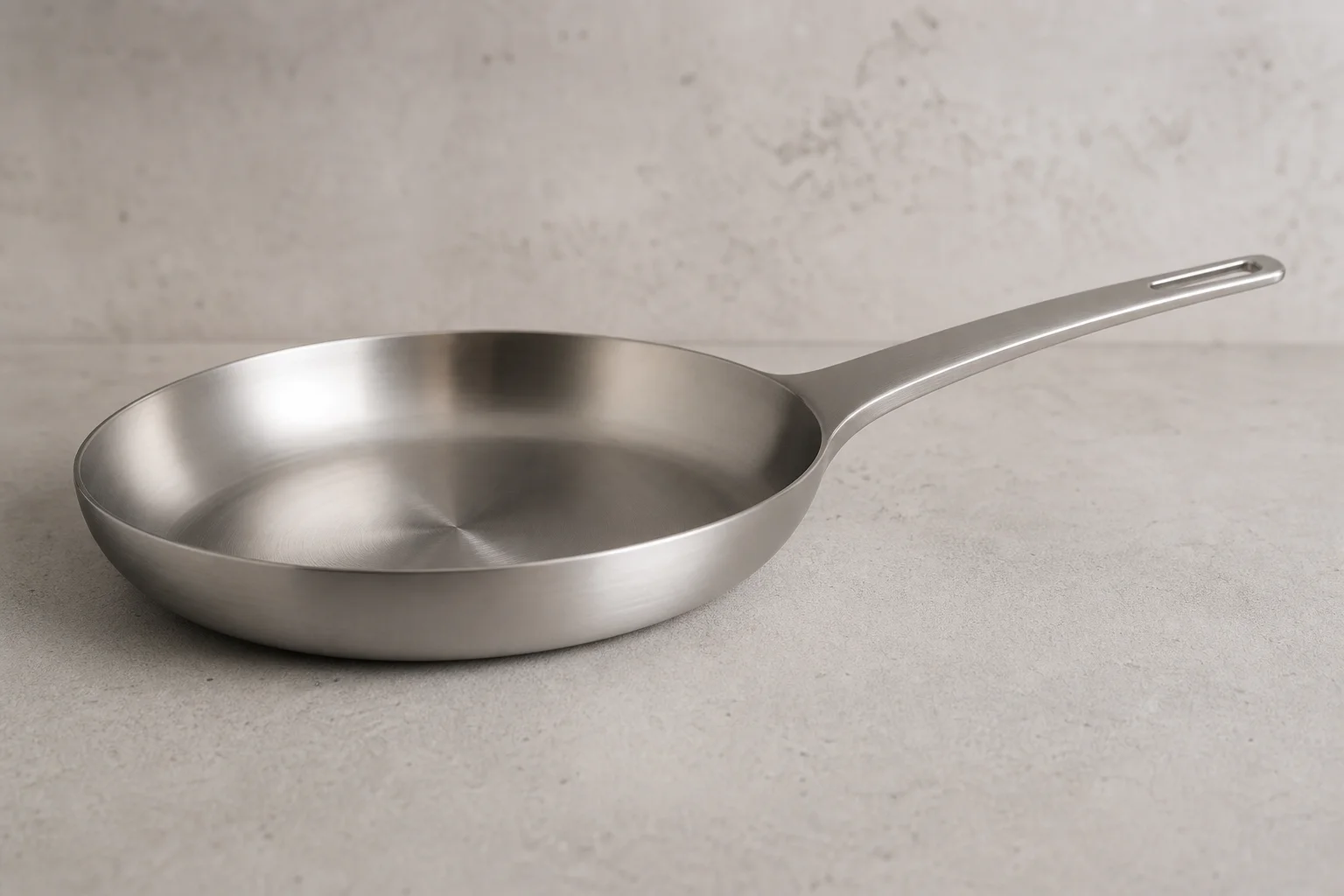
The Industry collection is fully-clad and 5-ply: five bonded layers run through every piece from base to rim. The interior is 18/10 stainless steel, the core is three layers of aluminum, and the exterior is 18/0 stainless steel. This is a well-established construction used by many respected brands.
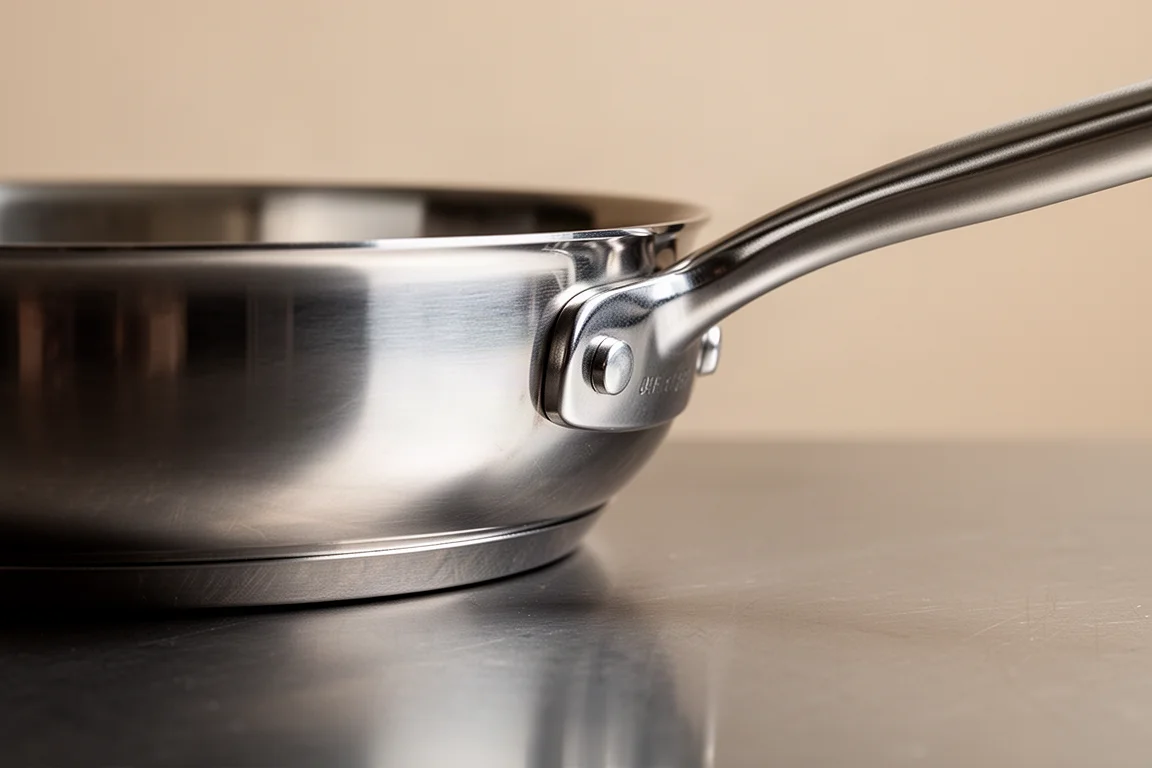
Atlantis takes a more ambitious approach, and it differs by piece type. The fry pans and conical pieces like sauciers are fully-clad with seven layers: an 18/10 stainless cooking surface, a three-layer aluminum core, and three exterior steel layers that add thickness, durability, and greater efficiency on induction. Atlantis stock pots, saucepans, saute pans, and other vertical-sided pieces are not fully-clad; they pair a heavily clad base with thinner stainless walls. Since these pieces mainly heat liquids, the liquid itself spreads heat evenly, so thick walls would only add weight and cost. Their base stacks an 18/10 cooking surface, a layer of silver, copper, another layer of silver, and finally the same three-layer steel base found on Atlantis fry pans.
The practical outcome: Atlantis pieces are significantly thicker and heavier. The 11-inch Atlantis fry pan weighs 5.2 pounds versus 3.3 pounds for the 11-inch Industry pan, and at five millimeters thick, the Atlantis fry pan feels closer to a cast iron skillet than a typical stainless pan. Industry pieces are uniformly three millimeters thick, while Atlantis conical sauciers measure three millimeters and vertical-sided pieces have a 3.8 millimeter base.
Atlantis fry pans also feature Demeyere’s TriplInduc three-layer steel base, exclusive to this collection. It keeps the base perfectly flat so it never warps, and it makes the cookware 30% more efficient on induction cooktops, since the extra magnetic steel layers respond faster to induction heating.
Heat Retention and Cooking Forgiveness
Both collections retain heat well, but Atlantis’s extra layers, thickness, and sheer mass let it absorb and hold noticeably more heat. That matters in real cooking: when you add cold ingredients to a hot pan, a stable temperature means more even results. Drop a cold steak onto a pan that cools quickly and getting a proper sear becomes difficult.
A simple comparison test makes the difference concrete. Two cups of cold water were boiled in both pans, then removed from the heat. After five minutes, the water in the Atlantis pan measured 122 degrees Fahrenheit versus 115 in the Industry pan. After ten minutes, Atlantis held 106 degrees while Industry dropped to 96. Against other pans, Atlantis retained more heat than every competitor after five minutes and tied with Made In at the ten-minute mark. Industry was less impressive but still above average.

That heat stability translates directly into forgiveness. Because Atlantis heats slowly and steadily, temperatures do not swing much as you add or remove ingredients, and a moment of inattention at high heat will not scorch your food. Industry, being thinner, heats faster but responds more sharply when you turn the knob or add ingredients, so it rewards closer attention while cooking.
Handles: A Subtle but Noticeable Difference
Both collections use Y-shaped handles that stay cool during stovetop cooking, but the shape and finish differ. Atlantis handles are angled higher, keeping your hand further from the heat and making the pan easier to tip and rotate. They feature rounded edges and a shiny polished finish.
Industry handles are straighter with squared edges and a bead-blasted matte surface that provides a non-slip grip. Neither approach is strictly better; it comes down to whether you prefer a refined polished look with higher clearance, or a more utilitarian matte grip.
Price and Value
Atlantis is Demeyere’s most premium collection and is priced accordingly, typically costing 30 to 50 percent more than comparable Industry pieces, though exact prices vary by piece and retailer. Both collections sit in the premium tier, with pricing comparable to brands like All-Clad, Hestan, and Le Creuset.

The value equation depends on what you prioritize. Atlantis delivers the best construction Demeyere makes, with thick multi-layer build, outstanding heat retention, and cooking forgiveness that few pans match. Industry is one step down in construction and thickness, but it keeps the Silvinox surface treatment, the rivetless handle design, and the same high-quality steel at a significantly lower price. For many cooks, that trade is an easy one to justify.
Which Should You Buy
The decision really comes down to two factors: price and weight. If Atlantis fits your budget and you are comfortable handling heavier cookware, it represents the best of what Demeyere offers, with heat retention and evenness that make cooking more forgiving.
If you would rather spend less, or you prefer lighter pans that are easier to lift and maneuver, Industry delivers most of the same core benefits at a meaningfully lower cost. Either way, you are getting genuinely premium stainless steel cookware made in Belgium, so the wrong choice here is hard to make.
Conclusion
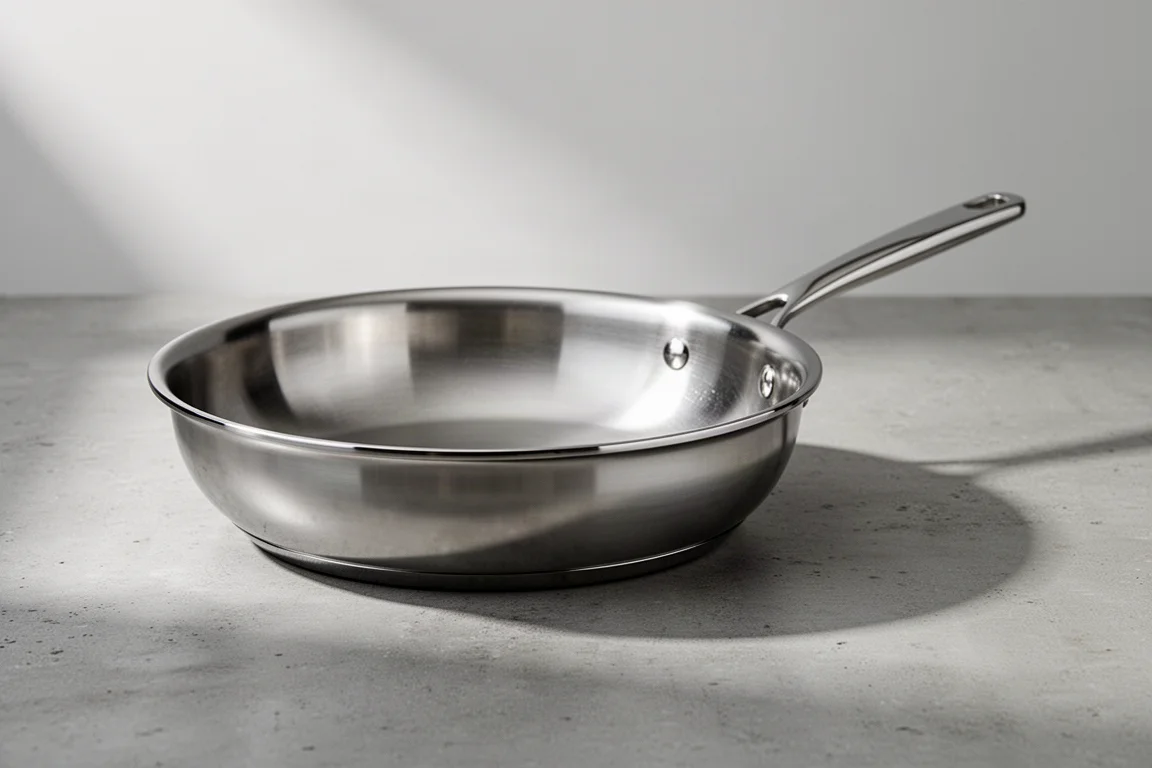
Demeyere Atlantis and Industry share the same excellent fundamentals: 18/10 stainless steel with Silvinox treatment, welded rivetless handles, full cooktop compatibility, and a 30-year warranty. The difference is depth. Atlantis goes further with thicker multi-layer construction, superior heat retention, and a more forgiving cooking experience, while Industry captures most of that quality in a lighter, more affordable package. Choose Atlantis if budget and weight are not obstacles; choose Industry if you want premium Demeyere quality without the premium premium.
Further reading
Related Reviews
Cookware
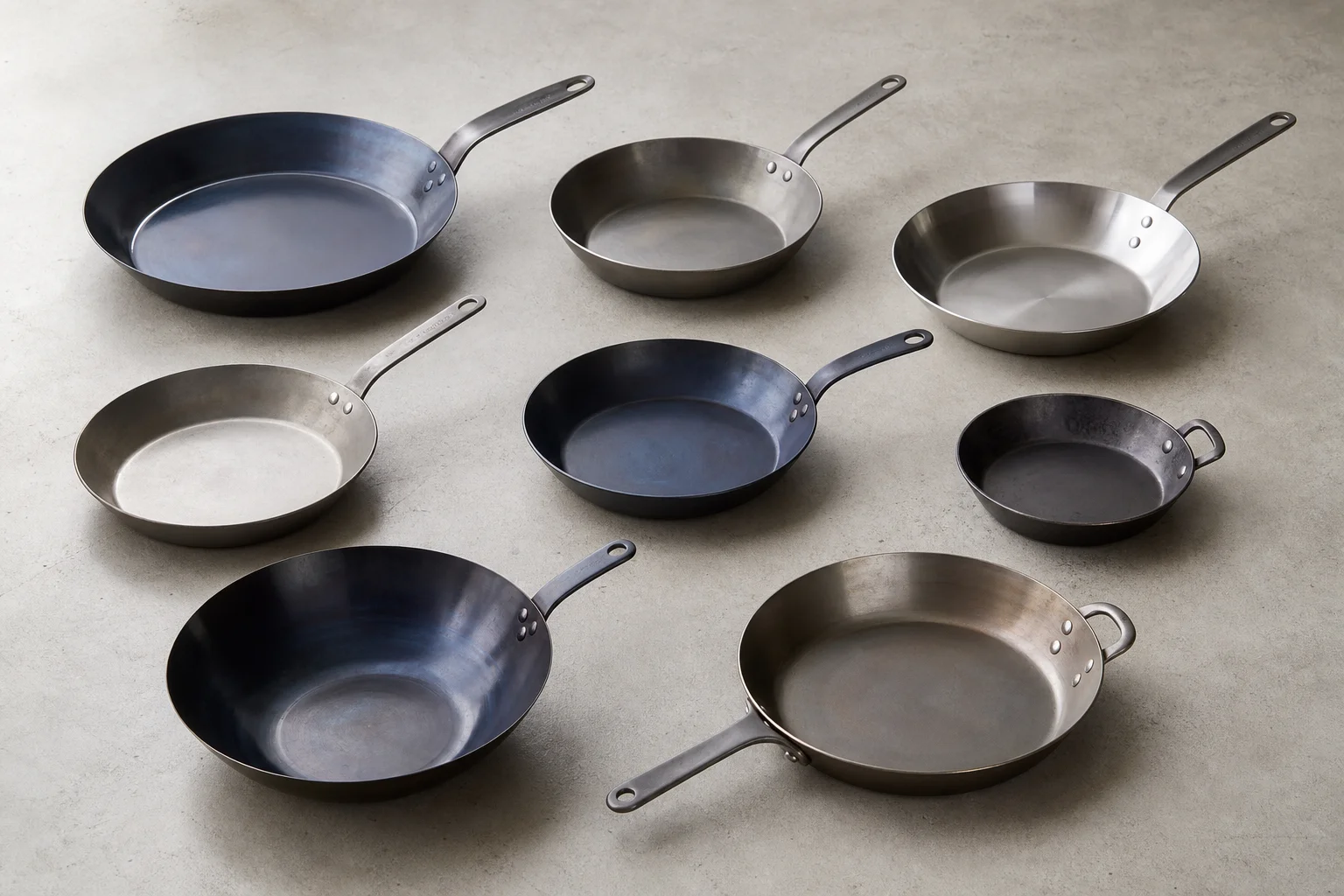
Best Carbon Steel Pans Tested: Which Brands Deliver Real Value
We tested eight popular carbon steel pans with controlled durability, heat, and cooking tests. Here's which ones perform best and which to avoid.
Cookware
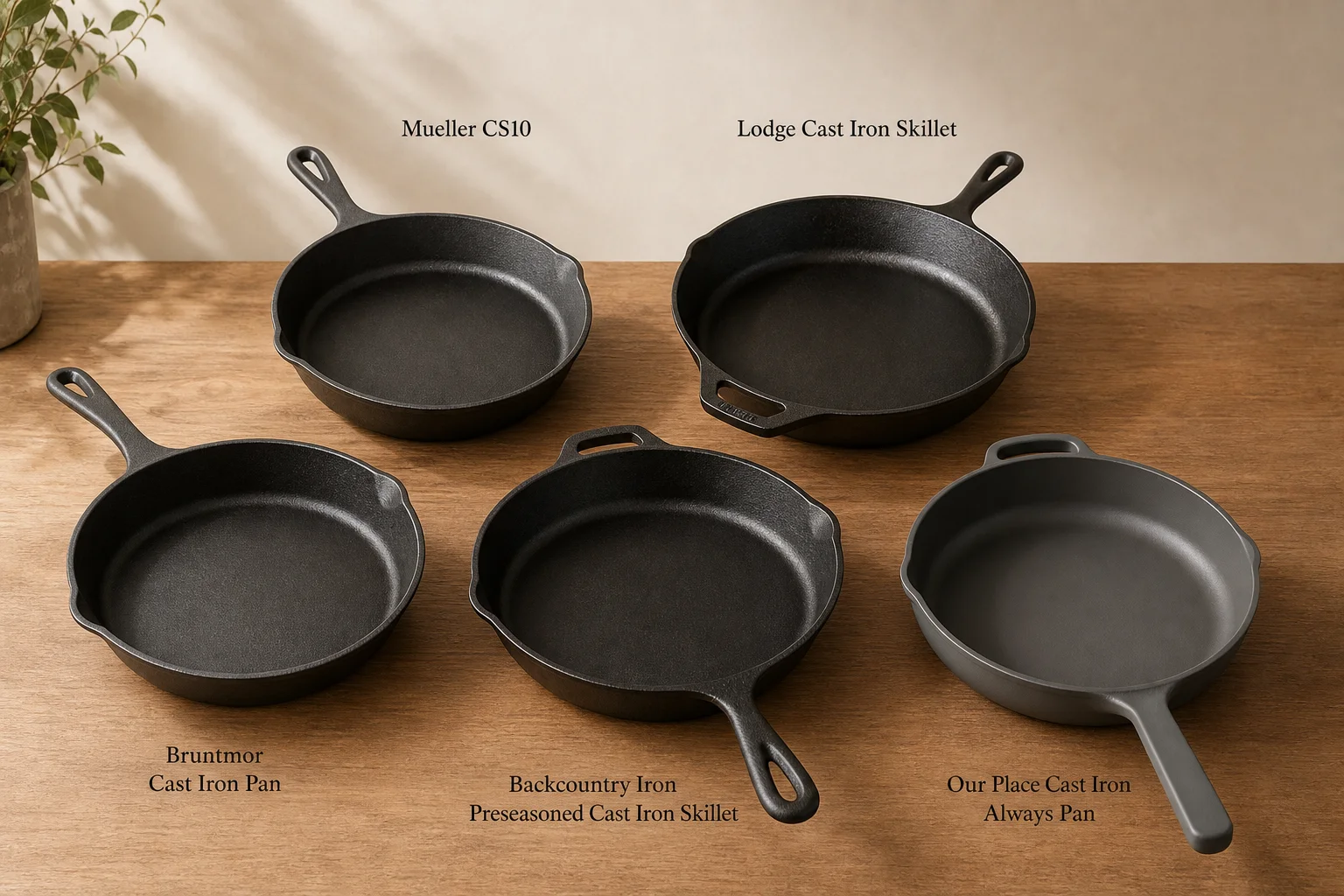
Best Cast Iron Pans 2026: Five Options from Budget to Premium
A practical breakdown of five cast iron skillets, from affordable Mueller to premium Our Place, with clear strengths and trade-offs for different cooking needs.
Cookware
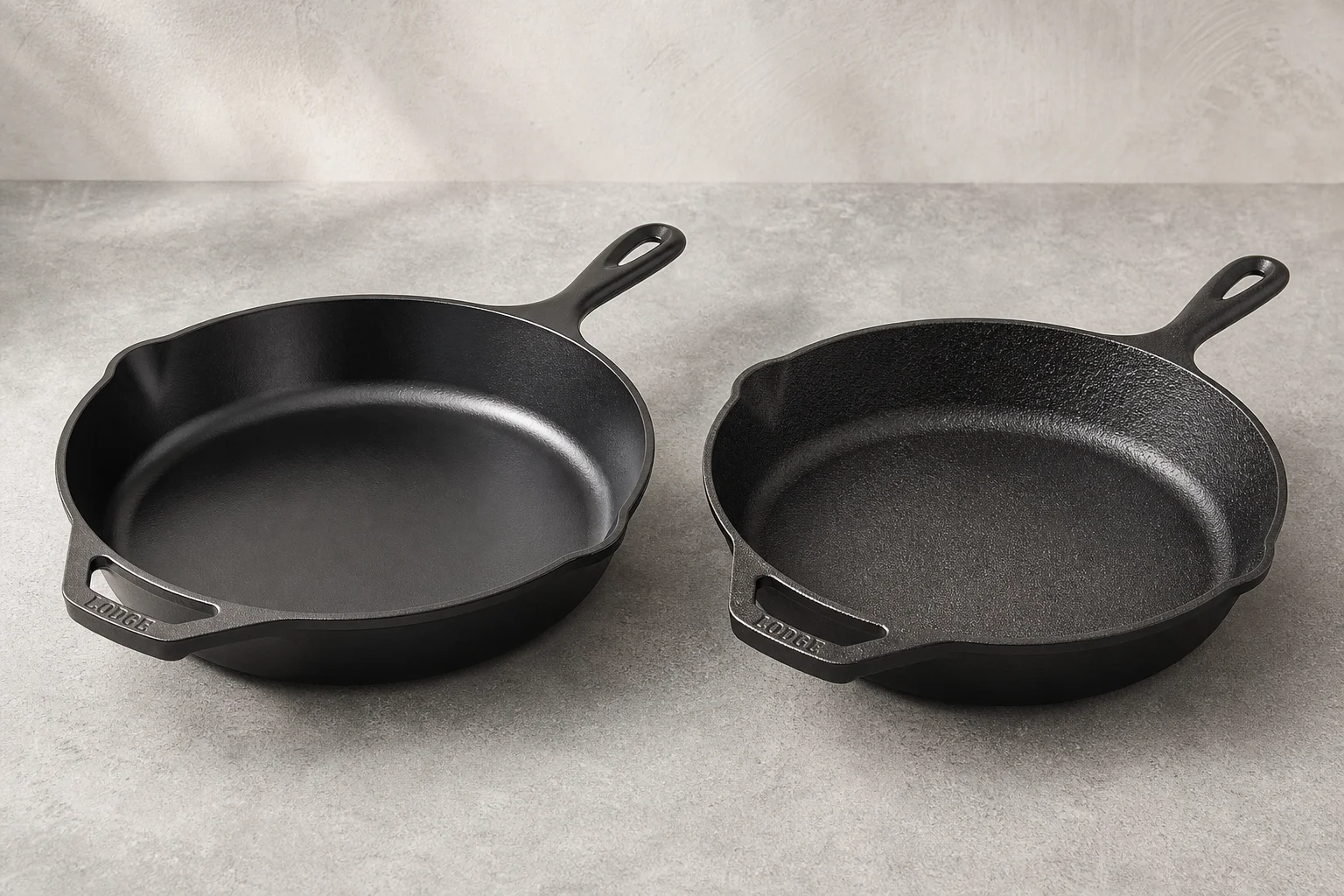
Best 12-Inch Cast Iron Skillets: Premium Craftsmanship vs. Reliable Budget Option
Two standout 12-inch cast iron skillets tested for heat retention, surface finish, and durability. One premium choice and one budget-friendly alternative that both deliver.