Fountain Pens
Delmoon Avatar Review: An Entry Point Into Eggshell and Raden Fountain Pens
A fountain pen combining eggshell and raden at a fraction of the usual price, with trade-offs you should know about before buying.
Introduction
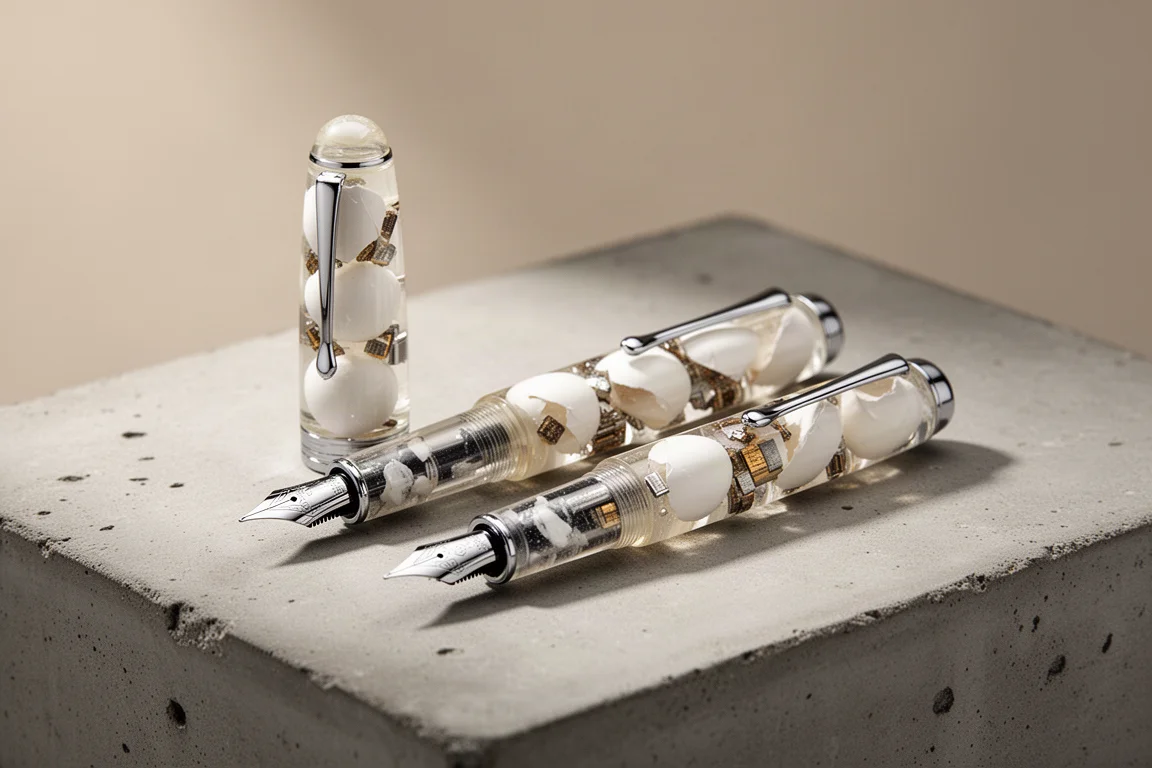
Pens decorated with eggshell and raden typically sit in rarefied territory. Materials like these usually show up on pens costing hundreds or even thousands of dollars, which is exactly why the Delmoon Avatar caught attention. It is an eggshell and raden model priced in the roughly $150 to $250 range, and that gap between price and material raised an obvious question: how much compromise is hiding under the lacquer?
Delmoon is a company based in New Delhi, India. It operates a retail shop called Pens Point, selling both international and Indian brands, and started manufacturing its own pens in 2021. After a warm reception at home, the brand began selling internationally in April of this year. The pen arrives in a simple box with a sliding sleeve, which opens to reveal a velcro-topped sleeve holding the pen. There is no documentation inside.
What the Avatar Is
The Avatar is a resin fountain pen with twisting applications of eggshell and raden. The company name translates from Hindi as “Delhi’s Moon.” Beyond eggshell and raden models, Delmoon offers several other varieties, including some with urushi and some without, in varying patterns.
The filling system is cartridge-converter, accepting standard international cartridges, and a converter is included in the box. With its solid resin construction and a bit of silicone grease, the pen can also be eyedroppered.
First Impressions of the Eggshell and Raden Work
The eggshell on this pen is uniformly stark white. Traditional eggshell work often shows a degree of natural discoloration, so the uniform palette here stands out immediately. The company confirmed this was intentional: pieces are selected for a more consistent look.
Two things distinguish this pen from more expensive eggshell work. First, the shell is set into clear lacquer rather than black lacquer or urushi, which makes the thickness of the shell pieces visible in a way it normally is not. Second, the arrangement is largely random. Most eggshell pens show cracks between pieces placed with deliberate intention; on the Avatar, fragments appear placed wherever they landed, and some pieces are not lying flat, angled slightly up from the surface. There are also bubbles and random debris in the resin, including what looked like fibers embedded in the material. Properly, resin work is done under pressure so bubbles work their way out, and that does not appear to have been the technique used here.
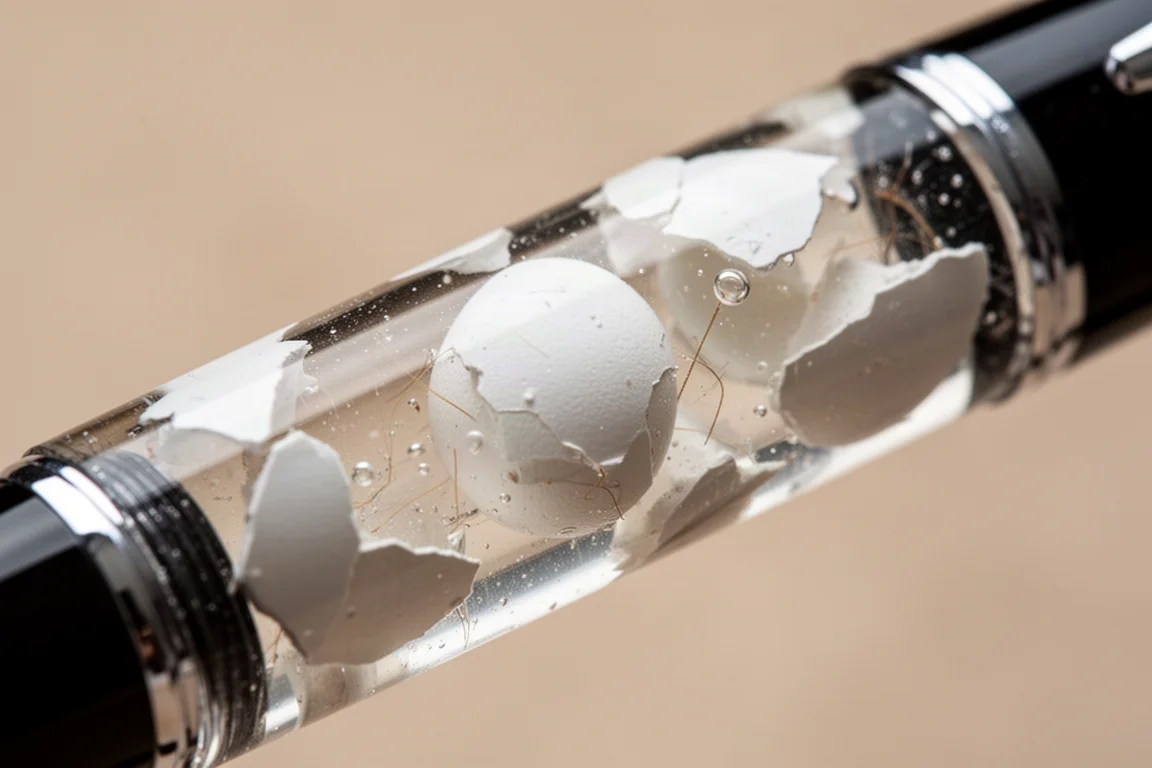
The raden, by comparison, looks attractive. Some edges are ragged and uneven, and there are bubbles in the resin in places, but not every raden pen has perfectly shaped pieces either. Under magnification, the raden shows ridging on the sides, resembling scissor marks. Interestingly, raden on a high-quality Pilot pen shows the same type of marking, so this appears to be common across the craft.
Design Details: Clip, Cap, and Barrel
The top of the cap is very slightly rounded and transitions into a clip stamped with the company name. The clip foot is unusual: a larger piece fixed to the end of the clip leaves a visible gap underneath. This lets the clip accommodate materials of varying thickness, but when removing it, the sharp underside tends to catch on whatever it is clipped to. A smaller or crimped foot would have avoided that.
The cap angles upward before swooping down into a small step to the barrel. The barrel then angles up slightly before tapering to a rounded end. One quirk that is hard to unsee: the patterning on the cap and barrel does not align, sitting about a quarter of an inch off from where a continuous twist would naturally place it.
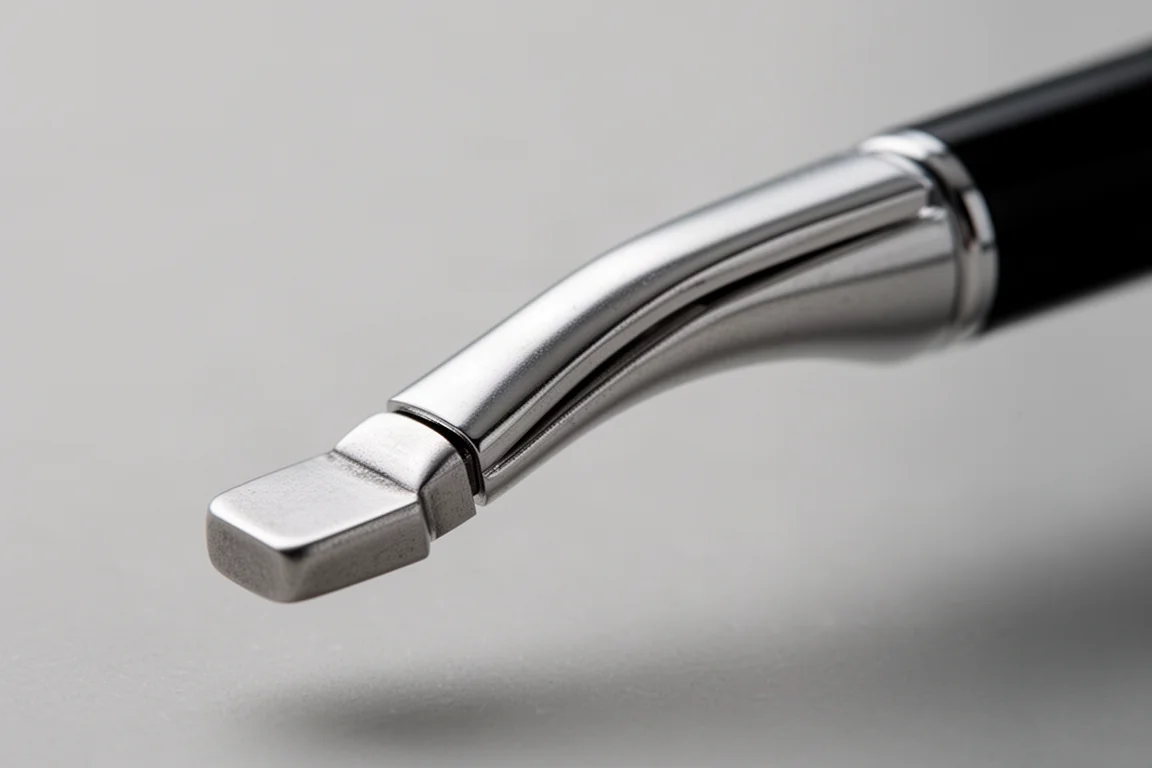
Minor details like these are often what separate a $1,500 pen from a $250 one, and on close inspection the Avatar shows its price. To the naked eye at an initial glance, though, most of these flaws are not obvious, and the pen looks genuinely sharp.
Nib, Filling, and Writing Performance
The cap twists off with one and a quarter rotations to reveal a number six stainless steel Jowo nib, laser engraved with a grid-like pattern, available in fine, medium, or broad. The section rises only about a millimeter from threads to a medium step up to the barrel.
In the hand, the pen is comfortable, fairly light, and the section girth works well. It is long enough to use unposted, and posting the cap barely works, so unposted is the better option.
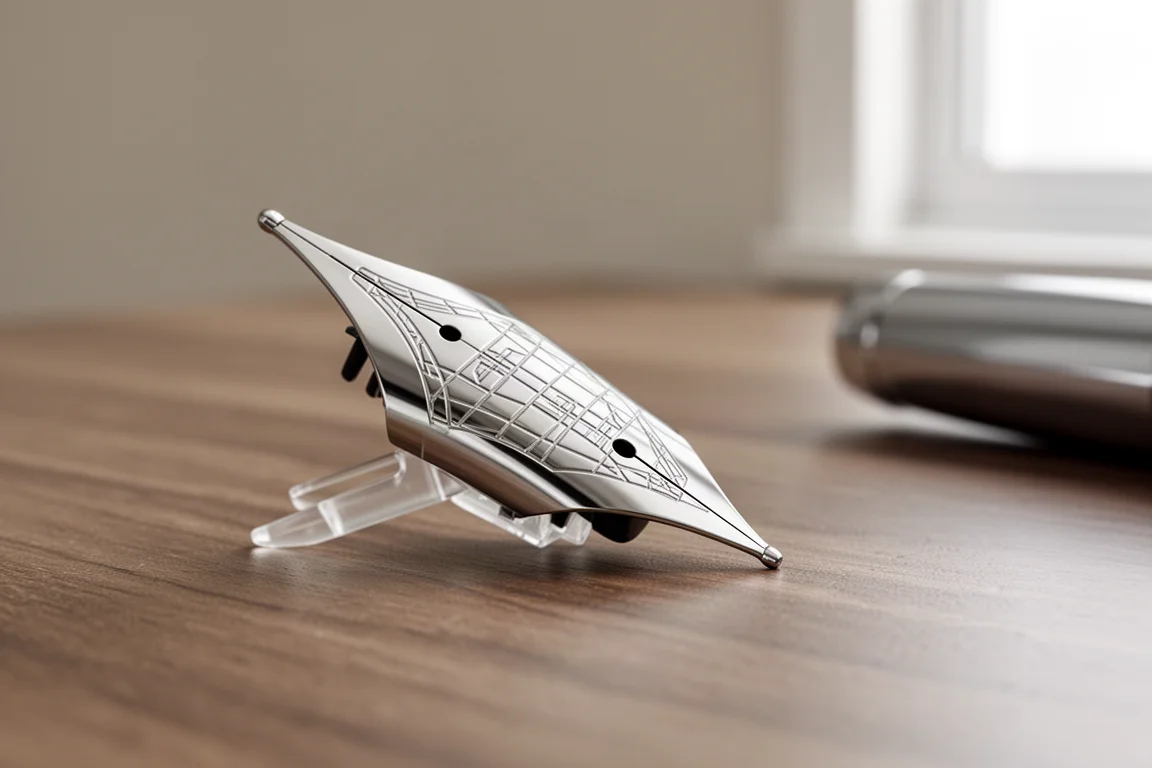
The medium stainless steel Jowo nib performs as expected. Ink flow is decent, the feed keeps up with fast writing, and reverse writing works, though the reverse edge is a little sharp. Pushing hard yields slight line variation, nothing drastic.
Measurements, Comparisons, and Value Verdict
Next to other eggshell and raden pens, the differences become clear: smaller shell pieces, less intentional arrangement, and a starker white compared to the natural discoloration even other affordable eggshell pens show. Against mainstream pens like a Pelikan M805, Montblanc 149, or Lamy Safari, the Avatar sits at a normal, comfortable size.
The pen sells for 21,000 rupees, roughly $250, and Delmoon also offers eggshell-only models starting around 15,000 rupees. That is an extraordinarily low price for this material combination, and the lower cost does come with lower quality, which is not surprising.
The verdict is straightforward. If you expect exquisite craftsmanship, this is not the pen for you. The eggshell has quirks, the clip design is questionable, and the exterior resin carries bubbles and debris. But if you want an entry-level eggshell and raden pen, it is hard to imagine finding anything less expensive, and if minor flaws at close range do not bother you, it is a genuinely interesting addition to a collection. It would be a different story if it were being passed off as a $1,000 luxury piece, but at this price the trade-offs feel fair, and the brand is one worth watching as it matures.
Conclusion
The Delmoon Avatar is an intriguing offering: attractive from a distance, imperfect up close, and priced to match. For anyone curious about eggshell and raden work without a four-figure budget, it is currently about as accessible as this style gets.
Product link
View more details for Delmoon Avatar
This product is mentioned in the review. Check the specifications, options, and compatibility before buying.
View more details for Delmoon AvatarFurther reading
Related Reviews
Fountain Pens
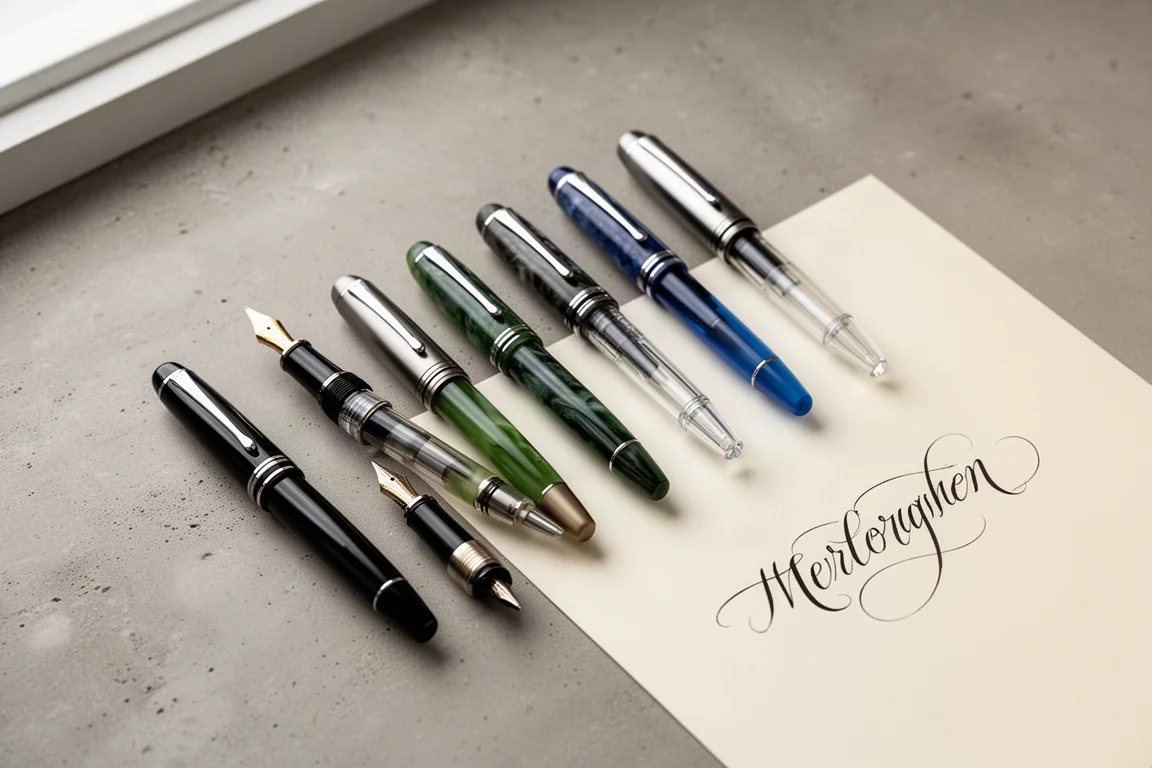
Best Budget Fountain Pens Tested: 9 Pens, One Clear Winner
A hands-on comparison of nine affordable fountain pens for everyday writing, calligraphy, and sketching, with a clear standout for flexible nib fans.
Fountain Pens
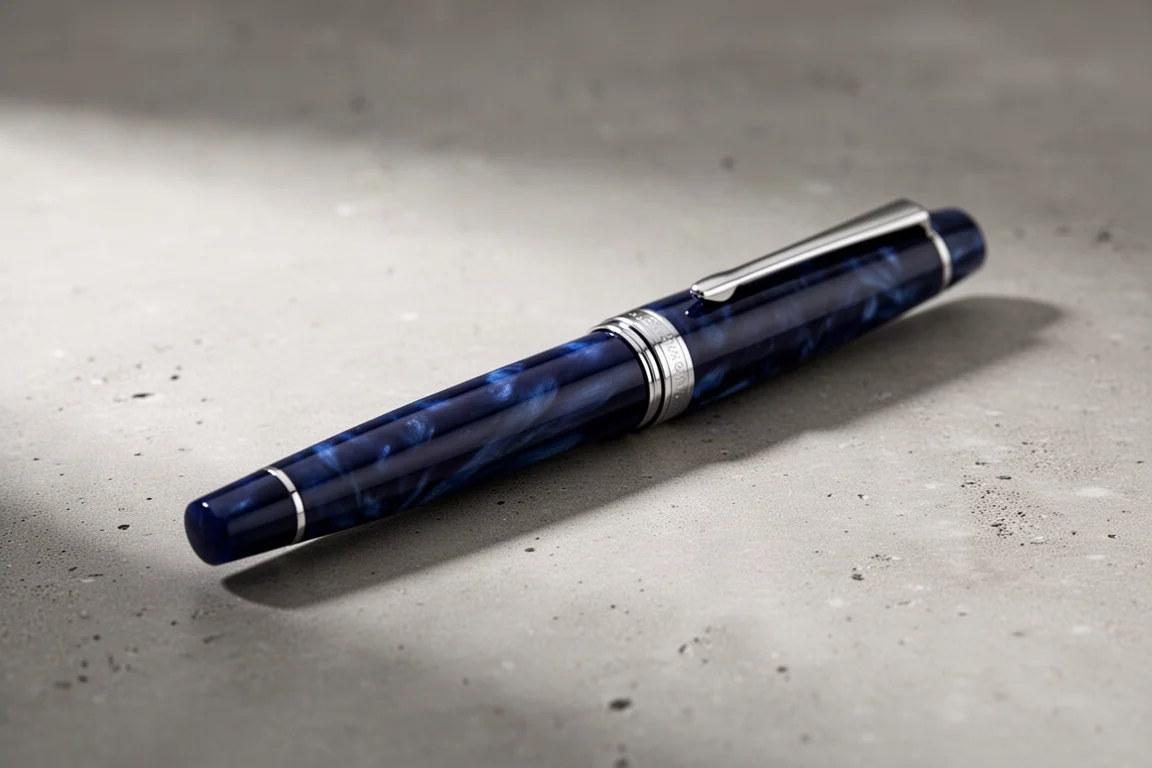
Aurora Optima Review: An Italian Piston Filler That Punches Above Its Price
A 14k gold nib, ebonite feed, and a beautifully deep oraloid body make the Aurora Optima one of the most rewarding piston fillers around.
Fountain Pens
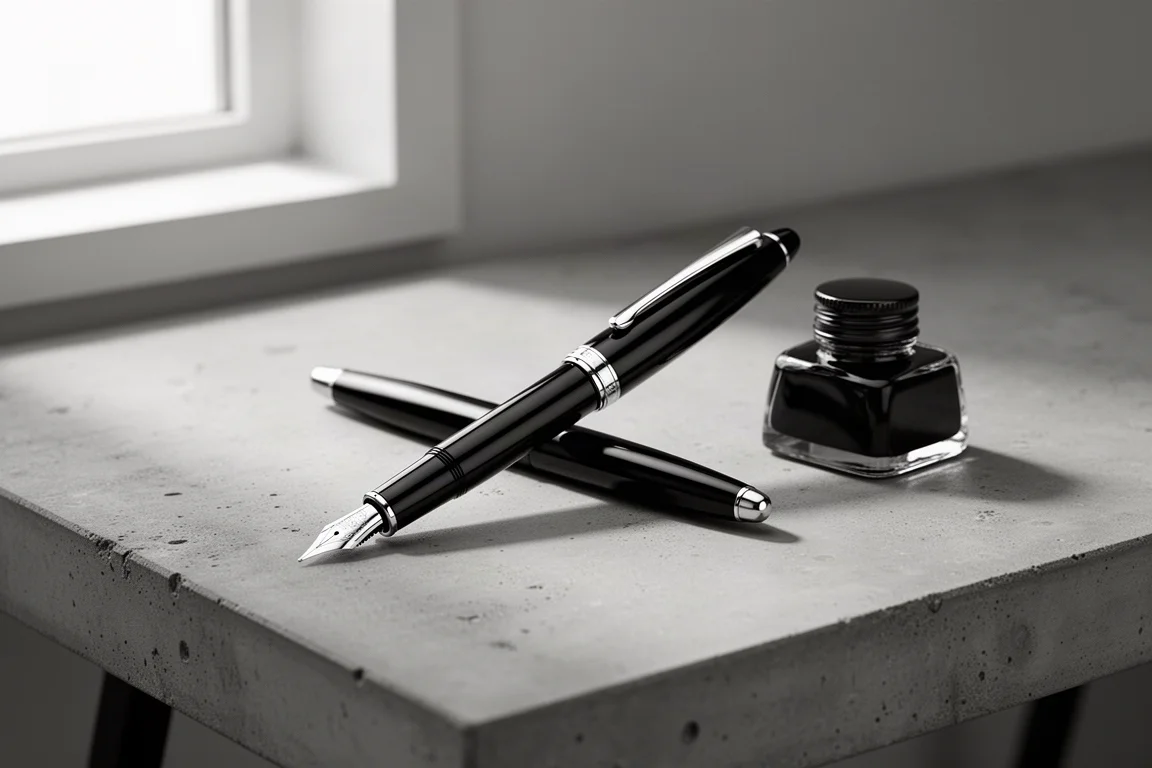
Cross Bailey Light Review: The Entry-Level Fountain Pen Worth Keeping at the Office
A plastic-bodied Cross with a metal clip, snap cap, and famously smooth extra fine steel nib. Around $15, available almost everywhere, and easy to recommend.