Car Camping Sleeping Pads
Deep Sleep 4Runner Sleeping Pad Review: A Two-Piece System for a Level Bed in the Back
A two-piece inflatable sleep system shaped for the back of a 4Runner, tested across a wet and windy night in the mountains.
Introduction
Sleeping in the back of a vehicle is one of the simplest ways to camp, but it only works when the surface underneath you is genuinely flat. In a 4Runner, it is not. The cargo floor steps up toward the front of the vehicle, leaving a raised section that most people try to bridge with spare blankets, folded jackets, or a second sleeping pad that never quite fits the shape.
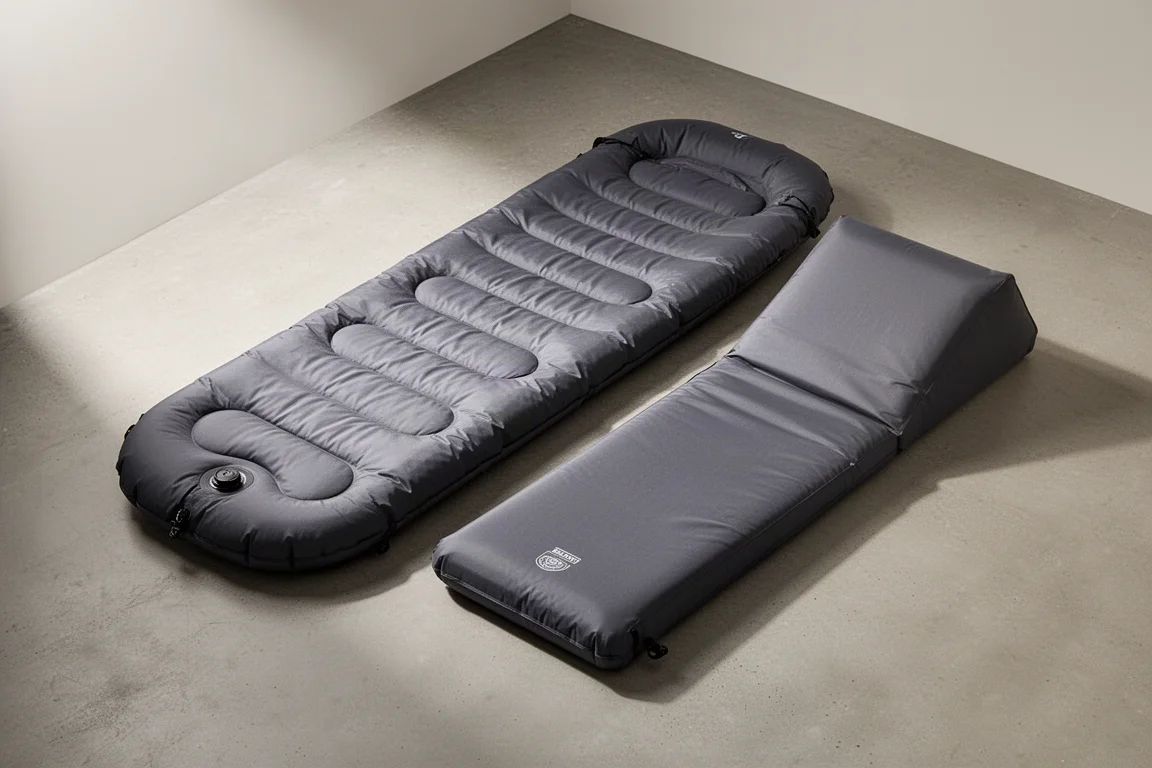
The Deep Sleep 4Runner sleeping pad approaches the problem differently. It is a two-piece inflatable system: a leveling mat that fills and evens out the stepped section of the floor, and a main pad that sits on top to form the actual sleeping surface. Both pieces are shaped for the back of a 4Runner rather than being a generic rectangle that happens to fit.
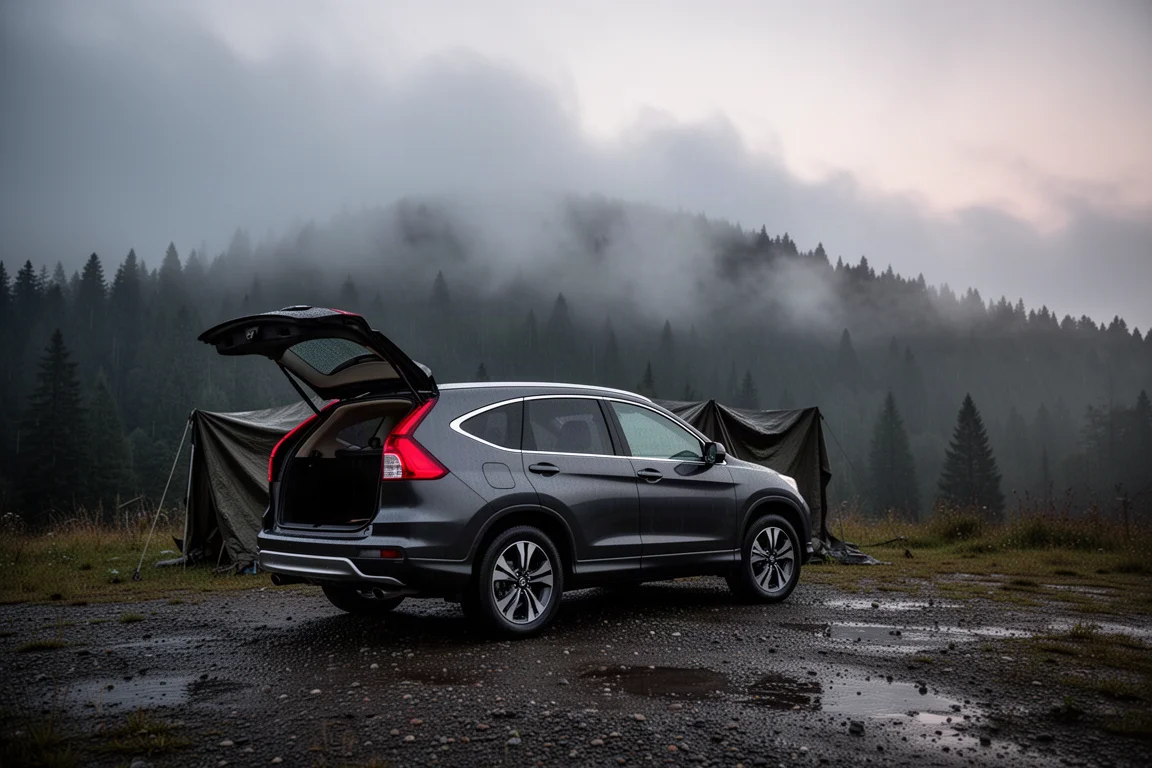
On price, the system sits at around $250, and a similar leveling setup from another company costs roughly twice as much. That gap is part of the pitch here: a purpose-built leveling solution at a more accessible figure, without asking you to rebuild your sleep setup from scratch. It was tested over a single night in steady rain and strong wind on a mountain ridge, which is a reasonable stress test for any vehicle sleep system.
Who This Product Is For
This pad system is aimed at a fairly specific buyer, and knowing whether you are that buyer matters more than any specification.
It makes the most sense for 4Runner owners who already sleep in the back of the vehicle or plan to start. If you have spent a night on that stepped cargo floor, you already know why a leveling layer is worth considering. It also suits car campers and overlanders who want a proper bed inside the vehicle rather than adding a rooftop tent or towing a trailer.
It is a weaker fit for anyone who camps in a tent most of the time, or who drives a different vehicle. The shaping is the entire point, and a generic inflatable mattress will usually be cheaper if you do not need the floor corrected.
Main Strengths
The clearest strength is the two-piece concept itself. The leveling mat handles the uneven floor, and the main pad delivers the sleeping surface. Used together, they remove the step that has been the weak point of sleeping inside this vehicle.
Because both pieces are shaped for the cargo area, setup is straightforward: inflate, place the leveling mat, then lay the main pad over it. There is no wrestling with a rectangle that is too wide at the wheel arches or too short at the front.
Comfort is the other headline. Across a night of steady rain, gusting wind, and a cold morning that dropped into the upper 40s, the system delivered a genuinely restful night. That is the outcome that matters most, and it is difficult to argue with.
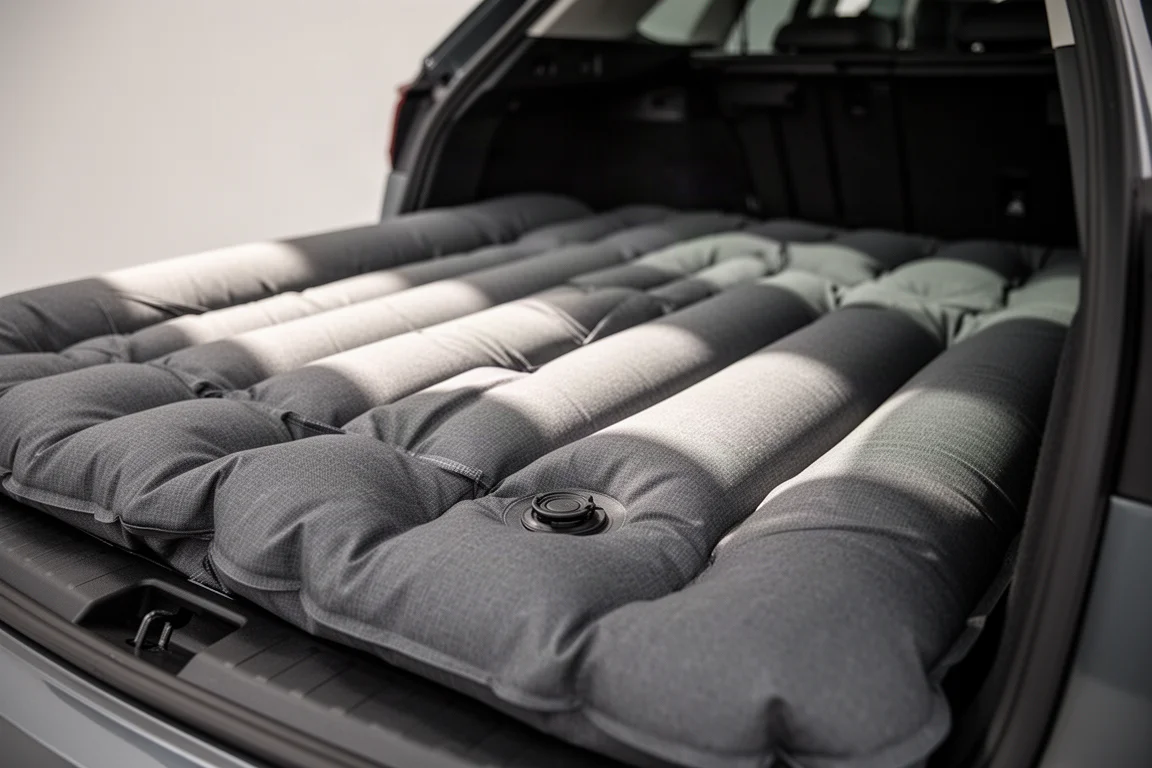
Finally, there is the value angle. Compared with a similar leveling system priced at roughly double, this option keeps the cost closer to a normal mattress purchase while still solving the specific problem.
Overnight Performance in Wind and Rain
The test conditions were not gentle. Rain fell steadily for hours, wind gusted hard enough to make the tarp shelter worth monitoring, and the morning arrived cold and damp.
The experience was simple: the pad was comfortable on the first attempt, sleep came quickly, and the only interruption was waking briefly to heavier rain before drifting off again until around six in the morning. Nothing about the surface needed adjusting during the night, and the leveling effect held up.
That is the real measure of a sleep system like this. It is not about features you notice while setting up, but whether you wake up rested after a night of poor weather. On this trip, the answer was yes.
Things to Consider Before Buying
There is one design detail worth thinking through. The leveling mat and the main pad are two separate pieces rather than a single connected unit. When you sit up on the bed, you can feel that the larger pad is resting on a smaller one beneath it. It works, and it does not undermine the comfort, but it is a small reminder that you are sleeping on two layers rather than one.
The price is the second consideration. Around $250 is not trivial, even if it undercuts the closest comparable system by a wide margin. If you sleep in the vehicle a handful of nights a year, that math deserves a second look.
Finally, remember that this is a vehicle-specific product. It is designed around the back of a 4Runner, so it is not a general purpose camping mattress you can move between a tent, a different SUV, and a guest room.
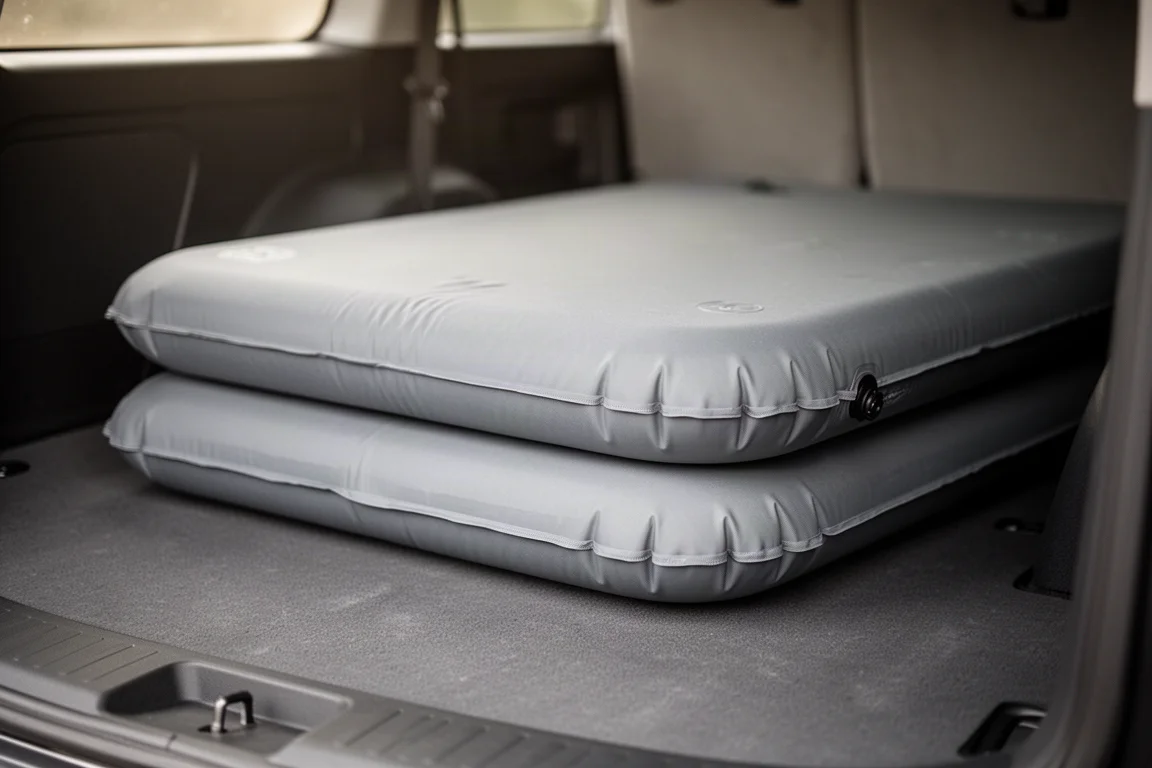
None of these points are dealbreakers. They are simply the honest trade-offs that come with a two-piece, vehicle-shaped design.
Buying Advice
If you own a 4Runner and sleep in the back with any regularity, this system addresses the exact problem you have been working around. The leveling mat turns an uneven cargo floor into a flat surface, and the main pad is comfortable enough to carry a full night in bad weather. That combination is the reason to buy.
If you only occasionally sleep in the vehicle, or if you have already built a workable solution you are happy with, the case is less urgent. In that situation, think of this as a comfort upgrade rather than a necessity.
Before ordering, decide how you feel about the two-piece layout. Some people will appreciate that each part can be handled separately, while others would prefer a single unit. Neither preference is wrong, but it is the detail most likely to shape how you feel about the system over time.

For the right owner, this is a practical purchase that solves a real annoyance rather than adding another piece of gear you rarely use.
Conclusion
The Deep Sleep 4Runner sleeping pad does one job well: it turns the back of a 4Runner into a flat, comfortable place to sleep. The two-piece design is the mechanism, the vehicle-specific shaping is the advantage, and a night of rain, wind, and cold temperatures confirmed that it delivers where it counts.
The trade-offs are clear and manageable. The leveling mat and main pad are separate, the price is meaningful, and the fit is specific to one vehicle. Weighed against a comparable system at roughly twice the cost, and against the alternative of another restless night on a stepped floor, it is an easy recommendation for anyone who already sleeps in the back of this vehicle.
Product link
View more details for Deep Sleep 4Runner Sleeping Pad
This product is mentioned in the review. Check the specifications, options, and compatibility before buying.
View more details for Deep Sleep 4Runner Sleeping PadFurther reading
Related Reviews
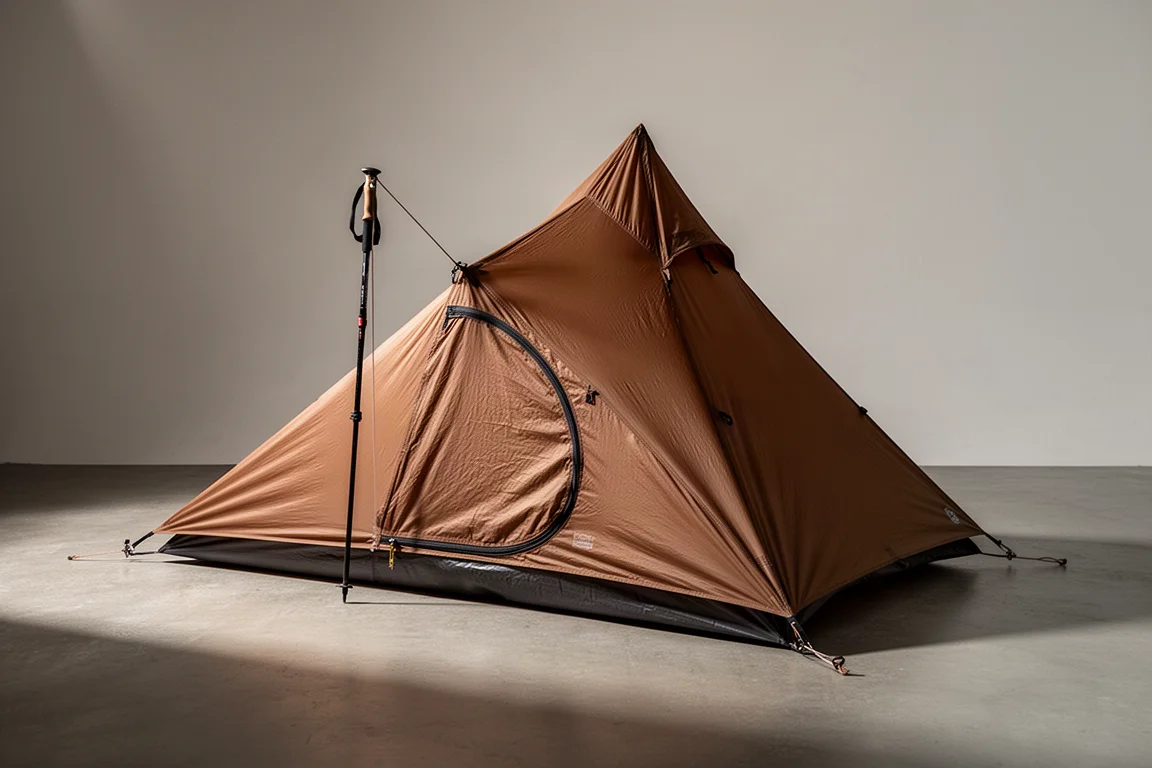
Backpacking Tents
3F UL Lanchan Pro 1 Review: A 1 lb 8 oz Single-Wall Trekking Pole Tent
A practical look at the 3F UL Lanchan Pro 1, a single-wall trekking pole shelter with a 1 lb 8 oz weight, 20D silnylon fabrics, and a roomy 90 x 31 x 49 inch interior.
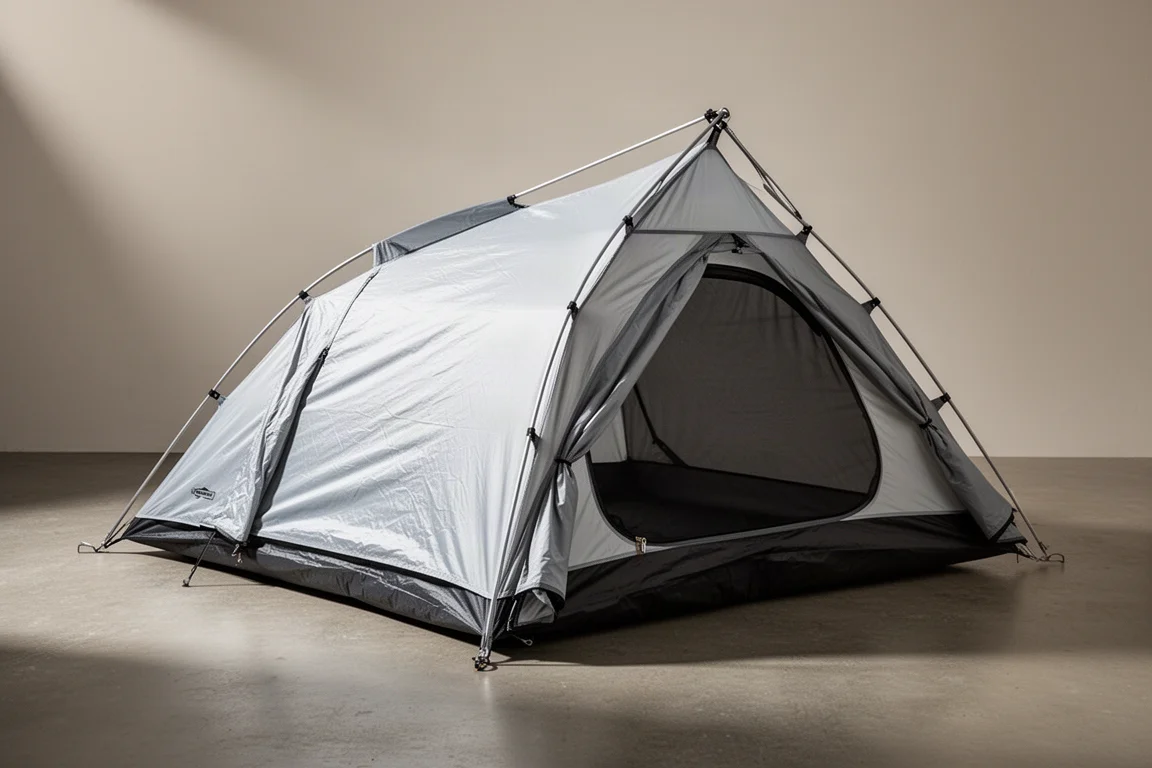
Backpacking Tents
3F UL Taiji 2-Person Tent: A Convertible Backpacking Shelter Worth a Closer Look
A practical look at the 3F UL Taiji two-person tent, covering its materials, true two-person interior, fly-first pitching, and the seasonal inner swap that lets one shelter cover more of the year.
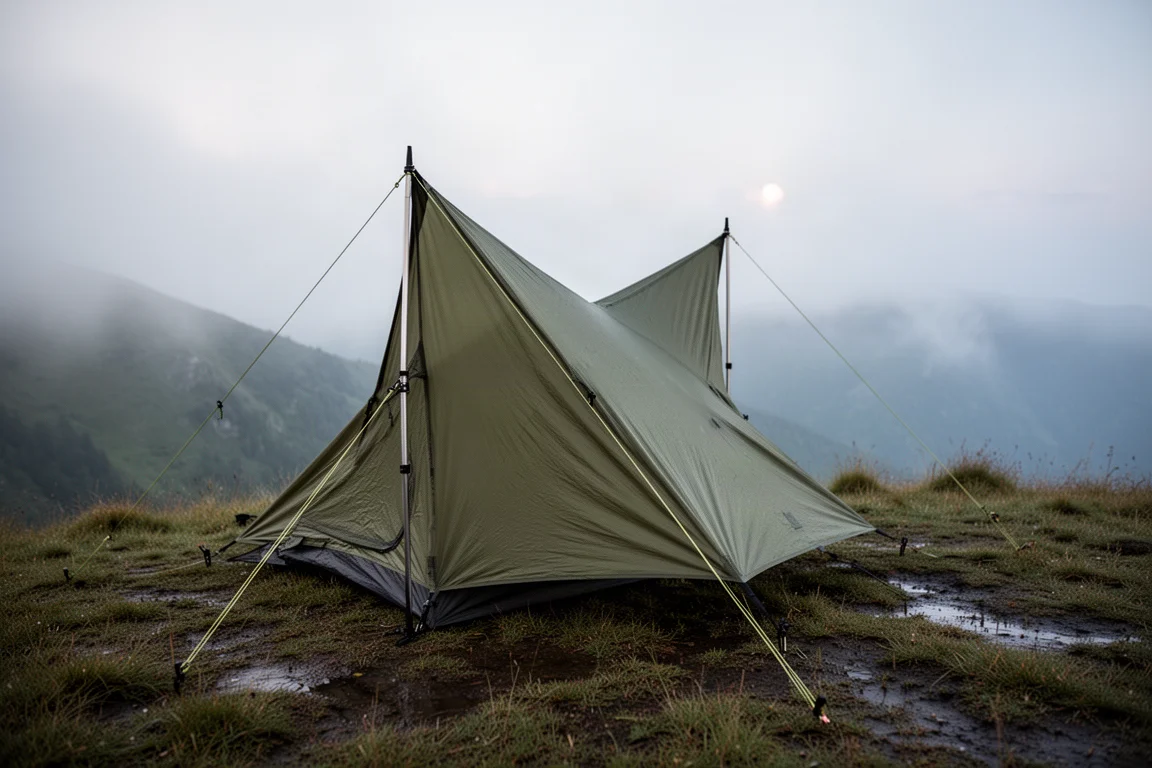
Backpacking Tents
3FUL Lanshan Twoerson Pro Review: A Light Trekking Pole Shelter That Struggled in Rain
A two-person trekking pole shelter with a 2026 redesign, pitched with sticks and put through a night of steady rain. Here is what worked, what did not, and what to check before buying.