Backpacks
Decathlon MT 900 70+10L Backpack Review: Big Organization, Six Pounds, $210
An 80-liter trekking pack with ten pockets, dual-access loading, and excellent build quality, weighed down by six pounds and a $210 price tag.
Introduction
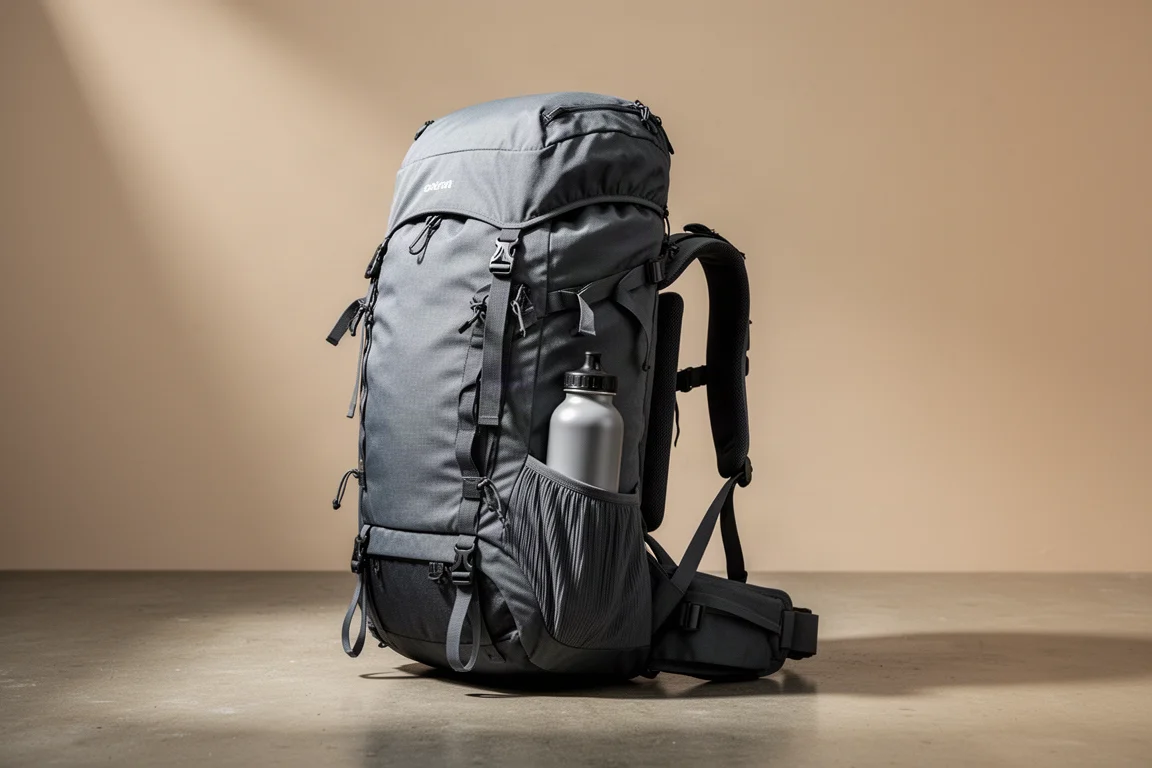
The Decathlon MT 900 70+10 is an 80-liter trekking backpack priced at $210. On paper it looks like a great deal of pack for the money: ten pockets, two ways to load it, a floating lid, and rigging points almost everywhere you look. On the trail it tells a more complicated story.
This assessment comes from roughly 125 miles of carrying the pack. The short version: build quality and organization are genuinely strong, but six pounds of polyester and a $210 price tag are hard numbers to overlook, and the harness runs out of composure once the load climbs past about 35 pounds.
Who This Backpack Is For
This pack makes the most sense for hikers and trekkers who value organization above almost everything else, who want to reach gear through a front panel rather than unpack from the top, and who keep their total load under roughly 35 pounds.
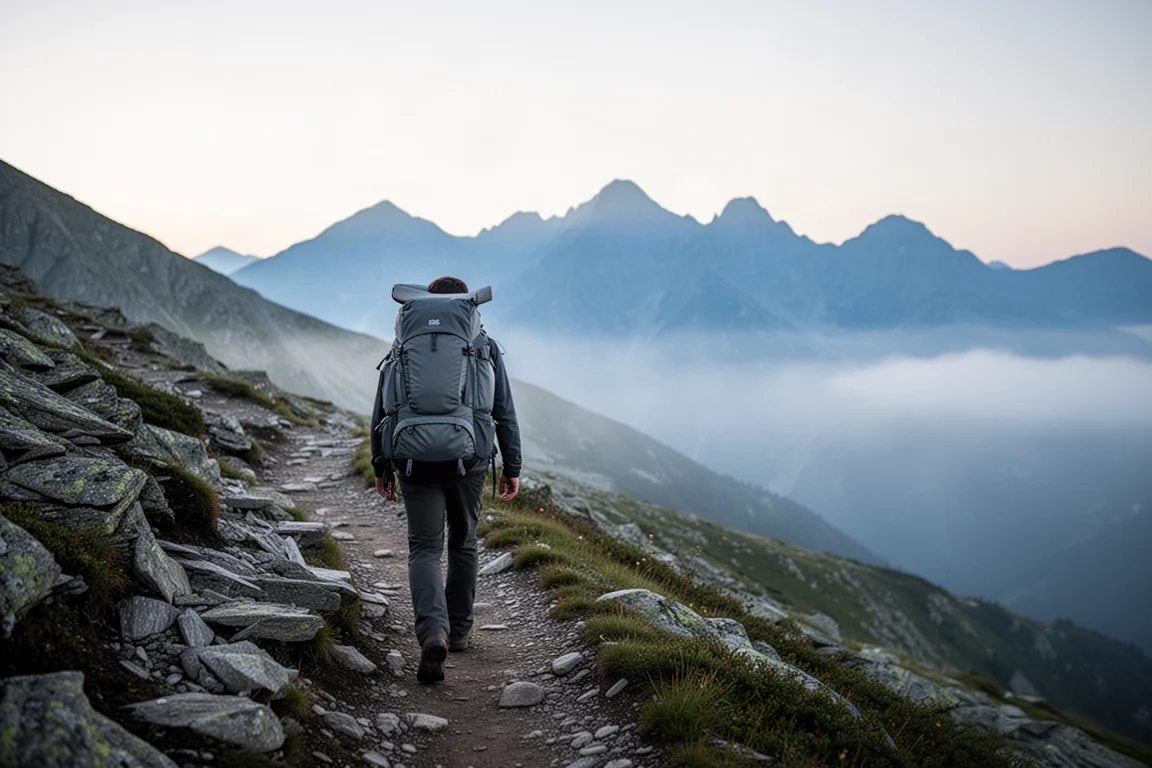
It is a large pack. With 80 liters of capacity you can carry a full multi-day loadout, and if you prefer to keep everything inside the bag rather than lashed to the outside, that capacity does the work for you. The trade-off is that this is not a lightweight pack, and the weight is noticeable the moment you lift it.
If your trips involve long carries with heavy resupply loads, or if you count grams carefully, this is probably not the pack for you.
Main Strengths: Build Quality and Pocket Layout
Overall quality is excellent. The fit and finish are clean, the stitching is consistent, and there are no loose threads anywhere on the pack. That is worth noting, because it is not guaranteed even at higher price points.
The main body is 600 denier polyester with a polyurethane coating, and the zippers are YKK. That combination is built for durability, and it is also part of the reason the pack weighs what it does.
Organization is where this pack separates itself. There are ten pockets in total. The lid has a large pocket with dual zipper pulls on a smooth-running zipper, plus a zippered compartment inside the lid and a dedicated zippered compartment for the rain cover. Each side has a long pleated zippered pocket that runs from near the top of the pack to within about four inches of the bottom, and the pleats let the pocket stretch as you fill it.
Above each side pocket sits a stretchy hydration sleeve, and below it an angled water bottle holder with a draw cord. Angled bottle pockets on both sides are unusual, and they are one of the most practical details here. The waist belt adds two zippered pockets, though both are quite small.
Harness, Frame, and Fit Adjustment
The frame uses two aluminum stays, and the torso length is fully adjustable so the harness can be set for either a short or a long torso. Load lifters, a height-adjustable sternum strap with an integrated emergency whistle, and two additional buckles above the harness all give you room to tune the fit. The harness straps are padded, and there are loops and straps on the harness for hanging small items.
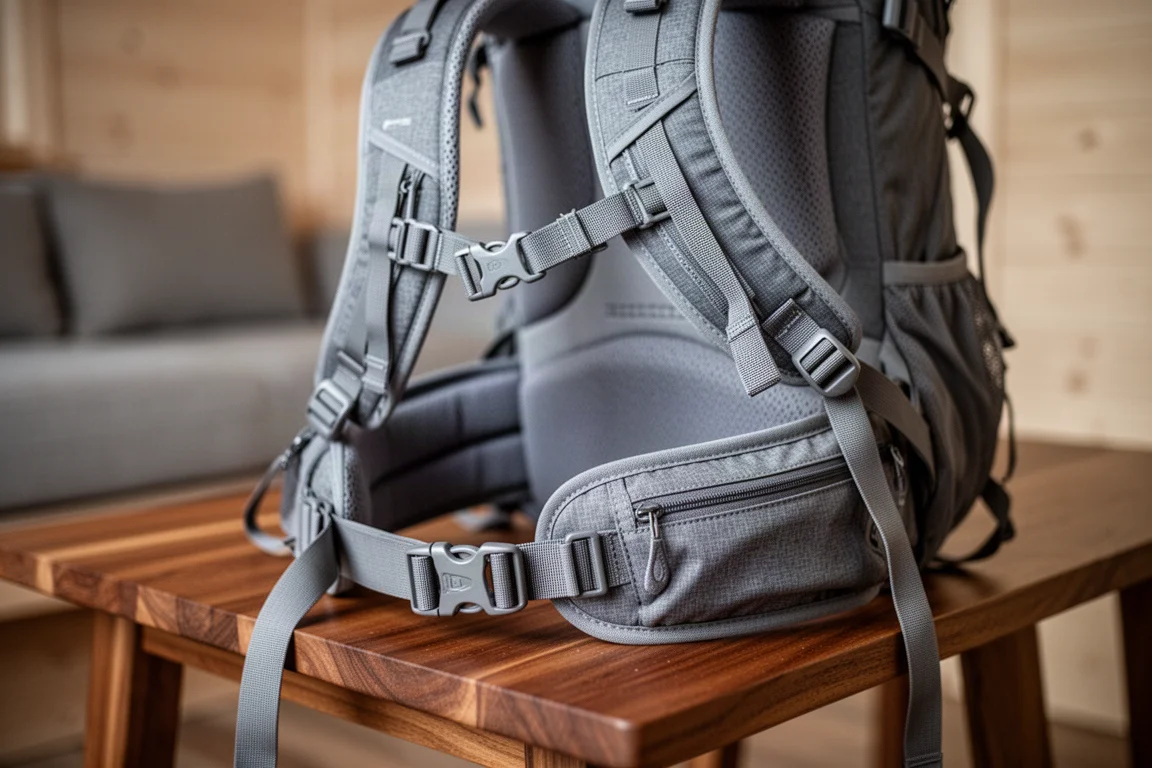
The waist belt is fully adjustable as well. Getting the torso length dialed in is the part that takes patience: the adjustment system is an older design, and making changes to it is genuinely awkward compared with the simpler systems found on newer packs.
Once it is set, though, the pack holds its position, and the combination of an adjustable torso and an adjustable belt means most people can reach a workable fit.
Packing, Access, and Weather Protection
The MT 900 70+10 can be loaded and unloaded two ways. The top opening uses two draw cords, one for the extension and one for the base of the lid, and the lid itself floats: you can raise it, lower it, and cinch it down, with two buckles at the front and straps at the back. Shock cord across the top adds another place to stash a layer.
The second entry point is the front panel. Two side zippers and a velcro closure let the panel swing open so you can see and reach the contents of the pack without digging from the top. Three compression straps on the inside of that panel help hold your loadout in place, and there is a hydration sleeve, a hydration hook, and a zippered mesh pocket on the back of the panel. The hydration port sits on the right side of the pack as worn.
At the bottom you get two compression straps and gear loops that work well for trekking poles. There is no dedicated sleeping bag compartment and no bottom zip, so a sleeping bag goes inside the main body like everything else. Dimensions are 30.3 inches tall, 15 inches deep, and 19 inches wide, and the pack comes in gray or black.
Real-World Comfort and Load Limits
Below about 35 pounds, this pack is comfortable. Above that, the weaknesses in the harness become obvious.
The shoulder padding is wide but not especially thick or soft, and it feels firm under load. The waist belt is padded, but it gives too much, so it does not transfer weight as firmly as a heavy load requires. That is an awkward combination for a pack this size: 80 liters invites a big loadout, and the harness is happiest with a moderate one.
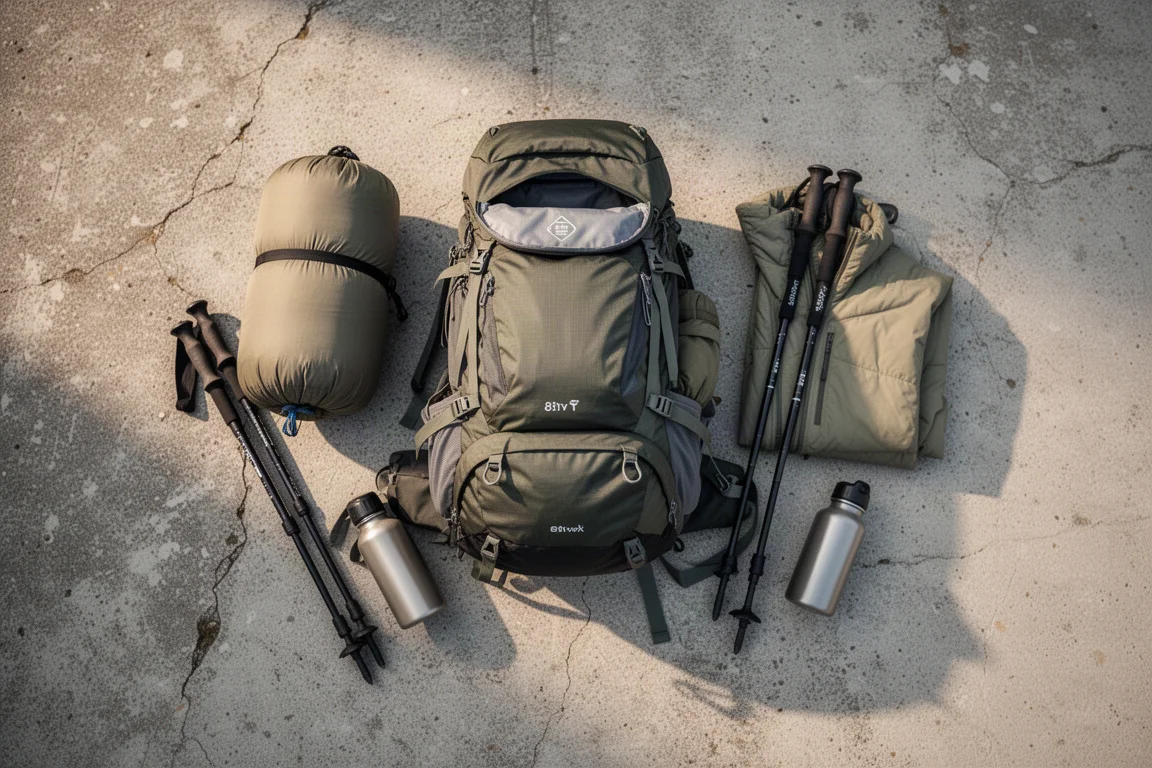
Ventilation is adequate. There are recesses in the middle of the back panel and a large recess between the padding and the lumbar support, which keeps some air moving behind you. For a pack of this size, that is a reasonable result.
Things to Consider Before Buying
The first consideration is price. At $210, this pack sits close to top-tier pricing, but the main body is polyester rather than nylon, and polyester is normally the less expensive material. The design is also dated, particularly the torso adjustment system.
The second consideration is weight. Six pounds is heavy for an 80-liter pack, where around four and a half pounds is more typical. You feel it as soon as you lift the pack, and you keep feeling it on the trail.
Two smaller points are worth knowing before you commit. There is no dedicated sleeping bag compartment, which some trekkers rely on for organization. And the waist belt pockets are very small, which makes them difficult to reach and use once the belt is fastened.
Finally, be honest about your typical load. If your packed weight regularly lands above 35 pounds, the comfort here will not hold up, and that is a significant limitation for a pack designed to carry a great deal of gear.
Buying Advice
Buy the MT 900 70+10 if organization is your priority and your typical load stays moderate. Ten pockets, dual-access loading, two angled bottle pockets, and clean construction are real strengths, and if you like a place for everything, this pack delivers that.
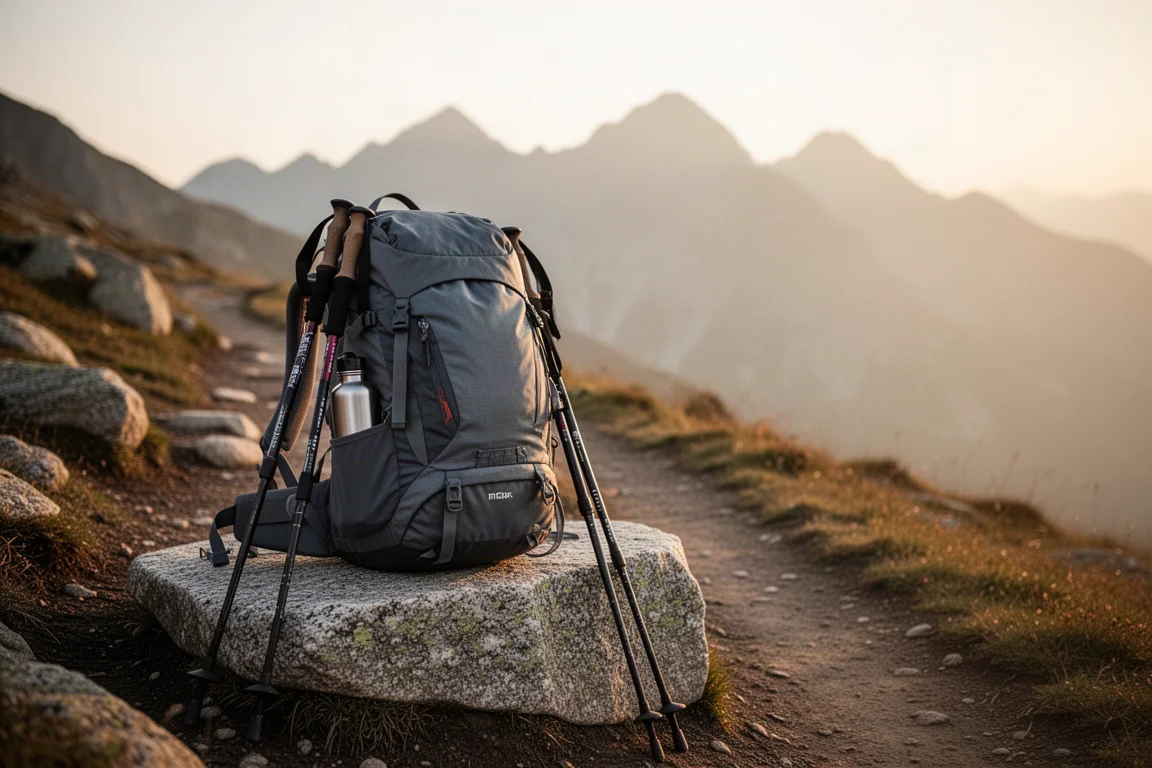
Be cautious if your load runs heavy or your budget is tight. For similar money you could find an Osprey Atmos AG 65L on sale, which is substantially more comfortable, and Decathlon’s own Trek 100 at around $130 is a strong alternative at a much lower price. The MT 900 70+10 is not a bad pack. It is a pack with a price and a weight problem, and both are easy to see before you buy.
Conclusion
The Decathlon MT 900 70+10 gets a lot right: excellent build quality, ten pockets, a floating lid, front and top access, and comfortable carry below 35 pounds. It also weighs six pounds, costs $210, and its harness runs out of support once the load gets heavy. If you want maximum organization in a large pack and your loads stay moderate, it is a reasonable choice. If you want a lighter pack, a more comfortable carry at heavy weights, or better value for your money, look at the alternatives first.
Product link
View more details for Decathlon MT 900 70+10 Backpack
This product is mentioned in the review. Check the specifications, options, and compatibility before buying.
View more details for Decathlon MT 900 70+10 BackpackFurther reading
Related Reviews

Backpacks
Best Backpacks 2026: Laptop Protection, Durability, and Comfort Compared
We tested 12 backpacks from $18 to $350 for laptop protection, durability, back padding, comfort, zipper smoothness, and water resistance.
Backpacks
Best Backpacks Under ₹500 in India: Five Practical Options Compared
Five backpacks tested side by side, from budget-friendly to premium Indian brands. Real strengths, trade-offs, and honest buying advice for daily use.
Backpacks
Decathlon Trek 100 70L Backpack Review: Serious Value for Backpacking
A 70-litre backpacking pack with a torso system you can adjust while wearing it, a rigid frame, and a 10-year warranty for $120.