Running Shoes
Decathlon Kiprun KS900 Light Review: A Soft, Value-Focused Daily Trainer (Plus Two Rivals Worth Comparing)
The Kiprun KS900 Light is Decathlon's new top-tier cushioned daily trainer, promising 1,000 km of durability at a friendly price. We compare it with the Puma Velocity Nitro 2 and Reebok Floatride Energy 5.
Introduction
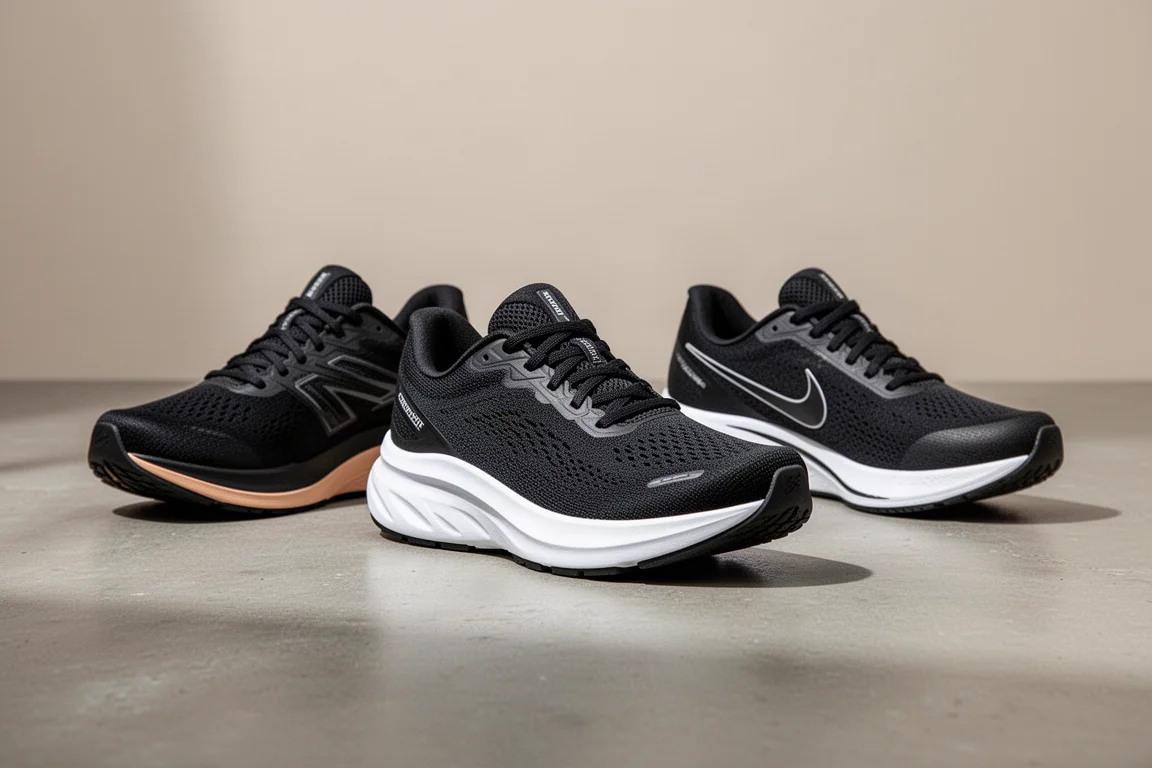
Decathlon’s Kiprun line has been quietly building a reputation for delivering genuinely good running shoes at prices that undercut most of the market, and the KS900 Light is the brand’s new top-of-the-range cushioned daily trainer. It replaces the previous KS900 and, as the name suggests, trims weight rather than reinventing the formula. It is a shoe built around soft comfort, a traditional design and big durability promises.
The interesting question is not whether it is good, because it is, but whether it stands out against rivals that cost similar money. Below we break down what the KS900 Light does well, where it falls short, and how it stacks up against two strong competitors at the same price point: the Puma Velocity Nitro 2 and the Reebok Floatride Energy 5.
Decathlon Kiprun KS900 Light: Soft, Simple and Built to Last
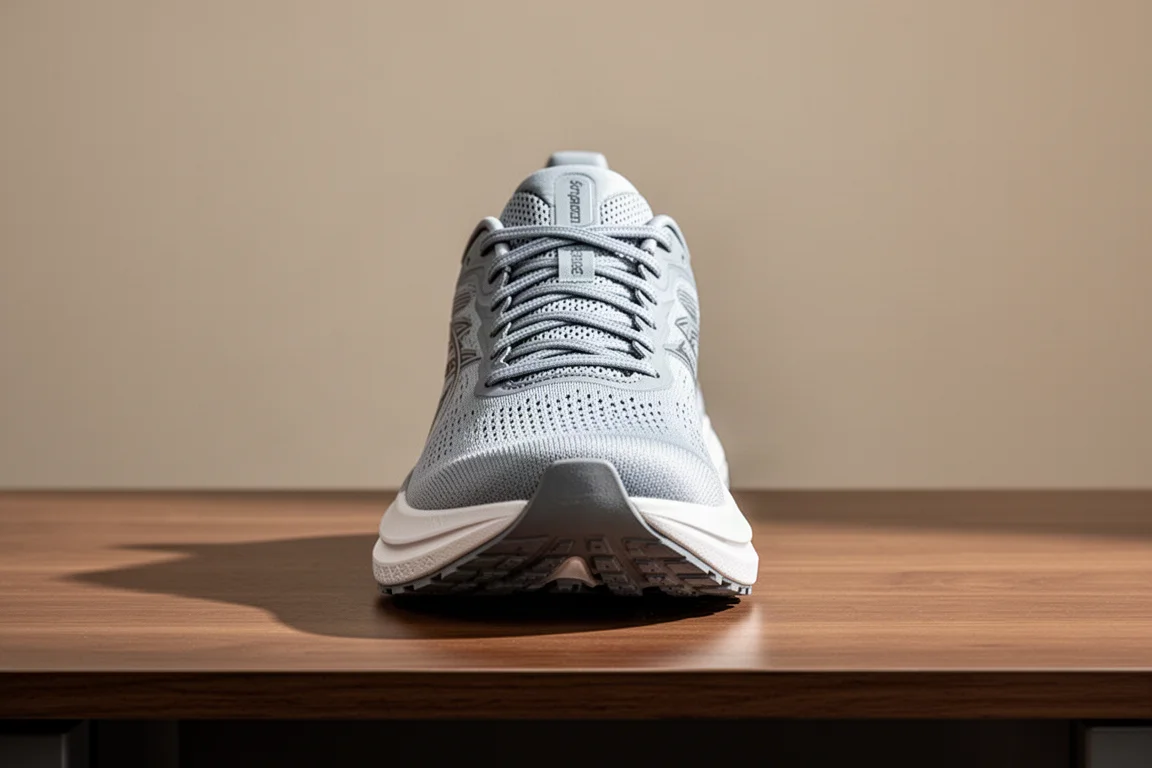
The KS900 Light weighs 281 grams (9.9 oz) in a UK 9.5, has an 8 mm drop, and sits at roughly 30 mm of stack height at the heel based on a rough measurement, so it is not a massively high-stack shoe. Decathlon claims the shoe is 10% lighter than its predecessor. The midsole is a soft EVA foam the brand calls M Foam, with no dual-density layers, plates or aggressive rocker. The upper is a fairly standard mesh with pleasant padding around the heel and tongue, a snug supportive heel and a roomy toe box.
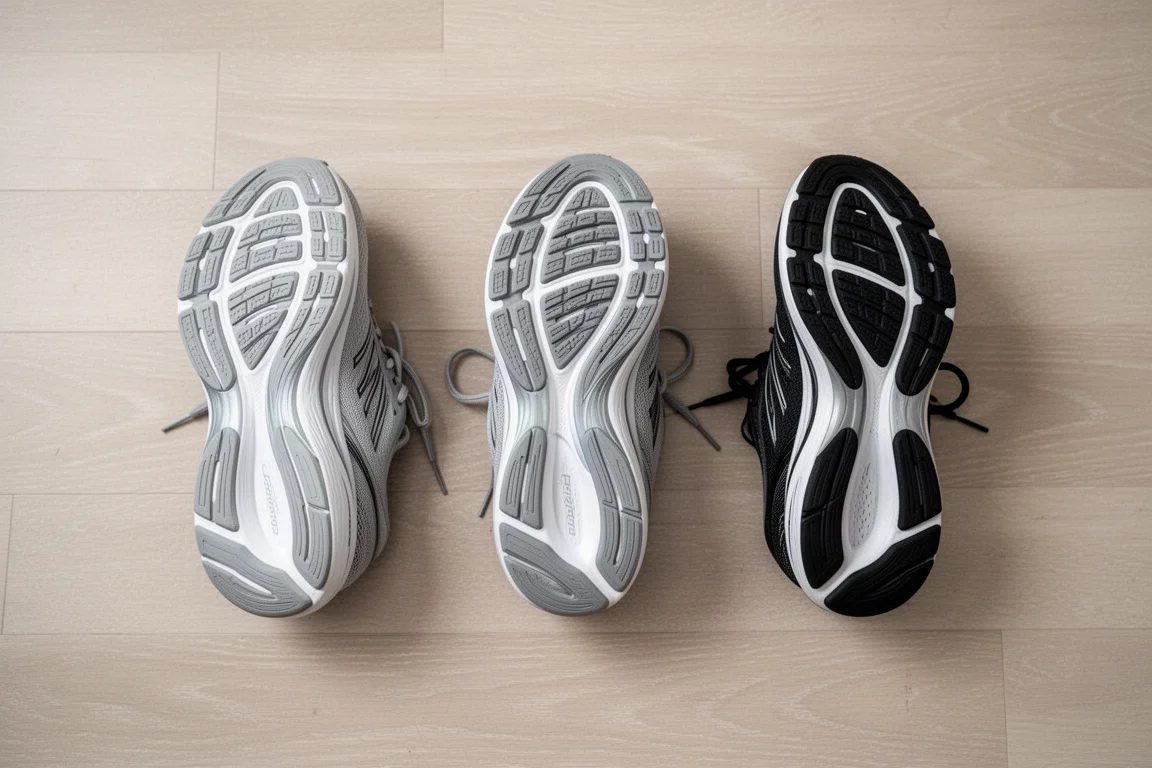
Outsole rubber coverage is generous and reasonably thick, with a tread reportedly inspired by car tyres. That translates into confident grip on wet roads, which is exactly where this shoe belongs: it is a road-only trainer with no lugs for trails. Decathlon also makes a bold durability claim of 1,000 km of running, and while that figure has not been fully verified, the shoe certainly feels built to last.
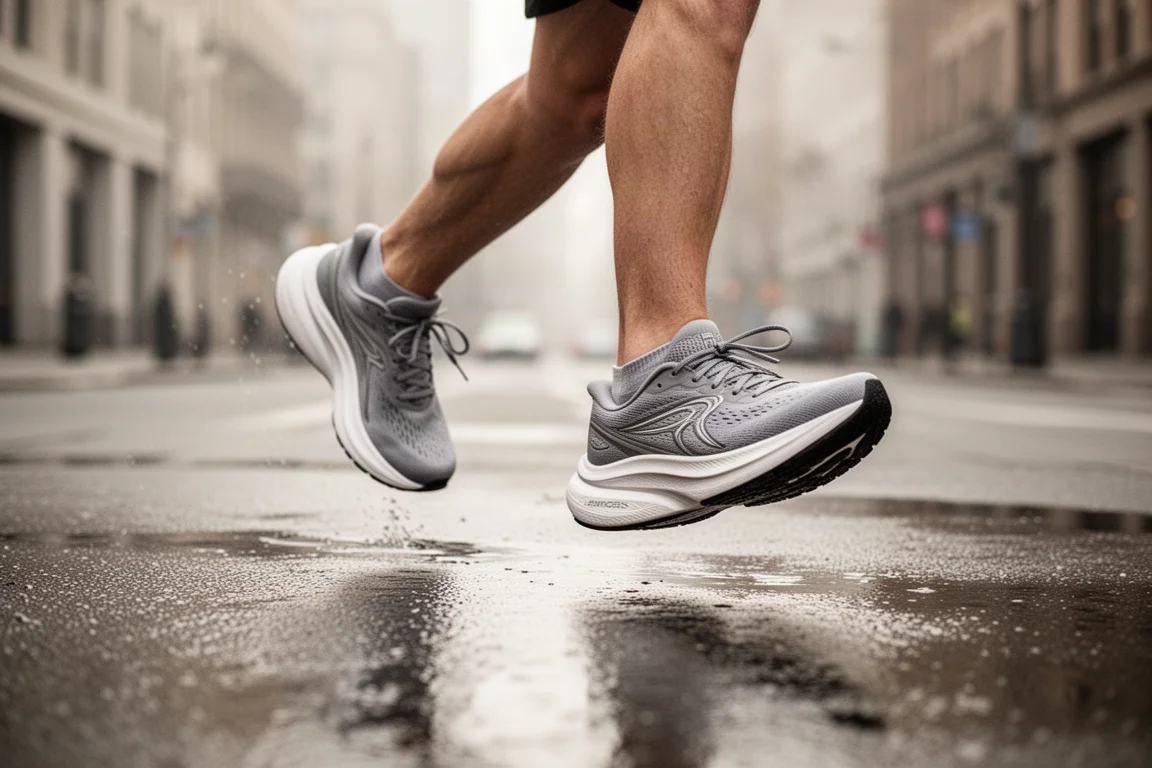
Sizing-wise, the recommendation is to go true to size. A tester half a size up found extra length in the toe box but no serious problems, and step-in comfort is genuinely impressive thanks to the padded heel tab and cushioned tongue. There is no real break-in period either; the shoe feels soft and comfortable from the first run.
How It Runs
Over roughly 50 km of testing across easy runs, post-marathon recovery efforts, a progression run and some strides, the KS900 Light proved itself as a comfortable protective daily trainer. The ride is softer than expected from the spec sheet, and heel strikers in particular get a nice soft landing with a comfortable roll through the extended heel.
It is not, however, an exciting ride. The EVA foam does not give much energy back, and the transition from heel to forefoot is quite snappy rather than smooth, which can produce some forefoot discomfort when running faster since the front of the shoe does not have much cushioning. More forefoot cushioning would help, though the trade-off would be weight, and the low weight is part of what keeps this shoe reasonably versatile.
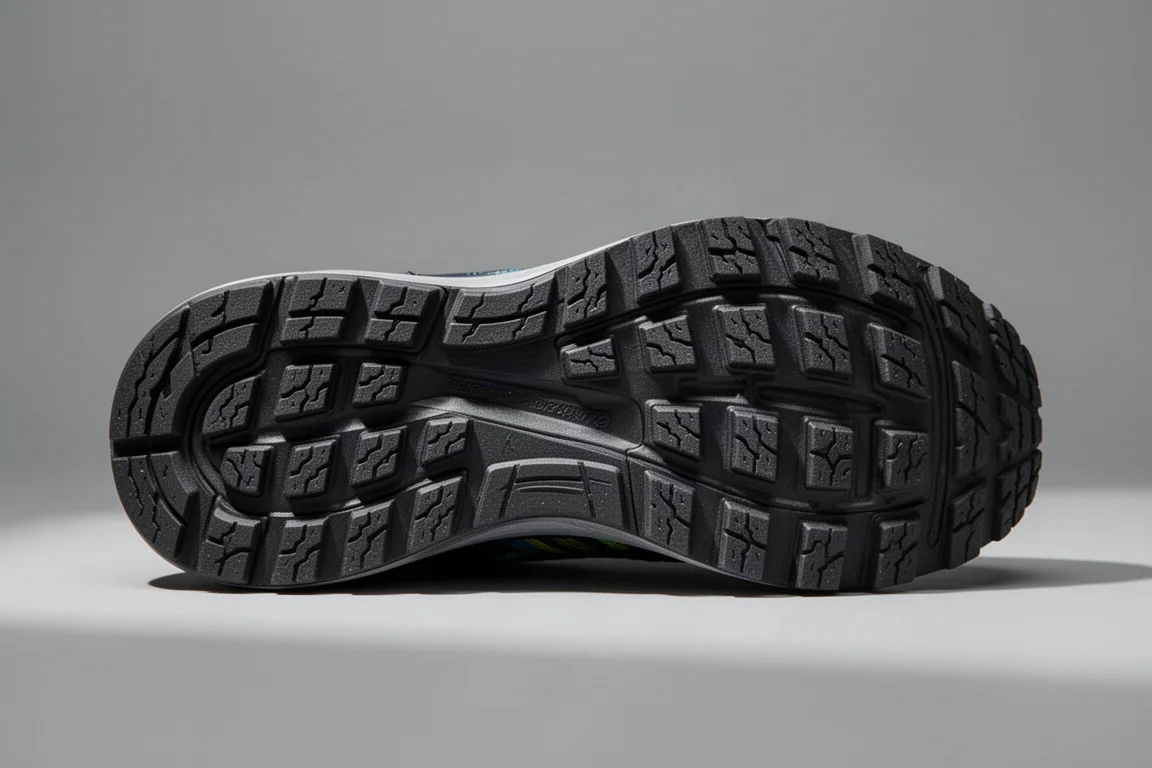
Stability is fine for neutral runners, with a wide forefoot base, but the midfoot narrows somewhat and there are no big stability elements like a heel clip, so runners with overpronation issues may want to be cautious. On wet roads the grip has been excellent; on slick forest trails it is less convincing, as expected from a road-focused outsole.
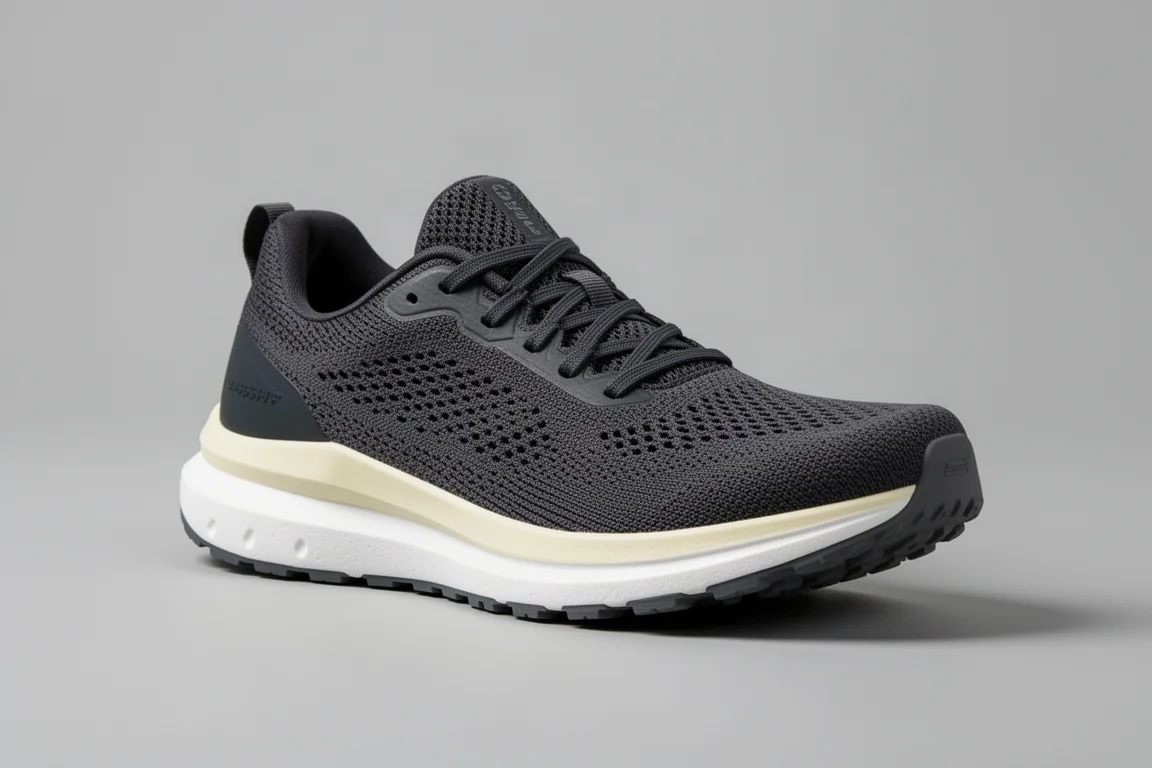
Puma Velocity Nitro 2: The Livelier All-Rounder
If you have around the same budget, the Puma Velocity Nitro 2 is the standout alternative. It costs £100 in the UK, so £10 more than the Decathlon, but it is frequently on sale somewhere.
What you get for that extra money is a livelier dual-density midsole with a bit more pop when you pick up the pace, while still being equally soft and cushioned for easy runs. The outsole is very good, grips well even on light trails, and the shoe is durable with a comfortable upper. Across the board, it is arguably the better-rounded shoe for a similar outlay.

Reebok Floatride Energy 5: Lighter, Firmer, Cheaper
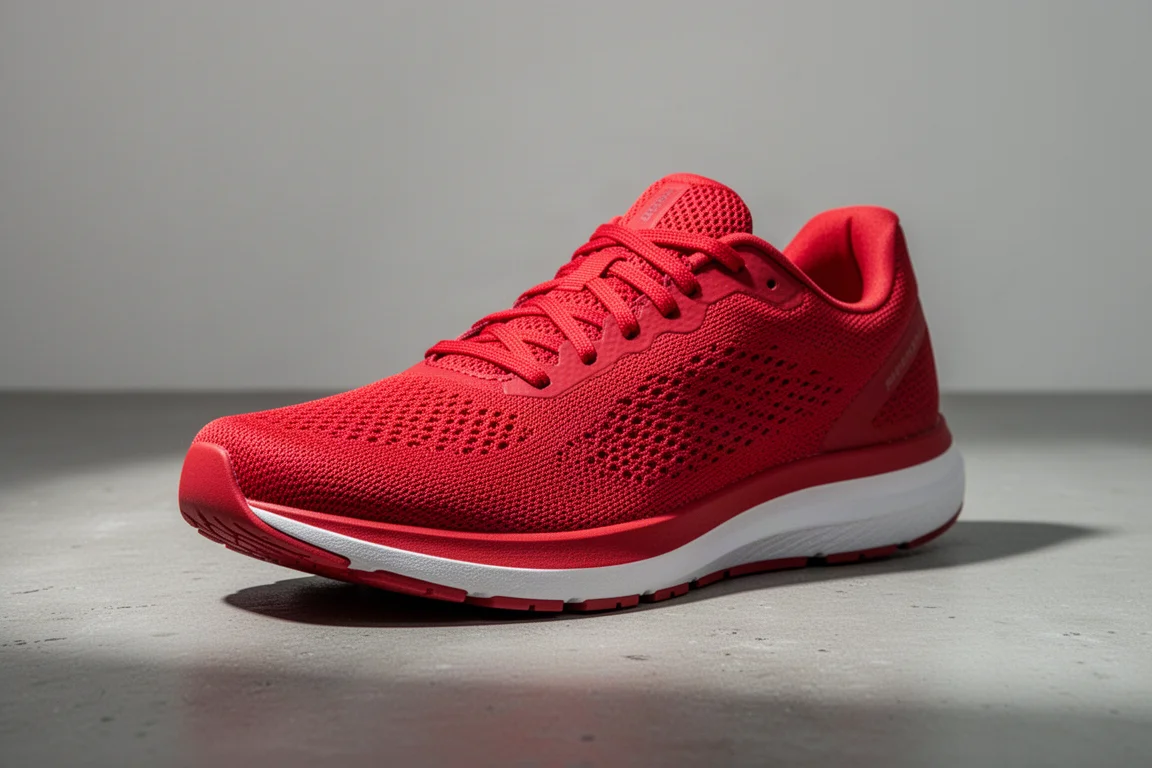
The Reebok Floatride Energy 5 sits at the other end of the comparison. It costs £85 in the UK and $110 in the US, making it cheaper than the Decathlon shoe and available in the US market where the KS900 Light currently is not.
In testing, the Floatride Energy 5 has a slightly firmer ride and its grip on wet pavements is slightly less good than the Decathlon’s. It is a less enjoyable shoe for easy running, but it offers a bit more pop for fast running and is a little lighter too. If your training leans toward quicker paces and you want a more revved-up daily trainer, it makes a compelling case.
Buying Advice: Which One Should You Pick?
If your running is mostly relaxed daily training and you want maximum underfoot comfort, especially as a heel striker, the KS900 Light is the pick. It is good value at £90 in the UK, €100 in Europe and CAD 115 in Canada, with a 1,000 km durability promise attached. It is currently not available in the US.
If you want one shoe to cover easy runs and faster sessions, the Puma Velocity Nitro 2 is the stronger all-rounder and worth the modest premium, particularly if you catch it in a sale. If faster running is a bigger priority and you want to spend less, the Reebok Floatride Energy 5 offers more pop for less money. The Nike Pegasus range, another durable and comfortable daily trainer not much over £100, is also worth a look in this category.
Conclusion
The Decathlon Kiprun KS900 Light is a solid, surprisingly soft and comfortable cushioned daily trainer that holds its own in a competitive price bracket. It feels like a bit of a throwback with its simple EVA midsole and traditional geometry, but there is nothing wrong with that formula, and the value for money is genuinely good even if it is not outstanding.
Its weaknesses are the lack of response from the foam, limited forefoot cushioning for faster running, and rivals that are either more versatile or cheaper. If you pick it up for daily training, you will likely be very happy. Just be aware that the Puma Velocity Nitro 2 edges it as an all-rounder, and the Reebok Floatride Energy 5 undercuts it for speedier work. Kiprun, by the way, stands for “keep on running”, which is printed right on the shoe.
Further reading
Related Reviews

Running Shoes
Best Road-to-Trail Running Shoes: Three Versatile Options for Mixed Terrain
A practical guide to three road-to-trail running shoes that handle both pavement and mild trails, with clear strengths and trade-offs for different runner types.

Running Shoes
Best Running Shoes for Achilles Tendonitis: Three Options Explained
Three running shoes with different heel drops and support features designed to help reduce Achilles tendon pain during walking and running.

Running Shoes
Best Running Shoes for Women: Five Top Choices Ranked
A ranked guide to five women's running shoes, from versatile daily trainers to high-performance racing options, with real strengths and trade-offs for each.