Running Shoes
Decathlon Kiprun KD900X Review: A Carbon-Plated Racer With Compromises
Decathlon's new carbon-plated super shoe brings durability and a two-year guarantee, but a firm ride and limited top-end speed hold it back against more established rivals.
Introduction
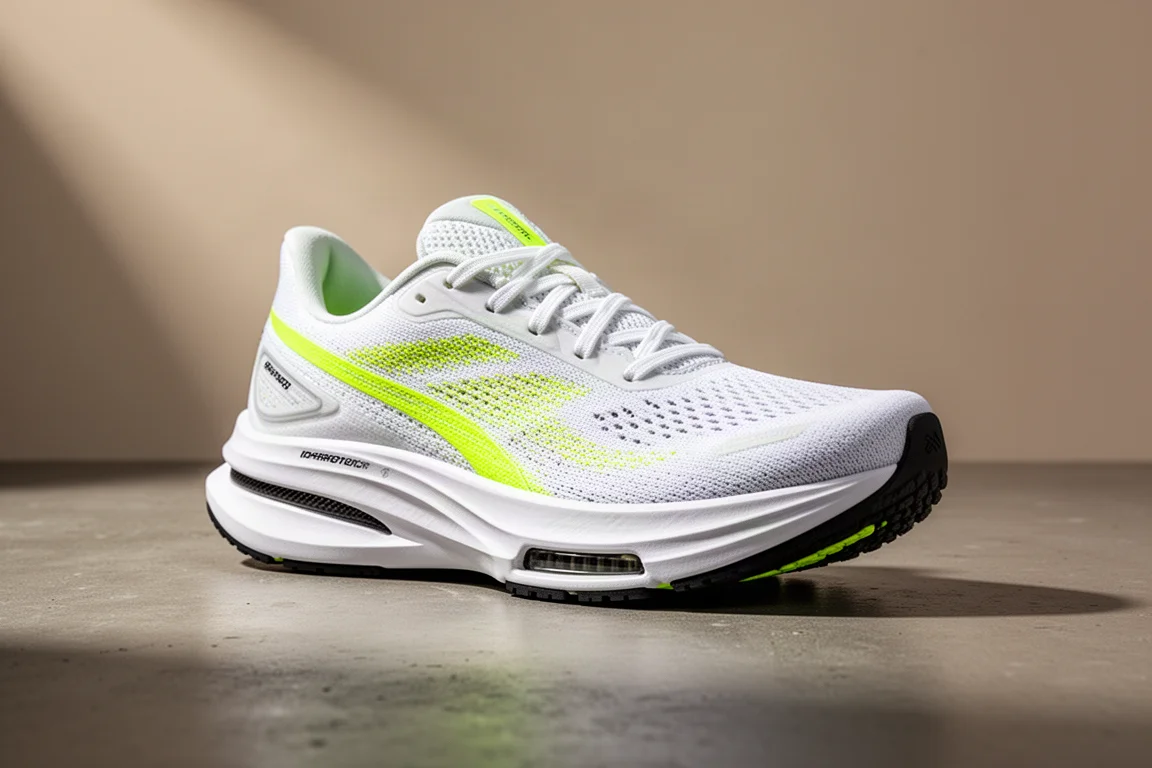
When a company the size of Decathlon introduces an all-new carbon-plated racing shoe, it is worth paying attention. The Kiprun KD900X is the brand’s entry into the super shoe category, and the obvious question is whether it should make the established players nervous.
We picked this pair up with our own money from the Decathlon website and put about 30km into it at a variety of paces. The short version: there is a lot to respect here, particularly around durability and fit, but the ride characteristics and price positioning make it a hard recommendation against more proven alternatives.
Key Specifications at a Glance
The KD900X costs £129 in the UK, which translates to roughly €150 in the EU. Availability in the US is uncertain, so buyers there may need to look at importing. Stack height at the heel sits around 35mm, with an estimated 8mm drop from heel to forefoot. Weight is a competitive 270g, and the shoe is a neutral racing shoe rather than a daily trainer.
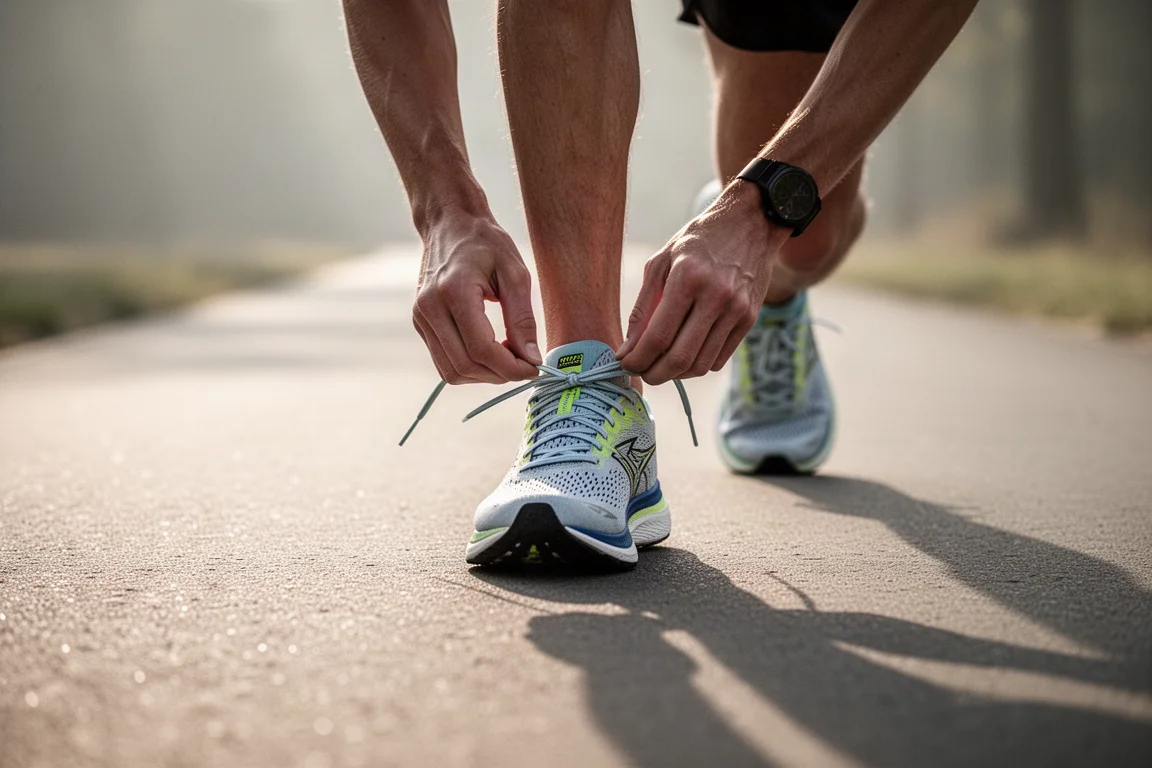
The upper is a mesh material that conforms nicely to the shape of the foot. It runs reasonably wide for a racing shoe, though not the widest on the market, and no additional width options are offered. It ran true to size in a UK size 12. The midsole uses a PEBA-based foam Decathlon developed with a French chemicals company. It shares a family resemblance to the PEBA foams used by bigger brands, but the composition feels noticeably firmer and less squishy, a deliberate choice aimed at durability.
Who This Product Is For
This is very much a specialist racing shoe. You can use it for speed sessions, and it will reward that kind of running, but it is not designed as a long run shoe or something for easy recovery runs. Those roles are possible, just not where it specializes.
Given the firmness of the ride, the most sensible use case is shorter fast efforts. A 5K or 10K seems like the sweet spot, particularly given the light weight. We would hesitate to run a half marathon or marathon in it, as the firm platform could leave legs feeling battered over longer distances.
Main Strengths
The fit and comfort stand out first. The shoe is not the easiest to get on, but once laced up it locks down well with no sliding around, no blisters, and no hot spots. There is little ankle support at the heel collar, which is expected in a full-on lightweight racer, but no achilles irritation either.
Grip is a clear win. Decathlon has fitted large rubber sections on the outsole, and it held the road well through corners with plenty of confidence. Wet weather reports elsewhere suggest it performs well there too, though we have not yet tested that firsthand.
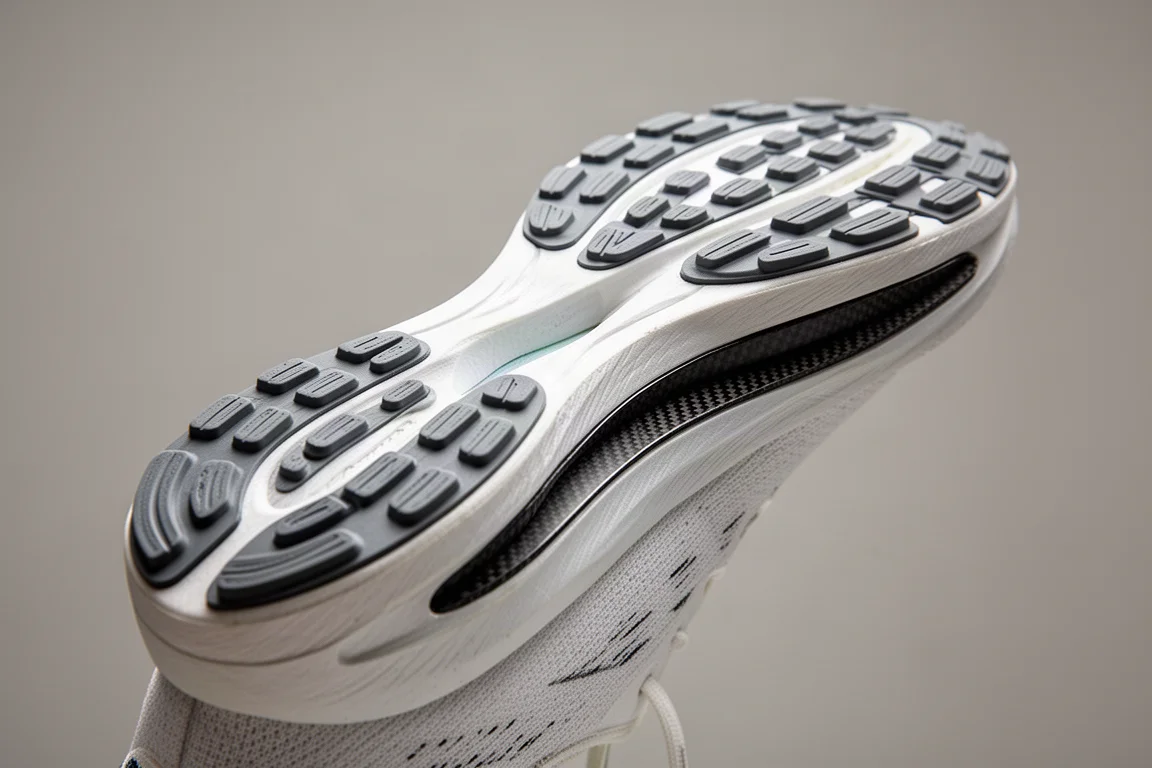
Durability is the headline claim. Decathlon says the shoe is good for up to 1,000km of fast running before foam performance drops off. For context, that is a dramatically higher figure than the roughly 200km of top-end performance often quoted for some competitor super shoes. After 30km there is no visible degradation, which is encouraging if far from conclusive.
Finally, Decathlon offers a two-year guarantee on the shoe, and its dense European store network makes warranty support and in-person fitting genuinely convenient.
Things to Consider Before Buying
The first concern is the price. At £129 it looks like good value on paper, but it does not deliver performance anywhere near the models above it. Decathlon is also unlikely to discount the shoe, which is not really how the company operates. Meanwhile, established super shoes frequently surface in sales for similar money: some flagship carbon racers can be found around £160 to £170, and a previous-generation Adios Pro has been spotted near £126. Even a Saucony Speedroll-style option sits around £145 and likely performs better. At this price point the value argument gets murky fast.
The second issue is the ride. It is very firm, especially compared with other shoes on the market, and you cannot get away from that. Decathlon says it should soften over time, and suggests the shoe needs maybe 200 to 300km before it starts to come to life. That is a big ask when the current experience is stiff and not particularly fun, and there are more enjoyable options waiting in the rotation.

Third, there is simply no all-out speed here. It does not come close to the leading offerings. When you push the pace, you feel like you are doing all of the work yourself. The excitement factor that makes super shoes special is missing, and the underlying tech feels a generation behind the current competition. Had this shoe arrived three or four years ago it would have felt new and impressive, but against today’s foams and plates it struggles to stand out.
Buying Advice
If you already own a carbon-plated racer you love, there is little reason to switch. If you are shopping in this category, the honest advice is to look at the sales first and see what the established shoes cost before committing.
If the KD900X appeals to you anyway, the practical path is to try it on in a Decathlon store if it reaches shelves near you, and treat it as a short-distance racing shoe for 5K and 10K efforts. It may also reward patient runners willing to put 200 to 300km into it to see whether the foam breaks in and comes alive. That break-in gamble is the central question with this shoe, and not everyone will want to spend that kind of mileage finding out.
Conclusion
The Kiprun KD900X gets a lot right: a comfortable locked-down fit, confident grip, an unusually durable construction with a claimed 1,000km lifespan, and a genuine two-year guarantee backed by a large store network. But the firm ride, unremarkable top-end speed, and awkward price positioning against discounted premium racers make it difficult to recommend outright. It is a promising first effort that shows Decathlon belongs in the super shoe conversation, just not yet at the front of it.
Product link
View more details for Decathlon Kiprun KD900X
This product is mentioned in the review. Check the specifications, options, and compatibility before buying.
View more details for Decathlon Kiprun KD900XFurther reading
Related Reviews

Running Shoes
Best Road-to-Trail Running Shoes: Three Versatile Options for Mixed Terrain
A practical guide to three road-to-trail running shoes that handle both pavement and mild trails, with clear strengths and trade-offs for different runner types.

Running Shoes
Best Running Shoes for Achilles Tendonitis: Three Options Explained
Three running shoes with different heel drops and support features designed to help reduce Achilles tendon pain during walking and running.

Running Shoes
Best Running Shoes for Women: Five Top Choices Ranked
A ranked guide to five women's running shoes, from versatile daily trainers to high-performance racing options, with real strengths and trade-offs for each.