Cookware
Every de Buyer Cookware Collection Reviewed: What's Worth Buying and What to Skip
We tested all seven de Buyer collections, from entry-level carbon steel to premium copper, and found three standouts, three to avoid, and one deal-breaking design flaw.
Introduction
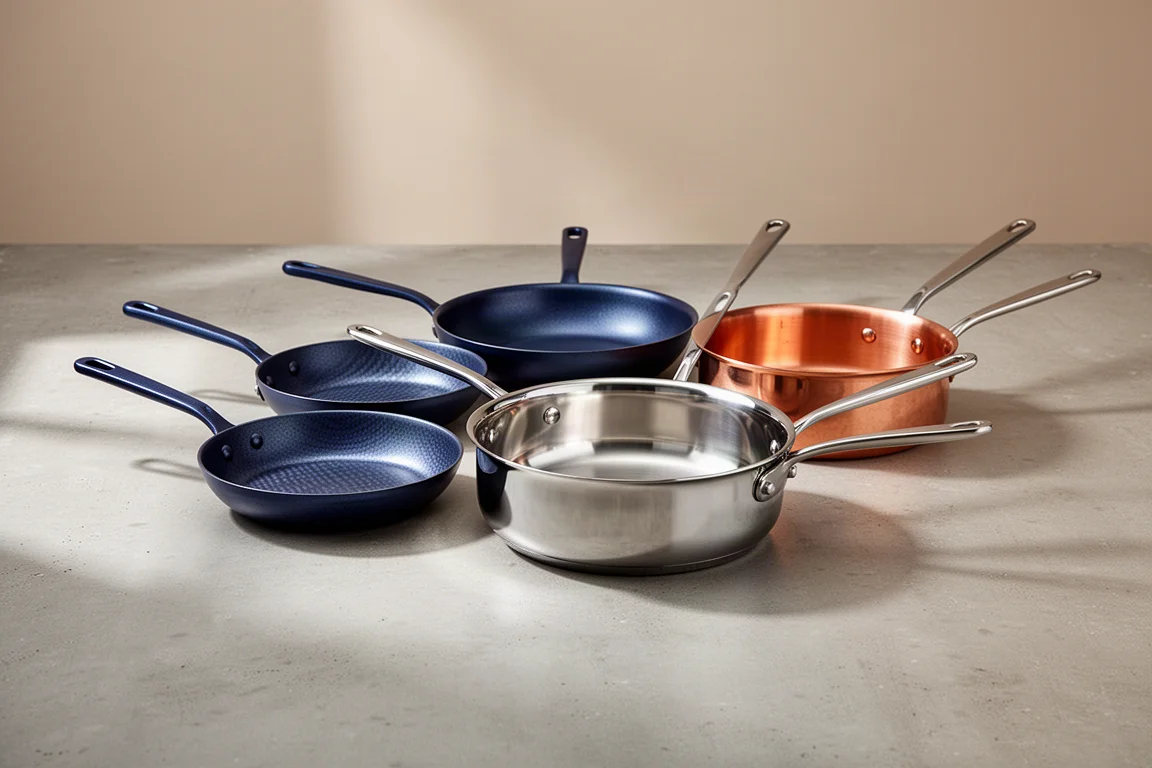
de Buyer is best known for its carbon steel cookware, but the French brand’s catalog runs from entry-level carbon steel all the way to premium copper. We tested every collection across heat retention, handle comfort, oven safety, and everyday usability. Some of these pans are among the best performers we’ve cooked with. Others have flaws serious enough to rule them out entirely.
Below, you’ll find what each collection does well, where it falls short, and a final verdict on which de Buyer pans deserve a spot in your kitchen.
The Three Carbon Steel Collections: What They Share
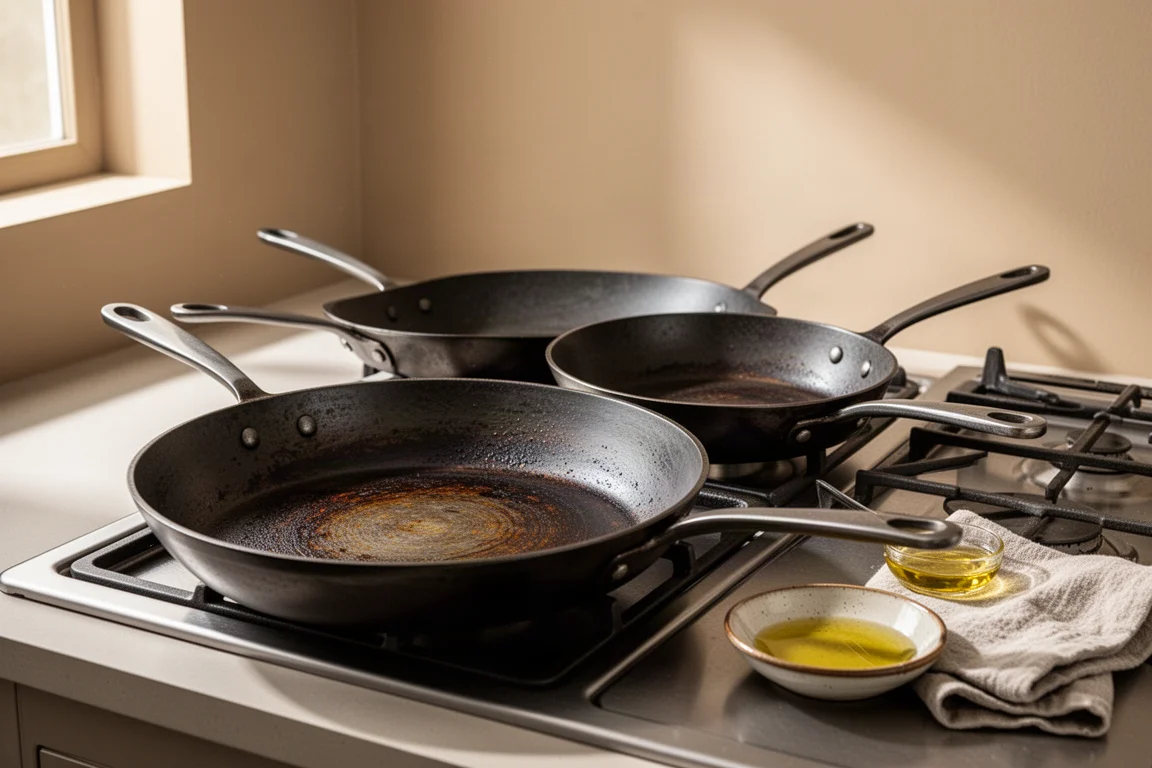
de Buyer makes three carbon steel collections: Blue Carbon Steel, Mineral B, and Mineral B Pro. All three are made in France, feature sloped walls and long, sturdy handles, and ship unseasoned. You’ll need to coat the surface with a thin layer of oil and bake or heat the pan to build seasoning, which prevents rust and creates a naturally non-stick cooking surface.
In use, all three are excellent. They take a minute or two to preheat, but once hot they cook evenly and hold temperature well. The smooth cooking surfaces handle eggs beautifully, and the strong heat retention makes them ideal for searing.
The differences between the three come down to handle design, wall thickness, and one serious limitation on the mid-tier model.
Blue Carbon Steel: The Lightweight Value Pick
Blue Carbon Steel is the least expensive of the three carbon steel lines. The steel undergoes a heat treatment that turns it dark blue and makes it more corrosion-resistant. Unlike the Mineral B collections, the handles here are welded rather than riveted, so there are no rivets interrupting the cooking surface, which makes cleaning slightly easier. The walls are also slightly taller, giving you more capacity and a bit less splatter on the cooktop.
The biggest difference is weight and thickness. These pans have much thinner walls and are noticeably lighter. A couple of pounds might not sound like much, but it matters enormously when you’re washing and drying skillets by hand every day.
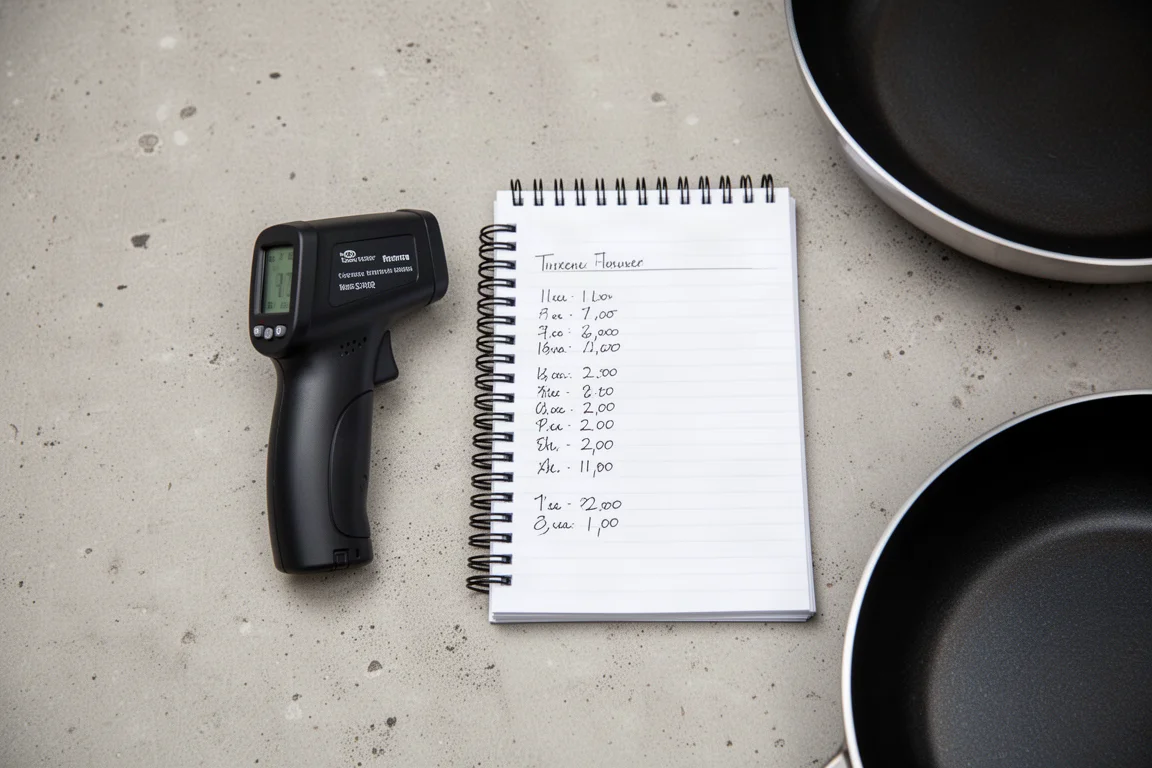
There are trade-offs. In our heat retention test, each pan was heated to exactly 400°F, removed from the heat, and measured after five minutes. Blue Carbon Steel had the lowest surface temperature by a wide margin. It still holds heat better than brands like Made In, but both Mineral B collections retain heat far better. The handle is also a weak point: it’s 10 inches long and welded, but the thin, flat design is uncomfortable, with edges that dig into your hand. Its steep angle also means you need over 7 inches of clearance between oven racks to fit the pan.
Mineral B: Excellent Performance, One Deal-Breaking Flaw
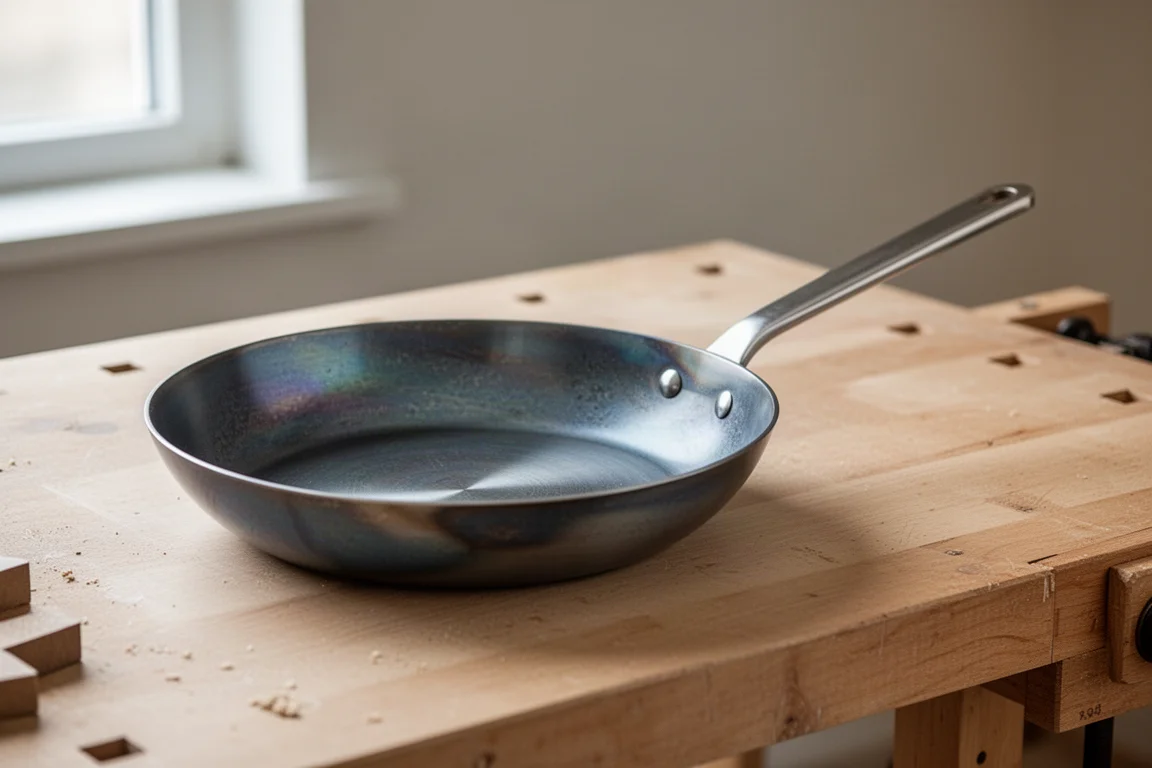
Mineral B skips the bluing treatment, has slightly shorter walls, and attaches its handle with three rivets instead of welding. The handle design is similar but slightly shorter and less steeply angled, so it slides between oven racks more easily.
The real story is thickness and weight. The 12.5-inch Mineral B skillet is 2 pounds heavier and over a millimeter thicker than the Blue Carbon Steel version, and it retains heat significantly better as a result. People typically choose carbon steel over cast iron for its lighter handling, but that logic doesn’t apply here: this skillet is as heavy as cast iron pans like the Lodge Chef Collection and Stargazer.
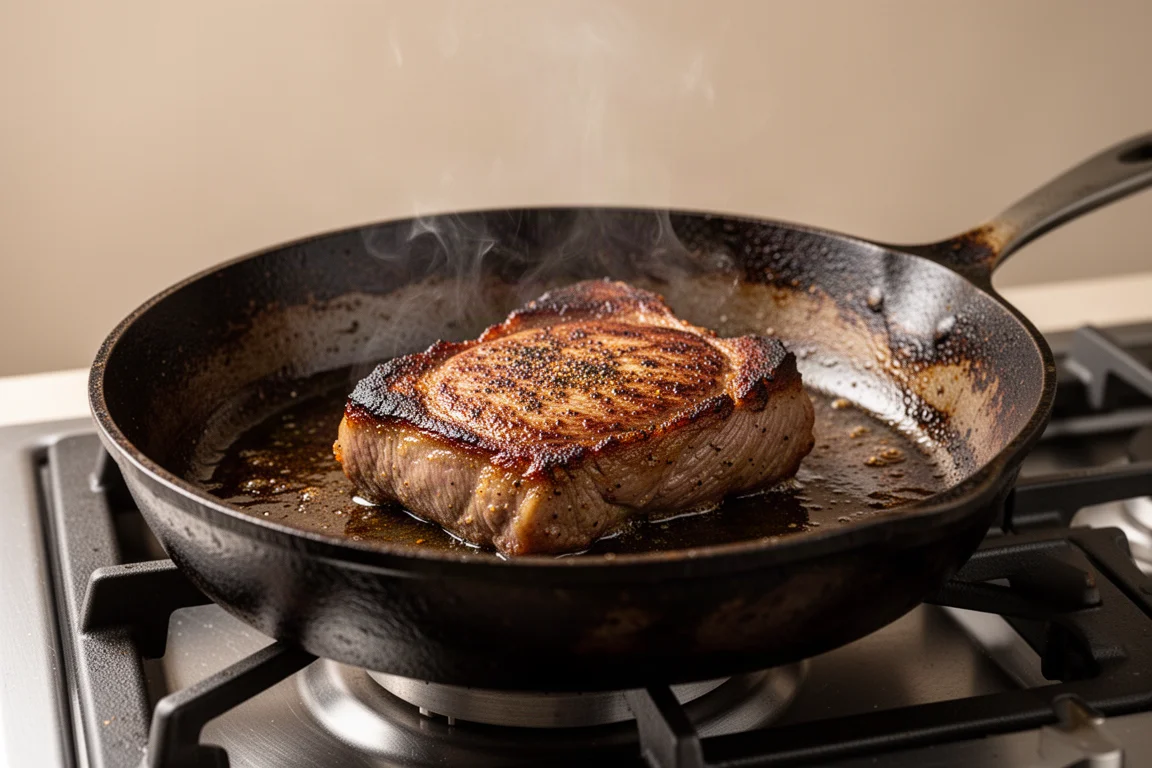
Then there’s the deal breaker. The Mineral B handle carries an epoxy coating that limits oven-safe temperature to just 400°F for a maximum of 10 minutes. The other two carbon steel collections handle up to 500°F with no time limit. That severely limits what you can cook, since carbon steel excels at roasting and broiling. It also rules out oven seasoning, which typically requires an hour or more above 400°F. You can season this pan on the stovetop, but on an electric or induction cooktop you can’t oil the exterior, so the outside stays unprotected from rust.
Mineral B Pro: The Best Carbon Steel of the Bunch
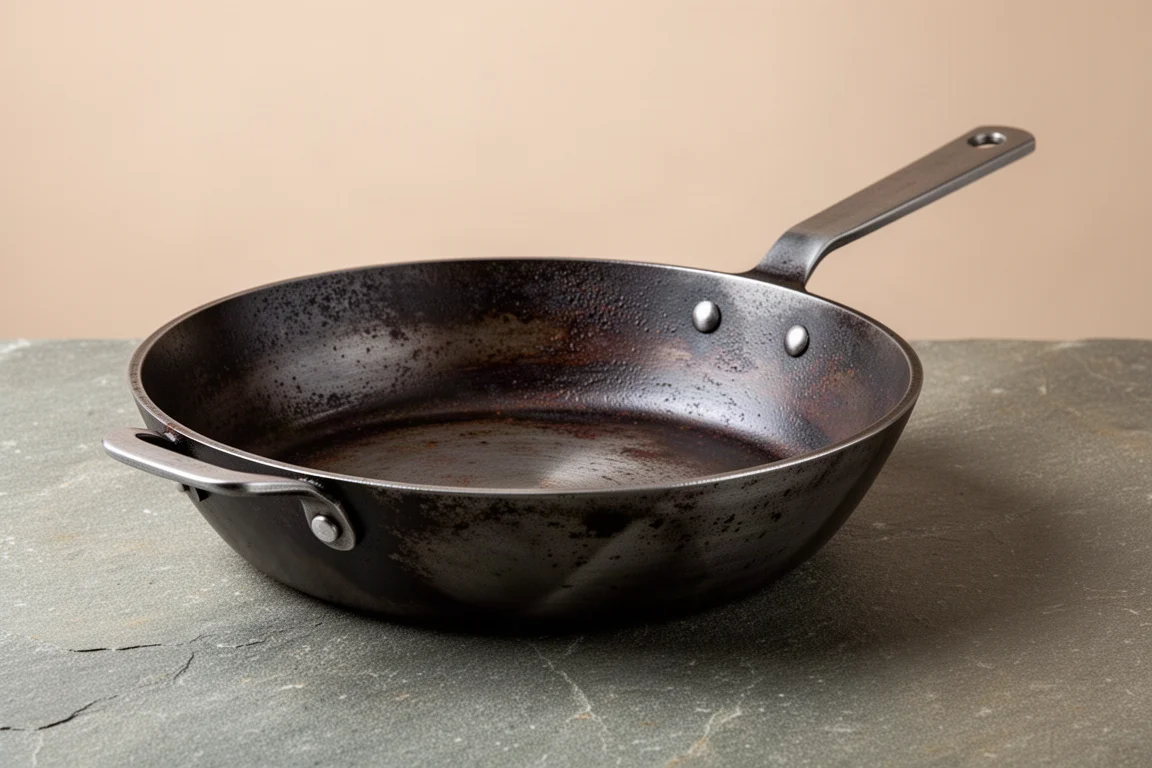
Mineral B Pro is de Buyer’s most expensive carbon steel collection, and in our view, the best. The pan body is identical to Mineral B, so you get the same thickness, weight, and excellent heat retention, but the handle is completely different. Instead of the epoxy-coated flat handle, you get a polished stainless steel handle that’s thicker with rounded edges, making it far more comfortable. Because there’s no epoxy, the pan is oven-safe to 500°F with no time limit. The handle also has a heat-dispersing cutout, and the helper handle is much larger than Mineral B’s.
The only real downside compared to Mineral B is price: Mineral B Pro runs about 30% more expensive.
Alchimy: Blazing Fast Heating at a High Price
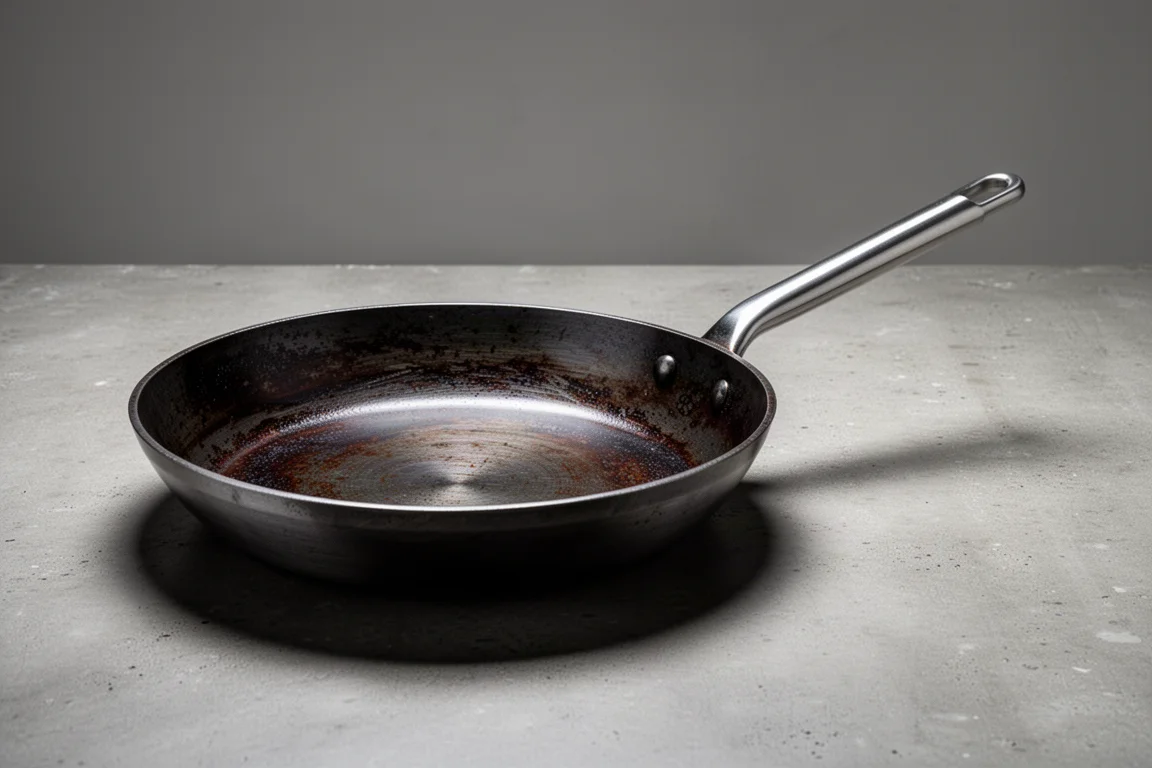
de Buyer also offers two stainless steel collections. Alchimy is the less expensive of the two, but it isn’t cheap. In fact, it costs considerably more than All-Clad D3, Made In, and Heritage Steel.
These pans are fully clad, with an 18/10 steel interior, an aluminum core, and a brushed steel exterior. In cooking, they heat up incredibly fast and evenly. Our conduction test confirmed it: on medium heat, the pan hit a scorching 563°F at the one-minute mark, and by two minutes it was so hot our thermometer couldn’t read it, something that had never happened in our testing. Across several brands and collections, Alchimy was the fastest-heating pan.
The drawbacks, beyond price: the middle of the handle is comfortable but the flat end digs into your hand; the handle attaches with three rivets, one more than most stainless pans; and like all de Buyer collections, the rims are straight rather than flared, which makes pouring liquids and plating food slightly more awkward.
Affinity: Premium Stainless Steel Done Right
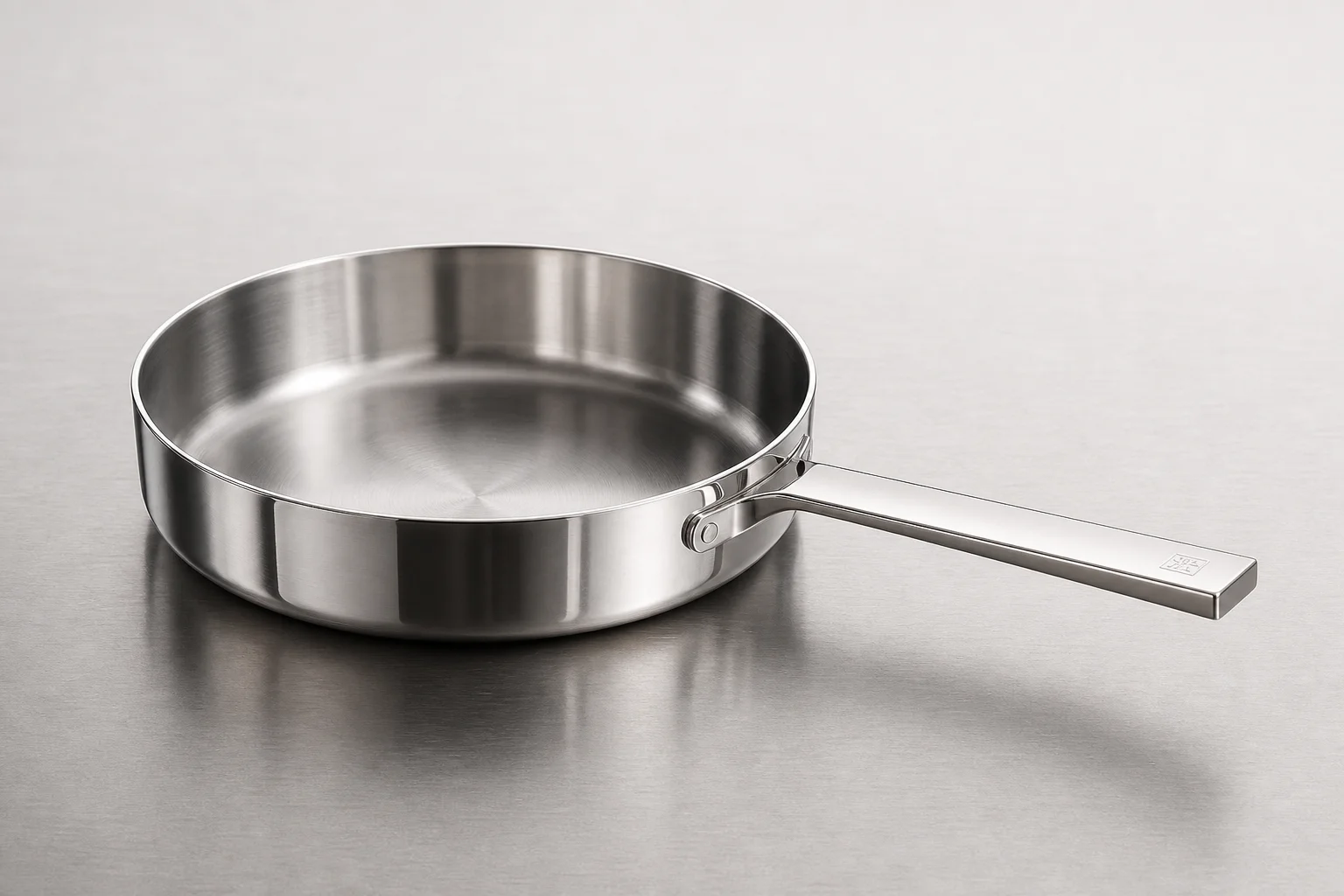
Affinity is de Buyer’s premium stainless line, about 30% more expensive than Alchimy. Instead of three layers, these pans are 5-ply, and the exterior is polished rather than brushed.
The standout feature is the handle. It’s the same design used on the Mineral B Pro: long, thick, and comfortable, attached with just two rivets that are spread out and easy to clean. At 10 inches, it’s the longest handle we’ve seen on a stainless steel pan, giving you plenty of room to keep your hand away from the heat. Most stainless handles run around 8 inches.
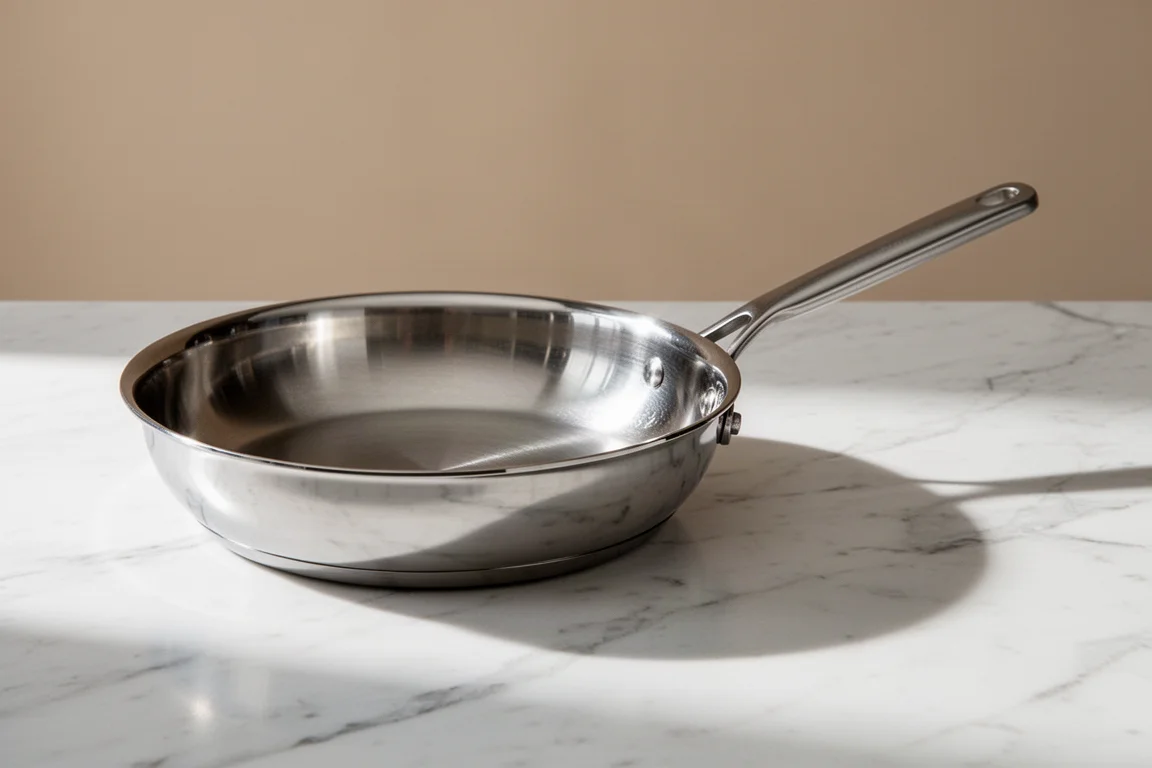
Heating behavior differs too. Affinity heats more slowly than Alchimy but retains heat better, so temperatures stay more stable. Drop in cold ingredients like meat, and the pan stays hotter and cooks more evenly. Demeyere Atlantis still holds the title for best heat retention among stainless pans we’ve tested, but Affinity is a close second.
There isn’t much to criticize here except the price. It sits in the same range as All-Clad D5, All-Clad Copper Core, and Demeyere Atlantis, and costs more than double Made In and the Heritage Steel Eater Series.
Prima Matera: Gorgeous Copper, Eye-Watering Price
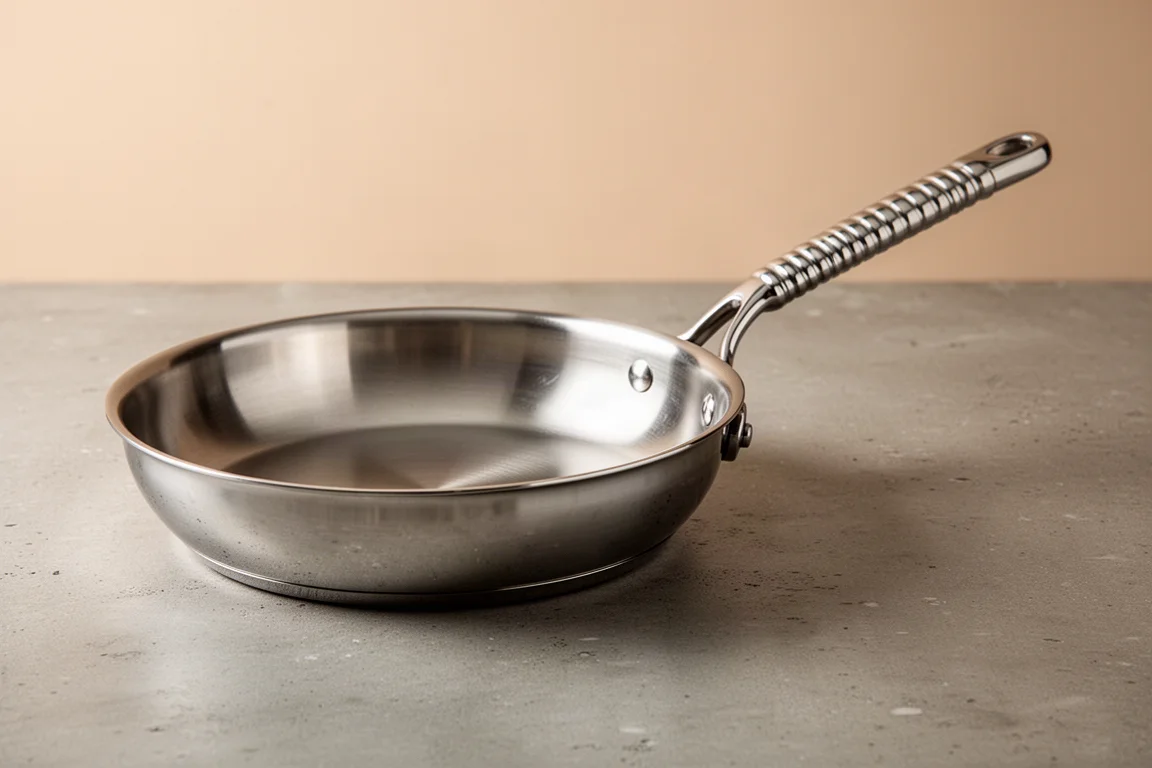
Prima Matera is one of two de Buyer copper collections. The pan is 90% copper with a thin steel interior and a steel plate on the bottom, making it compatible with all cooktops, including induction. It uses the same ergonomic handle as the Affinity and Mineral B Pro collections.
Despite being thinner than Affinity, it’s much heavier due to the density of copper. In testing, it heated fast, retained heat well, and generally cooked beautifully. The catch is the price: at $950, it’s the most expensive pan we’ve ever tested, costing well more than the Hestan NanoBond and even the French-made Matfer copper pan.
Inocuivre: Traditional Copper With a Cast Iron Handle
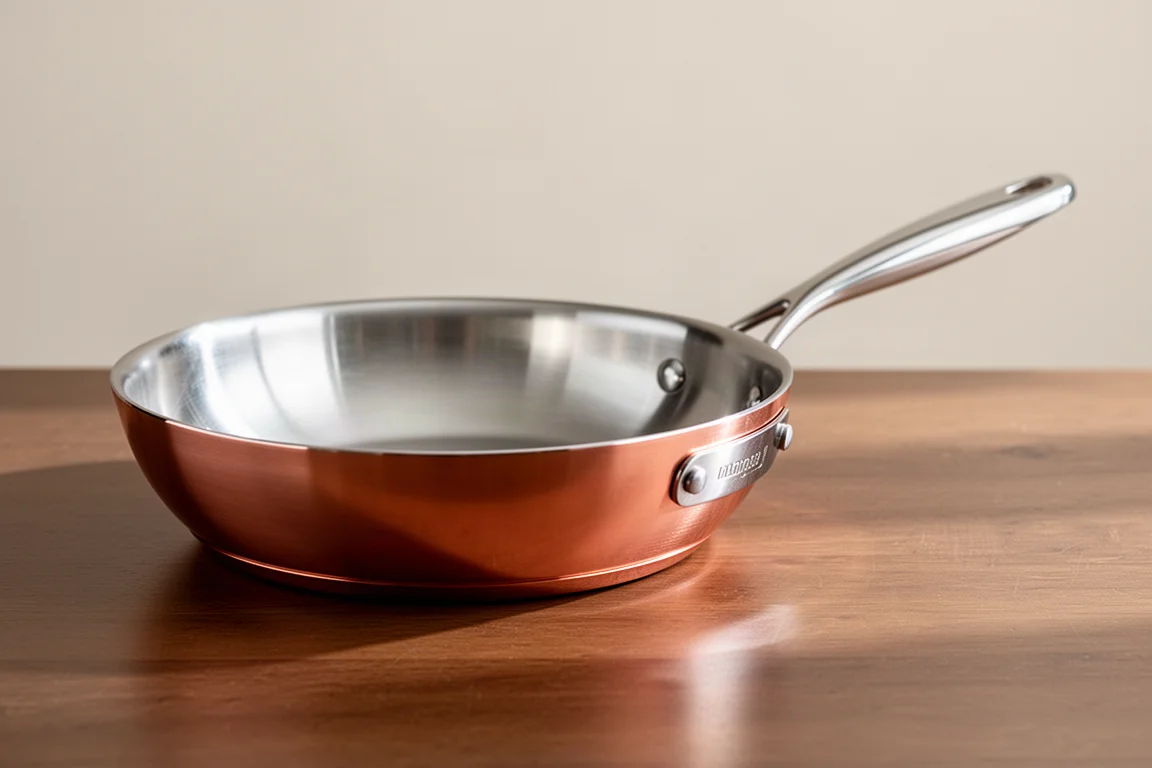
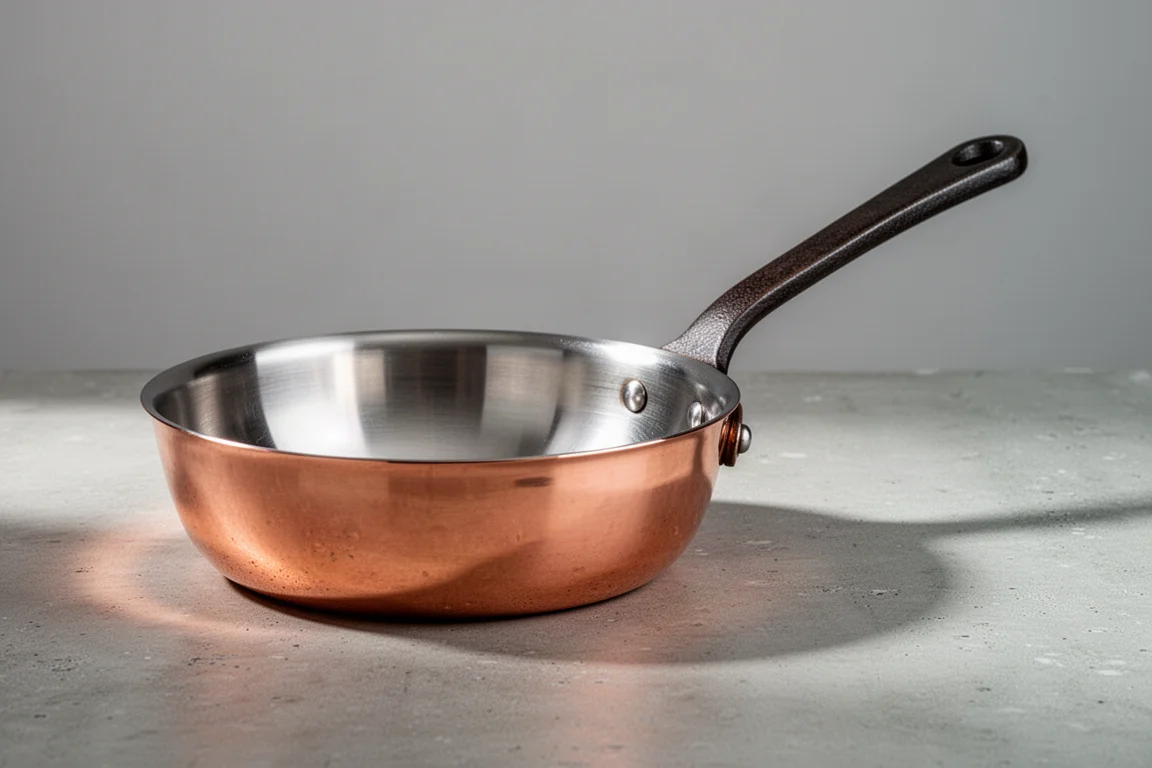
Inocuivre is de Buyer’s other copper collection, sharing the same shape and size as Prima Matera with a few key differences. The handle is cast iron rather than stainless steel, attached with three rivets instead of two. At 11.2 inches, it’s the longest handle we’ve encountered on a frying pan across more than 50 models tested.
These bulky cast iron handles are common on French copper pans, but we prefer stainless steel: it looks better and stays cooler when the pan comes out of the oven, reducing the risk of accidents. Unlike Prima Matera, there’s no steel plate on the bottom, so the exterior is pure copper, and since copper isn’t ferromagnetic, this collection doesn’t work on induction.
The deal breaker for most buyers is the price. At $730, it’s the second most expensive pan we’ve tested, behind only Prima Matera.
Which de Buyer Collections Are Worth Buying?
The verdict splits cleanly. The two copper collections perform wonderfully and look elegant, but the prices are hard to justify unless you’re committed to copper with no budget constraints. For nearly everyone, they’re best admired from a distance.
We also can’t recommend Mineral B. The cooking performance is excellent, but a 10-minute oven limit is a genuine deal breaker for a pan type that excels at roasting and broiling. Some owners suggest burning off the epoxy coating in the oven or with a blow torch, but that’s messy, risky, and not worth it.
Alchimy lands in the same category. It heats fast and evenly, but so do pans that cost half as much, and the flat handle end is genuinely uncomfortable.
On the recommendation side, Blue Carbon Steel is worth buying if you want a relatively lightweight carbon steel pan. It’s similar in design, performance, and price to Matfer carbon steel, but with taller walls that make it better for frying. If you value heat retention over maneuverability and don’t mind a heavy pan, Mineral B Pro is a superb option: it cooks like cast iron with an ultra-smooth surface and large, comfortable handles. And Affinity is one of the better premium stainless steel investments available, with a handle longer and more comfortable than the competition and heat retention close to the much thicker, heavier Demeyere Atlantis.
Conclusion
de Buyer’s range rewards careful picking. Blue Carbon Steel delivers lightweight value, Mineral B Pro offers the best all-around carbon steel experience, and Affinity stands among the strongest premium stainless options. Mineral B, Alchimy, and both copper collections either carry a deal-breaking limitation or a price their performance doesn’t justify. Match the collection to how you actually cook, and you’ll end up with a pan that earns its place on your stovetop for years.
Further reading
Related Reviews
Cookware
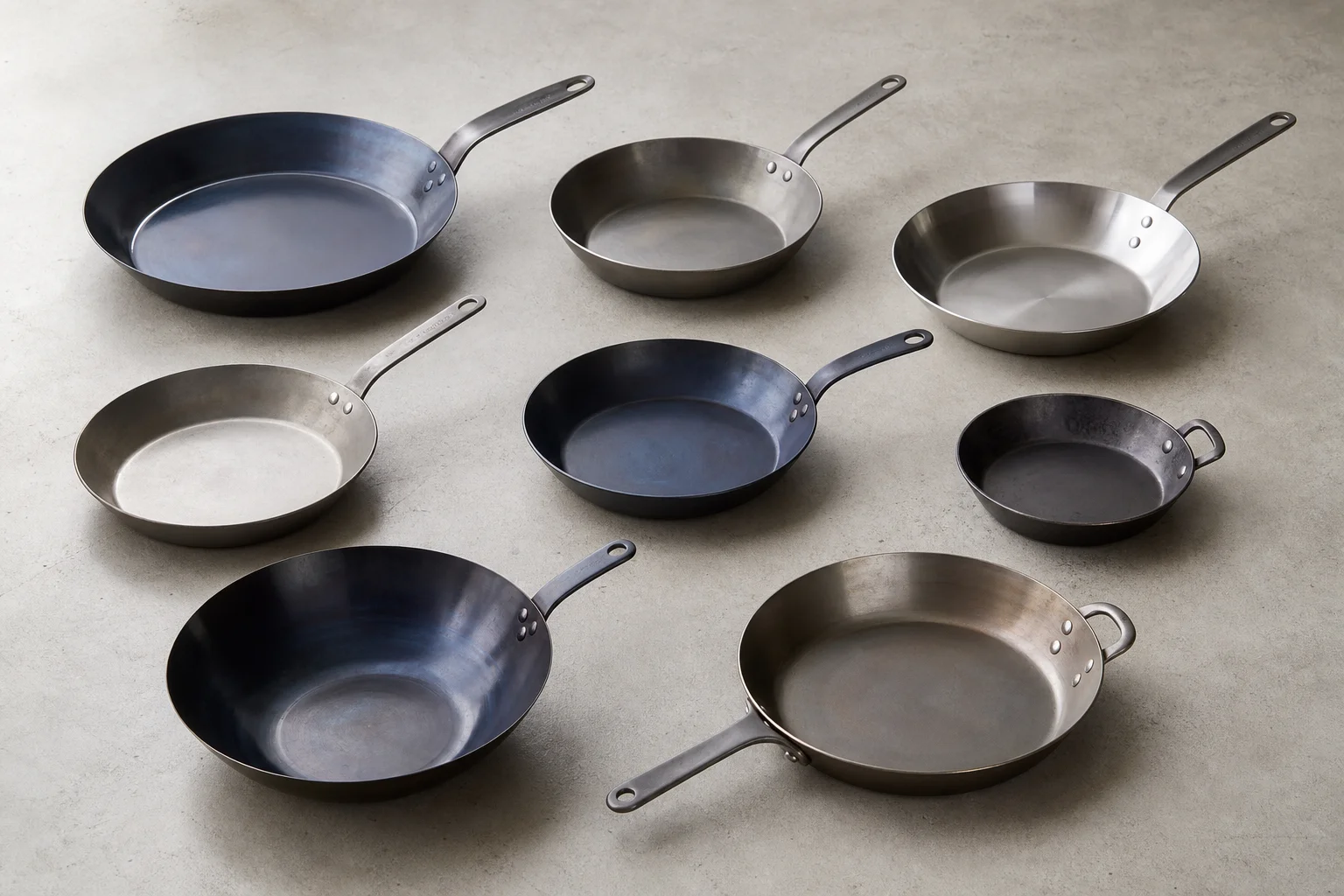
Best Carbon Steel Pans Tested: Which Brands Deliver Real Value
We tested eight popular carbon steel pans with controlled durability, heat, and cooking tests. Here's which ones perform best and which to avoid.
Cookware
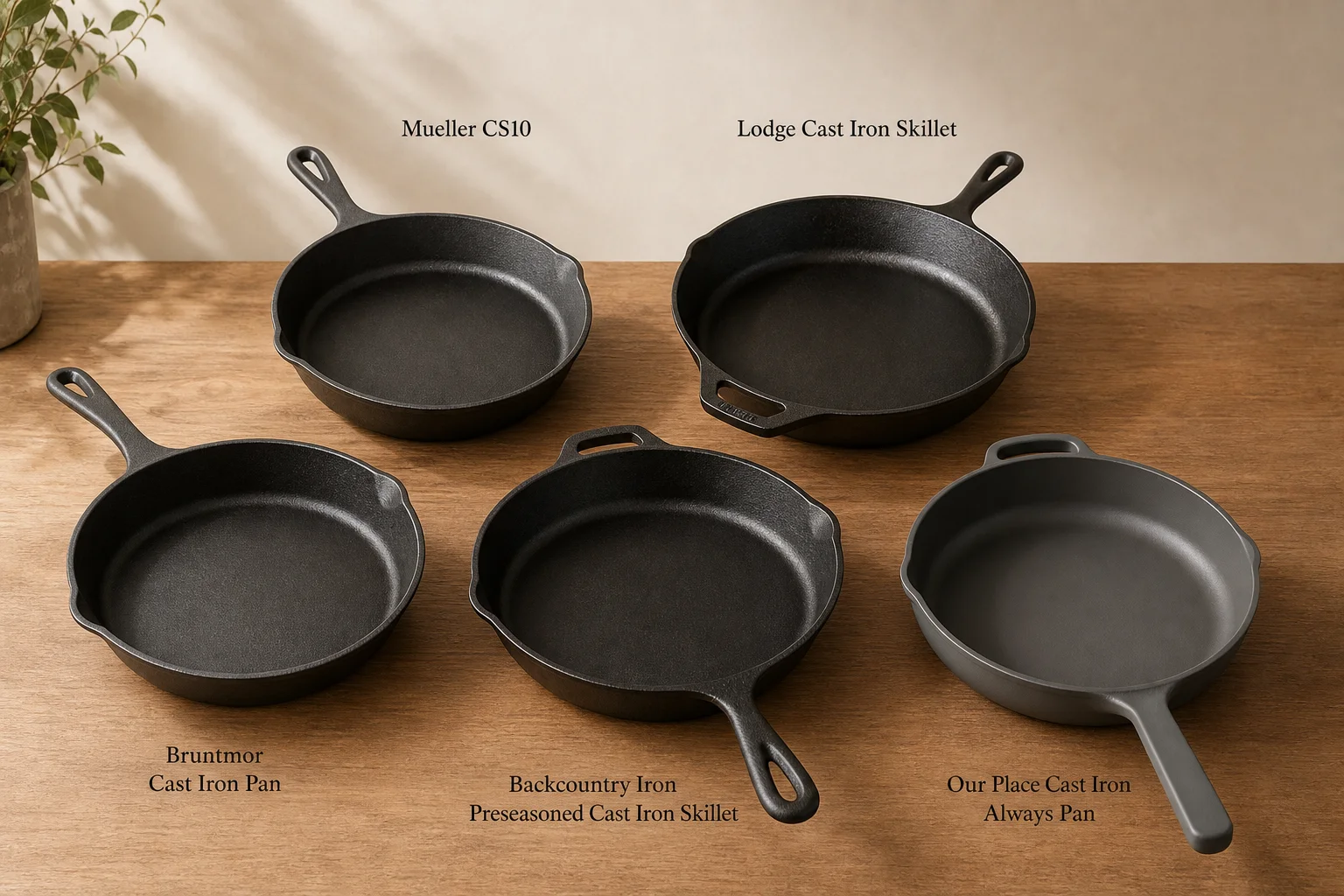
Best Cast Iron Pans 2026: Five Options from Budget to Premium
A practical breakdown of five cast iron skillets, from affordable Mueller to premium Our Place, with clear strengths and trade-offs for different cooking needs.
Cookware
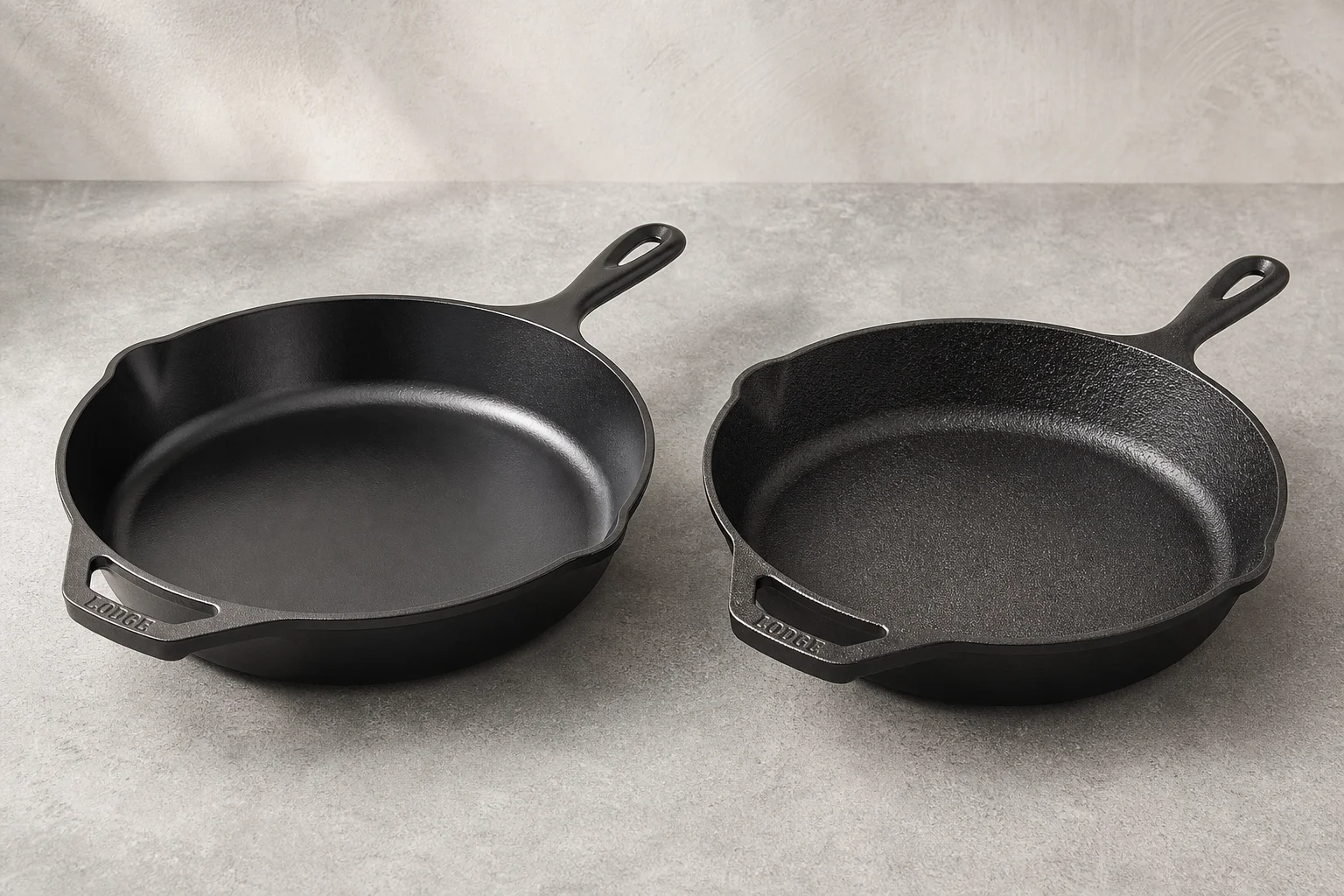
Best 12-Inch Cast Iron Skillets: Premium Craftsmanship vs. Reliable Budget Option
Two standout 12-inch cast iron skillets tested for heat retention, surface finish, and durability. One premium choice and one budget-friendly alternative that both deliver.