Aquarium Adhesives
DD's Aquascape Epoxy Review: A Two-Part Putty Built for Wet Reef Work
A closer look at DD's Aquascape Epoxy, a two-part aquarium putty that grips wet surfaces, cures underwater, and handles frag mounting, aquascaping, and small reef repairs.
Introduction
Mounting a coral frag or joining two pieces of rock often turns into a wrestling match. Most adhesives struggle the moment they meet water, and in a reef tank wet surfaces are the norm rather than the exception. DD’s Aquascape Epoxy takes a different approach. It is a two-part epoxy putty made specifically for aquarium use, formulated to be stickier so that it holds better on wet surfaces, and it can safely cure completely underwater while remaining non-toxic to fish and corals.
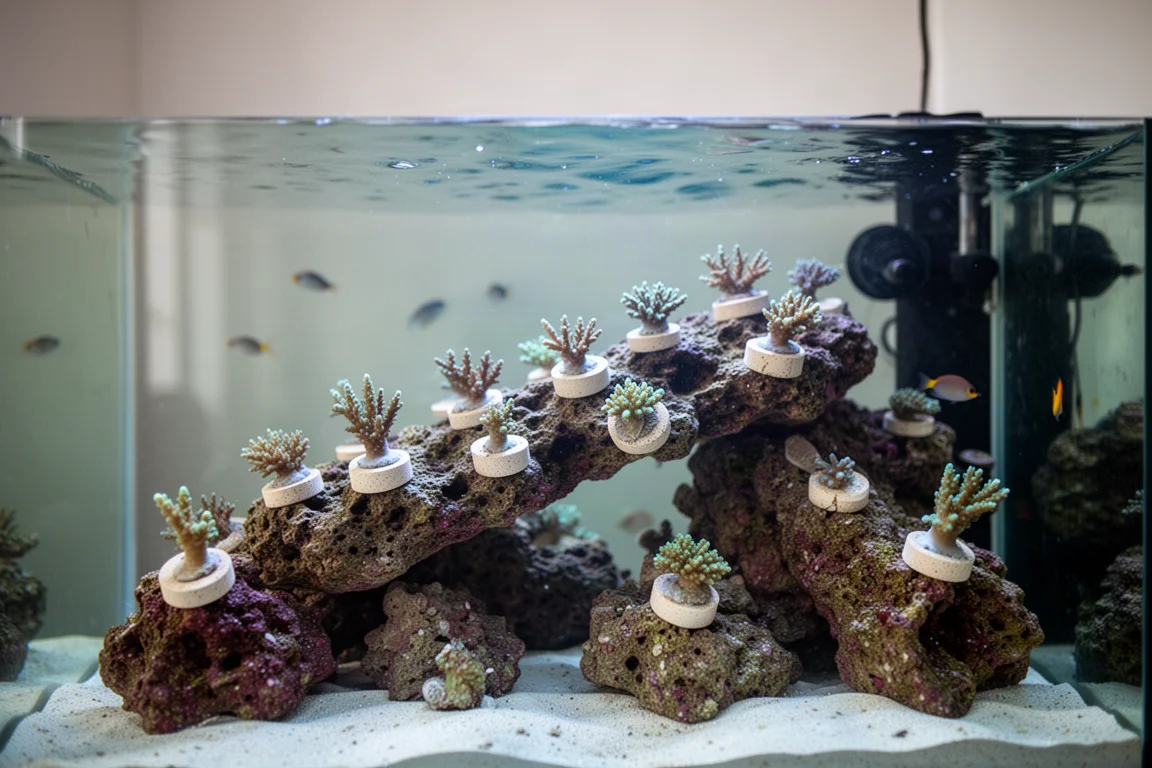
That combination makes it useful well beyond frag mounting. It covers aquascape building, adding new rock to an existing reef, and small repairs around the tank, from broken frag racks to feeding rings and ornaments.
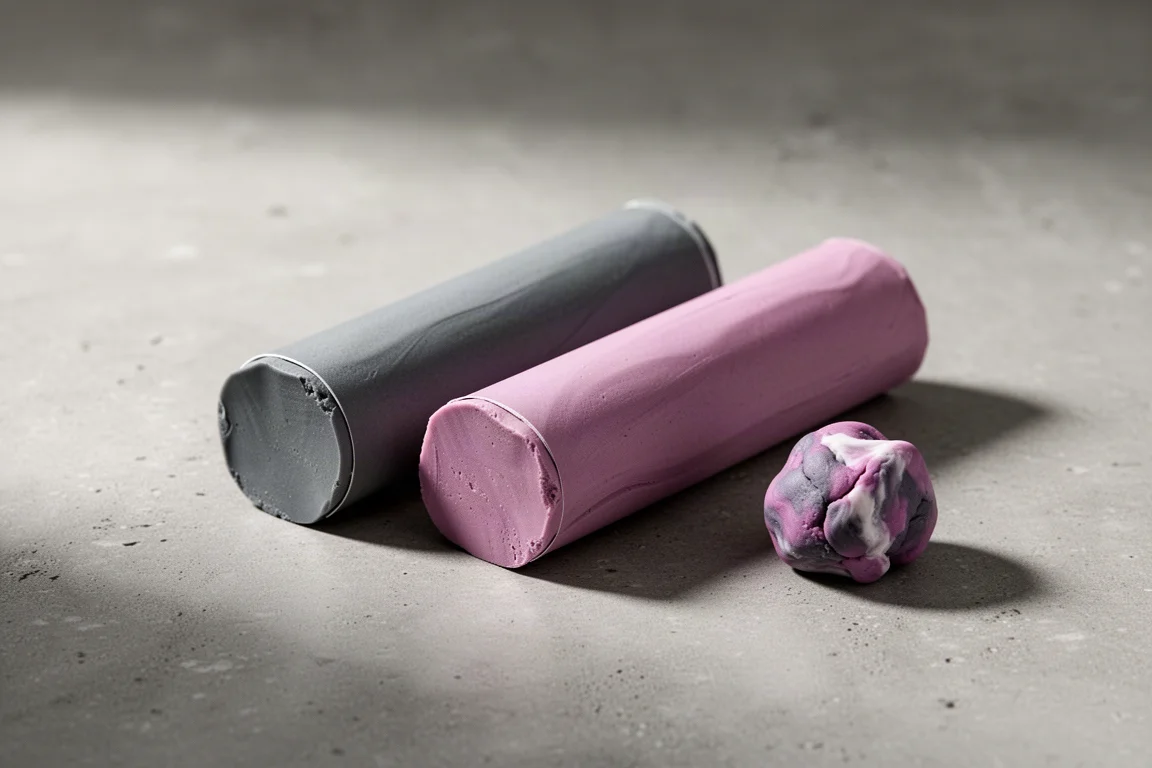
The putty is currently available in two colors, standard slate gray and Coraline, so the cured material can blend into the rockwork rather than stand out against it. Both versions arrive with the same contents: a stick of Part A, a stick of Part B, and a thorough set of instructions.
Who This Product Is For
This epoxy suits reef keepers who mount frags regularly and want an adhesive that does not need a dry surface to work. If you have ever tried to press a frag onto a plug while the putty slid around, the stickier formula here is aimed directly at that problem.
It also makes sense for anyone building or extending aquascape. Because the putty can be applied between the joints of two rocks and pressed into place, it works as a structural bonding aid as well as a coral mount. The same property allows new pieces of rock to be bonded into an established reef underwater, which is helpful when you want to add structure without tearing the tank apart.
Finally, it is a reasonable fit for hobbyists who repair their own gear. Once fully cured, the epoxy becomes hard enough to be drilled or sanded, which opens up small DIY projects and fixes that a soft putty could not handle.
Main Strengths
The headline strength is surface grip. DD’s Aquascape Epoxy is designed to be stickier than a typical two-part putty, which is what makes it viable on wet rock, wet plugs, and wet coral bases. Rather than fighting the water, you can work with it in place.
Underwater curing is the second advantage. The formula is made for aquarium use and can cure fully beneath the surface without introducing anything toxic to your fish or corals. For anyone who has avoided adhesives out of concern for livestock, that is the reassurance that matters most.
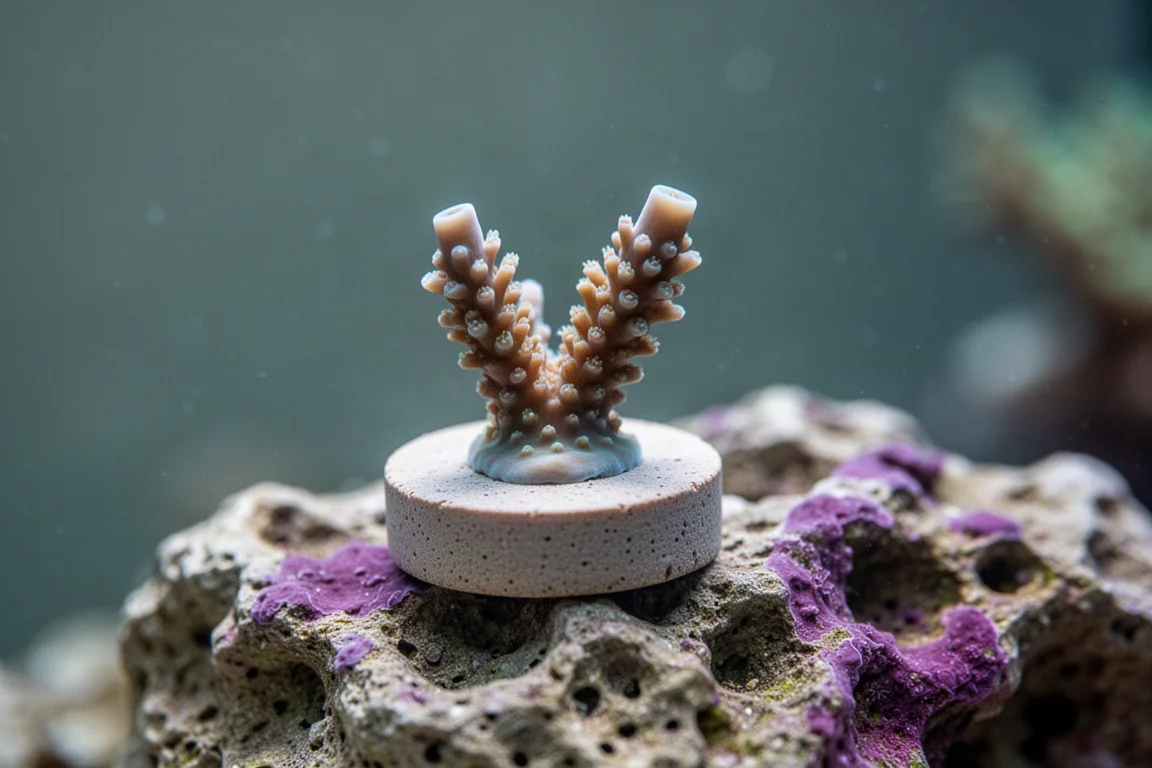
Versatility is the third. The same material mounts a frag to a plug, fills a crevice in rockwork, joins two rocks together, and repairs damaged reefing gear. That range means one box covers tasks that would otherwise need several different products.
The two color options are a smaller but genuinely useful detail. Slate gray pairs well with Marco rock and standard frag plugs and bases, while Coraline is a better match for pigmented rock-colored plugs or an established reef tank with plenty of coralline growth. Choosing the closer match simply makes the cured epoxy less visible.
Mixing and Application
Using the epoxy is straightforward, though it does ask for a few minutes of preparation. Start by putting on a pair of disposable gloves to keep your hands clean. Break or cut off equal portions of Part A and Part B, then begin mixing them together in your hands, kneading the two parts back and forth between your fingers for five minutes until the color is consistent. Once it looks completely blended, continue mixing for one more minute. After that, the epoxy is ready to use.
For frag mounting, you can apply the putty to a frag plug and push the coral into it, or press the putty into a crevice in your rockwork and push the coral into that crevice. Either method lets you place corals across the reef without pulling rock out of the tank.
For aquascaping, place a generous ball of putty between the joints of the two rocks you want to bond, then press firmly on the rocks so the putty spreads through the joint. Support the rocks while the putty cures. The same approach applies when adding new rock to an existing reef underwater, and support is just as important there.
Colors, Curing, and Repairs
Timing is predictable. The putty becomes semi-hard after three to four hours and cures fully rock hard after approximately 12 hours. That window is worth planning around, since bonded rocks and freshly mounted frags need to stay supported until the cure is complete.
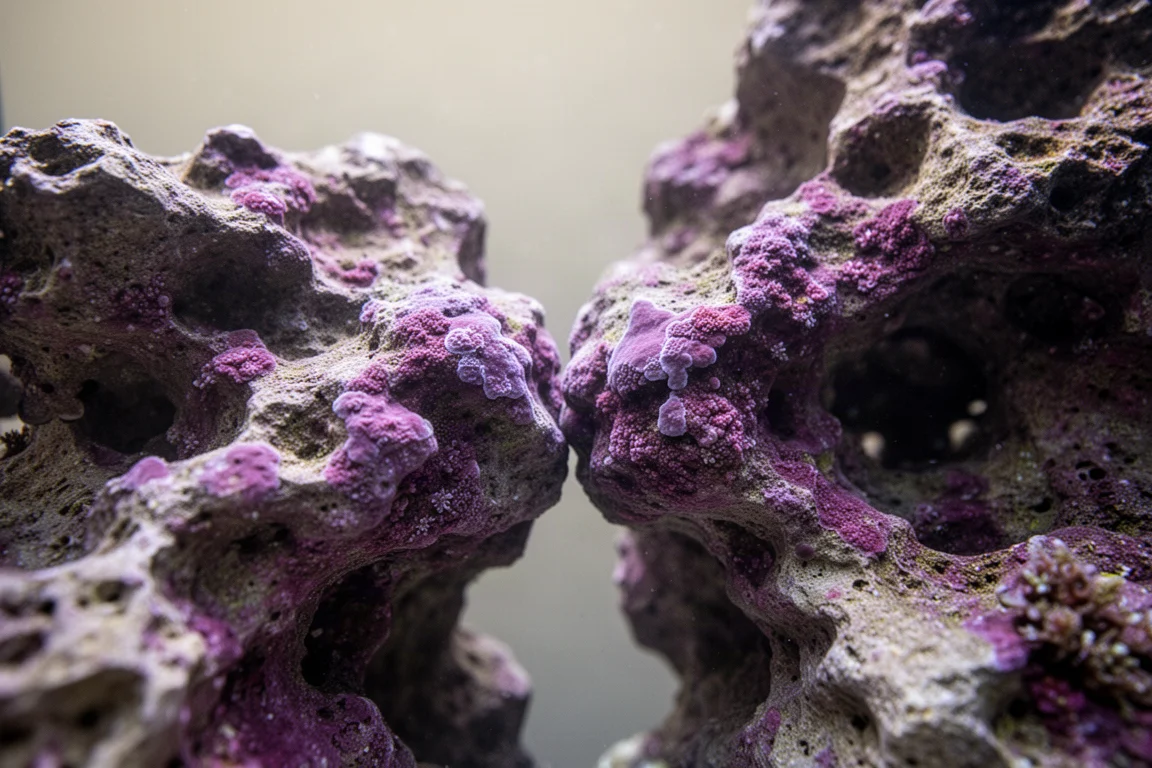
Once fully cured, the epoxy can be worked with tools, drilled, or sanded. That makes it a practical option for repairing damaged reefing gear, and it also opens the door to creating small reef-safe parts for your own DIY projects. The color you choose matters most here, because repaired or fabricated pieces sit in view rather than being hidden behind coral growth.
Things to Consider Before Buying
The mixing step takes commitment. Five minutes of kneading plus an extra minute of blending is not long, but it is hands-on time, and the two portions need to be equal for the mix to behave as intended. Gloves are worth having on hand before you start.
Support during curing is another point to plan for. Bonded rocks need to be held in place while the putty sets, so a stable arrangement or a temporary prop helps prevent a joint from shifting during the three to four hour semi-hard stage.
Finally, this is a material for wet and underwater work, not a general-purpose household adhesive. It is formulated for aquariums, and that is exactly where it belongs.
Buying Advice
Choose Coraline if your tank has established coralline growth or you use pigmented, rock-colored plugs, since the cured putty will disappear into the surrounding surfaces more easily. Choose slate gray if you are working with Marco rock or standard frag plugs and bases, where a neutral tone blends in best. Both colors contain the same Part A and Part B sticks and the same instructions, so the decision comes down to matching your tank rather than capability.
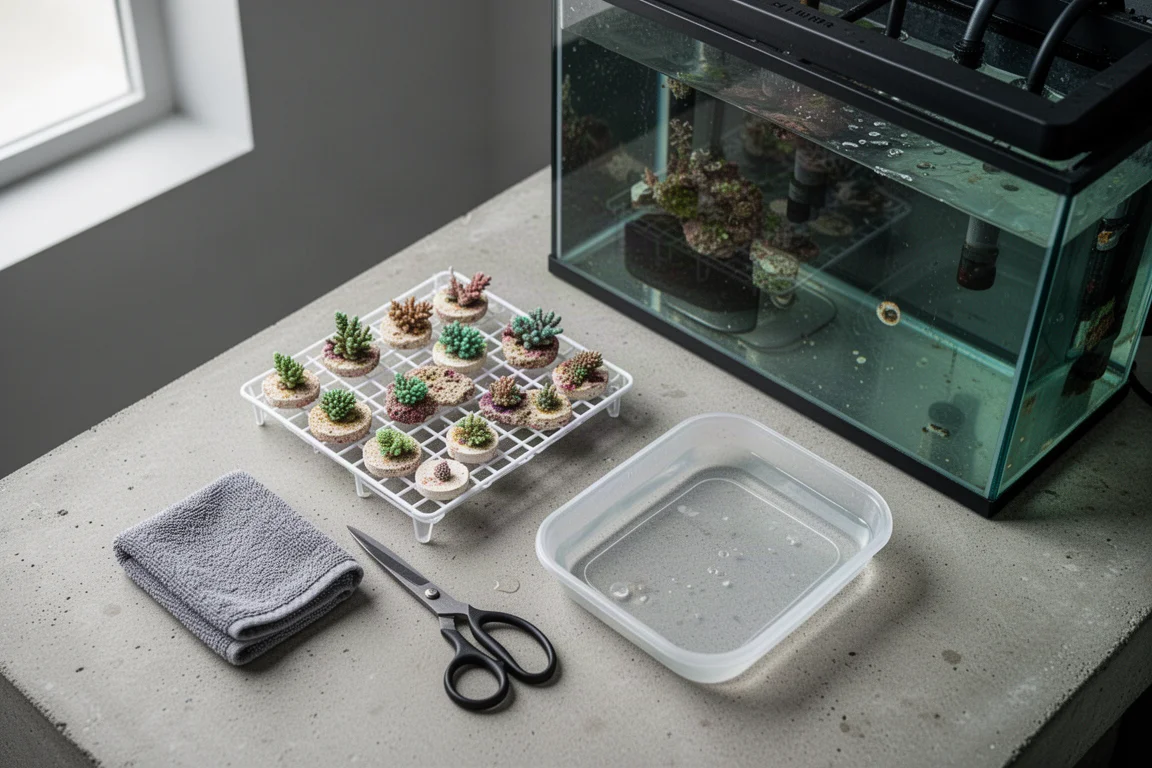
If your main goal is mounting frags onto wet plugs and rockwork, this epoxy addresses that directly with its stickier formula. If you are building out aquascape or adding rock to an existing reef, the underwater curing behavior is the feature that makes the job possible without draining anything down. And if you repair your own reefing gear, the fact that the cured epoxy can be drilled or sanded extends its usefulness well past the initial bond.
Conclusion
DD’s Aquascape Epoxy earns its place in a reef keeper’s toolkit by solving a specific problem well. It grips wet surfaces, cures safely underwater, and stays non-toxic to fish and corals, which covers frag mounting, aquascape building, and small repairs in one product. The trade-offs are modest: a few minutes of kneading, equal portions to measure, and rocks that need support while the putty sets. For anyone who regularly works with coral and rock, those are easy conditions to meet.
Product link
View more details for DD's Aquascape Epoxy
This product is mentioned in the review. Check the specifications, options, and compatibility before buying.
View more details for DD's Aquascape EpoxyFurther reading
Related Reviews

Aquarium Adhesives
Tunze Coral Gum Instant Review: A Faster Way to Mount Frags and Scape Rock
A silicone-based coral putty that kneads easily, grips wet surfaces, sets in about a minute, and skips the cloudy water and skimmer problems common with two-part epoxy.
Saltwater Aquarium Setup
10 Questions About Cycling a Saltwater Aquarium: What You Need to Know
Essential questions and answers for cycling a reef tank or saltwater aquarium, from biome building to light management and bacterial supplements.

Aquarium Equipment
Adaptive Reef Hybrid Algae Reactor Review: One Reactor, Three Ways to Grow Algae
A close look at the Adaptive Reef Hybrid Algae Reactor, which runs as an algae turf scrubber, a macro algae reactor, or a refugium, and pairs with the AI Blade Refugium LED.