Backpacking Tents
DCF Backpacking Tents Compared: Tarptent Notch Li and Durston X-Mid
A close look at two lightweight trekking-pole shelters, the double-skin Tarptent Notch Li and the headroom-focused Durston X-Mid, and what Dyneema Composite Fabric really delivers.
Introduction
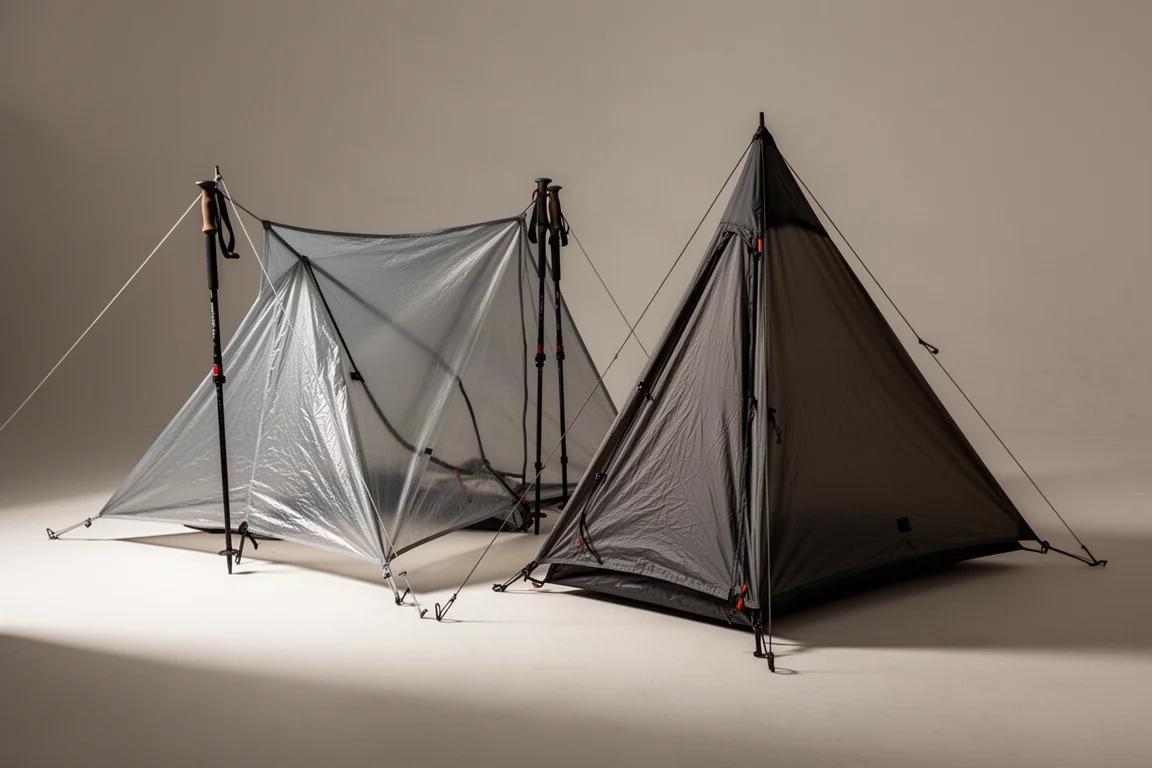
Dyneema Composite Fabric, still widely known as Cuben Fiber, has a reputation for being both exceptionally strong and exceptionally expensive. This comparison looks at two lightweight trekking-pole shelters that sit in that world: the Tarptent Notch Li, a double-skin DCF tent, and the Durston X-Mid, a shelter built around generous headroom.
Both are aimed at the same kind of trip, multi-day backpacking where low weight and a dry pack-down matter more than a roomy basecamp footprint. They solve the problem in different ways, and the differences are worth understanding before spending money.
What DCF Tents Are and Why They Cost More
DCF began life as sailcloth for boats, which explains its core properties: it is very strong and highly tear resistant. The material is difficult to machine into tent panels, and not every manufacturer is set up to work with it. That is a large part of why DCF shelters cost what they do.
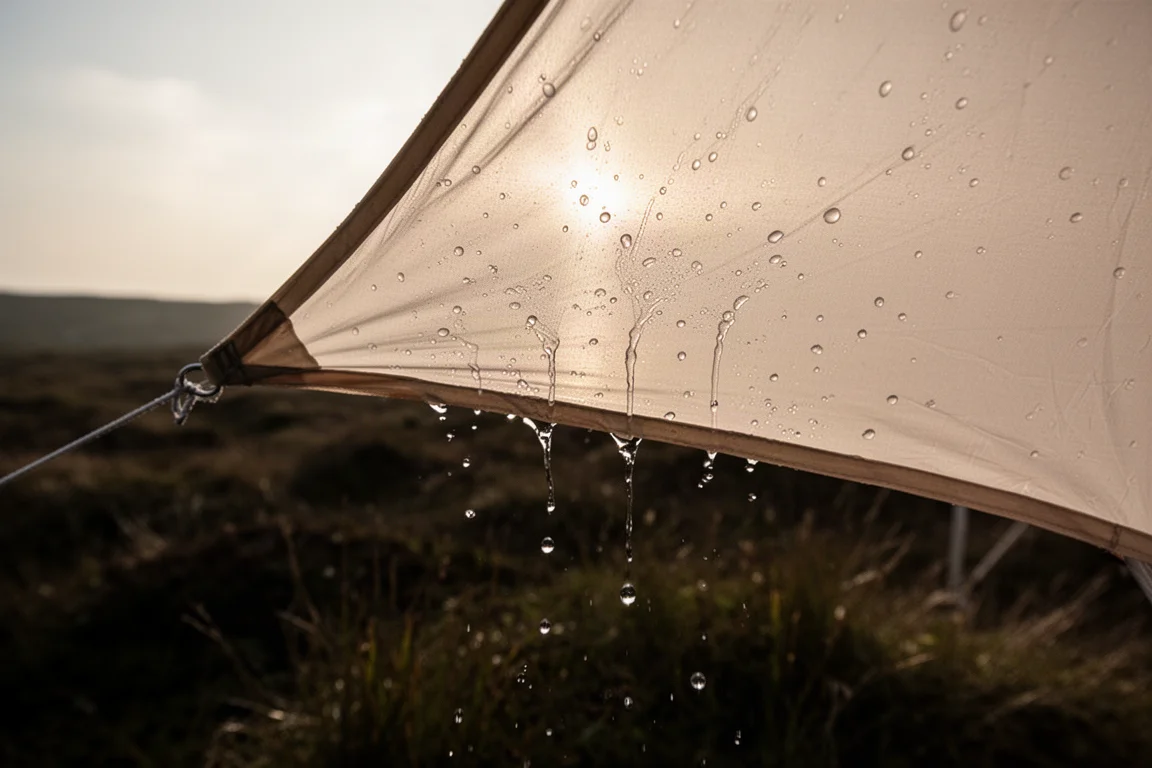
The practical advantage over silnylon and polyester shows up when the weather turns. DCF does not absorb water and does not sag when wet, so a shelter can be wiped down and packed away essentially dry instead of being carried damp for the rest of a trip.
The trade-off is pitch tolerance. Because the fabric does not stretch, you cannot simply tension out a sagging panel the way you can with a woven fabric. Site selection matters more, and a clean, well-pegged pitch is worth the extra minute it takes.
Most DCF shelters are single skin, and a large share of them come from small independent makers based mostly in North America, which adds shipping cost for buyers elsewhere. The Notch Li is one of the exceptions, a double-skin DCF design.
Tarptent Notch Li: A Double-Skin DCF Shelter
The Notch Li is a trekking-pole tent. The poles need to be set at 110 cm, and the shelter stands with a minimum of four pegs, with six giving a noticeably better pitch. It has two doors and two vestibules, and the door panels use small magnetic clips that are easy to manage with cold hands.
Because it is double skin, the inner adds a layer of protection against the condensation contact that single-skin DCF designs can suffer from, particularly when a shelter has a generous footprint and a sleeping bag can brush the wall. The interior is compact but usable, with the vestibules providing enough space to hang wet trainers and keep damp kit out of the sleeping area.
Pricing sits around $600, which is comparable with some established tent brands and less than the premium mountaineering names.
Durston X-Mid: Headroom and Space in a Trekking-Pole Tent
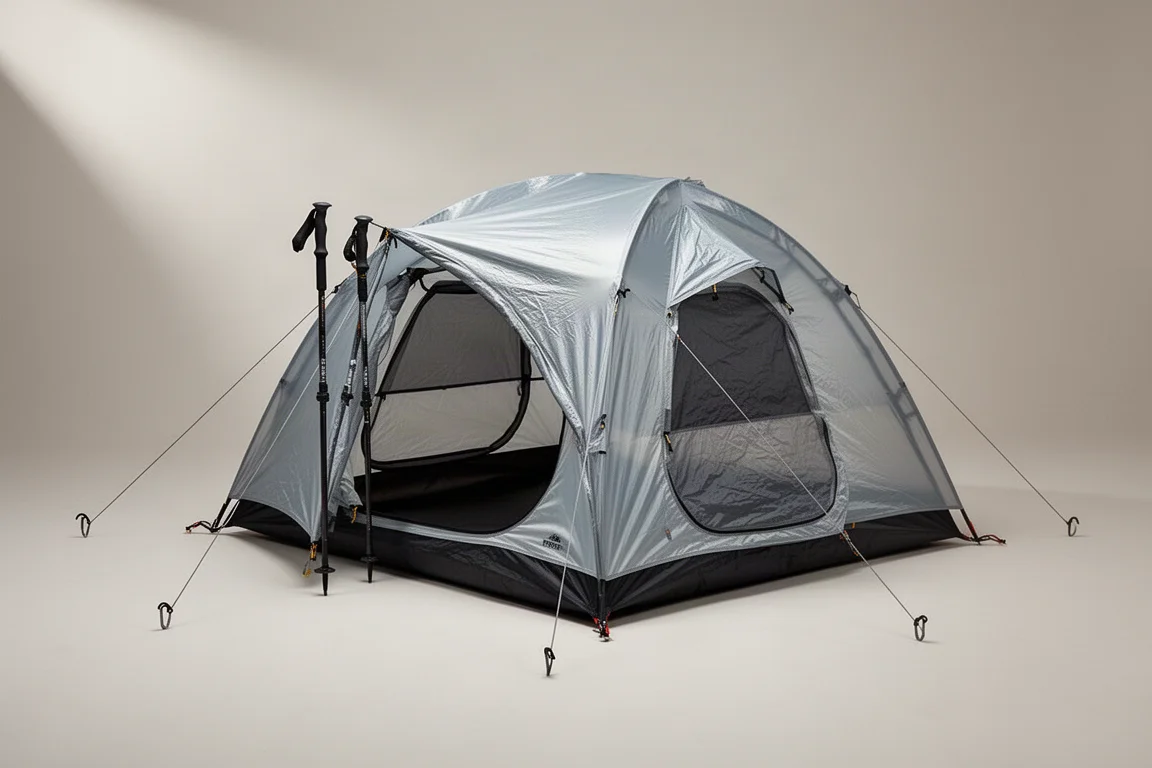
Headroom is where these two shelters separate. On the Notch Li, the limiting dimension is at either end of the inner. The Durston X-Mid, from one of the small independent makers associated with this class of shelter, keeps headroom consistent along its length, so there is no end taper to work around when you sit up.

It also pegs out at four corners and takes a really solid pitch that way, and it offers good internal space for its weight. On longer trips, where you spend an hour or more inside the tent every evening, that consistent height is something you notice daily rather than once per trip.
Pitch Sites, Footprints and Condensation
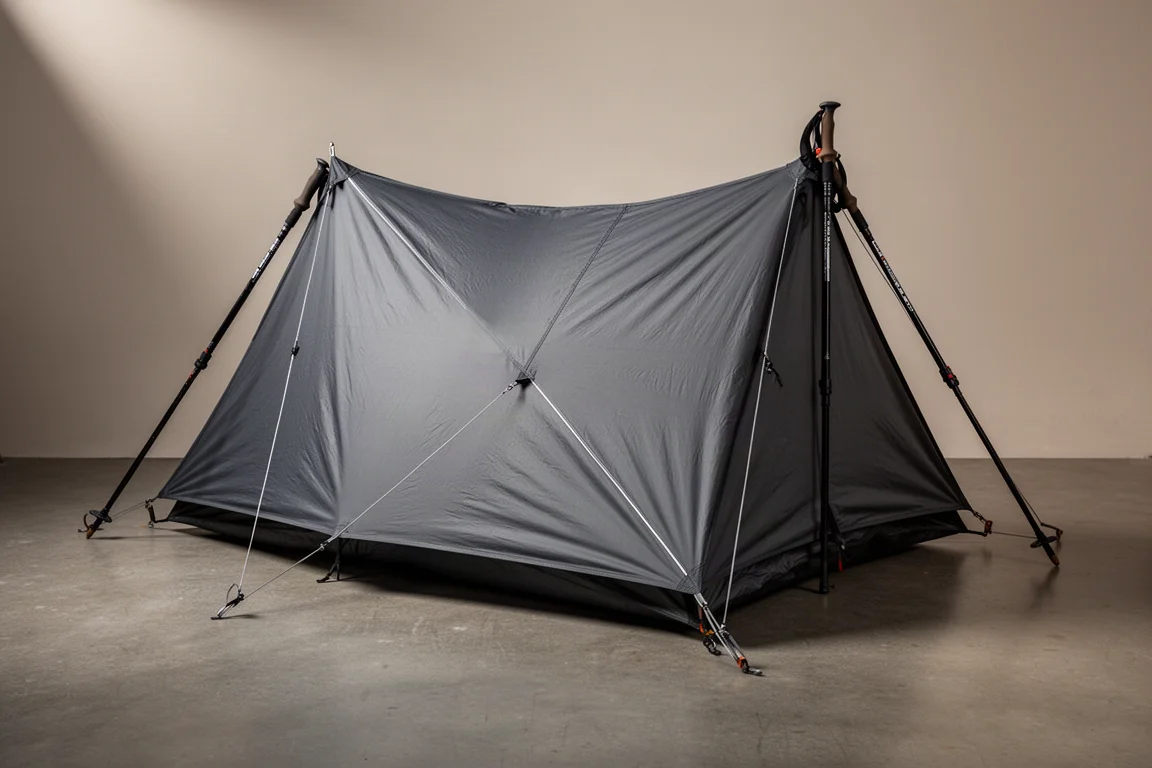
DCF shelters in this class are often larger in footprint than people expect, and they are less forgiving about where they are placed. Low, hollow ground that collects water is a poor choice, and pitching on a slightly raised patch of grass makes a meaningful difference when rain is forecast.
Condensation is the other consideration with any lightweight shelter. With a double-skin design the inner keeps the sleeping bag away from the cold outer wall, and where a bag or quilt does end up close to a panel, hydrophobic down and fabrics such as Pertex Shield handle a small amount of moisture without drama. Choosing a pitch with a little airflow matters as much as the tent itself.
How the Notch Li Handled a Wet Night on the Moor
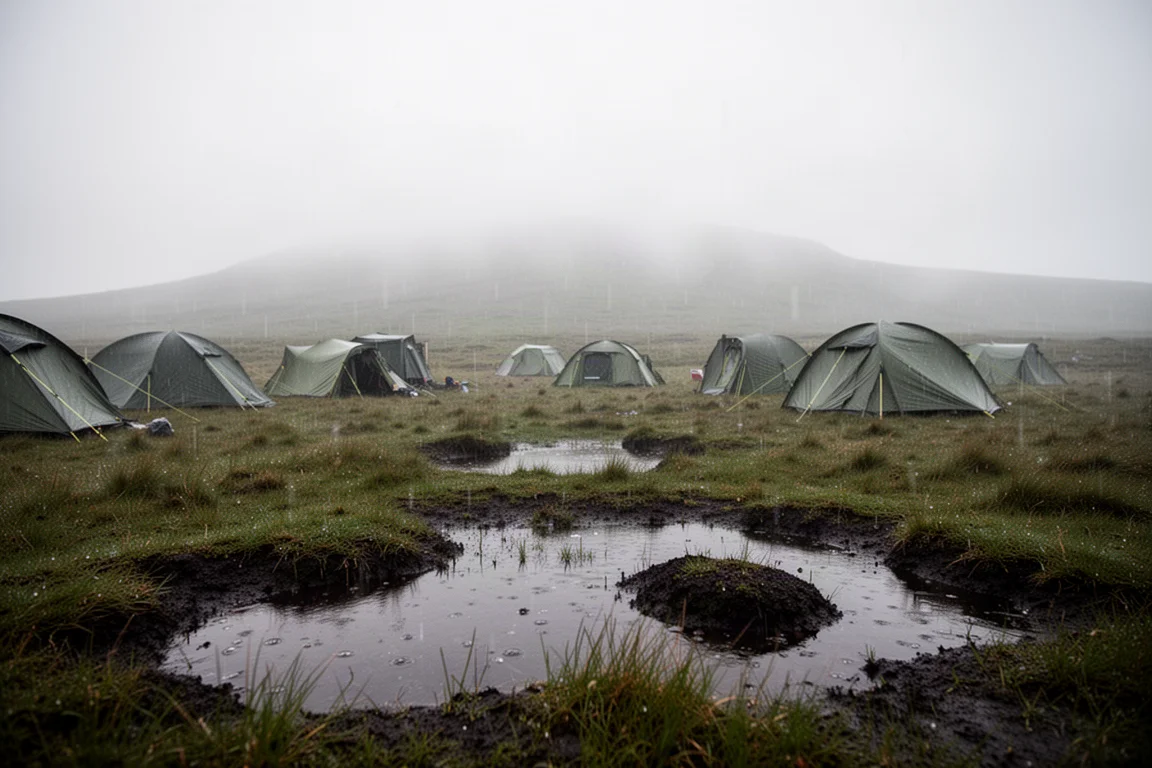
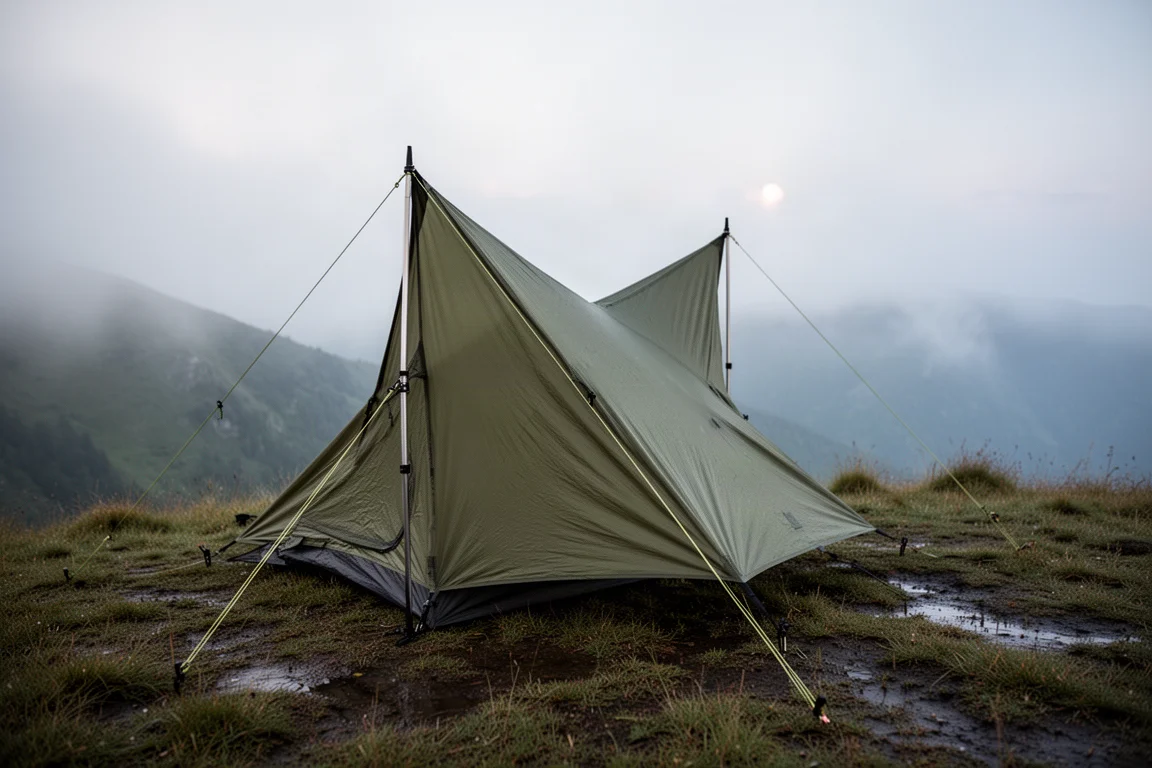
The Notch Li was pitched on a raised patch of grass on open moorland. Rain set in from around 2 a.m. until 4 a.m., paused for about an hour, and then returned with wind at around 5 a.m. Nearby ground was flooding while the shelter itself stayed on higher, firmer ground.
By morning the tent had done a solid job. There was no condensation inside and no water coming through, and the groundsheet and inner were bone dry. DCF proved very waterproof in genuinely wet, changeable conditions of the kind that are common in the UK.
It is worth being clear about limits. This is not a winter tent and not a summit tent for severe, exposed wind. It is a backpacking tent, and on that measure it performs very well.
Weight, Packability and Cost Per Night
The Notch Li is very light for a double-skin shelter, and the quoted weight covers the struts, the pegs and the stuff sacks rather than the fly alone. DCF wipes dry rather than soaking through, so a wet morning does not mean carrying extra water weight for the rest of the day.
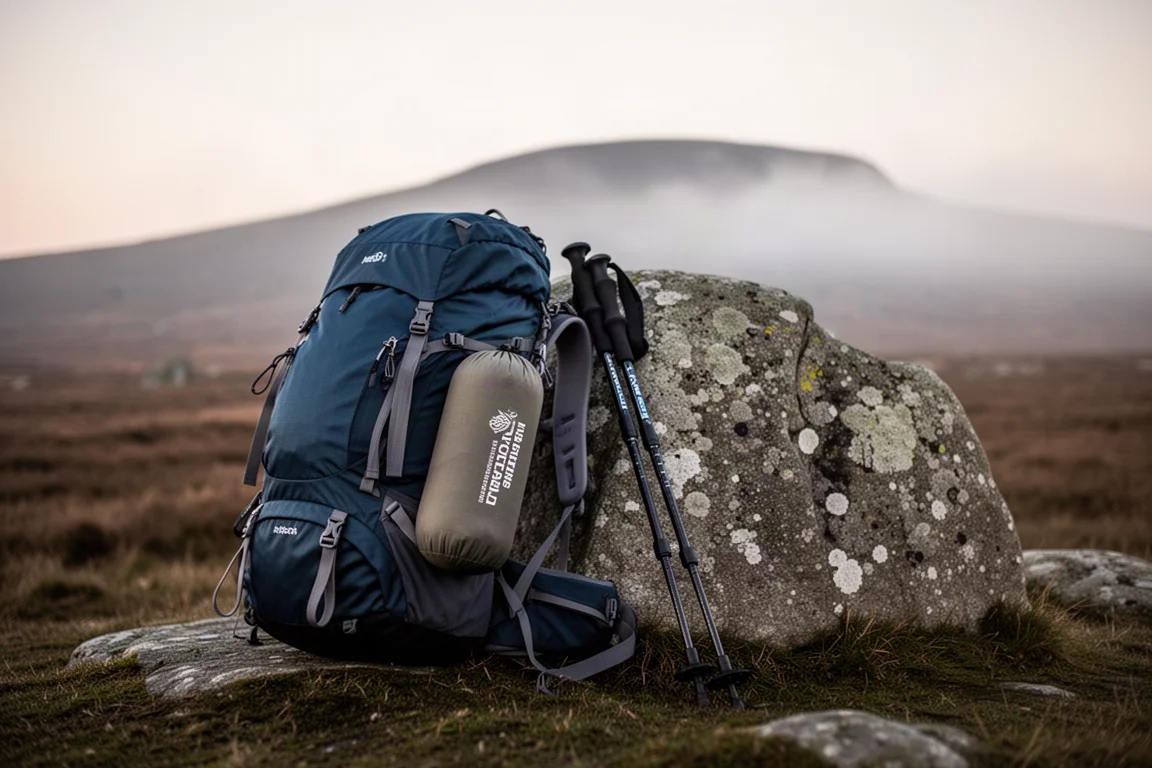
Packing is straightforward once you have a system. A tent-shaped dry sack is the practical option, and a useful trick is to push an inflated pillow into the side of the pack first to hold the space open, fill the pack with the rest of your kit, then pull the pillow out, slide the tent in and deflate it. It keeps a bulky shelter tidy against the side of the pack.
Value is the honest question. At around $600, a DCF shelter only makes sense if you use it. Spread across sixty nights of camping, that works out at roughly $10 a night, which is easier to justify for anyone covering long distances with a pack.
Buying Advice: Which Tent Suits Which Trip
If headroom and interior space are your priorities, the Durston X-Mid is the more comfortable choice, with consistent height along its length and a dependable four-corner pitch.
If you want a double-skin DCF shelter with two doors, two vestibules and proven performance in typical wet UK weather, the Tarptent Notch Li is the stronger match, provided the end headroom works for your height and sleeping position.
For anyone camping only a handful of nights a year, a cheaper woven-fabric tent will usually make more sense. DCF earns its price on long-distance routes, where low weight and a shelter that packs away dry are worth paying for.
Conclusion
Dyneema Composite Fabric holds up to its reputation. It is strong, very light, does not sag and does not absorb water, and the Notch Li came through a wet, windy night with a dry interior and no condensation. The deciding factor for most buyers will be interior space and headroom rather than the fabric itself, and on that measure these two shelters suit different people rather than ranking one above the other.
Further reading
Related Reviews
Backpacking Tents
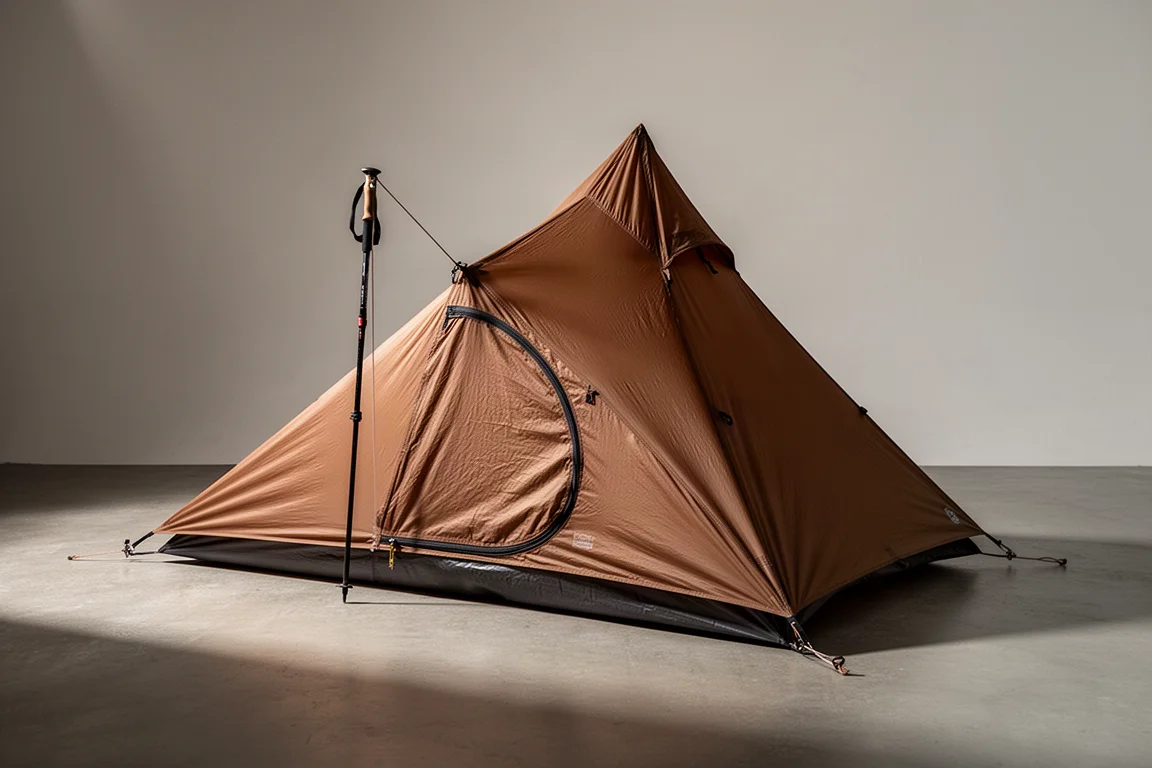
3F UL Lanchan Pro 1 Review: A 1 lb 8 oz Single-Wall Trekking Pole Tent
A practical look at the 3F UL Lanchan Pro 1, a single-wall trekking pole shelter with a 1 lb 8 oz weight, 20D silnylon fabrics, and a roomy 90 x 31 x 49 inch interior.
Backpacking Tents
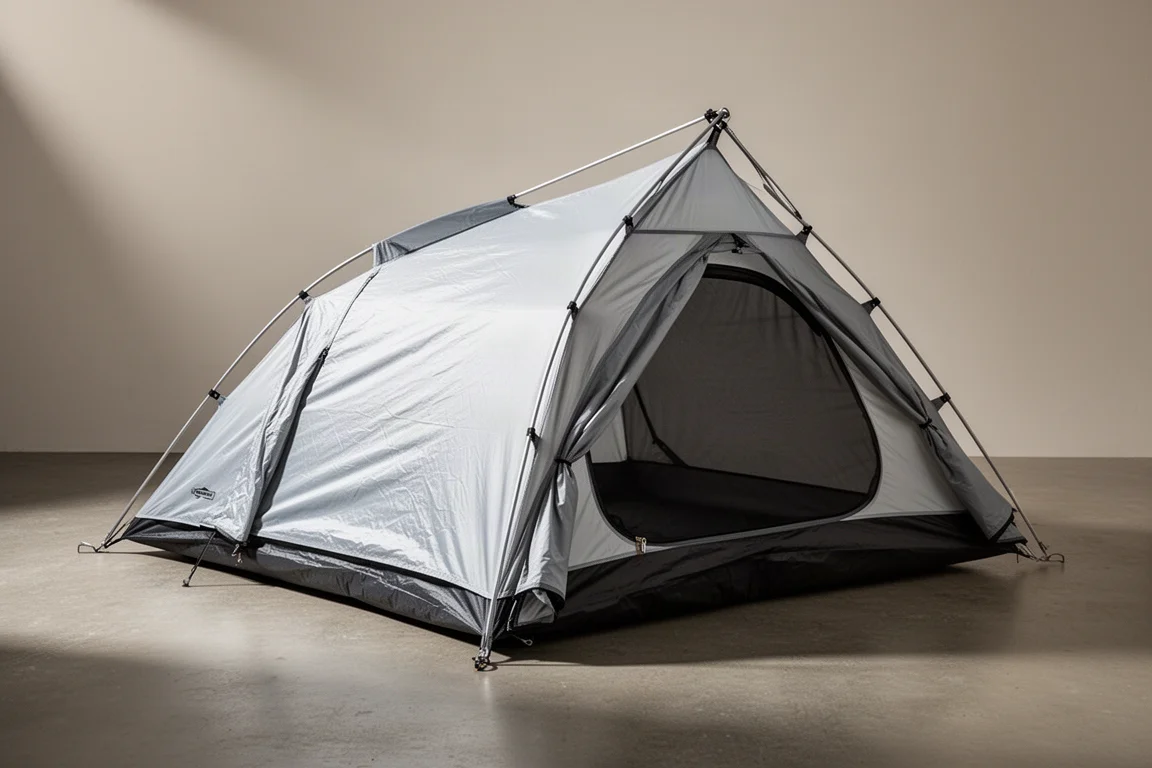
3F UL Taiji 2-Person Tent: A Convertible Backpacking Shelter Worth a Closer Look
A practical look at the 3F UL Taiji two-person tent, covering its materials, true two-person interior, fly-first pitching, and the seasonal inner swap that lets one shelter cover more of the year.
Backpacking Tents
3FUL Lanshan Twoerson Pro Review: A Light Trekking Pole Shelter That Struggled in Rain
A two-person trekking pole shelter with a 2026 redesign, pitched with sticks and put through a night of steady rain. Here is what worked, what did not, and what to check before buying.