Camping Gear Organization
Cydio Crate Review: Three Years of Camping Gear Organization
A long-term look at the Cydio Crate system for camping gear, covering divider customization, stacking stability, durability, and the higher price to weigh up.
Introduction
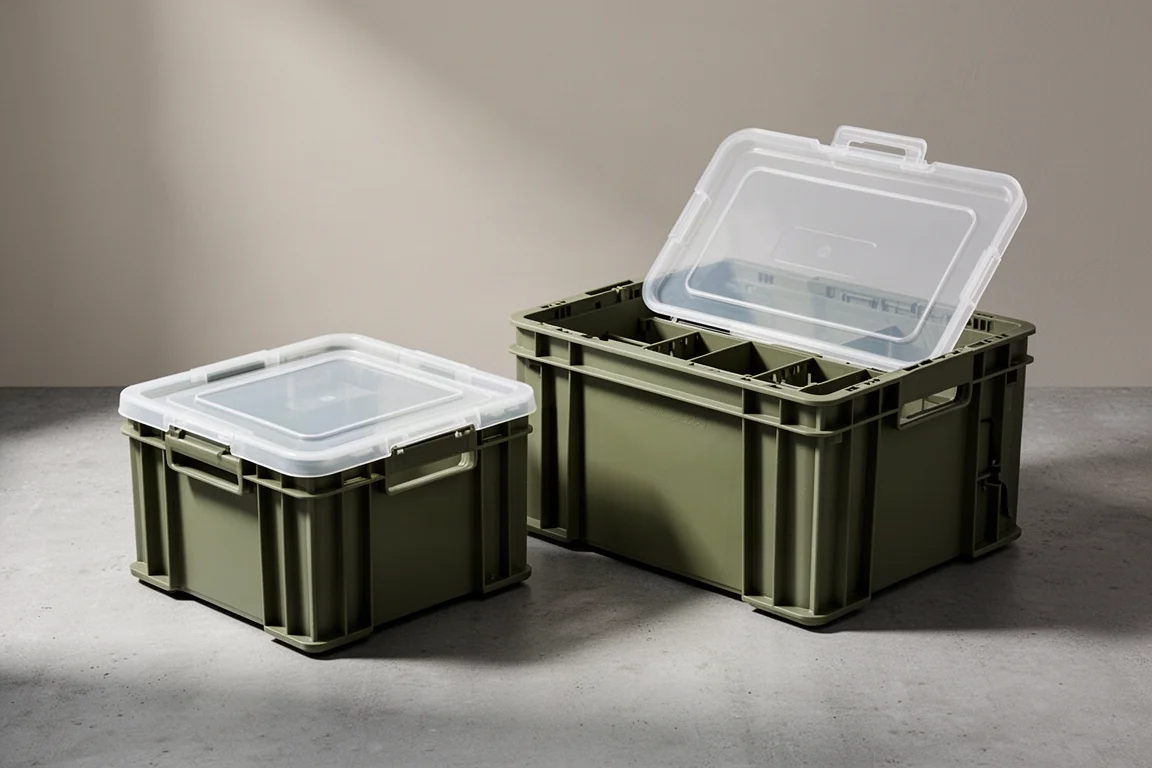
Cydio Crates are a modular storage system for camping gear, and after roughly three years of regular use they have become one of the most quietly effective pieces of kit in a camping setup. They are made in the USA, built around a square footprint, and designed so that small items can be separated, carried, and found again without a full repack at camp.
The half-size crate is the version that has seen the most use over family trips and solo trips, while the full-size crate adds vertical space for bulkier items such as power stations, cords, and blankets. Lids and dividers turn the crates into a system rather than a single box.
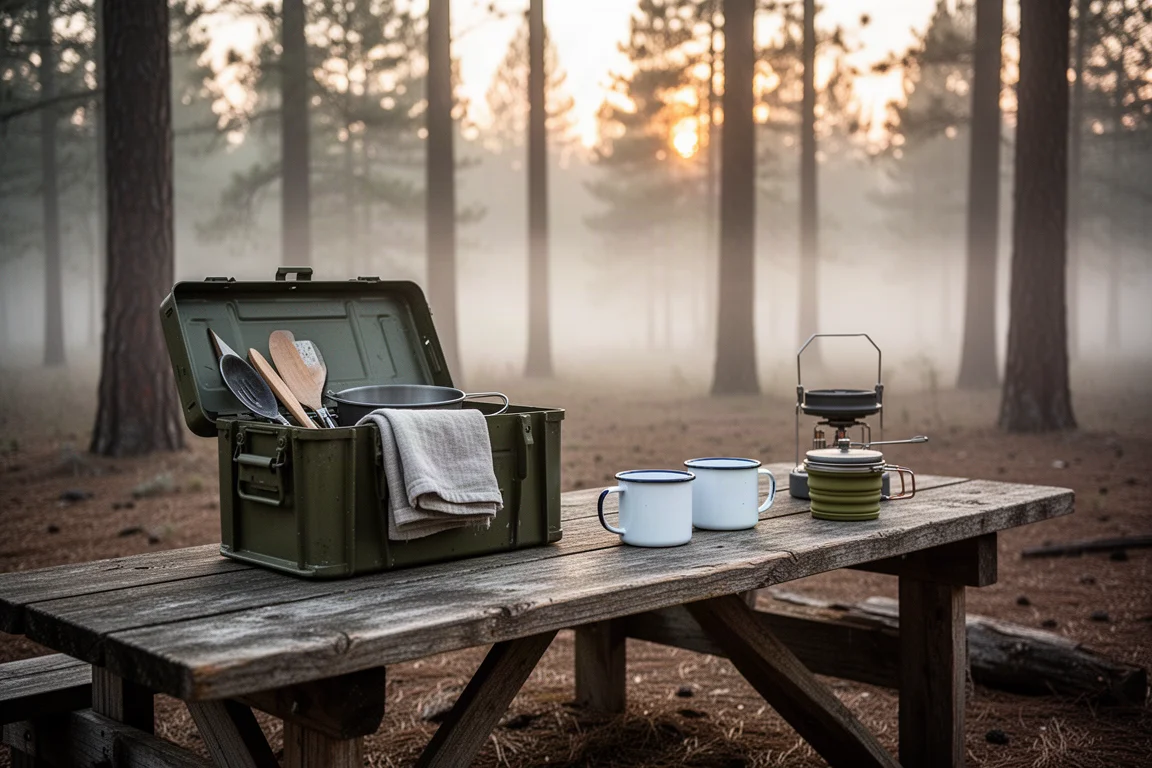
What makes the crates interesting is not complexity. They are simple in concept, and the case for them rests on durability, a stable footprint, and the ability to subdivide the interior in a way that suits a specific kit.
Who This Crate Is For
These crates suit campers, car campers, and overlanders who carry a lot of small gear and want to know exactly where each item lives. A kitchen crate that can be lifted straight onto a picnic table, or a tent crate holding a lantern, air pump, first aid supplies, and bug repellent, removes a great deal of the rummaging that comes with a single deep bin.
They also suit families. Children are not gentle with gear, and the crates have been sat on rocks, loaded into vehicles, and dropped out of the back of a car without developing problems.
They are a poor fit for anyone who simply wants the cheapest possible container. General-purpose bins from mass retailers cost less, and the crate system is an investment that only pays off if the crates are actually used trip after trip.
Main Strengths
Durability is the headline. Three years of use across family trips and solo trips has produced no functional issues, even with rough handling from kids and repeated drops out of a vehicle.
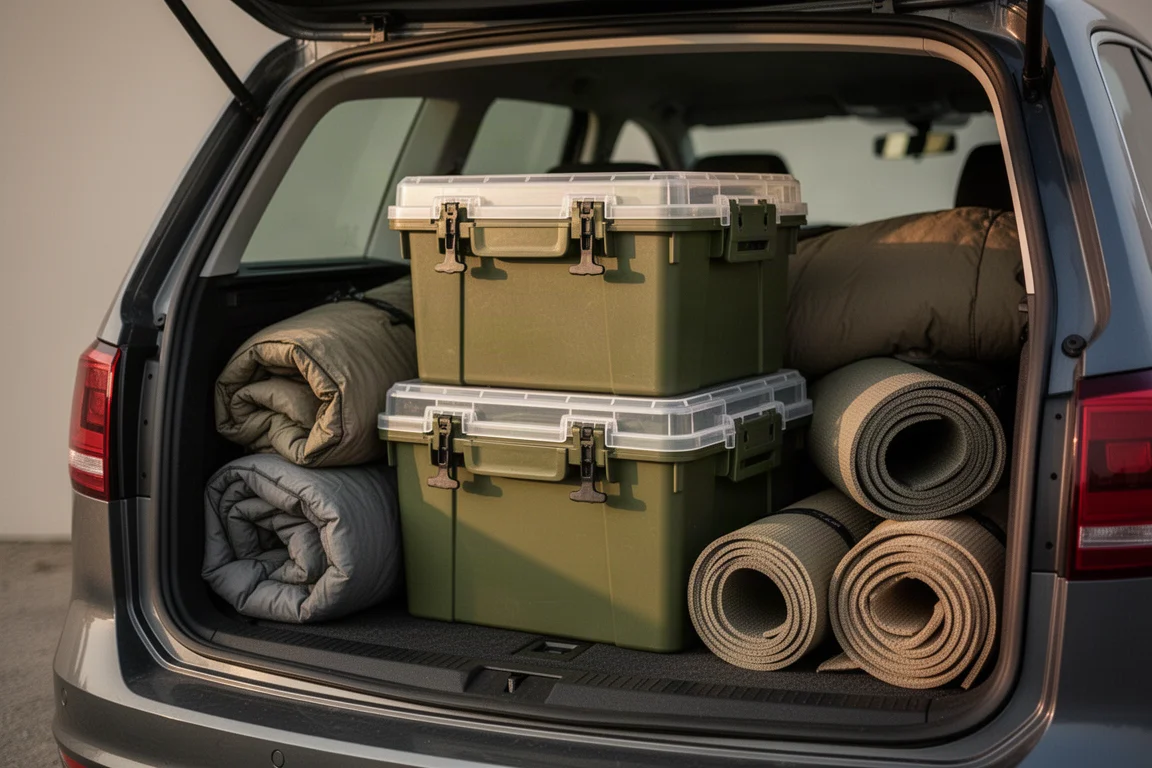
Stacking is the second strength. The crates sit on top of each other securely, lock in on themselves, and stay stable inside a car instead of tipping over. That is not something cheaper bins manage reliably.
Shape matters more than it sounds. The crates have a square footprint with only slightly rounded corners, so items do not collapse inward when something is pulled out. Many general-purpose bins taper down the sides and are taller than they need to be, which means contents shift and bury whatever sits at the bottom.
The newer lids are a clear improvement. They are made of clear plastic, lock on firmly, and use a handle that pulls out and rotates up to open. They feel more refined than the earlier lid design that has since been discontinued.
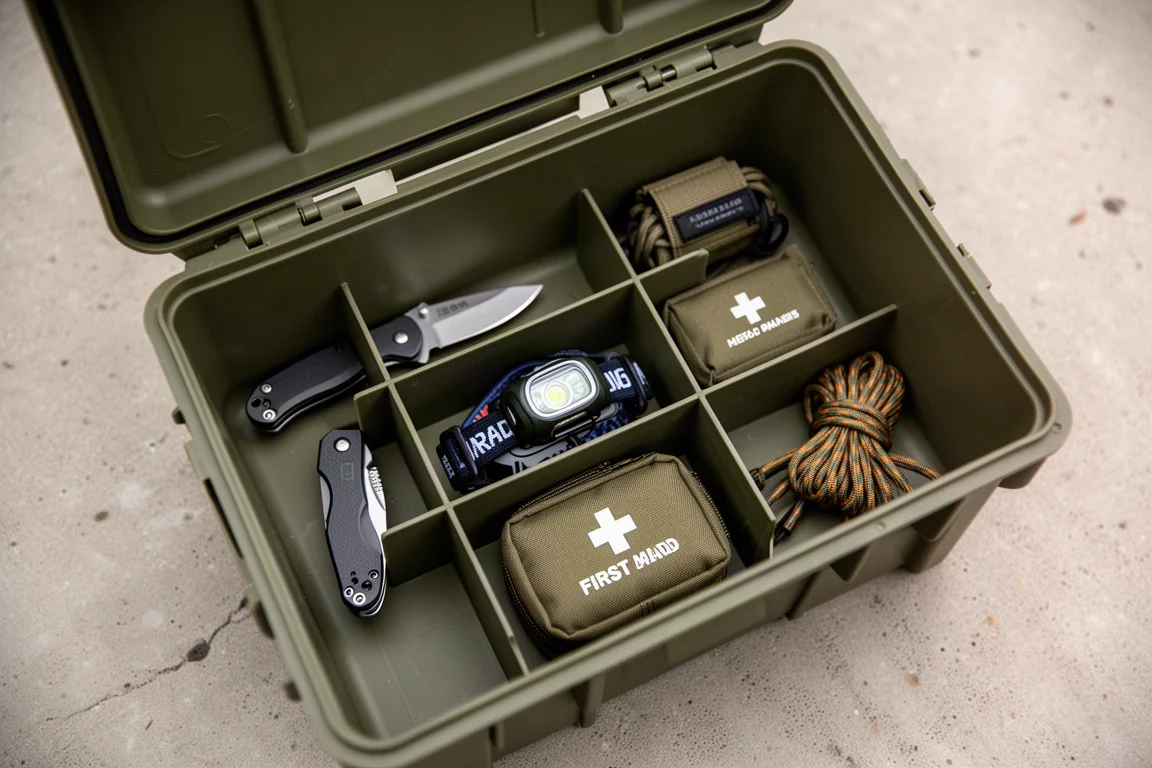
Dividers complete the system. Each divider can sit in one of 41 different slot positions, and additional dividers can be added, so the interior can be subdivided in many different ways. A kit typically includes one divider, and extra dividers are available separately.
Storage Layout and Dividers
In practice the crates hold far more than their size suggests. A half-size crate used as a camp kitchen box has carried utensils, an egg carton, seasoning, a roll of paper towels, a collapsible pot, mugs, and plates. It travels straight from the vehicle to the table, and everything stays in place.
A second half-size crate holds tent-related items: a lantern, an air pump for an air mattress, electronic items, first aid supplies, wipes, bug repellent, a stake hammer, a knife, fire starting gear, and flashlights. Two dividers split that crate into categories so that small items stay apart.
The full-size crate adds useful height. One has been used for battery and power gear, including a small solar panel, cords, and two small power stations, which is a good test of how the crate handles weight. Another full-size crate uses dividers to separate food, blankets, and sleeping pads.
How It Compares to Cheaper Storage Bins
The obvious alternative is an inexpensive general-purpose bin from a mass retailer. Those cost less up front, and for occasional storage that may be enough.
The trade-offs show up over time. General-purpose bins tend to break, often have an odd tapered shape that wastes internal space, and are frequently taller than needed, so pulling one item out causes everything else to fall in on itself and the organization is lost. The crates keep their shape, hold their contents, and continue working after years of outdoor use.
For anyone who camps often and wants a repeatable packing system, the higher cost is easier to justify than it first appears.
Things to Consider Before Buying
The price is higher than many other storage options, and that is the main objection to weigh. The value depends on how frequently the crates are used.
Kits typically ship with a single divider, so building a fully subdivided crate means buying additional dividers. There are plenty of accessories in the system, which is useful but adds cost.
The corners are not perfectly square. They are rounded slightly, which has not caused any practical problems, but it is worth knowing if you plan to pack rectangular items tightly.
Lid styles differ between versions. The clear locking lid with the rotating handle is the more refined option, while earlier lid designs may still be in circulation.
Buying Advice
The most straightforward entry point is a starter pack containing two full-size crates and one half-size crate, along with lids and dividers. That combination covers the two most common jobs: a large crate for bulky or heavy items, and a half-size crate for a compact, fully organized kit.
Choose the half-size crate when the priority is a useful internal volume that stays easy to carry. Choose the full-size crate when you need the extra height for power gear, bedding, or food. Because dividers can be added later, it is reasonable to start small and expand as the kit evolves.
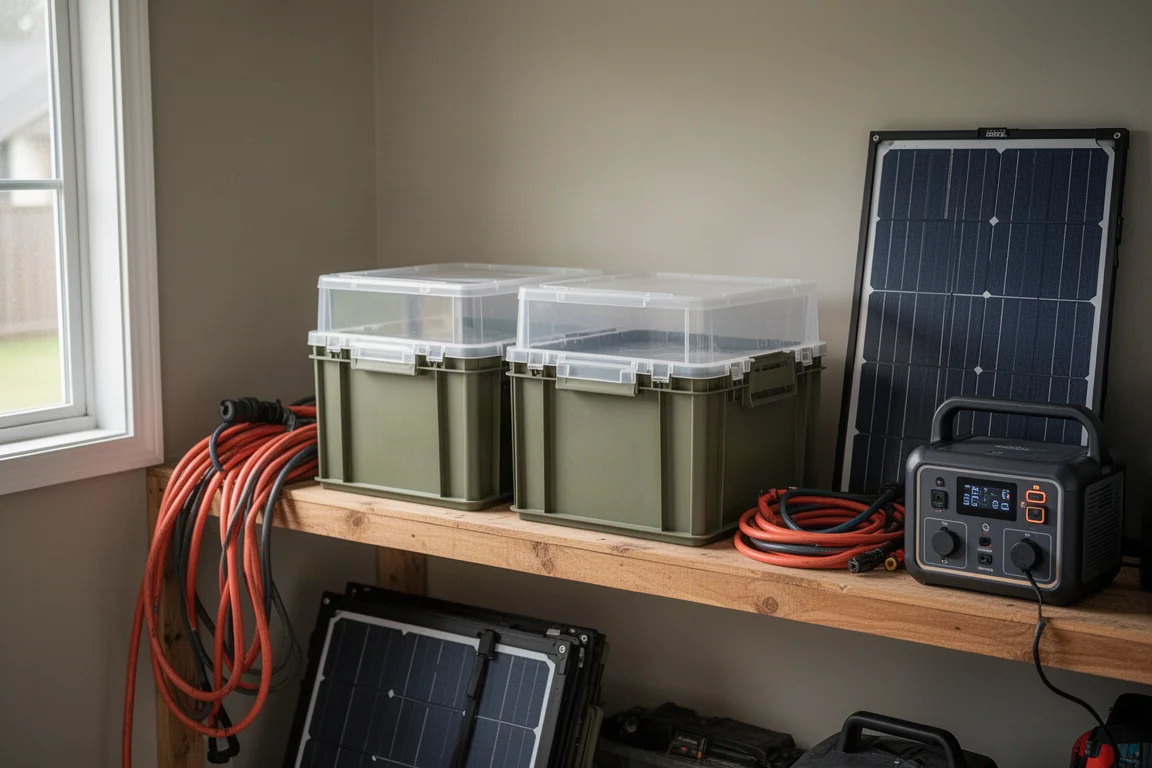
The crates also work at home, not only at camp, so the system tends to earn its place well beyond a single use case.
Conclusion
Cydio Crates are a simple product, and the case for them is equally simple: they hold their shape, they stack securely, they survive years of rough handling, and their dividers make small gear genuinely easy to find. The main compromise is cost, since general-purpose bins remain far cheaper. For campers who go out often and want a dependable, repeatable packing system, the crates are a sensible long-term purchase rather than an impulse one.
Product link
View more details for Cydio Crate
This product is mentioned in the review. Check the specifications, options, and compatibility before buying.
View more details for Cydio CrateFurther reading
Related Reviews
Backpacking Tents
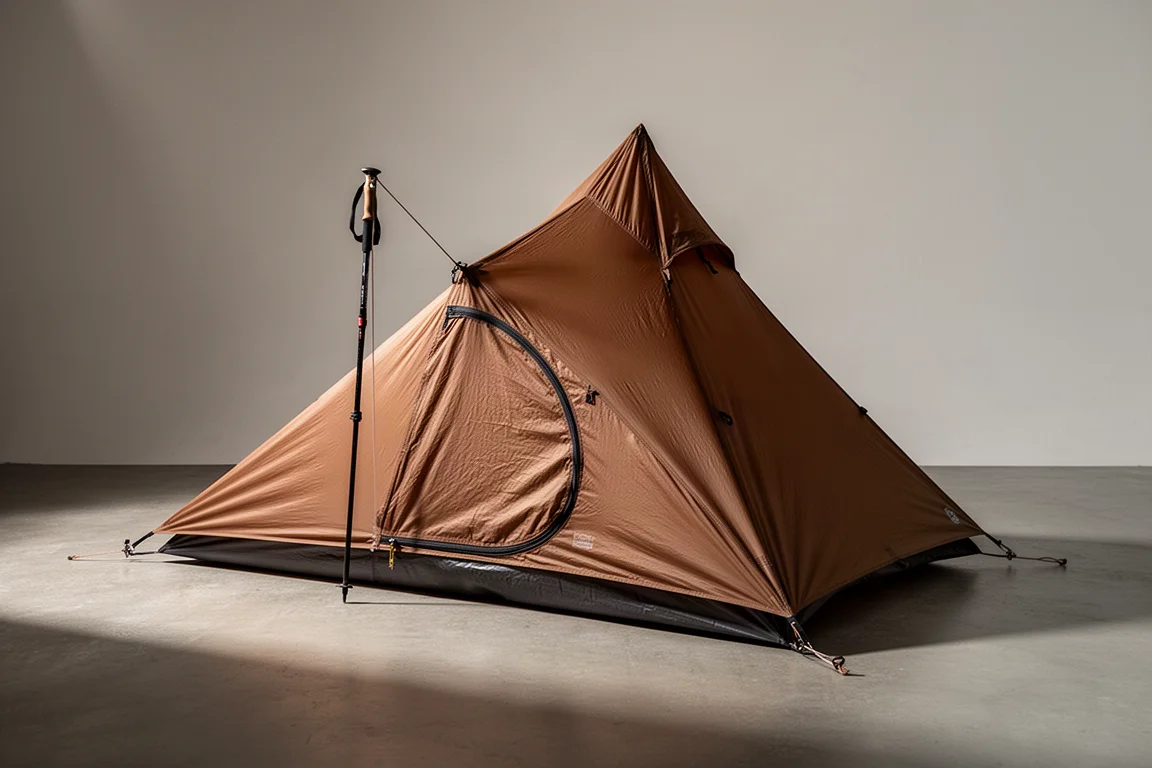
3F UL Lanchan Pro 1 Review: A 1 lb 8 oz Single-Wall Trekking Pole Tent
A practical look at the 3F UL Lanchan Pro 1, a single-wall trekking pole shelter with a 1 lb 8 oz weight, 20D silnylon fabrics, and a roomy 90 x 31 x 49 inch interior.
Backpacking Tents
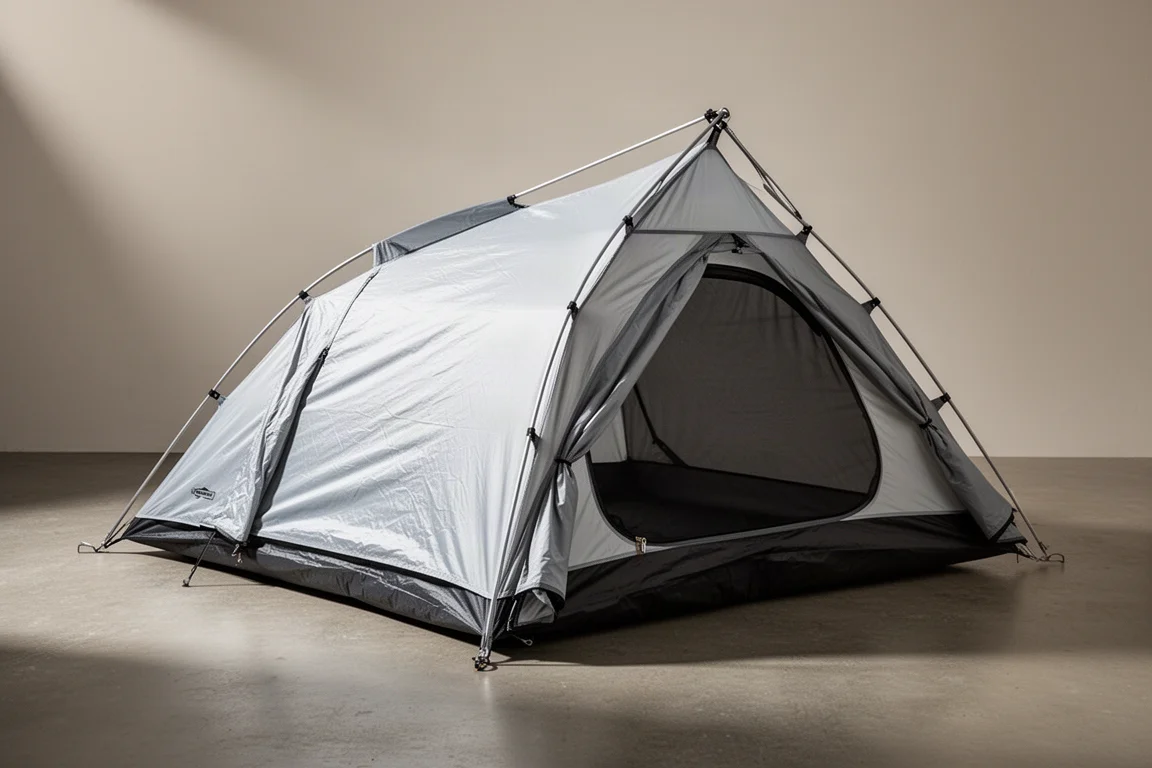
3F UL Taiji 2-Person Tent: A Convertible Backpacking Shelter Worth a Closer Look
A practical look at the 3F UL Taiji two-person tent, covering its materials, true two-person interior, fly-first pitching, and the seasonal inner swap that lets one shelter cover more of the year.
Backpacking Tents
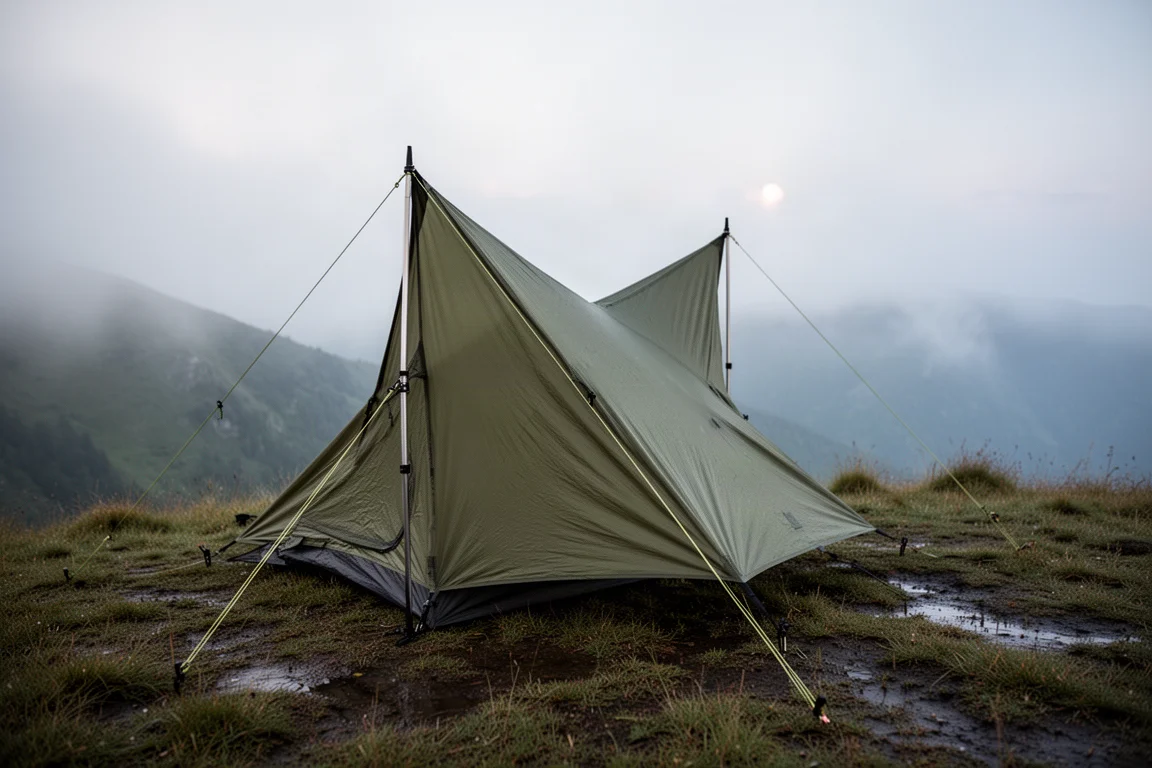
3FUL Lanshan Twoerson Pro Review: A Light Trekking Pole Shelter That Struggled in Rain
A two-person trekking pole shelter with a 2026 redesign, pitched with sticks and put through a night of steady rain. Here is what worked, what did not, and what to check before buying.