Cycling Bikes
Cyclocross vs Gravel: Canyon Inflite and Canyon Grail Compared
A practical comparison of the Canyon Inflite cyclocross bike and the Canyon Grail gravel bike, covering geometry, tire width, handling, and the riding each one suits.
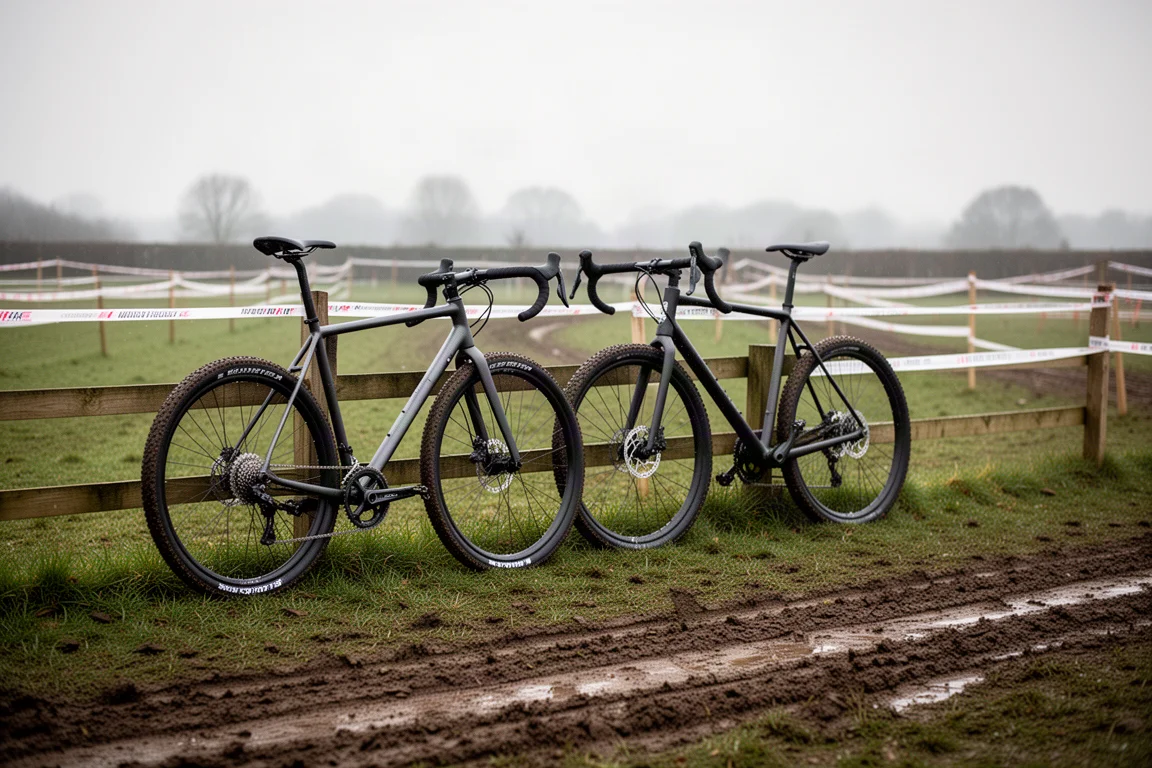
Introduction
Cyclocross rewards power, race tactics, and bike handling in equal measure, and it can be raced almost anywhere there is grass, mud, or dirt. Laps are short, usually six to eight minutes, and races run up to an hour depending on age and gender categories. The season typically runs from September through to the end of January, with events held all over the place.
The complication is that the drop-bar bike most riders now reach for when they leave the tarmac is a gravel bike. That makes it easy to assume the two categories are the same thing. They are not, and the gap shows up most clearly when a dedicated cyclocross bike and a dedicated gravel bike are ridden on the same tight, muddy course. The Canyon Inflite and the Canyon Grail make a useful pair to compare, because each one is built around a different set of priorities.
Cyclocross and Gravel Bikes Are Not the Same
A cyclocross bike is designed for slow, super twisty courses. An average speed of 25 km/h is considered fast for a World Cup cross race, so outright pace matters far less than how the bike behaves through constant changes of direction. It is also built to be carried, because jumping off and running with the bike is a normal part of the discipline.
The other defining trait is mud clearance rather than tire clearance. Cyclocross is the only cycling discipline with a maximum tire width, set at 33 mm. A few years ago that seemed generous. Today it is barely wider than a tire used to win the Tour de France, and much narrower than what you would run off-road in a gravel race.
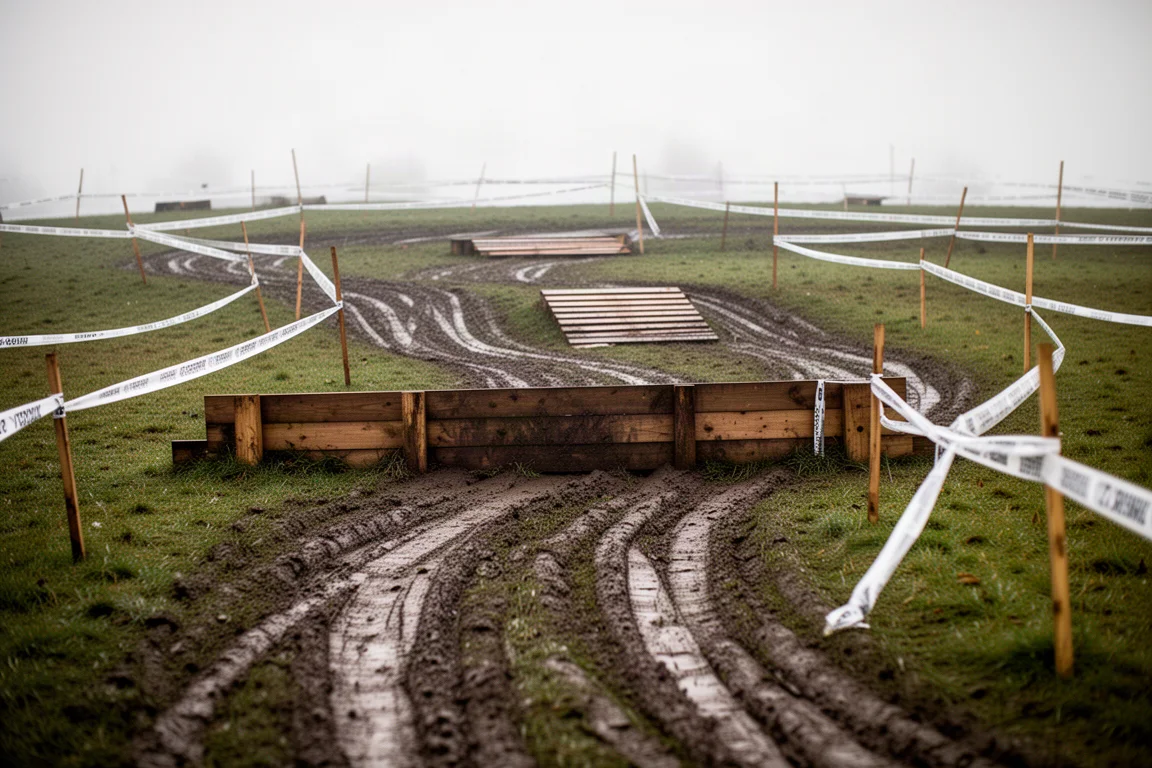
Rules vary by level. At a local league race you can ride whatever you like, including a mountain bike. At bigger races, commissaires check the bikes, and they check properly.
Canyon Inflite: A Pure Cyclocross Race Bike
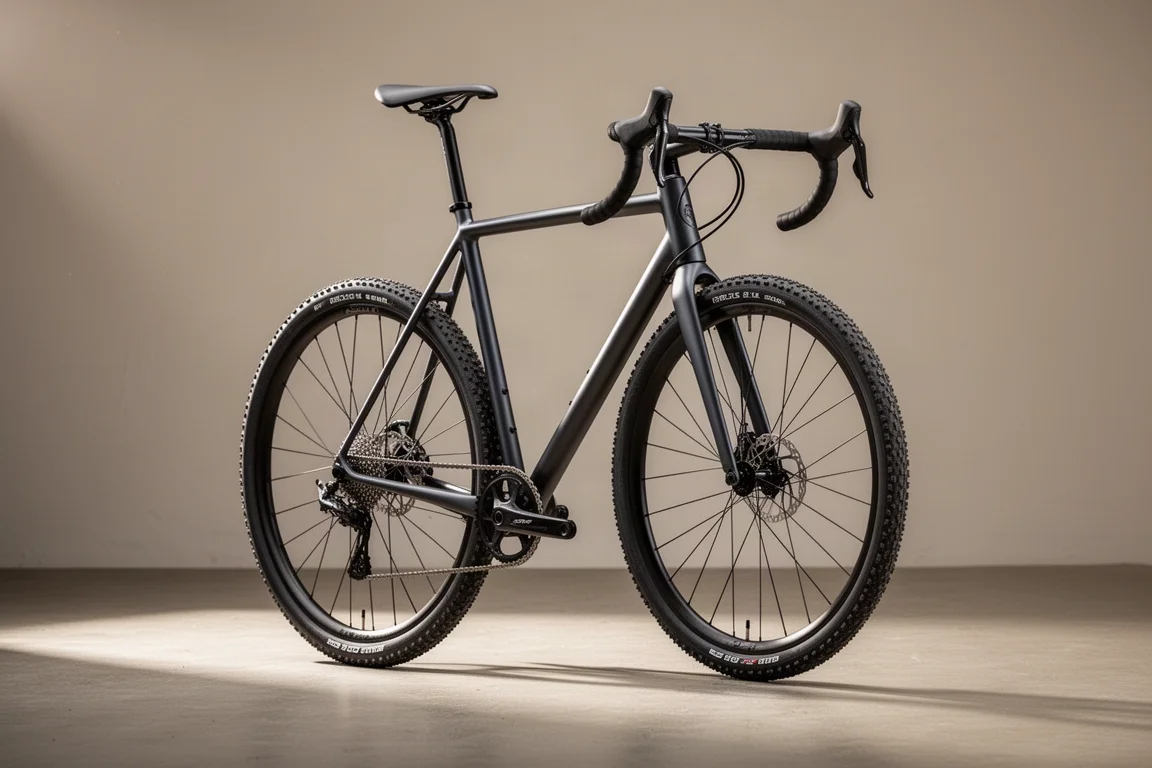
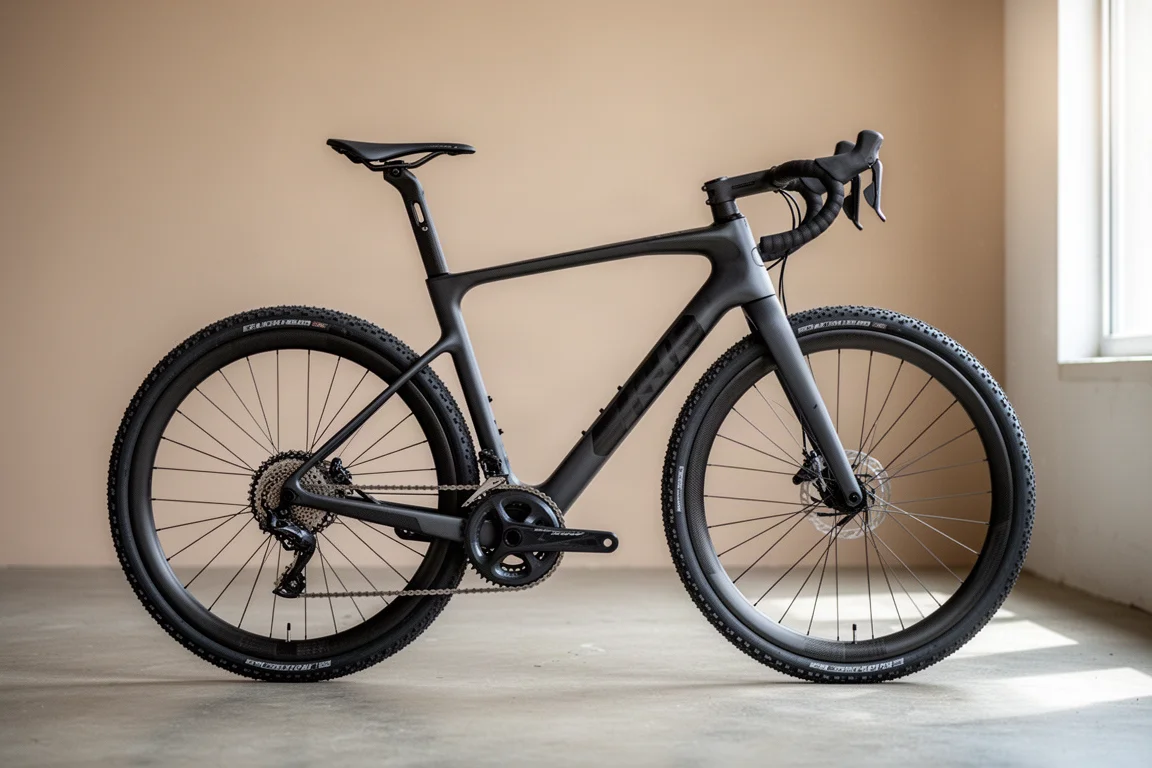
The Canyon Inflite is a cyclocross specialist, and its build reflects that. The version featured here is a team edition with a Shimano Dura-Ace groupset, which is an unusual level of equipment to find on a bike that will be coated in mud within minutes of the start.
The frame’s priorities are cornering and carrying rather than straight-line stability. That is the whole point of the category. The bike is meant to be around the corner before you have thought about it, and to move underneath you instinctively when the surface shifts.
How the Inflite Handles a Tight Course
The Inflite’s geometry is short by gravel standards, and that is what makes it feel so direct. On a course with tight, slippery corners and quick changes of direction, the bike turns with very little input, and the 33 mm tires suit the surface well enough for the bike to feel planted where it counts.
Riders who spend most of their time on stable gravel bikes often describe agility as a lost commodity. The Inflite is the counter-argument. It is refreshing to ride a bike that changes direction the moment you think about it, and on soft, twisty forest track that responsiveness is worth more than high-speed composure.
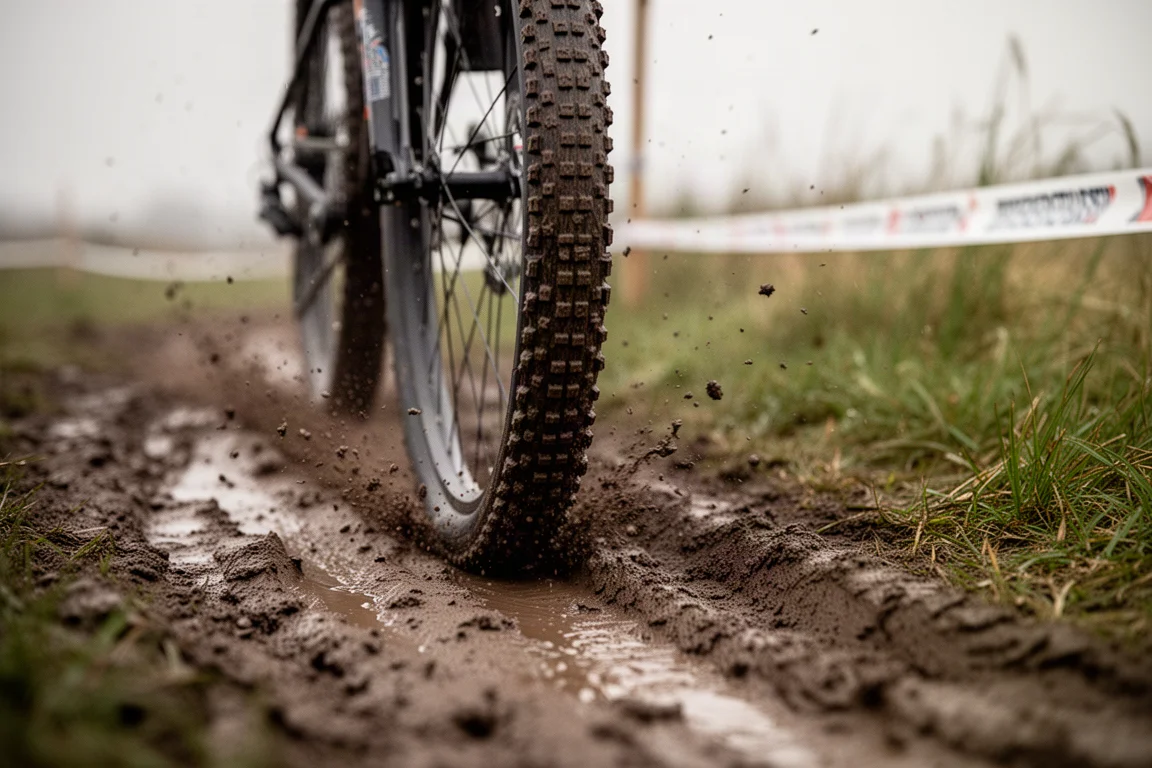
The 33 mm tire limit does mean the Inflite is not the bike for long, rough gravel days. That is a deliberate trade rather than a flaw, and it is the reason the bike feels as sharp as it does.
Canyon Grail: A Gravel Bike Built for Stability
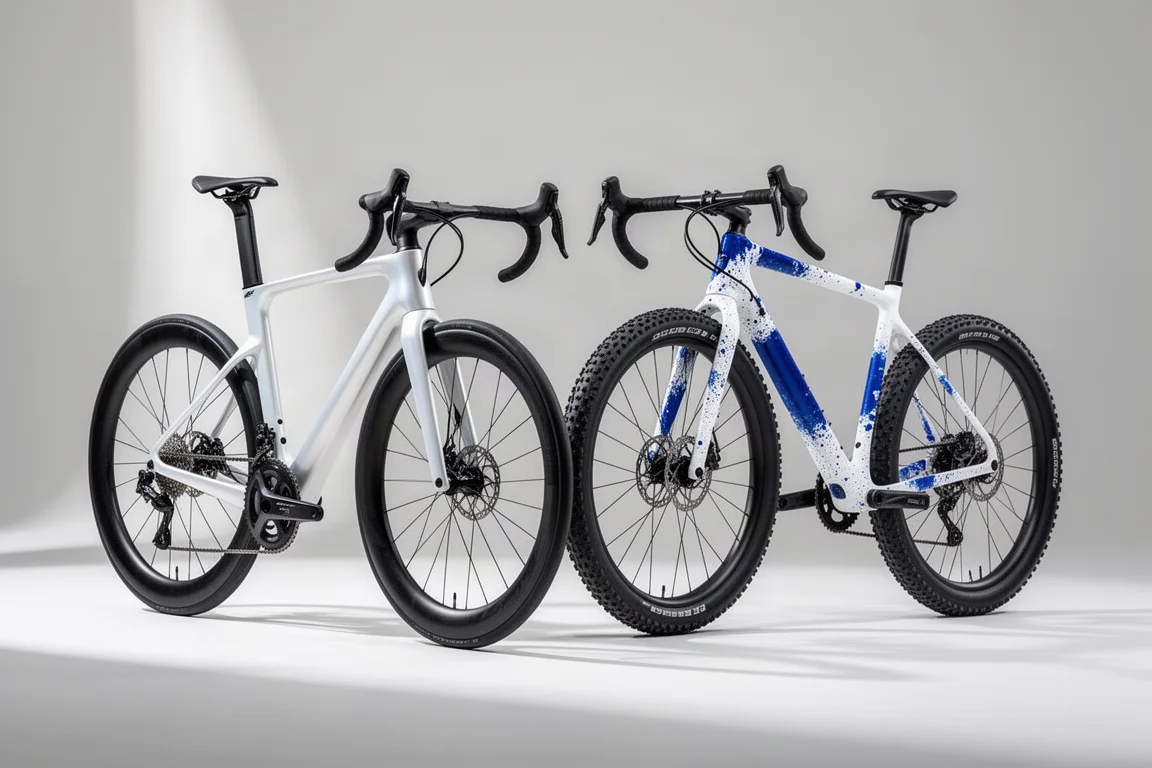
The Canyon Grail takes the opposite approach. It is longer and more planted, and the difference in size is not subtle. A large Grail is around 6 cm longer than a medium Inflite, and the front wheel sits roughly 4 cm further ahead of the rider, which changes where the contact patch feels relative to your hands.
The featured build runs SRAM Red, and the tires are 45 mm gravel rubber, noticeably chunkier than the 33 mm maximum allowed in cyclocross. That combination is aimed squarely at stability and grip on loose surfaces at speed, and it is the kind of setup that stays composed where a shorter bike would feel nervous.
What Changes When You Swap Bikes Mid-Race
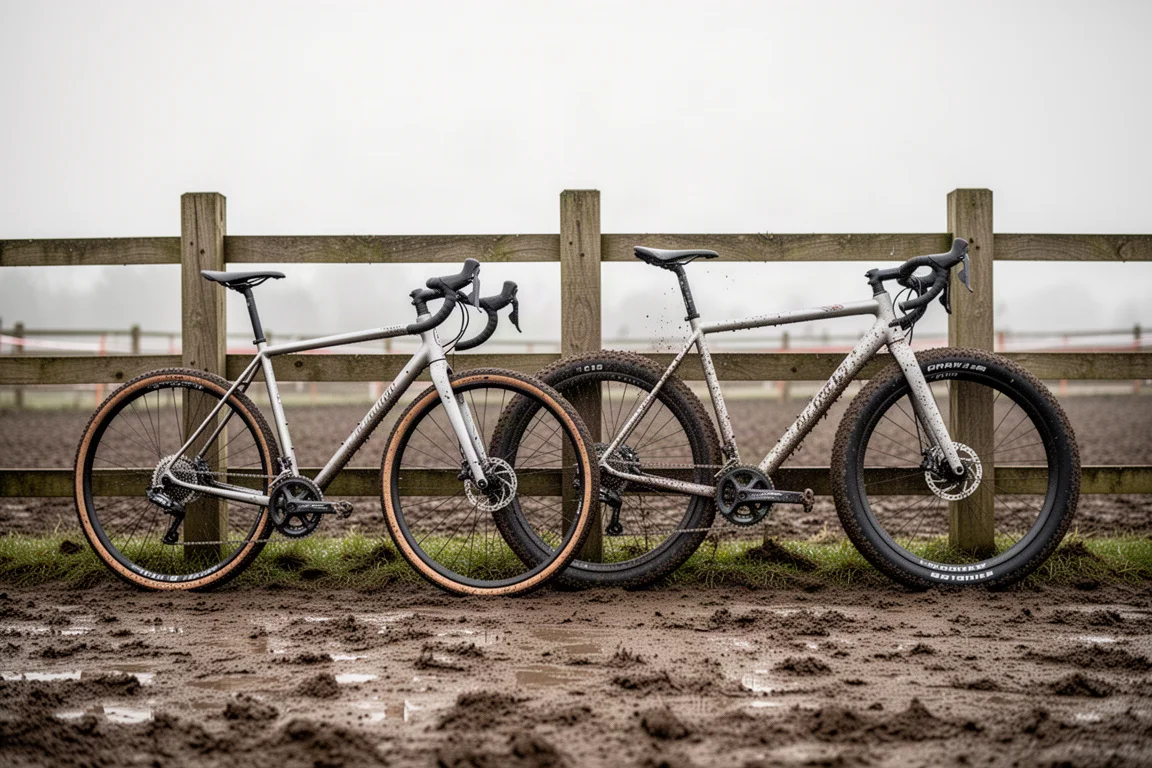
Cyclocross allows bike changes during a race, normally so a rider can swap onto a clean bike in the pits when conditions get muddy. It also makes for a revealing comparison, because the same course can be ridden on both types of bike within a single race.
Swapping from the Inflite to the Grail is a bigger adjustment than the numbers suggest. You turn an Inflite, whereas you lean a Grail. The longer front centre means the wheel is not where your instincts expect it to be, and it takes a few corners to work out how to bank the gravel bike into a turn and keep grip.
Riders already familiar with the Grail adapt quickly, and one lap in the comparison matched the cyclocross bike exactly. A less familiar rider lost around 45 seconds in a single lap after the switch. The lesson is not that one bike is faster. It is that the two designs ask for different technique, and the one you have practised is the one that will feel quickest.
Tire Width, Terrain, and Race Rules
Tire width is the clearest dividing line between the categories. Cyclocross caps riders at 33 mm, and that limit is enforced at races where commissaires check. Gravel bikes routinely run 45 mm and wider, and most gravel events have no equivalent ceiling.
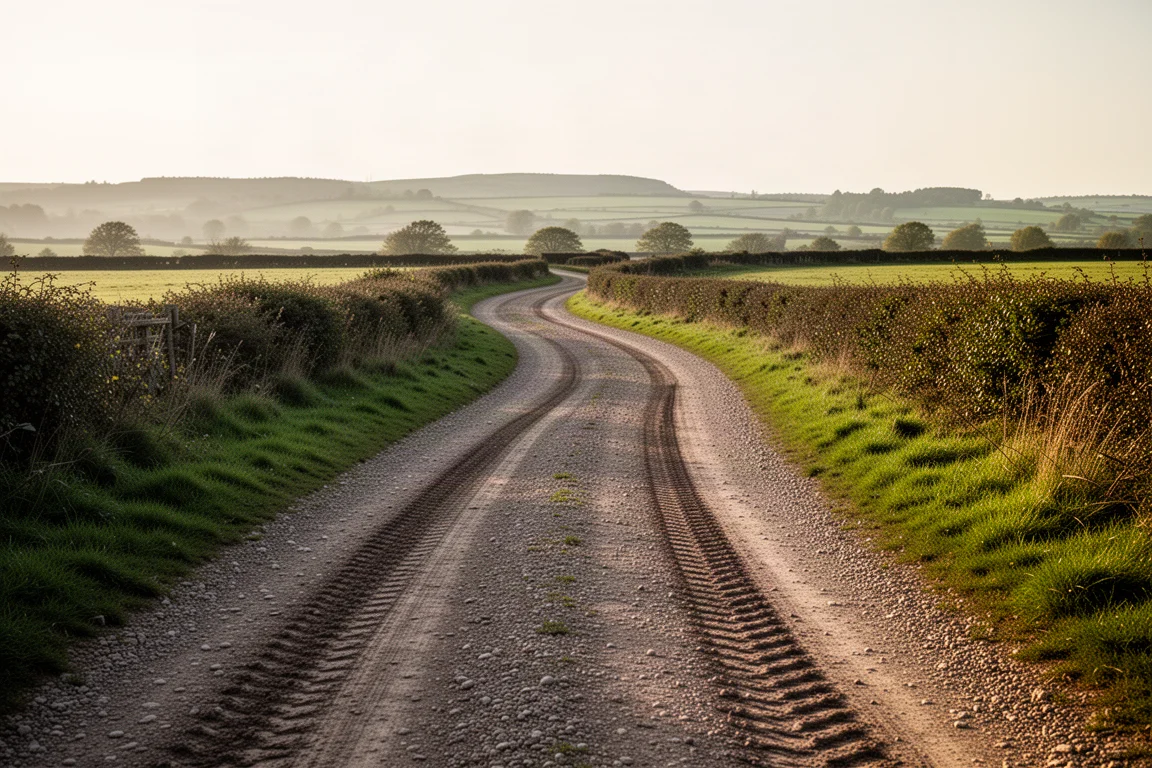
Terrain matters just as much. Where the riding is big, open, and fast, the extra stability and volume of a gravel bike is a genuine advantage. Where the riding is tight, soft, twisty forest track with constant direction changes, the agility of a cyclocross bike is more useful than the ability to hold a fast line on loose grit.
Buying Advice: Which Bike Fits Your Riding
Choose the Inflite if you want to race cyclocross or ride tight, technical courses where quick handling and easy shouldering matter more than comfort over long distances. Choose the Grail if your riding is longer and more mixed, includes fast loose descents and rougher surfaces, and if you value stability over the last degree of agility.
If you are unsure, think about the courses you actually ride rather than the ones you imagine. The two bikes are close in pace once a rider is familiar with them, so the deciding factor is usually the terrain and the style of riding you enjoy.
Whichever way you go, match the tires and the geometry to the surfaces you ride most often, and expect a short adaptation period whenever you move between the two designs.
Conclusion
The Inflite and the Grail are both excellent at what they were designed to do, and they are not interchangeable. The Inflite is a sharp, light-footed cyclocross race bike that comes alive on twisty, muddy courses. The Grail is a longer, calmer gravel bike that holds its line at speed on loose surfaces. Pick the one that matches the racing and riding you do most, and allow a few laps to adapt if you ever switch between them.
Further reading
Related Reviews
Cycling Bikes
Best Bikes by Budget 2026: What £1,000, £3,000 and £5,000 Buys
A practical guide to the bikes worth considering at three price points, from aluminum gravel bikes to carbon road machines, with the trade-offs explained.
Cycling Bikes
Best Bikes for Mixed Off-Road Terrain: Three Approaches Tested
A steel cross-country hardtail, a lightweight full suspension cross-country bike, and a mountain-bike-leaning gravel bike compared for long mixed off-road days.
Cycling Bikes
10 Road and Gravel Bikes Worth Knowing: Workshop Favorites
Ten road, gravel and all-road frames that hold up in daily workshop use, from Italian stainless steel to titanium, steel and hand-woven carbon.