Cycling Safety
Cycliq Bike Cameras: Fly12 Sport and Fly6 Pro Review
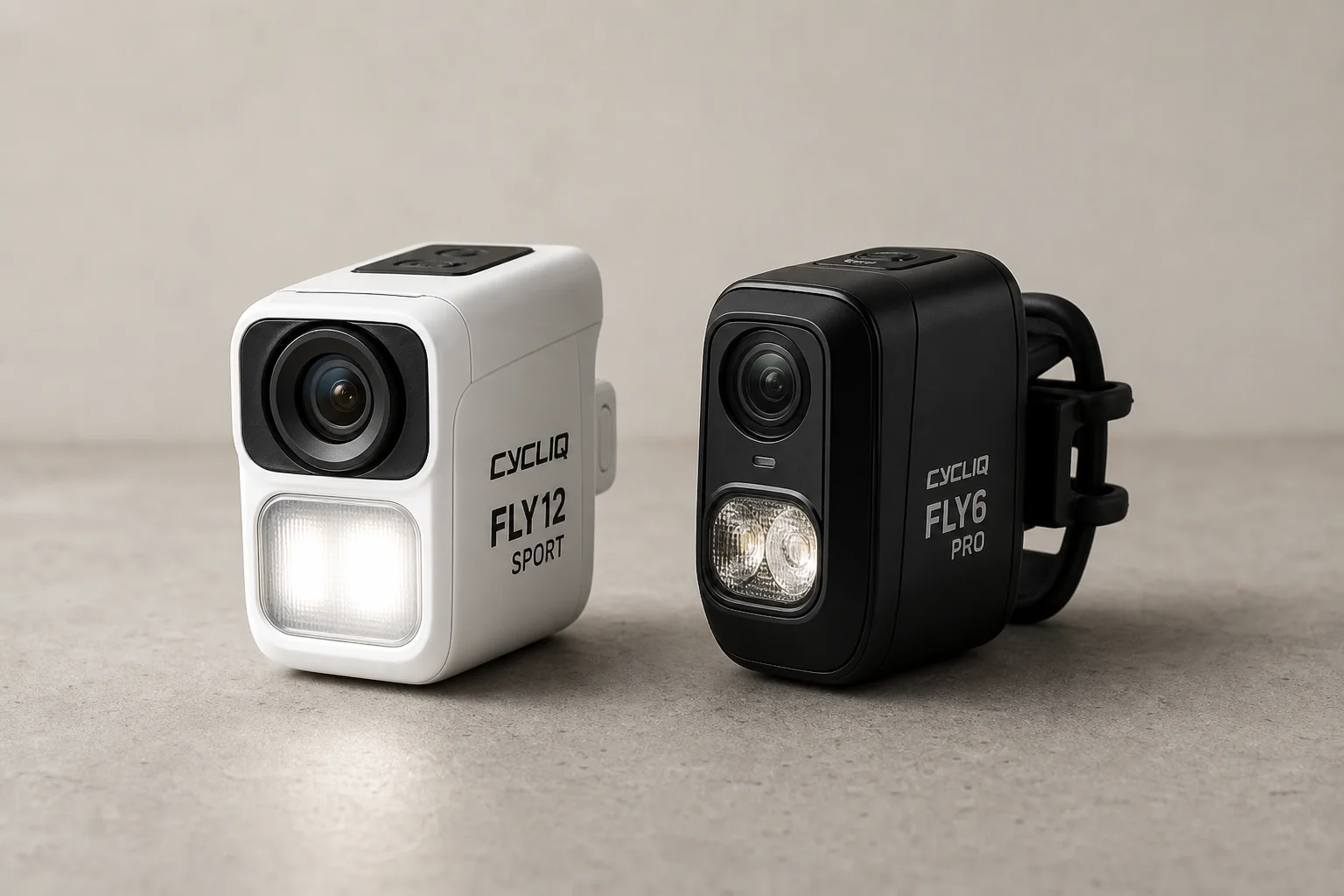
Two integrated camera and light systems designed to capture incidents and improve visibility. We test the Fly12 Sport front camera and Fly6 Pro rear camera in real-world conditions.
Introduction
Cycling cameras have evolved significantly over the past decade. What once required bulky, cumbersome equipment is now available in compact, integrated units that combine video recording with integrated lighting. Cycliq has released two cameras designed to capture incidents and improve visibility: the Fly12 Sport front camera and the Fly6 Pro rear camera. Both units integrate lights into their design, making them dual-purpose safety devices. We tested both cameras across various conditions to assess their reliability, video quality, and real-world performance.
Design and Build Quality
The Fly12 Sport represents a substantial improvement over earlier Cycliq models. At just 150 grams, it is 40% lighter than the 2016 generation, making it practical to mount on handlebars without the weight penalty of older designs. The unit is compact, roughly the size of a standard bike light, and uses an eighth-turn quick-release mount system that makes installation straightforward.
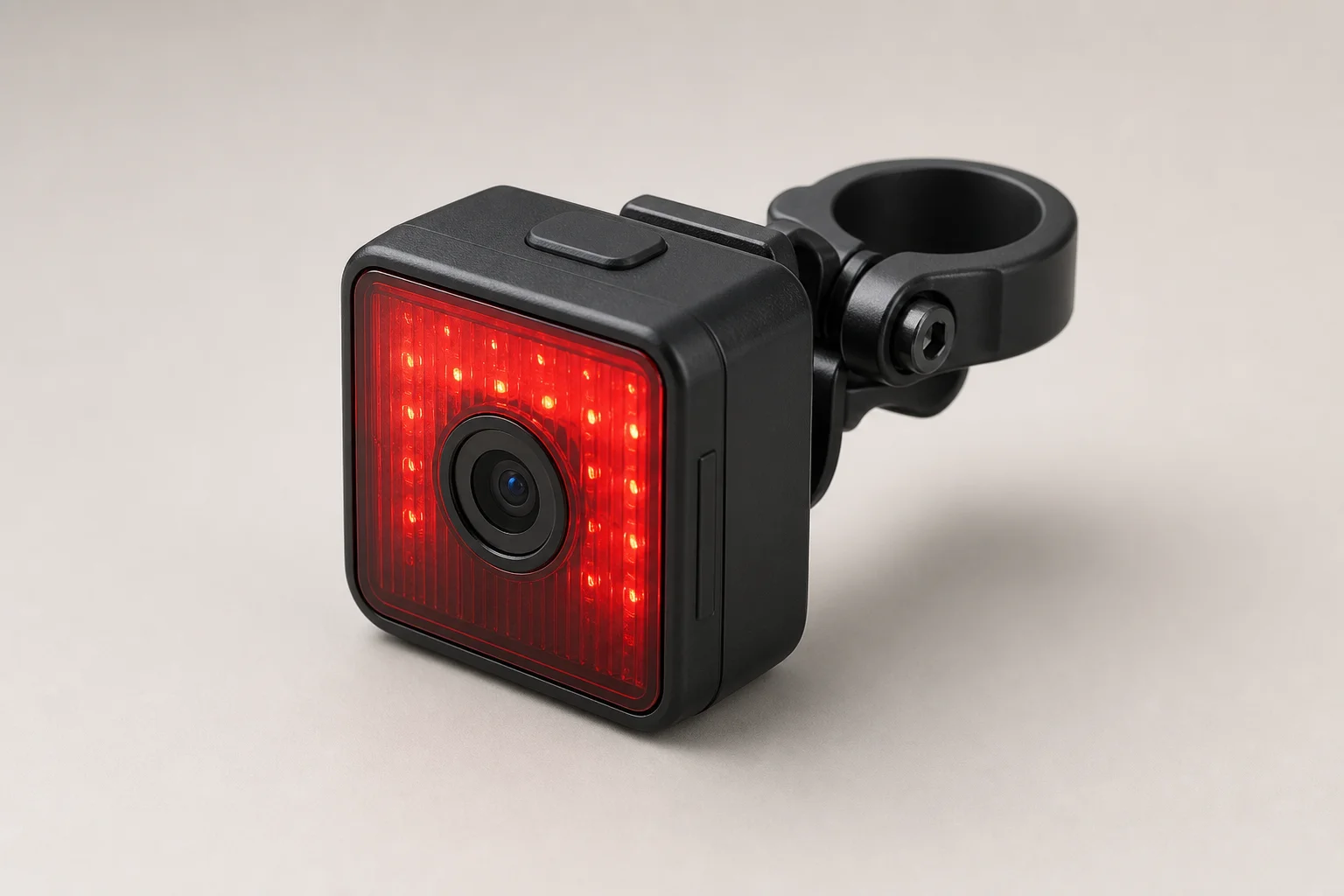
The Fly6 Pro maintains a similarly refined design. It features a sleek black housing with dual LED elements integrated into the rear-facing body. Both cameras come with multiple mounting options: the Fly6 Pro can attach to either aerodynamic seat posts or standard round seat posts, ensuring compatibility with most bike setups.
Installation and Mounting
Both cameras use the same eighth-turn mount system, which is intuitive and quick to install. The Fly12 Sport mounts under the handlebars using an out-front mount, keeping the camera stable and well-positioned for capturing road conditions ahead. The tether included in the box provides additional security, though the mount itself is secure enough for regular use.
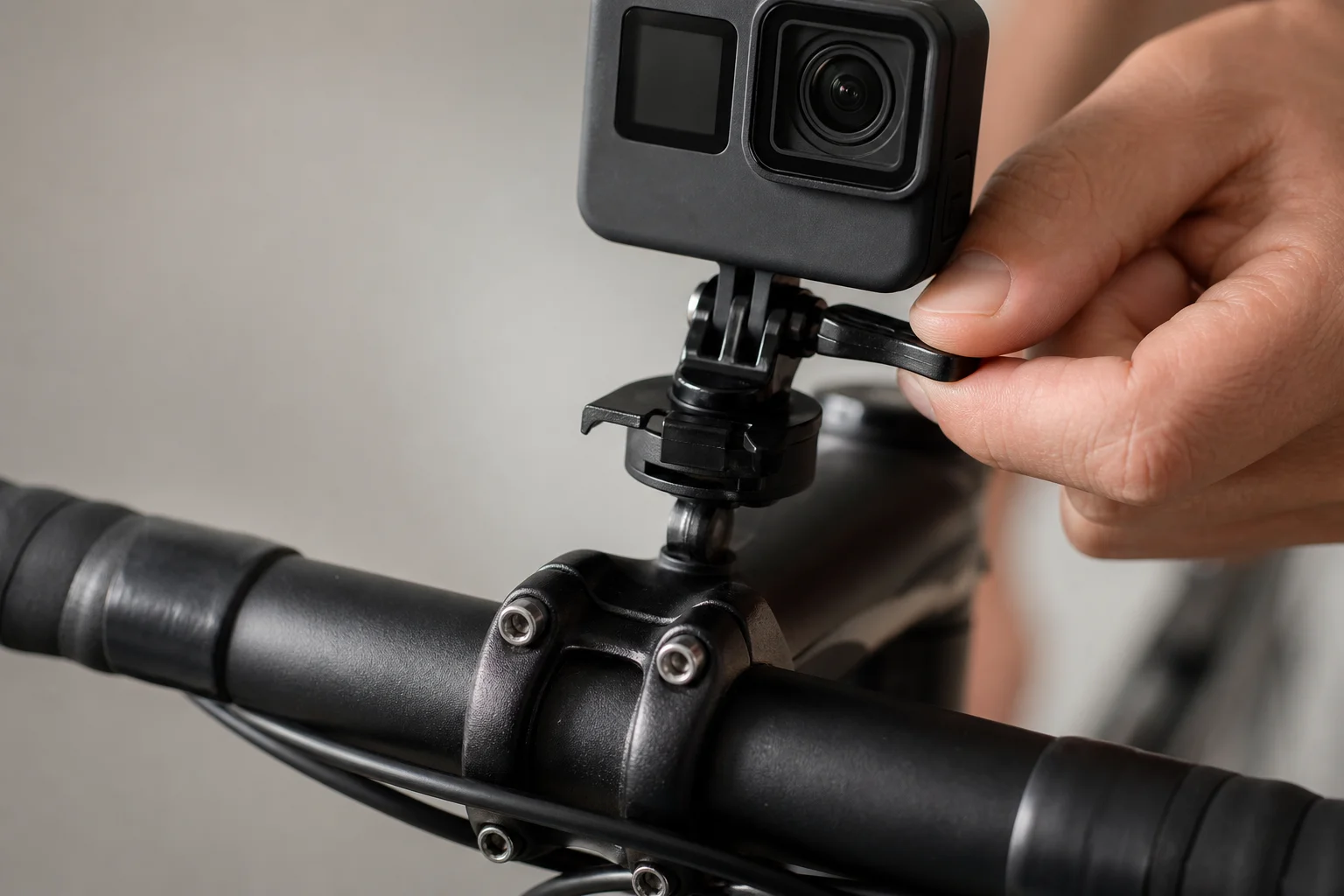
The Fly6 Pro’s mounting system is equally straightforward. The included brackets accommodate different seat post profiles, and the camera locks into place with a simple quarter-turn mechanism. Once fitted, both units feel secure and do not shift during riding.
Video Recording and Resolution
The Fly12 Sport records in up to 2560 by 1440 pixels (Quad HD resolution) and supports up to 7 hours of continuous recording. In practice, many users prefer the lower HD setting, which still captures sufficient detail to read number plates and identify vehicles while reducing file sizes.
The Fly6 Pro steps up to 4K recording capability, also supporting 7 hours of continuous recording. Both cameras feature 6-axis electronic image stabilization, which is essential for reading number plates and capturing clear footage despite road vibration and imperfect surfaces.
The stabilization system works well in real-world conditions. Footage remains readable even on rough roads, though the smoothing does reduce the visual evidence of how bumpy a particular stretch of pavement actually is. For the primary purpose of incident documentation, this trade-off is worthwhile.
App Integration and Footage Management
Both cameras pair with the Cycliq mobile app, which simplifies footage review and sharing. Once paired, the app displays all recent recordings and allows users to add overlays such as speed data and distance-to-car tram lines. The tram line feature is particularly useful, as it visually indicates how close passing vehicles came to the cyclist.
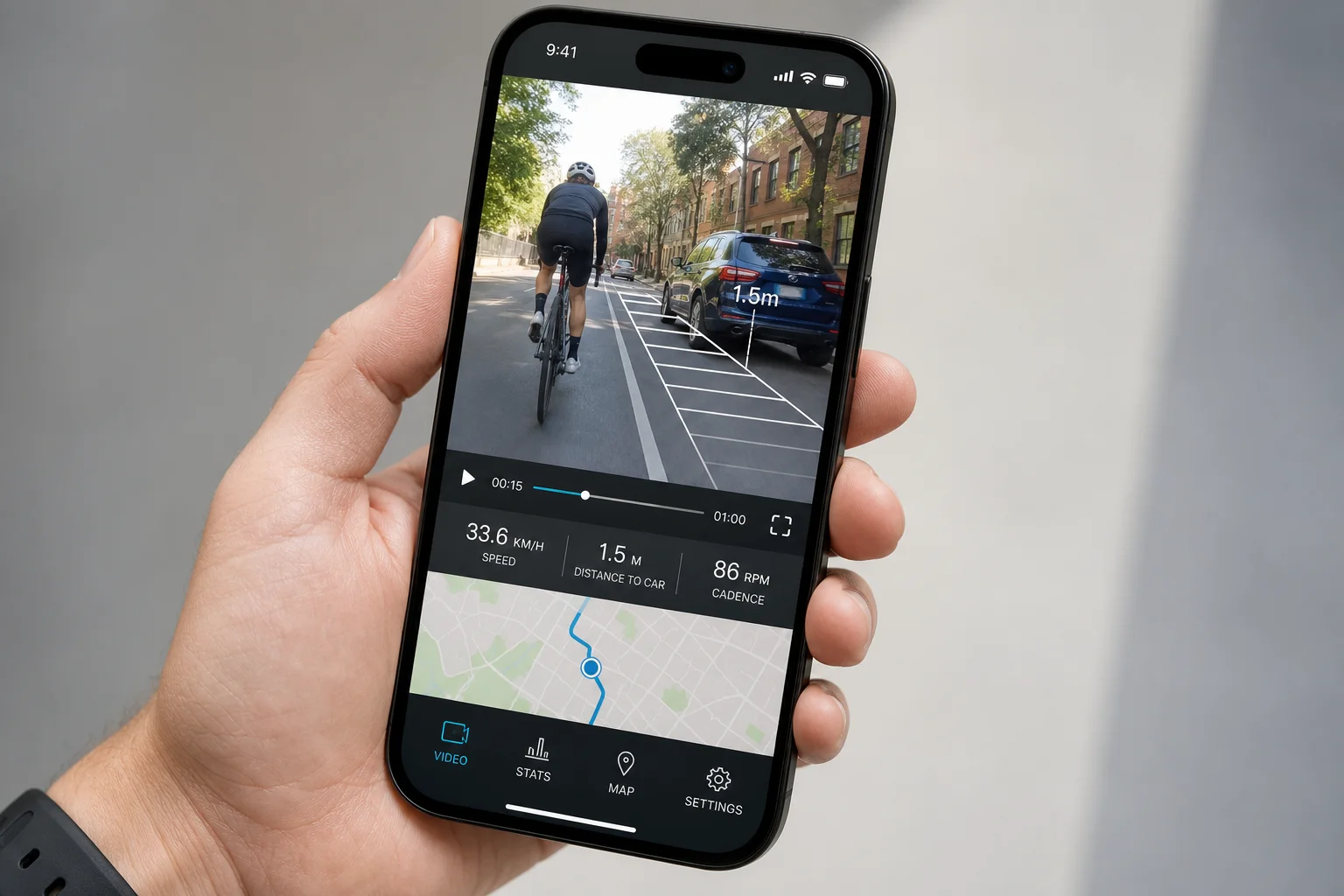
The automatic overwrite function is a practical feature. Unless you manually save footage, the cameras continuously overwrite old recordings, eliminating the need to manually delete files after every ride. If an incident occurs, you can save that specific segment for later review or sharing with authorities.
Both cameras also feature incident detection mode. If the camera tilts more than 60 degrees for 5 seconds, it automatically saves footage, providing a safety net if you are unable to manually save during an incident.
Light Output and Visibility
The Fly12 Sport produces 400 lumens of white light, making it a powerful front-facing light. The Fly6 Pro delivers 100 lumens of rear output. Both are positioned at the upper end of the “be seen” light category, prioritizing visibility in traffic rather than illuminating the road ahead.
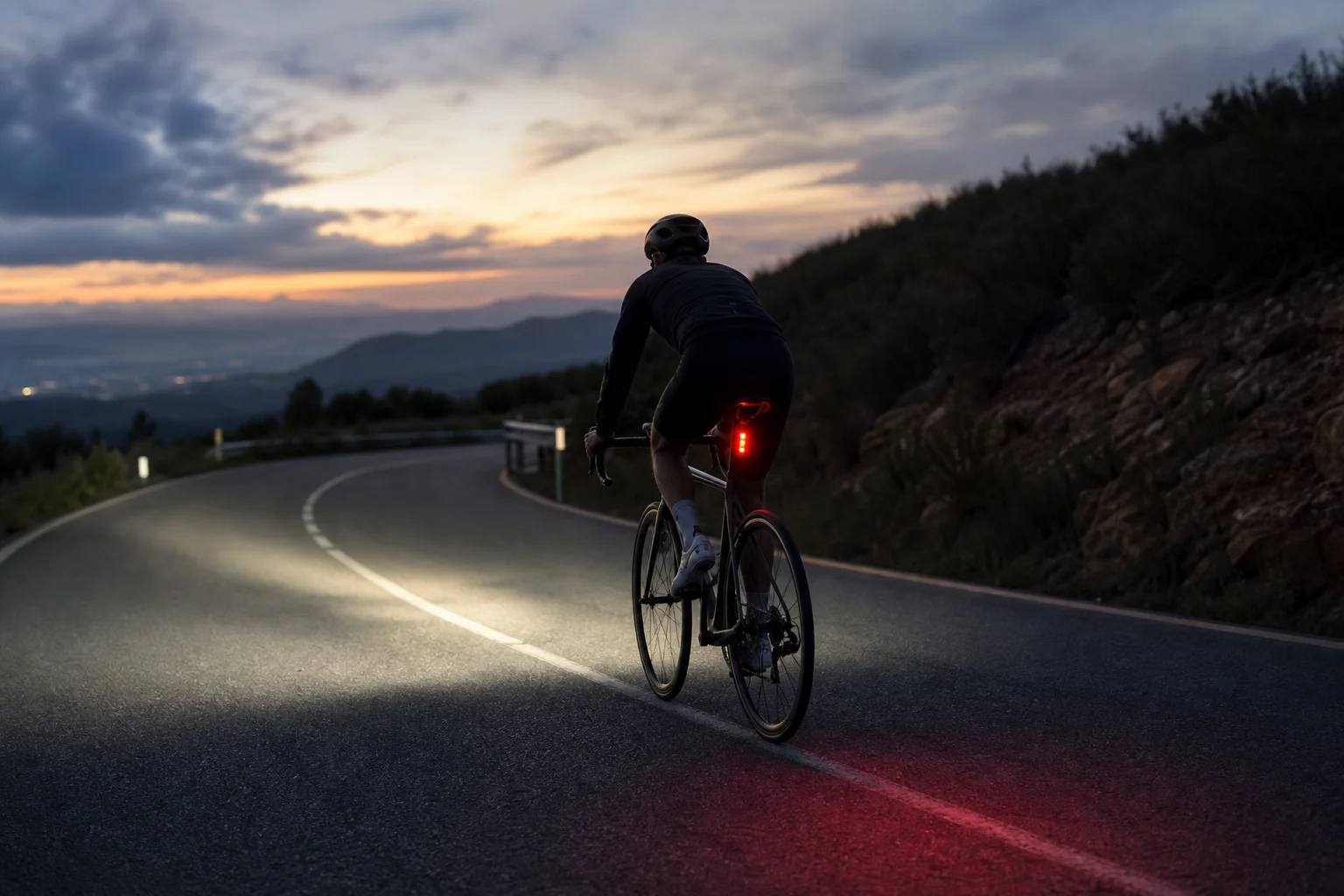
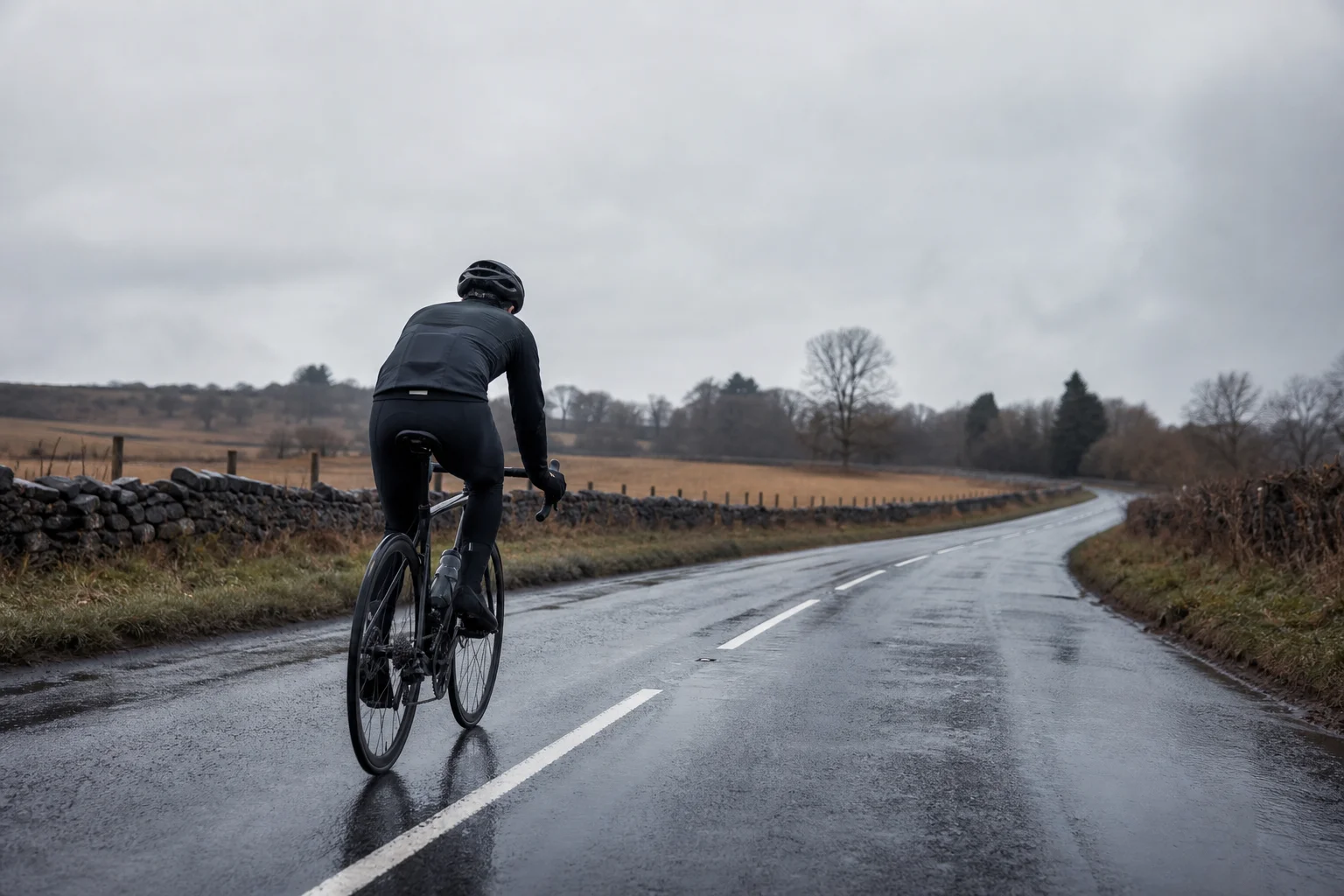
In real-world testing across various conditions, including miserable UK winter weather, both lights proved more than adequate for daytime and evening visibility. The 100-lumen rear light is particularly valuable during winter months and low-sun conditions, when contrast is poor and cyclists are hardest to spot. The choice of flashing modes helps the lights stand out in busy traffic.
Battery life with lights on and in flashing mode reaches approximately 5 hours, which is sufficient for most commutes and long recreational rides. With lights off, both cameras achieve their maximum 7-hour runtime. While this is respectable, it is an area where improvements would be welcome as battery technology evolves.
Reliability and Weather Resistance
Both cameras have proven robust in extended real-world use across poor weather conditions. The units have been tested over nearly a year in UK conditions, including rain, cold, and variable light. They have withstood these conditions without degradation in performance or reliability.
The app functions smoothly, footage is clear and consistent, and the cameras are easy to use and maintain. The first-generation cycling cameras had various quirks and limitations; these newer models have addressed those issues effectively.
Pricing and Value
The Fly12 Sport carries a recommended retail price of 299 pounds, while the Fly6 Pro is priced at 319 pounds. Both represent a significant investment, but they offer genuine peace of mind that lighter frame upgrades or component changes cannot provide. If an incident occurs, having clear video evidence can be invaluable for insurance claims and police accountability.
Conclusion
Cycliq has delivered two well-polished products that combine reliable video recording with practical lighting. The Fly12 Sport and Fly6 Pro are easy to install, produce clear footage, and integrate lights that genuinely improve visibility. For cyclists concerned about safety and incident documentation, these cameras represent a worthwhile investment. The app is intuitive, the build quality is solid, and both units perform reliably in real-world conditions.
Further reading
Related Reviews
Cycling Safety
Best Bike Helmets by Safety Rating: What Virginia Tech Testing Reveals
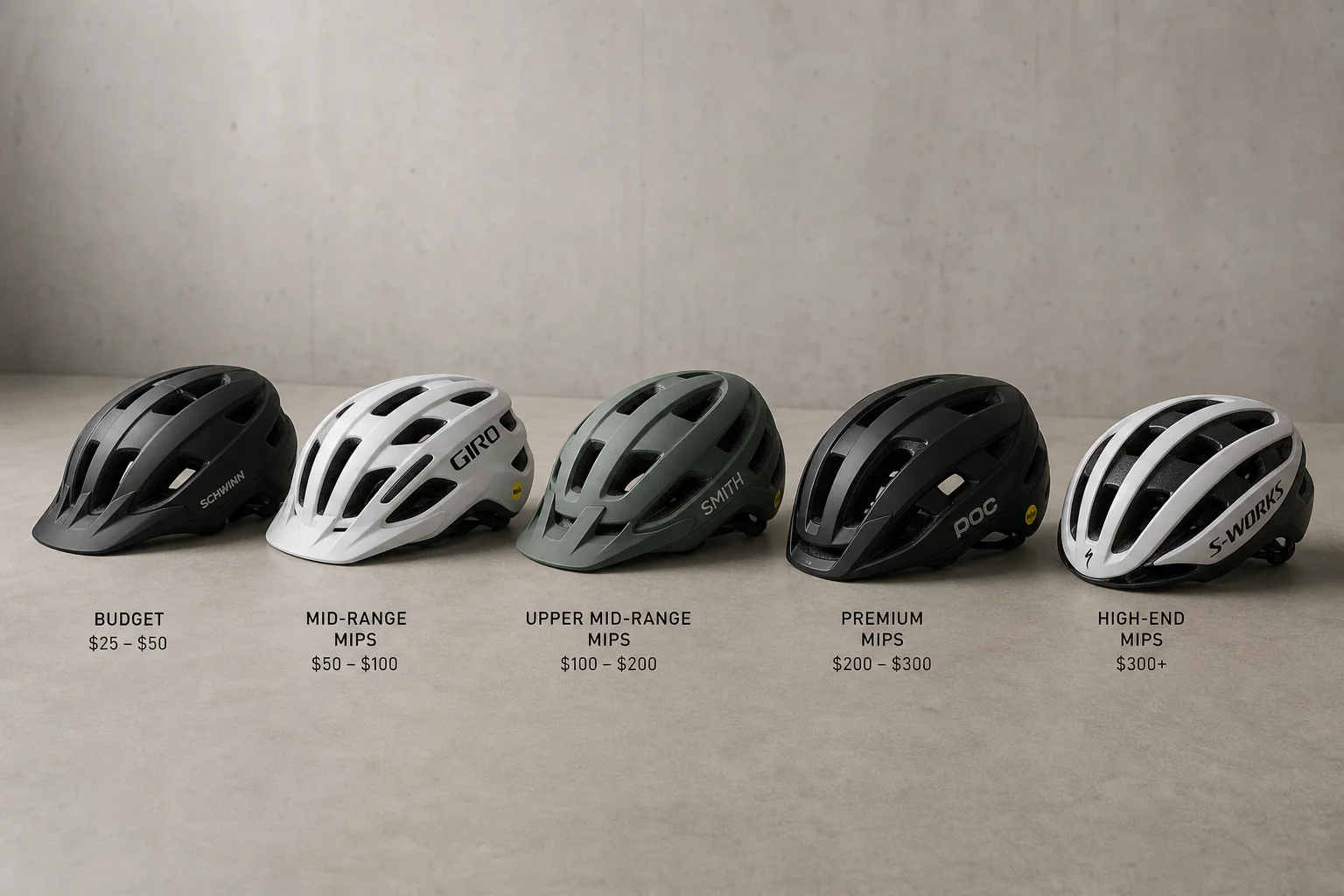
Five helmets tested and ranked by Virginia Tech's independent safety lab, from budget options to premium models. Real safety data beats brand names.
Cycling Safety
Best Bike Helmets: What Virginia Tech Safety Testing Reveals
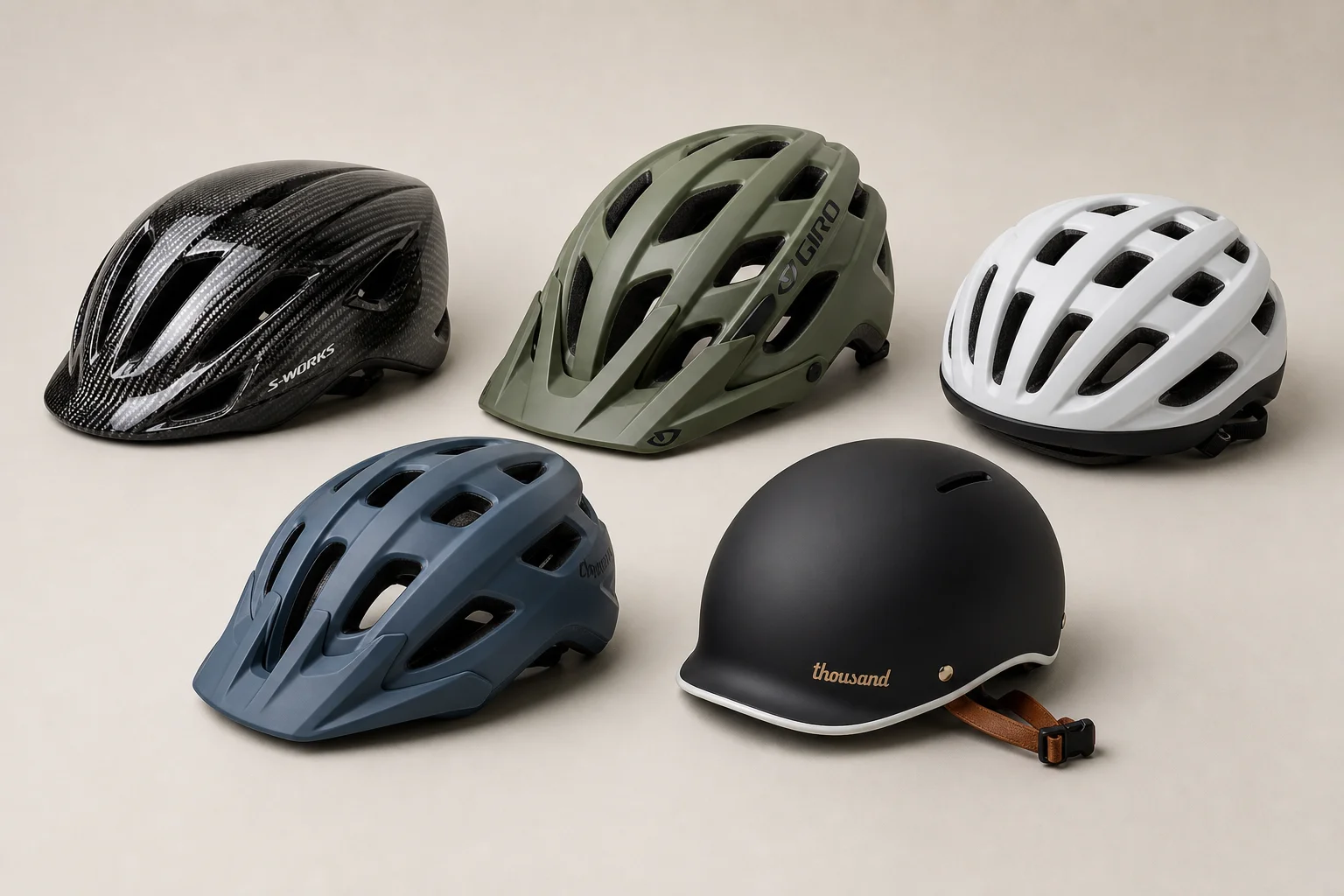
A deep dive into helmet safety ratings from Virginia Tech's independent testing lab, revealing which helmets offer genuine protection and which price points deliver real value.
Cycling Safety
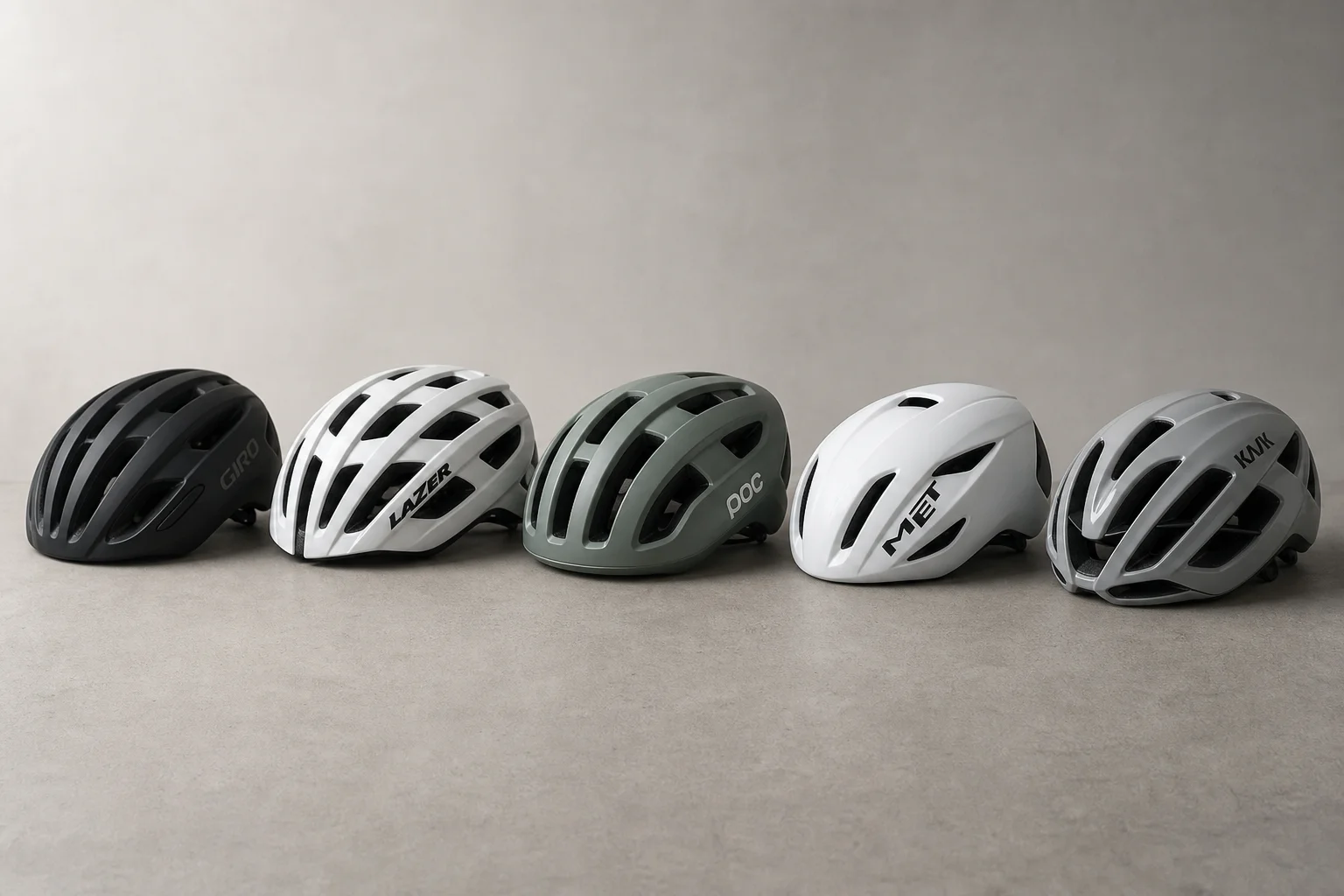
Best Road Bike Helmets 2026: Five Options for Different Priorities
Five road bike helmets tested and ranked by budget, value, comfort, weight, and overall performance. Find the right fit for your riding style.