Fountain Pens
Cusco Kakari FS Titanium Review: A Precision Machined Fountain Pen With a Clever Filling System
A titanium, clipless fountain pen with a dual-reservoir filling system inspired by a patent from 1898. Here is what works, what does not, and who it suits.
Introduction
The Cusco Kakari FS Titanium sits firmly in the enthusiast tier of the fountain pen market. It is a machined titanium, clipless pen with a distinctive dual-reservoir filling system, a wide range of nib options, and a design language best described as high-tech and industrial. At around 600 US dollars, it is not an impulse purchase, so the real question is whether it delivers enough substance to justify the price. After extended use, the short answer is: mostly yes, with a couple of caveats worth knowing before you buy.
Design and Build Quality
Kakari is a reference to an opening move in the game of go, chosen to symbolize the company’s move into the world of pens. It is a nice touch, and the naming carries through to the design: this pen looks like a precision instrument rather than a classic black-and-gold writing tool.
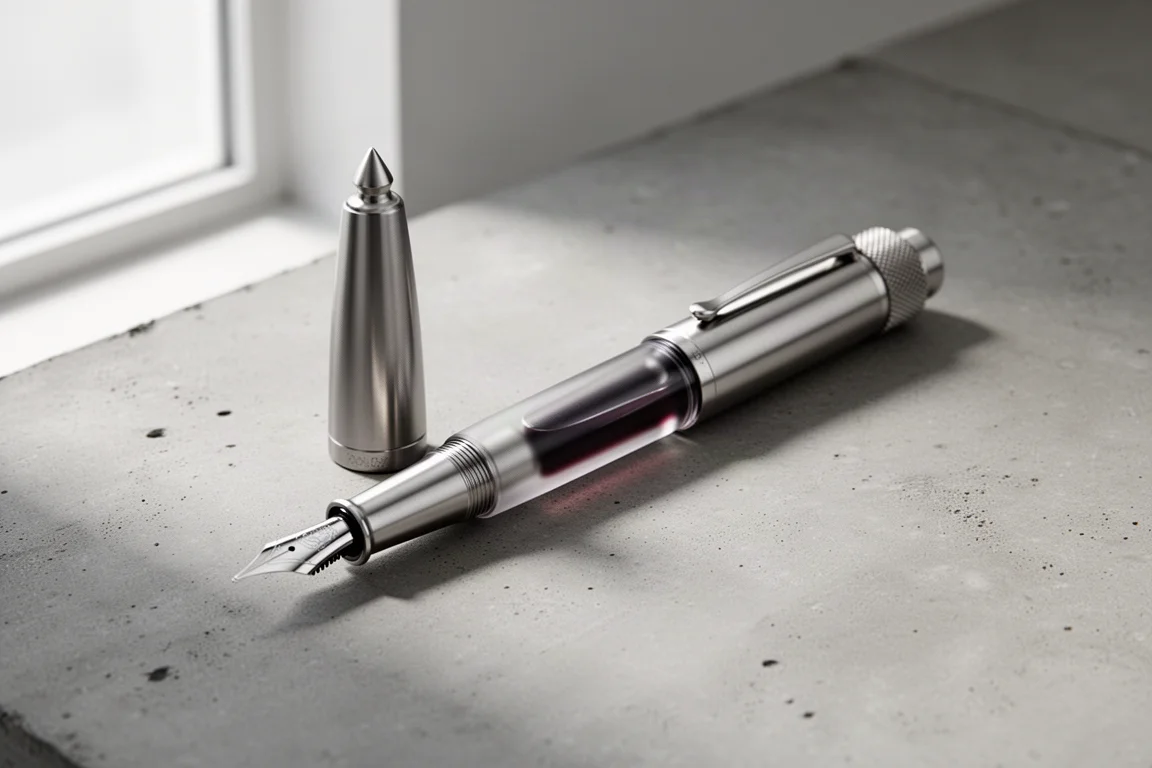
The review pen is the silver titanium version, though a black PVD titanium finish is also available. It ships clipless, with no factory clip option, although third-party clips can be fitted. The cap tapers down to a pointed titanium finial, the barrel is mostly translucent, and the rear houses the piston turning knob with another sharp, machined detail at its end. Everything feels very solid and heavy, which gives the pen a satisfying presence in hand. Machining tolerances are tight throughout, and the titanium section tapers and flares cleanly with no sharp edges where your fingers rest.
The Filling System
This is the heart of the pen. Cusco describes the system as based on a patent from 1898, and it is broadly reminiscent of other dual-reservoir designs. A rod inside the barrel carries a clutch with three teeth that engages the piston seal, which screws into the back end of the barrel.
To fill, you unscrew the rear cap so the rod retracts, unscrew the piston seal, align the clutch teeth with the seal, push the rod in to lock them together, then operate the knob. Suction is very strong, and a full fill draws noticeably more ink than comparable systems. After filling, you can leave the seal disengaged for maximum capacity or screw it back into the rear of the barrel to reduce the air volume, which limits burping as the pen empties and shifts the balance point rearward. You can also stop partway through a fill to carry only as much ink as you want.
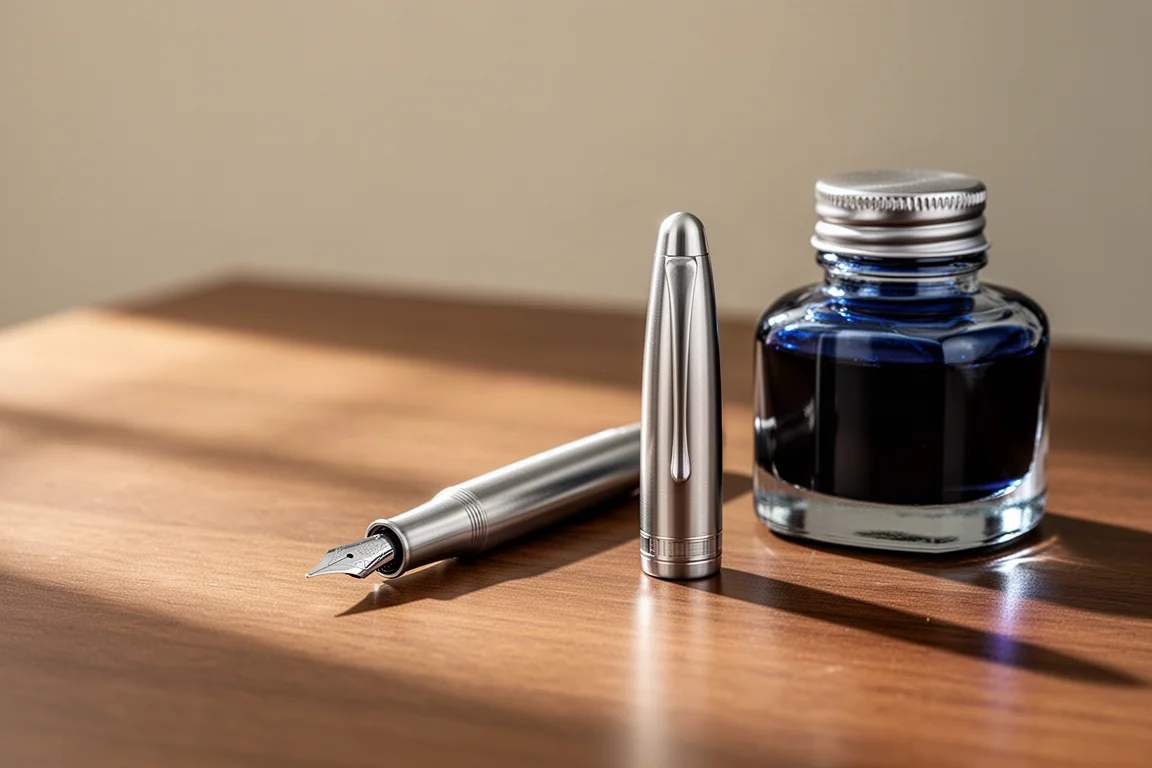
The system genuinely works, and the ability to control both fill amount and balance is a thoughtful touch. One caveat: the rod’s clutch can occasionally lose contact with the seal mid-fill, leaving the seal stuck in the barrel. It is likely a matter of gaining experience, but it is worth noting that the most famous dual-reservoir rival locks its seal onto the rod more securely.
Writing Performance
The review unit came with a steel JoWo medium nib rather than the 40-karat gold nibs the pen typically ships with. The nib is a standard number six size on a standard plastic feed, and it is a genuinely pleasant writer: smooth, fairly wet, and consistent. There is a small amount of line variation if you press gently, but this is not a flex nib and it is not advertised as one. Reverse writing works too, getting slightly scratchier but entirely usable, and you can take the medium nib down toward a good fine.
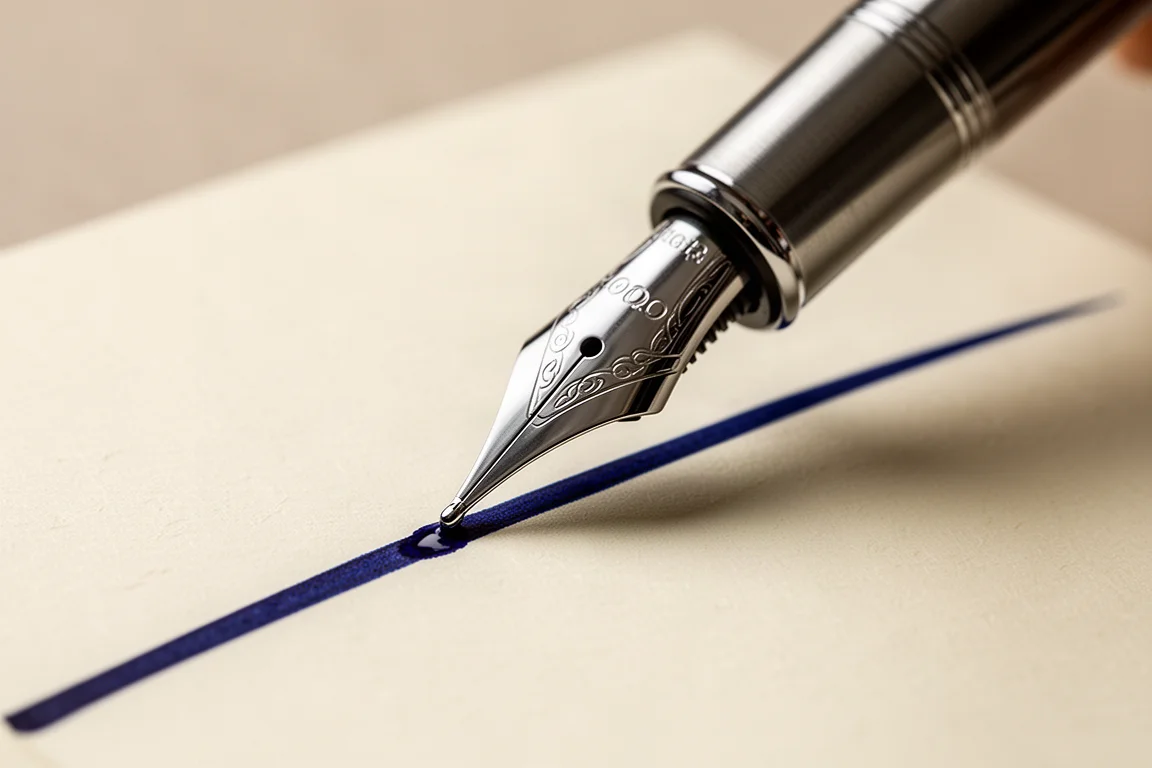
One practical detail: the end of the rod blocks ink flow in its engaged position, so as the section runs dry you unscrew the rear a little to open the second reservoir, just as with any double-reservoir pen. This makes the line slightly wetter and keeps the feed saturated. Unscrewing the section allows easy cleaning and piston greasing, though it technically voids the warranty.
Likes and Dislikes
The positives are easy to list. The precision and machining quality are outstanding, the industrial design is distinctive, and the balance with the titanium hardware feels excellent. The steel nib alone is a great writer, so a gold nib version should be equally good or better. You can post the cap if you wish, though the pen is already substantial with plenty of metal near the rear. The filling system is clever and generous, with a single pull drawing an impressive amount of ink.
The negatives come down to two things. First, the clutch engagement in the filling system is slightly loose-feeling compared with its main rival, and losing contact mid-fill is a minor annoyance, even if it is largely user error. Second, the price is high. Six hundred US dollars is a lot for any pen, and cheaper alternatives exist. That said, the pen is produced in limited batches, and what you get for the money is a beautifully made, well-machined pen with a genuinely interesting filling system rather than a brand name alone.
Buying Advice
This pen makes sense for two kinds of buyers. The first is the enthusiast who loves high-tech, industrial design and has been curious about dual-reservoir filling systems. The second is the collector who values limited-batch production from small makers doing one thing extremely well. If you prefer classic black-and-gold pens or want a clip, look elsewhere.

If you are willing to spend the money, the Kakari FS Titanium gives a lot back: excellent machining, a lovely writing experience, and one of the more interesting filling systems on the market. You will not be disappointed, provided the price and the slightly fiddly clutch mechanism do not bother you.
Conclusion
The Cusco Kakari FS Titanium is an outstandingly well-made pen with a clever, high-capacity filling system and a distinctive industrial aesthetic. Its loose clutch engagement and steep price are the only real friction points. For enthusiasts who appreciate precision machining and limited production runs, it earns its place on the desk.
Product link
View more details for Cusco Kakari FS Titanium
This product is mentioned in the review. Check the specifications, options, and compatibility before buying.
View more details for Cusco Kakari FS TitaniumFurther reading
Related Reviews
Fountain Pens
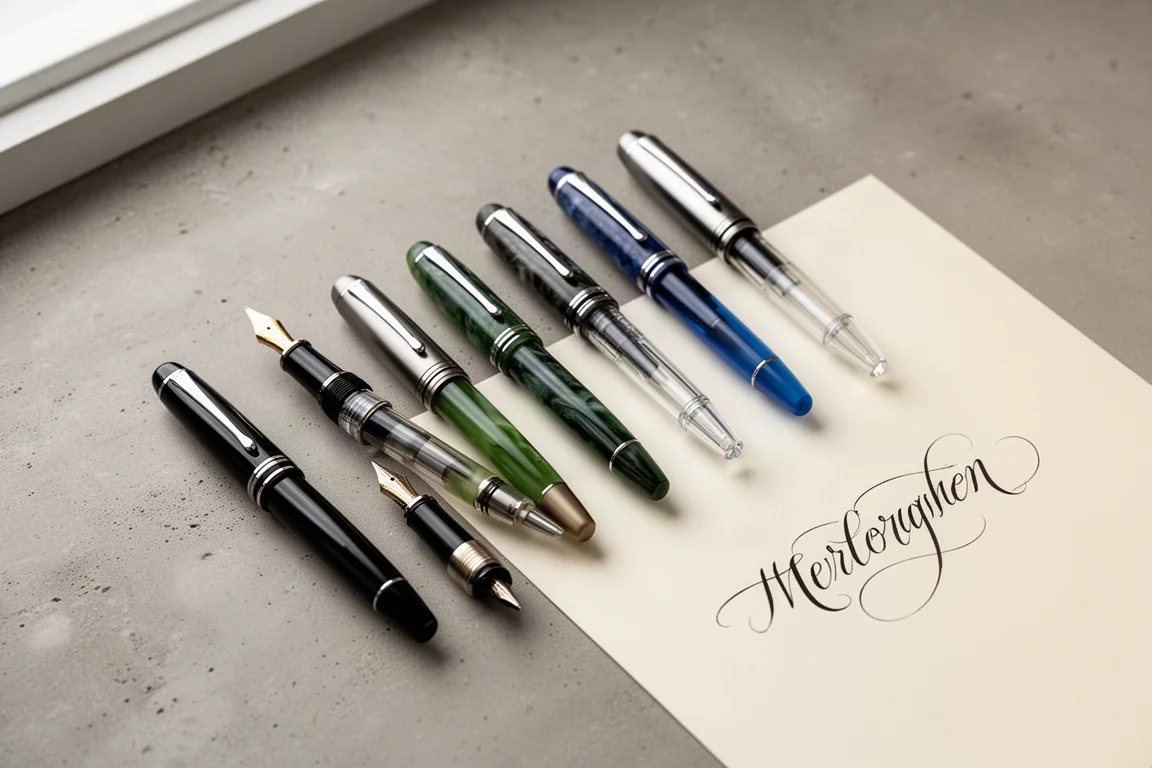
Best Budget Fountain Pens Tested: 9 Pens, One Clear Winner
A hands-on comparison of nine affordable fountain pens for everyday writing, calligraphy, and sketching, with a clear standout for flexible nib fans.
Fountain Pens
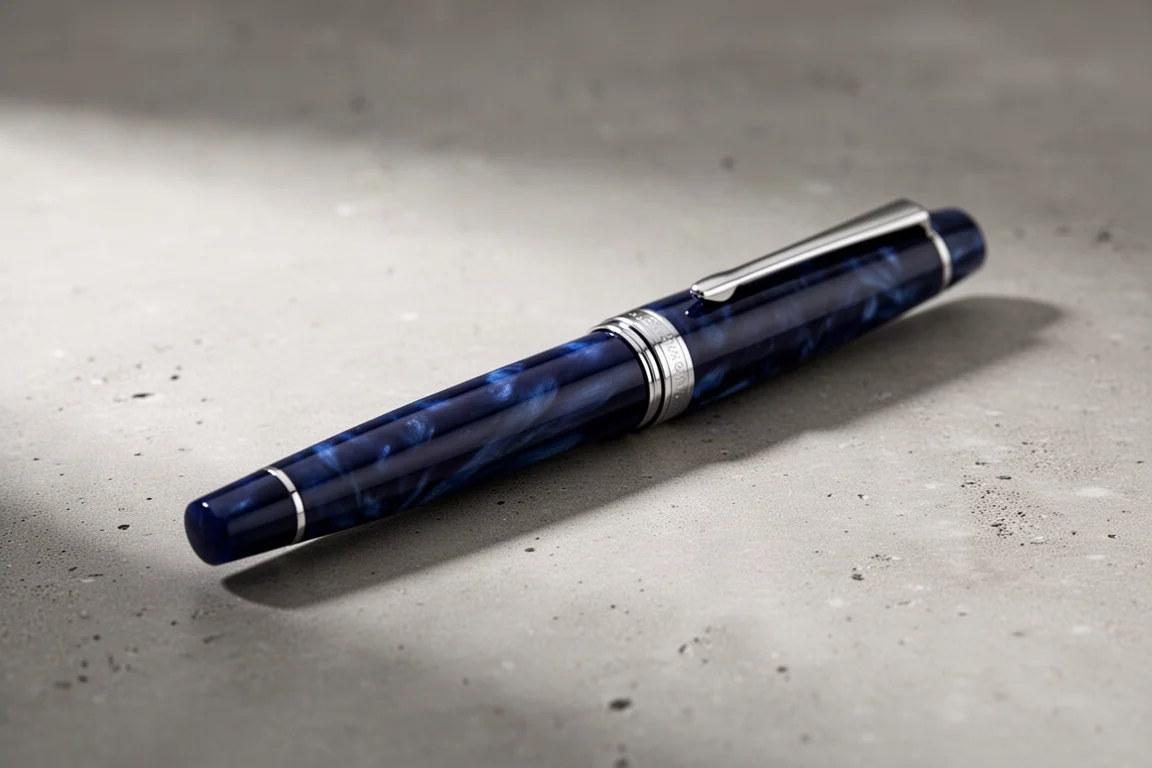
Aurora Optima Review: An Italian Piston Filler That Punches Above Its Price
A 14k gold nib, ebonite feed, and a beautifully deep oraloid body make the Aurora Optima one of the most rewarding piston fillers around.
Fountain Pens
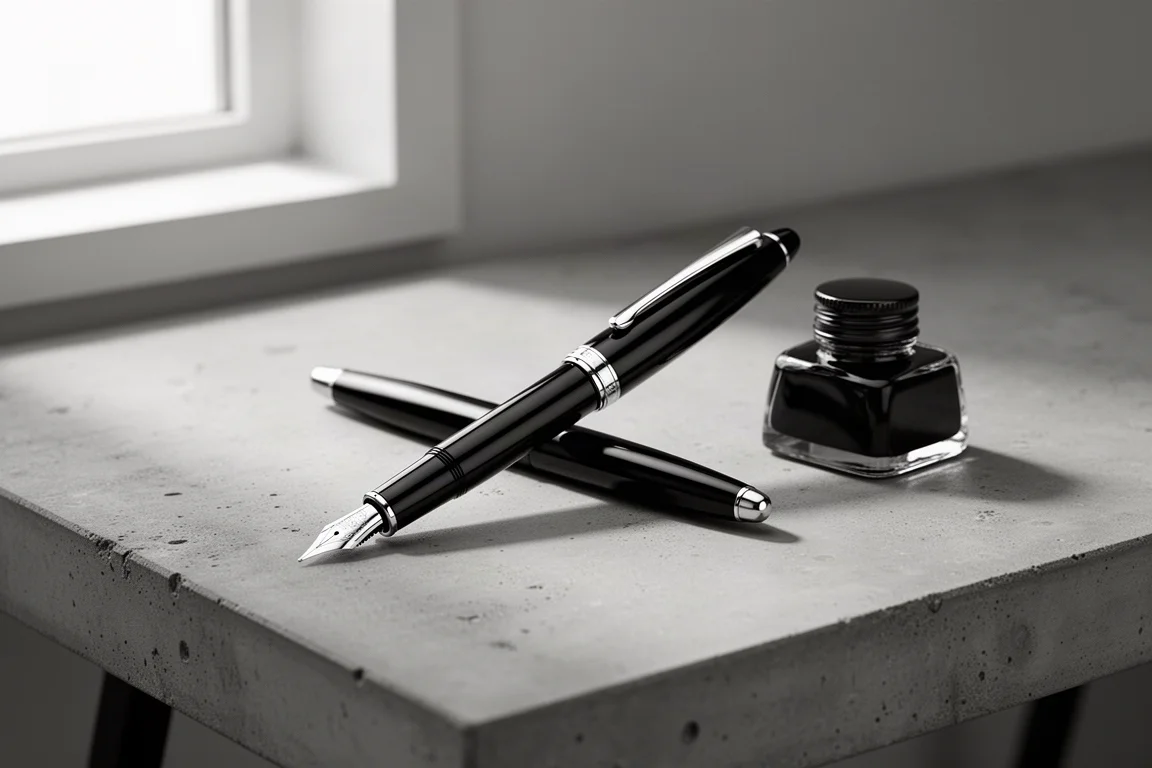
Cross Bailey Light Review: The Entry-Level Fountain Pen Worth Keeping at the Office
A plastic-bodied Cross with a metal clip, snap cap, and famously smooth extra fine steel nib. Around $15, available almost everywhere, and easy to recommend.