Fountain Pens
Five Fountain Pens Worth Inking Right Now: A Currently Inked Lineup
From a brass everyday writer to hand-finished urushi maki-e, five fountain pens and the inks that make them shine.
Introduction
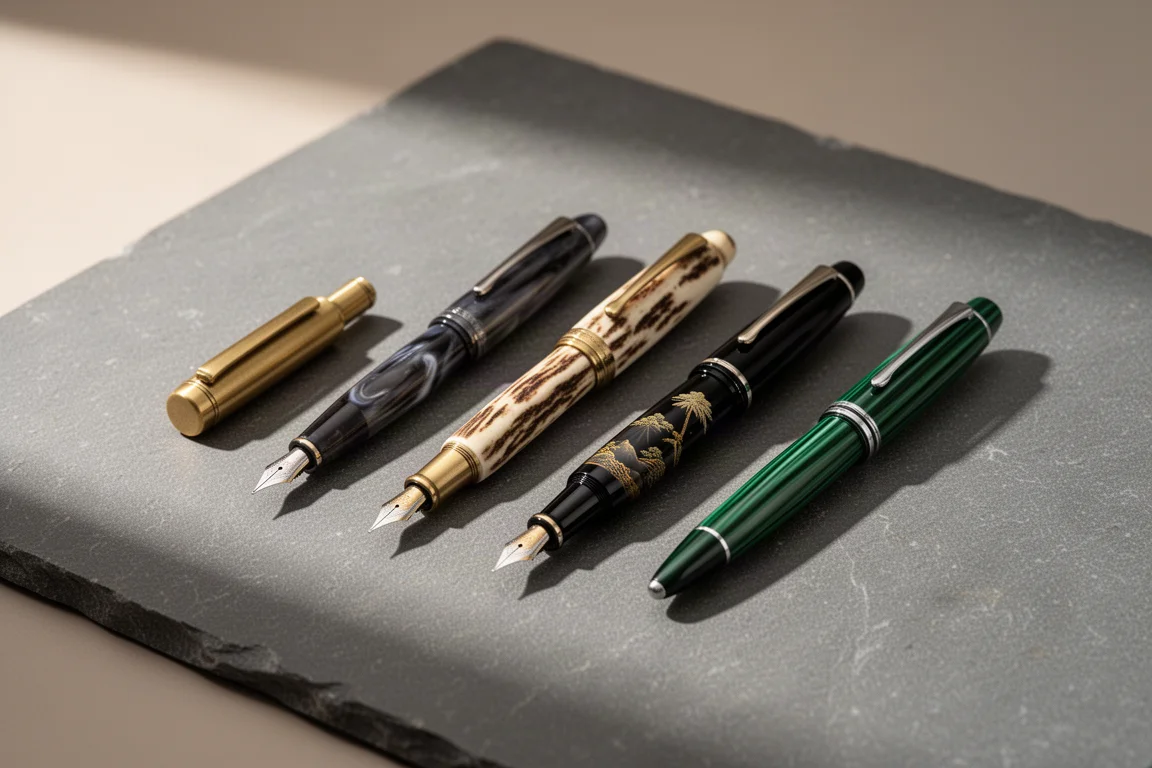
A currently inked lineup is one of the most honest ways to look at fountain pens. These are the five pens that earned actual writing time this month, paired with the inks currently sitting in them. Some are flawless daily companions, one needs a nib tune to reach its potential, and a couple are simply beautiful objects that also happen to write wonderfully. Here is how each one performed.
The Everyday Carry: Enso Bolt Brass
The Enso Bolt in brass edition is a pocket-sized daily driver with a steel extra fine nib and a bolt-action style ink feed. Early on, this pen had a rocky relationship with its original nib unit, which dried out within an hour or two, and the silicone seal tore quickly. The maker’s support response was genuinely impressive: replacement nib units arrived within days, along with a generous supply of spare seals. With a fresh seal and nib in place, the pen now works as intended.
It currently carries Sailor Blue Black, a dark blue-black that leans slightly teal with a bronzy sheen, and the pairing is largely successful. The nib and ink run wet, so the color comes out darker than on swabs. The one caveat is the seal design itself: ink gets pushed over the top of the nib through the rubber seal, and after a couple of days of disuse, saturated or sheening inks can dry gummy and slow the flow. The fix is simple though. Cycle the bolt a few times to spread fresh ink over the tip and it comes right back, no disassembly or priming needed.
The Beauty With One Flaw: Visconti Homo Sapiens
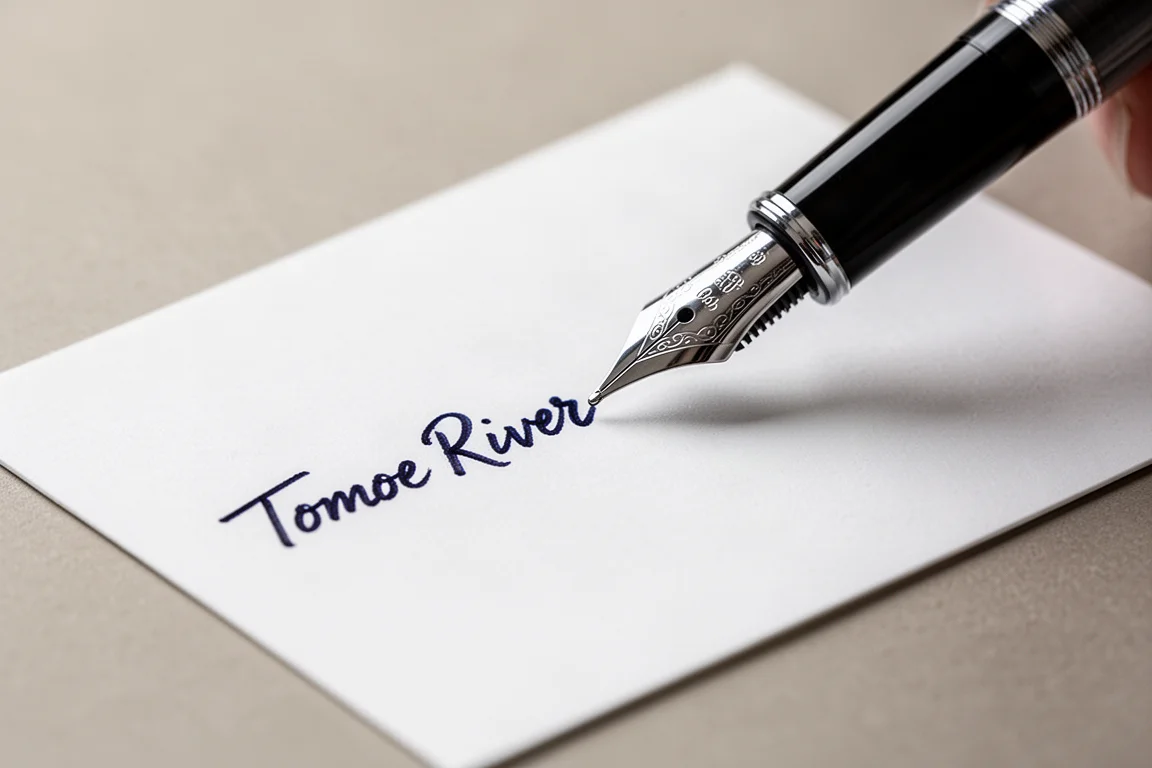
The Visconti Homo Sapiens is nearly a perfect pen. The feel in hand, the build quality, the way the unique material wears with time, the cap function, and the fact that it has never once dried out all speak to excellent design. It carries an 18 karat rose gold fine nib, and that is the one sticking point. This particular nib is very smooth, arguably too smooth, and with no pressure or at certain angles the ink flow and line width become inconsistent. A professional tune and smooth treatment applied at purchase appears to have over-smoothed it.
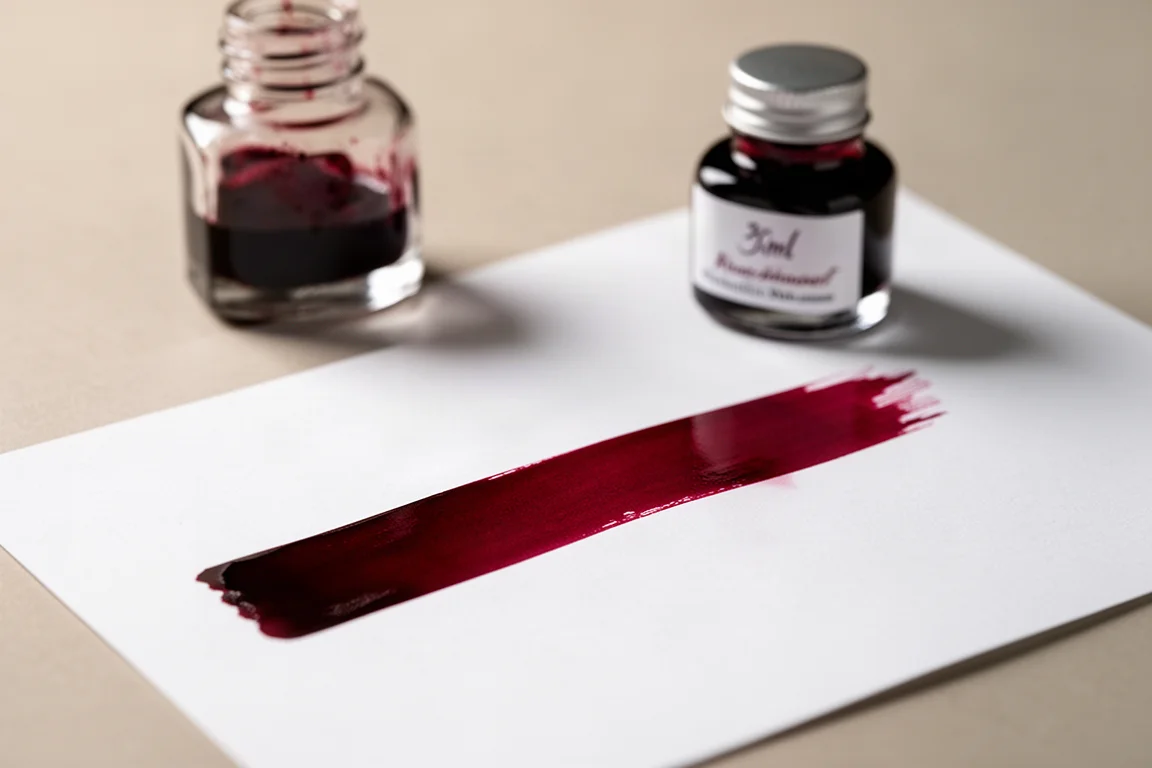
The plan is a visit to a nibmeister to thin the line and stabilize the flow, because everything else about this pen deserves keeping. The ink inside is Wearingeul Study in Scarlet from the Arthur Conan Doyle series, which turns out darker in use than the name suggests: a rich, readable, slightly darker scarlet with a subtle tonal sheen of its own rather than a bright pop of color. It is a good red, just not the brighter scarlet some readers might picture.
The Artisan Showpiece: Ryan Krusac Legend
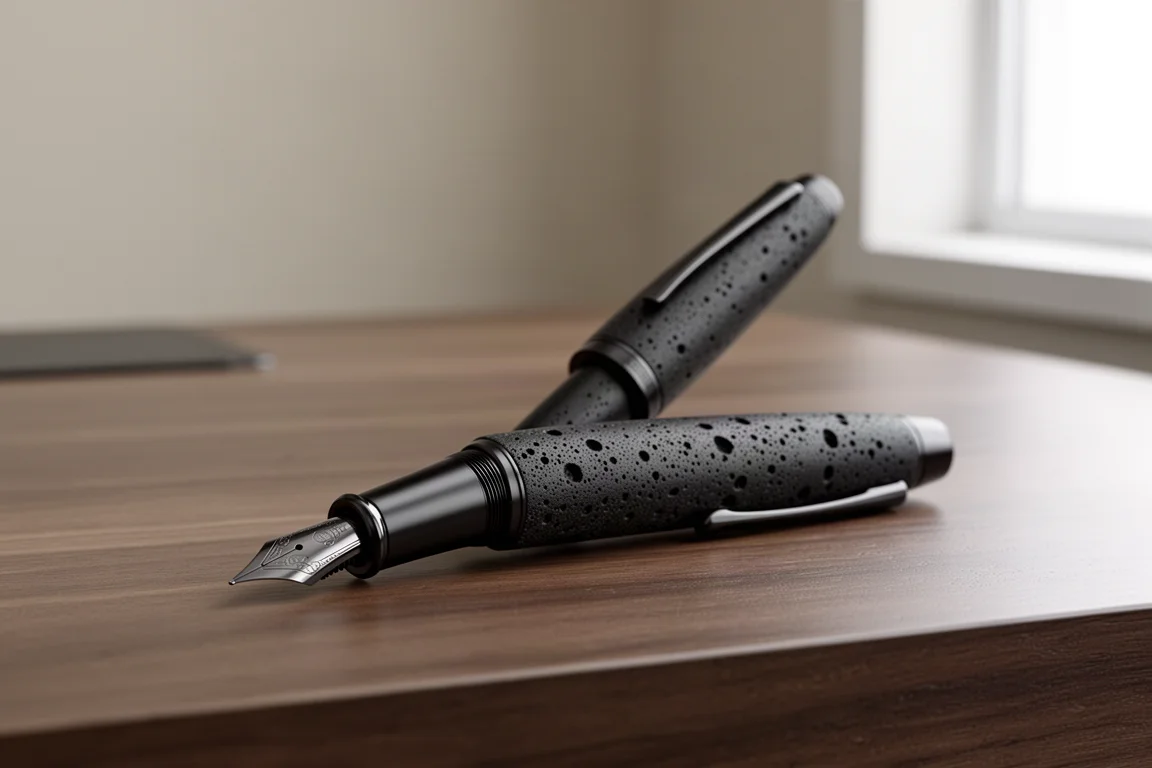
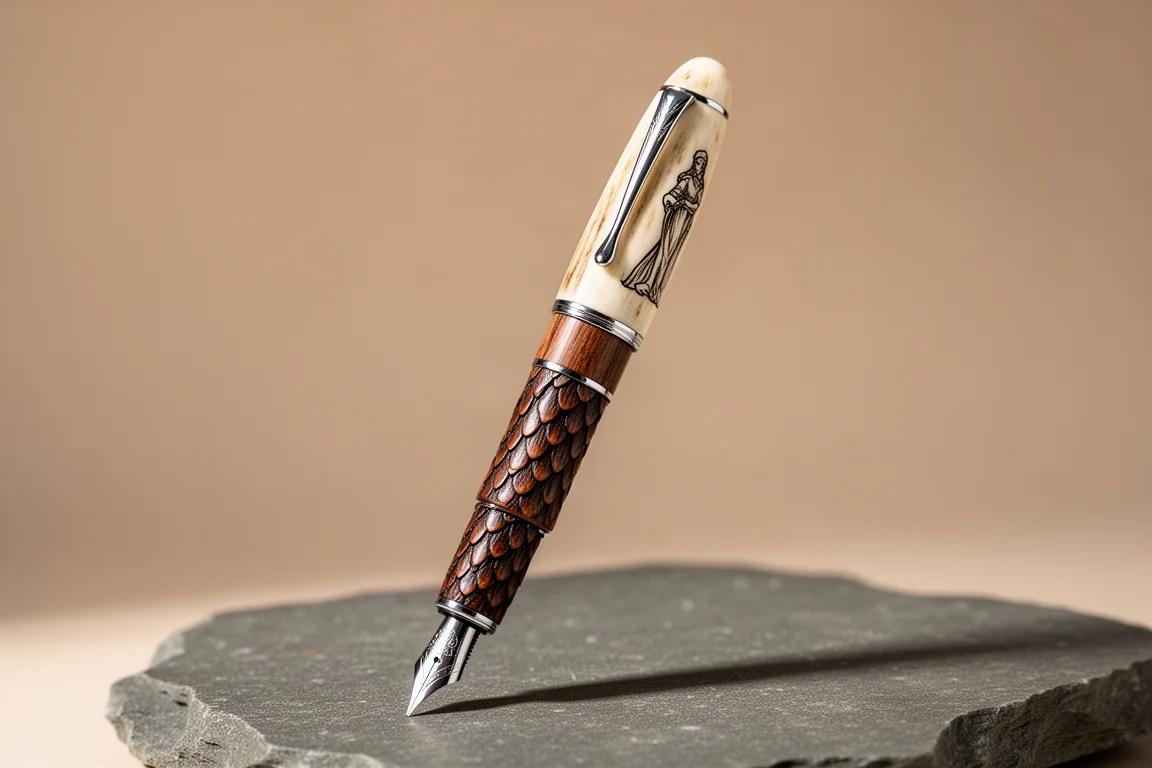
The Ryan Krusac Legend is a handcrafted pen in its largest, thickest format, and this scrimshaw model pairs deer antler with etched wood. The wood carries dragon-scale engraving while the antler section is etched with an image of a hero battling a dragon. Originally a limited edition of 150, this is number 87 and bears the maker’s signature. It is an epic pen in every sense.
The fine nib it shipped with had a baby’s bottom, but after professional nib work it now writes very wide, very wet, and flawlessly. Inside is Diamine Majestic Blue, a long-standing favorite being worked toward an empty bottle this year. Majestic Blue is a strong recommendation for anyone wary of sheening inks: it dries reasonably quickly and resists smearing even in wet, broad nibs, while still putting on a proper sheen show. If a beautiful pen is not writing well, a skilled nib grinder can usually fix it in minutes.
The Quiet Luxury Pick: Platinum 3776 Urushi Maki-e Sansui
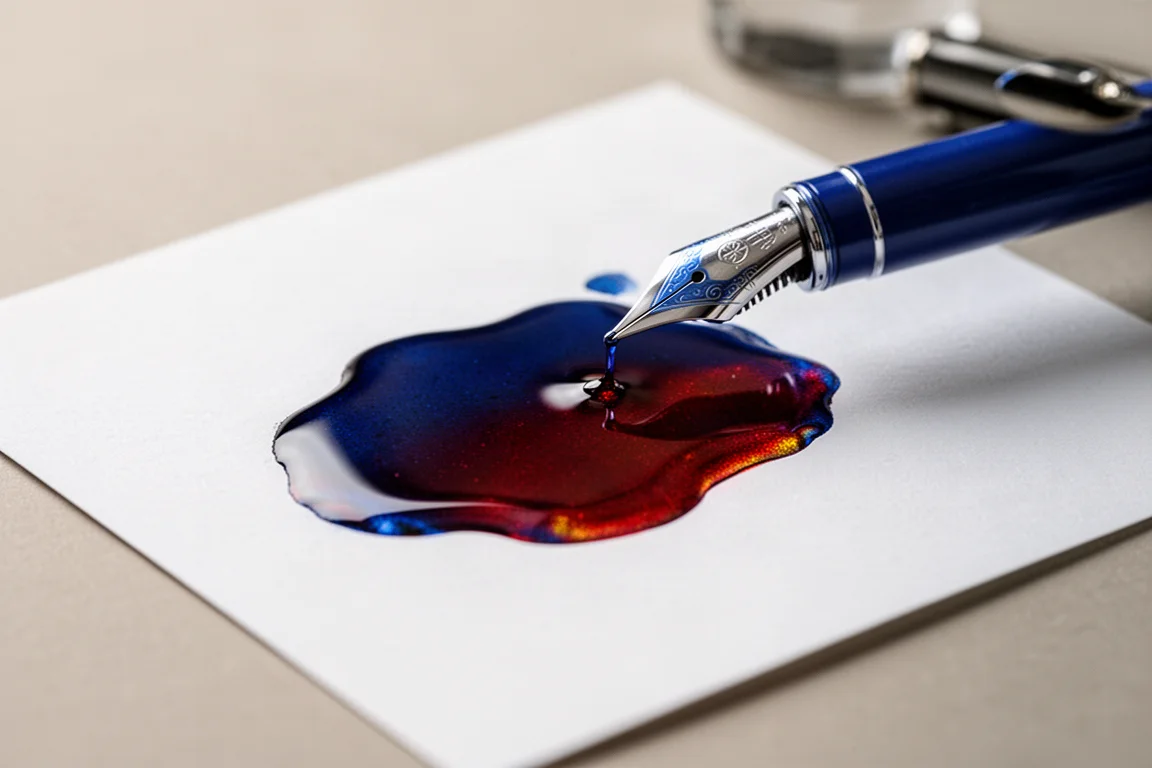
The Platinum 3776 Urushi Maki-e Sansui is a standard 3776 beneath, transformed by maki-e artwork of boats, small islands, trees, sunsets, and birds, then finished with a layer of urushi lacquer. You can feel the artwork under a fingertip. It was found at a pen show, unseen before and bought at a good price, and it has become arguably the favorite Platinum in a collection full of them. The 14 karat gold fine nib works beautifully, as Platinum nibs reliably do.
The ink pairing is deliberate: Dominant Industry Earl Grey Tea, a tea-themed orange chosen to match the sunset in the artwork. This is a genuinely well-balanced orange, bright enough to read clearly without searing the eyes, dark enough to avoid looking burnt, and neither too wet nor too dry. It comes in a charming small bottle with a dropper setup, and it has converted a skeptic into a fan of the whole Dominant Industry ink range.
The Reliable Newcomer: Pelikan M600
The Pelikan M600 fills a deliberate gap in a collection that already includes the M200, M400, and M800, with the M1000 judged simply too big. Found at an exceptional price, this one has been absolutely fantastic. It carries an extra fine 14 karat gold nib, since Pelikan only steps up to 18 karat at the M800, and it is a perfect rider: wet, as expected from a Pelikan, and on the thicker side of what counts as extra fine by European sizing. It has never let its owner down.
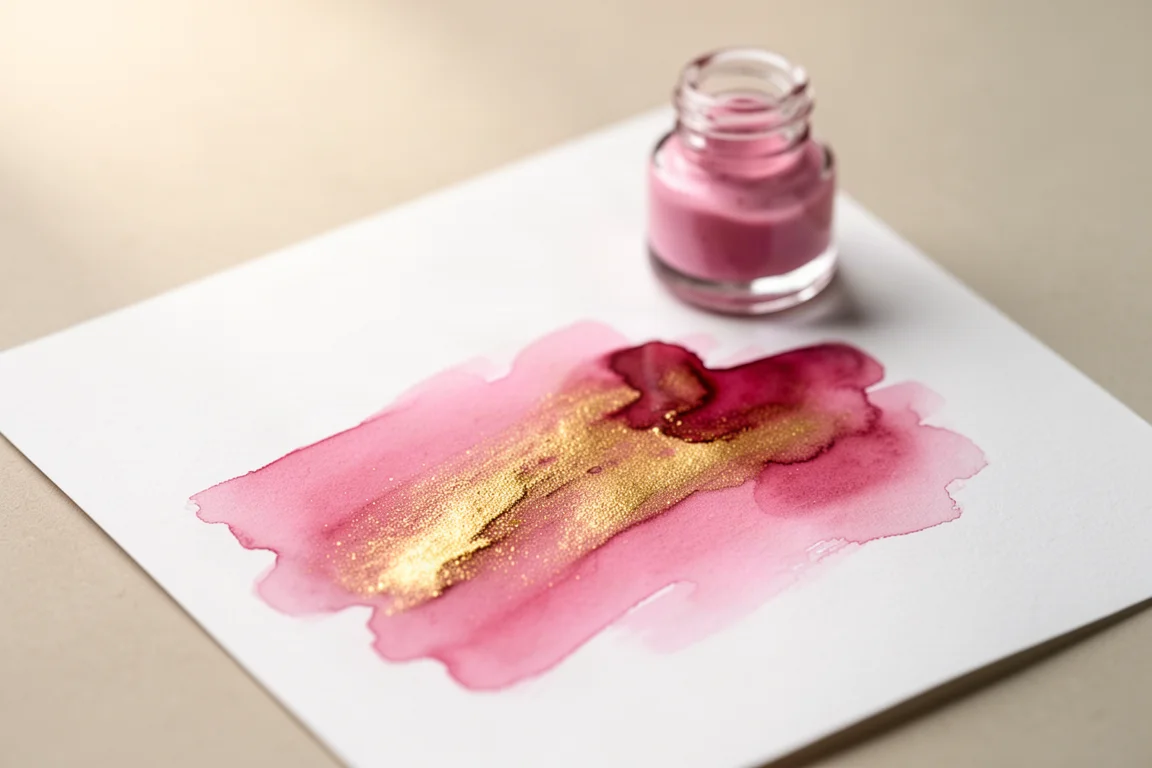
The ink inside is a bittersweet choice. Roshazuku (Rohrer and Klingner) Sui Su G is a spring-themed pink that has now been discontinued, and a bottle was picked up after the announcement. It is readable despite being bright, and it puts down an amazing gold sheen reminiscent of the classic Pilot pinks and reds. As a fun seasonal pink, it would genuinely be missed, which is exactly why it was bought.
Which One Should You Buy?
If you want a pocket-friendly daily writer with quirky charm, the Enso Bolt Brass is the pick, provided you keep a spare seal on hand. The Visconti Homo Sapiens rewards those who love premium materials and are willing to invest in a nib tune. The Ryan Krusac Legend suits collectors who want a one-of-a-kind artisan piece. The Platinum 3776 Urushi Maki-e Sansui is for anyone drawn to traditional Japanese craftsmanship. And the Pelikan M600 is the safest all-around choice: reliable, refined, and a joy to use every day.
Conclusion
Five very different pens, one common thread: each earns its place by being genuinely enjoyable to write with. Some needed nib work, one needs patient maintenance, and several are close to perfect out of the box. That mix of character and compromise is exactly what makes fountain pens worth collecting.
Further reading
Related Reviews
Fountain Pens
Best Budget Fountain Pens Tested: 9 Pens, One Clear Winner
A hands-on comparison of nine affordable fountain pens for everyday writing, calligraphy, and sketching, with a clear standout for flexible nib fans.
Fountain Pens
Aurora Optima Review: An Italian Piston Filler That Punches Above Its Price
A 14k gold nib, ebonite feed, and a beautifully deep oraloid body make the Aurora Optima one of the most rewarding piston fillers around.
Fountain Pens
Cross Bailey Light Review: The Entry-Level Fountain Pen Worth Keeping at the Office
A plastic-bodied Cross with a metal clip, snap cap, and famously smooth extra fine steel nib. Around $15, available almost everywhere, and easy to recommend.