Art Supplies
Culture Hustle White 2.0 vs Black 3.0: The Brightest and Blackest Paints Tested
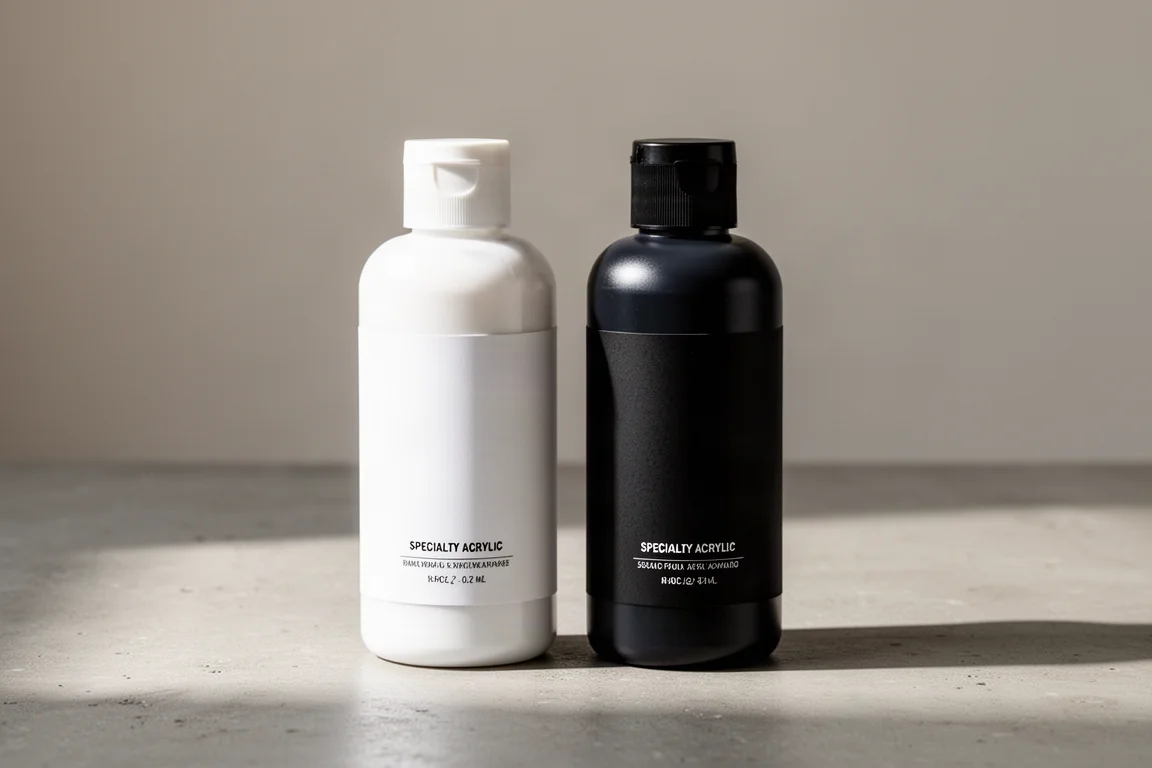
We put Culture Hustle's White 2.0 and Black 3.0 head to head to see whether the brightest paint in existence can match the legend of the blackest.
Introduction
A year after Culture Hustle made headlines with Black 3.0, a paint so dark it turned three-dimensional objects into flat silhouettes, the studio returned with the opposite proposition: White 2.0, billed as the brightest paint in existence. We picked up both, ran them through a series of side-by-side tests, and compared White 2.0 against everything from a dollar-store acrylic to plain printer paper.
What White 2.0 Claims
White 2.0 is built on an entirely new form of acrylic base and uses what the maker describes as the absolute best white pigments available, combined with high-quality mattifiers that leave the dried surface completely flat, with no shine whatsoever. The headline claim is bold: the paint is supposed to appear anywhere from 40 to 60 percent brighter than regular white paint.
The demonstration on the product page is almost surreal, with the paint appearing to pour into an endless white void where it becomes indistinguishable from its surroundings. At 30 dollars for a 150 milliliter bottle, it is unquestionably pricey for a single tube of paint, though it is a specialty product from a small business with obvious attention to detail, and the generous bottle size does help the value case.
How It Performs Under Different Lighting
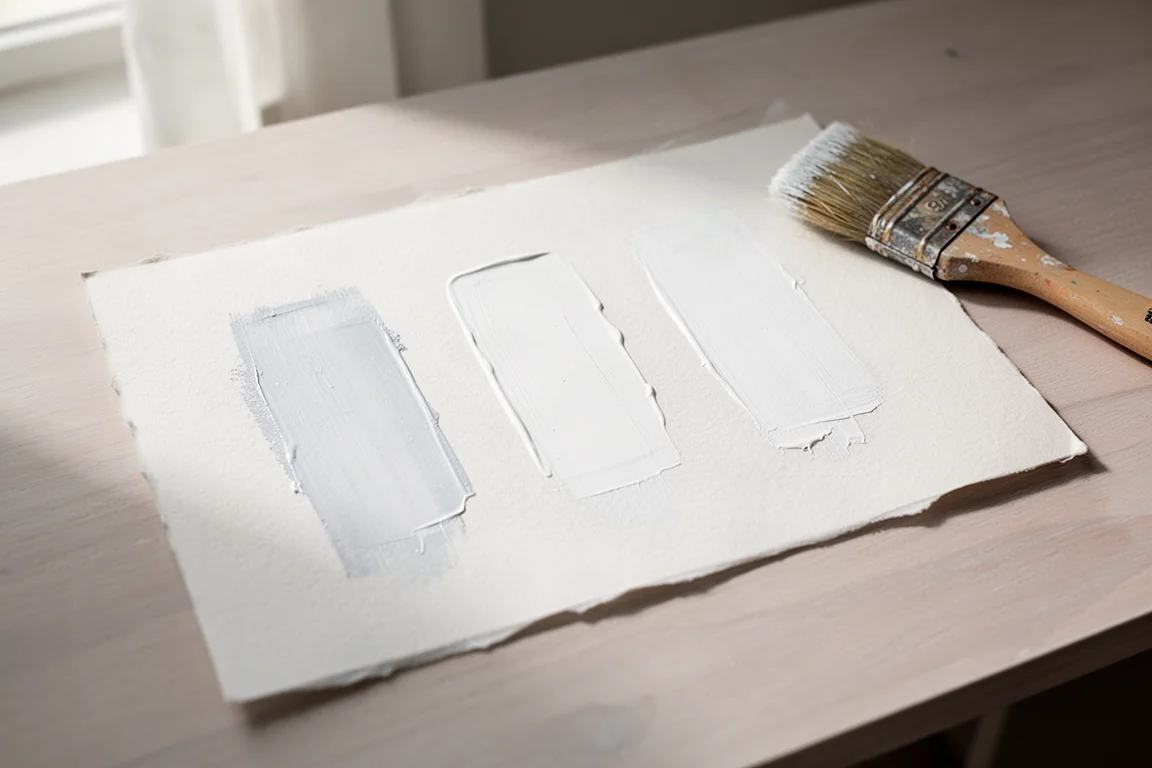
The first surprise is the consistency. Like Black 3.0, White 2.0 is extremely liquid, closer to water than to a typical tube acrylic, so it is easy to make a mess if you are not careful. Swatched against a one-dollar craft store acrylic and a higher-end 20-dollar paint, the difference is real but subtle: the paint reads noticeably brighter when a strong light is pointed directly at it, reflecting that light back in a way the cheaper swatches do not.
The maker notes that lighting temperature matters, with cooler, bluer light being optimal for maximum brightness and warm yellow light producing the least dramatic result. Testing across a full range from warm yellow to cool blue studio light confirmed the paint does look brighter under cool light, but the jump fell short of the claimed 60 percent improvement.
The Printer Paper Test
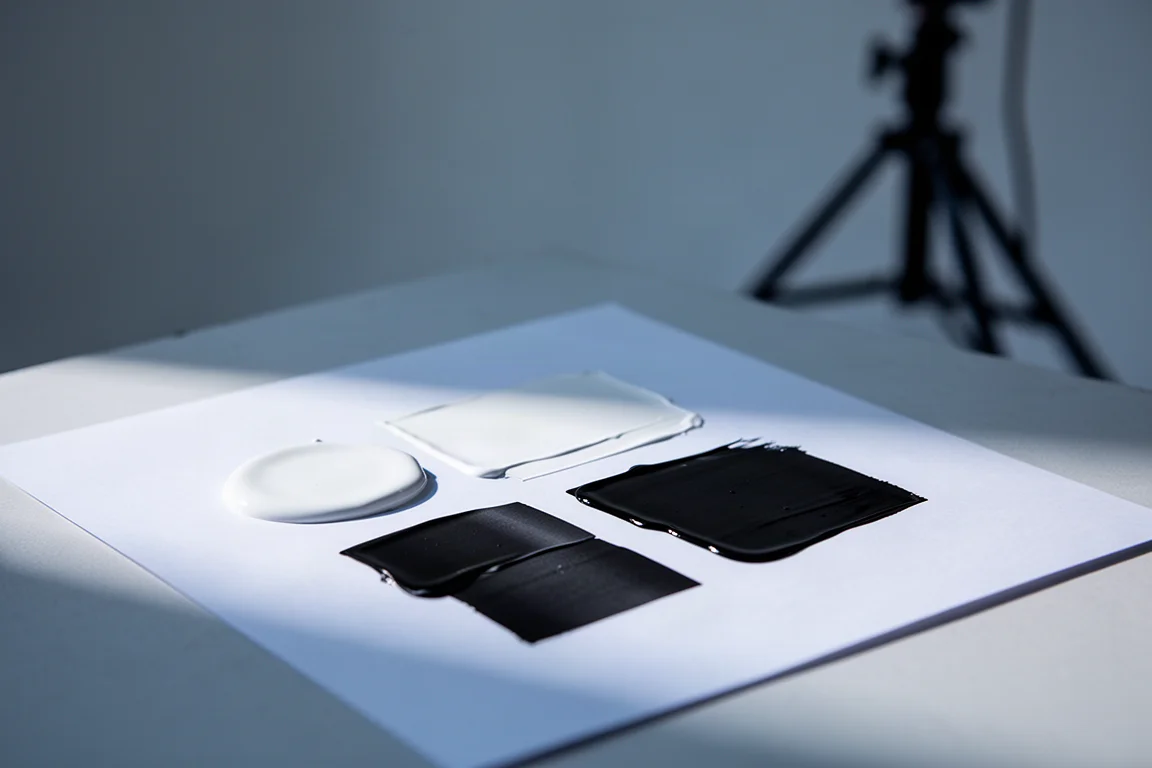
The most convincing test turned out to be the simplest: White 2.0 painted next to standard white printer paper. On camera, the difference was unmistakable. The paper suddenly looked slightly grey next to the paint, and the brightness difference against the paper was genuinely in the ballpark of that claimed 60 percent figure.
This is the test that redeems the product. Against another paint it competes closely, but against ordinary white surfaces, it clearly occupies a different tier of brightness.
The Blacklight Surprise
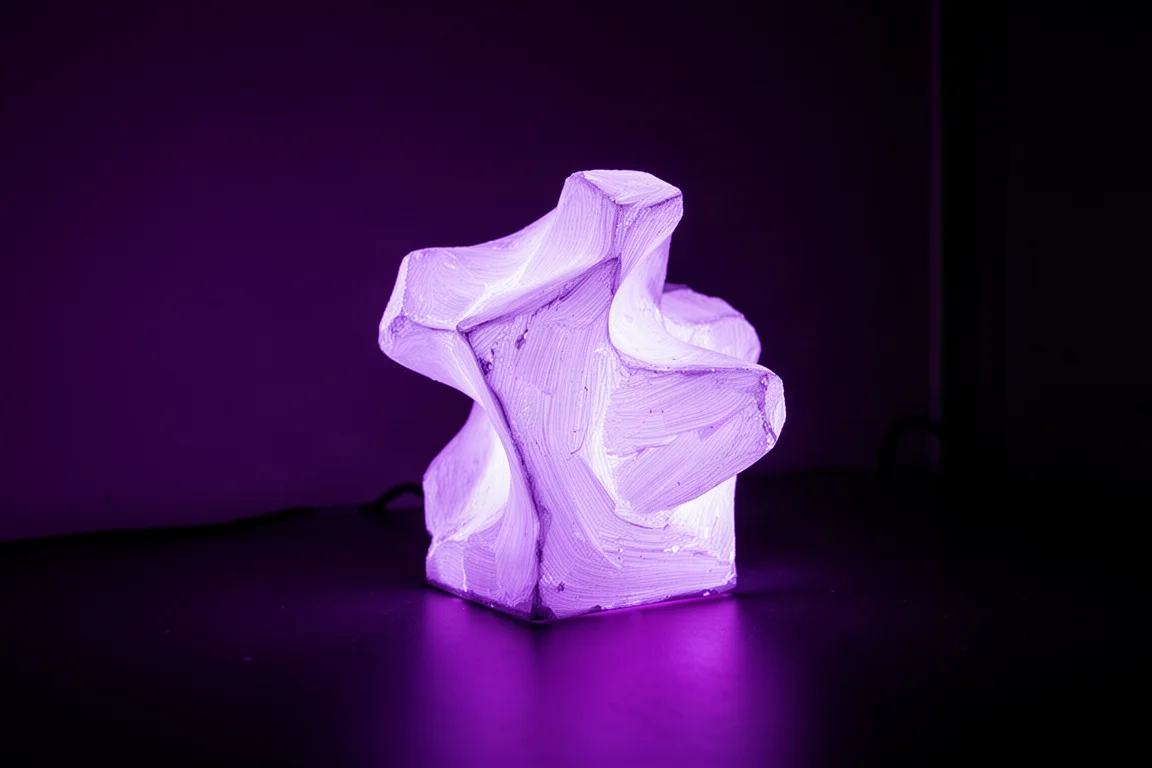
Two observations stood out under harsher lighting. First, when light casts a hard shadow across a painted three-dimensional object, the shadows reflect back looking almost grey rather than black, which softens the illusion. Second, and more striking: White 2.0 performs remarkably well under blacklight. A regular white paint barely registered, but because White 2.0 is so reflective, it bounced the ultraviolet light back dramatically. Under those specific conditions the difference felt closer to 90 to 200 percent brighter than the comparison paint, which is a genuinely shocking gap.
Mixing White and Black
Mixing the brightest and blackest paints produces a grey that is hard to classify as warm or cool, a genuinely perfect neutral grey that looks excellent on its own. Comparing the two straight out of the bottle, though, the gap in quality is noticeable. Despite being a matte paint, White 2.0 dries shinier, goes on more watery and bumpy, while Black 3.0 applies far more smoothly and looks like a piece of velvet taped to the paper rather than paint.
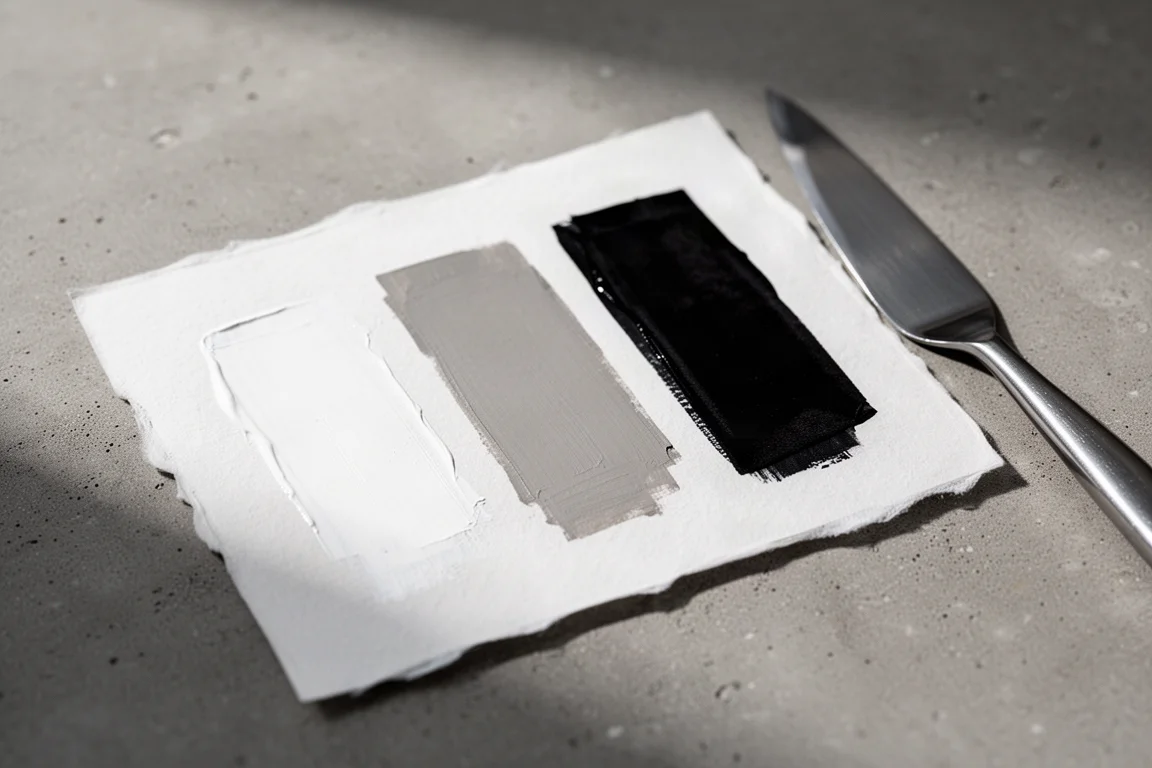
Should You Buy White 2.0?
White 2.0 is undeniably brighter than average paint, and the printer paper and blacklight tests show real moments of brilliance. But the honest verdict is that the one-dollar craft acrylic was able to compete with it directly through most of the testing. For 30 dollars a tube, that is a hard sell unless you specifically need extreme reflectivity, blacklight performance, or the brightest possible white for an art project.
Black 3.0, by contrast, remains the standout of the two: smoother, more matte, and far more dramatic in person. If you are buying one specialty paint from this range, the black is the safer and more impressive choice.
Conclusion
White 2.0 is a fascinating specialty paint with genuine moments of brilliance, particularly against plain white paper and under blacklight, but it does not consistently deliver its 60 percent brightness claim against other paints, and its thin, watery consistency makes it harder to work with than Black 3.0. Buy it for the novelty and the specific lighting effects it excels at, not as an everyday acrylic upgrade.
Product link
View more details for Culture Hustle White 2.0
This product is mentioned in the review. Check the specifications, options, and compatibility before buying.
View more details for Culture Hustle White 2.0Further reading
Related Reviews
Art Supplies
Art Pop Watercolor Pencils 48-Color Set: A Thoughtfully Designed Student-Grade Option
The Art Pop 48-color watercolor pencil set blends well, dissolves smoothly, and includes artist-friendly details like barrel-printed color names, all at an affordable price.
Art Supplies
Artics Acrylic Markers 3mm Review: Versatile Paint Markers With a Few Caveats
A 48-color set of water-based acrylic paint markers that blend while wet, dry permanent, and keep the price low, though safety transparency remains a question.
Art Supplies
Best Art Supplies Worth Your Money: Pencils, Pens, Paints, and Paper That Earned Their Spot
After years of daily use and testing, these are the pencils, pens, watercolors, gouache, brushes, sketchbooks, and erasers that stand above the rest.