Tools
Crescent CT WIC Wire Crimping Tool Review: Cheap, Specific, and Flawed
An inexpensive non-insulated ferrule crimper from Crescent with a wide size range, an unusual cutting jaw, and some crimp-quality doubts worth knowing before you buy.
Introduction
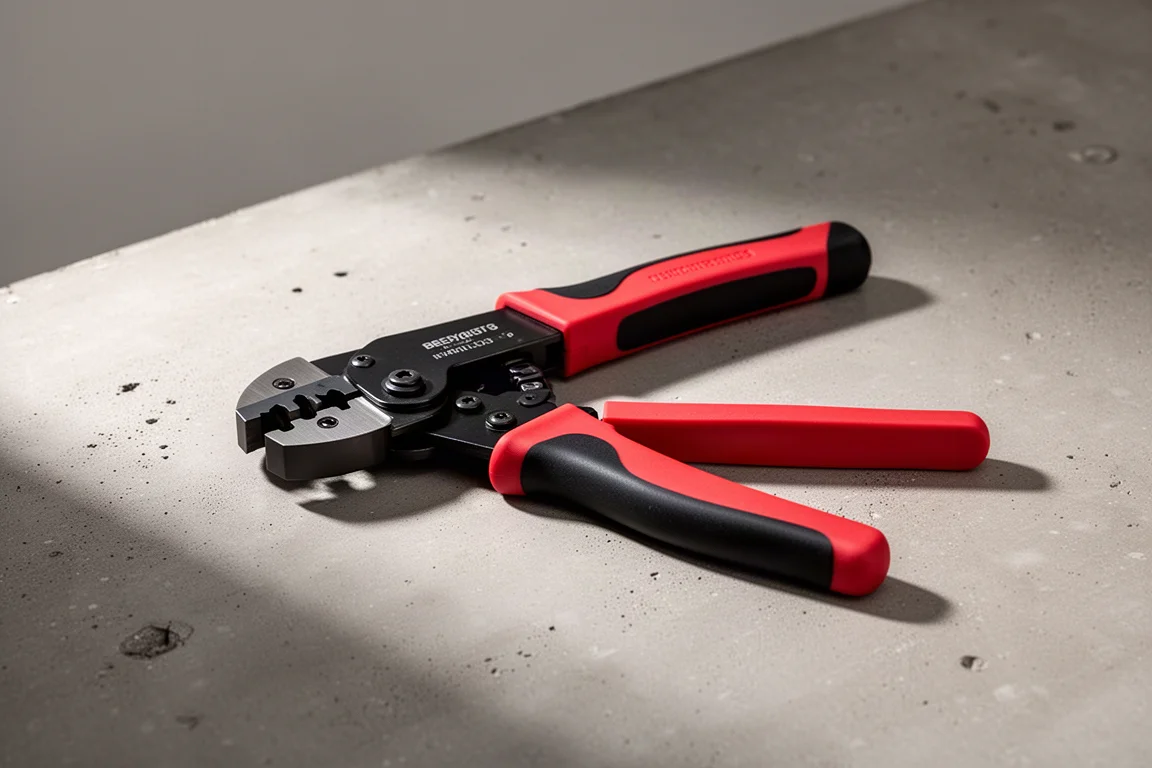
The Crescent CT WIC wire crimping tool is an interesting little product. It is built for a very specific kind of crimping, uses an unusual crimping mechanism, and pairs that with a front cutting jaw that behaves in a way that may surprise you. At a little over ten dollars, it is an inexpensive, forged tool aimed at a narrow job. The question is whether it does that job well, and the honest answer is that there are some real doubts.
What the Crescent CT WIC Is Designed For
This is a crimping tool for non-insulated ferrules across a wide range of wire sizes. The die markings are metric only, where the number refers to the wire diameter in millimeters. Because that is the opposite of the American wire gauge system, it helps to know the rough equivalents: the 1 marking is about 18 gauge, 1.5 is about 16 gauge, 2.5 is about 14 gauge, and 4 is about 12 gauge. Those cover most of the common sizes.
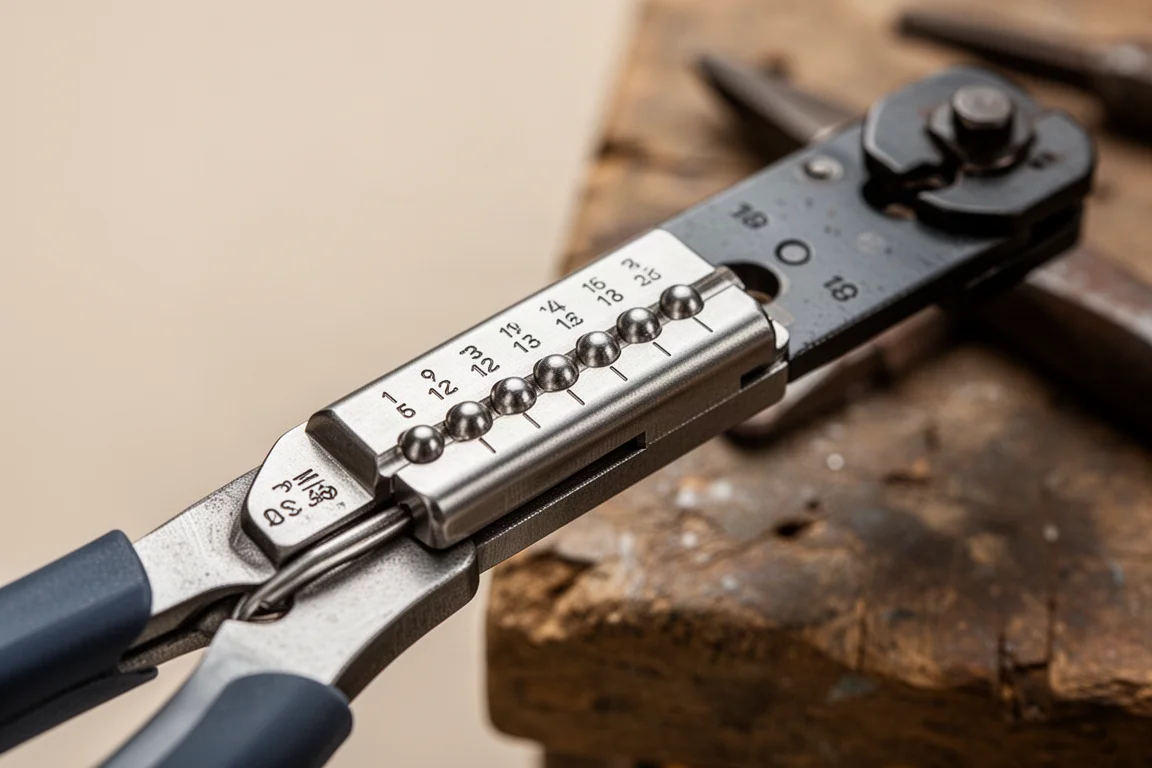
The range extends beyond traditional automotive use, which is one of the tool’s genuine appeals. It is made in China under the Apex Tool Group, the company that owns Crescent. One frustration: Crescent’s own website offers little help in understanding the tool, so much of what you learn about it comes from forums and trial and error.
How It Compares to the Knipex
The most natural comparison is the Knipex ferrule crimping pliers, which are made in Germany and sell for over fifty dollars with comfort grip handles. On the outside the two tools look similar, but the mechanisms inside are completely different. The Knipex uses a two-tooth crimping die that closes to form a deep, well-defined dimple. The Crescent has a single solid bar across the top, and its dies close to only a shallow impression.
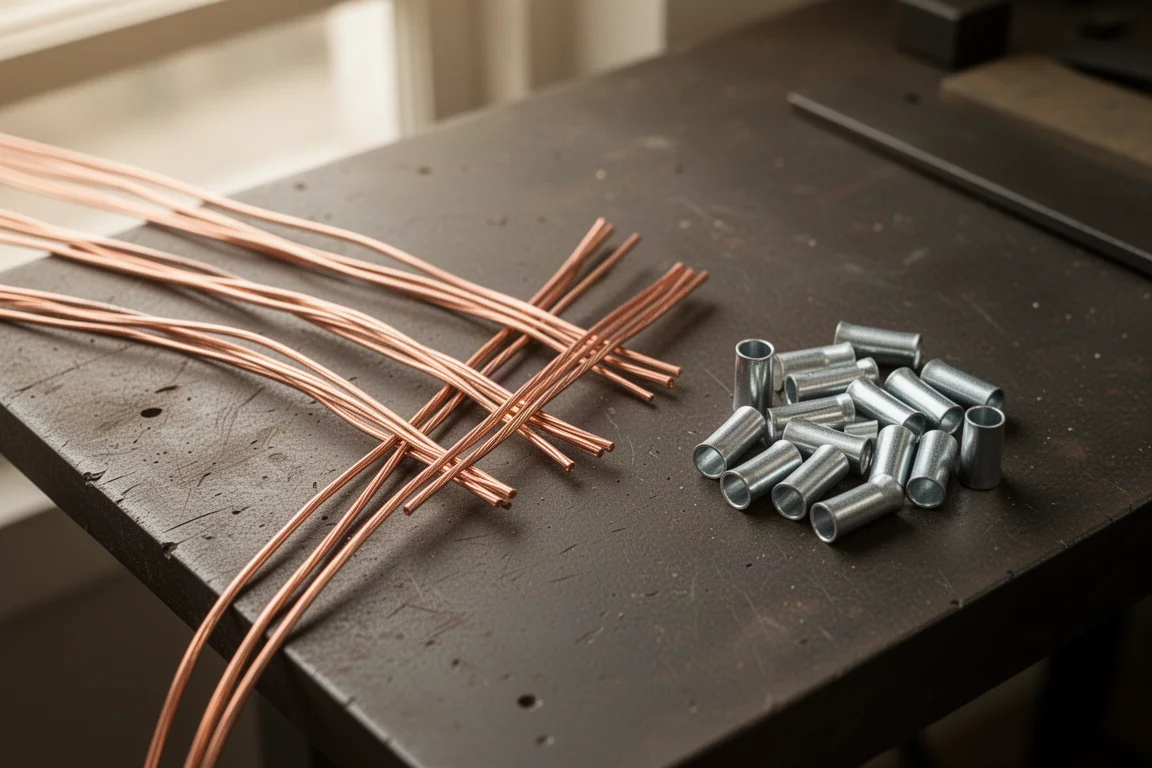
Set side by side at the same marked size, the difference is obvious: the Crescent leaves barely any crimping depth compared to the Knipex. The Crescent is also longer, built as an extended-reach, high-leverage tool, and the blocky, beefy construction feels wildly overbuilt for the small amount of crimping force it actually generates. That leverage and length is what makes it attractive, but the Knipex is clearly the stronger performer where crimp quality is concerned.
Things to Consider Before Buying
There are three things to weigh before spending your ten dollars.
First, the crimp quality. The shallow die impression raises real doubts about how solid a crimp this tool produces. If you need confident, repeatable ferrule crimps, the cheap price is not much comfort.
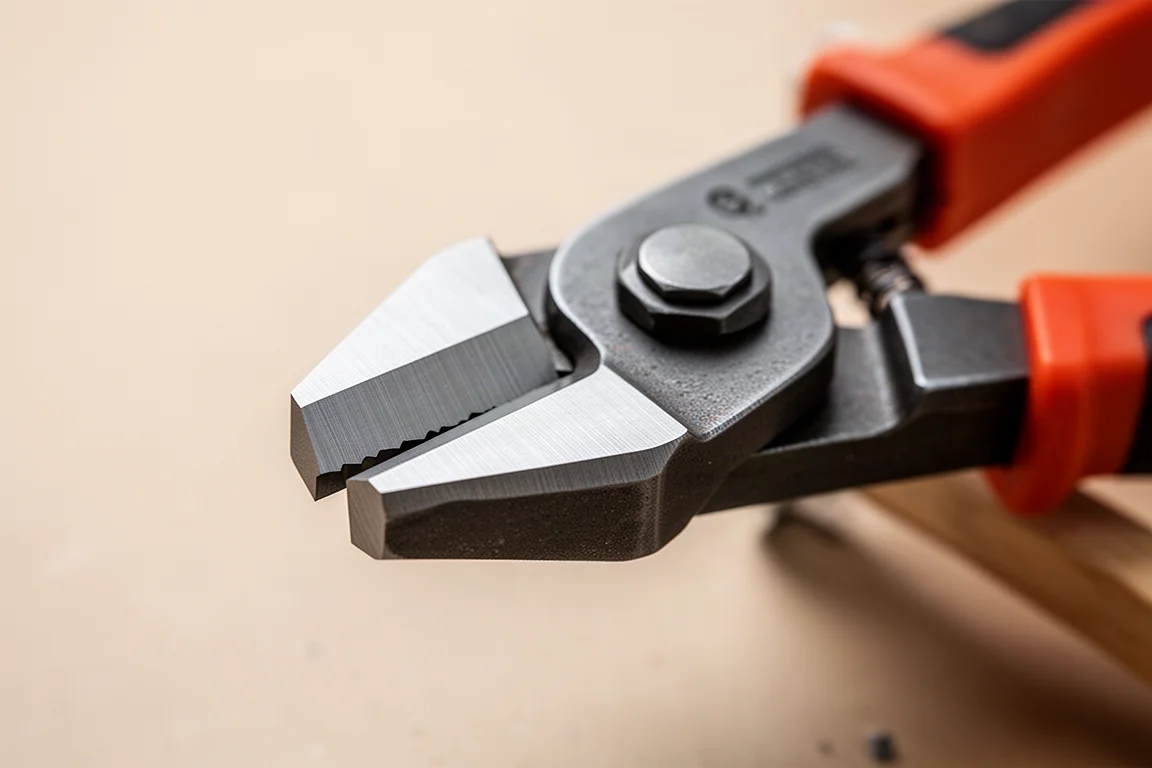
Second, the cutting jaw. The front end has an unusual way of cutting wires that, in practice, did not seem to work well. Dedicated crimp-and-cut tools are loved precisely because you can nip the wire, prep everything, and crimp in one motion. The Crescent tries for that but the execution is questionable. Note also that it only handles non-insulated connectors. There is no insulated-connector die, which would have made the tool far more versatile.
Third, the size markings. Metric-only markings are workable once you know the gauge equivalents, but US buyers will want a conversion cheat sheet on hand.
Buying Advice
If you only occasionally crimp non-insulated ferrules and want an inexpensive, long-reach tool with a wide size range, the Crescent CT WIC can serve, especially since it is available on Amazon, Home Depot, and elsewhere for a little over ten dollars. Just check the crimp result on a test wire before trusting it on anything important.
If crimp quality is your priority, the Knipex ferrule crimping pliers are the tool that really shines. The deeper, two-tooth die mechanism produces a far more convincing crimp, and German manufacturing backs that up. You pay several times more, but you are buying a tool that does its one job properly.
Conclusion
The Crescent CT WIC is a funny little tool: very specific in purpose, inexpensive, attractively overbuilt, and yet seemingly not fully successful at its core task. Buy it as a budget, occasional-use option with modest expectations. If you crimp ferrules regularly or care about connection quality, the Knipex remains the safer investment.
Product link
View more details for Crescent CT WIC Wire Crimping Tool
This product is mentioned in the review. Check the specifications, options, and compatibility before buying.
View more details for Crescent CT WIC Wire Crimping ToolFurther reading
Related Reviews

Tools
Best Contractor Grade Tape Measures 2026: Eight Models Tested Head to Head
We tested eight contractor grade tape measures from Milwaukee, DeWalt, Crescent Lufkin, Tajima, Stanley, Irwin, Gelan, and Craftsman to find the best value and performance.

Tools
Best Precision Screwdriver Sets 2026: Manual and Electric Options Compared
We compare 19 precision screwdriver sets, from budget manual kits to electric drivers, to find the strongest bits and best value.

Tools
Best Stud Finders 2026: Five Popular Models Put to the Test
We tested five popular stud finders on drywall, firewall, and lath and plaster surfaces to see which ones really find studs and avoid false readings.