Art & Craft Furniture
Create Room DreamBox Long-Term Review: Five Months of Everyday Use
After five months of daily use, the viral DreamBox storage unit still holds up as a genuinely effective way to organize a large art supply collection, with a few trade-offs worth knowing.
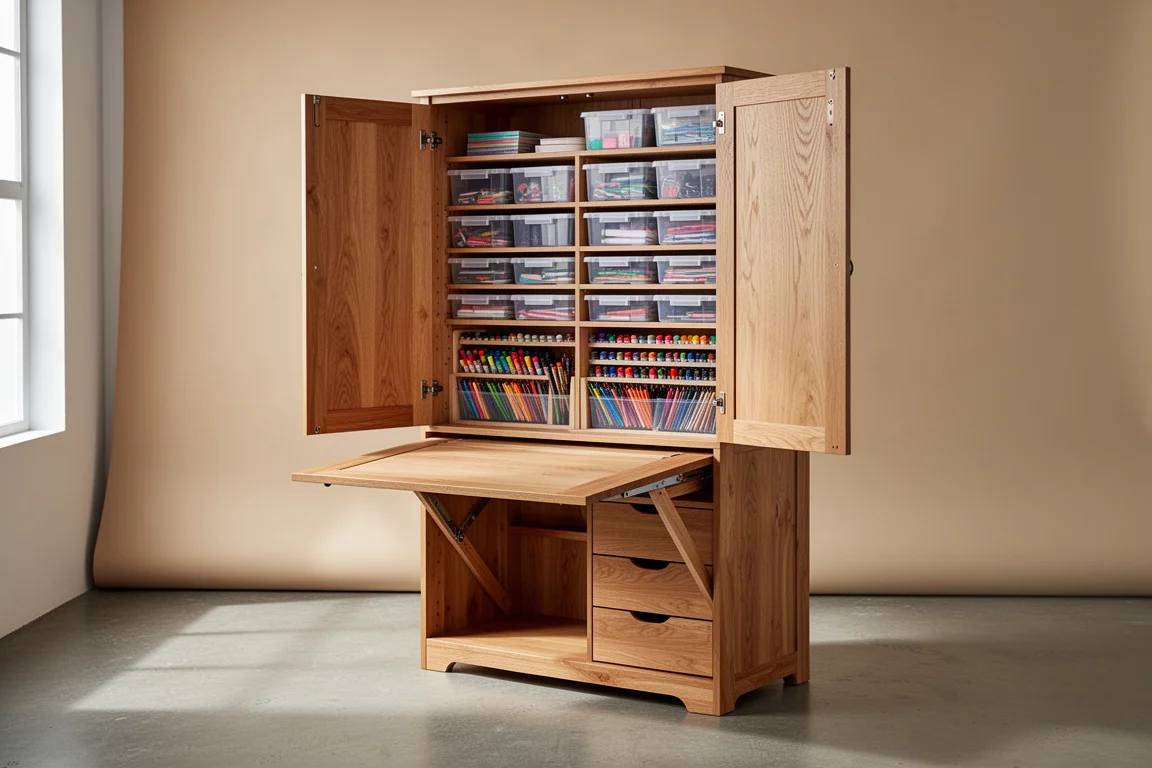
Introduction
The Create Room DreamBox is one of those products that circulates widely on social media, and for good reason: it is a large, cabinet-style storage unit designed to hold an entire art or craft supply collection in one place. After five months of owning and using one daily, the verdict is genuinely positive, with a handful of practical caveats that only surface with real use.
How It Has Held Up After Five Months
The biggest long-term surprise is how well the interior has stayed organized. For someone who admits to being chronically disorganized, the DreamBox has been the one system that stuck. Because every item has a designated spot, things actually get put back, and nothing has fallen down or broken in months of use.
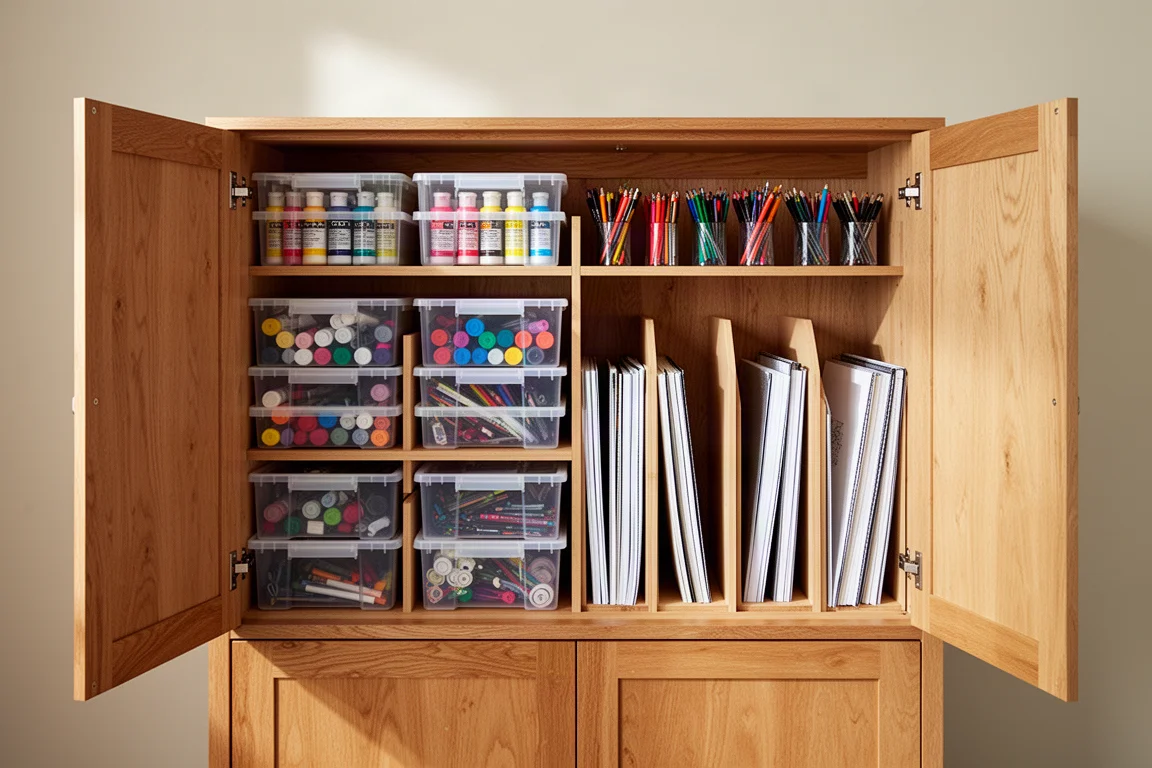
Upright storage is a highlight: wooden file dividers keep sketchbooks standing vertically so everything is visible at a glance rather than stacked. The flexible bands inside the totes also make it possible to fit more supplies than a rigid divider would allow.
One practical note: the unit sits on wheels and glides beautifully on tile or flat carpet, but on thick shaggy rugs it struggles badly. If your floor is plush carpet, expect to move the rug or lift it to reposition and close the unit.
Space Requirements and Everyday Reality
Even though the DreamBox is marketed as space-saving, it does need a decent amount of room. Fully opened, the doors extend widely and take up a serious footprint. The upside is flexibility: if you do not have the width, the doors can be arranged to open inward more like a walk-in closet instead.
There is also an aesthetic trade-off. When many colorful supplies sit inside clear containers, the open unit can look busy and cluttered even when everything is perfectly organized. That is why many owners keep it closed when not in use, which is easy since the middle section stays accessible while the side doors remain shut.
What Fits Inside: Capacity Notes
Capacity is genuinely impressive. A large collection of paints, pens, brushes, and sketchbooks, previously spread across two storage units plus a closet, fit into a single DreamBox with room to spare. The middle section is best used for frequently accessed items like acrylic paints, gouache, pencils, and pens, since that area stays reachable even with the side doors closed.
Casual artists or crafters should be warned: with a smaller collection, this unit will look fairly empty. It is sized for people with serious supply inventories.
Customization Is the Real Superpower
Shelves, rails, and totes pop directly into a grid of pin holes, so the interior can be arranged however you like. The supplied drawers, rails, and wide plastic dividers cover most needs, though running out of specific rail or drawer types is possible if your collection is unusual, and buying extra totes and accessories adds to the cost.
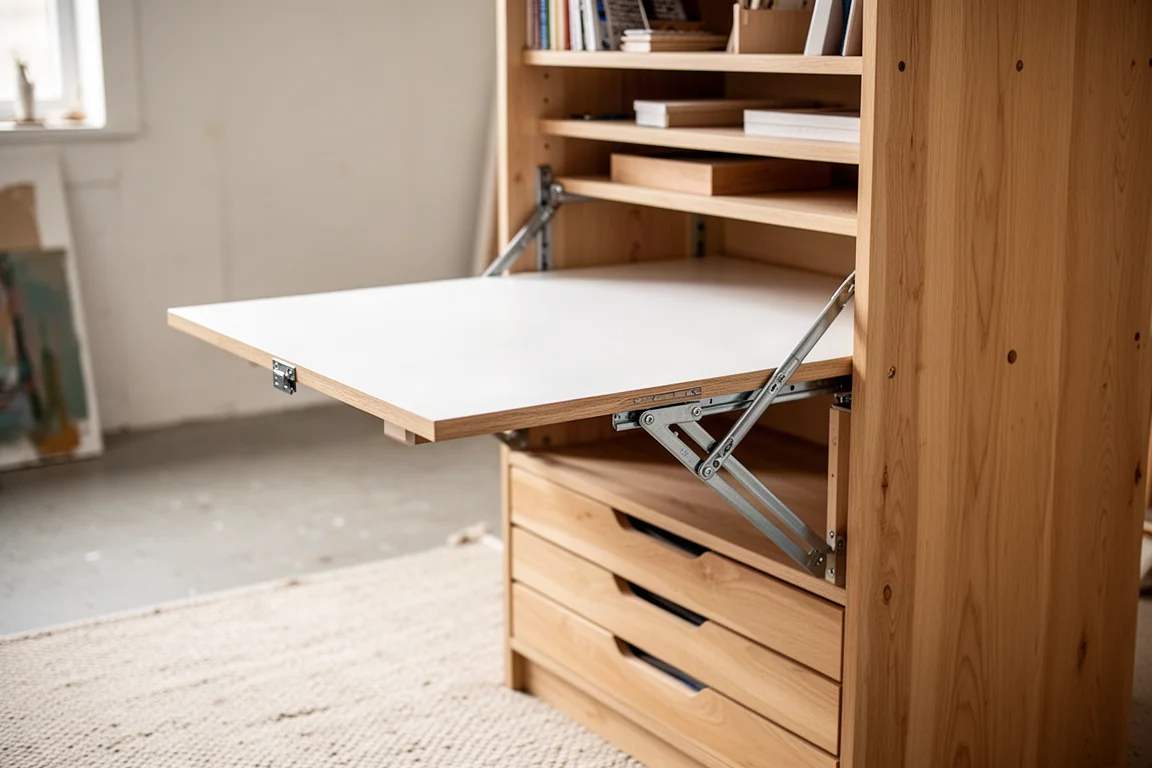
Some areas are fixed: the outer edges and the drawer columns are stationary, which has not been a problem in practice but is worth knowing before you plan your layout.
The Built-In Desk: Nice, But Situational
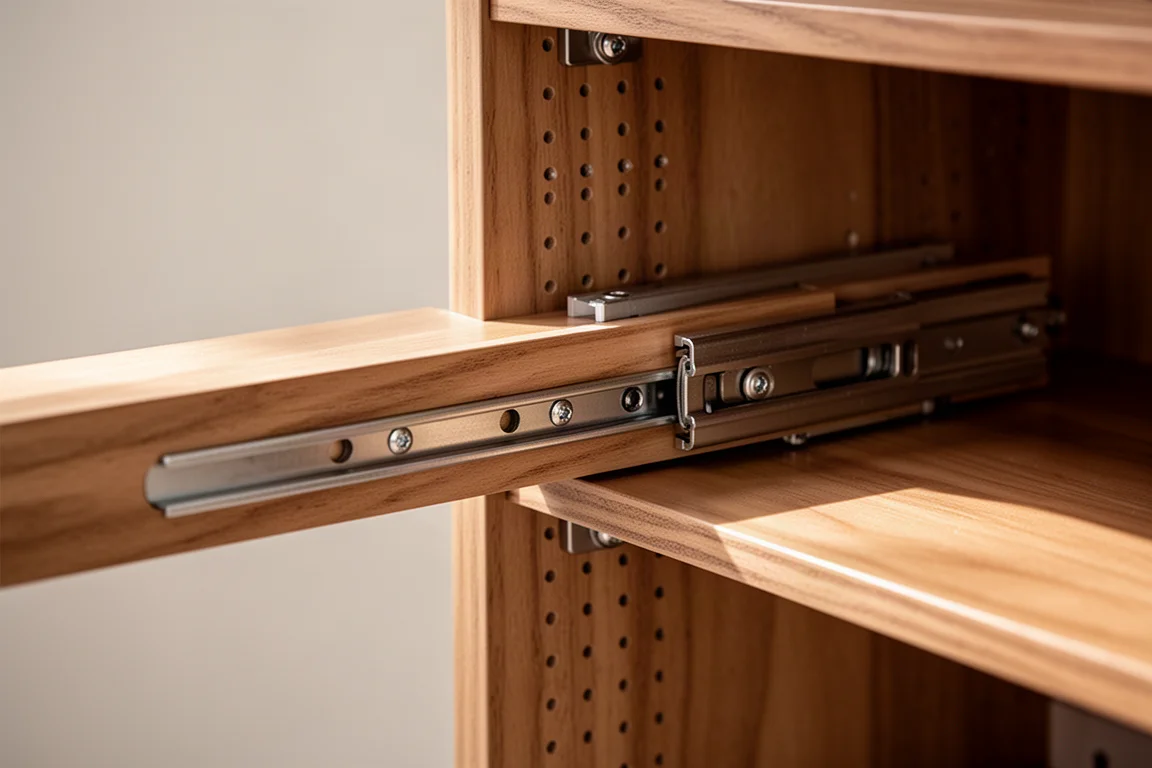
Every DreamBox includes a fold-out desk at the base. It is well designed and would be excellent for anyone without a separate desk, especially full-time artists: the white table surface plus the crown light makes a workable setup for filming progress videos with a clamp-mounted tripod over the shelves.
For anyone who already has a dedicated desk, it mostly ends up as bonus storage underneath for oversized items. Two small gripes: the hinged legs require pulling the hinges out before folding, which has pinched a finger once, and the table sits slightly raised with a gap behind it rather than sitting flush against the unit.
Assembly and Price Considerations
This is not flat-pack furniture in the casual sense. Even the pre-built version required two people to attach the doors, and the fully unassembled version would take many hours to build. The comparison to mass-market flat-pack furniture is misleading: the build quality is a clear step above, and the price is roughly in line with what high-quality furniture typically costs.
The clear tote boxes are what push the price up, and they are the priciest individual components. Getting the assembled version is worth it if budget allows and you lack a second pair of hands.
The Crown: Worthwhile Add-On or Skip?
The crown is an optional topper with a built-in light that illuminates the desk area below. It also happens to be hollow, which makes it handy for storing bulky items that would otherwise look messy on shelves.
Whether it is worth it depends entirely on your use case. If you plan to work at the fold-out desk, the light is genuinely useful. If, like many owners, you never use the desk, the crown mostly serves as attractive storage and a finishing touch for the doors. As an add-on, it is skippable if the extra cost bothers you.
Things to Consider Before Buying
The only real functional issue encountered was with door magnets. The inner doors stopped magnetizing shut once they were loaded with supplies, likely because the weight became too much for the magnets. The main outer doors never magnetized properly even when empty, possibly a fitting or alignment issue, though the hinges are not adjustable. Closing the unit with loaded doors takes a bit of patience, as items inside can catch while shutting.
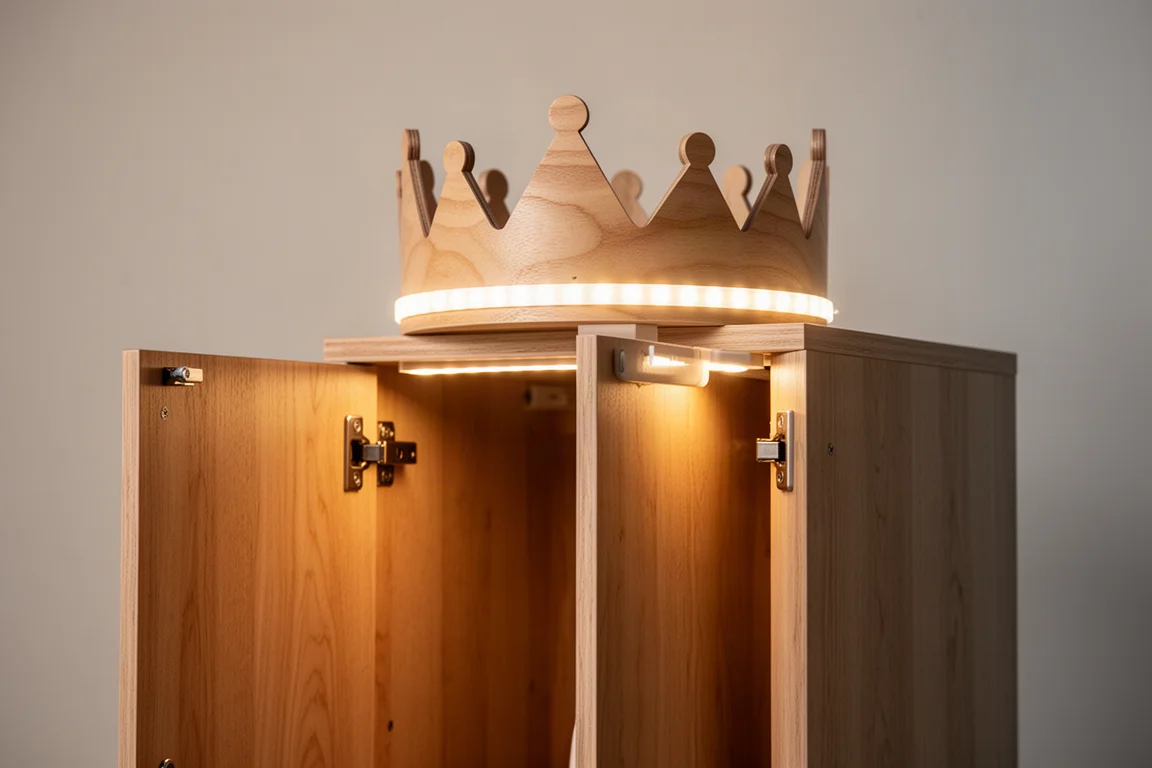
Overall, though, these are minor annoyances rather than dealbreakers. Nothing has broken, nothing has fallen, and the organization benefit has held up completely.
Buying Advice
The DreamBox makes the most sense for serious artists and crafters with large supply collections who want everything in one organized, closable unit. It is less compelling for casual hobbyists who would leave it half-empty. If you buy one, strongly consider the pre-built or assembled version, plan for two people during setup, and think carefully about whether you will actually use the desk and crown before paying for upgrades.
Conclusion
After five months of daily use, the DreamBox has genuinely earned its reputation. It is expensive, it demands space, and the magnets can be finicky, but as a long-term organization system for a serious art supply collection it has been close to faultless, and for the right buyer it is easy to recommend.
Product link
View more details for Create Room DreamBox
This product is mentioned in the review. Check the specifications, options, and compatibility before buying.
View more details for Create Room DreamBoxFurther reading
Related Reviews
3D Printing
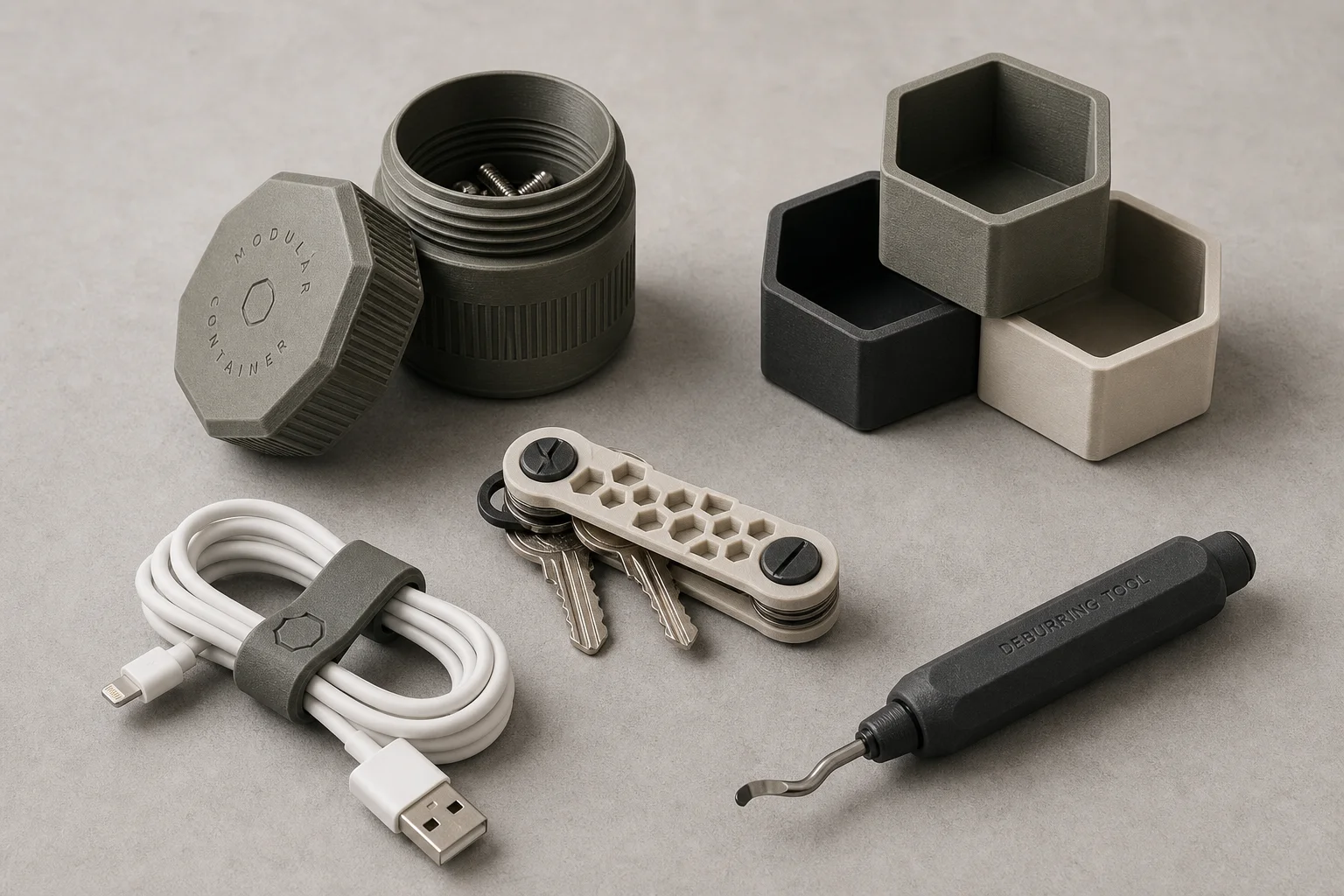
Best 3D Prints of All Time: 20+ Designs Worth Making
A curated collection of the most practical and durable 3D printed designs that deliver real value in daily use, from organizational systems to functional tools.
Camping & Overlanding
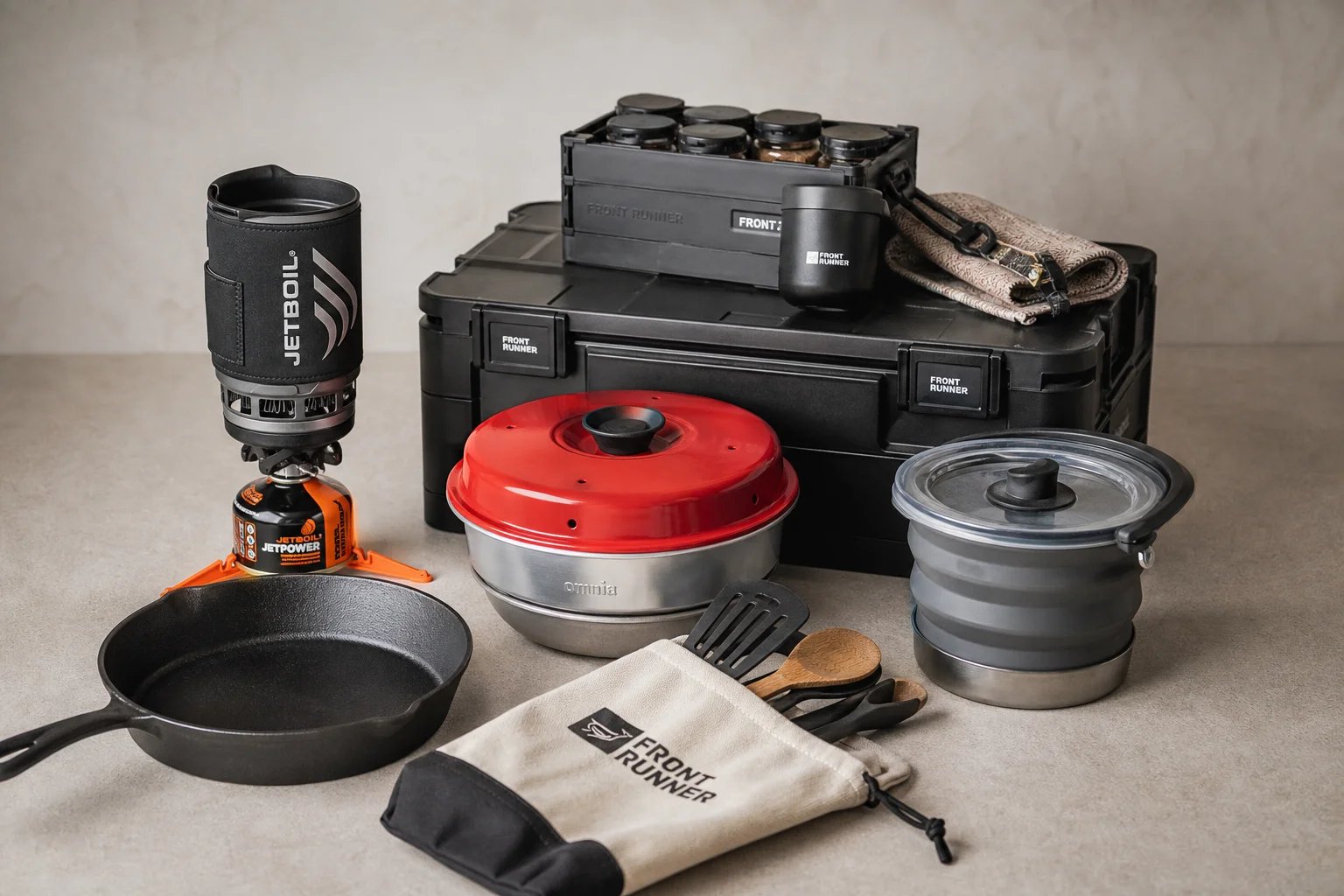
Overland Camp Kitchen Setup: A Practical Guide to Organized Cooking in the Field
Learn how to organize a compact, efficient camp kitchen that fits in one box and keeps all your cooking gear accessible and ready to use.
Travel Backpacks
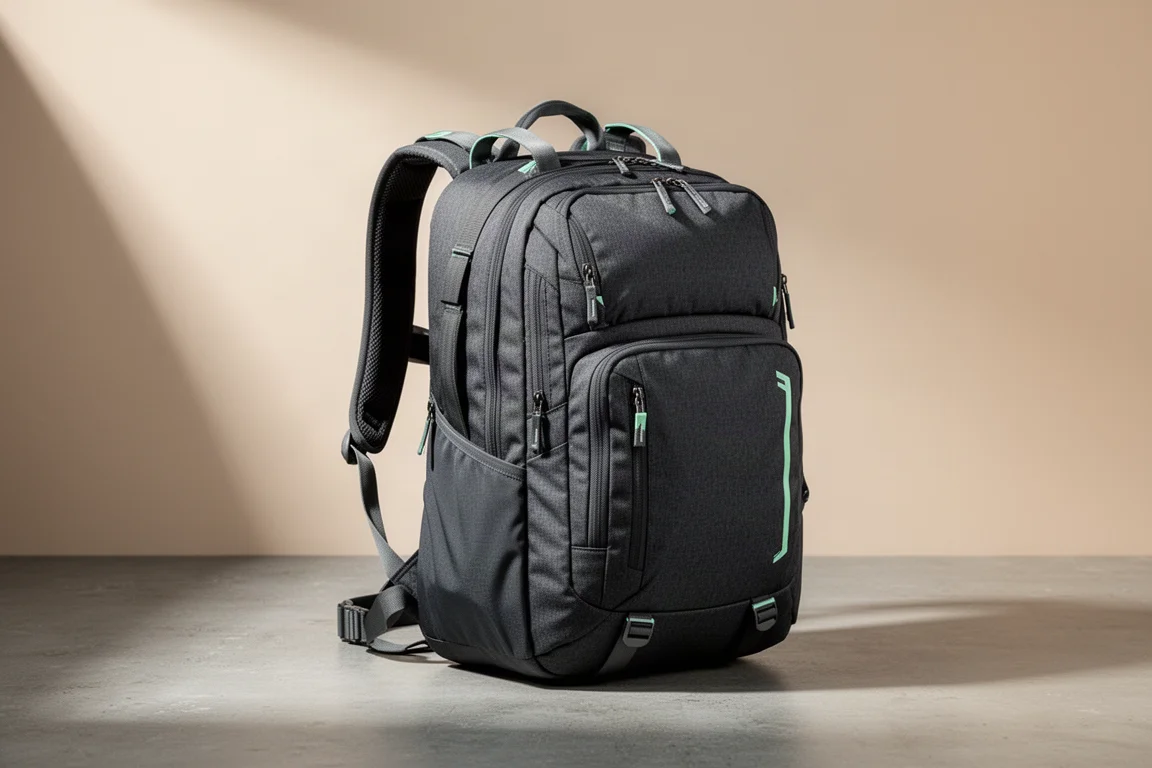
Bagsmart Blast Pro 40L Review: A One-Bag Travel Backpack With Hiking-Level Comfort
A pocket-hoarding 40L travel backpack with YKK zippers, an RFID stash pocket, clamshell opening, and luggage-style organization for around $100.