Craft Furniture
Create Room DreamBox 3 Review: A Craft Storage Workhorse, Refined
After long-term use of the DreamBox 2, a detailed hands-on look at the DreamBox 3 and the upgrades that fix nearly every complaint.
Introduction
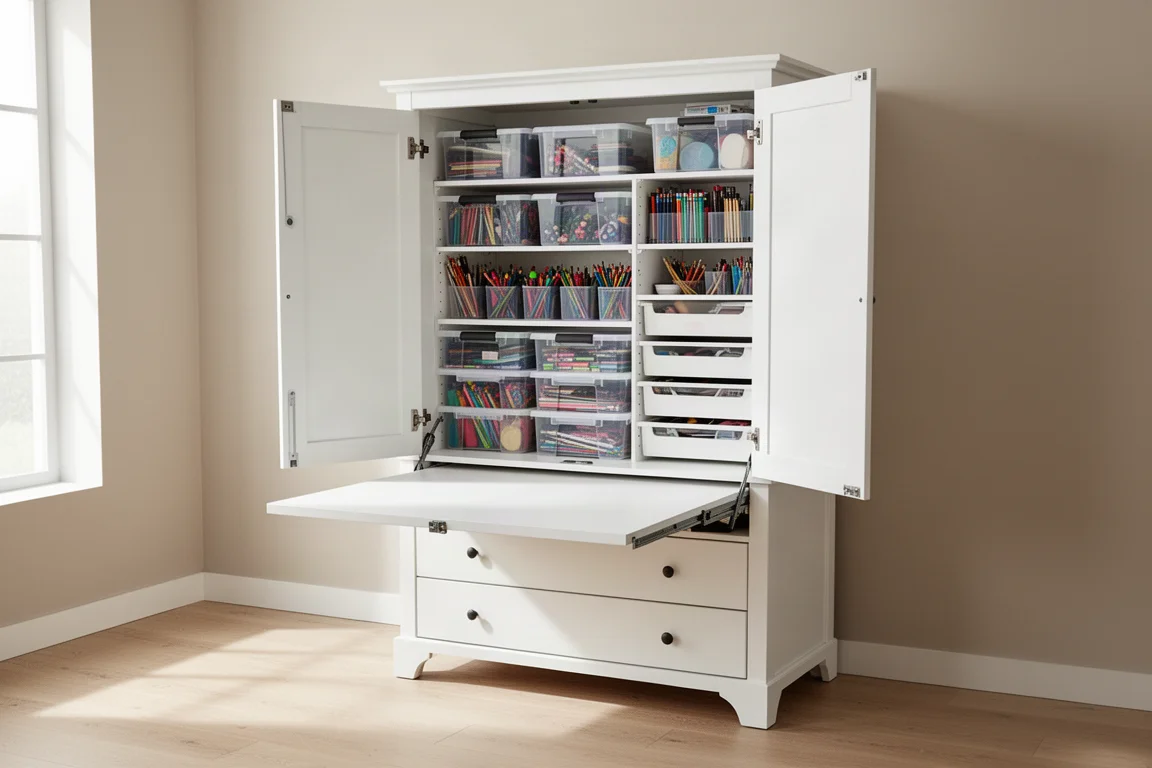
The DreamBox 3 from Create Room is the newest version of the brand’s flagship craft storage armoire, and it arrives with a clear mission: fix every pain point that owners of the previous model have been voicing. After roughly three years of daily use with a DreamBox 2, those complaints were well documented. Misaligned doors, warped side panels, brackets that pulled loose, and a fiddly fold-out table were the recurring frustrations.
The DreamBox 3 addresses essentially all of them. The result is a storage unit that feels like a genuinely second-generation product rather than a mild refresh, and in current use it earns a standout score for quality and thoughtfulness.
Who This Product Is For
The DreamBox concept is aimed squarely at artists, crafters, and small-batch makers who need a serious amount of organized storage in a footprint that closes up when not in use. Everything inside is customizable: drawers, shelves, tote placement, and shelving heights can all be arranged to fit your exact supplies and workflow.
It is particularly appealing to two groups. First, dedicated hobbyists who want every marker, yarn ball, and paint tube to have its own spot. Second, working makers and sellers who can dedicate an entire unit to one function, such as packaging supplies on one cabinet and art materials on another. Owners of the earlier model who experienced sagging doors or warped panels will find the fixes here especially relevant.
Unboxing and Delivery
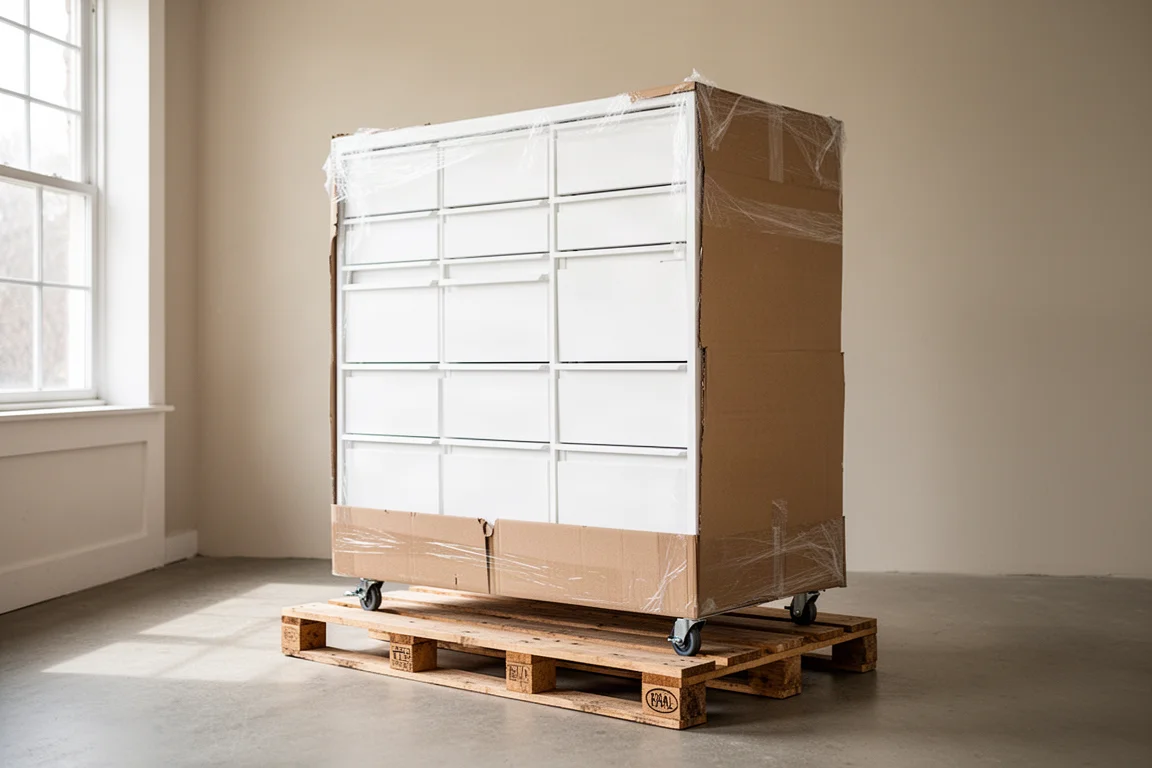
The DreamBox 3 ships in two configurations: assembled or unassembled. The assembled version arrives by scheduled freight delivery on a pallet, fitted with wheels so it can simply be wheeled into position once the protective wrapping comes off. In practice, the cardboard fell away easily and getting the unit inside was far less daunting than expected.
The unassembled version is the budget-friendly route. It does come in a lot of pieces, so it suits people who are handy or simply have the time, and the trickiest part of the final setup is screwing the side panel hinges into place. Beyond that, the rest is customization rather than construction. If saving time matters more than saving money, the assembled option is worth it.
Hardware Upgrades That Fix Old Complaints
The most important changes are the ones you cannot see from a product photo, and they target the known weak points of the previous generation.
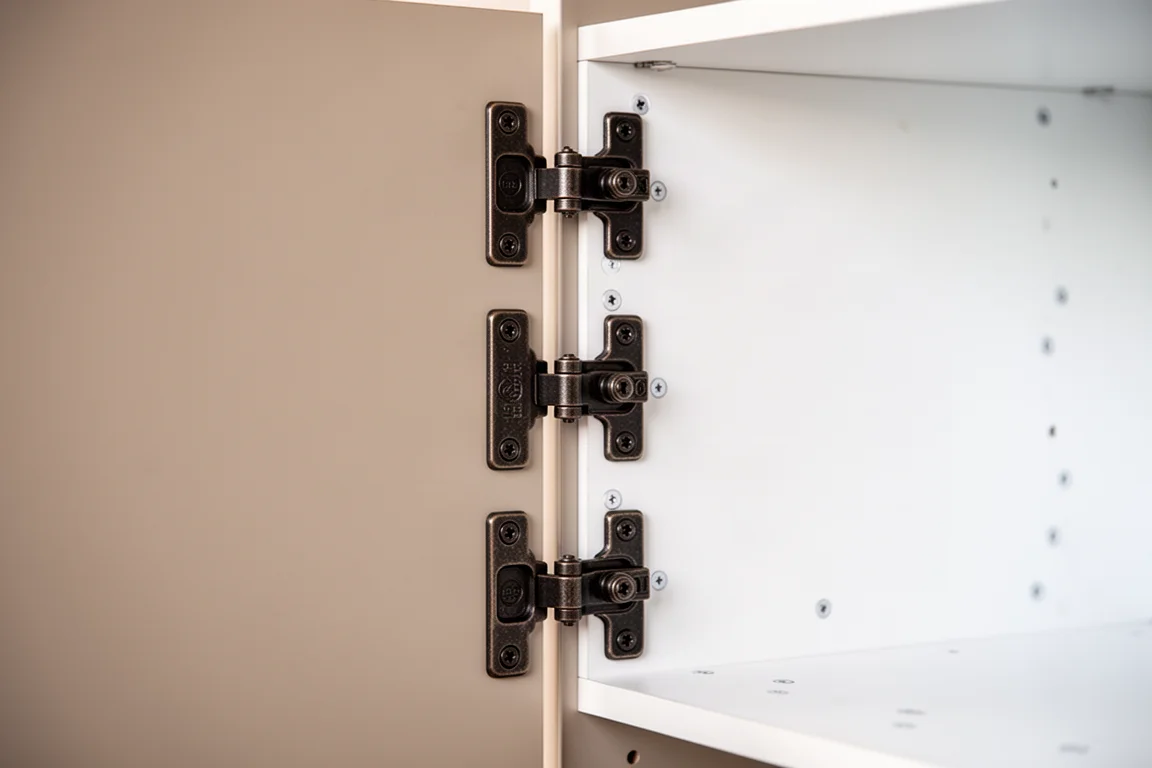
The door hinges are the headline fix. On the older model, the magnetic side panel relied on smaller hinges that were simply not strong enough. Over time, and especially after a few house moves, the door sagged until the magnets barely met and eventually stopped holding. The DreamBox 3 uses three very heavy-duty hinges running up and down the door, so the panel sits completely level and the magnet contact is full rather than half. The door now stays open and closed with confidence.
The tote brackets have been redesigned as well. The old L-shaped brackets could pull out of the side panel under load, a common complaint among owners. The new T-shaped brackets are far more sturdy underneath, resist pulling out entirely even when tugged deliberately, and support totes rated for up to 15 pounds. For heavy supplies like clay, that rating makes a real difference.
Warped side panels, another frequent issue with the previous model, are largely engineered out. The old design used one long panel spanning the full height, which was prone to bowing inward, especially in humidity. The new unit breaks that span in two with a fixed wooden shelf in the middle and two shorter, noticeably thicker panels that you install yourself. Smaller pieces resist warping far better, and the added thickness makes the whole structure feel more solid.
Even the small details moved forward. The handles are significantly larger and more solid than the older ones, giving a much firmer grip when opening and closing. The front of the unit is clean and molding-free, which some will prefer for a modern look, though owners of the older style may miss the trim. Interior accent lighting with a push button is available, threaded through the base of the unit, and the totes on the door are now finished in white rather than clear plastic.
The Redesigned Table
The fold-out work table is the single biggest difference in the whole unit, and it is a genuine leap forward. The previous table relied on fold-out legs, which were awkward to deploy, easy to pinch fingers in, and never quite sat flush. It was also slightly oversized, so it never laid completely flat unless fully extended.
The DreamBox 3 table has no legs at all. You pull it straight down and it is simply there, held firm by very strong integrated hinges that keep it level. Because the table is smaller than before, it folds up cleanly with no lip behind it. After years of wrestling with the old mechanism, the simplicity here is the feature that changes daily use the most.
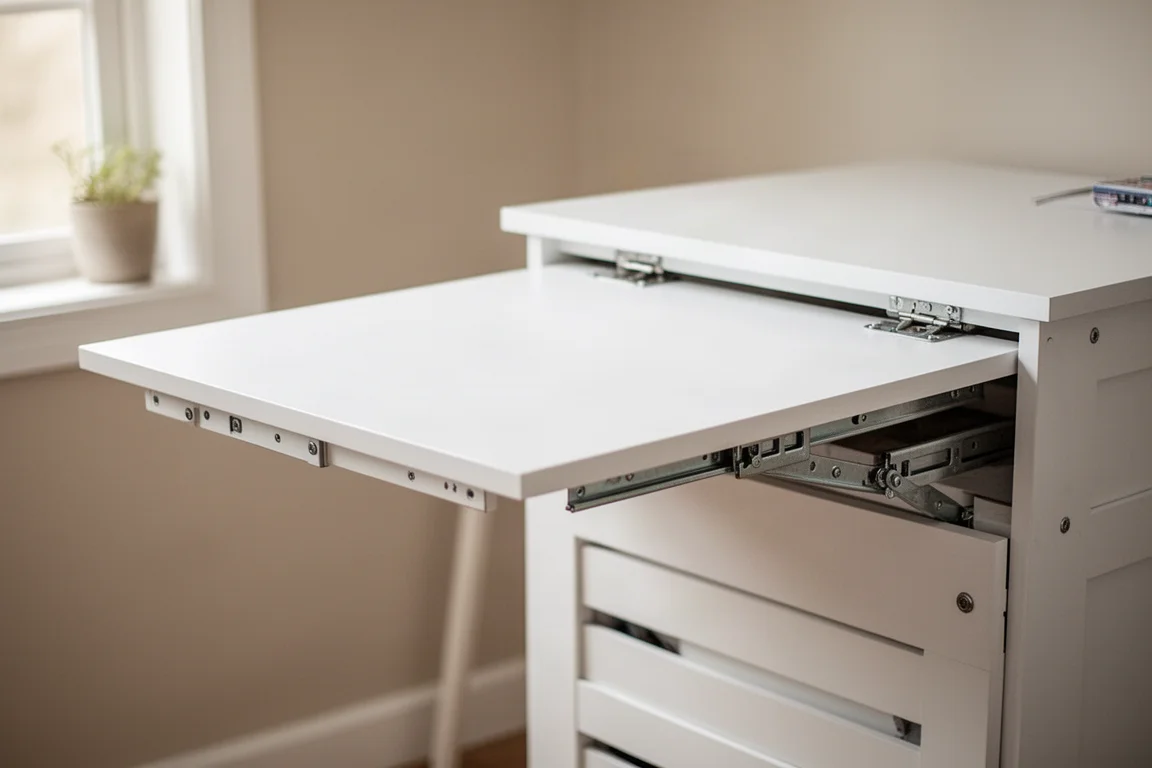
One practical note: the unit ships with stabilizer feet and a caution to attach it to the wall before folding the table down, which is sensible advice given how much weight the closed cabinet carries.
Customization and Everyday Storage
Customization is where the DreamBox 3 separates itself most clearly from its predecessor. Nearly everything inside can be rearranged. Shelves rest on bookcase-style pegs, so their height can be changed freely, and the bottom shelf is fully adjustable rather than fixed. There are more small shelves, more totes, and five metal rods for holding items like washi tape, compared with three on the older unit. The peg-based mounting is sturdier than the previous plastic rails, and the shelving itself is nearly double the thickness, which matters when shelves carry heavy craft supplies.
There is even the option of drawers at the bottom, something the earlier model did not offer, which turns what was previously wasted open space into usable storage for sketchbooks, coloring books, or finished projects. Because the layout is so flexible, owners may find they end up reorganizing more than expected, but that flexibility is exactly the point.
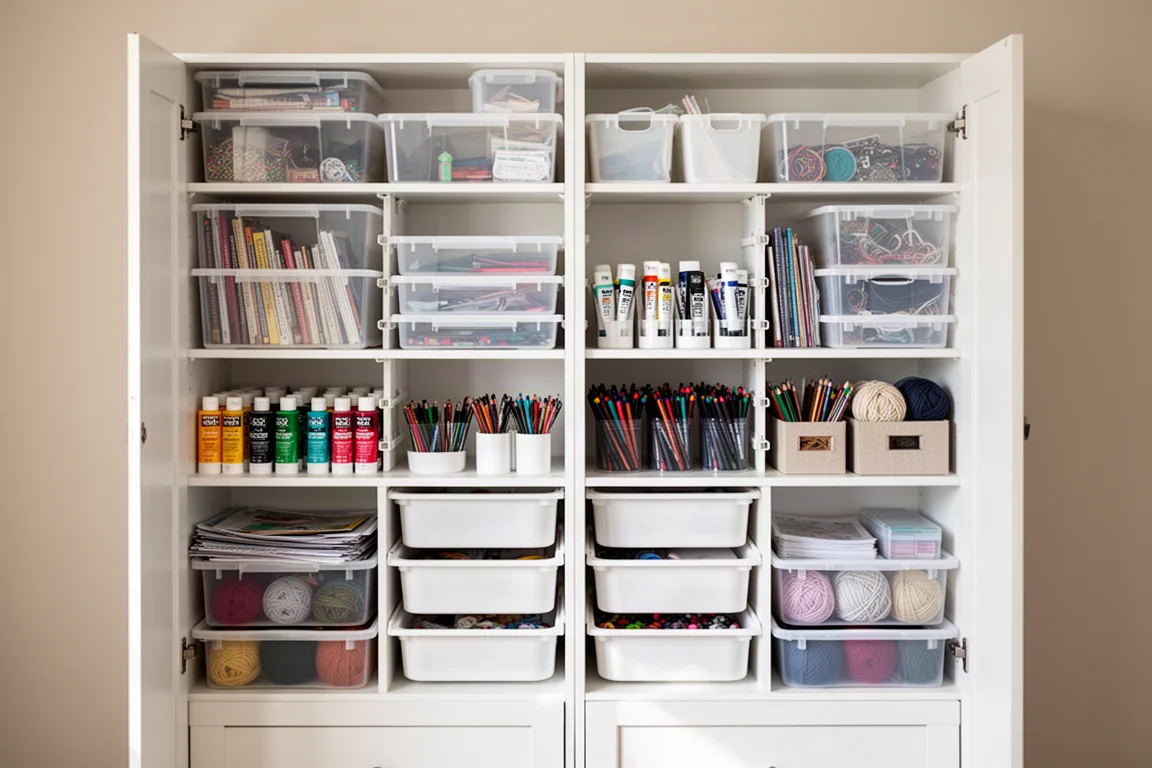
In real use, the difference shows up in tidiness. Every single item can have its own spot, which is hard to achieve on the older unit once heavier things start shifting or falling. Paints, markers, yarn, brushes, canvases, and clay all separate cleanly into their own zones, and the layout stays that way.
Buying Advice
Choose the assembled version if you want the unit usable the same day it arrives and would rather not handle freight-scale assembly. Choose the unassembled version if you are comfortable with tools and want to save money; the assembly is manageable, with the hinge installation as the main step requiring care.
If you own a DreamBox 2, the upgrade case is strong if any of the classic issues bother you: sagging doors, loose brackets, warped panels, or the awkward table. If your older unit is holding up well and you like its look, there is no urgent need to switch. The DreamBox 3 does require a bit more do-it-yourself arrangement even in assembled form, but that is precisely what gives you full control over where everything lives.
Conclusion
The DreamBox 3 takes a product that was already a favorite among crafters and removes nearly every friction point identified over years of use. Stronger hinges, sturdier T-shaped brackets, thicker split panels, better handles, and a leg-free fold-out table add up to something that feels significantly more refined than its predecessor. It is easy to score the new unit at the top of the scale, while the older model sits noticeably lower for comparison. For serious crafters and makers, this is about as good as craft storage currently gets.
Product link
View more details for Create Room DreamBox 3
This product is mentioned in the review. Check the specifications, options, and compatibility before buying.
View more details for Create Room DreamBox 3Further reading
Related Reviews
3D Printing
Best 3D Prints of All Time: 20+ Designs Worth Making
A curated collection of the most practical and durable 3D printed designs that deliver real value in daily use, from organizational systems to functional tools.
Camping & Overlanding
Overland Camp Kitchen Setup: A Practical Guide to Organized Cooking in the Field
Learn how to organize a compact, efficient camp kitchen that fits in one box and keeps all your cooking gear accessible and ready to use.
Travel Backpacks
Bagsmart Blast Pro 40L Review: A One-Bag Travel Backpack With Hiking-Level Comfort
A pocket-hoarding 40L travel backpack with YKK zippers, an RFID stash pocket, clamshell opening, and luggage-style organization for around $100.