Art Supplies
Crayola vs Caran d'Ache Luminance: Can Budget Colored Pencils Really Compete?
We put affordable Crayola pencils head to head with artist-grade Caran d'Ache Luminance to find out what actually makes the difference in the final artwork.
Introduction
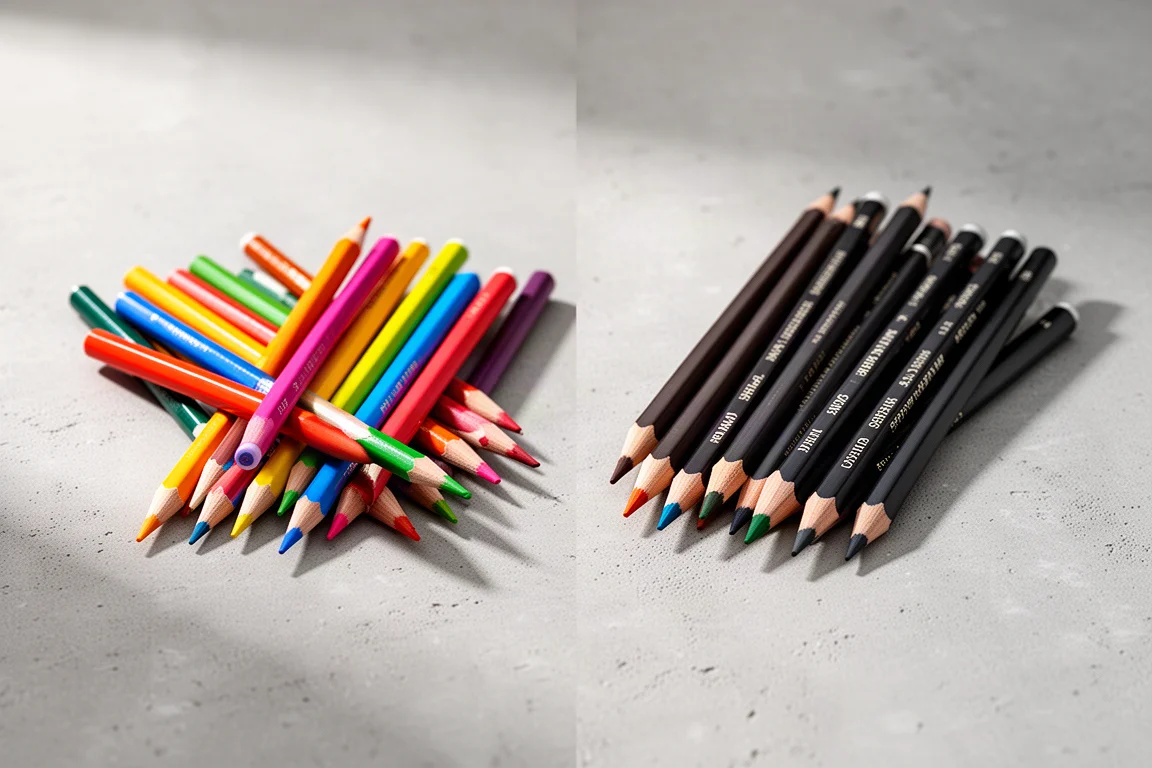
On paper, this is not a fair fight. Artist-grade Caran d’Ache Luminance pencils cost roughly ten times what an equivalent count of Crayola pencils does, and no one is seriously giving up their Luminance set. But there is a method that experienced artists use to get surprisingly strong results out of cheap pencils, and working through it reveals a lot about what you actually need for the kind of art you want to make. The biggest surprise: on the right paper, the budget option can hold up far better than expected.
Crayola Colored Pencils: The Budget Pick That Can Surprise You
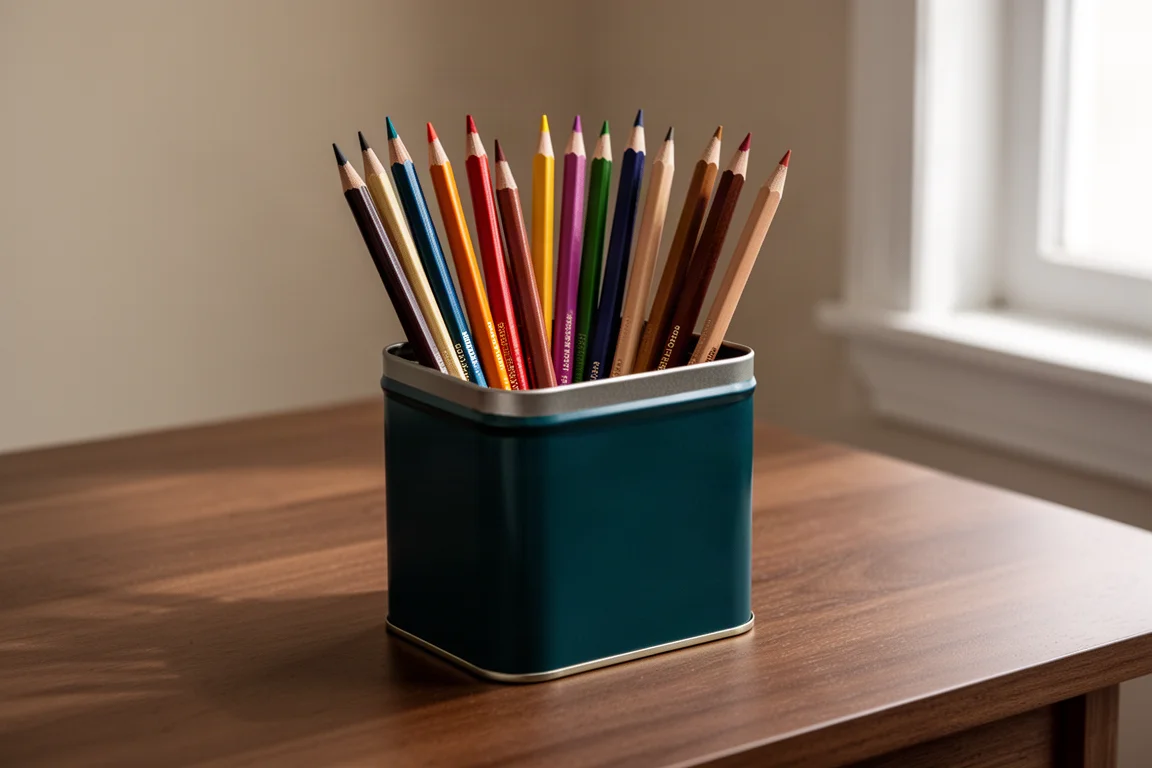
Crayola pencils are wax based, though not the buttery, easily blendable kind. They are firm, they do not really blend on their own, and a large set is worth the extra spend. A big set cost $28 on Amazon, working out at $0.24 per pencil, while a 100-count set drops that to $0.17 per pencil. Buying the biggest set also gives more of the muted and pale colors that smaller sets tend to skip in favor of bright shades, which matters a lot for realistic drawings.
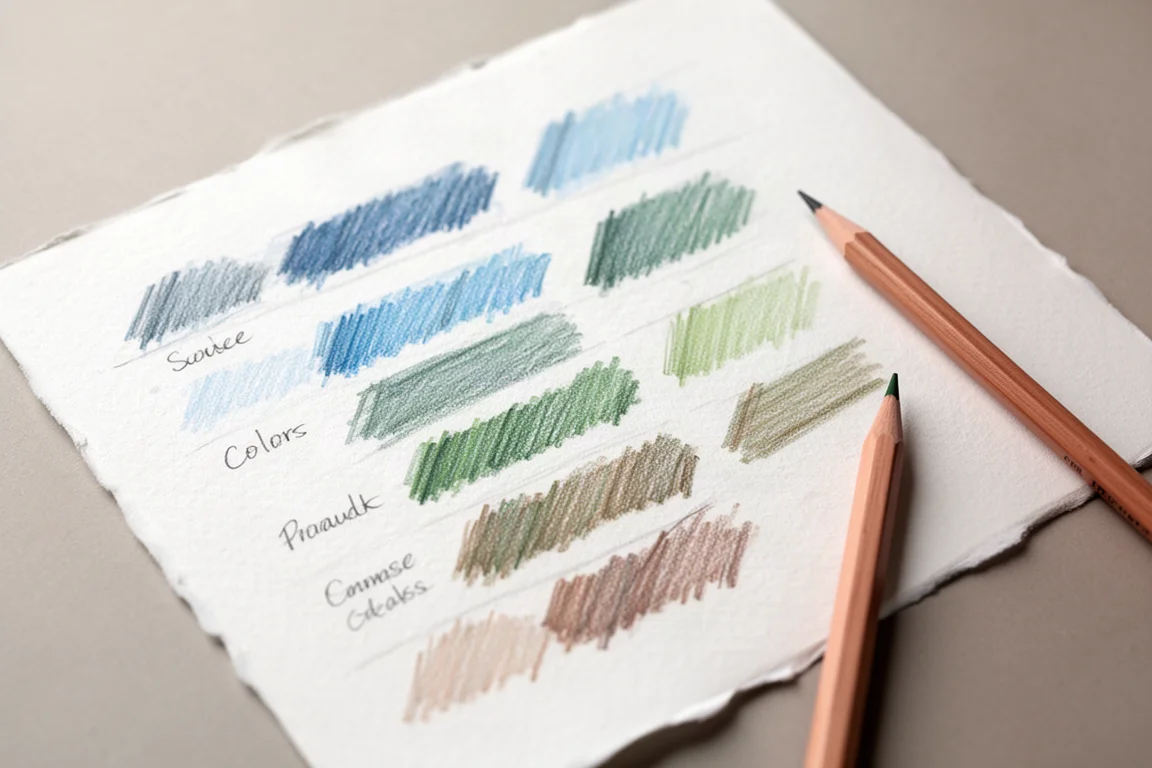
One common quirk with cheap pencils: the barrel color does not always match the actual pigment, so swatches are essential if you want to match colors precisely. Crayola pencils also have no printed color numbers, so writing names on the swatch sheet is the only reliable reference.
Getting More Out of Crayola: Layering, Solvents, and Patience
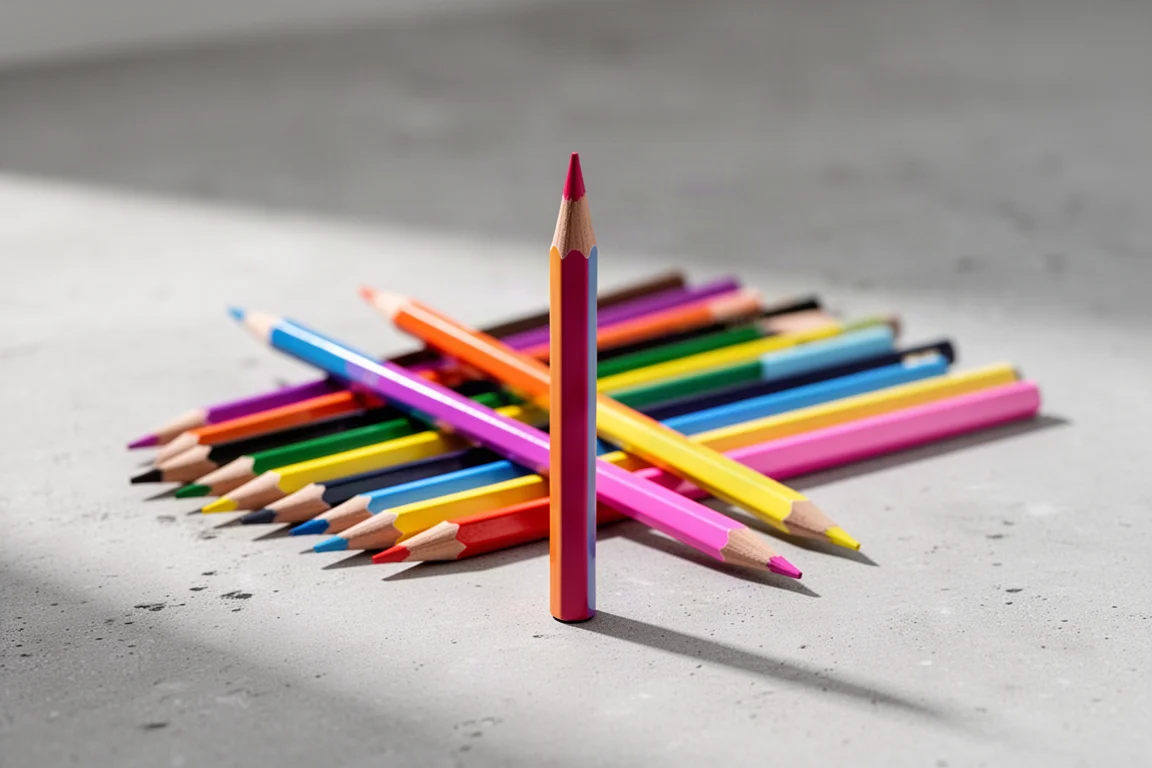
The first trick is simple: keep the points extremely sharp. Crayolas hold a sharper point than most pencils, and a sharper tip lays down more even color, feels smoother, and gets better color out of the pencil. A very sharp point is best achieved with a long-point sharpener, and these pencils are well suited to inexpensive bulk sharpeners because their hardwood casings are hard on premium sharpener blades.
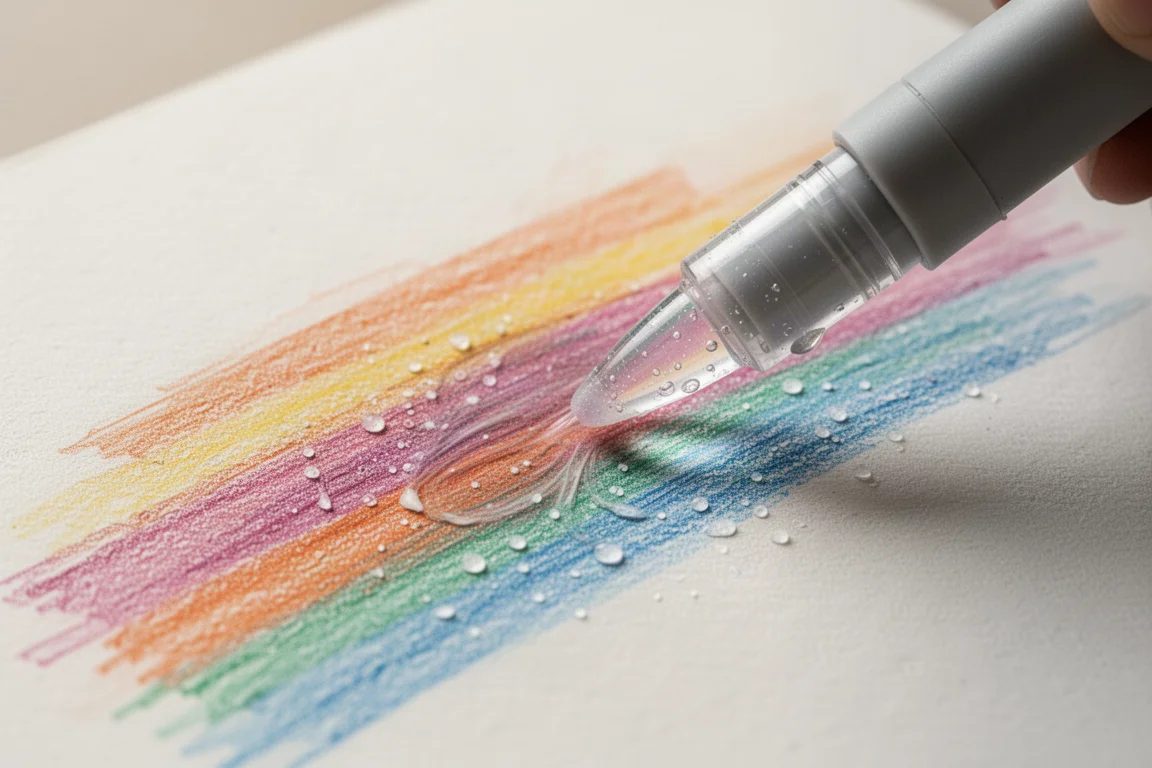
Blending helps too, but choose solvents carefully. Isopropyl alcohol in a DIY alcohol pen spreads color into the paper and eliminates white specks, then you can layer again once it dries. Odorless mineral spirits work even better with wax pencils but need good ventilation. Avoid baby oil, which never seemed to fully dry and left a lasting stain in testing. Most importantly, test any blending product and let it sit for months before trusting it on artwork you care about.
Above all, technique matters more with cheap pencils. Every layer counts: mistakes on lower layers will show through, and pressing too hard ruins the finish. Good results take more layers, more time, a lighter hand, and patience.
Caran d’Ache Luminance: The Artist-Grade Option
The Luminance pencils are the luxury end of the comparison, and the experience is completely different. They blend and layer easily, the colors are bold, and it takes almost no effort to get color onto the page. They are not quite as soft or buttery as some rivals and can even feel slightly chalky, so they perform better on some papers than others.
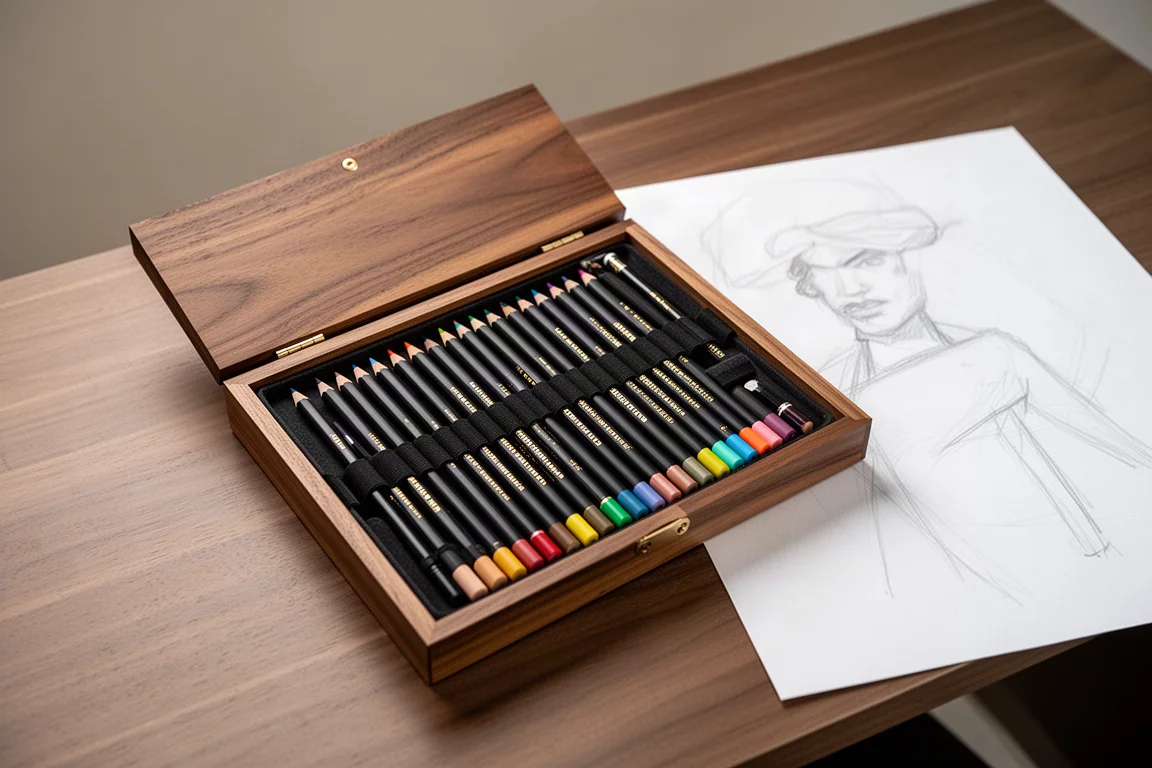
Quality pencils are simply more forgiving. You can be rougher, lay down more color early, and not worry about stray lines. The high price is largely tied to their lightfastness rating, which mainly matters if you sell your work professionally. Many mid-range pencils offer much of the same performance for less, so if these are out of budget, there is no need to panic. But if you want something special that sits a step above other popular artist brands, this is a top choice.
Head to Head: What the Comparison Reveals
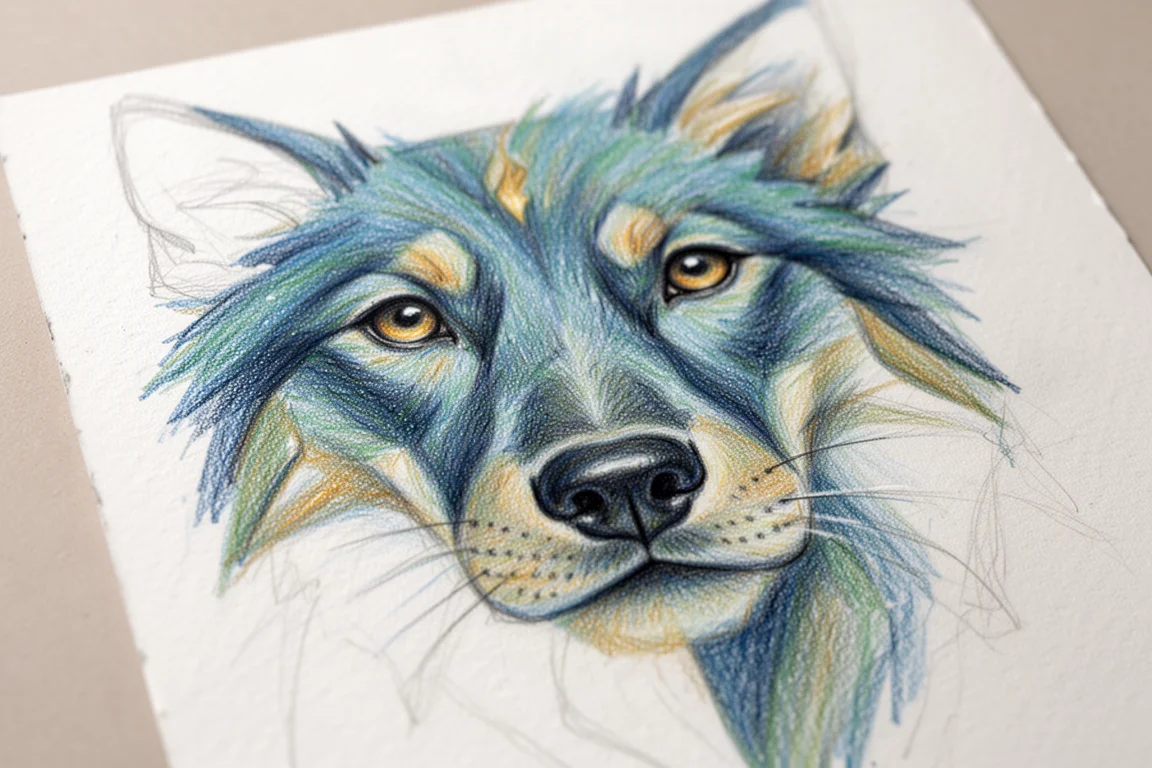
Working on both drawings with a limited palette of blues, greens, and gold highlights, the Crayola side took about three and a half hours versus three hours on the Luminance side, with no solvents used on the Luminance to keep the comparison fair. The Luminance results were as expected: smooth, rich, and easy to control.
The surprise was that the Crayola side performed remarkably well, and the single biggest reason was the paper. Cheap pencils cannot rely on cheap paper. A good textured paper was the key to layering the Crayolas well enough that they held up against the luxury pencils, and it is an underrated factor that matters far more than most beginners assume.
Conclusion
There is no question that Caran d’Ache Luminance pencils are the superior tool: forgiving, enjoyable, and built for professional results. But Crayola pencils, paired with sharp points, careful layering, solvent blending done cautiously, and above all decent paper, can produce artwork you will genuinely be proud of. If you are starting out, the budget set plus good paper is a smart first investment. If colored pencils have become a serious pursuit and you want tools that work with you rather than against you, the Luminance set is the upgrade worth saving for.
Further reading
Related Reviews
Art Supplies
Art Pop Watercolor Pencils 48-Color Set: A Thoughtfully Designed Student-Grade Option
The Art Pop 48-color watercolor pencil set blends well, dissolves smoothly, and includes artist-friendly details like barrel-printed color names, all at an affordable price.
Art Supplies
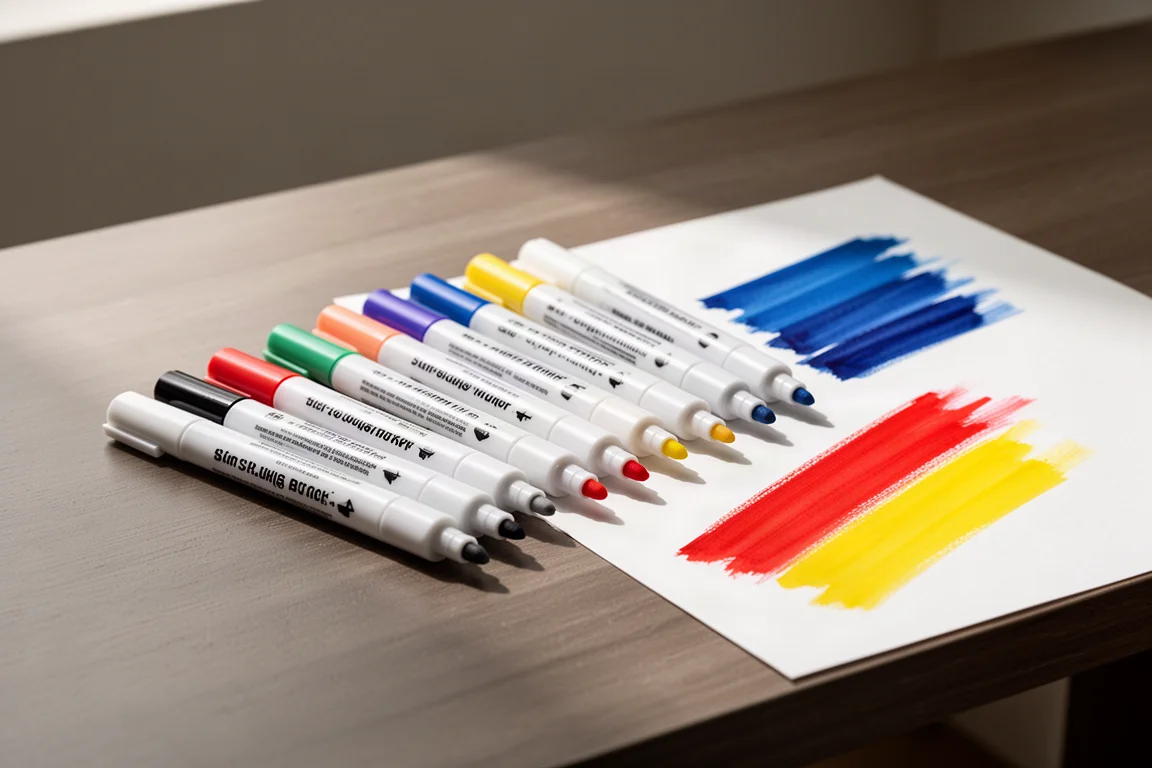
Artics Acrylic Markers 3mm Review: Versatile Paint Markers With a Few Caveats
A 48-color set of water-based acrylic paint markers that blend while wet, dry permanent, and keep the price low, though safety transparency remains a question.
Art Supplies
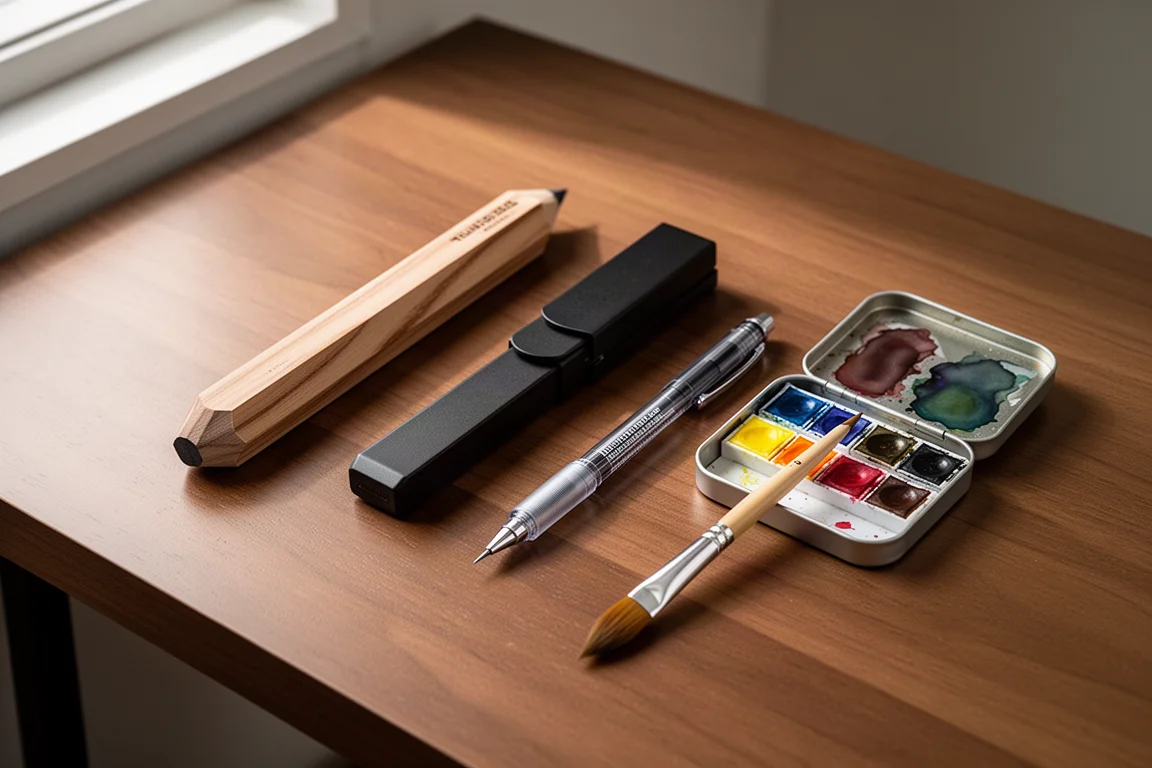
Best Art Supplies Worth Your Money: Pencils, Pens, Paints, and Paper That Earned Their Spot
After years of daily use and testing, these are the pencils, pens, watercolors, gouache, brushes, sketchbooks, and erasers that stand above the rest.