Art Supplies
Crayola All Grown Up Alcohol Markers and Paint Markers: Honest Review and How They Compare
Crayola's new adult line includes alcohol markers and paint markers. We put them through full testing against Ohuhu, Olo, and Grabie to see if they are worth buying.
Introduction
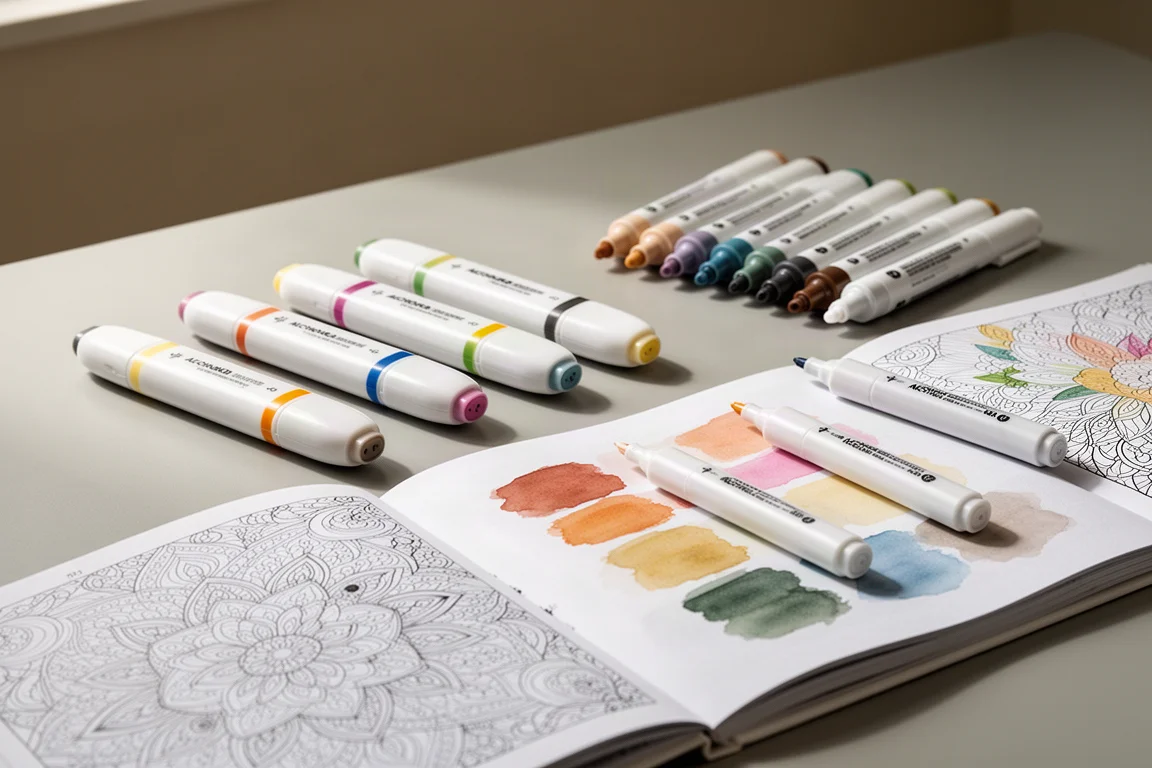
Crayola’s new “All Grown Up” line marks the company’s most serious attempt yet at the adult art market, and it arrives with real weight behind it: a 120-color alcohol marker range, acrylic paint markers, and themed coloring content aimed squarely at lapsed creatives who grew up with the brand.
The launch follows years of mixed results for Crayola’s adult-oriented products, so the big questions are simple. Are the new markers actually good? And are they worth buying in a market already crowded with strong, affordable alternatives like Ohuhu, Olo, and Grabie?
How We Tested
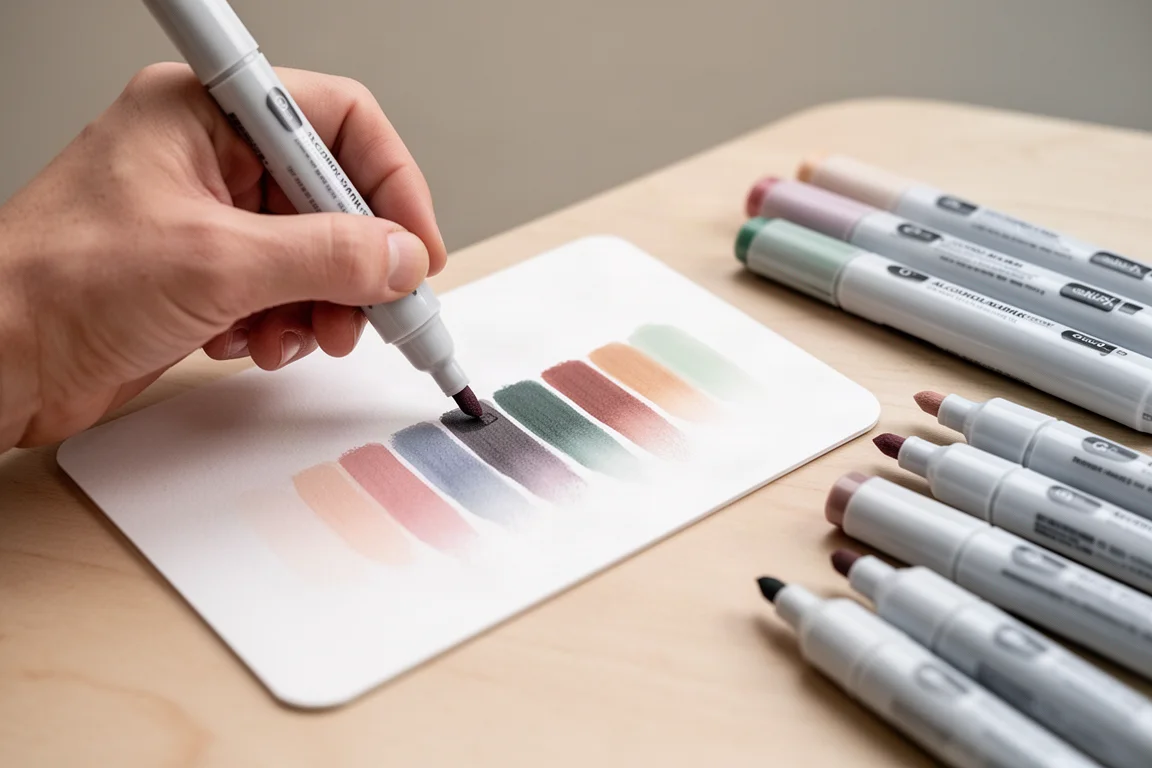
Every marker in this comparison went through the same routine: general handling experience, blending performance, color accuracy, tip quality, bleed-through, and a close look at the internal tip construction. Testing was repeated across multiple paper types, including coloring book paper, general sketchbook pages, and dedicated marker blending cards from Olo and ExpressIt, using the same technique each time to keep results comparable.
One important caveat before the results: these are not positioned as artist-grade supplies, and they are not priced like artist-grade supplies. Keep that framing in mind throughout.
Crayola All Grown Up Alcohol Markers
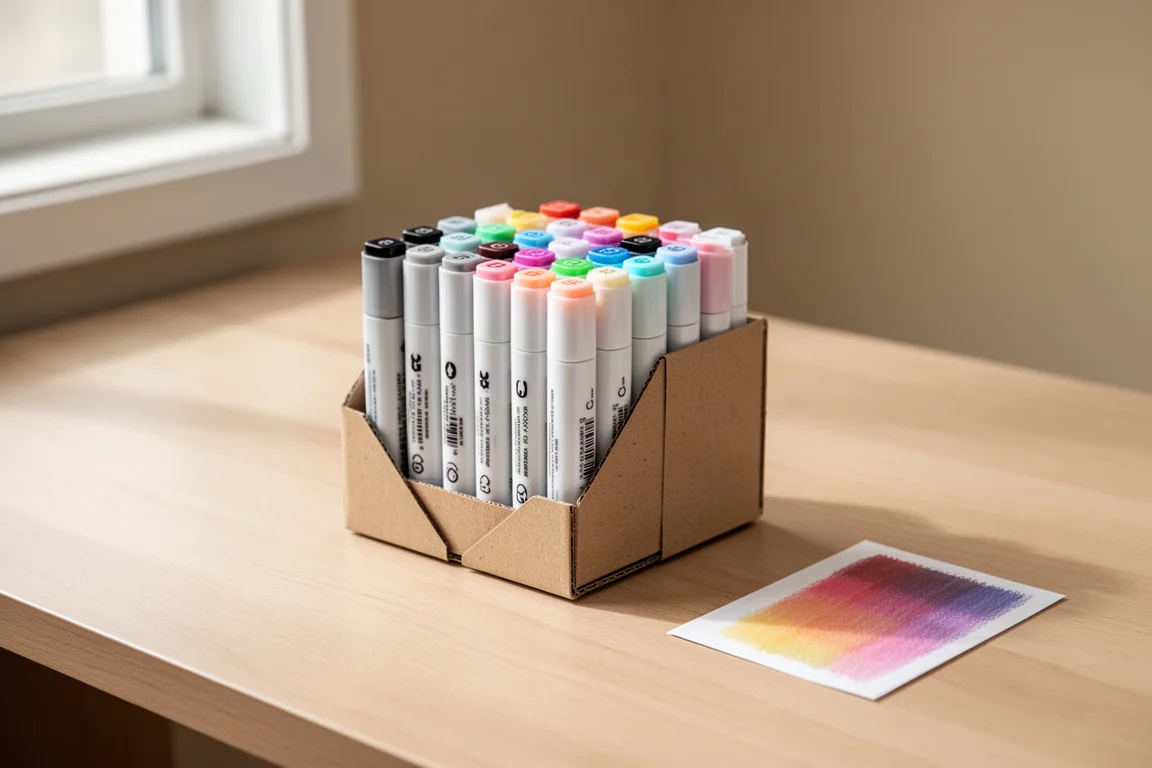
The alcohol markers are the headline product, and the presentation is genuinely thoughtful. The magnetic case feels substantial, the markers arrive pre-sorted in a colorful arrangement, blank swatch cards are included, and each barrel carries the color code and color name. The 120 set sits alongside 8-count curated colorway sets, 20 and 40 counts, and an 80 count coming to market, with the 60 and 120 sets currently exclusive to Amazon. Combining the 120 set with the 8-packs yields roughly 147 unique colors, since each 8-pack repeats at least one color from the 120.
Blending was the biggest surprise. Expectations from early impressions suggested these would struggle, but in testing they blended better than anticipated, including some genuinely difficult color combinations. The ink lays down drier and lighter than most alcohol markers, which actually gives you more control when building up layers and gradients.
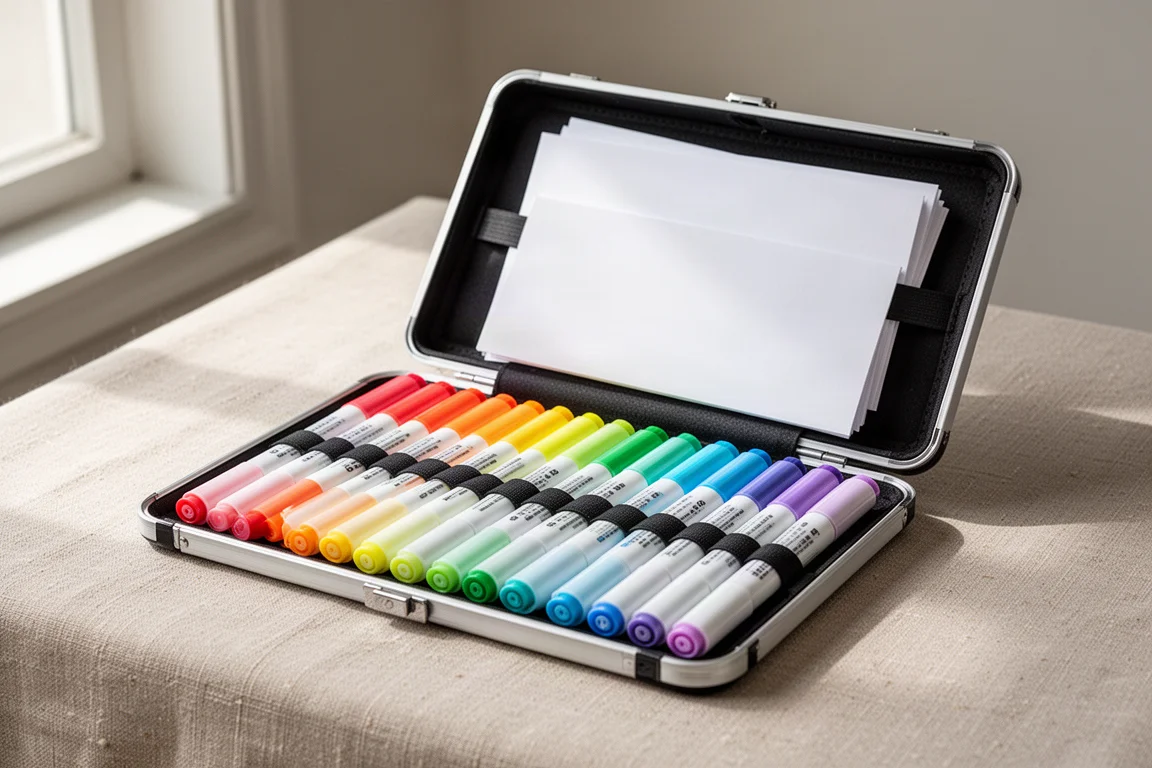
The trade-offs, however, are significant. The ink feels heavy on filler rather than pigment, many markers already run dry quickly, and the fine tip is stiff and scratchy, producing uneven lines. The tips themselves are felt, closer to a water-based brush marker than the foam or nylon tips most alcohol marker brands use, which affects both feel and long-term durability. The color numbering system is also inconsistent and confusing, something Crayola has publicly acknowledged and committed to fixing with a more conventional alphanumeric system.
Crayola Paint Markers
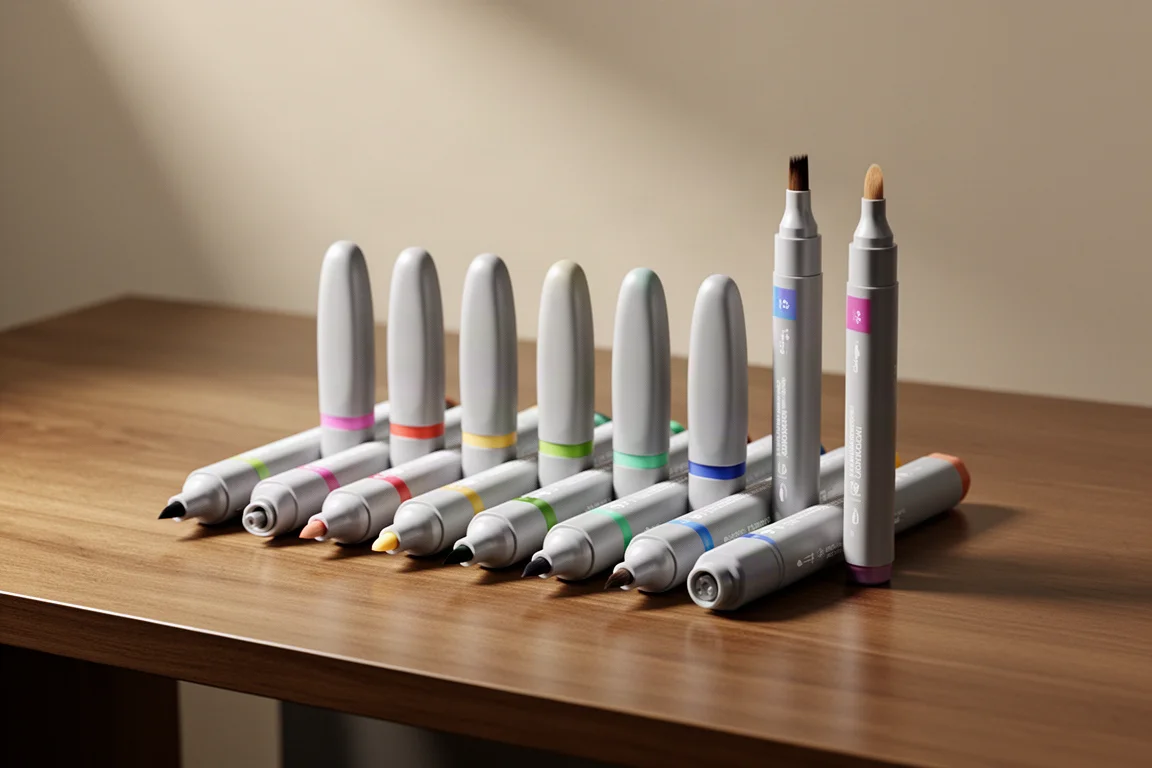
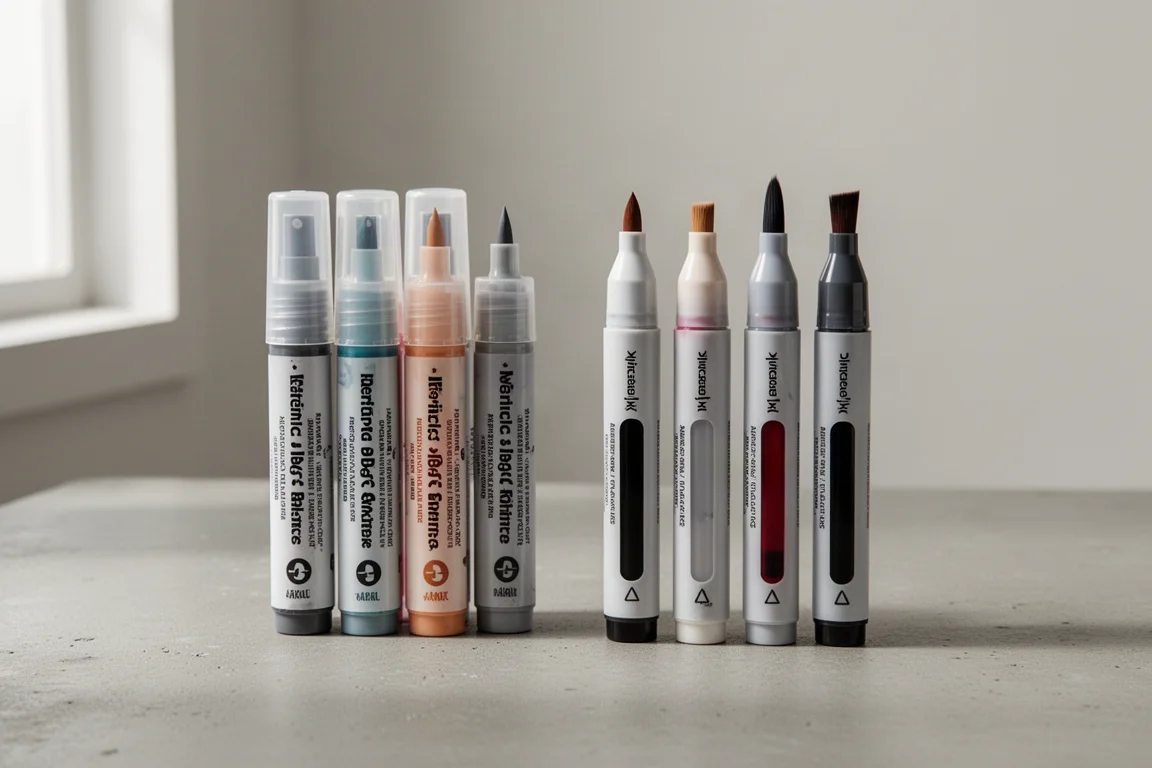
The paint markers come in two versions: a pump-action set and a newer direct-ink style with a brush tip. Both start at only 10 colors per set, which feels limiting at launch.
The pump-action markers were inconsistent between colors. Some delivered bold, opaque paint coverage, while others looked washed out, even on a black glossy swatch card. The brush-tip direct-ink markers performed better and felt like a typical paint marker, but they were not noticeably better or worse than comparable brands, aside from the restricted color range. Neither set includes color names or codes, and the pump-action set’s only ink window is at the tip, which makes color selection awkward.
The 10-pack sits at just over $11 on Amazon US, but twice as many markers are available from Ohuhu for roughly one dollar more. At the same price per marker, several competing brands perform as well or better.
Bleeding, Smell, and Tip Quality
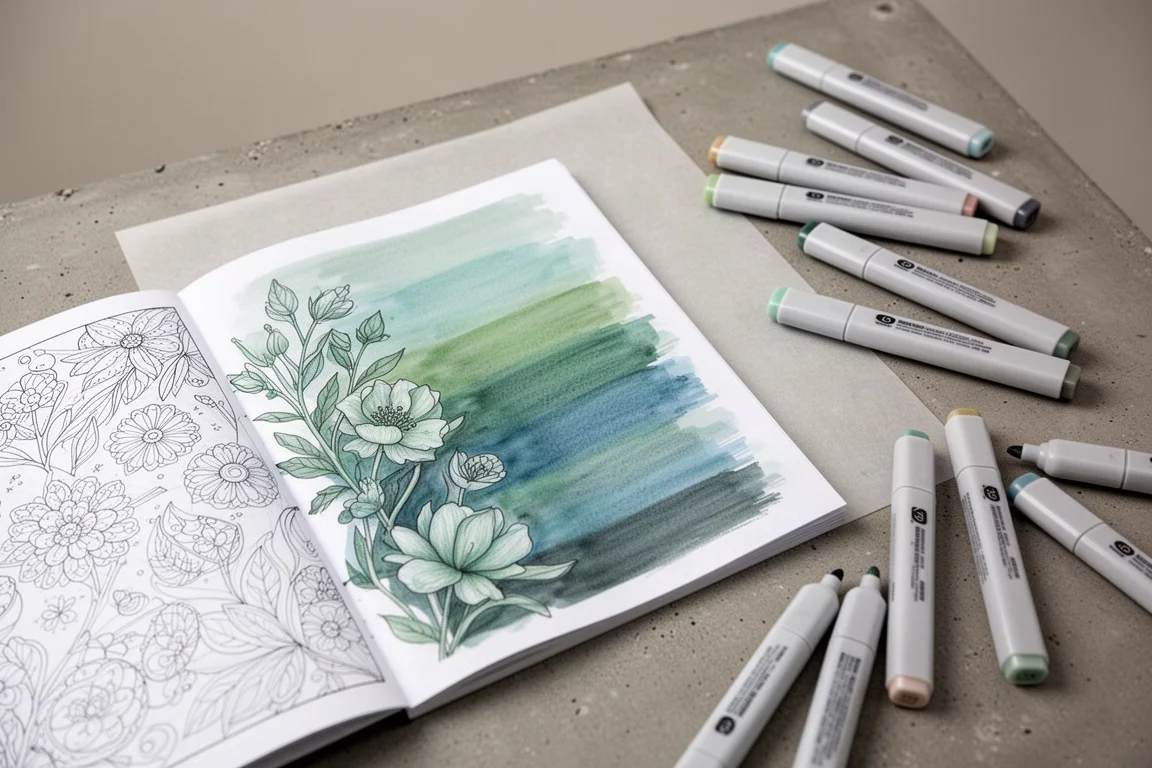
Two issues deserve their own section because they affect everyday use more than anything else. First, bleeding. All alcohol markers bleed through paper, but after extensive testing on multiple papers, the Crayola markers bled more than any other brand tested, both through the page and outside the lines, and the more you blend, the worse it gets. Crayola’s coloring books include an included blotter sheet, which helps somewhat, though the shiny plastic surface causes ink to spread outward rather than absorb downward.
Second, the smell. The alcohol odor is intense enough that coloring a full page caused a slight headache during testing. Sensitive users or those working in small spaces should factor that in.
Paper choice matters enormously here. Smooth, slightly shiny marker blending paper, such as Olo or ExpressIt blending cards, gives the ink time to work before drying, while cheaper printer paper and most Amazon coloring book pages absorb more ink and make blending harder. Crayola’s own coloring book paper has a slight texture, which is not ideal for alcohol markers and can create a spotty finish.
Ohuhu Alcohol Markers
Ohuhu is the dominant force in the affordable alcohol marker market, offering a huge color range at a price that undercuts the traditional premium brands by a wide margin. Head to head against the Crayola set, Ohuhu came out ahead overall: brighter, more saturated color, more generous ink flow, and proven reliability at the same general price point.
The heavier ink flow cuts both ways. Ohuhu markers release a lot of ink, which can pool and make precise blending harder if you are not used to working fast. But for most colorists, that saturation is a feature, not a bug. The pre-sorted rainbow organization inside the case is something Ohuhu historically lacks, so packaging is one area where Crayola genuinely has an edge.
Olo Alcohol Markers
Olo represents the more premium end of the comparison. Its dedicated marker blending card performed well across all brands, and the brand’s paper expertise reflects its position as a marker-first company. For colorists who care about archival-quality blending surfaces, refined tip performance, and a more polished overall experience, Olo justifies its higher price in a way the new Crayola line does not attempt to.
Olo is the better choice if blending quality and paper systems matter more to you than price, and it pairs naturally with the brand’s own blending cards for the best results.
Grabie Alcohol Markers
Grabie fills the budget slot in this comparison. As a cheaper marker, it sits below Ohuhu on refinement but still participates in the core finding of the blending tests: all of these brands can blend, and the paper you choose makes the biggest difference to results.
For casual colorists, gift buyers, or anyone testing whether alcohol markers are even their medium, Grabie offers an accessible entry point without much financial risk. It does not challenge the more established brands on quality, but it does not pretend to.
Buying Advice: Should You Buy Crayola or a Competitor?
The honest answer depends on what you want from the brand. If your main draw is nostalgia and relatable, giftable packaging paired with coloring content designed for returning creatives, the Crayola All Grown Up line does that job well, and the 8-count curated sets make particularly nice gifts alongside the coloring books.
If your priority is pure performance per dollar, the competition currently wins. Ohuhu offers the same approximate pricing with stronger color and proven blending. Olo delivers a more refined premium experience. Grabie undercuts everyone on price. The Crayola markers are not bad; they are simply unremarkable in a market full of competent options.
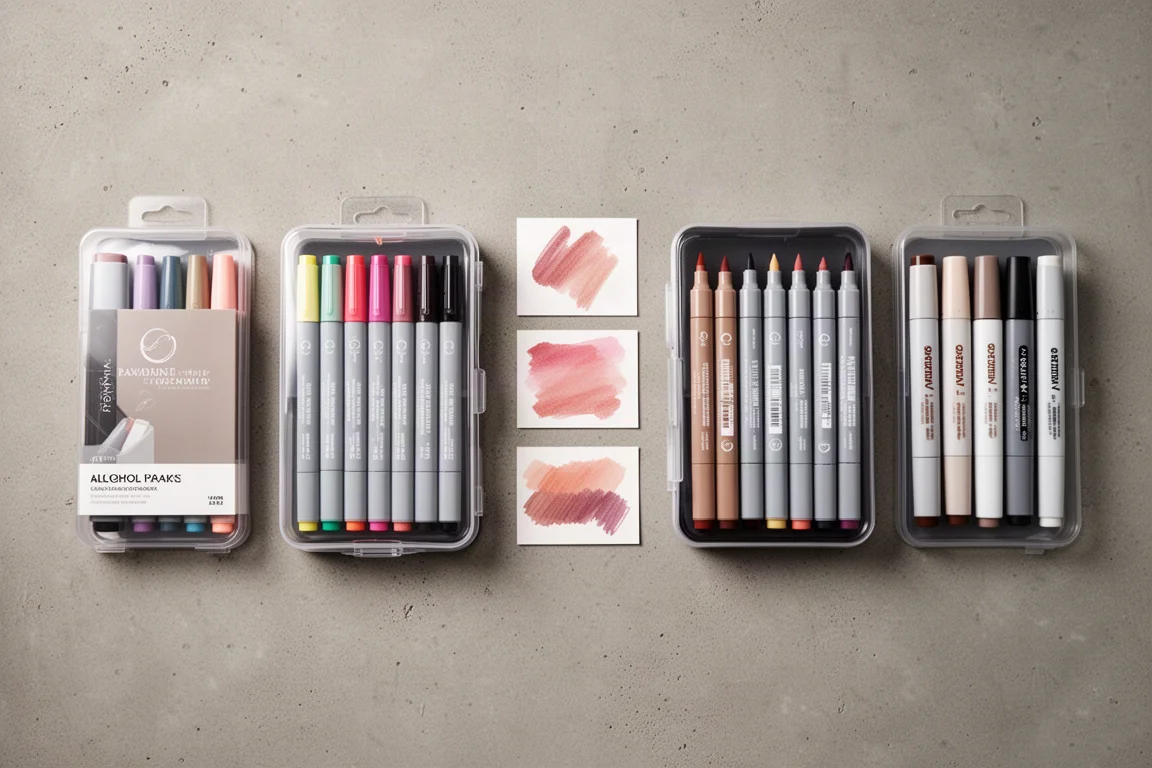
It is also worth knowing that Crayola has acknowledged two of the biggest complaints, the confusing color numbering system and quality control issues like scratchy fine tips and dry markers, and has said improvements to the numbering system are being expedited. If numbering matters to you, waiting for the revised system may be the smarter move.
Conclusion
Crayola’s All Grown Up alcohol markers blend better than early impressions suggested and come in genuinely well-designed packaging, but stiffer fine tips, faster drying ink, heavier bleed, a strong smell, and a confusing numbering system hold them back. The paint markers are average at best and add nothing new to the category. For now, established rivals like Ohuhu, Olo, and Grabie offer equal or better quality at equal or lower prices, and Crayola’s strongest assets are its brand familiarity, packaging, and coloring content rather than the markers themselves.
Further reading
Related Reviews
Art Supplies
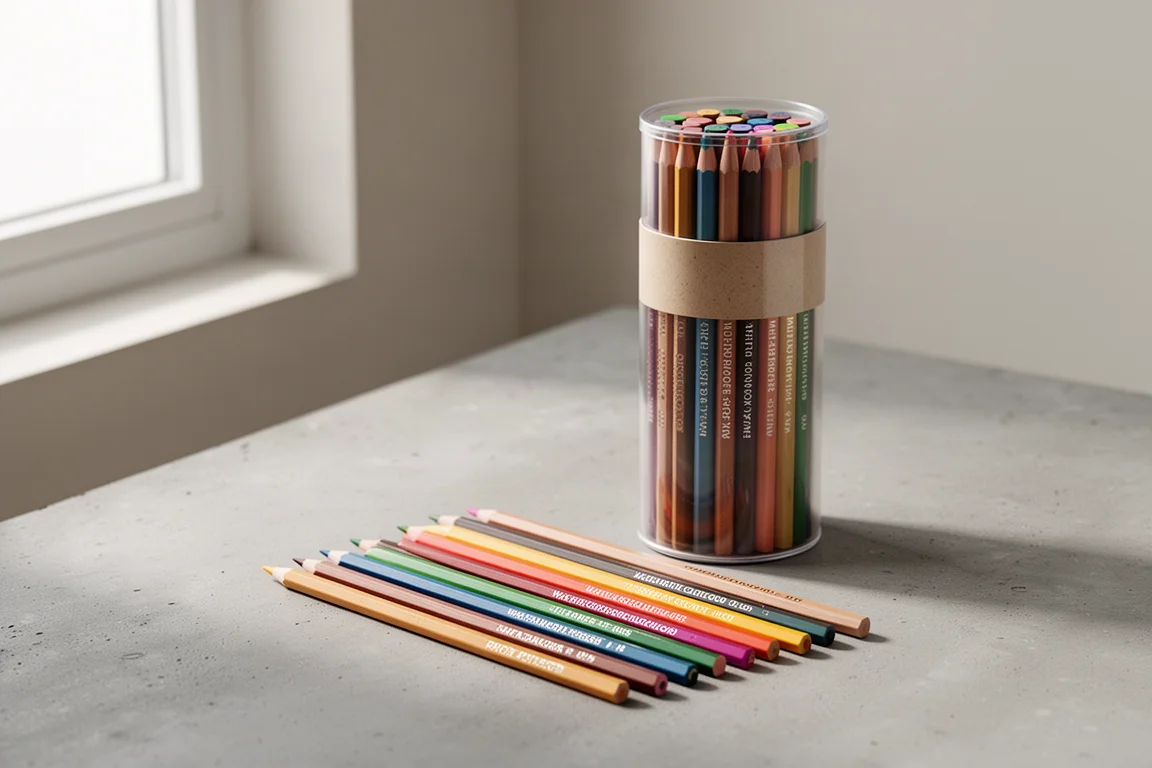
Art Pop Watercolor Pencils 48-Color Set: A Thoughtfully Designed Student-Grade Option
The Art Pop 48-color watercolor pencil set blends well, dissolves smoothly, and includes artist-friendly details like barrel-printed color names, all at an affordable price.
Art Supplies
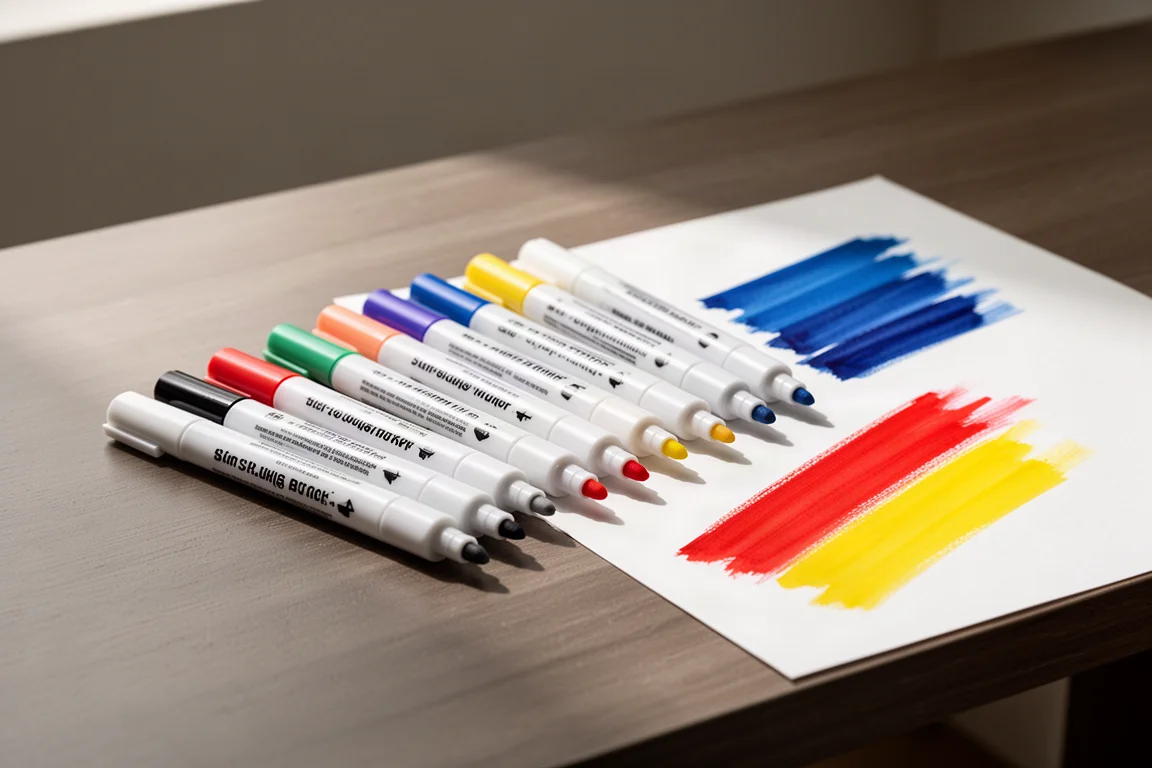
Artics Acrylic Markers 3mm Review: Versatile Paint Markers With a Few Caveats
A 48-color set of water-based acrylic paint markers that blend while wet, dry permanent, and keep the price low, though safety transparency remains a question.
Art Supplies
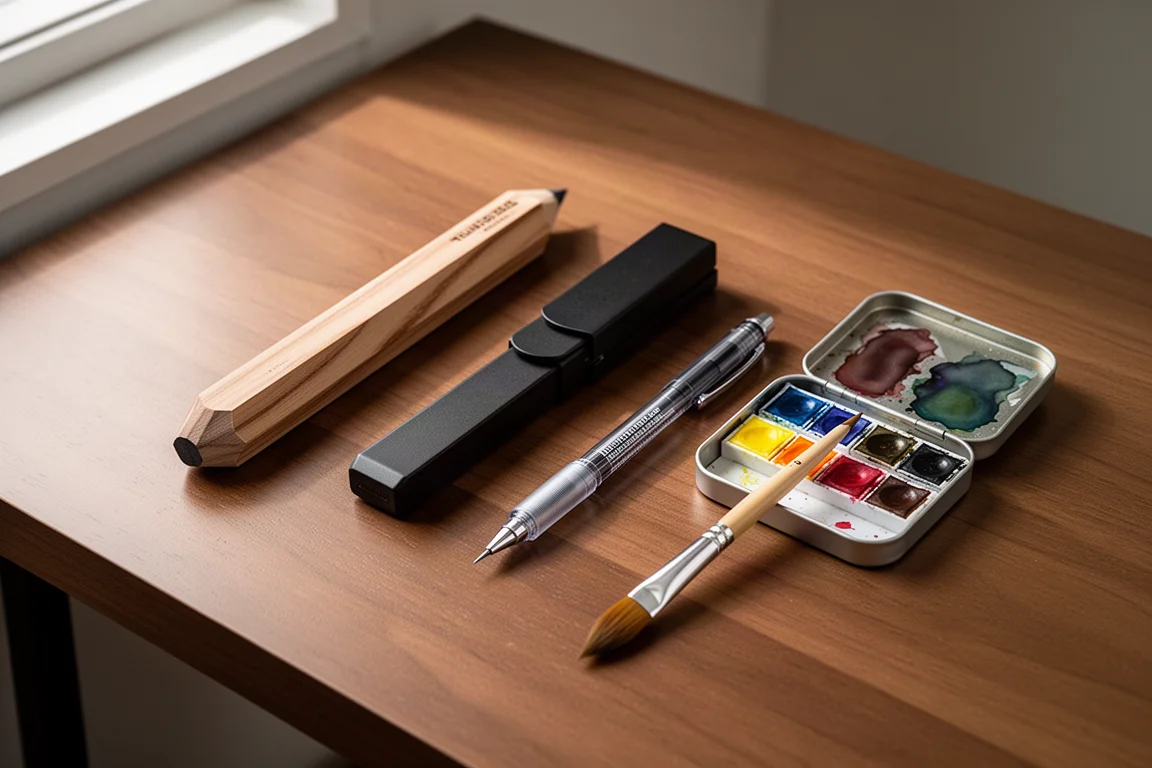
Best Art Supplies Worth Your Money: Pencils, Pens, Paints, and Paper That Earned Their Spot
After years of daily use and testing, these are the pencils, pens, watercolors, gouache, brushes, sketchbooks, and erasers that stand above the rest.