Outdoor Power Equipment
Craftsman S25 46cc Gas Chainsaw Review: A Budget Saw With a Real Catch
A hands-on look at the Craftsman S25 46cc two-stroke gas chainsaw: solid power for the price, but an air filtration design that demands more maintenance than most owners expect.
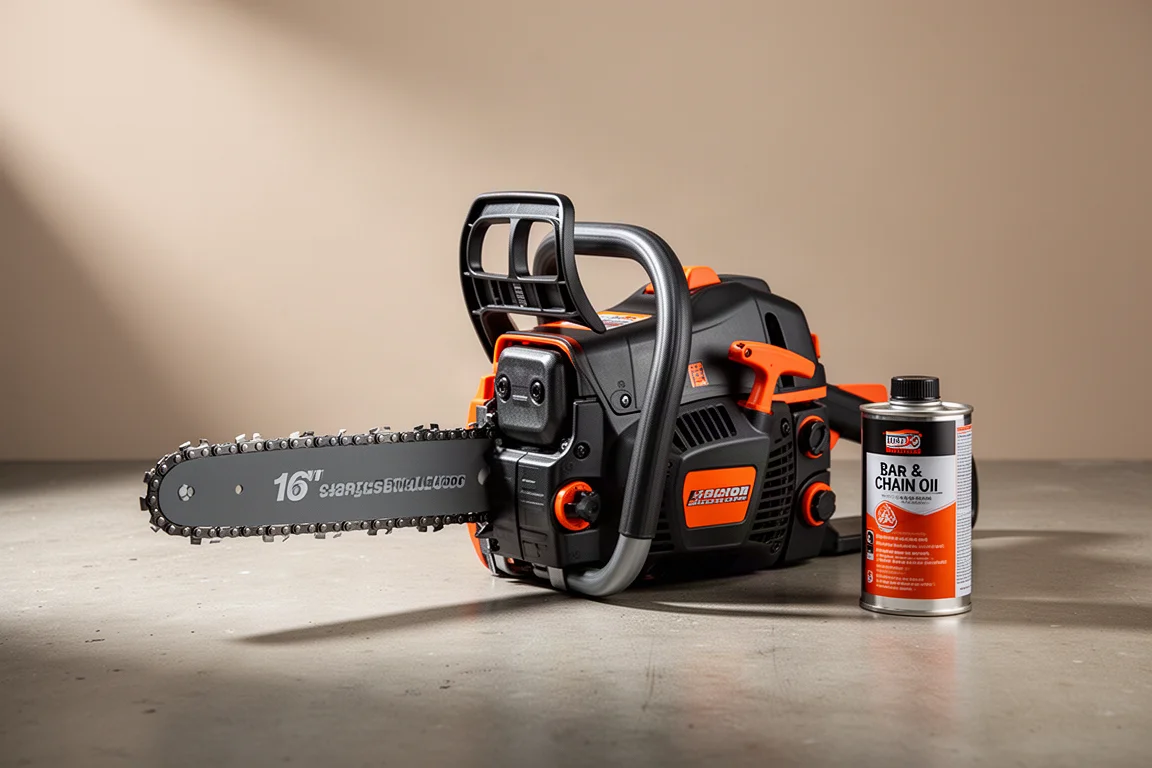
Introduction
The Craftsman S25 46cc gas-powered two-stroke chainsaw sits in the roughly $200 to $250 bracket, and that price point shapes everything about it. It is inexpensive enough to keep around for messy jobs where you would hesitate to use a more expensive saw, and it has become a common baseline that electric chainsaws are measured against. It is also a saw with a polarizing reputation: some owner complaints reflect a misunderstanding of what chainsaw maintenance involves, while others point to genuine design shortcomings. After putting several tanks of fuel through it and pulling it apart top to bottom, here is the full picture.
First Setup and Fuel
Getting the saw ready takes some care. The oil reservoir is an aluminum case with a plastic plug, and the plug feels gritty and rough going in and out rather than smooth. Use proper bar and chain oil, never motor oil. Bar and chain oil is tackier by design, which matters for how the chain carries lubrication, and even a tackier, heavier-duty oil will not fully stop the small oil leak this saw exhibits after sitting overnight. The leak is minor but real.
Fuel needs attention too. A 50:1 two-stroke mix is acceptable, but the quality of what you pour in has a disproportionate effect on a budget saw. Use a quality professional-grade two-stroke oil, and choose your fuel carefully: higher octane such as 91 or 93, ethanol-free if possible, and never stored for long periods. If the saw will sit for a while, pour the mixed fuel out rather than leaving it in.
Starting is simpler than the instructions suggest. With the switch on run, the choke pulled out, and a couple of primer presses, the saw fired up on roughly four or five pulls from completely dry. Once warm, it started on one pull in nearly every attempt, the only exception being when the switch was accidentally left in the off position. The supplied starting instructions call for heavy use of the primer bulb, which is worth noting: the primer bulb feels cheap and is stiff, pushing sideways rather than straight down. If it ever fails, treat it as an inexpensive maintenance item and replace it rather than letting it leak or disconnect.
Chain Tension and the Loose-Chain Complaint
A frequent complaint about this saw is that the chain comes loose quickly. That is normal for any new chain, and more pronounced if the wrong oil is used. The sensible break-in routine is to let the saw idle and warm up, run it under some gas, confirm oil is flowing through the chain, then adjust the chain tension right away. Set it so that three of the drive links are fully visible above the bar when you pull the chain up, snug but still sliding freely. After a few cuts, stop and re-check, because new chains stretch and will need another adjustment. A more expensive saw may need less of this, but adjusting a chain is part of owning any chainsaw.
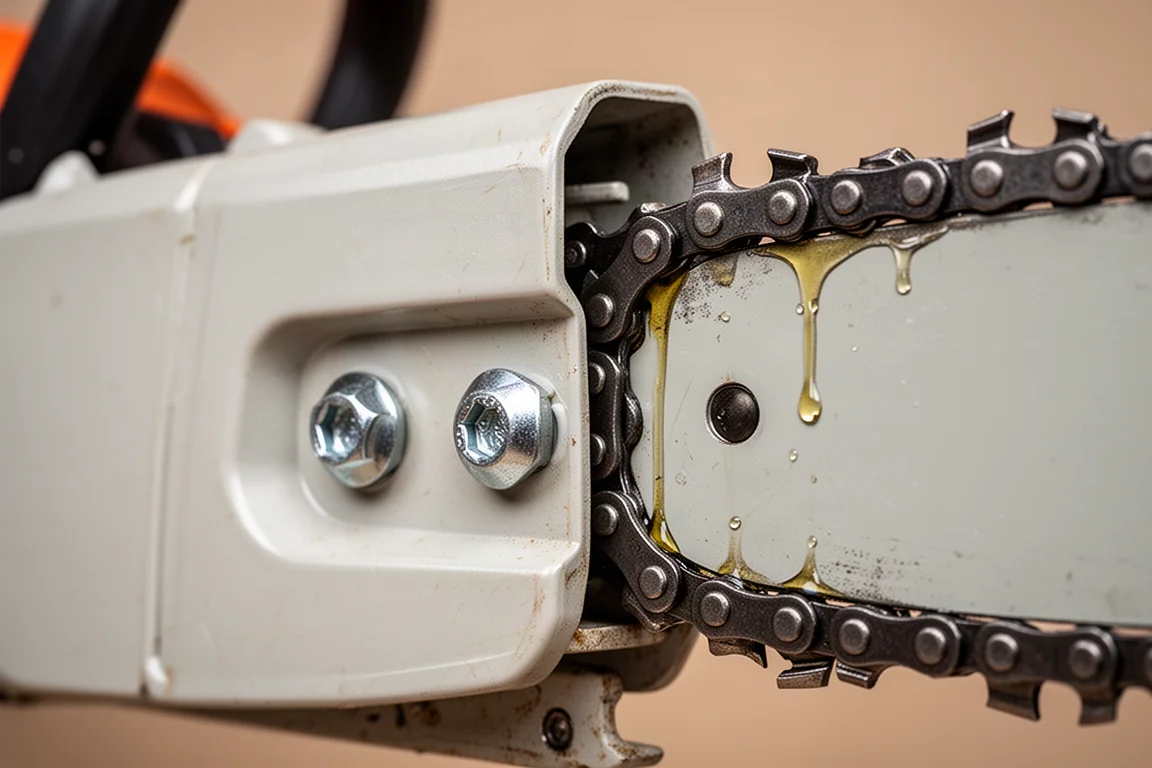
While you are adjusting the chain, check everything else. Some owners report the bucking spikes coming loose after use; on this unit they never did, but it is worth wiggling every fastener, spike, and screw to confirm nothing has worked free. Also confirm the chain brake engages and releases properly. It is a critical safety feature: keep it engaged whenever you are moving around with the saw so an accidental throttle squeeze or a fall does not end badly.
One quirk worth knowing: the clutch setup lets the engine rev noticeably before the chain starts to move. That is different from most saws and can even let the saw spin up while resting on wood without jerking away, which is not something to rely on. It feels odd at first but is easy to get used to.
Cutting Power and the Sharp-Chain Factor
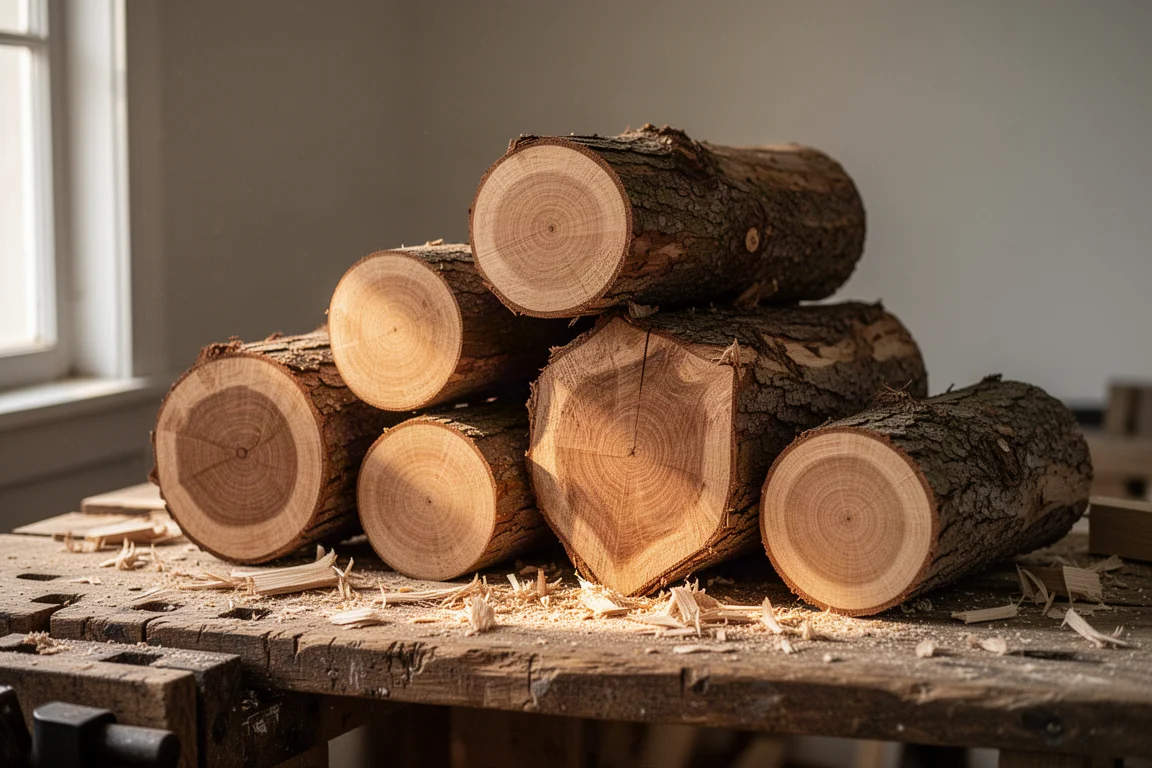
Power is genuinely decent for the price. On mostly hardwood, including dead and partly hollow material, the saw cuts well, though it is not the fastest cutter in its class. Stalling it out with too much pressure is easy, and that ties directly into the most misunderstood complaint about this saw: chain dullness. Once the chain goes dull, the saw will bog, stall, and feel broken, prompting users to push harder and stall it further. If you buy this saw, learn to sharpen the chain, buy the right files, keep the chain out of the dirt, and sharpen it as soon as cutting quality drops. With a sharp chain, the saw works quite well for what it costs.
The Air Filter Is the Real Weak Point
Here is the biggest problem with this saw, and it explains most of the poor owner reviews. The air filtration system is a plastic bowl with mesh screens on each side. After only a few tanks of fuel, the bottom screens stop flowing air, and fine debris makes it past the filter into the carburetor area. Even with consistent cleaning, dirt reaches inside, and a dirty carburetor is why many owners report the saw bogging or quitting after five or six tanks of fuel.
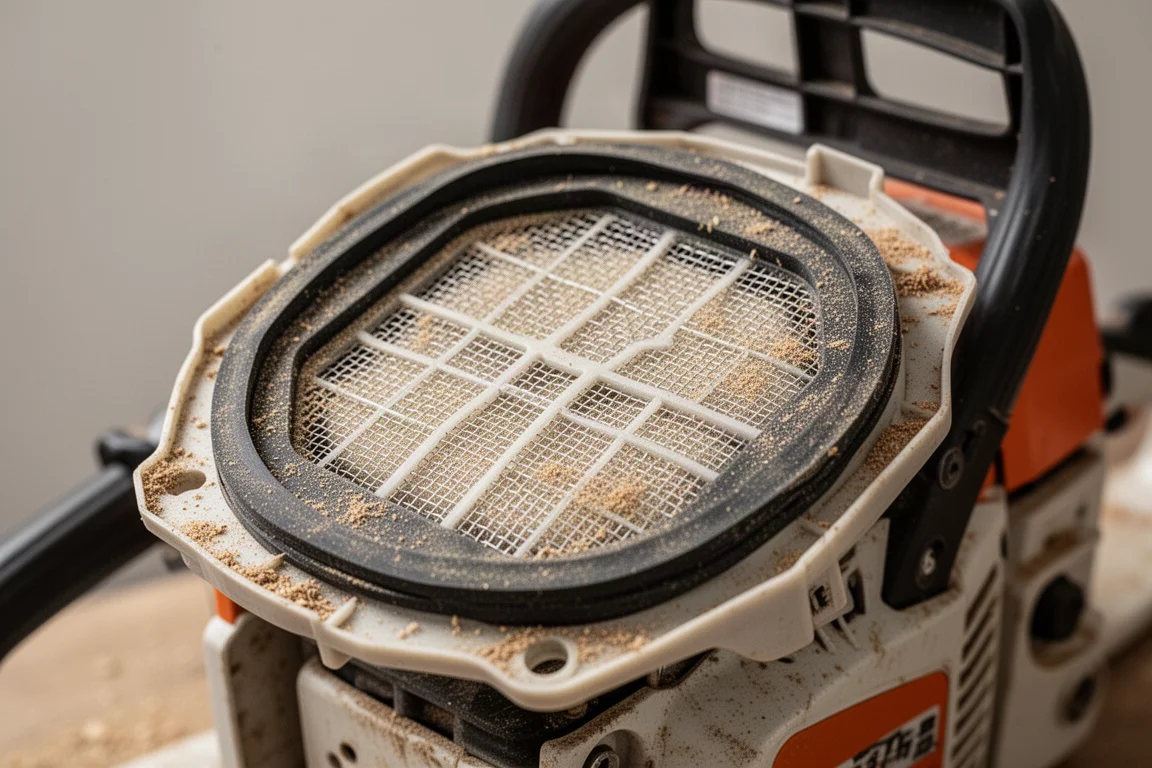
Cleaning is mandatory after every use, not occasionally. The filter washes out with water, but the screens simply let fine particles through, so vacuuming the area before removing the cover and carefully cleaning the carburetor area with a swab becomes routine. Be very careful when pulling the cover that nothing drops into the carburetor. This is the saw’s Achilles heel: a more expensive saw with a pleated, automotive-style filter simply does not let this debris through, lasts longer, and needs less babysitting. If you are not willing to do this maintenance consistently, this design will frustrate you, and possible workarounds like adding a pre-filter over the intake are worth exploring if you plan to keep the saw long-term.
Maintenance and Reassembly Quirks
Chain tension adjustment itself is simple: slightly loosen the bar bolts, set tension, tighten. But the side cover design makes everything around it harder than it should be. The chain brake works over the clutch, and the brake band snaps closed around the clutch drum, so if the brake is engaged forward when you try to remove the cover, it will fight you the entire time. Set the brake back so the chain moves freely before disassembly.
Reassembly is the annoying part. As soon as the cover comes off, the chain goes slack, and the bar wants to flop up while the chain refuses to seat at the bottom. You will likely need two hands, the brake in the off position, and possibly a loosened tensioner to get everything aligned. The recessed bolts make it hard to get fingers in, and if you tighten the cover snug before setting tension, the chain can pop off because the rear sprocket leaves enough room for it to wander. Getting the bar fully seated, the chain around the front, tension set to three drive links visible above the bar, and everything sliding freely takes patience. Removing the bar and chain alone is easy; putting them back is where this saw earns its frustration reviews.
Buying Advice: Who Should and Should Not Buy It
For professionals or higher-end homeowners, this saw is hard to recommend because of the air filtration design and the way its components make servicing awkward. But if you already have one, or you specifically want an inexpensive saw to beat around on stumps and dirty jobs without worrying about an expensive tool, it delivers decent power and acceptable cutting performance for the money, as long as you stay on top of maintenance: check the carburetor, clean the air filter after every use, and keep the chain sharp.

One more thing that matters more than the saw itself: if you spent around $200 on this saw, spend money on safety gear too. Get a helmet, earplugs and ear muffs, and chainsaw chaps. If that chain touches your leg, the damage is serious. Safety gear is a necessity no matter what you are cutting.
Conclusion
The Craftsman S25 46cc is not a horrible saw. It has decent power, starts easily once you learn its quirks, and costs little enough that you can use it without anxiety. Its weaknesses are equally clear: an air filter system that lets fine debris into the carburetor, an awkward cover and reassembly process, and a cheap-feeling primer bulb. If you are a maintenance-minded owner who wants an affordable backup saw, it can serve you well. If you want a low-effort tool, the filtration design alone is reason to look elsewhere.
Product link
View more details for Craftsman S25 46cc Gas Chainsaw
This product is mentioned in the review. Check the specifications, options, and compatibility before buying.
View more details for Craftsman S25 46cc Gas ChainsawFurther reading
Related Reviews

Outdoor Power Equipment
Best Cordless Chainsaws 2026: EGO, Milwaukee, and Stihl Compared
Three flagship battery-powered chainsaws from EGO, Milwaukee, and Stihl go head to head in cutting speed, power, weight, and price.

Outdoor Power Equipment
Best Cordless Leaf Blowers 2026: Nine Models Put to the Test
We tested nine leading cordless leaf blowers from Ryobi, STIHL, Toro, EGO, Husqvarna, DeWalt, Makita, Milwaukee, and Echo to find the best blowing force, run time, and value.
Outdoor Power Equipment
Amazon Big Spring Sale 2026: Best Outdoor Power Equipment and Backyard Deals
Cordless mowers, blowers, grills, and portable power on sale this spring, with practical advice on which packages are actually worth buying.