Trail Running Shoes
Craft Pure Trail vs Hoka Tecton X 2: Two Trail Racers Worth Comparing
A squishy-but-responsive Craft trail shoe at $170 and a carbon-plated Hoka at $225, compared for racing and all-day trail running.
Introduction
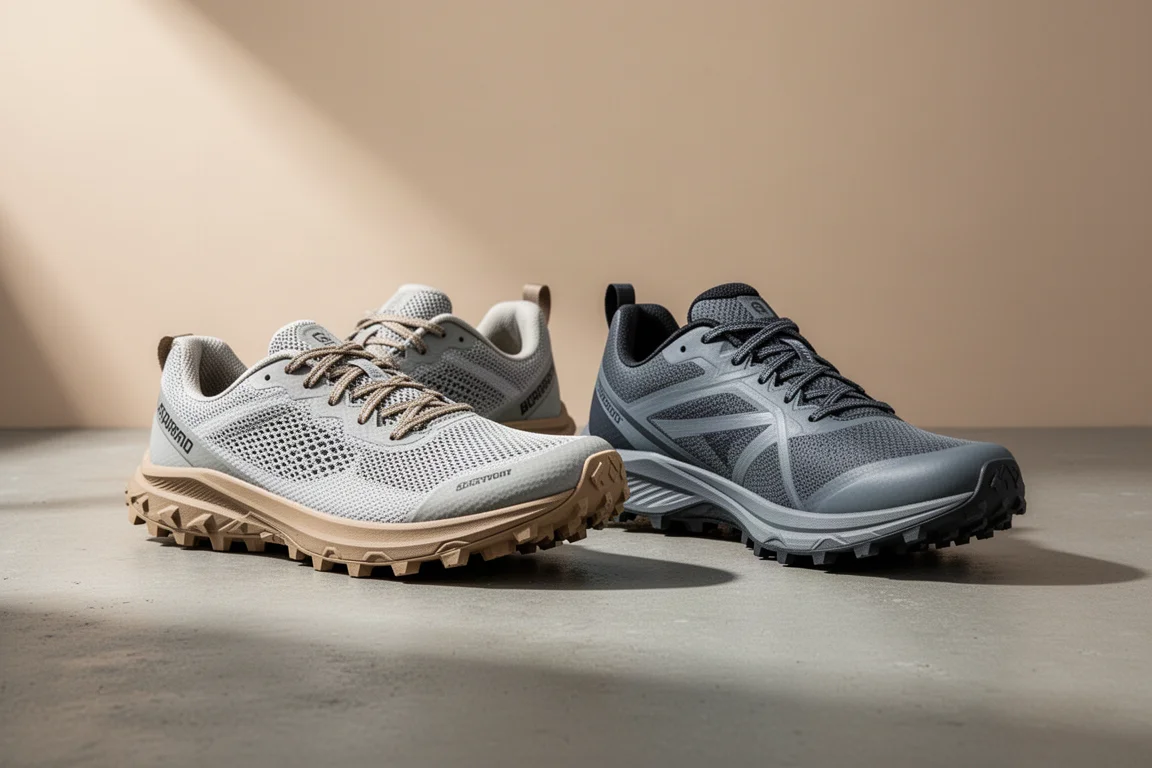
Trail racing shoes have split into two camps: cushioned but nimble all-rounders and stiff, plated race-day weapons. The Craft Pure Trail and the Hoka Tecton X 2 sit right at the intersection of those two ideas, and they make an interesting head-to-head because both promise a squishy yet responsive ride across a wide range of trails and paces.
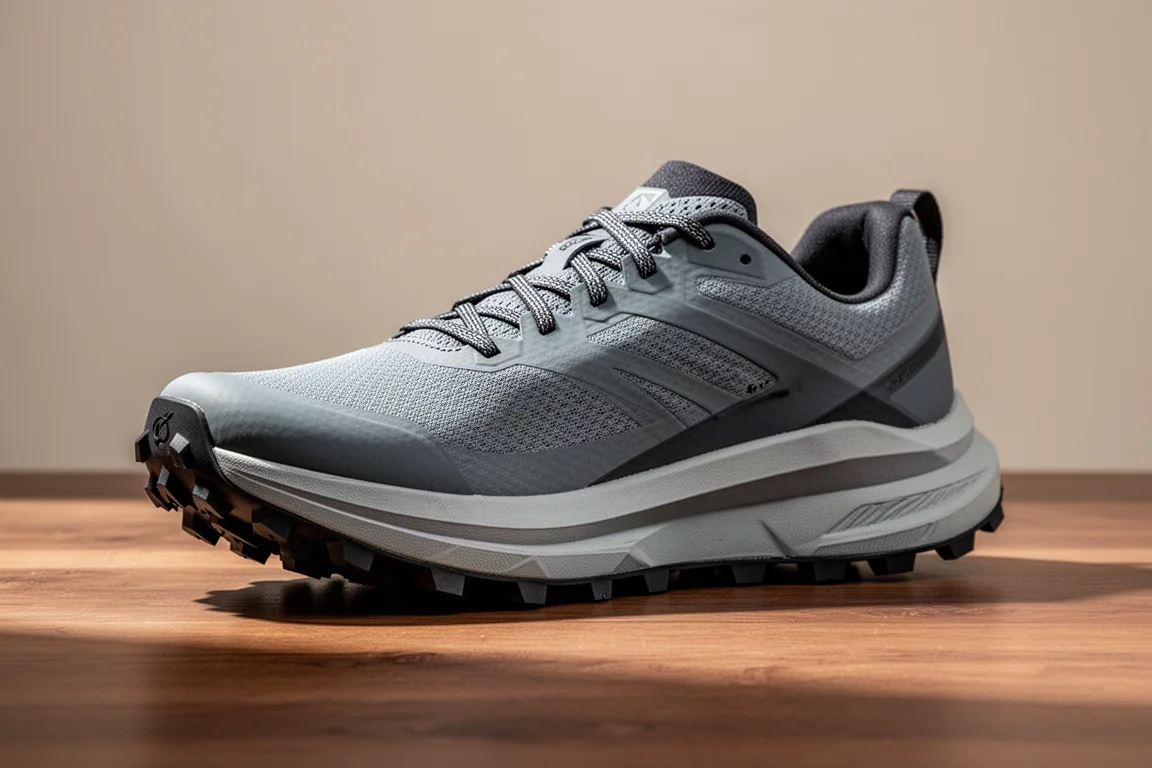
The Craft Pure Trail is a different shoe than any other Craft has made. Forget what you think you know about the brand’s typically firm ride, because this one is softer, more forgiving, and far easier to enjoy on a variety of terrain.
Craft Pure Trail: Soft Cushioning With a Responsive Edge
The headline feature is Craft’s CR supercritical foam. The Pure Trail uses 36 mm of stack height at the heel with a 6 mm drop, meaning 30 mm of nothing but that CR foam in the midsole. The foam is believed to be a supercritical TPU, and it delivers a squishy, impact-absorbing feel while still giving back enough spring to pick up the pace when the trail begs for it.
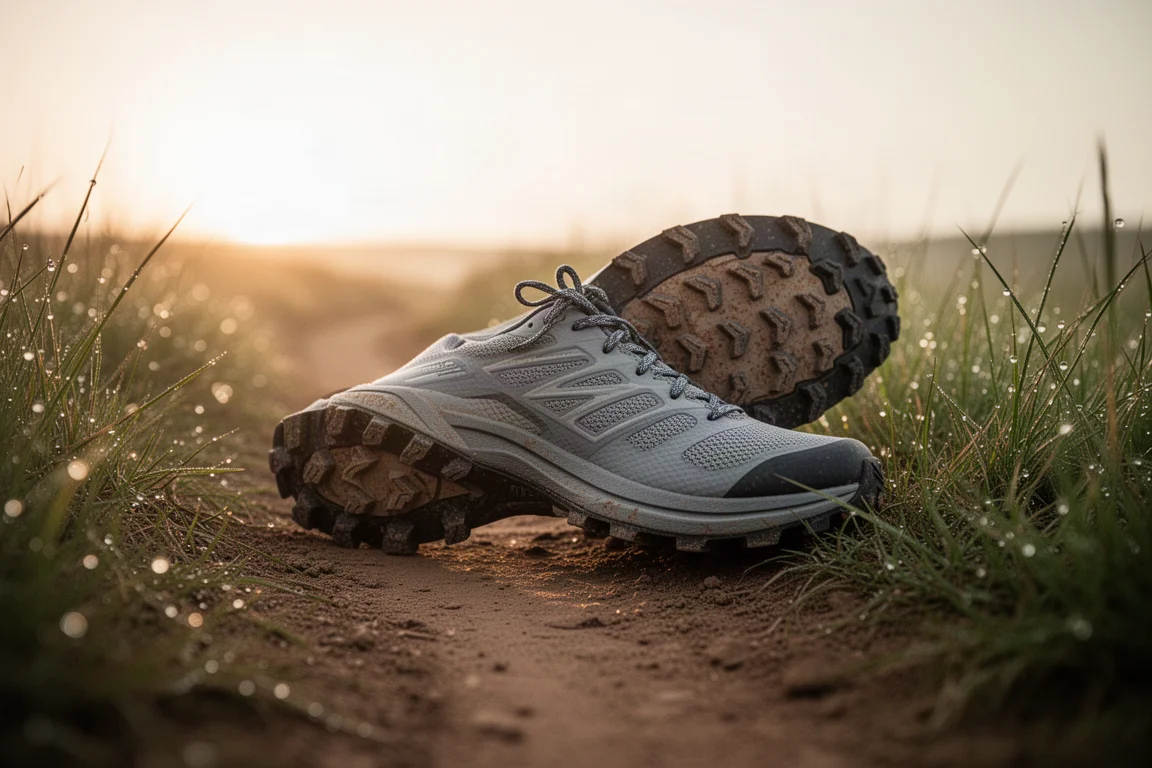
Despite being positioned as one of Craft’s racing shoes, there is no carbon plate here. Instead, a rock plate is integrated with the contact-lugged rubber outsole, and the lugs are beefier than on other Craft trail shoes, making the Pure Trail suitable for a wider variety of trails.

Up top, a lightweight mesh TPU upper is floppy and comfortable, with modest heel padding and a thin tongue suited to faster running. The regular fit is snugger through the midfoot and heel with more room in the toe box, which works well for long days out, yet the toe box is not so roomy that toes slam forward on aggressive downhills. True to size is the way to go.
The main trade-off is weight: 320 g, about 11.2 oz, which is slightly heavy and heavier than the shoe looks. In practice, though, it carries its weight well and never feels like a clunky shoe on foot.
In real running, the shoe handled fast 2-hour efforts on local trails and all-day adventure running in the Chamonix mountains near the UTMB races with equal confidence. It held faster paces willingly on a local 11-mile course with over 2,000 ft of elevation gain, then stayed comfortable and planted on steep climbs and descents. That versatility makes it easy to recommend.
Hoka Tecton X 2: Carbon Plates and ProFly Foam
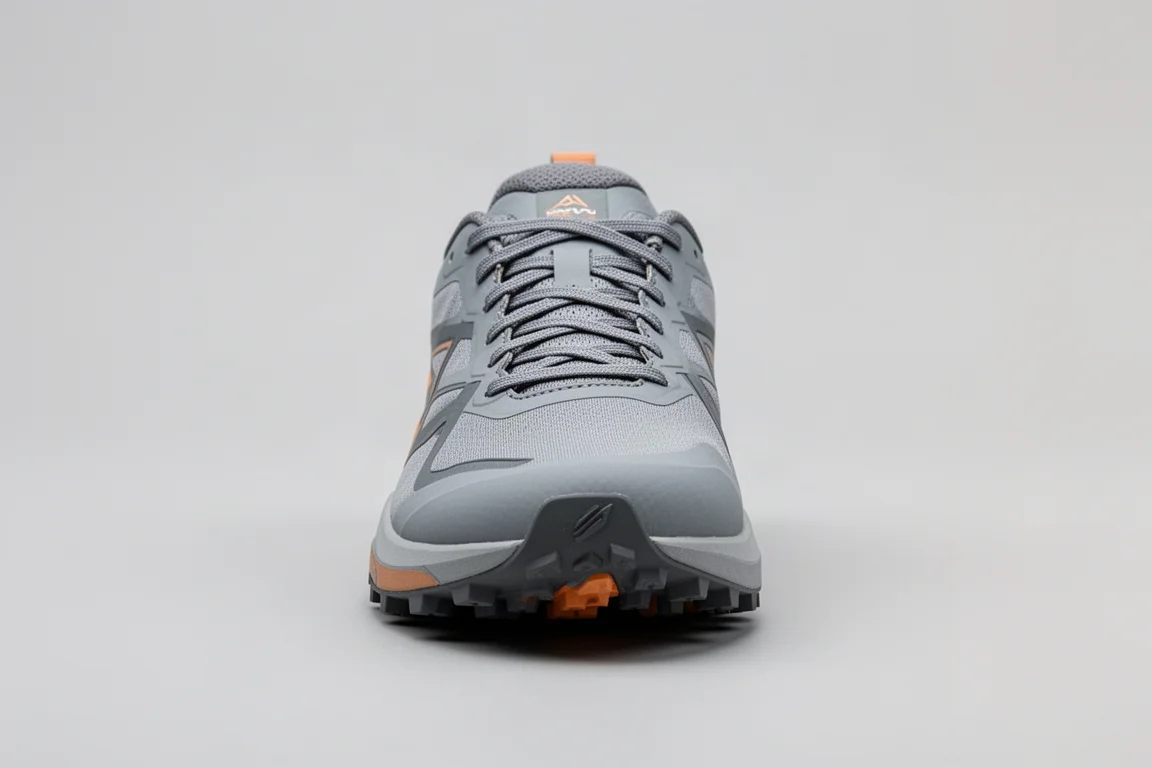
The Hoka Tecton X 2 is the most direct competitor, and for good reason. Its ProFly midsole provides a squishy yet responsive experience that closely mirrors what the Pure Trail offers, and both shoes aim for the same dual personality: aggressive racing on one hand, easier all-day running on the other.
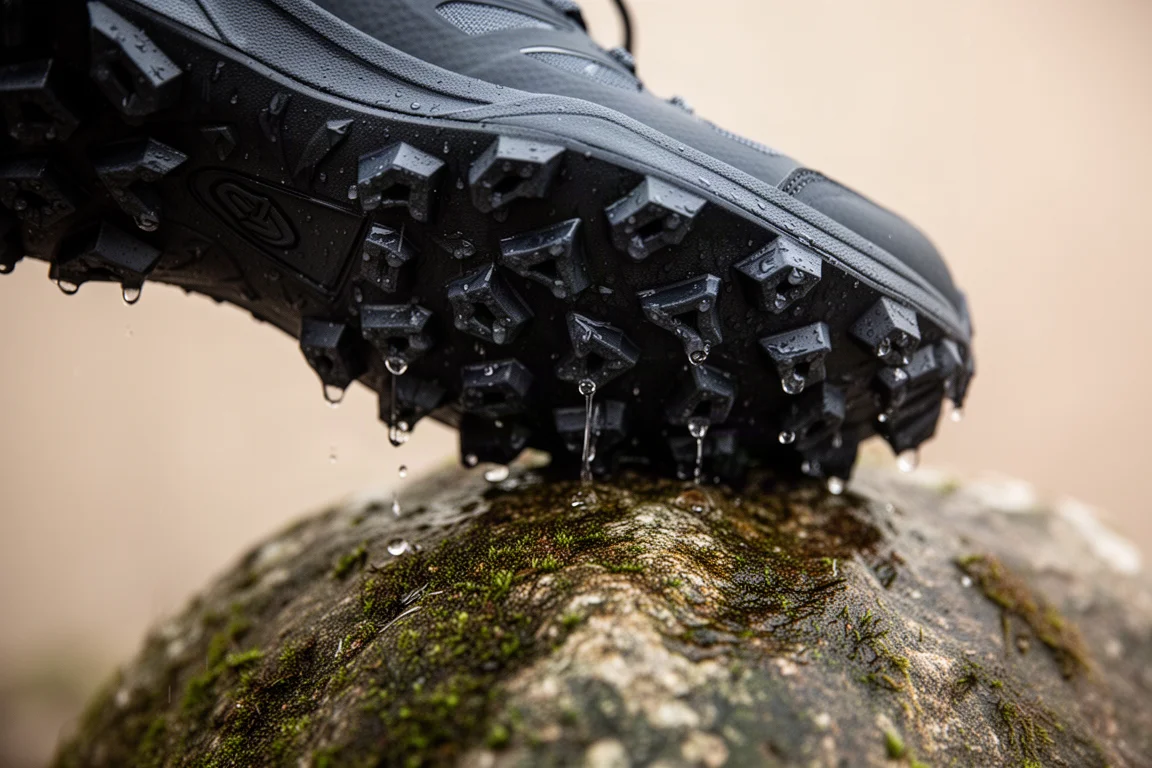
Where the technologies diverge is underfoot. The Tecton X 2 uses dual carbon plates, or carbon shanks, to help stabilize the foam, and it rides on a Vibram Litebase lugged outsole. Those additions help explain the higher price.
Buying Advice: Which One Fits Your Trails
Price is the clearest differentiator. The Craft Pure Trail comes in at $170, which is excellent value in a year when nearly every shoe costs a little more than you would prefer. The Hoka Tecton X 2 sits at $225, with the dual carbon plates and Vibram Litebase outsole justifying part of the premium.
If you want maximum cushioning, a rock plate, and a forgiving ride for mixed terrain and varied paces, the Pure Trail is the stronger value pick. If you want a plated racing platform with premium outsole rubber and are willing to pay for it, the Tecton X 2 earns its place.
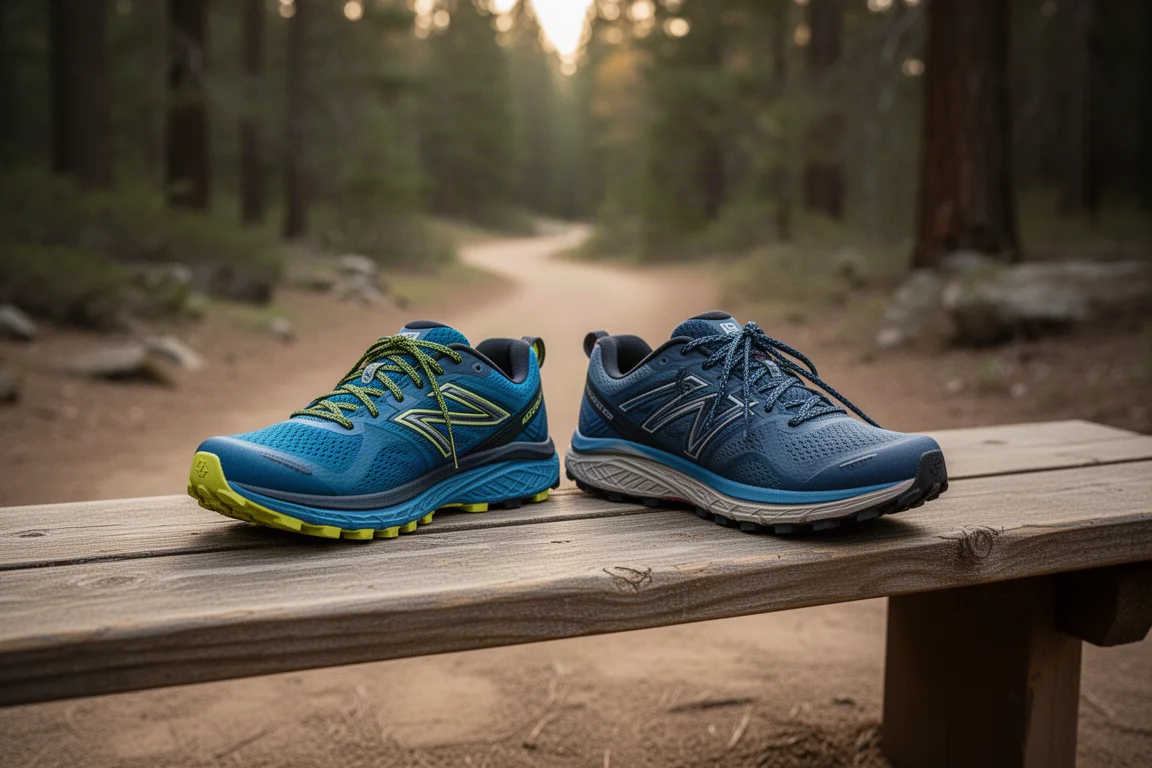
They also pair well as rotation partners with a road shoe. Since the Pure Trail’s foam feels similar to New Balance’s FuelCell, the New Balance SC Trainer v2, a double-stacked FuelCell shoe with a carbon plate that is not overly aggressive, makes a natural road-running sibling for longer days.
Conclusion
Both shoes can race hard and still stay comfortable on easy, all-day trail runs, which is rare. The Craft Pure Trail wins on value and cushioning at $170, while the Hoka Tecton X 2 brings carbon-plate technology and a Vibram outsole at $225. Choose based on whether you value plush versatility or plated race-day structure more.
Further reading
Related Reviews
Trail Running Shoes
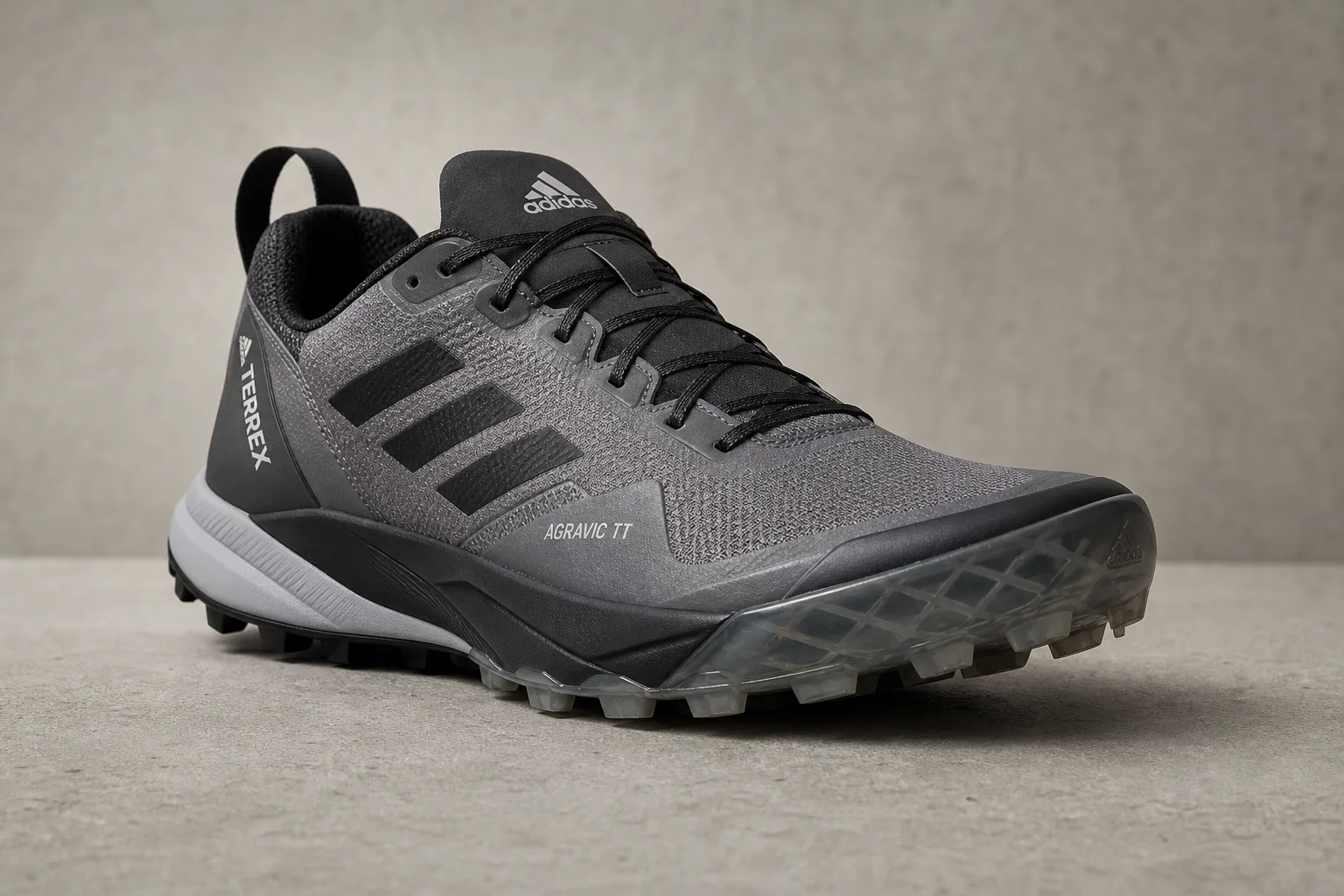
Adidas Terrex Agravic TT Review: A Technical Trail Shoe Built for Rocky Terrain
The Adidas Terrex Agravic TT combines a full-coverage rock plate with a firmer midsole to deliver protection and stability on technical, rocky trails. A capable choice for runners who prioritize underfoot defense over lightweight cushioning.
Trail Running Shoes
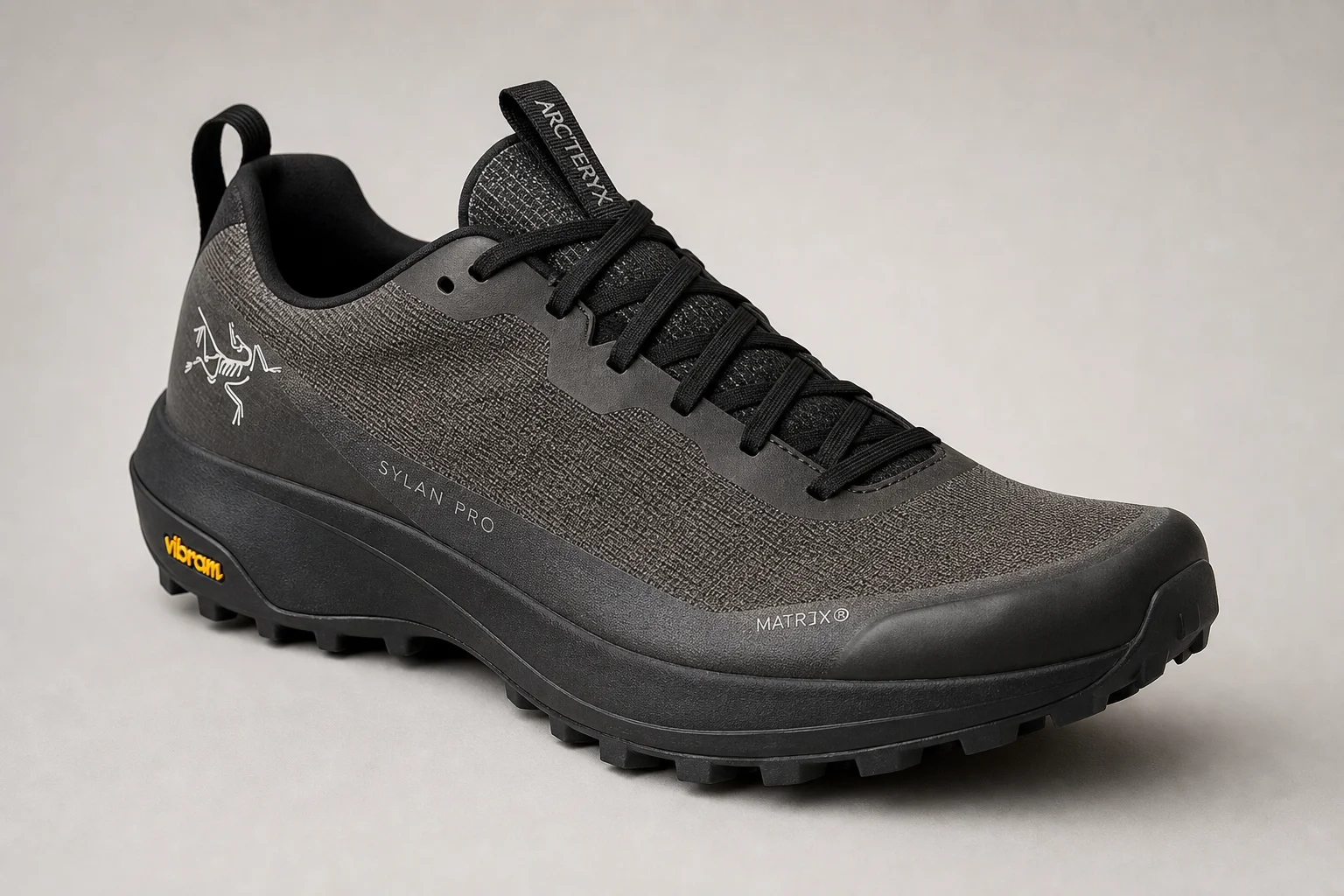
Arc'teryx Sylan Pro Review: A Rocker-Focused Mountain Running Shoe Tested on 20 Miles
The Arc'teryx Sylan Pro brings a pronounced rocker geometry and secure fit to mountain terrain. We tested it on a 20-mile Sawtooth loop to evaluate its climbing efficiency, protection, and handling of technical descents.
Trail Running Shoes
Best All-Mountain Trail Running Shoes: Three Versatile Options for Any Trail
A focused roundup of three all-mountain trail running shoes that handle technical terrain, long distances, and variable conditions with real strengths and practical trade-offs.