Running Shoes
Craft Pacer Review: A Firm, Stable Hybrid Trainer Built for Speed
Craft's road running entry pairs a 40 mm PX foam stack with unusually thick outsole rubber. It is firmer than the marketing suggests, but big runners and pace-pushers may love it.
Introduction
Craft is a newer name in road running, better known in the trail space, and the Pacer is its pitch for the crowded daily trainer market: a lightweight everyday shoe and speed shoe hybrid, aimed at the same slot as popular hybrid trainers from bigger brands. This first run in a Craft road shoe turned up a shoe with a genuinely distinctive build, a firmer character than its marketing copy implies, and a clear target runner.
First Look: Unboxing and Design
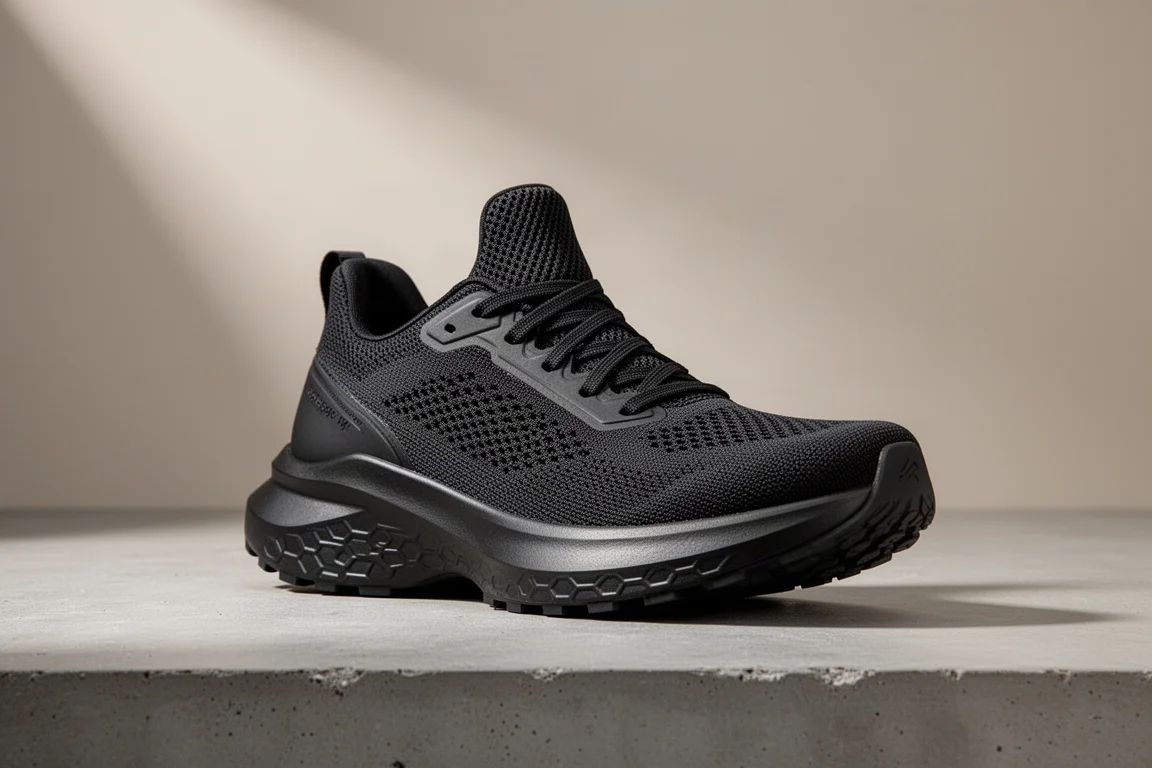
The Pacer arrives in vibrant green packaging with a thoughtful touch: a tongue card printed with the words “for world champions and everyday heroes.” The black colorway reviewed here is clean and understated rather than flashy, and Craft offers bolder options if you want more color.
The most striking design choice is the outsole. Compared with mainstream lightweight speed trainers, the Pacer extends a much thicker layer of rubber all the way out to the back of the shoe, arranged in a distinctive geometric beehive pattern. Craft’s road running philosophy is essentially a gravel bike approach: shoes built to handle streets as well as gravel and dirt roads. That likely means better durability and better handling of off-road terrain, though more rubber does not automatically mean better grip on wet rock. Dry-road grip tested well, feeling planted on downhills and through corners; a proper wet-weather test is still owed.
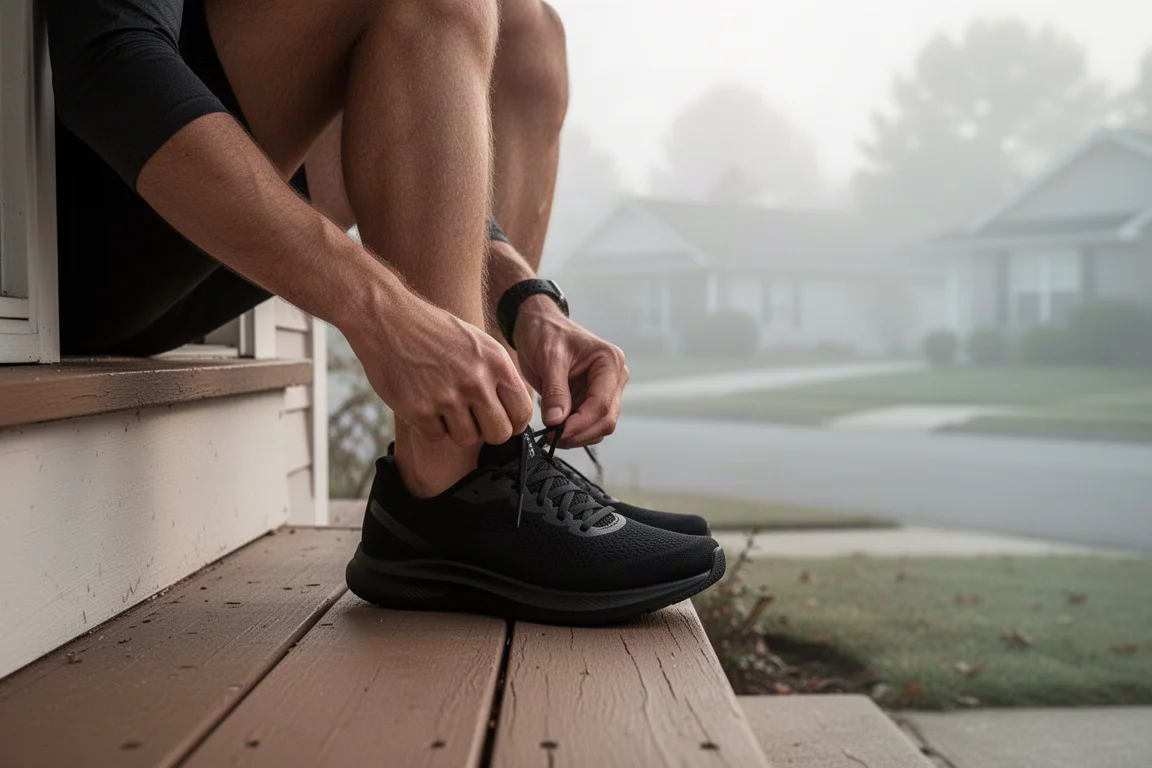
The upper is an engineered mesh that is lighter than expected, with no overlays and no plasticky pieces. Notably, there is no rigid plastic heel counter, just a more flexible one, so the back of the shoe bends more easily than most competitors. The ankle collar rides noticeably higher than a typical running shoe, almost like a low-top basketball shoe or an old-school suede wallabee, which appears intentional for off-road stability. A gusseted tongue and a normal, refreshingly unweird lacing system round things out.
Specs and Weight
The Pacer stacks 40 mm in the heel and 34 mm in the forefoot for a 6 mm drop, a versatile drop point close to what popular hybrid trainers use. There is a modest rocker up front, though it only really engages at the forefoot, almost like a toe spring.
On the scale, a right shoe came in at 264 g in US men’s 10.5. That places it right around the middle of the current lightweight daily trainer spectrum: noticeably lighter than max-cushion options sitting at 280 to 290 g, but heavier than the lightest shoes in the class at around 220 g. You are trading a few grams for more foam, more protection, and more rubber.
Midsole: PX Foam With a Firmer Bias
The PX foam is a beaded compound, visibly full of small beads throughout the midsole, more in the family of beaded TPU foams than a PEBA superfoam. To the touch it is slightly firmer than other beaded foams on the market, which generally points to good impact absorption and strong durability rather than a plush ride.
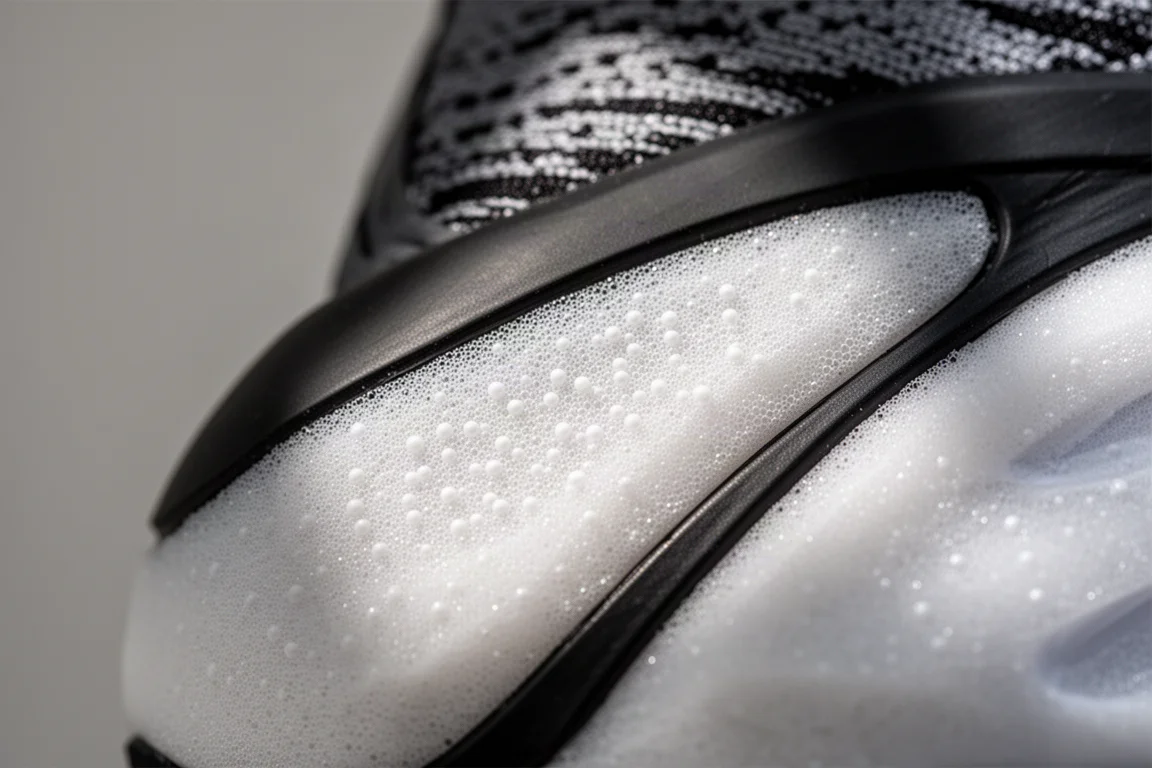
On foot, that plays out as a firm, structured, flat-feeling shoe at step-in. Despite marketing claims of superior softness, this is not a soft shoe, and it is surprisingly stiff underfoot for a 40 mm stack. If you love genuinely soft, sink-in trainers, this is not your shoe. If you like firm, fast-feeling trainers, keep reading.
Fit and Upper Feel
Fit is where Craft has historically struggled, and the Pacer shows some of that quirkiness. The toe box is very roomy, with one of the highest volumes tested this year: tall rather than just wide, plus extra forefoot room. That is genuinely useful for higher-volume feet, wider feet, thick winter socks, or runners who find certain popular brands too narrow.
Heel lockdown, by contrast, is excellent. Any extra material lives up front; the back of the shoe is dialed in, paired with that wide, planted base. The trade-off is a fit that is not completely refined, with a touch of extra room that picky runners may notice.
Ride and Performance on the Road
A 10-mile run at around 8 minute average pace, following two high-mileage days, gave a clear read on the shoe. At relaxed paces, the Pacer feels like too much shoe: too firm, too rigid, and slightly sluggish at slower efforts. This is a faster daily trainer, and it is most at home around 7:00 to 7:10 pace or faster.
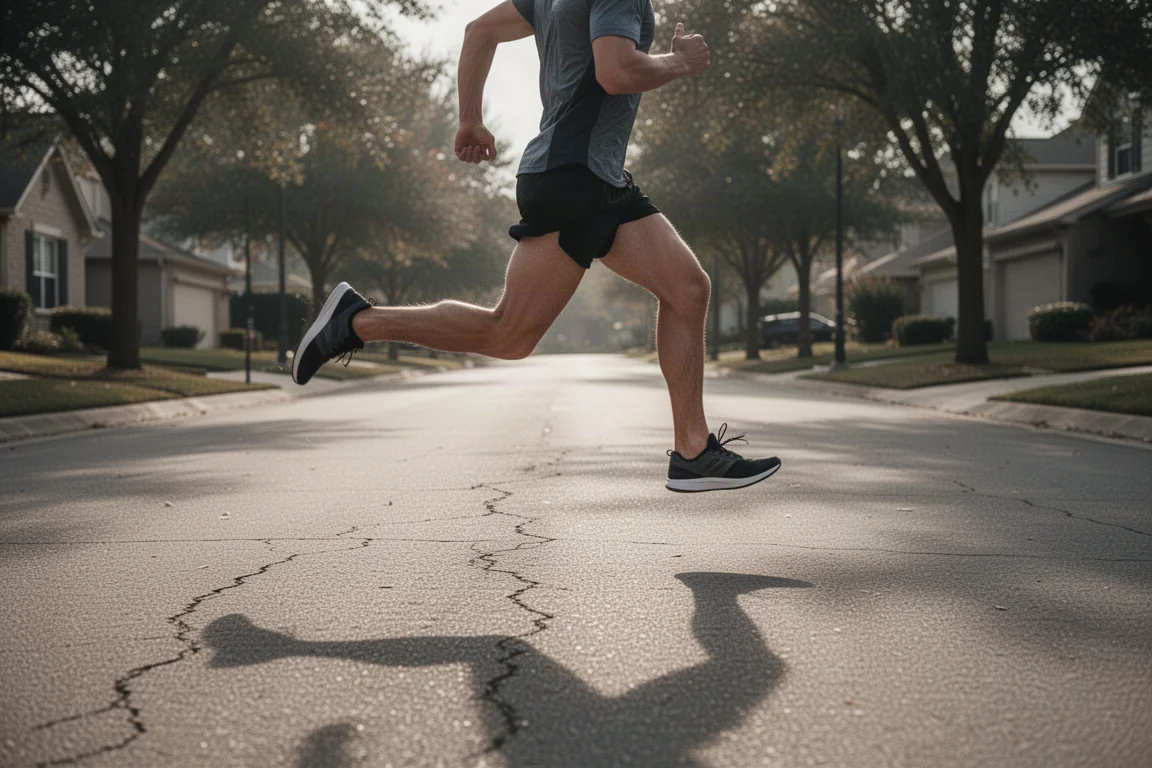
Where it shines is when you push. During strides and any pickups mid-run, the shoe came alive with a responsive, resilient feel. It also showed a promising trend: after a short break around mile 4, the foam felt bouncier than at the start, suggesting it softens and loosens up with mileage, much like other firmer trainers do once broken in.
The firmness is not a flaw so much as a positioning issue. With 40 mm of stack, most runners expect soft step-in comfort, and the Pacer does not deliver that. What it does deliver is a stable, planted platform, thanks to one of the widest bases tested this year, wider than shoes typically praised for stability. The foam is not exactly like anything else tested: it blends the structured support of traditional EVA with some of the balanced resilience of beaded TPU, and it absorbs impact well without compressing flat under harder footstrikes.
Who Should Buy the Craft Pacer
The Pacer is a strong match for bigger runners who need more protection and support, and for runners with wide or high-volume feet who find narrower mainstream brands uncomfortable. It is also a natural pick if you like firm, fast-feeling trainers in the vein of firm, structured speed trainers from other brands, and it can handle anything up to marathon pace and a bit beyond.
Skip it if you want a plush recovery-day shoe or a soft, flexible everyday trainer. Plenty of excellent soft options exist elsewhere; the Pacer is not one of them.
There is also real value potential here. At $140, it undercuts most shoes in this segment, and the thick, full-coverage outsole rubber should protect the foam over the long haul. If the foam softens slightly while retaining its bounce over 100, 200, and 300 miles, this could be one of the better value options in the firmer trainer segment where bigger runners tend to live.
The Durometer Test
A Shore A durometer comparison across a range of soft and firm trainers showed softer foams reading in the mid-to-high 30s and the firmest shoes around 50. The Craft Pacer measured roughly 41 in the heel and forefoot and 46 on the bottom, placing it closer to the firm end of the spectrum, and clearly firmer than the softest, plushest trainers tested alongside it.
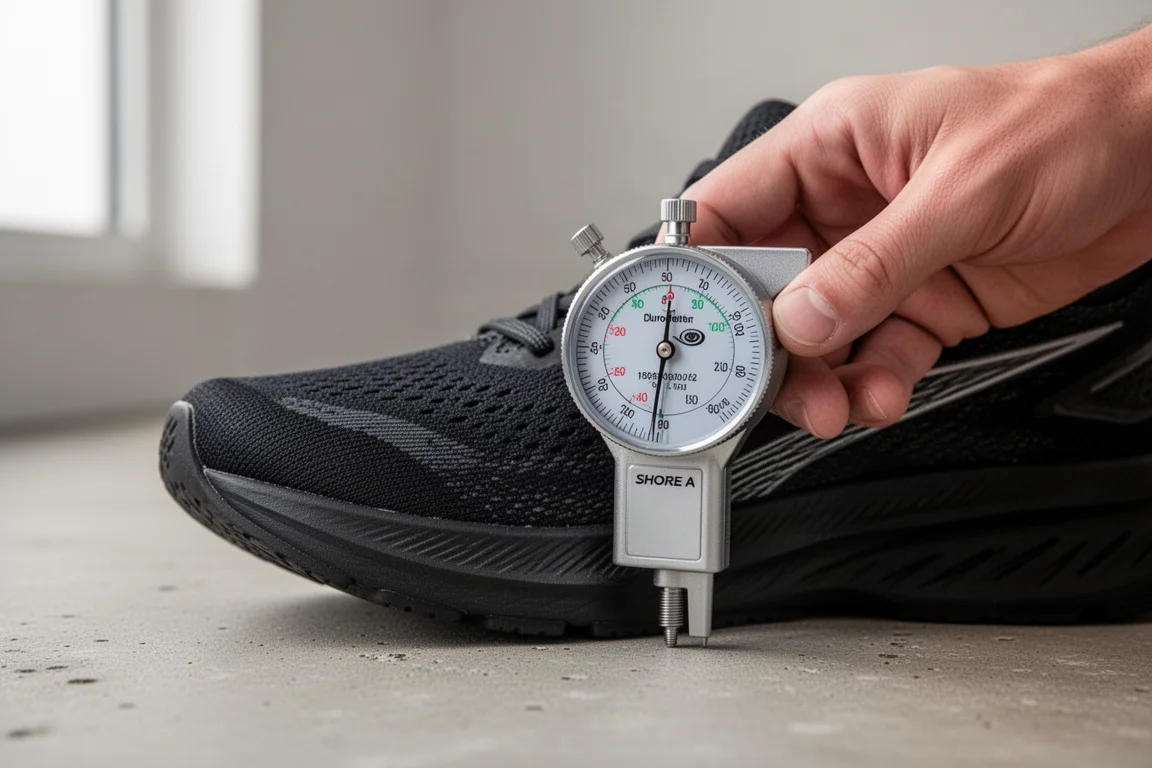
That data matches the on-foot feel exactly: this is a firm-leaning hybrid trainer, and if you liked the firmest shoes in this test group, you will likely enjoy the Pacer.
Conclusion
The Craft Pacer is a distinctive first impression from a brand new to road running: a wide, stable, heavily rubbered hybrid trainer with tall volume in the toe box, excellent heel lockdown, and a PX foam that rewards pace rather than patience. It is not the soft 40 mm cruiser the marketing copy hints at, but for bigger runners, wide-footed runners, and anyone who likes a firm, fast daily trainer at a competitive $140 price, it is a credible and interesting option worth watching as it racks up miles.
Product link
View more details for Craft Pacer
This product is mentioned in the review. Check the specifications, options, and compatibility before buying.
View more details for Craft PacerFurther reading
Related Reviews

Running Shoes
Best Road-to-Trail Running Shoes: Three Versatile Options for Mixed Terrain
A practical guide to three road-to-trail running shoes that handle both pavement and mild trails, with clear strengths and trade-offs for different runner types.

Running Shoes
Best Running Shoes for Achilles Tendonitis: Three Options Explained
Three running shoes with different heel drops and support features designed to help reduce Achilles tendon pain during walking and running.

Running Shoes
Best Running Shoes for Women: Five Top Choices Ranked
A ranked guide to five women's running shoes, from versatile daily trainers to high-performance racing options, with real strengths and trade-offs for each.