Portable Heaters
Covia Cupid Heater Review: A Tiny Butane Heater for Very Small Spaces
The Covia Cupid Heater is a compact three-pound butane heater built for tents, rooftop tents, and small vehicles. Here is what it does well and what to check first.
Introduction
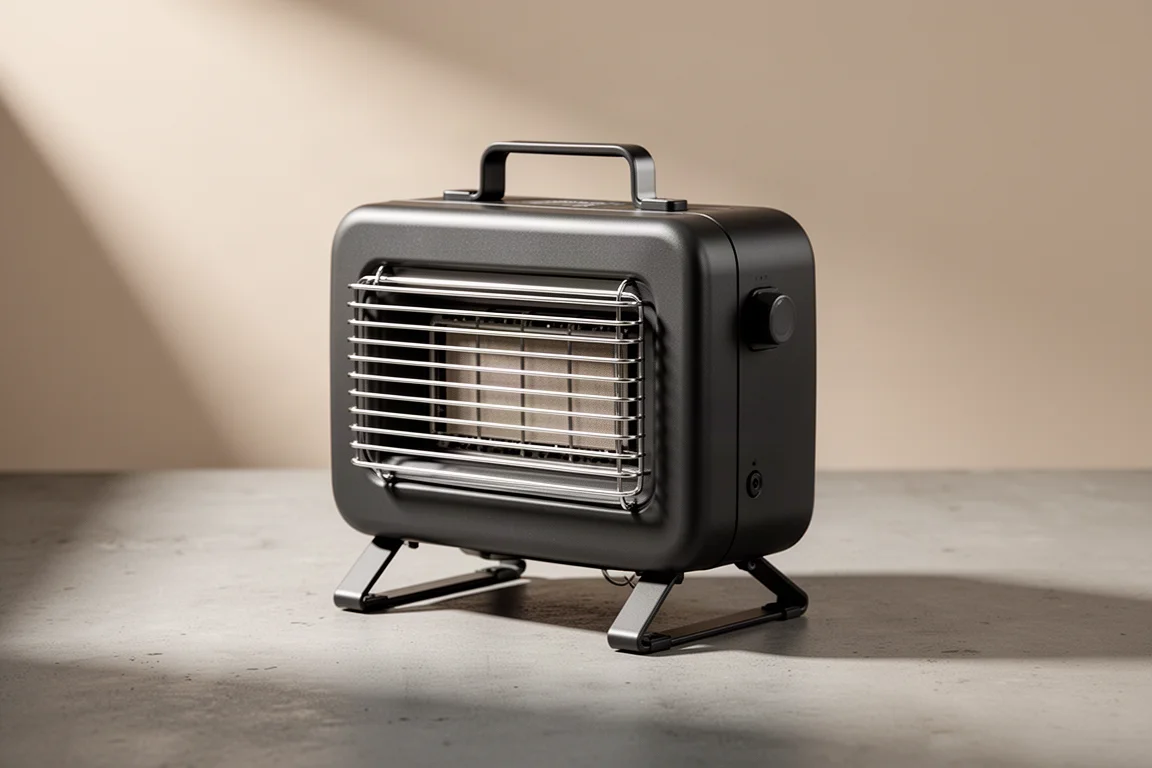
The Covia Cupid Heater is a small butane-powered space heater built for genuinely tight spaces: a compact tent, a rooftop tent, a van, or a small cabin. It measures roughly 10.3 by 7 by 5.3 inches and weighs about three pounds, so it packs down like a piece of cookware rather than a piece of furniture. It runs on butane only.
The layout is straightforward. A metal grill sits across the front, a ceramic heating plate sits behind it, and a carry handle tops the unit. At the base, a fold-out leg lets the heater sit angled slightly upward rather than flat, which is a sensible choice for warming a small area. Ventilation holes run along the bottom and top of the housing, and the side panel holds the on and off switch together with the igniter. The fuel port is on the side, with a cut-out at the top so an eight-ounce butane canister can be slotted in and notched into position. You remove the cap, insert the spout, seat the notch, and twist to lock it.
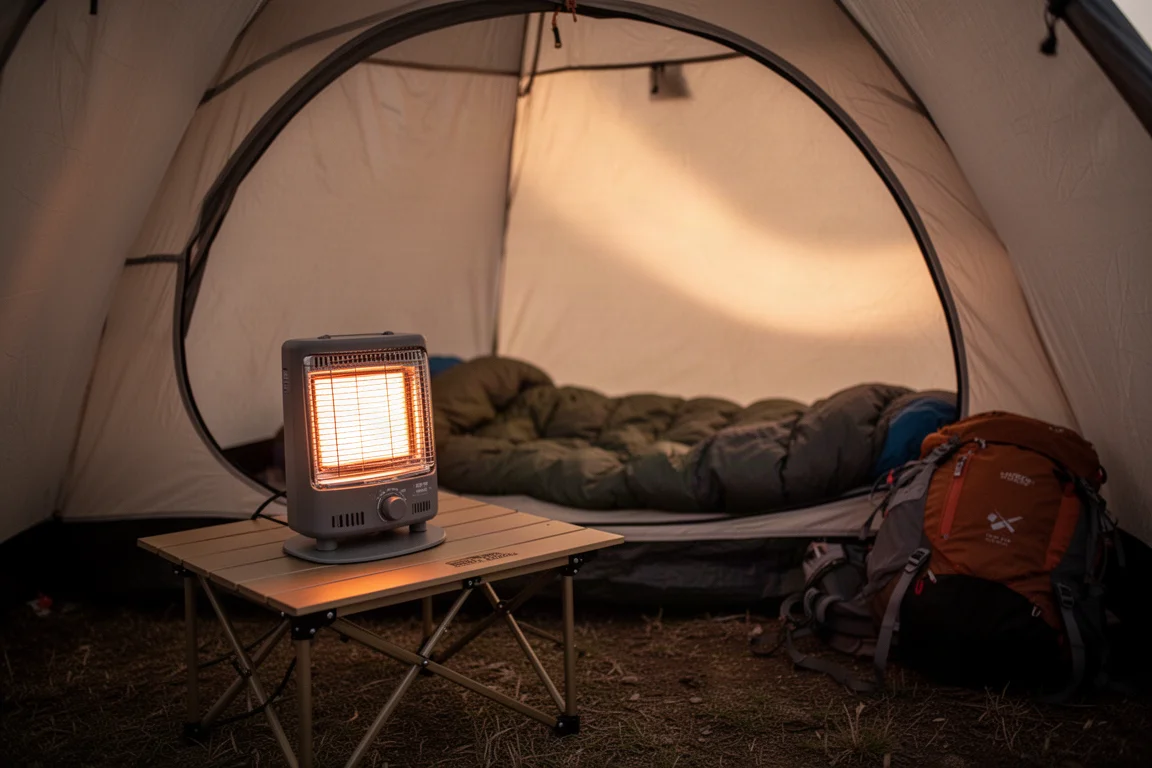
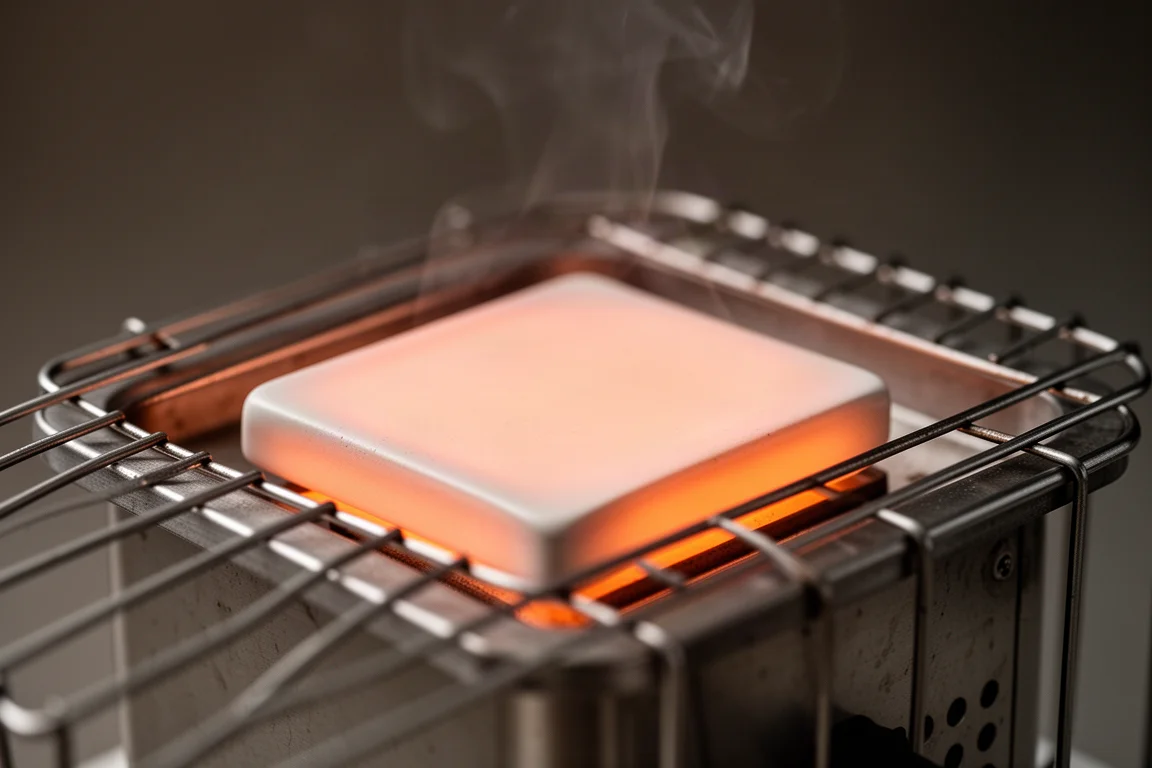
Setup is genuinely quick. The heater can be deployed in about 30 seconds, and once the switch is pushed in, turned, and clicked to ignite, the ceramic plate begins to glow within roughly 15 seconds. That combination of tiny footprint and fast warm-up is the entire reason this product exists, and it is the thing to keep in mind throughout this review.
Who This Product Is For
This heater is for a very specific buyer. It suits campers who sleep in a two to four person tent, rooftop tent owners, and people who need occasional heat in a small vehicle or a small enclosed space. The output is low by design, and it is not a substitute for a large portable propane heater. A typical Buddy-style heater runs around 18,000 BTU; this unit is a fraction of that. Put a large heater in a small tent and it becomes uncomfortable almost immediately. Put the Cupid in that same tent and it takes the edge off the cold.
If your goal is heating a garage, a large cabin, or an open campsite, this is the wrong tool. If your goal is taking the chill off a small sleeping space without carrying a bulky appliance, the Cupid is one of the few options shaped for that job.
Main Strengths
The strengths here are practical rather than dramatic. Nothing about this heater is about raw power; everything is about being small, quick, and easy to live with.
Warm-Up Speed and Ease of Use
Heat arrives fast. The ceramic plate glows within about 15 seconds of ignition, and the unit cools down quickly once it is switched off, which matters when you want to pack up without waiting around. Inserting and ejecting the fuel canister is simple, the igniter works reliably, and the whole sequence from unpacking to running heat takes well under a minute.
Noise output is low, especially once the heater has warmed up. There is a brief period of burping at startup that fades after about 20 seconds. One behavior worth knowing: the difference in heat between the low and high settings is small, while the difference in fuel consumption is not. High burns fuel roughly twice as fast as low without producing twice the heat, so running somewhere in the middle gives the best balance of warmth and efficiency.
Form Factor, Build Quality, and Stability
The size is the headline. At three pounds and roughly the footprint of a small box, this is unlike most butane heaters on the market, which tend to be considerably larger. Build quality is excellent, the ceramic plate appears well made, and the shielding is effective: the base, sides, and back stay cool enough that you do not have to worry about the surface underneath. Once set down, it is stable and not easily knocked over.
Fuel is inexpensive to run. A pack of twelve eight-ounce butane canisters costs roughly 30 dollars, which keeps the ongoing cost low. A storage box is included, and while it does the job, it is thin and flimsy, with plenty of reports of it breaking early. Treat it as a light-duty container and expect to replace it eventually.
Things to Consider Before Buying
Two things deserve real attention before you buy: how butane behaves in the cold, and how carefully the fuel system needs to be handled.
Cold-Weather Fuel Behavior
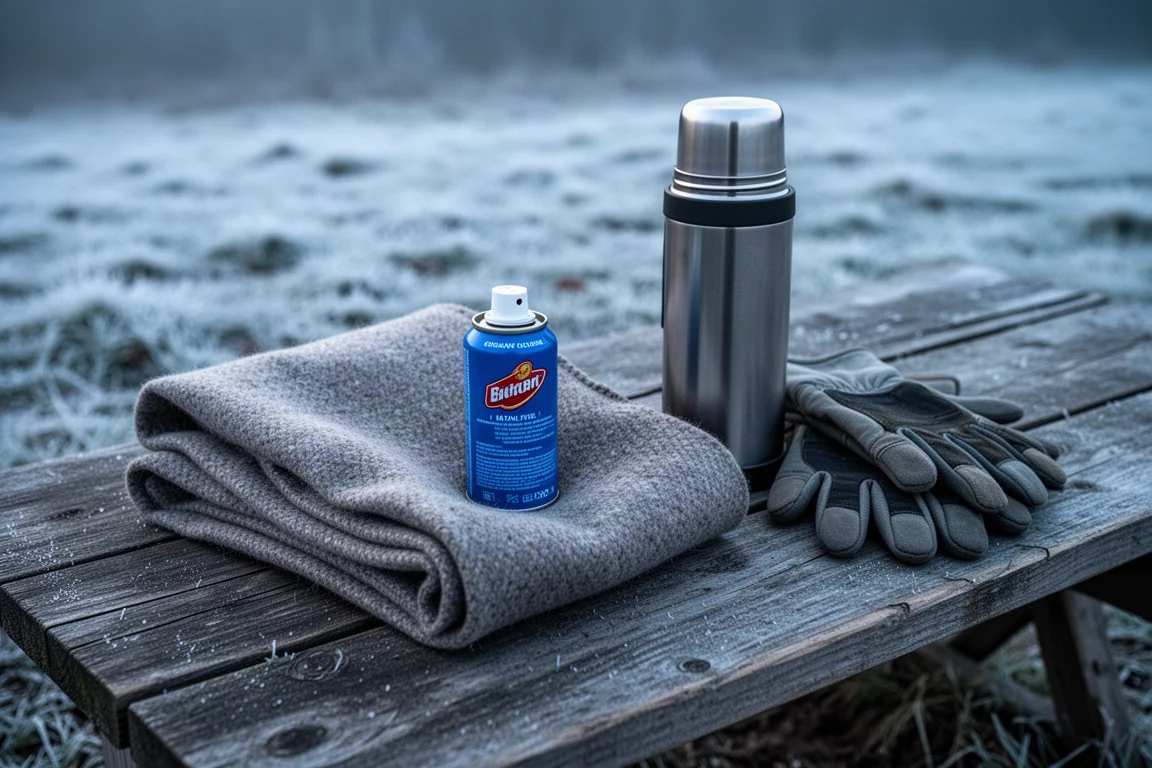
Butane struggles below about 40 degrees Fahrenheit, and this heater is no exception. It has been run down to roughly 20 degrees Fahrenheit by keeping the canister close to the body to warm it, then inserting it and running the heater until the fuel was spent. If you plan to use this in winter conditions, expect to manage the fuel canister as carefully as the heater itself.
Run times are worth setting expectations against. One eight-ounce canister delivers roughly two hours on high, or about three and a half to four hours on low. Claims of six hours from a single canister do not hold up in practice. As for output, published figures conflict: some listings state 5,633 BTU while the company’s US site lists 3,333 BTU. Real-world performance points closer to the lower figure, around 3,000 BTU.
Safety and Fuel Handling
The company states that the heater has an auto shutoff feature, but does not specify exactly what triggers it. There is no oxygen sensor, so ventilation is essential when using this in a tent, a rooftop tent, or any small enclosed space. Good airflow plus a carbon monoxide detector is the sensible setup, and the same advice applies to any fuel-burning heater used indoors.
One experience is worth repeating because it shapes how you should use the product. After the heater had been moved around with a canister connected, ignition produced liquid fuel spitting from the unit and fireballs roughly two feet high. Once the canister was removed, the valve switched back on, and vapor was allowed to escape for around 30 seconds, the heater ran normally with a fresh canister. The likely cause is liquid fuel finding its way into the plumbing. The practical rule: only insert the canister when you are ready to light the heater, do not carry the unit around with fuel connected, and when you are finished, shut it off, remove the canister, and briefly run the heater to clear any residual fuel.
Buying Advice
Price is the main sticking point. The Cupid was listed at around 110 dollars at the time of writing, against a 140 dollar retail price. Most butane heaters of this type sell for roughly 70 to 80 dollars, and larger propane heaters sometimes cost less while producing several times the heat. At 110 dollars the value case is reasonable given how unusual the form factor is; at full retail it is harder to justify.
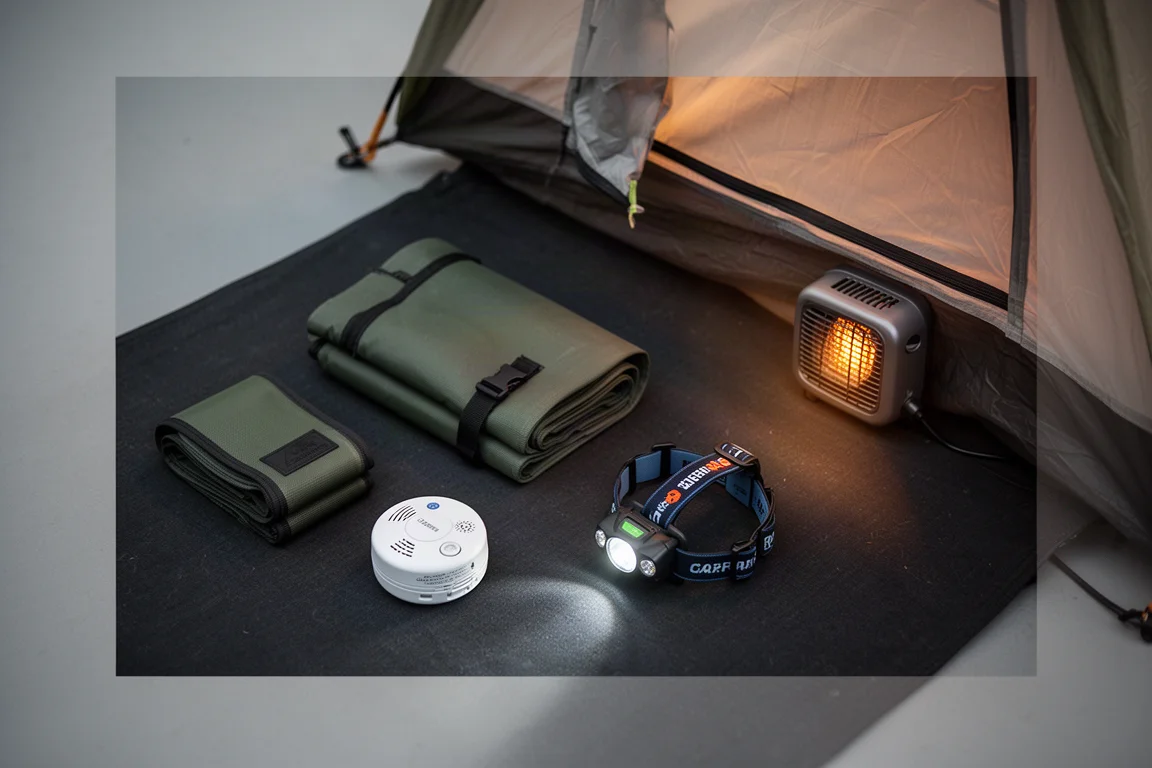
That said, the comparison is not quite apples to apples. A larger heater is designed for larger spaces and would overwhelm a small tent. The Cupid is designed for very small spaces, and it is the compact size, not the heat output, that you are paying for. If a small, quiet, fast-warming heater that fits inside a tent or a small vehicle is exactly what you need, the price is easier to accept. If you need meaningful heat for a bigger area, spend the money on a larger unit instead.
Conclusion
The Covia Cupid Heater is a well-built, thoughtfully designed little appliance that does one narrow job very well. It is quick to deploy, quiet in use, stable on its fold-out leg, and small enough to carry without a second thought. Fuel is cheap, warm-up is measured in seconds, and the shielding makes it easy to place on surfaces you would rather not scorch.
The limits are equally clear. Output is low, cold weather demands care with the fuel, there is no oxygen sensor, and the storage box is not built to last. Buy it for a two to four person tent, a rooftop tent, or a small vehicle, and it makes sense. Buy it expecting to heat a large space, and it will disappoint. For the right buyer, the size alone is the reason to choose it.
Product link
View more details for Covia Cupid Heater
This product is mentioned in the review. Check the specifications, options, and compatibility before buying.
View more details for Covia Cupid HeaterFurther reading
Related Reviews
Backpacking Tents
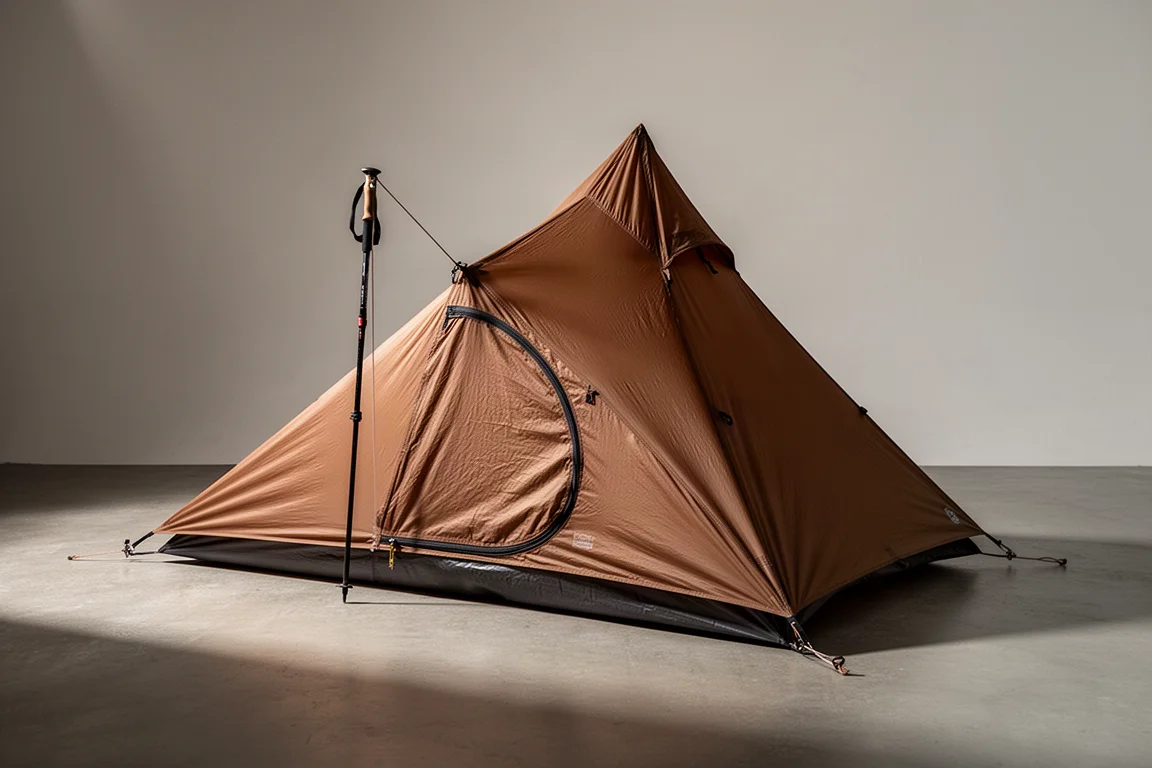
3F UL Lanchan Pro 1 Review: A 1 lb 8 oz Single-Wall Trekking Pole Tent
A practical look at the 3F UL Lanchan Pro 1, a single-wall trekking pole shelter with a 1 lb 8 oz weight, 20D silnylon fabrics, and a roomy 90 x 31 x 49 inch interior.
Backpacking Tents
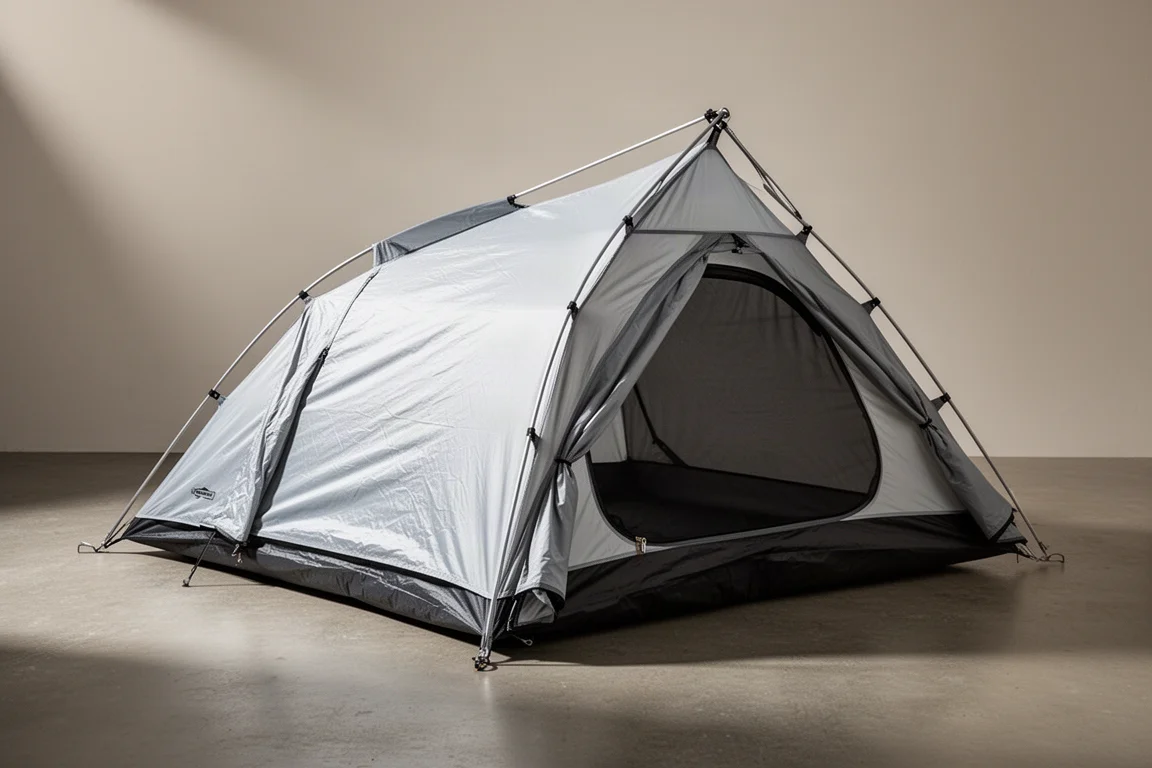
3F UL Taiji 2-Person Tent: A Convertible Backpacking Shelter Worth a Closer Look
A practical look at the 3F UL Taiji two-person tent, covering its materials, true two-person interior, fly-first pitching, and the seasonal inner swap that lets one shelter cover more of the year.
Backpacking Tents
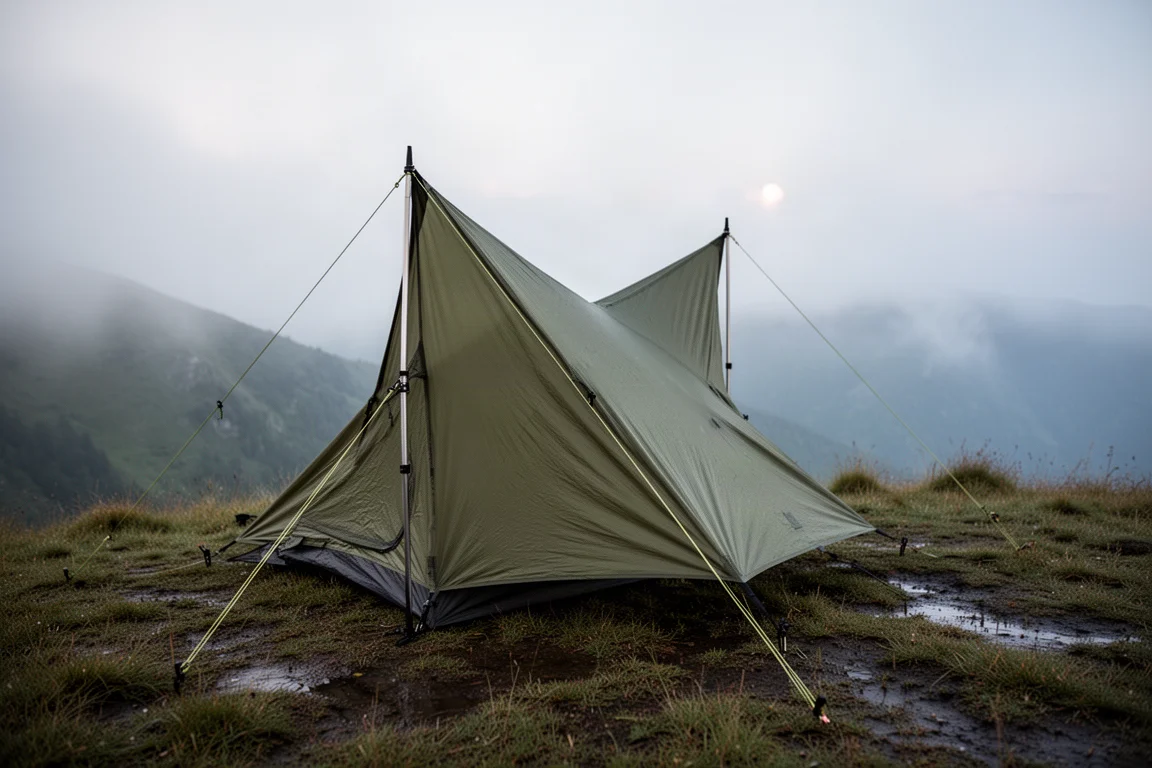
3FUL Lanshan Twoerson Pro Review: A Light Trekking Pole Shelter That Struggled in Rain
A two-person trekking pole shelter with a 2026 redesign, pitched with sticks and put through a night of steady rain. Here is what worked, what did not, and what to check before buying.