GPS Watches
Coros Vertix 2S Review: A Reliable GPS Watch Built for Long Days Outdoors
A multisport GPS watch with huge battery life, fast GPS and heart rate lock, and a titanium build, plus the display and button quirks worth knowing before you buy.
Introduction
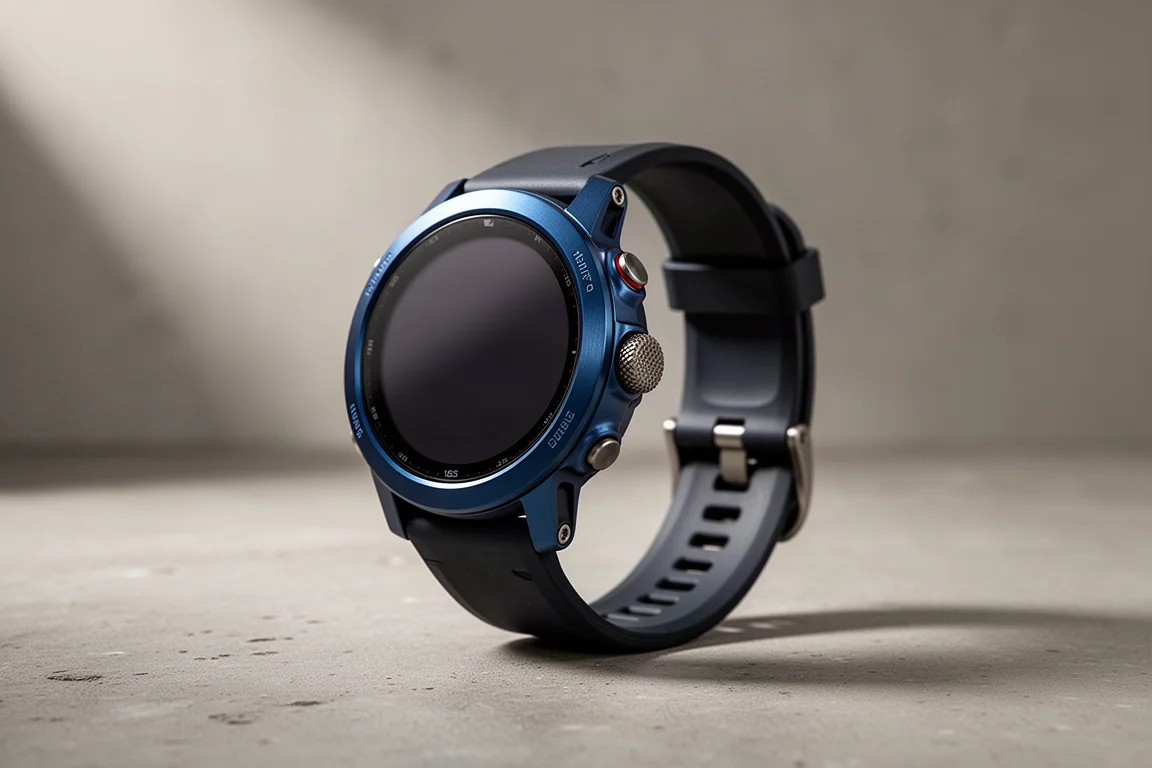
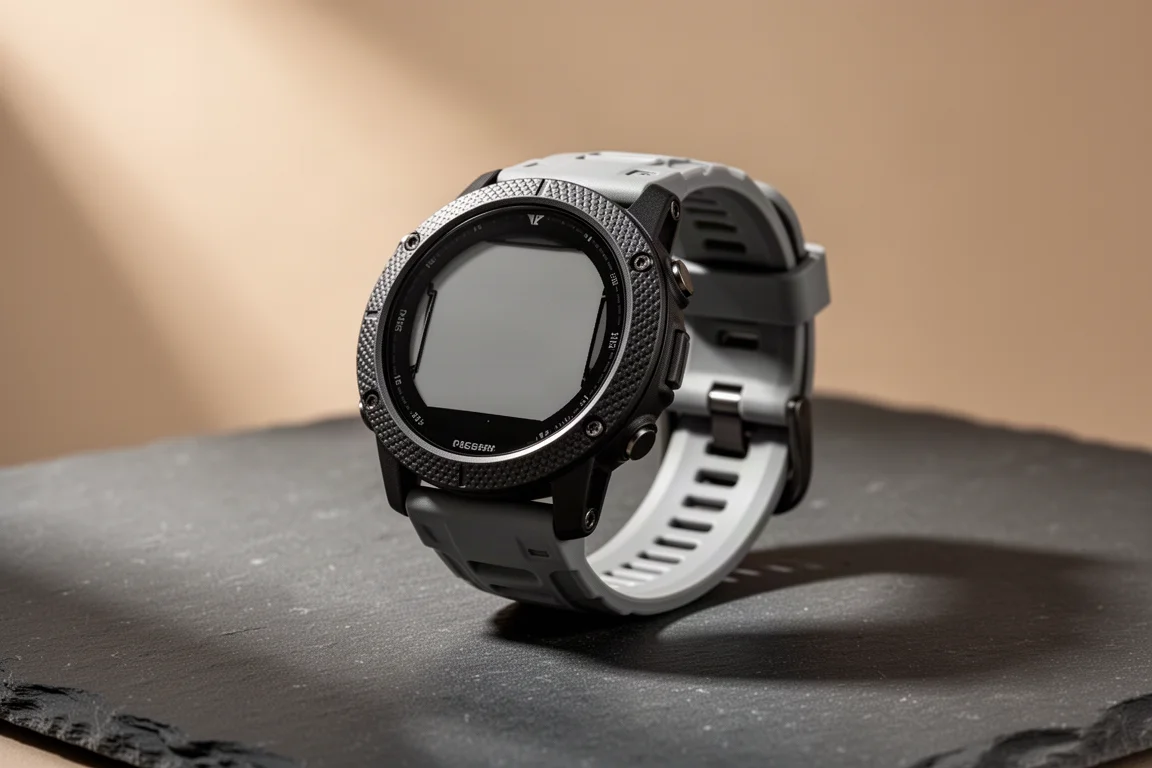
The Coros Vertix 2S is a multisport GPS watch made for people who spend long days outdoors, and it has picked up an award from an outdoor publication along the way. It combines a titanium alloy bezel and casing with a PVD coating, a sapphire glass lens, and 100 m water resistance, so it is built to cope with mountain weather and rough ground. The blue colourway sits alongside light gray and black versions. In the box you get the watch, a spare strap, a charging cable, and the instructions.
Used across cycling, running, walking, and hiking throughout the year, it has stayed dependable. The GPS locks on quickly and holds its signal, and the heart rate sensor behaves the same way, picking up fast and staying accurate.

That reliability is the core of the pitch here. Nothing about this watch feels fragile or fussy, and it earns its place on long outings rather than short training sessions.
Who This Watch Is For
This is a watch for hikers, backpackers, trail runners, cyclists, and walkers who want one device to cover all of it. Multi-day trips are where it makes the most sense, because the battery life is the headline feature and the whole design supports that use case.
It also suits anyone who wants to dig into training and recovery data after a session rather than just glance at a distance figure. The 50 mm case is large on paper, but it does not look out of place on smaller wrists, and the silicone band keeps the weight down at 61 g, rising to 87 g with the nylon strap.
Main Strengths
Navigation is genuinely quick. Three side buttons handle the main controls, one of them being a jog wheel that scrolls through activities and settings with a satisfying, deliberate feel. You can add activities that are not preloaded, so the watch can be shaped around what you actually do rather than the other way round.
The watch face is fully customisable, and the data fields include calories burnt, step counter, travel distance, intensity minutes, and stress tracking, with sleep monitoring running in the background as well.
Battery Life and Charging
The numbers here are the reason to choose this watch. Coros rates it at 48 days of regular use, 36 days with sleep tracking enabled, 118 hours in standard GPS mode, 73 hours with all systems on, and 43 hours in dual frequency mode. For a multi-day backpacking trip, that is a meaningful buffer rather than a compromise.
Charging is just as practical: a full charge takes around one and a half hours, which is quick enough to fit into a rest stop or an evening in a hut.
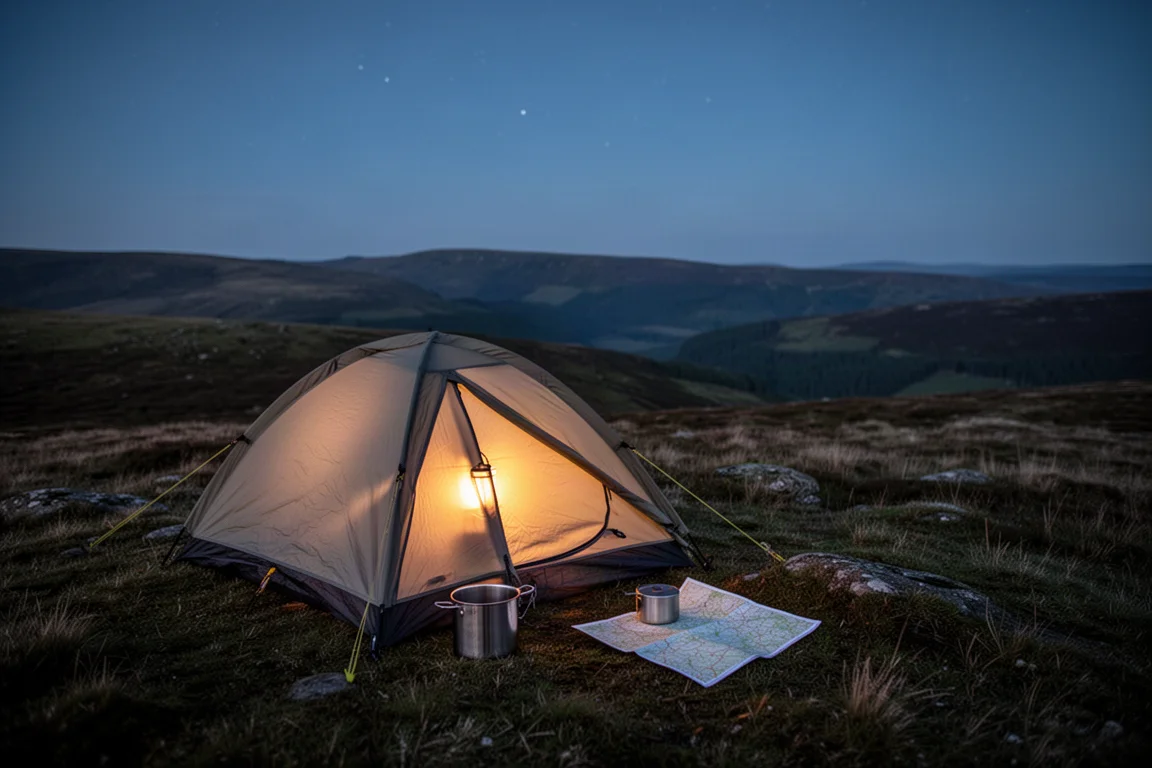
That combination of endurance and fast charging is what separates it from watches that look sharper on paper but need a cable every couple of days.
Sensors, GPS, and Build Quality
The heart rate sensor is a next-generation unit, and it locks on almost immediately without losing the reading mid-session. The watch draws on multiple GPS systems, and the signal acquisition outdoors is fast and stable, with no dropouts observed over a year of use.
The sapphire glass is genuinely scratch resistant, and the watch has stayed looking sharp despite heavy wear. The display is also a touchscreen, so you can swipe between screens, and the watch syncs over both Bluetooth and Wi-Fi. The companion app is free from the app store, connects quickly, and adds mapping, route creation, and software updates, with Wi-Fi making the update process noticeably faster.
What the Numbers Tell You After a Session
Finishing an activity opens up a deep set of metrics. You get recovery time, total activity time, calories burnt, an elevation profile with gain and loss, heart rate zones, average and maximum heart rate, average speed, best mile time, and a breakdown of training load.
A representative run logged 6.3 miles in 49 minutes at an average pace of 7 minutes 54 seconds, with an average heart rate of 153 bpm and a maximum of 168 bpm, alongside power and cadence data. All of it is presented graphically, and the zones can be tailored to your own profile.
You do not have to enter much personal information to get this level of feedback, which makes the analysis feel accessible rather than reserved for athletes with a coach.
Things to Consider Before Buying
The 280 x 280 display is the clearest trade-off. Some premium GPS watches use richer, more colourful screens with far more detail, and next to those the Vertix 2S can look dated. The counter-argument is battery life: those sharper displays tend to struggle badly over multi-day trips, which is exactly where a more traditional display wins.
The jog wheel deserves a caveat too. If you wear the watch on your left wrist, during cycling or scrambling it is easy to hold the unlock button down by accident, since it only takes a few seconds, and that can stop your activity. Wearing the watch on the other wrist avoids the problem, though it feels strange if you are used to a particular side.
Buying Advice
At £599 this is not a cheap GPS watch, and it is worth being honest about that. What you get in return is a large feature set, strong sensor performance, reliable GPS, and battery life that supports genuinely long adventures. For anyone whose priority is multi-day trips and detailed post-session data, the value is easy to justify.
If your main interest is the sharpest possible screen and you rarely go beyond a day out, a different balance of priorities may suit you better. If you want a watch that simply keeps working when the trip gets long, this one earns its price.

It is also worth noting that professional athletes and Olympians use this model, which is a reasonable signal that the fundamentals hold up under serious use.
Conclusion
The Coros Vertix 2S gets the important things right. The GPS and heart rate sensors lock on fast and stay locked, the titanium and sapphire build shrugs off hard use, and the battery life is generous enough to cover multi-day backpacking trips without worry. The display is the weakest link and the jog wheel has a genuine quirk, but both are tied to the same design decisions that make the endurance possible. For hikers, backpackers, and multisport athletes who value reliability over screen glamour, it is a confident recommendation.
Product link
View more details for Coros Vertix 2S
This product is mentioned in the review. Check the specifications, options, and compatibility before buying.
View more details for Coros Vertix 2SFurther reading
Related Reviews
GPS Watches
Garmin Fenix 6S Pro Review: A Compact Multi-Sport GPS Watch
A long-term look at the 42mm Garmin Fenix 6S Pro, covering mapping, training metrics, battery life, and what to weigh before buying.
GPS Watches
Garmin Instinct 2 Solar Review: Weeks of Battery for Runners, Riders, and Hikers
A practical look at the Garmin Instinct 2 Solar, covering solar charging, multi-week battery life, training metrics, and GPS performance across running, cycling, and hiking.
GPS Watches
Suunto 9 Peak Pro Review: A Light, Long-Lasting GPS Watch After 12 Months
A compact multisport GPS watch with exceptional battery life, accurate breadcrumb navigation, and a deliberately simple interface. Here is where it shines and where it falls short.