Running Tech
COROS POD 2 Review: A Week and Ten Runs on the Foot Pod That Fixes Treadmill Data
After ten runs in one week, including a treadmill workout and a six-mile afternoon run that went wrong, here is an honest look at the COROS POD 2 for treadmill runners and data-focused trainers.
Introduction
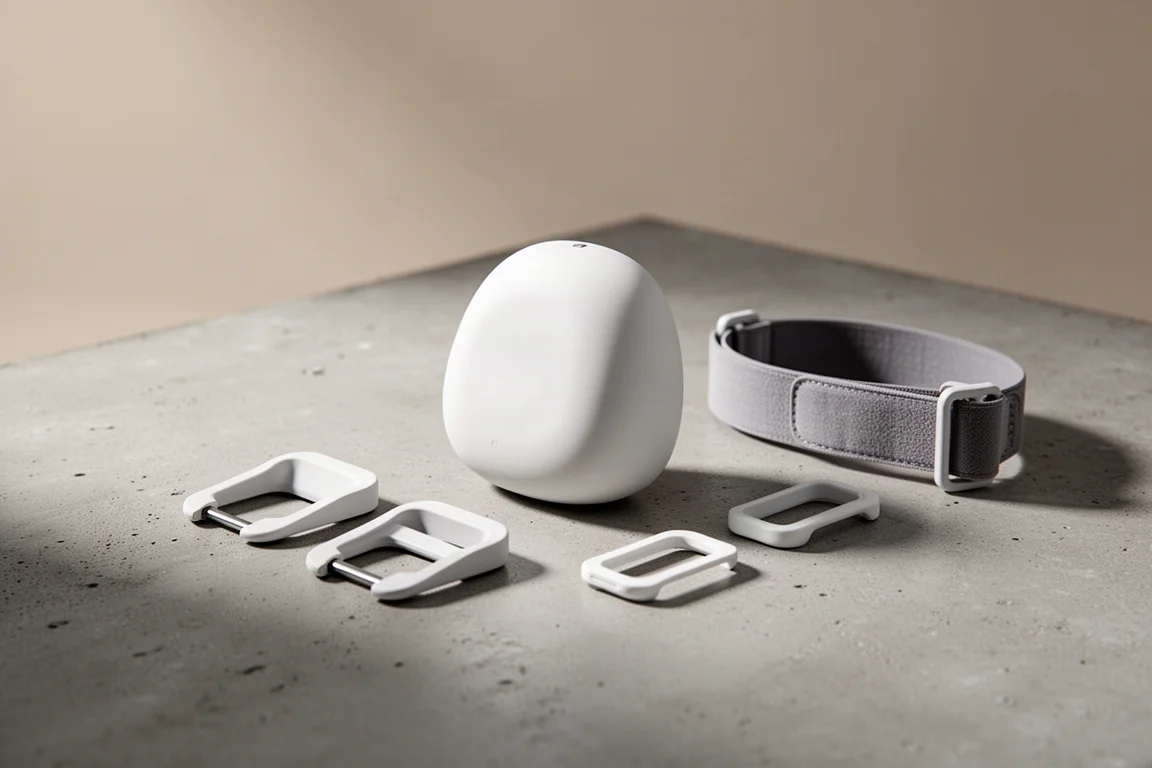
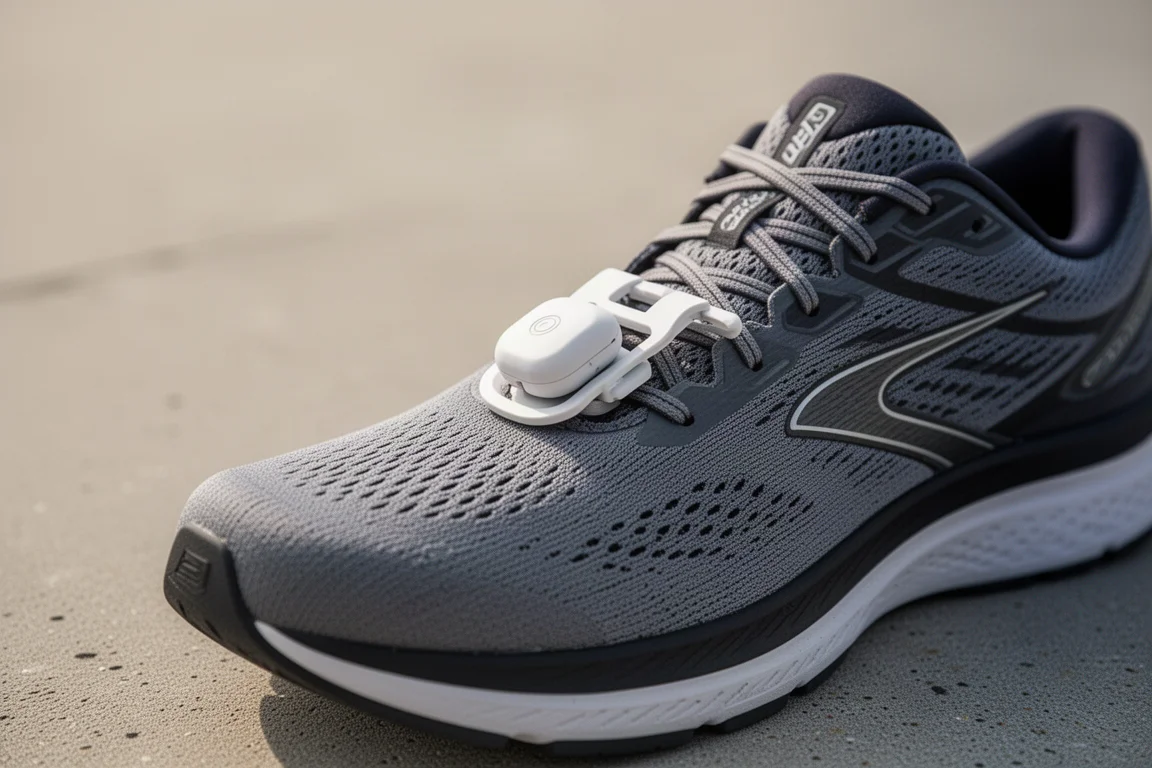
The COROS POD 2 is a tiny clip-on device that straps to your shoe laces and promises more accurate pace, distance, and running mechanics data than a watch alone. That promise matters most in one specific place: the treadmill. Anyone who has tried to run intervals on a gym treadmill knows the frustration of reconciling the treadmill console with the watch, especially when pausing mid-workout for a bathroom break or a camera adjustment.
I put the pod through a treadmill test on a four-by-10-minute half-marathon-pace session and then carried it through ten runs in a single week of high-mileage marathon training. Here is what held up, and what did not.
Who this product is for
The POD 2 makes the most sense for two groups of runners. The first is treadmill trainers: if you do structured workouts indoors, the pod eliminates most of the bookkeeping that makes treadmill sessions annoying. Gym treadmills typically shut down after an hour, pause functions reset everything, and watch-only tracking on the belt is unreliable enough that the data becomes messy and hard to interpret afterwards. The pod gives you one source of truth for pace and distance that stays consistent through pauses and console resets.
The second group is data-focused runners who already run with a watch and a heart rate monitor. If you are tracking cadence, stride length, and heart rate at specific paces to understand your training, the pod adds running mechanics data that a wrist watch estimates poorly, and it fits naturally into a wider ecosystem of training tools.
Main Strengths
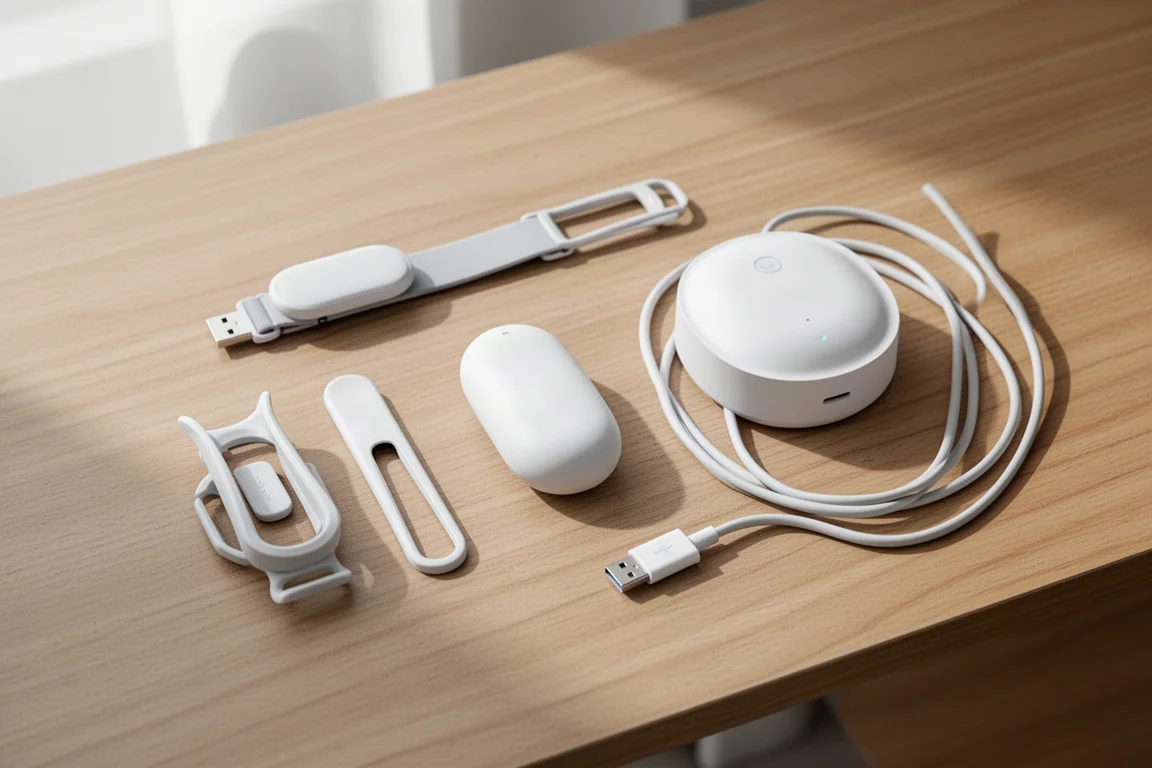
The headline win is treadmill accuracy and convenience. On the test session, distances tracked very close to the treadmill reading, and the workout afterwards was dramatically cleaner to analyze. Instead of compressed, unusable pace data, the splits showed real numbers: roughly 5:30 average paces across four 10-minute reps at half marathon effort, with average cadence readings in the low 180s and one rep reaching 188.
That post-run data quality is a bigger deal than it sounds. With watch-only treadmill tracking, pace fields get stretched and smooshed after recalibration, and unless the workout was done in mile repeats, the numbers are hard to contextualize. With the pod, a time-based workout finally produces splits worth reading.
The second strength is simply being able to trust the device on your wrist during the run. Pausing the treadmill for a break no longer means mentally tracking how much distance remains before the console maxes out. The pod keeps recording, the watch shows the true total, and the mental overhead disappears.
The third strength is the wider ecosystem. The pod synced to the phone quickly with no noticeable data lag, and the combined setup of pod, heart rate monitor, and watch worked smoothly together. Cadence and stride length metrics from the pod were detailed and believable, and heart rate tracking through the paired strap was accurate throughout.
Things to Consider Before Buying
There are two real caveats, and one of them matters a lot.
The first is a persistent pace offset on the treadmill. During the workout, the pod consistently read about 10 seconds per mile slower than the treadmill console: the treadmill showed roughly 5:15 pace while the watch with the pod showed 5:25. On a fast workout, a 10-to-15-second-per-mile difference is significant, since that gap can separate half marathon pace from marathon pace. It is genuinely unclear whether the treadmill or the pod is correct, and the pod’s foot-speed-based tracking may read shorter or slower for runners with a naturally lower cadence. If you train by exact paces, be aware of this ambiguity.
The second caveat is more concerning: on the tenth run of the week, the pod went completely erratic. During an ordinary six-mile afternoon run, the displayed pace jumped between 5-minute miles and 11-to-12-minute miles while the actual pace was a steady 7:30-ish. Pausing the watch and re-clipping the pod did not fix it, and there was no obvious way to disconnect the accessory mid-activity without ending the whole run. The lap pace field stayed sensible, the final average looked roughly correct, and heart rate was fine, but the live pace feed was unusable for most of the run.

That is one failure in ten runs. For a device whose entire job is reliability, a 90% success rate is not good enough. To be fair, the other nine runs, including an entire hard treadmill session, were flawless, and it is possible the failure was an environmental one-off. But if that glitch happened during a race or a workout in an unfamiliar location, it would be a real problem.
Buying Advice
At around $100, the pod is an affordable addition to an existing COROS setup, and the broader ecosystem adds up reasonably: roughly $100 for the heart rate monitor, $100 for the pod, and around $350 for the Pace Pro watch, for about $550 in total. Buying all three is not necessary. If you run mostly outdoors and already trust your watch, you probably do not need this.
If you run a meaningful share of your mileage and workouts on treadmills, the pod is close to a must-have. It turns treadmill sessions from a data mess into clean, analyzable training, and that alone justifies the purchase for many runners. If you buy one, go in knowing the pace may read slightly slow on fast efforts, and keep an eye on whether the live-pace glitch repeats.

Conclusion
The COROS POD 2 is a genuinely useful piece of running tech that delivers on its main promise: trustworthy pace and distance on the treadmill, plus cadence and stride data that make post-run analysis far more valuable. Nine out of ten runs were excellent. The tenth exposed a live-pace reliability issue that is hard to ignore for a device you count on mid-run. For treadmill-heavy runners, the benefits clearly outweigh the risks. For everyone else, it is a nice-to-have rather than a necessity.
Product link
View more details for COROS POD 2
This product is mentioned in the review. Check the specifications, options, and compatibility before buying.
View more details for COROS POD 2Further reading
Related Reviews
Running Tech
1MORE Fit SE Open Earbuds S30 Review: Lightweight Open-Ear Audio for Runners
A compact, 10g-per-bud open-ear sports earbud with strong volume, secure fit, and 30 hours of total battery for $59.99.
Running Tech
Apple Watch Running Power vs Garmin and Stryd: How the Beta Stacks Up
A close look at the new Apple Watch running power beta, compared side by side against Garmin, Polar, Coros, and the Stryd Foot Pod across real interval sessions.
Running Tech
Oladance Wearable Stereo Review: Open-Ear Earbuds Built for Running
First impressions of the Oladance Wearable Stereo open-ear earbuds: comfort, sound quality, battery life, and how they hold up in wind and rain.