Running Tech
Apple Watch Running Power vs Garmin and Stryd: How the Beta Stacks Up
A close look at the new Apple Watch running power beta, compared side by side against Garmin, Polar, Coros, and the Stryd Foot Pod across real interval sessions.
Introduction
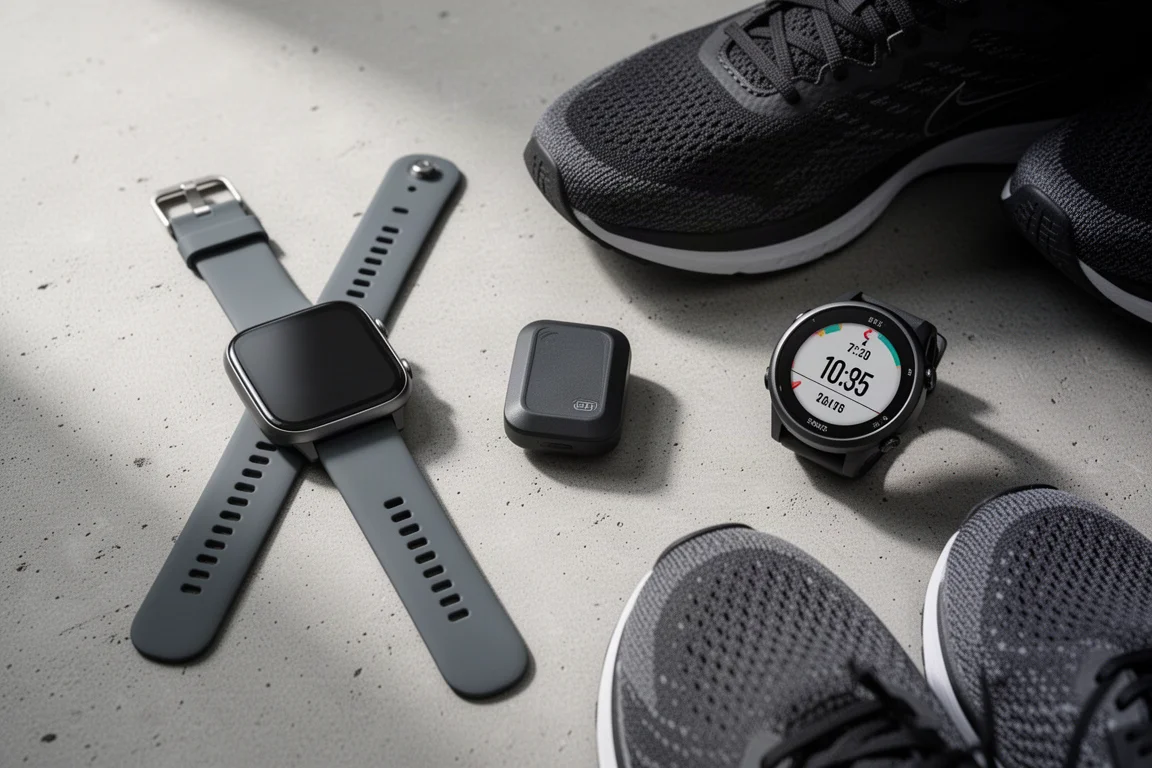
Running power has quietly become one of the most interesting metrics in sports tech, and Apple has finally joined the party. Running power arrived on the Apple Watch in beta form, and it sits alongside the established players: Garmin, Polar, Coros, and Stryd. After several real-world runs comparing all of them side by side, the picture is promising but imperfect.
The first thing to understand is that there is no agreed-upon standard for running power. The companies building these systems have not settled on a common scientific definition of what running power should include. That means every comparison below is about trends and behavior, not about which number is objectively correct.
What Running Power Actually Measures
Running power is essentially a way to normalize your pace and effort across terrain. On a typical run you slow down going uphill and speed up going downhill, which makes it hard to compare one portion of a run against another. Heart rate can compensate for that, but heart rate also varies day to day and with weather conditions. On a hot sunny day your heart rate runs higher than on a cool winter morning.
Power gives you a single target instead. You can aim to hold 300 watts for an entire race and your effort stays normalized across hills, flats, and changes in pace. Power also responds to weight, speed, and gradient: holding the same pace uphill pushes your power up, while the same pace downhill pulls it down.

How It Works on the Watch
On the Apple Watch, running power appears as a data field you can add to a customized data page. Two metrics are available: instant power and run average power. There is also a dedicated running power page showing a trailing ten-minute historical graph, which is a nice touch for pacing long intervals.
Instant power reacts quickly. Slow down and it drops, speed up and it climbs, and the response to terrain follows the same logic. One early gap: there is currently no way to see lap or split average power on the watch itself. You only get that after the run in the summary, and a live split average would make pacing intervals considerably easier.
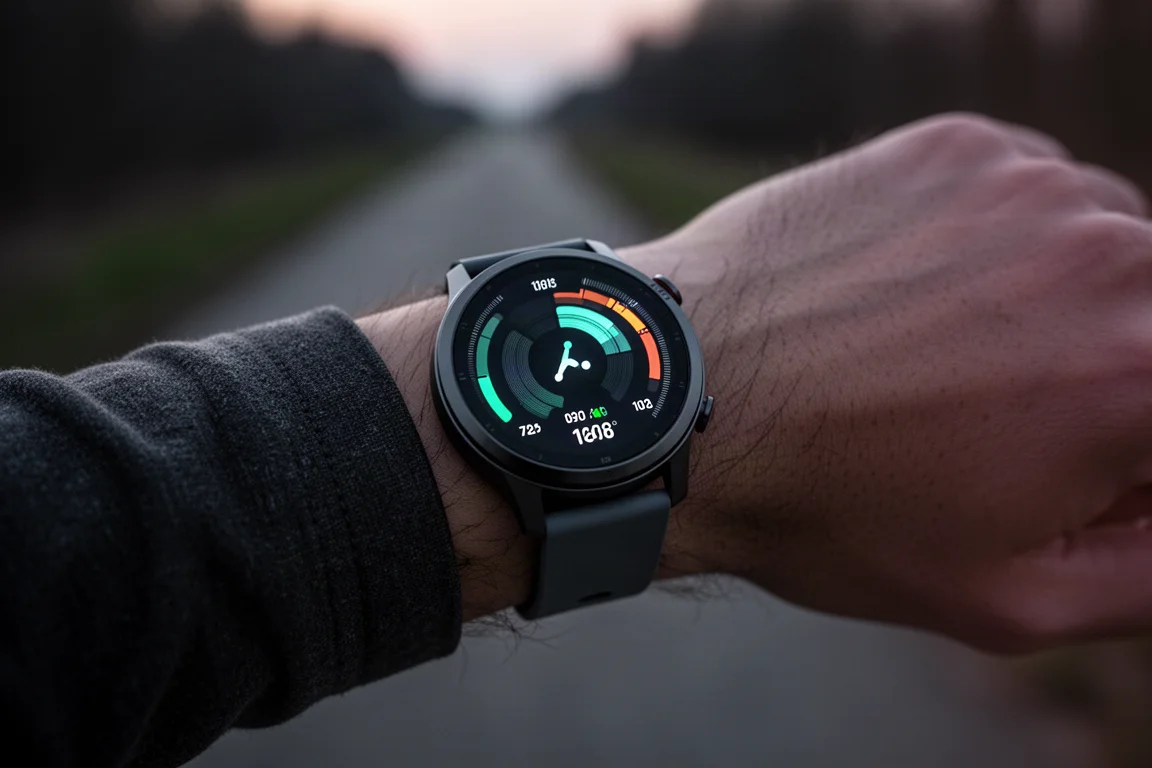
Keep in mind this is all beta. It is currently limited to developers, with a public release expected in the next version of watchOS, likely alongside the next Apple Watch. Expect refinements between now and then.
The Test Setup
The comparison used an 8 x 400 meter interval session on flat ground: a roughly ten-minute warm-up, then 400 meter hard efforts at about 3:30 to 3:45 per kilometer (roughly 5:35 to 5:45 per mile), each followed by a 90-second walking recovery.
Each system measures power in a slightly different way. Apple uses entirely wrist-based measurement inside the watch itself, the same approach as Coros and Polar. Garmin requires an external accessory such as the HRM Pro strap, and the Forerunner 255 pairs directly with it. Stryd uses a foot pod that clips to your running shoe, and that pod also records on many other watch platforms including Apple, Coros, Polar, and Suunto, which makes it the most platform-neutral option of the group.
Where the Numbers Diverge
Across the runs, every system trended in the same direction at the same time, which is the core of what matters. The nuance shows up in the magnitude. Stryd and Apple tracked relatively close together, while Garmin and Polar tended to read higher, with Coros sitting somewhere in between, closer to the Stryd side.
The main reason for the spread is algorithm choice. In particular, Stryd excludes what is called the elastic recoil effect, essentially the rebound that happens when you run. Since the scientific community has not agreed on what running power should include, there is no way to declare one system right and another wrong. Some have theorized Stryd’s lower values align more with cycling power, but running and cycling use your muscles in fundamentally different ways, so that alignment is coincidence rather than design.

One clear behavioral difference: in the walking recovery intervals, Apple’s power cuts out entirely and drops to zero watts. That is arguably wrong, since walking still requires effort, and every other system continues to show a low level of power. The bigger issue is not the walking data itself but the effect on your run averages. A walk that should register somewhere around 50 to 100 watts instead reads zero, which skews your overall averages in odd ways.
The good news is responsiveness. When each hard interval started, every system kicked up within about a second, with no noticeable latency and nearly identical levels. Apple also showed a slight delay around hills going uphill, something that needs deeper testing with dedicated hill repeats, likely to be refined as the algorithm matures.
Where Running Power Still Falls Short
A couple of limitations apply across the whole category. Surface conditions remain largely unaccounted for: running on grass, sand, or mud is far less efficient than running on pavement, yet most systems show very little difference despite the vast gap in real effort. Claims that they handle surfaces are mostly marketing rather than reality.
Wind is the other open question. Stryd and Garmin can account for wind in different ways, but it is not yet clear whether Apple does, partly because there is no documentation on the beta feature yet.
The Post-Run Experience
On the watch itself you only see the average power for the run, but the Apple Fitness app opens up considerably once you sync. You get splits, intervals, and charts, which is a genuinely welcome depth for a platform that historically has not gone this far into fitness analytics.
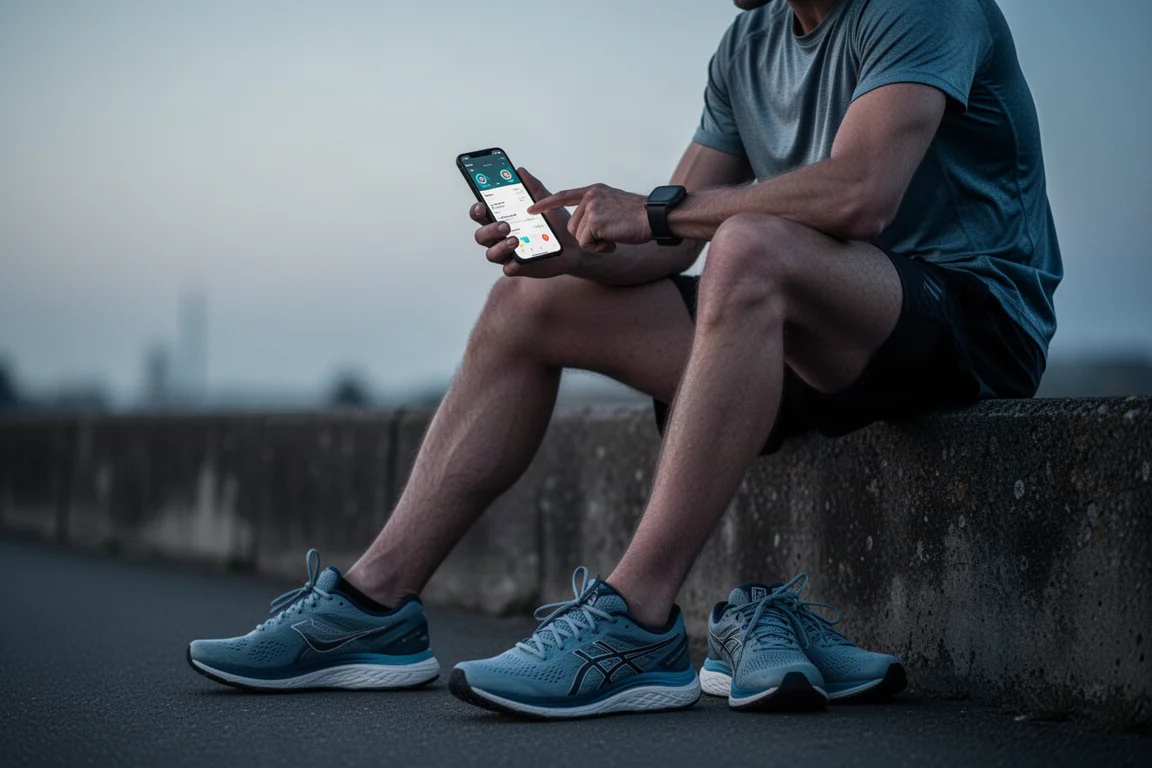
Third-party apps can also tap into the running power data stored in Apple Health. The developer of HealthFit, an app for exporting Apple Health data to platforms like Strava and TrainingPeaks, built early beta support for exporting running power and running efficiency metrics, which made detailed analysis possible. Public availability is expected in a future production build.
Buying Advice
If you already run with an Apple Watch, the beta costs you nothing and trends closely alongside Stryd, so it is worth trying as soon as it reaches public release. Just be aware of the walking power quirk and the missing on-watch split averages for now. If you want the most platform-independent power solution, the Stryd Foot Pod works across Apple, Garmin, Coros, Polar, and Suunto. If you prefer a traditional GPS running watch ecosystem, the Garmin Forerunner 255 with an HRM Pro strap delivers the established Garmin power experience, though its numbers will read higher than Stryd’s purely because of algorithm differences.
Conclusion
Apple’s first swing at running power is a solid one. The trends match the market leaders, interval response is effectively instant, and the post-run analysis in the Fitness app is more detailed than Apple has ever offered. The gaps that matter are the zeroing out of power while walking, which distorts averages, and the lack of on-watch lap or split average power. Both are realistic fixes for a beta, and neither undermines the broader promise: running power is finally accessible to millions of Apple Watch runners, and that is a meaningful shift for the category.
Product link
View more details for Apple Watch Running Power
This product is mentioned in the review. Check the specifications, options, and compatibility before buying.
View more details for Apple Watch Running PowerFurther reading
Related Reviews
Running Tech
1MORE Fit SE Open Earbuds S30 Review: Lightweight Open-Ear Audio for Runners
A compact, 10g-per-bud open-ear sports earbud with strong volume, secure fit, and 30 hours of total battery for $59.99.
Running Tech
Oladance Wearable Stereo Review: Open-Ear Earbuds Built for Running
First impressions of the Oladance Wearable Stereo open-ear earbuds: comfort, sound quality, battery life, and how they hold up in wind and rain.
Running Tech
Shokz OpenRun Review: Bone Conduction Headphones Built for Runners
A lightweight titanium bone conduction headset with quick charging, physical controls, and solid waterproofing for runners who want to stay aware of their surroundings.