Running Watches
COROS PACE Pro vs Garmin Forerunner 965: Which AMOLED Running Watch Should You Buy?
Two of the best AMOLED sports watches with maps go head to head on design, accuracy, battery life, training tools and value.
Introduction
The COROS PACE Pro and Garmin Forerunner 965 are two of the best AMOLED sports watches with maps you can buy right now, and both are firm favourites among runners who want a light, comfortable watch that still handles serious training. The interesting question is not which watch is better in a vacuum, because the Forerunner 965 costs £599/$599 while the PACE Pro sits at £349/$349. The question is whether Garmin offers enough extra to justify the gap, especially since the Forerunner 965 can often be found closer to £499/$499 on sale.
This comparison breaks the two watches into the objective differences first, then looks at how they behave in real running, so you can decide which one fits your needs and budget.
Design and Key Stats
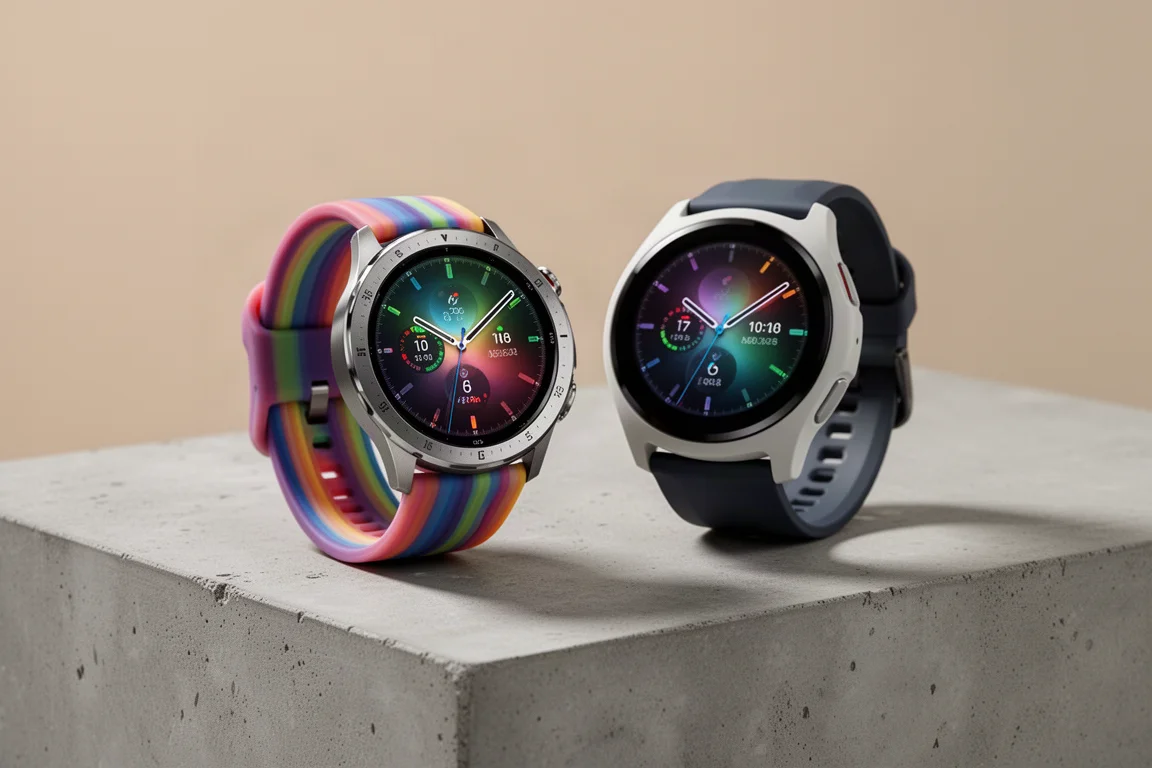
On paper, the two watches are closely matched but not identical. The Forerunner 965 has a titanium bezel and a slightly larger 1.4-inch display compared with the 1.3-inch screen on the PACE Pro. It also uses a five-button layout, while COROS sticks with two buttons plus a digital dial. The Garmin is a slightly bigger, thicker and heavier watch in practice, though both are lightweight and comfortable next to bulkier stablemates like the Fenix and VERTIX ranges.

Both watches carry multiband GPS and the core sensor set you would expect, including a barometric altimeter and pulse oximeter. For external sensors, Garmin has a small edge with both ANT+ and Bluetooth connectivity, while COROS is Bluetooth only. Battery life looks similar on paper: Garmin may appear slightly ahead in watch mode, but COROS offers more run time in multiband and every-second GPS modes, which evens things out over real use.
Run Tracking and Accuracy
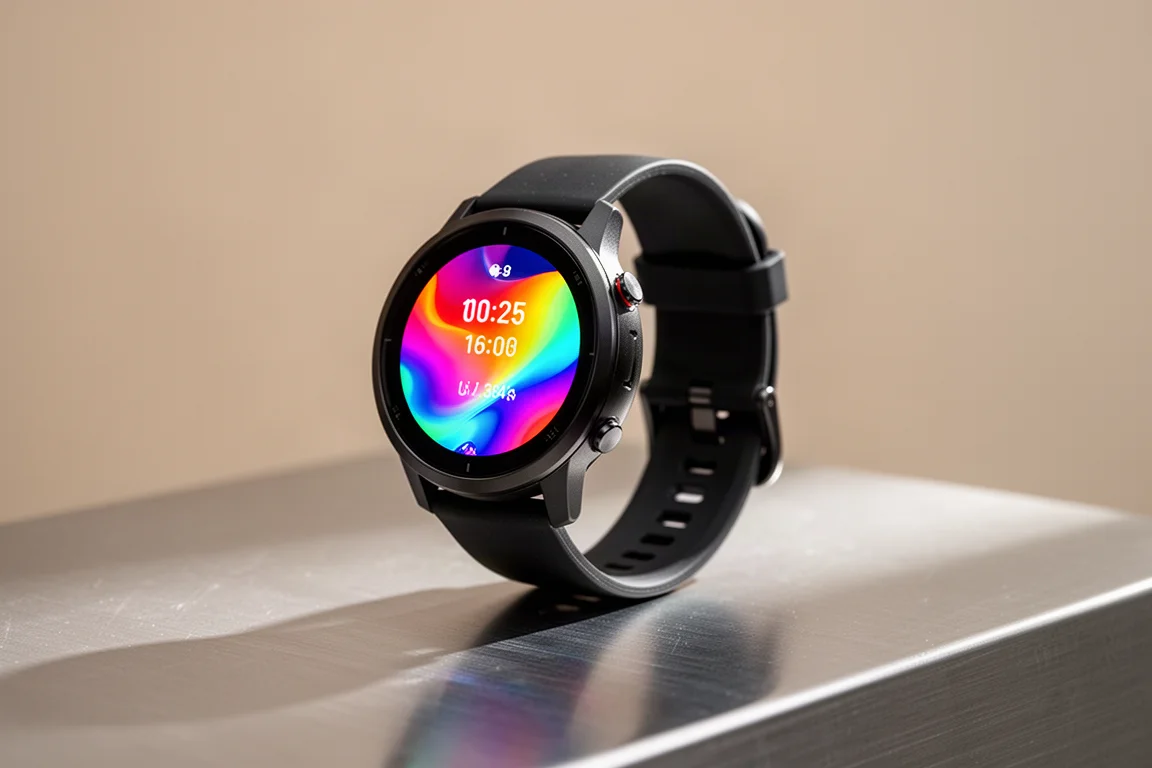
In testing, both watches delivered very solid core run tracking. Multiband GPS performance was close, with tracks matching well within a 10 percent margin of error, and neither watch clearly outperformed the other in a way that would justify a purchase on its own. COROS tends to read slightly shorter than Garmin on most GPS tracks, but the difference is tiny and it is hard to say which is more correct.
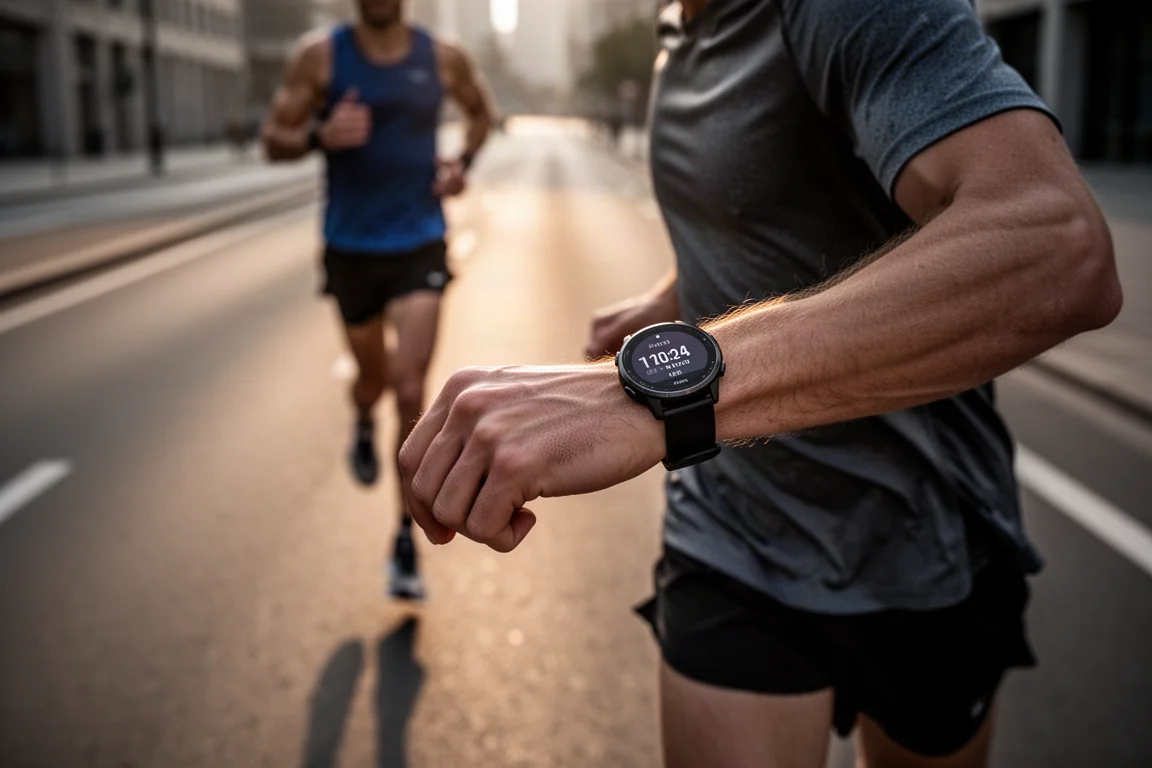
Optical heart rate on both watches behaves the way optical heart rate usually does. On easy and steady runs, both tracked closely against a chest strap. During hard intervals with sharp changes in effort, both occasionally struggled to keep pace, and cold weather can throw either one off. Pairing an external heart rate strap is easy on both. Accuracy alone is not a reason to pick one over the other.
Battery life is impressively close for watches this light with screens this bright. Around six days of daily running with the always-on display enabled is realistic for both, though the COROS often had more charge left and could sometimes stretch to a seventh day. In a one-hour run in max GPS modes with the always-on screen off, the Garmin burned roughly 3 to 4 percent per run while the COROS used around 2 percent, so the PACE Pro holds a small but real efficiency edge.
Navigation and Training Analysis
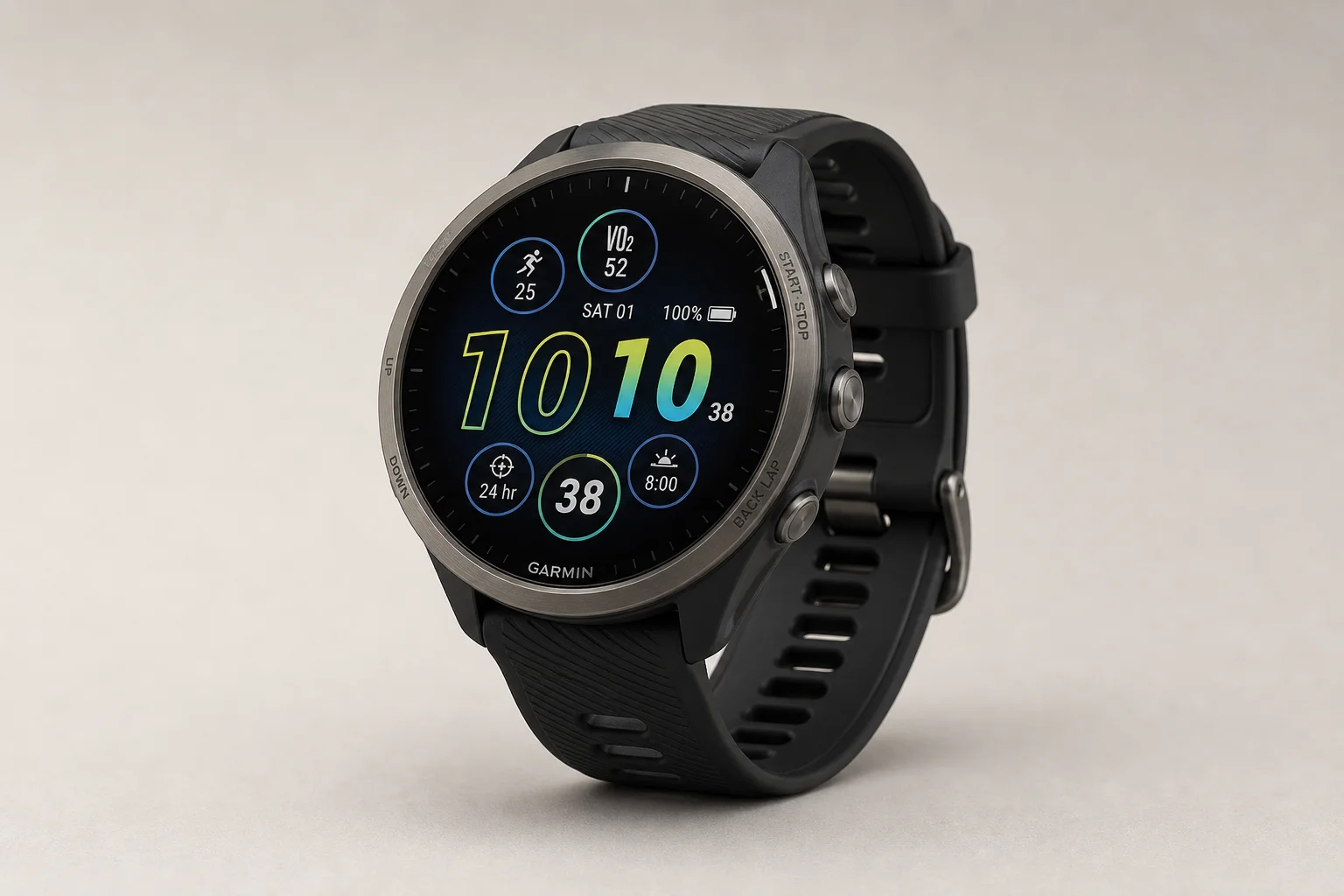
Both watches support downloadable maps for route following, but Garmin’s navigation is more developed. Routeable maps let you create and adjust routes on the fly, something the PACE Pro cannot do beyond a simple pointer. ClimbPro is another standout on the Forerunner 965, giving detailed progress through climbs and descents, which makes it excellent for hilly ultras.
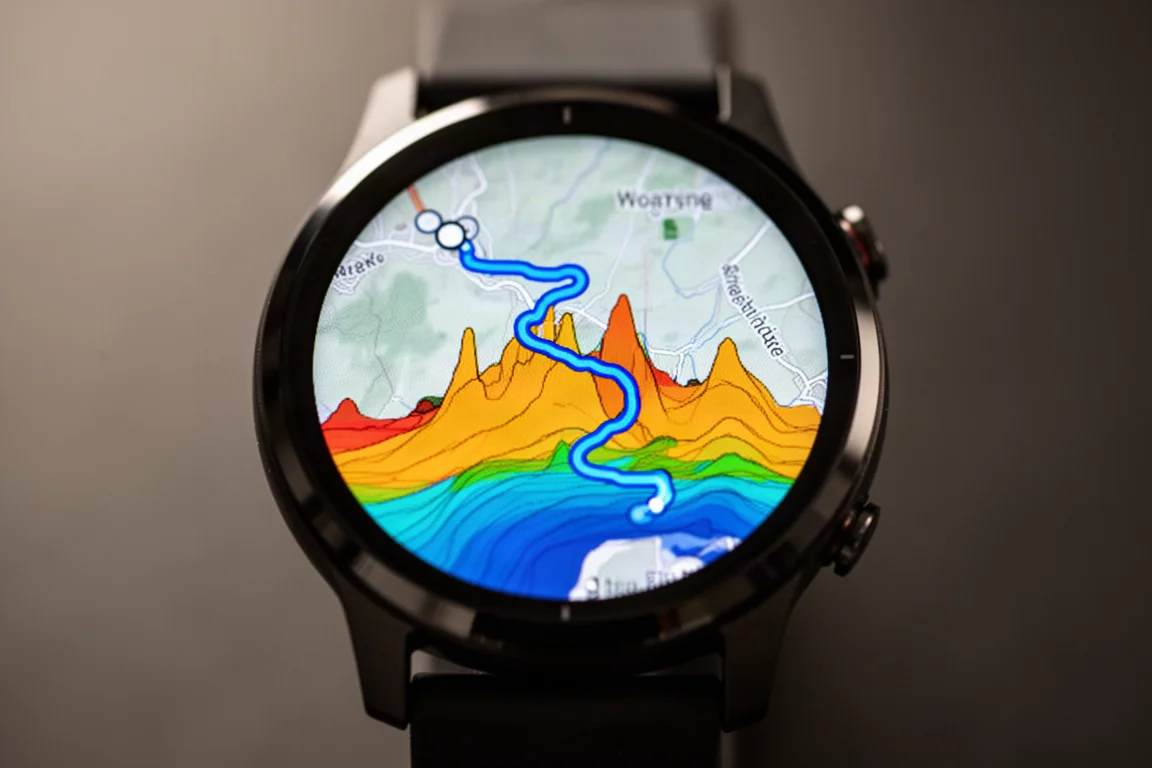
Training analysis is available in depth on both, but Garmin has the edge in breadth and, more importantly, presentation. Features like training readiness, morning reports and clearly organized widgets make Garmin’s insights easier to absorb on the watch itself. The COROS app is arguably easier to navigate than Garmin Connect, which still buries features like structured workouts behind several menus, but the on-watch experience feels more polished on Garmin. Race predictions were actually more accurate on the COROS in testing, which is worth noting if that metric matters to you.
Smart Features and Everyday Use
This is where the gap is widest. The Forerunner 965 supports music streaming services like Spotify, offline music storage, NFC payments through Garmin Pay, and a small but useful Connect IQ app store. Watch faces are far more customizable, with options for weather forecasts, weekly mileage and other data front and center.
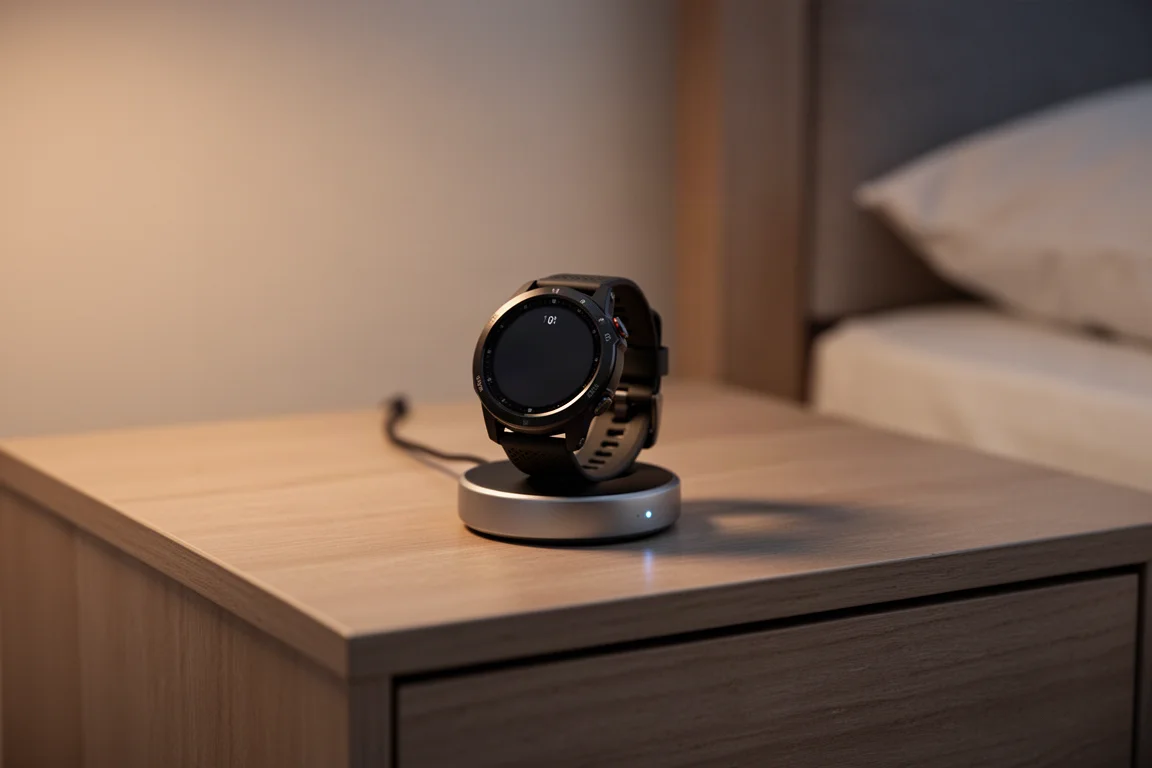
The PACE Pro is much more limited: you can store MP3 files on the watch, but transferring them is a clunky process, and there are no NFC payments or third-party apps to speak of. Notifications work fine, and the software itself is the slickest COROS has produced, but if a rich smartwatch experience matters to you, Garmin clearly wins. Neither watch is the most rugged option on the market, and screen protection is not the best in class on either, but both are comfortable enough to wear around the clock, including for sleep tracking.
Which Should You Buy?
If you care about navigation on the fly, deeper training insights presented well, music streaming, payments and a more refined everyday experience, the Forerunner 965 is the more rounded watch and, with its titanium bezel, the better looking one. Whether those extras are worth roughly £150 to £200 more is the honest question, and for many runners they will not be.
If you want the essentials done extremely well at a much lower price, the PACE Pro is remarkable value: a cracking display, strong battery efficiency, lightweight wearability and GPS and heart rate accuracy comparable to the 965. The head says Garmin, the wallet says COROS, and both answers are defensible.
Conclusion
These are two excellent AMOLED running watches with closely matched specs, similar battery life and near-identical tracking accuracy. The Forerunner 965 offers a wider, more polished feature set and nicer design; the COROS PACE Pro delivers most of what runners actually need for significantly less. Choose the Garmin if those extra features are deal breakers, and the COROS if value leads your decision.
Further reading
Related Reviews
Running Watches
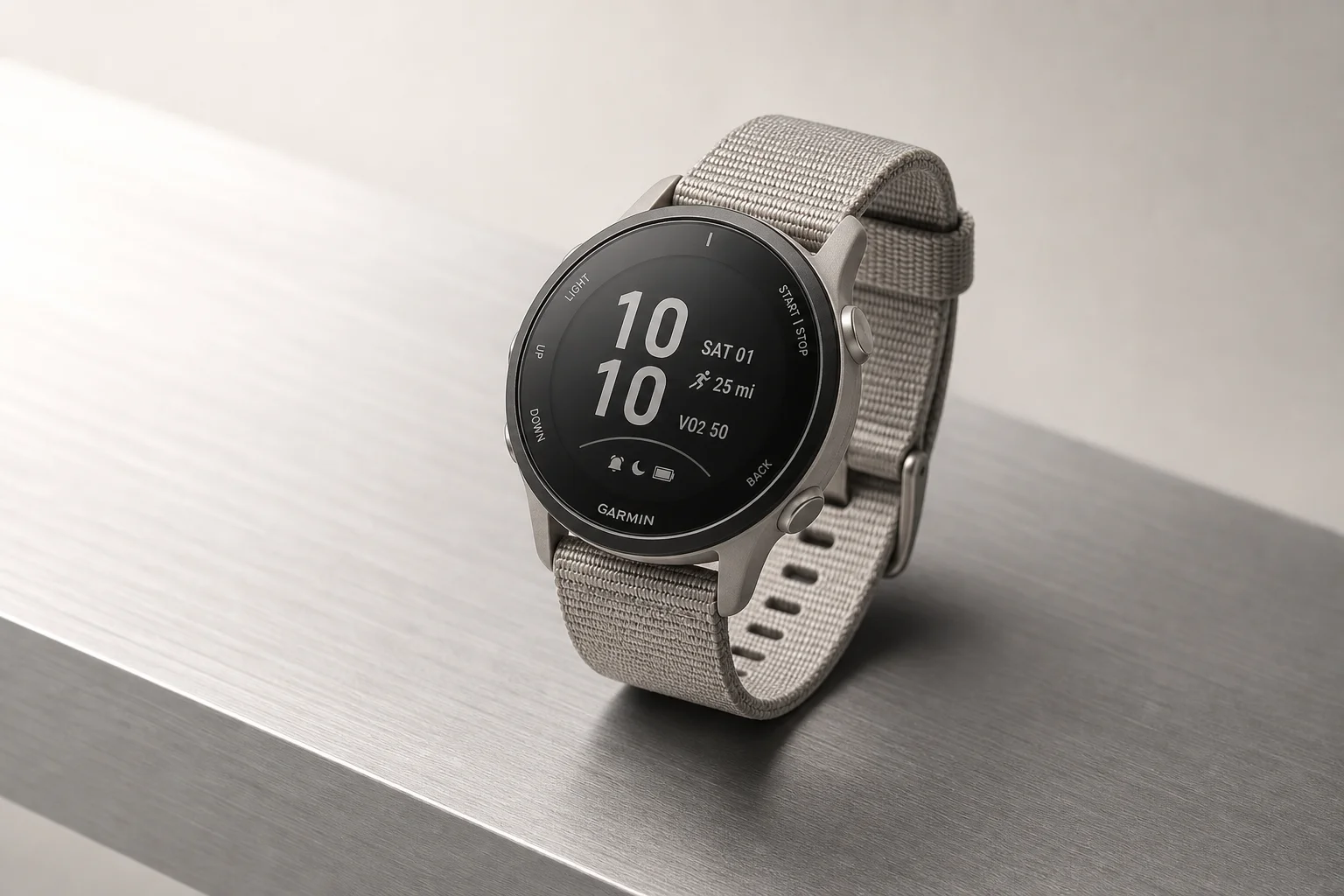
Coros Pace 3 Running Watch Review: Why Software Matters More Than Specs
The Coros Pace 3 prioritizes runner-focused design and intelligent software over expensive hardware. Here's why it outperforms watches that cost twice as much.
Running Watches
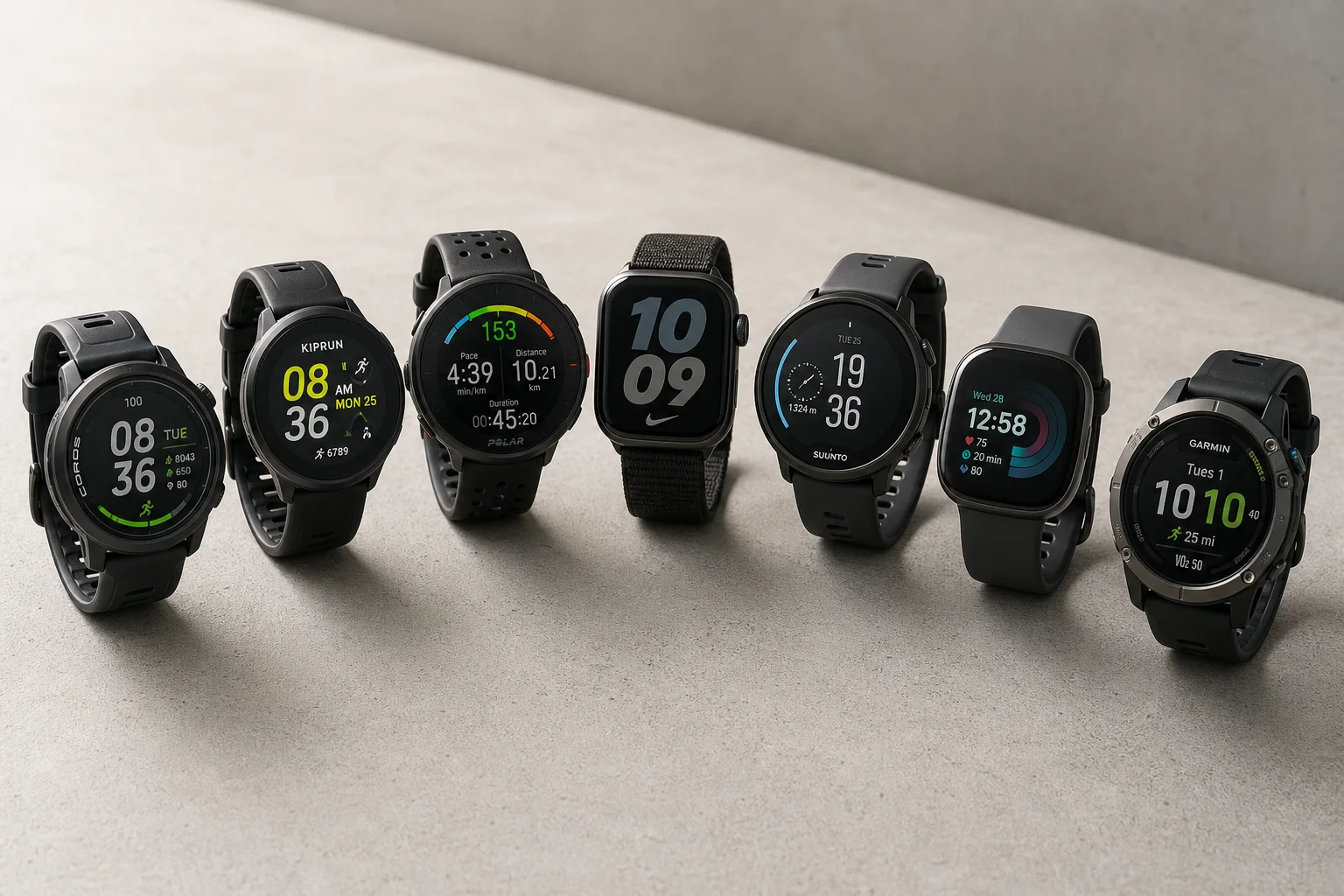
GPS Running Watch Accuracy Test: Seven Watches Compared Across Urban, Trail, and Race Conditions
We tested seven popular running watches from major brands in three different environments to find out which delivers the most accurate GPS tracking for distance and pace.
Running Watches
Garmin Forerunner 70 Review: Garmin's Cheapest Forerunner Is More Capable Than You'd Expect
The new entry-level Forerunner 70 brings an AMOLED screen, a fresh interface, and real training analysis for £219/$249, with a few trade-offs to weigh before buying.